
Overview of Namibia’s Climate
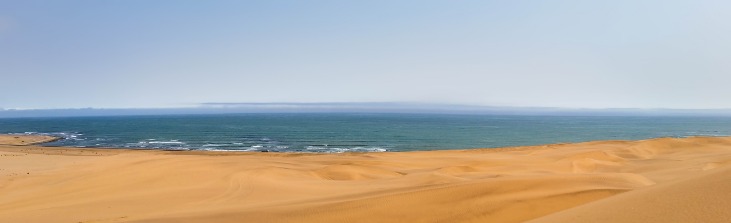
The climate of Namibia is characterized by its diversity and arid conditions, making it one of the driest countries in Southern Africa. Most parts of the country experience a semi-desert to desert climate, with very low and unpredictable rainfall throughout the year. The coastal region along the Atlantic Ocean, including the Namib Desert, has a cool, foggy climate due to cold Atlantic currents. Inland areas tend to be hotter and drier, with temperatures often soaring during summer months. In the Caprivi Strip and northeastern regions, the climate becomes more humid and receives slightly more rainfall, supporting denser vegetation. Overall, Namibia’s climate influences its unique landscapes, wildlife, and agriculture, with desert and semi-desert zones dominating the terrain.
Geographical Influences on Climate
Geographical features play a significant role in shaping the climate of a region. In Namibia, the landscape, including its deserts, mountain ranges, and proximity to the Atlantic Ocean, greatly influences weather patterns and temperature variations. Understanding these geographical influences helps explain the country’s diverse climatic conditions, from arid deserts to more temperate coastal areas.
Desert Landscape and Its Impact
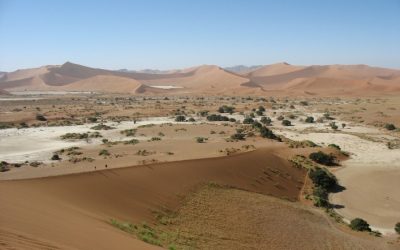
Namibia’s climate is significantly shaped by its geographical features, influencing both its weather patterns and landscape. The country’s vast desert regions, particularly the Namib Desert, contribute to an arid climate with low rainfall and high temperatures, especially during summer months. The desert landscape creates a unique environment where temperatures can soar during the day and drop sharply at night, impacting the flora and fauna adapted to these harsh conditions.
The presence of the Atlantic Ocean on Namibia’s western border also plays a crucial role by moderating coastal temperatures and contributing to the occurrence of fog, which provides moisture in an otherwise dry environment. Inland areas, such as the Namibian plateau, experience more extreme temperature variations due to elevation and the lack of significant water bodies, reinforcing the nation’s desert climate.
Overall, Namibia’s geographical features—its deserts, elevation gradients, and proximity to the ocean—generate a climate characterized by extreme dryness, high temperatures, and variability, shaping the continent’s unique desert landscape and influencing its ecological and human activities.
Elevation and Topography Variations
Namibia’s climate is significantly shaped by its geographical features, including elevation and topography, which influence temperature, precipitation, and weather patterns across the country.
Elevation plays a crucial role in determining Namibia’s climate zones. Higher altitudes, such as in the central plateau and the mountains, tend to have cooler temperatures compared to the low-lying desert areas. The coastal region, including the Namib Desert, is affected by the Atlantic Ocean, leading to a moderate maritime climate, while inland areas experience more extreme temperature variations.
Topography also impacts local weather patterns, with features like mountain ranges and desert plains affecting rainfall distribution and wind flow. The Sperrgebiet and Escarpment areas experience different climatic conditions due to their terrain, influencing local ecosystems and agricultural potential.
- Coastal areas experience moderate temperatures and humid conditions influenced by the Benguela Current.
- Interior deserts, such as the Namib and Kalahari, face high temperatures and low rainfall, creating arid conditions.
- Mountain ranges, including the Waterberg Plateau, receive more rainfall and have cooler temperatures owing to their elevation.
Proximity to the Atlantic Ocean
Proximity to the Atlantic Ocean plays a significant role in shaping Namibia’s climate. The ocean acts as a source of moisture and influences temperature patterns across the region. Coastal areas in Namibia experience a maritime climate characterized by milder temperatures and higher humidity levels due to the cooling effect of the Atlantic Ocean. This results in more moderate conditions compared to inland areas, which are subject to extreme temperatures and dry conditions. The cold Benguela Current flowing along the coast further contributes to the arid environment by reducing the likelihood of inland rainfall and creating a coastal fringe that is relatively cooler and less arid. Overall, the Atlantic Ocean’s influence contributes to Namibia’s diverse climate zones, from arid deserts to semi-arid regions with occasional fog along the coast.
Climate Zones in Namibia
Namibia’s climate is characterized by distinct climate zones that shape the country’s diverse environment and weather patterns. From arid deserts to semi-arid regions, these zones influence agriculture, wildlife, and daily life in Namibia. Understanding the different climate zones provides insight into the country’s unique ecological landscape and climatic conditions.
Kunene Region – Arid and Semi-Arid Zones
Namibia’s Kunene Region is characterized by its arid and semi-arid climate zones, which significantly influence the local environment and inhabitants. These zones experience low and unpredictable rainfall, resulting in scarce and sporadic vegetation cover. Temperatures in these areas can be extreme, with very hot days during summer and cooler nights. The arid and semi-arid climate conditions create challenging living conditions and shape the region’s unique ecosystems, supporting specially adapted flora and fauna suited to the dry environment. Understanding these climate zones is essential for managing water resources, agriculture, and conservation efforts in Namibia’s Kunene Region.
Central Highlands – Moderate Climate
The Central Highlands of Namibia are characterized by a moderate climate, offering relatively comfortable conditions compared to other regions in the country. This zone experiences a balance between temperature and precipitation, making it suitable for various agricultural activities and supporting diverse flora and fauna.
- Temperature: Mild and moderate temperatures prevail throughout the year, with daytime temperatures generally ranging from 15°C to 25°C and cooler nights.
- Precipitation: The region receives moderate rainfall, mostly during the summer months from November to April, contributing to the lush landscape and agricultural productivity.
- Climate Classification: The climate is classified as Cwb according to the Köppen climate classification, indicating a subtropical highland climate with dry winters and wet summers.
- Impact on Ecosystem: The moderate climate supports a variety of vegetation types, including shrublands and grasslands, which sustain local wildlife and pastoral activities.
Caprivi Strip – Humid and Subtropical Climate
Namibia’s climate varies across different regions, with the Caprivi Strip exhibiting a notably humid and subtropical climate. This region, located in the northeastern part of the country, experiences higher rainfall and humidity compared to the arid desert areas. The subtropical climate in the Caprivi Strip supports lush vegetation and abundant wildlife, making it a unique ecological zone within Namibia. The area receives most of its precipitation during the summer months, contributing to its fertile environment. Overall, Namibia’s diverse climate zones, including the humid and subtropical climate of the Caprivi Strip, influence its biodiversity and agricultural practices throughout the country.
Temperature Patterns
Understanding temperature patterns is essential to comprehending the climate of Namibia, a country characterized by diverse and often extreme weather conditions. These patterns influence everything from daily life to agricultural practices and ecosystems across the region. By analyzing how temperatures fluctuate throughout the year and across different areas, we can gain valuable insights into Namibia’s unique climatic environment.
Average Daily Temperatures
Namibia’s climate is characterized by significant temperature variations throughout the year, influenced by its desert and semi-arid landscapes. Understanding the temperature patterns and average daily temperatures provides insight into the region’s weather conditions and how they affect daily life and ecosystems.
- The average daily temperatures in Namibia range from around 15°C (59°F) during winter nights to over 30°C (86°F) during summer days, especially in the desert regions.
- In the coastal areas, such as Walvis Bay and Swakopmund, temperatures tend to be milder due to the influence of the Atlantic Ocean, with averages between 12°C (54°F) and 23°C (73°F).
- During the summer months (December to February), daytime temperatures often exceed 30°C (86°F), with some inland areas reaching above 40°C (104°F), creating very hot conditions.
- Winter months (June to August) generally see cooler temperatures, especially at night, where temperatures can drop below 0°C (32°F) in some areas like the Namib Desert and highlands.
- Temperature patterns are also affected by altitude, with higher elevations experiencing cooler daily temperatures compared to low-lying desert plains.
Seasonal Temperature Fluctuations
Namibia’s climate is characterized by distinct temperature patterns and seasonal temperature fluctuations that influence the region’s weather throughout the year. Typically, temperatures vary significantly between day and night, with daytime temperatures often reaching high levels, especially during the summer months. In coastal areas like Walvis Bay, temperatures tend to be moderated by the cold Atlantic Ocean Benguela Current, resulting in milder fluctuations. Conversely, the interior regions experience more extreme temperature changes, with hot summers and cooler winters. Seasonal fluctuations are marked by warmer temperatures from October to March, coinciding with the Southern Hemisphere’s summer, and cooler, more temperate conditions from May to August during the winter. These temperature variations are crucial in shaping Namibia’s arid and semi-arid climate, affecting both the natural environment and human activities such as agriculture and tourism.
Temperature Extremes and Records
Namibia’s climate is characterized by distinct temperature patterns influenced by its arid and semi-arid environments. Throughout the year, temperatures can vary significantly between coastal areas and inland regions, with the coastal zone often experiencing milder conditions due to the Benguela Current, while inland areas face hotter, more extreme temperatures.
Temperature extremes in Namibia are notable, with some of the highest recorded temperatures reaching well above 40°C (104°F), particularly during the summer months. Conversely, winter nights can be quite cold, especially in the desert regions like the Namib Desert, where temperatures may drop close to freezing. These extremes highlight the harsh and variable climate conditions experienced across the country.
Record temperature data in Namibia illustrate the country’s climatic variability. The highest temperature ever recorded was 50.4°C (122.7°F) at Keetmanshoop in 2013, which underscores the intensity of heat waves in the region. On the other hand, the lowest temperatures typically occur during winter, with some locations experiencing temperatures below -7°C (19°F). These temperature extremes are a critical aspect of Namibia’s climate, impacting agriculture, wildlife, and human settlements.
Precipitation and Rainfall
Precipitation and rainfall are vital components of Namibia’s climate, significantly influencing its landscape and ecosystems. As a mostly arid country, Namibia experiences varying levels of rainfall across its regions, which play a crucial role in shaping agriculture, water availability, and natural habitats. Understanding the patterns and characteristics of precipitation in Namibia provides insight into the country’s weather dynamics and environmental challenges.
Annual Rainfall Distribution
Namibia’s climate is characterized by its arid to semi-arid conditions, resulting in low and unpredictable rainfall throughout the year. Precipitation and rainfall are critical factors influencing agriculture, water resources, and overall ecosystem health in the region. The country predominantly experiences sporadic and low annual rainfall, with major deviations observed between different years and areas.
Rainfall in Namibia is highly variable, with some regions receiving as little as 50 millimeters of precipitation annually, mainly in the coastal areas and deserts, while other regions, such as the higher inland plateaus, may receive slightly more. The rainfall pattern is influenced by the Atlantic Ocean and the movement of weather systems, with most precipitation occurring during the summer months from November to March, driven by the intertropical convergence zone (ITCZ).
Annual rainfall distribution in Namibia is uneven both geographically and seasonally. Coastal regions, including the Namib Desert, experience very low rainfall, often less than 50 mm per year, while the northeastern regions, such as Caprivi, receive higher amounts, sometimes exceeding 600 mm. Overall, the rainfall distribution reflects Namibia’s desert and semi-desert climate, with long dry seasons and short, irregular wet seasons, which pose challenges for water management and agriculture in the country.
Rainy Seasons and Dry Spells
Namibia’s climate is characterized by variations in precipitation and rainfall that significantly influence the country’s environment and agriculture. The country generally experiences low and variable rainfall, with most of the precipitation occurring during the summer months from November to March. Rainfall in Namibia is often irregular, leading to occasional dry spells that can impact water availability and farming activities. These dry periods are especially common in desert and semi-desert regions like the Namib and Kalahari deserts, where rainfall is sporadic and infrequent. The rainy seasons bring much-needed moisture to support wildlife, vegetation, and rural livelihoods, but fluctuating rainfall patterns also pose challenges for planning and resource management. Climate change has further contributed to the unpredictability of rainfall, causing some areas to experience extended dry spells and reduced overall precipitation, emphasizing the importance of sustainable water management in Namibia.
Regional Variations in Precipitation
Namibia’s climate is predominantly arid and semi-arid, leading to significant regional variations in precipitation and rainfall. The country experiences low annual rainfall, with the majority falling during the summer months from November to April. Coastal areas, particularly along the Atlantic Ocean, tend to receive minimal rainfall due to the influence of cold ocean currents, resulting in a desert-like environment in regions such as the Namib Desert. In contrast, some inland areas and the eastern regions, including parts of the Kavango and Zambezi regions, receive slightly higher and more sporadic rainfall, supporting limited agriculture and vegetation.
Precipitation in Namibia varies greatly across different regions, creating distinct microclimates. The Namib Desert, one of the driest places on Earth, receives less than 100 millimeters of rainfall annually, while the northeastern parts of the country can receive up to 600 millimeters, making them comparatively wetter. This regional variation in precipitation influences Namibia’s biodiversity, land use, and settlement patterns, with more populated and cultivated zones generally found in areas with slightly higher and more reliable rainfall. Overall, Namibia’s climate reflects its diverse topography and geographic features, with rainfall amounts shaping the environment and livelihoods across the country.
Weather Phenomena and Climate Events
Namibia experiences a diverse range of weather phenomena and climate events that significantly impact its environment and communities. Its arid landscape is characterized by intense heat, infrequent but powerful rainfall, and occasional extreme weather conditions. Understanding these climate patterns is essential to grasp the challenges and adaptations faced by the country in its efforts to manage water resources, agriculture, and ecological preservation.
Droughts and Water Scarcity
Namibia’s climate is characterized by arid and semi-arid conditions, making the country particularly vulnerable to weather phenomena such as droughts and water scarcity. These climate events are often driven by the region’s low and irregular rainfall patterns, which are further exacerbated by climate change, leading to prolonged periods of dry weather.
Droughts in Namibia can have severe impacts on agriculture, livestock, and water supplies, threatening the livelihoods of many communities. The scarcity of water resources affects both urban and rural areas, forcing residents to rely on limited and often contaminated water sources. In response, Namibia has implemented various water management strategies, including the use of groundwater sources and weather forecasting, to mitigate some of these impacts.
Climate variability and the increasing frequency of extreme weather events highlight the importance of sustainable water management and adaptation measures in Namibia. Addressing water scarcity requires a combination of policy interventions, community engagement, and innovations in water conservation to ensure resilience against future climate challenges.
Sandstorms and Dust Storms
Namibia’s climate is characterized by its arid and semi-arid conditions, which make it particularly susceptible to weather phenomena such as sandstorms and dust storms. These events often occur due to the combination of strong winds, sparse vegetation, and dry soil, creating dramatic and sometimes hazardous atmospheric conditions.
Sandstorms and dust storms are common in Namibia, especially during the dry season when strong winds lift loose sand and dust from the desert and plains into the atmosphere. These storms can reduce visibility significantly, affect transportation, and impact health by causing respiratory issues. They also play a role in shaping the local environment and contribute to the movement of sand across regions.
- Strong Winds: Namibia experiences frequent and intense wind events, particularly in the Namib Desert, which help generate and sustain sand and dust storms.
- Drought Conditions: Prolonged periods of drought dry out soil and surface materials, making them more susceptible to being lifted by wind.
- Environmental Impact: Sandstorms can erode land, damage vegetation, and influence local and regional climate patterns by altering atmospheric conditions.
- Seasonal Occurrence: These phenomena are most prevalent during the transition between dry and windy seasons, often in late winter and early spring.
- Mitigation and Adaptation: Local communities implement measures such as planting windbreaks and constructing barriers to reduce the impact of dust storms on health and infrastructure.
Impact of Climate Change on Namibia
Namibia’s climate is characterized by its arid and semi-arid conditions, with the southern part of the country experiencing frequent droughts and unpredictable weather patterns. Weather phenomena such as intense heatwaves and sporadic rainfall significantly influence the environment and daily life. Climate events like prolonged droughts and desertification have become increasingly common, impacting agriculture, water resources, and biodiversity. The effects of climate change have intensified these challenges, leading to more severe and prolonged drought periods, reduced groundwater recharge, and increased desertification. As temperatures rise globally, Namibia faces heightened vulnerability to extreme weather events, which threaten the livelihoods of communities and the sustainability of its natural ecosystems. Addressing these issues requires adaptive strategies to manage water scarcity and mitigate the impacts of climate change on the country’s fragile environment.
Environmental and Human Impacts
Namibia’s climate is characterized by arid and semi-arid conditions, which significantly influence both the environment and human activities in the region. The delicate balance of its ecosystem is increasingly affected by climate change, leading to challenges such as drought, desertification, and loss of biodiversity. Understanding the impacts of climate on Namibia is essential to address environmental sustainability and improve livelihoods for its inhabitants.
Agriculture and Water Resources
Namibia’s climate significantly influences its environment, agriculture, and water resources, shaping the way communities evolve and ecosystems function. As a semi-arid to arid country, Namibia faces challenges related to water scarcity, land degradation, and environmental conservation due to its dry climate and irregular rainfall patterns.
- Environmental Impacts: Namibia’s arid climate contributes to desertification and loss of biodiversity. Overgrazing and deforestation exacerbate land degradation, threatening native wildlife and plant species. Climate change has led to increased temperatures and unpredictable rainfall, intensifying drought conditions and reducing natural habitats.
- Human Impacts: Limited access to freshwater sources affects communities and restricts economic activities. Droughts have led to food and water shortages, impacting health and livelihoods, especially in rural areas. Urban areas face pressure on water supplies and increased vulnerability to climate-related disasters.
- Agriculture: The agricultural sector is primarily dependent on rainfall, making it vulnerable to climatic variability. Crops often fail during drought years, and livestock survival becomes difficult without sufficient water and pasture. Farmers are increasingly adopting drought-resistant crops and sustainable grazing practices to cope with these challenges.
- Water Resources: Namibia relies heavily on groundwater and limited surface water sources like the Okavango and Cunene rivers. Over-extraction and pollution threaten these vital resources. Water conservation and the development of alternative sources, such as desalination and rainwater harvesting, are critical for ensuring future resilience.
Wildlife and Ecosystems
Namibia’s climate has a significant influence on its wildlife and ecosystems, shaping the delicate balance of its natural environment. The country experiences arid to semi-arid conditions, with hot, dry days and limited rainfall, especially in the desert regions such as the Namib Desert. These environmental factors create unique habitats that are home to specialized flora and fauna adapted to survive in extreme conditions.
Human activities, including agriculture, mining, and tourism, exert pressure on Namibia’s ecosystems, sometimes leading to habitat degradation and loss of biodiversity. Overgrazing by livestock can cause desertification, reducing the resilience of ecosystems to climate variations. Water scarcity, driven by both climate and human use, affects wildlife populations and the health of aquatic systems. Additionally, climate change is intensifying these challenges by increasing temperatures and altering rainfall patterns, which further threaten vulnerable species and reduce biodiversity.
Namibia’s wildlife, such as desert-adapted elephants, oryx, and various bird species, are indicators of ecosystem health and are vital to maintaining ecological balance. Conservation efforts are crucial to mitigate human impacts and preserve these ecosystems, ensuring that Namibia’s diverse habitats continue to support abundant wildlife and contribute to the country’s environmental stability amidst challenging climate conditions.
Urban Climate and Adaptation Strategies
Namibia’s climate is characterized by arid and semi-arid conditions, which significantly impact both the environment and local communities. The scarcity of rainfall and frequent droughts threaten biodiversity, reduce agricultural productivity, and compromise water security for inhabitants. Human activities such as overgrazing, deforestation, and inefficient water management exacerbate these environmental stresses, leading to land degradation and ecosystem imbalance.
Urban areas in Namibia, especially Windhoek, face increasing challenges related to climate change, including heightened temperatures, irregular rainfall, and water scarcity. These conditions contribute to urban heat islands and place additional pressure on infrastructure, health, and resources. Addressing these issues requires innovative adaptation strategies that enhance resilience, such as the development of sustainable water conservation practices, the expansion of green spaces, and the adoption of renewable energy sources.
To mitigate environmental and human impacts, Namibia is implementing various adaptation strategies, including the promotion of drought-resistant crops, reforestation projects, and community-based resource management. Strengthening policies on climate resilience and increasing public awareness are crucial for fostering sustainable development. Collaborative efforts between government agencies, local communities, and international partners are vital to ensure Namibia’s capacity to adapt effectively to ongoing climatic changes and safeguard its unique desert ecosystems for future generations.


0 Comments