

Overview of Ghana’s Cost of Living
Ghana’s cost of living offers a glimpse into the daily expenses faced by residents and visitors alike. Understanding the overall affordability, from housing and transportation to food and healthcare, is essential for anyone considering life in this West African nation. This overview explores the key factors influencing the cost of living in Ghana, providing valuable insights into what to expect when living or traveling in the country.
Economic Factors Influencing Cost of Living

Ghana’s cost of living reflects a combination of economic, social, and political factors that influence the daily expenses of residents. It varies significantly between urban and rural areas, with the capital, Accra, often experiencing higher costs due to increased demand and infrastructure development. The overall cost of living includes housing, food, transportation, healthcare, and education, which are influenced by a range of economic factors.
Economic factors such as inflation, currency stability, and income levels play a critical role in shaping the cost of living in Ghana. Inflation affects prices across the board, making it more expensive to purchase goods and services, while currency fluctuations can impact the affordability of imported items. Income levels influence consumers’ purchasing power, with higher income groups able to better manage rising costs.
Additionally, factors like urbanization, government policies, and market dynamics contribute to fluctuations in the cost of living. Infrastructure development and investment in public services can also affect prices, especially in urban centers. Overall, the cost of living in Ghana is influenced by a complex interplay of economic and social factors that determine how affordable life is for different segments of the population.
Regional Cost Variations
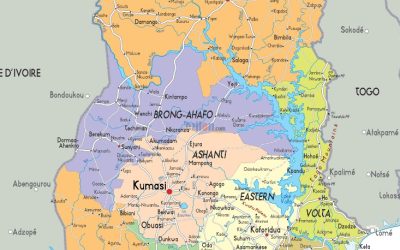
Ghana’s cost of living varies significantly across different regions, influenced by factors such as urbanization, infrastructure, and local economic activities. In urban areas like Accra and Kumasi, the expenses for housing, transportation, and everyday essentials tend to be higher due to increased demand and higher standards of living. Conversely, rural regions generally experience lower costs, reflecting reduced expenses and lower wages. Regional disparities also impact prices of food, utilities, and services, making it essential for residents and prospective movers to consider these variations when planning their budgets. Overall, understanding these regional cost differences helps individuals make informed decisions about their lifestyle and financial planning within Ghana.
Urban vs. Rural Cost Differences
Ghana’s cost of living varies significantly between urban and rural areas, influenced by factors such as housing, transportation, food, and healthcare expenses. Urban regions like Accra and Kumasi tend to have higher costs due to increased demand for services and amenities, while rural areas generally offer lower prices, reflecting reduced infrastructure and service availability. While basic necessities may be more affordable in rural communities, residents often face higher transportation costs when traveling to urban centers for goods and services. Overall, understanding these differences is crucial for individuals planning their budgets or considering relocation within Ghana.
Housing and Accommodation Costs
Housing and accommodation costs are significant factors influencing the overall cost of living in Ghana. These expenses vary widely across different regions and cities, reflecting differences in demand, development, and economic conditions. Understanding the expenses associated with housing is essential for individuals planning to live, work, or invest in Ghana, as it impacts budgeting and financial stability.
Rental Prices in Major Cities
Housing and accommodation costs vary significantly across major cities in Ghana, reflecting differences in demand, location, and amenities. In Accra, the capital city, rental prices tend to be the highest, with a one-bedroom apartment in the city center costing between $300 and $700 per month. Outside the city center, prices generally drop to between $150 and $350. Kumasi, another major urban center, offers more affordable options, with city center rentals averaging around $200 to $400 and outskirts being even cheaper. Takoradi and Tema also experience similar trends, with rental prices influenced by proximity to commercial hubs and infrastructure. Overall, while housing costs in Ghana are moderate compared to global standards, urban areas, especially Accra, can be quite expensive, impacting overall living expenses for residents and expatriates alike.
Buying Property: Costs and Trends
Housing and accommodation costs in Ghana are significant factors influencing the overall cost of living. Over recent years, property prices have been on the rise, driven by urbanization and increased demand in cities like Accra and Kumasi. Buying property in these areas often requires substantial investment, with land and housing prices fluctuating based on location, development, and economic conditions. Trends indicate a steady increase in property values, reflecting a growing real estate market that attracts both local and international buyers. While the initial costs may be high, there are opportunities for affordable housing in suburban and emerging areas. Understanding the evolving market trends and associated costs is essential for prospective homeowners and investors aiming to navigate Ghana’s real estate landscape effectively.
Utilities and Maintenance Expenses
Housing and accommodation costs, along with utilities and maintenance expenses, are essential components of the cost of living in Ghana. Rental prices for apartments and houses can vary significantly depending on the location, with Accra and Kumasi generally having higher costs compared to rural areas. Utilities such as electricity, water, and internet are necessary expenses that can add to monthly bills, often influenced by usage patterns and service providers. Maintenance expenses, including repairs and upkeep of properties, also contribute to overall housing costs, especially for homeowners or landlords managing rental properties. Overall, while housing expenses in Ghana are affordable compared to some global standards, they still represent a substantial part of the monthly budget for many residents, especially in urban centers.
Food and Grocery Expenses
Food and grocery expenses are a significant part of the cost of living in Ghana. They influence household budgets and overall financial planning for residents and expatriates alike. Understanding the current prices and trends in food costs is essential for anyone looking to manage their expenses effectively in the country.
Average Costs of Common Groceries
Food and grocery expenses are a significant part of the cost of living in Ghana. On average, a single person might spend between 400 to 800 Ghanaian Cedis per month on groceries, depending on lifestyle and location. Common groceries such as rice, maize, cooking oil, and vegetables are quite affordable, with prices fluctuating seasonally. For example, a kilogram of rice typically costs around 15 to 25 Ghanaian Cedis, while fresh vegetables like tomatoes and onions cost approximately 3 to 7 Ghanaian Cedis per kilogram. Meat and fish are relatively affordable, with chicken averaging 12 to 20 Ghanaian Cedis per kilogram. Packaged goods and imported products tend to be more expensive, influencing overall grocery bills. Overall, Ghana offers a variety of affordable food options, but cost can vary significantly between urban and rural areas, impacting the overall cost of living for residents.
Eating Out: Restaurant Prices
Ghana’s cost of living includes various expenses related to food and dining out, which can vary significantly depending on the city and lifestyle. Grocery expenses for basic food items such as rice, beans, and vegetables tend to be affordable, especially if shopping at local markets. Eating out at restaurants offers options ranging from local eateries to upscale dining establishments. The average price for a meal at an inexpensive restaurant typically ranges from 20 to 50 Ghanaian Cedis, while a three-course meal for two people at a mid-range restaurant can cost around 150 to 300 Ghanaian Cedis. Fast food chains are also available and generally offer meals at lower prices. Overall, food and grocery expenses are reasonable for residents, but dining out at higher-end restaurants can be a bit more costly, impacting the overall cost of living in Ghana.
Market vs. Supermarket Prices
Food and grocery expenses in Ghana can vary significantly depending on whether you shop at local markets or supermarkets. Typically, markets offer fresher produce and lower prices for fruits, vegetables, and local staples, making them a more affordable option for many residents. Supermarkets, on the other hand, tend to have higher prices due to imported goods, packaged products, and convenience factors. Consumers looking to stretch their budgets often prefer markets for daily essentials, while supermarkets cater to those seeking variety, packaged foods, and imported items. Overall, understanding the price differences between these shopping venues can help residents manage their cost of living more effectively in Ghana.
Transportation Costs
Transportation costs play a significant role in the overall cost of living in Ghana. As one of the essential expenses for residents and businesses alike, these costs can vary widely depending on the mode of transportation, distance traveled, and urban infrastructure. Understanding transportation expenses is crucial for evaluating the affordability of living in Ghana and planning budgets effectively.
Public Transportation Fares
Transportation costs, including public transportation fares, significantly contribute to the overall cost of living in Ghana. They influence daily expenses for commuters and can vary depending on the mode of transport and geographic location within the country.
- Public transportation fares in Ghana are generally affordable, making it accessible for most residents. Buses, tro-tros (shared minivans), and taxis are common modes of transport.
- The average bus fare within cities like Accra ranges from 1 to 4 Ghanaian Cedis, depending on distance. Longer intercity routes can cost between 10 and 50 Ghanaian Cedis.
- Taxi fares are usually negotiated or metered, with typical short trips costing around 10 to 20 Ghanaian Cedis in urban areas. Ride-hailing services like Uber and Bolt are increasingly popular, often offering competitive prices.
- Public transportation fares are subject to periodic adjustments influenced by fuel prices and inflation. Despite this, they remain relatively low compared to many other countries.
- Transportation costs are an important factor when considering overall living expenses in Ghana, especially for those commuting daily to work or school.
Owning a Vehicle: Maintenance and Fuel
Transportation costs in Ghana can significantly impact the overall cost of living, especially for those who own a vehicle. Owning a car involves ongoing expenses such as maintenance and fuel, which contribute to monthly budgets.
- Maintenance Costs: Regular maintenance is essential to keep the vehicle in good condition. This includes oil changes, brake repairs, tire replacements, and other periodic services. Costs vary depending on the vehicle type and age but are a recurring expense for vehicle owners.
- Fuel Expenses: Fuel prices in Ghana fluctuate but generally represent a substantial portion of a vehicle owner’s monthly expenditure. The distance traveled and fuel efficiency of the vehicle are key factors influencing fuel costs.
Understanding these costs is crucial for budgeting effectively and managing the overall cost of living in Ghana.
Taxi and Ride-Hailing Expenses
Transportation costs, including taxi and ride-hailing expenses, are a significant component of the cost of living in Ghana. Residents often rely on these services for daily commuting, which can vary based on location, distance, and time of day. While traditional taxis are widely available and generally affordable, ride-hailing platforms like Bolt and Uber have become increasingly popular, offering convenient and sometimes more cost-effective options. The fluctuating fuel prices and urban traffic congestion also influence transportation expenses, impacting overall household budgets. Travelers and locals alike consider these costs when planning their finances in Ghana, highlighting the importance of efficient and affordable transportation solutions in the country’s economic landscape.
Healthcare and Insurance Costs
Healthcare and insurance costs are significant components of the overall cost of living in Ghana. As the country develops, the demand for quality medical services increases, leading to rising expenses for individuals seeking healthcare coverage. Understanding these costs is essential for residents and visitors alike to manage their finances effectively and ensure access to necessary medical care in Ghana.
Medical Service Fees
Healthcare and insurance costs in Ghana are important considerations for residents and visitors alike. Medical service fees can vary significantly depending on whether one seeks treatment at public hospitals, private clinics, or international medical centers. Public healthcare facilities tend to offer more affordable services, but may have longer wait times and limited resources. Private healthcare providers generally charge higher fees but offer quicker and more specialized care. Insurance plans are available to help offset these costs, with options ranging from government-supported schemes to private health insurance providers. Overall, understanding the cost structure of medical services is crucial for managing the cost of living in Ghana and ensuring access to quality healthcare when needed.
Health Insurance Options and Costs
Healthcare and insurance costs in Ghana are important factors to consider when evaluating the overall cost of living. While public healthcare services are available, many residents opt for private health insurance to access quicker and more specialized care. The costs of health insurance vary depending on the coverage level, provider, and age of the individual. Basic plans may be affordable for some, but comprehensive coverage can be more expensive. It is essential for residents to compare different options to find an insurance plan that suits their needs and budget, ensuring access to quality healthcare without excessive financial burden.
Education Expenses
Education expenses are a vital component of the overall cost of living in Ghana, affecting students, parents, and families across the country. These costs include tuition fees, textbooks, school supplies, and other related expenditures that contribute to a student’s educational journey. Understanding the financial commitments associated with education in Ghana is essential for planning and budgeting within the broader context of the country’s living expenses.
School Fees for Local and International Schools
Education expenses, including school fees for both local and international schools, significantly contribute to the overall cost of living in Ghana. The fees vary depending on the institution, location, and level of education, with international schools generally charging higher tuition fees compared to local schools. Local schools often have more affordable options, making education accessible to a broader population, while international schools cater to expatriates and wealthier families seeking global curricula. Parents planning for their children’s education need to consider these expenses as part of their budgeting process to ensure they can provide quality education without financial strain.
Higher Education Costs
Education expenses, particularly for higher education, are a significant aspect of the cost of living in Ghana. As students pursue tertiary education, they often encounter various costs beyond tuition fees, which contribute to their overall financial burden.
- Tuition Fees: The primary expense for students attending universities and technical colleges, which vary depending on the institution and program of study.
- Accommodation: Expenses related to renting or staying in hostels, with costs differing between urban areas like Accra and rural regions.
- Study Materials: Costs for textbooks, stationery, and other learning resources required for academic success.
- Transportation: Daily commuting expenses to and from educational institutions, especially for students living off-campus.
- Miscellaneous Expenses: Including feeding, internet access, and personal supplies needed during the course of higher education.
Managing these costs is essential for students and families in Ghana, as higher education expenses can significantly impact their overall cost of living and financial planning.
Entertainment and Leisure Expenses
Entertainment and leisure expenses are an essential part of daily life in Ghana, reflecting the cultural vibrancy and social engagement of its people. These costs include spending on movies, music, sports, dining out, and various recreational activities that enhance quality of life. Understanding these expenses provides valuable insight into the overall cost of living in Ghana and helps individuals plan their budgets effectively.
Cost of Cinema, Sports, and Recreational Activities
Entertainment and leisure expenses in Ghana encompass a variety of activities such as cinema visits, sports, and recreational pursuits. These expenses play a significant role in the overall cost of living, offering residents opportunities for relaxation and socialization. The cost of cinema tickets can vary depending on the location and the type of screening, with urban areas generally featuring higher prices compared to rural regions. Participation in sports and recreational activities may include membership fees for gyms, sports clubs, or outdoor facilities, which are typically affordable but can add up for frequent participants. Overall, these leisure expenditures contribute to the diverse lifestyle options available in Ghana, influencing the financial planning of residents and visitors alike.
Cost of Cultural Events and Tourism
Entertainment and leisure expenses, including the costs associated with cultural events and tourism, are significant components of the cost of living in Ghana. These expenses can vary depending on location, event scale, and personal preferences, but they are essential for understanding the overall affordability of living in the country.
- Cultural events such as festivals, music concerts, and traditional ceremonies often require ticket purchases or donations, with prices ranging from a few Ghanaian cedis to more premium experiences costing higher fees.
- Tourism activities, including visits to national parks, historical sites, and beaches, usually involve entrance fees which can vary from 10 to 50 Ghanaian cedis, depending on the location and type of activity.
- Dining out at entertainment venues or tourist attractions can add to leisure expenses, with meals costing between 20 to 100 Ghanaian cedis per person, influenced by the venue’s quality and location.
- Accommodation during travel, such as hotels and resorts, also contributes significantly, with prices varying from budget hostels to luxury hotels, affecting overall entertainment and leisure costs.
Clothing and Personal Care
Clothing and personal care are essential aspects of daily life in Ghana, reflecting both cultural traditions and modern influences. These items not only serve practical needs but also allow individuals to express their personal style and identity. Understanding the costs associated with clothing and personal care can provide valuable insights into the overall cost of living in Ghana.
Prices of Apparel and Footwear
Clothing and personal care are essential components of the cost of living in Ghana. The prices of apparel and footwear can vary depending on the brand, quality, and location of purchase. Generally, local markets offer more affordable options, while international brands tend to be more expensive. Basic clothing items such as shirts, trousers, and shoes are accessible to many, with prices that are reasonable for the average consumer. However, imported and branded apparel can significantly increase overall clothing expenses. Personal care products, including toiletries, cosmetics, and grooming items, are also widely available at varied price points. Consumers looking to manage their costs often choose locally produced goods, which tend to be cheaper than imported alternatives. Overall, clothing and personal care costs constitute an important aspect of Ghana’s overall living expenses, influencing household budgets and lifestyle choices.
Personal Care Products and Services
Clothing and personal care are essential components of daily life in Ghana, reflecting both cultural influences and economic factors. Personal care products and services, including skincare, haircare, grooming, and hygiene items, play a significant role in maintaining health and appearance. The cost of these essentials can vary widely depending on the quality, brand, and place of purchase, often impacting the overall cost of living. In urban areas like Accra and Kumasi, residents have access to a range of local and imported products, which influences prices. While some affordable local alternatives are available, imported brands tend to be more expensive, affecting household budgets. Personal care services such as salons, barbershops, and wellness clinics are also prevalent, offering beauty and grooming treatments that contribute to personal expense assessments. Overall, the affordability and availability of clothing and personal care products are important factors in understanding Ghana’s cost of living, especially for expatriates and local families alike.
Financial and Miscellaneous Costs
When examining the cost of living in Ghana, it is important to consider not only everyday expenses but also the various financial and miscellaneous costs that can impact budgeting. These costs include various fees, taxes, and other expenditure categories that influence individuals and families in their financial planning. Understanding these components helps provide a clearer picture of the overall affordability and economic landscape in Ghana.
Banking Fees
Financial and miscellaneous costs, including banking fees, play a significant role in the overall cost of living in Ghana. Residents and expatriates often encounter various charges such as account maintenance fees, ATM withdrawal charges, and transfer fees, which can add to their monthly expenses. These banking costs vary depending on the financial institution and the type of account held. Additionally, other miscellaneous costs like currency exchange fees, insurance premiums, and financial service charges contribute to the complexity of budgeting in Ghana. Understanding these costs is essential for effective financial planning and managing living expenses in the country.
Communication: Internet and Mobile Plans
Financial and miscellaneous costs, along with communication expenses such as internet and mobile plans, are essential components of everyday living expenses in Ghana. The cost of internet services varies depending on the provider and data package, with prices generally affordable for most residents. Mobile plans are competitively priced, offering a range of options from prepaid to postpaid plans, making communication accessible for both individuals and businesses. Budgeting for these costs can help residents manage their overall expenses effectively within Ghana’s cost of living framework.


0 Comments