
Geography and Landscape of Namibia
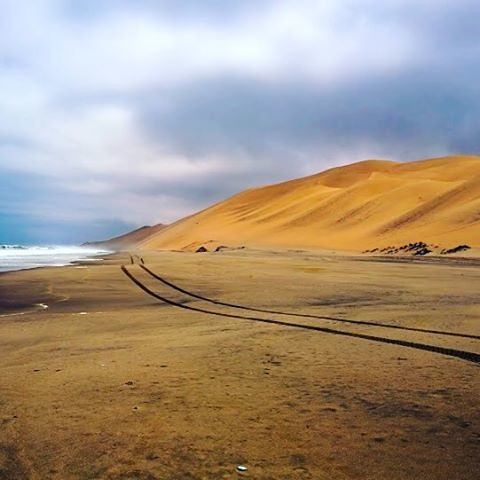
Namibia, located in the southwestern part of Africa, is renowned for its diverse geography and striking landscapes. The country features vast deserts, including the scorching Namib Desert, which is one of the oldest in the world, as well as lush savannas and rugged mountain ranges. Its unique terrain creates a variety of ecosystems that support diverse wildlife and contribute to Namibia’s stunning natural beauty and ecological significance.
Major Geographic Features
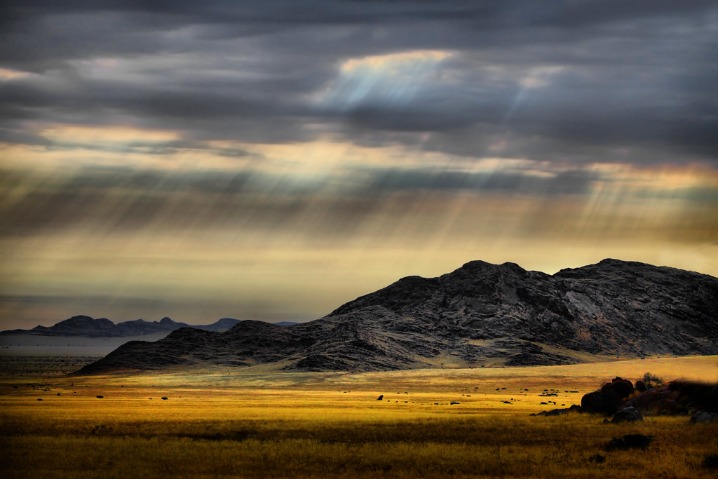
Namibia, located in southwestern Africa, is a country characterized by diverse geography and striking landscapes that significantly shape its environment and tourism appeal. Its terrain ranges from vast deserts and savannahs to rugged mountain ranges and coastal plains, creating a unique mosaic of natural features. The country is renowned for the Namib Desert, one of the world’s oldest and driest deserts, extending along the Atlantic coast and home to the iconic sand dunes of Sossusvlei. The Namib Desert’s towering dunes, some reaching over 300 meters, are among the highest in the world and are a major attraction for visitors. Inland, the landscape transitions to the Central Plateau, which is relatively elevated and fertile, supporting agriculture and settlements. In the northeast, the Etosha Pan, a large dry salt pan, forms part of the Etosha National Park, a vital wildlife preserve. Namibia’s topography is also marked by the rugged Brandberg Mountain, the country’s highest peak, and the Fish River Canyon, one of the largest canyons in Africa, offering dramatic scenery and hiking opportunities. Oceanic influence on Namibia’s landscape results in a narrow marine zone along the Atlantic coast, characterized by rugged cliffs, rocky shores, and rich marine life. Overall, Namibia’s diverse geographic features provide a stunning backdrop for its rich biodiversity and natural heritage.
Climate Zones and Weather Patterns
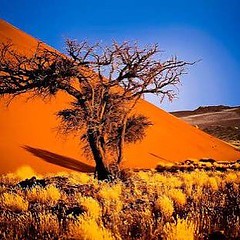
Namibia, located in southwestern Africa, is renowned for its diverse geography and striking landscapes. The country features vast deserts, including the Namib Desert, one of the oldest deserts in the world, and the Kalahari Desert, which covers much of the central and eastern regions. Namibia is characterized by rugged mountain ranges such as the Damaraland and the Waterberg Plateau, extensive savannahs, and lush river valleys. Its landscape is shaped by geological formations, including impressive sandstone arches, deep canyons, and massive sand dunes, notably the iconic Dune 45 in Sossusvlei.
The climate zones in Namibia vary significantly across different regions. The coastal areas along the Atlantic Ocean experience a cool desert climate with high humidity, often influenced by the Benguela Current, which results in foggy conditions and relatively mild temperatures. Interior regions generally have a semi-arid to arid climate, characterized by hot days and cooler nights, with low annual rainfall. The more inland and southern parts experience some seasonal rainfall during the summer months, supporting sparse vegetation and wildlife, while the northern regions tend to be wetter, with more reliable rainfalls.
Weather patterns in Namibia are largely governed by the interplay of the desert climate, oceanic influences, and regional atmospheric systems. The country has distinct dry seasons, typically from May to October, during which rainfall is minimal and temperatures can rise sharply during the day. The summer months, from November to April, bring warm to hot temperatures along with seasonal rains that often occur as thunderstorms, especially in the northern regions. These patterns contribute to Namibia’s unique ecosystems, supporting its rich biodiversity amidst arid conditions.
Notable Natural Landmarks
Namibia, located in southwestern Africa, is renowned for its striking geography and diverse landscape. The country features a vast desert terrain, including the iconic Namib Desert, often considered the world’s oldest desert. To the east, the region transitions into semi-arid savannas and grasslands that support a variety of wildlife. Namibia’s terrain is characterized by rugged mountain ranges, including the Brandberg Mountains, which are the highest in the country, and the rugged Grootberg Plateau. The central part of Namibia is dominated by the Central Plateau, which is dotted with dry riverbeds and scenic valleys.
Notable natural landmarks in Namibia include the Namib Desert’s towering sand dunes, such as Dune 45 near Sossusvlei, which are among the tallest in the world. Etosha Pan is a vast, salt-filled depression that is a vital wildlife habitat, especially during the seasonal water shortages. The Fish River Canyon, one of the largest canyons globally, stretches over 160 kilometers and features breathtaking cliffs and rugged terrain. The Skeleton Coast, known for its shipwrecks and desolate beauty, is a stark and dramatic landscape that highlights Namibia’s rugged coastline. These landmarks showcase Namibia’s remarkable natural beauty and its unique geological formations, making it a destination for adventure and eco-tourism enthusiasts.
History and Heritage of Namibia
Namibia, located in southwestern Africa, boasts a rich history and vibrant heritage shaped by a diverse array of indigenous cultures and historical influences. From ancient San rock art to the colonial era marked by German and South African rule, the nation’s story reflects resilience and cultural exchange. Today, Namibia celebrates its heritage through preserved traditions, archaeological sites, and a commitment to honoring its historical roots.
Ancient Civilizations and Archaeology
Namibia boasts a rich history and diverse heritage that reflects its ancient civilizations and archaeological significance. The region has been inhabited for thousands of years, with evidence of early human activity dating back to the Stone Age, showcasing its importance as a cradle of human evolution.
Ancient civilizations in Namibia include the Nama and Herero peoples, whose cultures and traditions have been preserved over centuries. Archaeological excavations have uncovered tools, pottery, and rock paintings that provide insight into their lifestyles and spiritual beliefs.
The Namibian landscape is dotted with archaeological sites such as Twyfelfontein, a UNESCO World Heritage site featuring thousands of petroglyphs and carvings created by early San and Bushmen populations. These artworks depict hunting scenes, animals, and human figures, offering valuable clues for understanding prehistoric life.
- Ancient tools and artifacts reveal early humans’ adaptation to desert environments.
- Rock art sites like Twyfelfontein and Brandberg Mountain are significant for their cultural and archaeological value.
- Evidence of ancient trade routes connects Namibia to broader regional networks in southern Africa.
- The archaeology of Namibia highlights a continuous human presence dating back over 20,000 years.
- Heritage sites are protected to preserve Namibia’s unique historical and cultural identity for future generations.
Colonial Era and Independence
Namibia, located in southwestern Africa, boasts a rich and diverse history deeply rooted in its cultural heritage and historical events. The region was originally inhabited by various indigenous groups, including the Himba, Herero, Nama, and San communities, each contributing uniquely to the nation’s cultural mosaic.
During the colonial era, Namibia was known as German South West Africa, having been colonized by Germany in the late 19th century. German influence is evident in the architecture, language, and administrative systems established during this period. After Germany’s defeat in World War I, the territory was mandated to South Africa by the League of Nations, leading to South African administration that persisted until Namibia’s push for independence.
The struggle for independence intensified in the mid-20th century, marked by resistance movements such as the South West Africa People’s Organisation (SWAPO). The liberation movement fought against South African rule, which was characterized by apartheid policies and systemic discrimination against the indigenous populations. After years of conflict and negotiations, Namibia finally gained independence on March 21, 1990, becoming the first country in the region to achieve liberation through a peaceful transition. Today, Namibia’s history of colonialism and liberation is fundamental to its national identity and heritage.
Post-Independence Developments
Namibia’s history and heritage are rich and diverse, shaped by indigenous cultures, colonial influences, and a path towards independence. The country was originally inhabited by various indigenous groups such as the Himba, Herero, San, and Ovambo people, each contributing to the nation’s cultural mosaic. European exploration in the 19th century, particularly by Germans and the Portuguese, led to Namibia becoming a German colony known as German South-West Africa. After World War I, the territory was mandated to South Africa by the League of Nations, which imposed apartheid policies, creating social and political tensions among its peoples. Namibia gained independence from South Africa on March 21, 1990, after a protracted struggle led by the South West Africa People’s Organization (SWAPO). Post-independence developments have focused on nation-building, economic growth, and reconciliation efforts.
- Establishment of a democratic government and the conduct of free elections.
- Implementation of land reforms and efforts to address historical injustices.
- Development of infrastructure and diversification of the economy, especially in mining, tourism, and agriculture.
- Promotion of cultural heritage and preservation of indigenous languages and traditions.
- Focus on social development, including health, education, and poverty alleviation programs.
Culture and Traditions
Namibia, a country in southwestern Africa, boasts a rich tapestry of culture and traditions that reflect its diverse heritage. From indigenous customs to vibrant festivals, Namibia’s cultural landscape showcases the unique identities of its various ethnic groups. These traditions play a vital role in shaping the nation’s social fabric and offer a fascinating glimpse into its history and way of life.
Distinct Ethnic Groups
Namibia, located in southwestern Africa, is a country rich in diverse cultures and traditions that reflect its complex history and multiple ethnic groups. The nation is home to a variety of ethnic communities, each with unique languages, customs, and beliefs that contribute to Namibia’s vibrant cultural landscape.
The indigenous Himba people are renowned for their distinctive red ochre body paint and elaborate hairstyles, which are significant to their social and spiritual identity. The Herero community, known for their mourning attire and storytelling traditions, also plays a vital role in shaping Namibia’s cultural identity. The San people, considered one of the oldest ethnic groups in Africa, preserve ancient hunting and gathering traditions, as well as rock art that dates back thousands of years.
Moreover, Namibia’s culture is influenced by its colonial history, with German and Afrikaans cultures blending with indigenous traditions. This multicultural environment is reflected in local festivals, music, dance, and cuisine, showcasing Namibia’s rich tapestry of ethnic diversity. Preserving these traditions is fundamental to Namibia’s national identity, fostering a sense of pride and continuity among its people.
Languages Spoken
Namibia, a country located in southwestern Africa, boasts a rich tapestry of culture and traditions that reflect its diverse population. The nation is known for its vibrant customs, indigenous practices, and colorful festivals that celebrate its heritage. Traditional music, dance, and craftwork play a significant role in Namibian society, often serving as a means of storytelling and preserving history.
Languages spoken in Namibia include English, which is the official language used in government and education, as well as several indigenous languages. Some of the most prominent native languages are Oshiwambo, Herero, Nama, and Damara, each with its unique linguistic and cultural significance. This multilingual environment highlights Namibia’s cultural diversity and the importance of preserving its various traditions and languages for future generations.
Festivals and Cultural Events
Namibia is a country rich in culture and traditions, reflecting its diverse ethnic groups and history. The Namibian people celebrate their heritage through vibrant festivals and cultural events that showcase music, dance, art, and local customs. These gatherings serve as a means to preserve their unique identities and foster community spirit.
One of the most notable festivals in Namibia is the Oruuano Traditional Festival, where the Owambo community honors their cultural heritage with traditional ceremonies, music performances, and craft displays. The Himba people, known for their distinctive makeup and clothing, hold cultural gatherings that highlight their nomadic lifestyle and ancestral traditions.
Namibia’s cultural events often feature traditional dance and music that have been passed down through generations, providing a lively atmosphere for both locals and visitors. Art exhibitions, dance troupes, and storytelling sessions are common during national celebrations, emphasizing the importance of cultural preservation.
Wildlife and Conservation
Namibia, a vast country in southern Africa, is renowned for its diverse wildlife and breathtaking landscapes. Conservation efforts play a crucial role in preserving its unique ecosystems, which are home to a variety of species including elephants, cheetahs, and rhinoceroses. Protecting these natural treasures is essential for maintaining the ecological balance and promoting sustainable tourism in the region.
National Parks and Protected Areas
Namibia, located in southern Africa, is renowned for its rich wildlife and extensive protected areas that play a crucial role in conservation efforts. The country’s diverse ecosystems, ranging from deserts to savannahs, support a wide variety of flora and fauna, many of which are endemic or endangered.
Namibia’s commitment to wildlife conservation is exemplified by its network of national parks and protected areas, which are essential for preserving biodiversity and promoting eco-tourism. These areas not only safeguard species but also provide opportunities for scientific research and environmental awareness.
- Etosha National Park: One of Africa’s premier wildlife reserves, famous for its salt pan and abundant wildlife including elephants, lions, and rhinoceroses.
- Namib-Naukluft National Park: Home to the iconic Namib Desert and the towering dunes of Sossusvlei, supporting desert-adapted wildlife and unique plant species.
- Skeleton Coast Park: Known for its rugged coastline, shipwrecks, and desert-adapted wildlife such as the desert elephant and oryx.
- Waterberg Plateau Park: A sanctuary for black rhinos and alopecia, offering important conservation opportunities for rare species.
- Khomas Region: Designated conservancies that promote community-based conservation and sustainable tourism, involving local communities in wildlife protection.
Effective conservation in Namibia involves collaboration between government agencies, local communities, and international organizations. Protected areas are managed with a focus on sustainable tourism and habitat preservation, ensuring that Namibia’s unique wildlife and landscapes are preserved for future generations.
Unique Flora and Fauna
Namibia, located in southwestern Africa, is renowned for its rich biodiversity and unique ecosystem. The country boasts extensive desert landscapes, such as the Namib Desert, home to some of the world’s most extraordinary flora and fauna that have adapted to survive in harsh conditions. Among its special wildlife are the desert-adapted elephants that traverse the dunes, and the rare black rhinoceros, which is a focus of significant conservation efforts. Namibia’s conservation initiatives have successfully protected many species, making it a leader in sustainable tourism and wildlife preservation.
The flora of Namibia includes hardy plants like the welwitschia mirabilis, an ancient and peculiar plant endemic to the Namib Desert, capable of surviving for over a thousand years with minimal water. Another unique plant is the quiver tree, which thrives in arid regions and is culturally significant to local communities. The country’s protected areas, such as Etosha National Park and Namib-Naukluft Park, provide vital habitats for many species and are vital for ongoing conservation efforts.
Namibia’s diverse environments support a myriad of fauna, from predators like lions and cheetahs to the lesser-known species such as desert-adapted springbok and oryx. The country’s commitment to conservation is exemplified by community-based conservancies, which empower local communities to manage and benefit from natural resources sustainably. This approach helps preserve Namibia’s unique biological heritage and promotes eco-tourism, ensuring the protection of its distinctive flora and fauna for future generations.
Conservation Challenges and Efforts
Namibia, located in southwestern Africa, is renowned for its rich wildlife and diverse ecosystems, including deserts, savannahs, and wetlands. This unique environment supports a variety of species such as elephants, cheetahs, rhinos, oryx, and numerous bird species, making conservation efforts vital for preserving its natural heritage. Namibia has taken significant steps to protect its wildlife through establishing national parks like Etosha, which serve as crucial habitats and tourist attractions, promoting both ecological sustainability and economic growth.
However, Namibia faces several conservation challenges. Poaching, particularly of rhinos and elephants for their valuable horns and tusks, remains a significant threat. Human-wildlife conflict due to expanding human settlements and agriculture also endangers species, as animals often come into conflict with farming activities. Additionally, climate change impacts, such as droughts and desertification, have led to habitat loss and diminished water resources, further threatening biodiversity.
Despite these challenges, Namibia has implemented innovative conservation efforts. The country pioneered community-based natural resource management (CBNRM), empowering local communities to participate in wildlife conservation while benefiting economically through tourism and sustainable resource use. Furthermore, Namibia enforces strict anti-poaching laws, invests in wildlife monitoring technologies, and promotes eco-tourism initiatives that generate funds for conservation. These combined efforts demonstrate Namibia’s commitment to maintaining its wild landscapes and ensuring the survival of its diverse species for future generations.
Economy and Industries
Namibia’s economy is primarily driven by its rich natural resources and diverse industries. As a country located in southwestern Africa, Namibia boasts significant sectors such as mining, agriculture, tourism, and fishing. These industries play a crucial role in shaping the nation’s economic landscape, providing employment opportunities, and contributing to overall development. Understanding the key industries of Namibia offers valuable insight into its economic structure and potential for growth.
Mining and Natural Resources
Namibia’s economy is primarily driven by its rich natural resources, particularly in the mining sector. The country is known for its extensive deposits of minerals such as diamonds, uranium, copper, gold, and zinc, which play a vital role in national revenue and export earnings. The mining industry has historically been a cornerstone of Namibia’s economic development, attracting foreign investment and fostering employment opportunities.
In addition to mining, Namibia possesses significant natural resources that support other industries such as fishing and agriculture. Its Atlantic Ocean coastline provides access to rich fishing grounds, making fisheries an important sector for both domestic consumption and export. The government continues to explore sustainable ways to leverage these resources while ensuring environmental conservation.
The economy also benefits from sectors linked to natural resources through the development of infrastructure and manufacturing industries, which process and add value to raw materials. Despite challenges such as unemployment and economic diversification, Namibia’s strategic focus on its natural resource base aims to promote sustainable growth and economic resilience in the region.
Tourism Sector
Namibia’s economy is primarily driven by its rich natural resources, including minerals such as uranium,diamonds, and gold. Agriculture and fishing also contribute to the country’s economic landscape, with a growing emphasis on sustainable practices. The tourism sector plays a vital role in Namibia’s economy, attracting visitors with its stunning landscapes, diverse wildlife, and unique cultural experiences. National parks like Etosha and the Namib Desert are popular destinations for eco-tourism and adventure tourism. The government continues to invest in infrastructure and conservation efforts to promote sustainable tourism and enhance the country’s reputation as a premier travel destination in Africa.
Agriculture and Fishing
Namibia’s economy is primarily based on its rich natural resources and diverse industries, including mining, agriculture, and fishing. The country benefits from its abundant mineral resources, such as uranium, diamonds, and gold, which contribute significantly to its exports and overall economic growth.
- Mining sector: Namibia is one of Africa’s leading producers of diamonds and uranium, making mining a vital part of its economy.
- Agriculture: The agricultural industry mainly focuses on livestock farming, including cattle, sheep, and goats, as well as crop cultivation like millet and maize.
- Fishing: The country has a developed fishing industry, especially in hake, pilchard, and other fish species, which supports both domestic consumption and exports.
Tourist Attractions and Activities
Namibia, located in the heart of Africa, offers a diverse range of tourist attractions and activities that cater to adventurers, nature lovers, and culture enthusiasts alike. From vast deserts and stunning landscapes to rich wildlife and vibrant local cultures, Namibia promises unforgettable experiences for every traveler. Exploring this remarkable country provides the opportunity to immerse oneself in its unique natural beauty and discover hidden gems at every turn.
Sossusvlei Dunes and Desert Tours
Namibia is renowned for its breathtaking landscapes and adventurous activities, offering visitors a unique experience in the heart of Africa. One of the most iconic attractions is the Sossusvlei Dunes, famous for their towering orange sands and striking scenery that draw photographers and explorers alike. The dunes provide an incredible setting for sunrise and sunset views, creating unforgettable moments in the desert. Alongside the dunes, Namibia offers an array of desert tours that allow travelers to immerse themselves in the vast and diverse wilderness.
- Explore the towering red sand dunes of Sossusvlei, climbing for panoramic views of the surrounding desert.
- Visit Deadvlei, a surreal white clay pan dotted with ancient, ghostly tree skeletons amidst the dunes.
- Take guided desert tours that include hot air ballooning, offering a bird’s-eye perspective of the vast landscape.
- Experience 4×4 safaris through the Namib Desert to discover unique flora and fauna adapted to the harsh environment.
- Enjoy stargazing under the clear night skies, known for some of the best astronomical viewing conditions in Africa.
Etosha National Park Safaris
Etosha National Park in Namibia is one of Africa’s premier wildlife destinations, offering an unforgettable safari experience for nature enthusiasts. Visitors can explore vast salt plains teeming with diverse wildlife, including elephants, lions, cheetahs, giraffes, and rhinoceroses. The park’s unique landscape provides excellent game viewing opportunities, especially around its numerous waterholes, where animals gather to drink and socialize. Participating in guided safaris allows travelers to learn about the flora and fauna from experienced guides while observing wildlife in their natural habitat.
Additionally, Etosha National Park offers a range of activities such as bird watching, photography tours, and camping safaris that immerse visitors in Namibia’s stunning wilderness. Night drives are popular for spotting nocturnal animals, offering a different perspective on the park’s ecosystem. For a more immersive experience, travelers can stay at the park’s lodges or designated campsites, which provide comfortable accommodations amidst nature. Visiting Etosha is a must for wildlife lovers seeking authentic African safari adventures in Namibia.
Swakopmund and Coastal Experiences
Swakopmund, situated along the stunning Namibian coast, offers a perfect blend of adventure, relaxation, and unique cultural experiences for travelers exploring Namibia. This charming seaside town is renowned for its well-preserved German colonial architecture, vibrant markets, and picturesque beaches, making it a popular destination for both leisure and adventure activities.
Visitors can enjoy a variety of activities such as sandboarding down the massive dunes of the nearby Namib Desert, quad biking along the coastline, or exploring the historic lighthouse and museums that showcase the town’s rich history. The Atlantic Ocean provides excellent opportunities for dolphin and seal cruises, while anglers can indulge in deep-sea fishing expeditions.
Coastal experiences in Swakopmund go beyond water activities. Adventure enthusiasts can try skydiving for an aerial view of the rugged landscape or visit the nearby Walvis Bay to observe flamingos and pelicans. For those interested in cultural exploration, local markets and craft shops offer authentic namibian handicrafts and souvenirs.
Overall, Swakopmund combines the allure of coastal beauty with thrilling outdoor pursuits, making it a must-visit destination in Namibia. Its scenic beaches, desert landscapes, and vibrant community create a diverse array of experiences that showcase the natural and cultural richness of Namibia in Africa.



0 Comments