
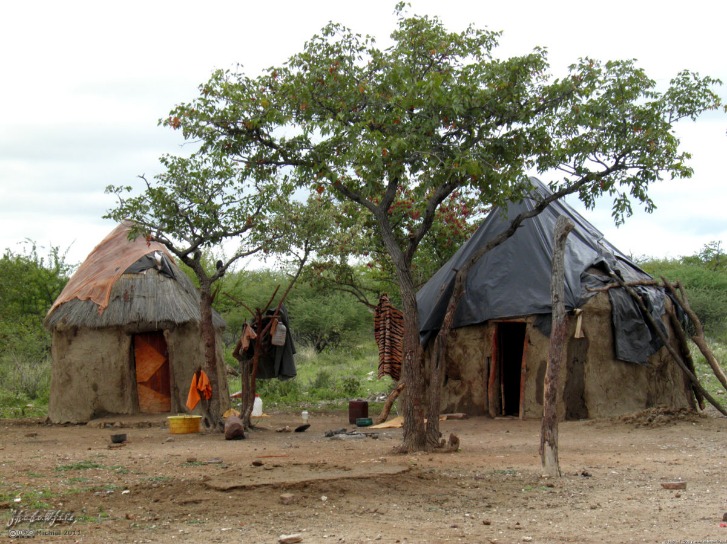
Overview of Namibia’s Landscape
Namibia’s landscape is a stunning and diverse tapestry that showcases some of Africa’s most extraordinary natural features. From vast deserts and rugged mountain ranges to expansive savannas and deep canyons, the country’s scenery offers breathtaking views at every turn. This unique environment provides a rich backdrop for captivating images that highlight Namibia’s remarkable beauty and wild landscapes.
Desert Ecosystems
Namibia’s landscape is renowned for its stunning diversity, ranging from vast deserts to rugged mountains and expansive plains. The country’s scenery showcases the dramatic beauty of nature, with unique geological formations and striking colors that attract photographers and visitors alike. One of the most iconic features is the Namib Desert, considered one of the oldest deserts in the world, characterized by towering sand dunes and arid, yet vibrant ecosystems.
Desert ecosystems in Namibia are carefully balanced environments that support a variety of specially adapted plants and animals. The Namib Desert hosts unique flora such as the Welwitschia mirabilis, which survives in extreme conditions, and resilient fauna like desert-adapted elephants, oryx, and various reptiles. These ecosystems are marked by their stark beauty and resilience, demonstrating nature’s ability to thrive in some of the world’s harshest environments.
Savannah and Grasslands
Namibia’s landscape is characterized by vast and diverse terrains that create a stunning natural panorama. The country features expansive deserts, rugged mountain ranges, and open plains that showcase its remarkable geographic variety. Within these landscapes, the savannahs and grasslands are particularly prominent, offering a rich habitat for wildlife and contributing to Namibia’s breathtaking scenery.
The savannahs in Namibia are vast, open areas dotted with scattered trees and shrubs, supporting a wide range of flora and fauna. These regions are crucial for many species, including elephants, lions, and cheetahs, making Namibia a popular destination for safari adventures. The grasslands, on the other hand, are expansive, relatively flat areas covered with tall grasses that sustain large herbivores such as giraffes, zebras, and antelopes.
Together, Namibia’s savannahs and grasslands create an iconic landscape that exemplifies the country’s unique natural beauty. Their expansive vistas and rich ecosystems are often captured in breathtaking photographs, making Namibia a stunning visual destination for nature lovers and photographers alike.
Mountain Ranges and Elevations
Namibia’s landscape is renowned for its diverse and striking natural features, characterized by expansive deserts, rugged mountain ranges, and varied elevations that create a captivating scenery. The country’s terrain offers a dramatic mix of arid plains, towering mountains, and unique geological formations, making it an ideal subject for captivating Namibia pictures.
- Desert Plains: The Namib Desert, one of the oldest deserts in the world, spans much of the country, showcasing endless dunes and sand seas that highlight Namibia’s arid beauty.
- Mountain Ranges: Notable ranges include the Brandberg Mountain, known for its highest peak at approximately 2,606 meters, and the Waterberg Plateau, rising sharply from the surrounding plains.
- Elevations: Namibia’s elevation varies significantly, from sea level at the coast to the high peaks of the mountains. The central Plateau region reaches elevations around 1,000 to 1,500 meters, offering panoramic views and diverse ecosystems.
- Famous Landmarks: The Etosha Pan, a vast salt flat visible from space, and the Fish River Canyon, one of Africa’s largest canyons, further exemplify Namibia’s rugged landscape and elevation contrasts.
Major Natural Attractions
Namibia is a land of stunning natural beauty, famous for its diverse and breathtaking attractions. From vast deserts and towering dunes to rugged mountains and wildlife-rich parks, the country offers an array of major natural wonders that captivate visitors. These natural landmarks not only highlight Namibia’s unique landscape but also provide unforgettable experiences for those seeking adventure and adventure and connection with nature. Exploring these attractions reveals the extraordinary beauty that defines Namibia’s homeland.
Namib Desert and Dunes
The Namib Desert is renowned for its stunning natural beauty and unique landscapes, making it a prominent feature in Namibia pictures. One of its most captivating attractions is the towering dunes, which are among the highest in the world. These expansive, shifting sand dunes create a surreal and picturesque environment that attracts photographers and travelers alike. The desert’s vibrant hues, especially during sunrise and sunset, illuminate the dunes in shades of red and orange, highlighting the dramatic scenery. Visitors to Namibia can also explore other natural attractions in the region, such as the Skeleton Coast and the desolate yet beautiful landscape of the Namib Naukluft Park, which is home to diverse wildlife and remarkable geological formations. Overall, the combination of vast dunes and pristine desert scenery makes Namibia a striking destination for capturing awe-inspiring pictures of nature’s grandeur.
Etosha National Park
Etosha National Park is one of Namibia’s most renowned natural attractions, offering a spectacular safari experience. Spanning over 22,000 square kilometers, it features a vast salt pan surrounded by diverse savannah, grasslands, and woodlands. The park is famous for its abundant wildlife, including elephants, lions, giraffes, zebras, and rhinos, which congregate around the waterholes, especially during the dry season. Visitors can enjoy stunning landscapes and a rich variety of bird species, making it a prime destination for nature enthusiasts and photography lovers alike. Etosha’s unique scenery, combined with the opportunity to observe incredible animal behaviors in their natural habitat, makes it a must-see location that truly exemplifies Namibia’s breathtaking natural beauty.
Fish River Canyon
Fish River Canyon is one of Namibia’s most stunning natural attractions and a remarkable feature in the country’s landscape. Known as the second-largest canyon in the world, it stretches approximately 160 kilometers in length and up to 27 kilometers in width, creating an awe-inspiring natural spectacle. The canyon offers breathtaking views, rugged terrain, and diverse wildlife, making it a popular destination for travelers and adventure enthusiasts.
- Majestic views of deep gorges and layered rock formations
- Opportunities for guided hikes and challenging treks along the canyon rim
- Spectacular sunrise and sunset views that highlight the canyon’s dramatic landscape
- Unique flora and fauna adapted to the arid environment
- Proximity to the Namibian desert, enhancing the scenic beauty of the area
Skeleton Coast
The Skeleton Coast in Namibia is one of the most captivating natural attractions in the world. Known for its desolate beauty and haunting scenery, it offers visitors a unique experience of remote wilderness and rugged coastline. The area is famous for its fog-shrouded shores, dramatic landscapes, and historical shipwrecks that tell tales of maritime history.
- Numskull and Mile 4 Shipwrecks: Iconic relics of past maritime disasters that have become popular photography subjects.
- Dune Fields: Spectacular orange sand dunes that stretch endlessly along the coast, perfect for adventure and scenic photos.
- Cliffs and Rock Formations: Imposing natural structures that add to the rugged landscape’s allure.
- Wildlife: Unique desert-adapted species like seals, desert elephants, and oryx that inhabit the surrounding areas.
- Ancient Archaeological Sites: Evidence of early human settlement, providing insight into Namibia’s rich history.
Unique Wildlife in Namibia
Namibia is renowned for its extraordinary and diverse wildlife that thrives in some of the world’s most breathtaking landscapes. From expansive deserts to lush wetlands, the country offers a unique sanctuary for a wide variety of species. Exploring Namibia’s wildlife provides a glimpse into the resilience and beauty of nature in one of Africa’s most captivating destinations.
Big Cats and Predators
Namibia is renowned for its diverse and unique wildlife, offering a remarkable opportunity to observe big cats and predators in their natural habitat. The country’s vast deserts, savannas, and protected parks create an ideal environment for species such as leopards, cheetahs, and lions to thrive. These animals play a crucial role in maintaining the ecological balance and are a major attraction for eco-tourists and wildlife enthusiasts.
Namibia’s population of big cats is both impressive and vital for conservation efforts. Leopard sightings are common in Etosha National Park, where their elusive behavior adds to the thrill of wildlife viewing. Cheetahs, known for their incredible speed, are often seen in open plains, while lions are frequently spotted resting beneath shade trees or hunting across the expansive landscape. Predators like hyenas and jackals also contribute to the complex food chain, highlighting Namibia’s rich biodiversity.
Photographers can capture stunning images of these majestic creatures against the backdrop of Namibia’s striking scenery. The country’s commitment to conservation and its well-managed parks ensure that visitors can witness this unique wildlife in a relatively undisturbed environment. Namibia’s wildlife, especially its big cats and predators, exemplifies the resilience and beauty of nature, making it a perfect subject for a captivating Namibia picture.
Birdlife Diversity
Namibia is renowned for its unique and diverse wildlife, offering a spectacular array of species that thrive in its varied landscapes. The country’s vast deserts, salty pans, and rugged mountains create distinct habitats that support a range of endemic and rare animals. Visitors often marvel at the elusive desert-adapted elephants, intriguing black rhinos, and the graceful oryx, all contributing to Namibia’s reputation as a sanctuary for wildlife conservation.
Equally impressive is Namibia’s rich birdlife, which boasts a remarkable diversity of species across its national parks and wetlands. The country’s bird populations include stunning raptors like the fish eagle and martial eagle, colorful lilac-breasted rollers, and numerous waterbirds such as flamingos, pelicans, and herons. Bird enthusiasts can enjoy spotting endemic and migratory species, especially around the Etosha Pan and the coastal areas, making Namibia a premier destination for birdwatching.
Endemic and Rare Species
Namibia is renowned for its unique and diverse wildlife, including numerous endemic and rare species that make its landscapes truly extraordinary. The country’s vast deserts, lush river valleys, and rugged mountains provide the perfect habitats for a variety of fascinating creatures found nowhere else on Earth. From the elusive desert-adapted elephants to the rare black rhinos, Namibia offers a rare glimpse into the resilience of wildlife in extreme environments. The Namib Desert, home to the iconic Namib Desert beetle and the endemic population of desert-adapted lions, showcases the remarkable adaptations animals have developed to survive in harsh conditions. Conservation efforts in Namibia have helped protect many of these endemic species, ensuring that future generations can continue to witness their uniqueness. Capturing Namibia’s wildlife through photography reveals the stunning beauty and rarity of these creatures, highlighting the importance of preserving such irreplaceable biodiversity.
Cultural and Human Elements
Understanding the cultural and human elements of Namibia is essential when exploring its rich and diverse landscape. These aspects shape the identity of the people, their traditions, and how they interact with their environment. In the context of Namibia pictures, highlighting these elements provides deeper insight into the country’s unique heritage and the lived experiences of its communities.
Indigenous Communities
Namibia’s rich cultural landscape is deeply intertwined with the traditions and lifestyles of its indigenous communities. These communities, such as the Himba, San, Herero, and Nama, preserve unique customs, languages, and practices that reflect their historical heritage and close relationship with the land. Understanding these human elements offers a window into Namibia’s diverse cultural fabric and highlights the importance of respecting and safeguarding these vibrant identities.
- The Himba people are renowned for their distinctive red ochre body paint and traditional attire, which symbolize social status and cultural identity.
- The San community, also known as Bushmen, possess ancient hunter-gatherer traditions and are known for their exceptional tracking skills and rock art.
- The Herero people have a unique dress style featuring Victorian-influenced dresses, which is a symbol of their resilience and adaptation.
- The Nama community maintains rich oral traditions, music, and dance that are integral to their cultural expression and communal life.
- Indigenous communities in Namibia actively participate in cultural preservation initiatives, ensuring that their languages and customs are passed down to future generations.
Traditional Attire and Practices
Namibia’s rich cultural heritage is vividly reflected through its traditional attire and practices, which offer a deep insight into the diverse identities of its many communities. These elements are essential in preserving the unique customs and social structures that have been passed down through generations, shaping the way Namibians express their cultural identity and celebrate their history.
- Traditional Attire:
- The Himba people are known for their distinctive red ochre-covered skin and intricate headdresses, symbolizing their connection to their land and ancestry.
- Herero women wear elaborate, Victorian-influenced dresses characterized by puffed sleeves and long, vibrant skirts, which serve as a symbol of their heritage.
- The Nama often adorn themselves with beadwork and embroidered garments that represent their social status and cultural stories.
- Traditional Practices:
- Initiation ceremonies are significant rites of passage, marking transitions from childhood to adulthood within various tribes.
- The performing arts, such as storytelling, dance, and music, play a vital role in community gatherings and preserving oral histories.
- Namibian festivals often feature traditional rituals, communal feasts, and craft displays, emphasizing the importance of shared cultural expressions.
Populated Cities and Towns
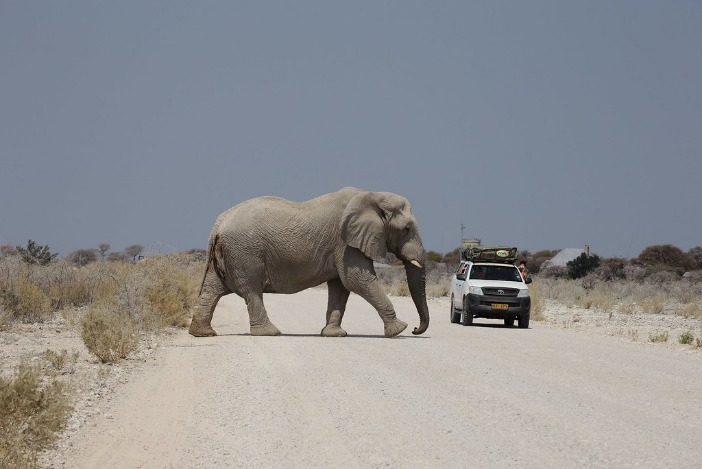
Namibia’s cultural and human elements are deeply influenced by its diverse populations and rich traditions, which are vividly reflected in its bustling cities and towns. These urban centers serve as hubs of cultural exchange, where indigenous customs coexist with modern lifestyles. Populated cities like Windhoek, the capital, showcase a blend of ancient heritage and contemporary development, offering vibrant markets, art scenes, and social gatherings that highlight Namibia’s multicultural identity. Small towns and settlements further reveal traditional practices, craftsmanship, and community life, providing a window into the daily experiences of Namibians. Overall, Namibia’s urban areas embody a harmonious mix of history, diversity, and human resilience that define the nation’s unique character.“
Photographic Highlights
Discover the breathtaking beauty of Namibia through its photographic highlights, capturing the diverse landscapes and unique wildlife that define this remarkable country. From vast deserts and shimmering dunes to vibrant savannas and intriguing cultural scenes, each image tells a compelling story of Namibia’s natural and cultural richness. These photographs offer a captivating glimpse into a land of striking contrast and extraordinary scenery.
Sunrise and Sunset Views
Namibia offers stunning photographic highlights, particularly during sunrise and sunset when the landscapes come alive with vibrant colors and dramatic shadows. The vast Namib Desert, with its endless dunes, creates mesmerizing scenes as the early morning light casts a golden hue over the sand, highlighting the intricate textures and curves of the dunes. As the sun sets, the horizon is painted in warm shades of orange and red, providing perfect backdrops for capturing the unique beauty of Namibia’s wilderness. Iconic locations such as Sossusvlei and Deadvlei are especially popular for photographing sunrise and sunset views, showcasing the surreal and breathtaking scenery that Namibia is renowned for.
Wildlife Photography
Namibia is renowned for its incredible wildlife and stunning landscapes, making it a top destination for wildlife photography. The country’s diverse habitats, from expansive deserts to lush national parks, provide countless opportunities to capture unique and captivating images of nature’s most extraordinary creatures.
- Vibrant Desert Life: Photographers can capture the resilience of desert-adapted species like oryx, springbok, and desert-adapted elephants against the stark beauty of the Namib Desert.
- Iconic Dunes: The towering, reddish dunes of Sossusvlei create striking backdrops for wildlife shots, especially during sunrise and sunset when the colors are most vivid.
- Wildlife in Etosha National Park: A haven for photographic wildlife, Etosha offers incredible opportunities to photograph predators such as lions and leopards, along with herds of giraffes, zebras, and rhinoceroses.
- Birdlife Abundance: Namibia hosts a remarkable variety of bird species like flamingos, fish eagles, and herons, perfect for avian photography enthusiasts.
- Nighttime Wildlife: Capturing nocturnal animals in their natural environment, often illuminated by the glow of the Milky Way, adds a magical element to wildlife photography in Namibia.
Landscape Shots
Namibia offers some of the most breathtaking landscape shots perfect for photography enthusiasts. Its diverse terrain features vast deserts, towering dunes, rugged mountains, and expansive plains that create stunning visual compositions. Iconic sites like the towering orange sands of Sossusvlei provide dramatic contrasts and mesmerizing textures, ideal for capturing striking images during sunrise and sunset. The surreal landscape of Deadvlei, with its dead camel thorn trees set against white clay pan and crimson dunes, is a must-see for landscape photographers. Additionally, the otherworldly formations of the Namib Desert, the breathtaking Fish River Canyon, and the rugged Skeleton Coast present unique opportunities to photograph pristine wilderness and dramatic natural features. These landscape shots not only showcase Namibia’s raw beauty but also evoke a sense of adventure and wonder, making them perfect subjects for capturing the essence of this extraordinary country.
Practical Tips for Photographing Namibia
Capturing the stunning landscapes and unique wildlife of Namibia requires more than just a good camera; it calls for practical tips to make the most of your photography journey. From vast deserts to vibrant sunsets, Namibia offers endless opportunities for striking images. Understanding the best times to shoot, preparing your gear for the harsh environment, and respecting the natural surroundings will help you create memorable photographs that truly showcase this extraordinary destination.
Best Time of Year
Capturing the stunning landscapes and unique wildlife of Namibia requires careful planning and preparation. To get the best photographs, consider the lighting conditions, weather, and the location’s accessibility. Early mornings and late afternoons offer the golden hour light that enhances colors and textures, making images more striking. During the dry season, from May to October, wildlife is easier to spot around waterholes, providing excellent opportunities for wildlife photography. The clear skies and minimal rain during this period also result in sharp, vibrant images of Namibia’s iconic deserts and landscapes.
The best time of year to photograph Namibia depends on your interests. If you aim to photograph wildlife, the dry season is ideal because animals congregate around water sources, simplifying sightings. For capturing the surreal desert vistas, including the tall dunes of Sossusvlei, the cooler months with clearer weather and less wind are preferable, often from May to September. Avoid the rainy season between December and March, when storms can hamper visibility and make travel more challenging. Overall, planning your trip during Namibia’s cooler months provides optimal conditions for capturing diverse and breathtaking images of this remarkable country.
Equipment Recommendations
Capturing the breathtaking landscapes and unique wildlife of Namibia requires careful planning and the right equipment. To achieve stunning Namibia pictures, it’s essential to bring a versatile camera setup that can handle a variety of conditions, from vast desert vistas to wildlife encounters. Consider packing a DSLR or mirrorless camera with a range of lenses to suit different situations.
Equip yourself with a wide-angle lens, such as a 16-35mm, to capture expansive desert sceneries like the Namib Desert and the iconic Dunes of Sossusvlei. A telephoto lens, like a 70-200mm or 100-400mm, will be invaluable for wildlife photography, allowing you to photograph animals from a safe distance without disturbing them. A sturdy tripod is recommended for long exposure shots, especially during sunrise and sunset times when lighting conditions are optimal for dramatic images.
Additional accessories include extra batteries and memory cards to ensure you’re prepared for extended shooting sessions. Filters, such as polarizers and ND filters, can enhance sky brightness, reduce reflections, and allow for creative effects during daylight. A lens cleaning kit is also handy to keep your equipment dust-free, given Namibia’s often arid environment. Lastly, consider protective gear like rain covers or protective housings if visiting during unpredictable weather, ensuring your equipment remains safe and functional for capturing stunning Namibia pictures.
Safety and Ethical Photography
Capturing the stunning landscapes and diverse wildlife of Namibia requires careful planning and consideration of safety and ethics. Always respect local communities and wildlife by maintaining a respectful distance and avoiding disturbing natural behaviors. When photographing in remote areas, carry sufficient supplies, including water, and inform someone about your itinerary. Use a sturdy tripod for stable shots in challenging lighting conditions and ensure your equipment is well-maintained. Be mindful of the environment by sticking to designated paths and avoiding damage to fragile ecosystems. Respect cultural sites and seek permission before photographing people, especially in rural communities. Practice responsible photography by not exploiting vulnerable populations or wildlife, and always leave no trace of your visit. These tips will help you capture Namibia’s breathtaking scenery responsibly and safely, preserving its natural beauty for future generations.

0 Comments