
Geography and Location of the Serengeti
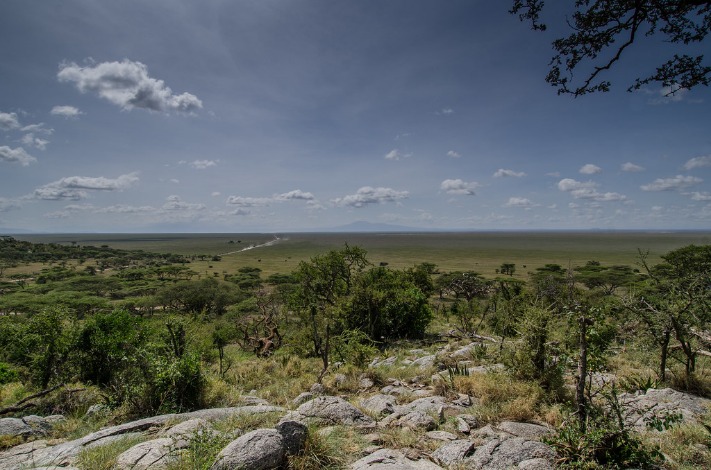
The Serengeti, located in northern Tanzania, is one of the most renowned and iconic wildlife regions in Africa. This expansive ecosystem spans approximately 14,750 square kilometers and is characterized by vast grasslands, savannas, and woodlands. Its strategic geographical position near the border with Kenya places it at the heart of East Africa, making it a vital area for diverse ecosystems and abundant wildlife. The Serengeti’s unique location has contributed to its status as a UNESCO World Heritage Site and a premier destination for safari tourism.
Extent and boundaries
The Serengeti is a renowned ecosystem located in northern Tanzania, famous for its vast savannahs and prolific wildlife. It covers an area of approximately 14,750 square kilometers, stretching across the northern part of Tanzania and extending into southwestern Kenya, where it is known as the Maasai Mara. The core of the Serengeti lies within the Serengeti National Park, which is a UNESCO World Heritage Site. Its boundaries are defined by natural landmarks: to the south and east, the Ngorongoro Highlands and the Serengeti plains; to the north, the Mara River forms a natural border with Kenya; and to the west, it borders the Maswa Game Reserve. The region’s geographical features include extensive grasslands, scattered acacia trees, and rolling plains, which provide ideal habitat for the diverse range of wildlife that migrates annually across its landscape.
Topography and landscape features
The Serengeti is a vast region located in northern Tanzania, renowned for its incredible wildlife and expansive landscapes. It spans approximately 14,750 square kilometers and is part of the larger Serengeti ecosystem, which extends into neighboring Kenya. The area lies between the Maasai Mara in Kenya and the Ngorongoro Highlands in Tanzania, making it a central hub for migration and biodiversity.
The topography of the Serengeti is characterized by open plains, rolling grasslands, and scattered acacia trees. The terrain is relatively flat with gentle undulations, providing a wide, unobstructed view of the landscape. Several volcanic features, such as old volcano cones, can be observed in parts of the region, contributing to its diverse terrain. The region is punctuated by seasonal rivers and small lakes that support the abundant wildlife and vegetation.
The landscape features a mix of savannahs, woodlands, and riverine forests, creating a rich mosaic of habitats. These varied features support a wide range of flora and fauna, making the Serengeti one of the most important ecosystems in Africa. The open plains are ideal for large herds of migrating animals, while the woodland areas provide shelter and breeding grounds for many species. Overall, the topography and landscape of the Serengeti contribute significantly to its status as a premier wildlife destination.
Climate and weather patterns
The Serengeti is a vast ecosystem located in northern Tanzania, extending into southwestern Kenya. It covers approximately 14,750 square kilometers and is renowned for its expansive plains and diverse wildlife. The region’s central position in East Africa makes it a key part of the Serengeti National Park, a UNESCO World Heritage Site.
The climate of the Serengeti is generally characterized by a semi-arid to tropical environment with distinct wet and dry seasons. Predominantly, the area experiences warm temperatures year-round, averaging between 20°C and 30°C. Rainfall varies considerably across the region, with the heaviest rains occurring during the long rainy season from March to May and a shorter rainy period from November to December. The dry season, from June to October, brings cooler temperatures and is marked by a reduction in vegetation, which influences animal migration and behavior patterns.
Wildlife and Biodiversity
The Serengeti in Tanzania is one of the most renowned wildlife habitats in the world, celebrated for its rich biodiversity. This vast ecosystem teems with a diverse array of species, from majestic elephants and lions to intricate bird populations and elusive cheetahs. Protecting the wildlife and preserving the natural habitat in the Serengeti is essential for maintaining the planet’s biodiversity and ensuring that future generations can experience its unparalleled wildlife wonders.
Big Five and prominent species
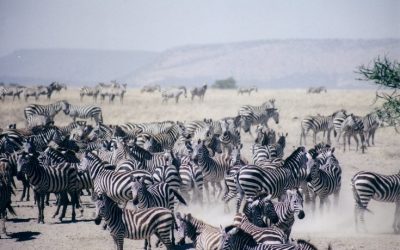
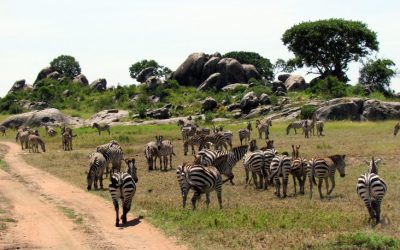
The Serengeti in Tanzania is renowned for its incredible wildlife and rich biodiversity, making it one of the most iconic safari destinations in Africa. This vast ecosystem supports a wide variety of species, including the famous Big Five—lion, elephant, buffalo, leopard, and rhinoceros—each symbolizing the pinnacle of wildlife viewing. Alongside the Big Five, the Serengeti is home to numerous other prominent species such as cheetahs, giraffes, zebras, hyenas, and wildebeests, all contributing to the dynamic ecological balance of the region. The annual migration of over two million wildebeests and hundreds of thousands of zebras and gazelles is a spectacular event that highlights the profound importance of this habitat for the survival of countless species and underscores its value as a critical biodiversity hotspot.
Migration patterns and seasonal movements
The Serengeti National Park in Tanzania is renowned for its incredible wildlife and biodiversity, which play a vital role in maintaining ecological balance. This vast savannah hosts a wide variety of species, from large predators to herbivores, and supports complex migration patterns that have evolved over thousands of years.
Migration patterns in the Serengeti are some of the most remarkable natural phenomena in the world. These seasonal movements are primarily driven by rainfall and the availability of fresh pasture, prompting animals to travel vast distances in search of sustenance. The annual Great Migration involves millions of wildebeests, zebras, and gazelles moving in a circular route across the Serengeti and neighboring Maasai Mara in Kenya.
During the dry season, wildlife concentrates around water sources and greener areas, while the rainy season triggers movements toward newly lush regions. This seasonal movement ensures the survival of herds and predators alike, creating a dynamic ecosystem where life continuously adapts to changing environmental conditions.
- Wildebeests undertake the largest mammalian migration, crossing dangerous river crossings and traversing thousands of kilometers each year.
- Zebras and gazelles also participate in their own migration routes, following rainfalls to access fresh grasslands.
- Bird species migrate seasonally from Africa to Europe and Asia, adding to the rich biodiversity of the Serengeti region.
- Predators such as lions, cheetahs, and hyenas adjust their territory and hunting strategies according to prey movements, demonstrating intricate predator-prey relationships.
- Waterfowl and aquatic species follow seasonal patterns that maintain the health of freshwater ecosystems in and around the park.
Bird species and avian diversity
The Serengeti National Park in Tanzania is renowned for its extraordinary wildlife and rich biodiversity, hosting one of the most diverse ecosystems on the planet. It provides a critical habitat for countless species, supporting a vibrant array of mammals, birds, insects, and plants that contribute to the area’s ecological balance.
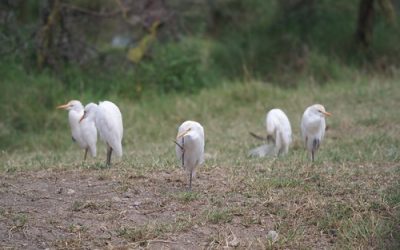
Among its remarkable inhabitants are numerous bird species that exemplify avian diversity, making the Serengeti a paradise for birdwatchers and ornithologists. This region is home to over 500 bird species, including predatory raptors, ground dwellers, and migratory birds that traverse vast distances for breeding and feeding.
Notable bird species found in the Serengeti include the ostrich, the largest bird in the world, known for its remarkable speed and distinctive appearance. The Secretarybird, with its striking stature and hunting skills, is another iconic species. Raptors such as the bateleur eagle and the lappet-faced vulture play vital roles in maintaining ecological health through scavenging and control of pest populations.
During migratory seasons, the Serengeti attracts millions of bird visitors, including inflatable storks, herons, stilts, and sandpipers, which breed and feed in the wetlands and grasslands. The diverse avian community contributes not only to the ecological integrity of the park but also supports local tourism and conservation efforts.
Other fauna: reptiles, amphibians, and insects
The Serengeti in Tanzania is renowned for its incredible biodiversity, hosting a wide array of wildlife that includes not only the iconic mammals but also a rich variety of reptiles, amphibians, and insects. This diverse fauna contributes to the ecological balance and health of the ecosystem, making the region a vital conservation area.
Reptiles in the Serengeti include species such as the Nile crocodile, which thrives in the rivers and lakes, and various snakes like pythons and kraits. These reptiles play essential roles in controlling prey populations and maintaining ecological balance. Amphibians, although less abundant, can be found near water bodies, with frogs and toads being the most common, serving as indicators of environmental health.
Insects are highly diverse and abundant in the Serengeti, including butterflies, beetles, ants, and termites. Termites, in particular, are crucial as they facilitate nutrient recycling and serve as a primary food source for many animals. Insects like mosquitoes also impact the region by influencing disease transmission cycles, while pollinators such as bees support the growth of native plant species.
The coexistence of these reptiles, amphibians, and insects with larger fauna makes the Serengeti a complex and vibrant ecosystem, highlighting the importance of conserving all levels of biodiversity to sustain this natural wonder.
Serengeti Ecosystem and Habitat Types
The Serengeti Ecosystem in Tanzania is one of the most renowned and diverse habitats in Africa, offering a crucial sanctuary for a wide variety of wildlife. Spanning millions of acres, this ecosystem is characterized by expansive savannahs, woodlands, and seasonal floodplains that support a vibrant array of plant and animal life. Its unique habitat types create an iconic landscape that is vital for the survival of numerous species, including the famous wildebeest migration and predators like lions and cheetahs. The Serengeti’s rich ecological tapestry makes it a globally significant natural wonder and a key destination for wildlife conservation and eco-tourism.
Grasslands and savannahs
The Serengeti Ecosystem in Tanzania is one of the most renowned natural habitats in the world, famous for its vast and diverse landscape that supports an incredible variety of wildlife. This ecosystem encompasses a range of habitat types, primarily characterized by expansive grasslands and savannahs that stretch across thousands of square kilometers. These habitats provide essential resources such as food, water, and shelter for numerous animal species, including lions, elephants, zebras, and wildebeests. The grasslands of the Serengeti are especially vital during the Great Migration, where millions of animals travel across the plains in search of greener pastures. Savannahs in this region are marked by scattered trees and shrubs, fostering a rich mosaic of ecosystems that sustain the region’s vibrant biodiversity. Overall, the Serengeti’s grasslands and savannahs form the backbone of its ecological health and are central to both its conservation significance and tourism appeal in Tanzania.
Woodlands and riverine forests
The Serengeti Ecosystem in Tanzania is a vast and diverse wilderness renowned for its stunning landscapes and rich biodiversity. It spans over 30,000 square kilometers and is famous for the annual migration of millions of wildebeest, zebras, and other herbivores. The ecosystem supports a variety of habitat types that sustain its abundant wildlife.
One of the prominent habitat types within the Serengeti is the woodlands. These areas are characterized by scattered acacia and baobab trees, providing shelter and food for many species, including elephants, lions, and giraffes. The woodlands add to the mosaic of the landscape, offering a mix of open grassy plains interspersed with tree coverage.
Riverine forests are another essential habitat type found along the numerous rivers flowing through the Serengeti. These forests are lush and dense, composed mainly of riparian trees and shrubs. They serve as critical habitats for various bird species, primates, and aquatic animals. The riverine forests contribute to the ecological diversity of the Serengeti and support the health of the entire ecosystem by maintaining water quality and preventing soil erosion.
Wetlands and water bodies
The Serengeti Ecosystem in Tanzania is one of the most renowned and extensive natural habitats in Africa, known for its rich biodiversity and vital ecological functions. It covers approximately 30,000 square kilometers and supports a wide variety of plant and animal species, making it a critical conservation area. The habitat types within the Serengeti are diverse and include open plains, savannahs, woodlands, and river valleys, each offering unique ecological niches. These varied habitats sustain an extraordinary number of wildlife populations, including the famous wildebeest migration, predators, herbivores, and countless bird species. The ecosystem’s health is closely linked to its habitat diversity, which provides food, water, and shelter necessary for the survival of its inhabitants.
- Grasslands and Open Plains: Characterized by vast stretches of short to tall grasses, supporting herbivores like wildebeests, zebras, and gazelles.
- Savannahs: Mixed grass and shrublands that host a diverse array of wildlife and vegetation.
- Woodlands: Areas with scattered trees that provide shelter and browsing opportunities for various species.
- River Valleys and Wetlands: These zones are vital for water supply, breeding grounds, and supporting aquatic and semi-aquatic species.
The wetlands and water bodies of the Serengeti play a crucial role in maintaining the ecosystem’s balance. They include rivers like the Mara River, numerous seasonal and permanent lakes, and marshes. These water bodies support a vibrant aquatic ecosystem and provide essential resources for terrestrial animals, especially during dry seasons. The wetlands act as breeding grounds for many bird species and help regulate water flow across the region, preventing desertification and promoting ecological stability.
Conservation and National Park Status
The Serengeti National Park in Tanzania is one of the most renowned wildlife conservation areas in the world. Recognized for its extraordinary biodiversity and stunning landscapes, it plays a vital role in protecting numerous species, including the iconic wildebeest and predator populations. The park’s status as a UNESCO World Heritage Site underscores its global importance, highlighting ongoing efforts to conserve its natural beauty and ecological significance for future generations.
History of the Serengeti National Park
The Serengeti National Park in Tanzania is renowned for its remarkable conservation efforts and status as a protected area. It is one of Africa’s most famous wildlife reserves, home to the iconic Big Five and vast plains teeming with diverse species. The park was established in 1951 to preserve the unique ecosystem of the Serengeti, which supports a complex web of life and migration patterns. Over the years, it has gained international recognition for its rich biodiversity, leading to its designation as a UNESCO World Heritage Site in 1981. The conservation practices implemented within the park aim to maintain the natural habitat, prevent poaching, and promote sustainable tourism. The history of the Serengeti National Park reflects a dedicated commitment to safeguarding one of the world’s most critical ecosystems for future generations. It’s a symbol of Tanzania’s efforts to balance environmental preservation with economic development through eco-tourism. The park continues to play a vital role in global wildlife conservation initiatives, ensuring the survival of countless species and the continuation of its timeless savannah landscapes.
Protected areas and boundaries
The Serengeti National Park in Tanzania is one of the most renowned conservation areas in Africa, famous for its incredible biodiversity and extensive protected landscapes. As a designated national park, it plays a crucial role in the preservation of various plant and animal species, including the iconic wildebeest migration, lions, elephants, and cheetahs. The park’s boundaries are carefully defined to ensure the conservation of its ecosystems while allowing controlled tourism and local community activities. Protected areas like the Serengeti are critical in maintaining ecological balance, safeguarding endemic species, and supporting sustainable tourism economies. The boundaries of the park are managed by Tanzanian authorities in collaboration with international conservation organizations to prevent encroachment, poaching, and habitat destruction, ensuring the long-term preservation of this vital wilderness area.
Challenges to conservation efforts
The Serengeti National Park in Tanzania is renowned for its vast biodiversity and stunning landscapes, playing a crucial role in global conservation efforts. However, maintaining its ecological integrity faces numerous challenges stemming from human activities and environmental pressures. Poaching and illegal wildlife trade continue to threaten iconic species such as elephants and lions, undermining conservation initiatives. Additionally, expanding human settlements, agriculture, and infrastructure development encroach upon the park boundaries, leading to habitat loss and fragmentation. Climate change further exacerbates these issues by altering rainfall patterns and ecosystem dynamics, impacting the migration patterns of wildlife. Efforts to conserve the Serengeti require coordinated strategies that address these threats while promoting sustainable tourism and community involvement to preserve this irreplaceable natural heritage for future generations.
Conservation programs and initiatives
The Serengeti National Park in Tanzania is a vital conservation area renowned for its incredible wildlife and vast savannah landscapes. Its status as a protected area helps ensure the preservation of its diverse ecosystems and iconic species such as lions, elephants, and wildebeests. The park’s designation as a UNESCO World Heritage Site further emphasizes its global importance and the need for ongoing conservation efforts.
Conservation programs in the Serengeti focus on safeguarding wildlife through anti-poaching measures, habitat restoration, and community involvement. Initiatives like the Serengeti Wildlife Research Institute promote scientific research and monitoring to inform effective management practices. Collaborative efforts with local communities aim to balance conservation with sustainable livelihoods, encouraging eco-friendly tourism and reducing human-wildlife conflicts.
Several Tanzania-based organizations and international partners work together to implement these programs, ensuring the long-term sustainability of the Serengeti’s rich biodiversity. Funding from tourism revenues and conservation grants supports activities such as habitat preservation, species protection, and environmental education, all crucial for maintaining the park’s ecological integrity and its value for future generations.
Tourism and Visitors
Tourism plays a vital role in promoting cultural exchange and economic development, attracting visitors from around the world to explore new landscapes and experiences. The Serengeti in Tanzania is a renowned destination that captivates travelers with its vast plains, incredible wildlife, and breathtaking natural beauty. Visitors to the Serengeti have the opportunity to witness the extraordinary migration of animals and immerse themselves in the wilderness, making it a top choice for eco-tourists and adventure seekers alike.
Safari experiences and game drives
The Serengeti in Tanzania is one of the most renowned safari destinations in Africa, attracting visitors from around the world eager to witness its extraordinary wildlife and breathtaking landscapes. Visitors to the Serengeti can immerse themselves in the natural beauty of vast grasslands, famous for their prolific animal migrations and diverse ecosystems.
- Game drives are a popular activity, allowing tourists to explore the park with experienced guides who knowledgeably track and spot wildlife such as lions, elephants, cheetahs, giraffes, and wildebeests.
- Safari experiences often include morning and evening game drives, providing optimal chances to observe animals in their natural habitat and witness stunning sunrise and sunset views.
- Many visitors opt for guided tours in open-sided vehicles, enhancing their chances of close encounters with wildlife while learning about the park’s ecology and conservation efforts.
- Balloon safaris are also available, offering a unique perspective of the Serengeti’s sprawling landscape from above as balloons drift silently over the plains at dawn.
- Luxury lodges and tented camps provide comfortable accommodations, combining adventure with relaxation in the midst of nature.
Overall, the Serengeti offers a quintessential African safari experience that captivates travelers and provides unforgettable memories of Africa’s majestic wildlife and landscapes.
Best time to visit
The Serengeti in Tanzania is one of the most iconic destinations for travelers seeking wildlife and natural beauty. It attracts a large number of visitors eager to witness the spectacular animal migrations and diverse ecosystems. Planning a trip to the Serengeti can be a once-in-a-lifetime experience, offering unforgettable safari adventures and breathtaking landscapes.
The best time to visit the Serengeti depends on what you want to see. The dry season, from June to October, is ideal for game viewing as animals congregate around water sources, making them easier to spot. This period is also perfect for witnessing the famous Great Migration, with millions of wildebeest, zebras, and other animals crossing the plains. The rainy season, from November to May, brings lush scenery and fewer visitors, providing excellent opportunities for birdwatching and exploring the park’s vibrant landscape. However, some areas may be difficult to access during heavy rains. Overall, the optimal time for many visitors is during the dry season when wildlife viewing is at its peak and conditions are favorable for safaris.
Accommodation options and lodges
The Serengeti in Tanzania is one of the most renowned wildlife destinations in the world, attracting millions of visitors each year who come to witness its incredible wildlife and vast savannah landscapes. Tourists can experience the awe-inspiring spectacle of the Great Migration, along with opportunities to see lions, elephants, cheetahs, and numerous other species in their natural habitat.
Visitors to the Serengeti can choose from a variety of accommodation options, ranging from luxury lodges to tented camps that provide a more authentic safari experience. Many of these lodges are situated within or near the national park, offering spectacular views and easy access to wildlife viewing spots. Budget travelers may opt for simpler campgrounds or community-run lodges that also provide a comfortable stay while supporting local communities.
Some popular lodge options in the Serengeti include high-end options like Four Seasons Safari Lodge, Singita Grumeti, and Serengeti Serena Safari Lodge, which offer luxurious amenities, gourmet dining, and guided safari tours. For those seeking a more rustic experience, mobile camping safaris and traditional tented camps such as Serengeti Wilderness Camp deliver close-to-nature stays with expert guides and personalized service. Regardless of choice, accommodations in the Serengeti promise an unforgettable adventure amidst one of the world’s most iconic wilderness areas.
Tourist activities and attractions
The Serengeti in Tanzania is one of the most renowned tourist destinations in Africa, drawing visitors from around the world to experience its breathtaking landscapes and abundant wildlife. Tourists come to witness the iconic Great Migration, where millions of wildebeest, zebras, and other herbivores traverse the plains in search of fresh grazing, creating a spectacular natural event. Visitors can enjoy game drives in experienced safaris that offer close encounters with majestic lions, elephants, giraffes, and cheetahs. The vast plains and open sky provide stunning photo opportunities, especially during sunrise and sunset. Aside from wildlife viewing, tourists can explore the Maasai culture, visit conservation centers, and participate in hot air balloon rides that provide a bird’s-eye view of the stunning terrain. The Serengeti National Park is a UNESCO World Heritage Site, emphasizing its ecological significance and incredible diversity of flora and fauna, making it a must-visit destination for nature enthusiasts and adventure seekers alike.
Local Communities and Cultural Aspects
The local communities surrounding the Serengeti in Tanzania play a vital role in shaping the region’s vibrant cultural landscape. These communities are rich in traditions, customs, and ways of life that have been passed down through generations. Their unique cultural aspects, including music, dance, crafts, and oral storytelling, contribute to the distinct identity of the Serengeti area. Understanding these cultural elements provides a deeper appreciation of the region’s social fabric and the harmonious coexistence between people and nature.
Indigenous tribes and their traditions
The Serengeti region in Tanzania is home to a rich tapestry of local communities and vibrant cultural traditions. Indigenous tribes such as the Maasai and the Datoga have inhabited the area for centuries, maintaining their unique customs and ways of life. These communities are deeply connected to the land, perceiving it not only as a resource but also as a vital part of their spiritual and cultural identity. Their traditional dances, music, and ceremonies often revolve around the natural cycles of the region, emphasizing harmony with nature. The Maasai, in particular, are renowned for their intricate beadwork, colorful clothing, and age-old rituals that symbolize social status and rite of passage. Despite modern influences, these tribes continue to preserve their languages, folklore, and cultural practices, contributing to the region’s diverse cultural landscape. Their traditions offer vital insights into their history, beliefs, and relationship with the iconic wildlife and landscape of the Serengeti.
Community-based conservation programs
Local communities play a vital role in the preservation of the Serengeti’s rich biodiversity and cultural heritage. In Tanzania, many indigenous groups have deep spiritual and historical connections to the land, which influence conservation efforts. Community-based conservation programs have emerged as effective strategies to involve local residents in protecting wildlife while promoting sustainable livelihoods. These programs often integrate traditional knowledge and cultural practices, fostering a sense of ownership and responsibility among community members. By prioritizing local participation, conservation initiatives in the Serengeti help ensure that natural resources are preserved for future generations while benefiting local communities economically and socially.
Impact of tourism on local communities
The Serengeti in Tanzania is renowned for its breathtaking landscapes and rich cultural heritage, which are integral to the local communities living within and around the reserve. These communities often depend on traditional practices, livestock farming, and crafts that have been passed down through generations. Tourism has brought economic opportunities to these areas, boosting livelihoods and promoting cultural exchange. However, it also poses challenges such as cultural erosion and disruption of local traditions, as increased visitor numbers can lead to commercialization of cultural practices. Overall, while tourism can enhance community development and preserve cultural identity through sustainable practices, it requires careful management to ensure that the needs and traditions of the local people are respected and maintained.
Research and Scientific Studies
The Serengeti in Tanzania is a world-renowned ecosystem that has captivated scientists and researchers for decades. Extensive studies in this diverse landscape have provided valuable insights into wildlife behavior, migration patterns, and ecological interactions. Research in the Serengeti continues to enhance our understanding of conservation efforts and the delicate balance of natural ecosystems in this iconic region.
Ongoing ecological research projects
The Serengeti in Tanzania is a renowned hub for research and scientific studies focused on ecology, wildlife behavior, and conservation efforts. Ongoing ecological projects aim to understand the dynamics of predator-prey relationships, migration patterns, and habitat utilization among the diverse species that inhabit the region. Researchers are utilizing advanced tracking technologies, remote sensing, and data analysis to monitor changes in the ecosystem and assess the impacts of climate change and human activity. These studies contribute significantly to global biodiversity knowledge and inform sustainable management practices in the Serengeti. Collaborative efforts between local authorities, international scientists, and conservation organizations ensure the continuous development of innovative solutions to preserve this unique natural environment for future generations.
Wildlife monitoring and tracking
The Serengeti National Park in Tanzania is a vital region for wildlife research and scientific studies, offering unique opportunities for monitoring and tracking migratory patterns, predator-prey dynamics, and ecosystem health. Researchers utilize advanced technologies such as GPS collars, drone surveillance, and camera traps to gather data on the diverse species inhabiting this iconic landscape. These efforts contribute significantly to understanding animal behaviors, population trends, and the effects of climate change on the ecosystem. Continuous monitoring helps in the development of effective conservation strategies, ensuring the preservation of the Serengeti’s rich biodiversity for future generations. Studying wildlife in this region not only benefits local conservation initiatives but also enhances global knowledge about savannah ecosystems and their inhabitants.
Environmental impact assessments
The Serengeti in Tanzania is a renowned ecosystem that has been the subject of numerous research and scientific studies aimed at understanding its unique biodiversity and ecological processes. Environmental impact assessments (EIAs) are crucial in this region to evaluate how human activities such as tourism, agriculture, and infrastructure development influence the delicate balance of this iconic landscape.
- Research focuses on the migration patterns of wildebeest and zebras, providing insights into ecosystem dynamics and climate change effects.
- Scientific studies examine predator-prey interactions, biodiversity conservation, and habitat health within the Serengeti ecosystem.
- Environmental impact assessments are conducted for proposed projects like road construction, lodges, and conservation initiatives to minimize negative effects on wildlife and ecosystems.
- Long-term ecological monitoring helps assess the success of conservation strategies and adapts management practices accordingly.
- Collaborative efforts between local authorities, researchers, and international organizations aim to protect the Serengeti’s ecological integrity while promoting sustainable development.
Future Challenges and Opportunities
The Serengeti in Tanzania presents a unique blend of challenges and opportunities that influence conservation, tourism, and local communities. As the region faces environmental pressures and climate change, innovative strategies are essential to ensure the preservation of its iconic wildlife and natural habitats. At the same time, these challenges offer opportunities for sustainable development, community engagement, and scientific research, highlighting the importance of balanced approaches to protect this extraordinary landscape for future generations.
Climate change effects
The Serengeti in Tanzania faces numerous future challenges and opportunities related to climate change, which significantly impacts its delicate ecosystem and biodiversity. As temperatures rise and weather patterns shift, the region’s natural balance is at risk, affecting wildlife migration, water availability, and vegetation growth.
- Altered Rainfall Patterns: Changes in seasonal rainfall can disrupt the traditional migration routes of wildebeests and other herbivores, threatening their survival and the survival of predator species dependent on them.
- Increased Frequency of Droughts: Prolonged dry periods can lead to water scarcity, impacting both wildlife and local communities that rely on the Serengeti’s resources.
- Loss of Biodiversity: Rising temperatures and habitat changes may cause some species to migrate elsewhere or face extinction, reducing the ecological richness of the area.
- Impacts on Tourism: As the wildlife spectacle diminishes due to climate stress, the Serengeti’s economy, heavily reliant on tourism, could suffer significant setbacks.
- Opportunities for Conservation Innovation: Climate challenges present an opportunity to implement sustainable practices, enhance protected area management, and leverage community-based conservation programs.
- Research and Education: Increased focus on ecological research and environmental education can foster resilience and adaptive strategies for both local communities and conservation bodies.
Management and sustainable tourism
The Serengeti National Park in Tanzania faces future challenges and opportunities related to sustainable tourism and effective management. As global travel continues to grow, managing the delicate balance between preserving wildlife and supporting local communities becomes increasingly vital. Opportunities lie in leveraging eco-tourism and innovative conservation practices to ensure the park’s ecosystems remain intact while providing economic benefits. Effective management strategies, including community involvement and the adoption of new technologies, can help mitigate threats such as poaching, habitat destruction, and over-tourism, ensuring the Serengeti remains a vital wildlife sanctuary for generations to come.
Potential for eco-tourism development
The Serengeti in Tanzania presents a remarkable opportunity for eco-tourism development, highlighting the region’s rich biodiversity and stunning landscapes. Future challenges include balancing ecological preservation with increasing tourist inflow, addressing infrastructure needs, and managing environmental impacts to ensure sustainable growth. Opportunities lie in promoting community-based tourism, enhancing conservation initiatives, and leveraging the global appeal of the Serengeti’s wildlife migrations. By investing in eco-friendly facilities and educating visitors about conservation, Tanzania can capitalize on this natural treasure, fostering economic growth while safeguarding its unique ecosystem for future generations.

0 Comments