
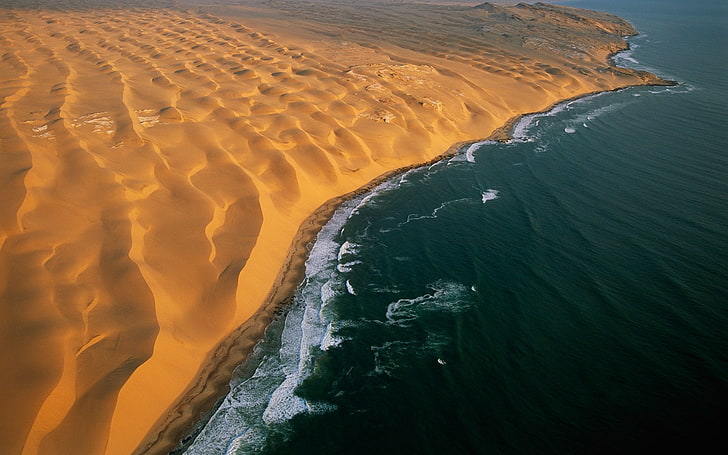
Overview of Namibia Real Estate Market
The Namibia real estate market offers a dynamic landscape shaped by the country’s growing economy, expanding infrastructure, and increasing interest from both local and international investors. With diverse property options ranging from urban apartments to vast rural lands, the market presents opportunities across various segments. Understanding the current trends and regulatory environment is essential for those looking to invest or explore property options in Namibia.
Market Trends and Growth Opportunities
The Namibia real estate market has been experiencing steady growth driven by increasing domestic demand, foreign investment, and infrastructure development. The country offers a diverse range of property options, from urban apartments in Windhoek to coastal resorts along the Atlantic Ocean and rural land suitable for agriculture and tourism projects. This diversity makes Namibia an attractive destination for both investors and property buyers seeking various opportunities.
Market trends indicate a rising interest in affordable housing developments, especially in urban centers, to accommodate Namibia’s growing population and urbanization. There is also a noticeable shift towards luxury and expatriate housing, reflecting increased foreign investment in the country. Additionally, government initiatives aimed at promoting tourism and economic diversification are positively impacting the real estate sector, leading to increased infrastructure projects and new developments.
Growth opportunities in Namibia’s real estate market are substantial, particularly in commercial, residential, and tourism-related property sectors. The expanding tourism industry creates demand for hotels, resorts, and vacation properties, while the government’s focus on infrastructure upgrades opens avenues for mixed-use developments. Moreover, rural land remains attractive for agricultural ventures and eco-tourism projects, offering investors long-term growth prospects in various regional markets. Overall, Namibia’s real estate sector presents promising opportunities for investors willing to navigate its unique market dynamics.
Factors Influencing Real Estate Demand
The Namibia real estate market has experienced steady growth driven by economic development, increasing urbanization, and a rising demand for both commercial and residential properties. This market offers diverse opportunities across major cities like Windhoek, Swakopmund, and Walvis Bay, attracting local buyers, expatriates, and investors seeking affordable land and housing options.
Several factors influence real estate demand in Namibia. Economic stability and growth rates play a crucial role, as they impact individuals’ purchasing power and investment capacity. Demographic trends, such as population growth and a youthful workforce, contribute to increased demand for housing and rental properties. Additionally, government initiatives aimed at promoting infrastructure development and affordable housing projects boost market activity.
Foreign investment policies and ease of doing business also significantly impact the real estate sector, attracting international investors interested in Namibia’s strategic position and natural resources. Infrastructure development, including transportation and utility networks, enhances accessibility and property value, further stimulating demand. Ultimately, a combination of economic, demographic, and policy factors continues to shape the dynamic landscape of Namibia’s real estate market.
Impact of Economic Development on Property Values
The Namibia real estate market has experienced notable growth driven by economic development, infrastructure improvements, and increased foreign investment. Urban centers such as Windhoek, Swakopmund, and Walvis Bay have seen rising property demand, reflecting a buoyant market with opportunities across residential, commercial, and industrial sectors.
The impact of economic development on property values in Namibia is significant, as increased income levels and infrastructure upgrades tend to elevate real estate prices. Economic diversification efforts, including investments in tourism, mining, and logistics, contribute to a positive outlook for the property market, attracting both local and international investors.
However, the market also faces challenges such as fluctuating commodity prices, limited access to finance, and regulatory uncertainties, which can influence property growth trajectories. Overall, Namibia’s expanding economy fosters a conducive environment for real estate investment, with long-term prospects supported by ongoing development initiatives.
Types of Properties Available

Namibia offers a diverse range of properties, catering to both residential and commercial needs. From spacious urban apartments and family homes to expansive farms and desert resorts, the real estate market reflects the country’s unique landscapes and economic opportunities. Whether you’re looking to settle down, invest, or develop, Namibia’s property options provide something for every buyer or investor.
Residential Properties
In Namibia real estate, residential properties are diverse, catering to a wide range of preferences and needs. These properties include single-family homes, townhouses, apartment complexes, and luxury villas. Single-family homes are popular among families seeking spacious living areas, while townhouses offer a more compact option with shared amenities. Apartments are suitable for individuals or small families looking for affordable and convenient living options, especially in urban centers like Windhoek. Luxury villas provide high-end living with extensive amenities and privacy, appealing to affluent buyers. The variety of residential properties available in Namibia ensures that there are options for first-time buyers, investors, and those seeking luxurious lifestyles.
Commercial Properties
In Namibia’s real estate market, commercial properties are a diverse and strategic investment option, offering various types to suit different business needs and investment goals. These properties include office spaces, retail shops, warehouses, industrial facilities, and mixed-use developments. Office spaces range from modern, high-rise buildings in urban centers to smaller serviced offices suitable for startups and established companies. Retail properties encompass shopping malls, standalone stores, and storefronts in busy commercial districts, ideal for retail businesses seeking high visibility. Warehouses and industrial facilities are essential for logistics, manufacturing, and distribution companies, often located near transportation hubs. Additionally, mixed-use properties combine residential, commercial, and retail spaces within a single development, providing versatile environments for tenants and investors alike. The variety of commercial properties available in Namibia allows investors and businesses to find suitable spaces that promote growth and operational efficiency in this emerging market.
Land and Agricultural Plots
Namibia offers a diverse range of land and agricultural plots, making it an appealing destination for investors and individuals interested in real estate. These properties range from large tracts of undeveloped land to specialized agricultural holdings suited for farming and livestock activities. Land parcels vary in size, location, and zoning regulations, providing options for residential development, commercial projects, or agricultural use. Agricultural plots are typically situated in regions with favorable climatic conditions and fertile soil, supporting activities such as crop cultivation and livestock farming. Whether seeking a remote retreat or a productive farm, Namibia’s real estate market provides a variety of property types to meet different needs and investment goals.
Popular Locations for Investment
Namibia’s real estate market offers a variety of promising investment locations, attracting both local and international investors. With its growing economy, scenic landscapes, and strategic positioning, Namibia presents unique opportunities for real estate development and rental income. Key areas such as Windhoek, Swakopmund, and Walvis Bay stand out as popular choices due to their economic activity, tourism appeal, and infrastructure development.
Windhoek
Windhoek, the capital city of Namibia, is a prominent hub for real estate investment due to its strategic location and growing economy. Popular locations for investment in Windhoek include the central business district, which offers vibrant commercial opportunities and modern apartments. The suburbs of Kleine Kuppe and Eros are highly sought after for residential properties, attracting both local residents and expatriates. Northern areas like Green Showground and the northern extensions are gaining popularity for affordable housing and development projects. Additionally, the Auas Valley and Ludwigsdorf neighborhoods are becoming increasingly attractive for investors seeking upscale residential options. Overall, Windhoek’s diverse neighborhoods provide various opportunities for investors looking to capitalize on Namibia’s expanding real estate market.
Swakopmund
Swakopmund is one of the most popular locations for real estate investment in Namibia, known for its unique blend of coastal beauty and vibrant community life. The city offers a diverse range of properties, including beachfront apartments, modern townhouses, and commercial spaces, making it an attractive destination for both local and international investors.
Its strategic location along the Atlantic Ocean and its status as a tourist hub contribute to a strong demand for real estate, especially in hospitality and residential sectors. Investors are drawn to Swakopmund’s stable growth prospects, stunning scenery, and growing infrastructure, which together create a promising environment for lucrative property ventures.
Additionally, the city’s historical charm and recreational activities, such as water sports and desert excursions, enhance its appeal, further boosting property values. As Namibia’s real estate market continues to develop, Swakopmund stands out as a premier location for those seeking to capitalize on Namibia’s economic progress and increasing tourism industry.
Walvis Bay
Walvis Bay is one of the most sought-after locations for real estate investment in Namibia, owing to its strategic port, economic significance, and ongoing development projects. Investors are attracted to its vibrant industrial zone, expanding infrastructure, and proximity to natural attractions, making it a prime destination for diverse real estate opportunities.
- Port Area Properties – Commercial and industrial properties near the harbor are highly desirable due to the extensive shipping and logistics activities.
- Residential Developments – Waterfront and suburban areas offer lucrative opportunities for residential housing, catering to both local residents and expatriates.
- Industrial Zones – Investment in industrial parks and warehouses is growing, driven by Namibia’s regional trade ambitions and the logistics sector.
- Tourism-Related Properties – Hotels, resorts, and holiday homes near the coast and natural attractions attract investors looking to capitalize on Namibia’s tourism industry.
- Government and Infrastructure Projects – Public sector investments often lead to increased demand for real estate in strategic locations within Walvis Bay.
Other Emerging Areas
Namibia’s real estate market offers numerous opportunities for investors, especially in popular locations and emerging areas. The capital city, Windhoek, is a key hub for commercial and residential investments, benefiting from urban development and economic growth. Coastal regions like Swakopmund and Walvis Bay attract attention due to their increasing tourism and industrial activities, making them attractive for hospitality and real estate projects. Outside these well-known areas, towns such as Otjiwarongo and Keetmanshoop are gaining recognition for their agricultural potential and infrastructural development, presenting emerging opportunities for investors. Additionally, the burgeoning towns along the inland and northern regions are showing promising signs of growth, driven by government initiatives and private sector investments, making them worthy considerations for diversified real estate portfolios.
Legal and Regulatory Framework
The legal and regulatory framework in Namibia’s real estate sector provides a structured foundation for property transactions, ownership rights, and development activities. This framework ensures transparency, security, and consistency in the market, fostering confidence among investors, buyers, and developers. Understanding these laws and regulations is essential for navigating the complexities of Namibia’s real estate industry effectively and compliantly.
Property Ownership Laws for Foreigners
Namibia’s legal and regulatory framework governing property ownership for foreigners is designed to promote transparency and fairness while protecting national interests. The country operates under a legal system based on Roman-Dutch law, which provides clear guidelines for property transactions and ownership rights. Foreigners are allowed to purchase and own real estate in Namibia, subject to specific regulations and procedures outlined by the government.
Under Namibian law, foreigners can acquire property through private treaties or auctions, with the necessary approval from relevant authorities such as the Ministry of Lands and Resettlement. Generally, there are no restrictions on foreigners owning residential, commercial, or agricultural land, although some areas may have specific zoning or land-use regulations. It is advisable for potential buyers to conduct due diligence and consult legal experts to ensure compliance with all legal requirements.
The Property Ownership Laws for foreigners in Namibia emphasize transparency, with registration handled by the Land Registry Office. All property transfers must be registered to be legally valid, and buyers are encouraged to use the services of qualified legal practitioners to facilitate the transaction. Overall, Namibia provides a welcoming environment for foreign investment in real estate, backed by a robust legal framework that supports property ownership rights for foreigners.
Land Registration Process
The legal and regulatory framework in Namibia’s real estate sector is designed to ensure transparency, security of ownership, and orderly development within the country. Key legislation includes the Land Act of 1995, which governs land administration and land rights, and the Conveyancing and Notarial Practice Act, regulating property transactions and legal processes related to land transfer. The Namibia Registration of Deeds Office plays a central role in registering property interests and maintaining an official record of land ownership, rights, and encumbrances. Additionally, foreign investors are subject to specific regulations that promote a balanced environment for both local and international stakeholders. These legal provisions collectively contribute to a stable and predictable land registration process, fostering confidence among buyers, sellers, and investors in Namibia’s real estate market.
Taxation and Fees
Namibia’s real estate sector is governed by a comprehensive legal and regulatory framework designed to promote transparency, protect property rights, and facilitate investment. Key legislation includes the Landmark Act, which oversees property registration and transfer processes, and the Town Planning Ordinance, regulating land use and zoning. Foreign investors are generally permitted to own property, subject to specific restrictions, with the approval of local authorities in certain cases.
Taxation and fees associated with real estate transactions in Namibia encompass several components. Property owners are required to pay annual property rates determined by local councils based on the valuation of the property. Transfer fees are levied on the sale of property, typically calculated as a percentage of the property’s value, and are payable by the purchaser. Additionally, stamp duties may apply, and other charges such as legal fees for registration and valuation costs are common. These charges aim to support local government services and ensure proper documentation of property transactions.
Buying Process and Tips
Navigating the Namibia real estate market requires understanding the key steps involved in the buying process and valuable tips to make informed decisions. Whether you’re a first-time buyer or a seasoned investor, knowing what to expect can help streamline your experience and ensure a smooth transaction. From researching properties to securing financing, this guide offers essential insights to assist you in making confident real estate investments in Namibia.
Finding Real Estate Agents
When purchasing real estate in Namibia, understanding the buying process is essential to ensure a smooth transaction. Begin by identifying your budget and desired property type, whether it’s residential, commercial, or land. Conduct thorough research on the local market and available listings through trusted sources.
Engaging a reputable real estate agent is highly recommended, as they can provide valuable insights and guide you through each step of the process. To find a reliable agent, seek referrals from friends or colleagues, check online reviews, and verify their registration with the Namibia Estate Agents Association. Interview potential agents to assess their experience and knowledge of the Namibia real estate market.
Once you’ve chosen an agent, they will assist in property viewings, negotiations, and the preparation of necessary documents. Ensure that you conduct proper due diligence, including title deed verification and understanding any zoning restrictions. It is also advisable to work with a legal professional familiar with Namibian real estate laws to review contracts and facilitate the transfer of ownership.
Finally, secure financing if needed, and complete all required payments and formalities. Being well-informed about the legal procedures and choosing a competent agent will help you make a confident investment in Namibia’s dynamic real estate market.
Due Diligence and Property Inspection
Purchasing real estate in Namibia involves a thorough process that requires careful planning, due diligence, and proper property inspections. Understanding each step can help ensure a smooth transaction and protect your investment.
Buying Process and Tips
Begin by defining your budget and preferred location within Namibia. Engage with reputable real estate agents who are familiar with the local market and legal requirements. It’s essential to verify the ownership and title deed of the property and ensure there are no outstanding debts or restrictions. Familiarize yourself with Namibian property laws, especially if you are a foreign buyer.
- Conduct comprehensive research on the area and property type.
- Visit multiple properties and attend viewings.
- Negotiate terms and price with the seller or agent.
- Secure financing or arrange for payment methods.
- Review and sign the sale agreement carefully.
- Complete legal formalities with a notary or attorney.
Due Diligence
Due diligence is critical to verify the legitimacy of the property and the seller. Check for clear title deeds and confirm that the property is free of encumbrances. Investigate zoning laws and land use regulations to ensure your intended purpose aligns with local ordinances. Additionally, review any existing leases or obligations tied to the property, especially in case of commercial real estate.
Property Inspection
Performing a detailed property inspection helps identify potential issues that may affect your decision or future costs. Inspect the structural integrity, roofing, plumbing, electrical systems, and foundation. For properties in rural areas or those requiring renovation, consider hiring qualified inspectors or engineers. A thorough inspection can reveal hidden problems, saving you from unexpected expenses after purchase.
Negotiation and Closing Transactions
Purchasing real estate in Namibia involves a well-structured process that requires careful planning and understanding of local regulations. Buyers should begin by researching desirable locations, understanding market trends, and assessing their budget. Engaging with reputable real estate agents can facilitate access to available properties and provide valuable insights into the market dynamics.
During negotiations, it’s important to advocate for favorable terms while remaining flexible. Conducting thorough due diligence on the property, including title deeds and land rights, ensures a smooth transaction. It’s advisable to compare offers, understand service charges, and clarify payment terms before reaching an agreement.
The closing process in Namibia typically involves signing a sale agreement, settling payments, and securing transfer of ownership through the issuance of the title deed by the appropriate land registry. Ensuring that all legal requirements are met, including approval from relevant authorities and paying applicable taxes, is essential for a successful transaction. Consulting legal professionals experienced in Namibian real estate law can help navigate the complexities and confirm that all contractual obligations are fulfilled.
Investment Considerations
Investing in Namibia’s real estate market offers unique opportunities for both local and international investors. With its diverse landscapes, growing urban centers, and expanding economy, Namibia presents a promising environment for real estate development and appreciation. However, understanding key investment considerations is essential to make informed decisions and maximize potential returns in this dynamic market.
Rental Yield and Return on Investment
Investing in Namibia real estate offers various opportunities, but potential investors should carefully evaluate key factors such as rental yield and overall return on investment. Rental yield measures the annual income generated from a property as a percentage of its purchase price, providing insight into the property’s income-generating potential. A higher rental yield indicates a more attractive investment, especially in markets where rental demand is strong. Return on investment (ROI), on the other hand, considers both rental income and property appreciation, giving a comprehensive view of profitability over time. Namibia’s growing economy, expanding urban centers like Windhoek and Swakopmund, and a steady increase in tourism contribute to promising rental yields and favorable ROI prospects. However, investors should also consider property management costs, market stability, and legal factors unique to Namibia’s real estate sector to ensure sound and profitable investments.
Risks and Challenges in the Market
Investing in Namibia real estate offers promising opportunities due to the country’s growing tourism sector, stable political environment, and expanding urban centers. However, prospective investors must carefully evaluate various considerations including market liquidity, property appreciation potential, and the overall economic outlook of Namibia. Understanding local property laws, registration processes, and taxes is essential to navigate the market effectively.
Risks associated with Namibia real estate include currency fluctuations, political changes, and potential challenges related to property rights and legal disputes. The market can also be affected by external factors such as global economic downturns and regional stability issues, which may impact property values and investor returns.
Challenges in this market involve limited market data, relatively high transaction costs, and the need for localized expertise to assess property quality and market trends accurately. Additionally, infrastructural development and public policy changes could influence property demand and prices, making continuous market analysis crucial for successful investments.
Future Outlook and Market Predictions
Namibia’s real estate sector presents a compelling investment opportunity driven by its stable political environment, growing economy, and increasing demand for commercial and residential properties. Investors should consider factors such as geographic location, infrastructural developments, and the country’s potential for tourism-driven growth when evaluating opportunities.
Looking ahead, the market is poised for steady growth, supported by Namibia’s initiatives to improve housing affordability and attract foreign direct investment. As urban centers expand and tourism continues to flourish, demand for both luxury and affordable housing is expected to increase, potentially generating lucrative returns for savvy investors.
Market predictions indicate that Namibia’s real estate sector will experience moderate appreciation over the next few years, with particular growth anticipated in residential, hospitality, and industrial property segments. Strategic investments in key urban areas like Windhoek, Walvis Bay, and Swakopmund could yield significant benefits, especially as infrastructural projects enhance connectivity and accessibility across the country.


0 Comments