
Overview of Namibia Pronunciation
Namibia pronunciation in English typically follows standard phonetic rules, making it relatively straightforward for speakers of the language. The word is pronounced as “nuh-MEE-blee” or “nuh-MEE-bee,” with emphasis on the second syllable. The pronunciation may vary slightly depending on regional accents, but generally, native English speakers pronounce Namibia with clarity and emphasis on the second syllable.
- First syllable: “nuh” – a quick, unstressed sound similar to “nuh” in “nut.”
- Second syllable: “MEE” or “MEE-” – a stressed syllable with a long “ee” sound, like in “see.”
- Third syllable: “blee” or “bee” – a lightly stressed or unstressed final sound.
Pronunciation of the Name “Namibia”
The pronunciation of the name “Namibia” is an important aspect of properly referring to this Southern African country. It is often pronounced differently depending on regional accents and linguistic backgrounds, but the most common pronunciation is /nəˈmɪbiə/. Understanding the correct pronunciation can help in clear communication and respectful conversation about Namibia and its culture.
Standard English Pronunciation
The pronunciation of the name “Namibia” in Standard English is typically articulated as /nəˈmɪb.i.ə/. It is important to emphasize the second syllable, “mib,” when pronouncing the name, and to ensure that the ending “ia” is pronounced as /iə/. This pronunciation reflects the common way the country’s name is spoken in English-speaking contexts.
- The first syllable “Na” is pronounced as /nə/ with a schwa sound, similar to the “nuh” in “about.”
- The second syllable “mi” is stressed and pronounced as /ˈmɪb/, with a short “i” sound as in “bit.”
- The final syllable “ia” is pronounced as /iə/, blending into a two-part sound similar to the “ea” in “area.”
Common Variations and Accents
The pronunciation of the name “Namibia” in English is commonly articulated as /nəˈmɪbɪə/ or /nəˈmɑːbɪə/, with the emphasis on the second syllable. Variations in pronunciation may occur depending on regional accents or individual speech patterns. Some speakers might pronounce it as /næˈmɪbiə/, closely resembling the spelling, while others may simplify it to /nəˈmɪbiə/ without much change in the stress. In different English-speaking regions, the vowel sounds and stress placements can vary slightly, reflecting local pronunciation preferences. Despite these minor differences, the most widely accepted pronunciation maintains the emphasis on the second syllable, ensuring clarity and consistency when referring to the country.
Phonetic Breakdown of “Namibia”
The pronunciation of “Namibia” can be understood through its phonetic breakdown, which helps to clarify the correct way to say the country’s name. Understanding the individual sounds involved ensures accurate pronunciation, whether for travel, education, or general knowledge. By examining the phonetic components, language learners and speakers can confidently articulate “Namibia” in a manner that is both clear and authentic.
IPA Transcription
The pronunciation of “Namibia” in English can be broken down phonetically using the International Phonetic Alphabet (IPA) as /nəˈmɪbiə/. The word is typically pronounced with the emphasis on the second syllable, “MIB,” which sounds like “mib” in “mib.” The first syllable is pronounced with a schwa sound, /nə/, similar to the “na” in “sofa.” The final syllable “ia” is pronounced as /jə/, which sounds like “yuh.” Understanding this phonetic breakdown can help with correct pronunciation of the country’s name in English contexts.
syllabic structure
The phonetic breakdown and syllabic structure of the word “Namibia” in English can be analyzed to understand its pronunciation. It helps in accurately pronouncing the name and understanding its divisions into syllables.
- The word “Namibia” is typically divided into four syllables: /nəˈmɪb.i.ə/
- The syllabic structure can be represented as: Na-mi-bi-a
- The primary stress is on the second syllable: mi
- The phonetic components include a schwa sound /ə/ in the first and last syllables, a short “i” sound /ɪ/ in the second, and a vowel /i/ in the third syllable
- Breaking it down phonetically, it can be transcribed as /nəˈmɪb.i.ə/ in the International Phonetic Alphabet (IPA)
Influence of Local Languages on Pronunciation
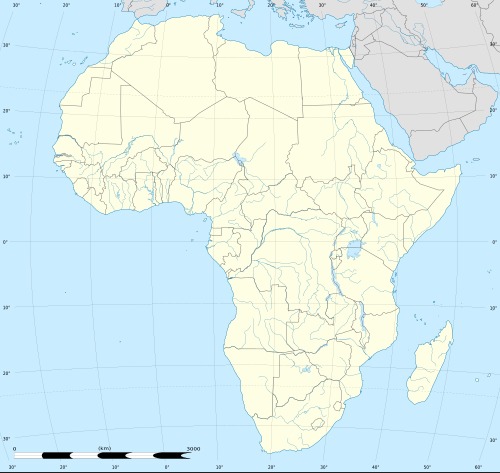
In Namibia, the rich diversity of local languages greatly influences the way residents pronounce words in English. This interplay results in unique pronunciation patterns that reflect the country’s multilingual heritage. Understanding the impact of indigenous languages on English pronunciation offers valuable insights into Namibia’s linguistic landscape and cultural identity.
Otjiherero and Herero Language
The influence of local languages on pronunciation plays a significant role in shaping the way Namibia, particularly the Otjiherero and Herero languages, are spoken. These languages have unique phonetic characteristics that are reflected in the pronunciation patterns of speakers, often blending elements from indigenous dialects with standard pronunciation norms. Otjiherero, as a Bantu language, features specific consonant and vowel sounds that can influence the pronunciation habits of its speakers, leading to variations when speaking other languages such as English. Similarly, the Herero language has distinctive intonations and phonetic features that impact how words are pronounced, especially in multilingual contexts common in Namibia. This linguistic interconnection results in a rich tapestry of pronunciation variations, which are an integral part of Namibia’s linguistic identity. The local languages help preserve cultural heritage and influence pronunciation in ways that continue to evolve as interactions among different language groups increase, reinforcing the importance of understanding these influences when analyzing Namibia’s overall pronunciation patterns.
Khoekhoe (Nama/Damara)
The influence of local languages on the pronunciation of Khoekhoe (Nama/Damara) in Namibia is significant and reflects the rich linguistic diversity of the region. Local languages such as Oshiwambo, Herero, and Tswana often impact the way Khoekhoe speakers pronounce words, leading to distinctive phonetic features that set Namibian Khoekhoe apart from standard dialects or related languages. These influences can include the borrowing of sounds, intonation patterns, and speech rhythms, which are shaped by the phonetic structures of the dominant regional languages. As a result, Namibian Khoekhoe pronunciation exemplifies a unique blend of linguistic elements, highlighting the importance of local language interactions in shaping phonetic identity. This blending not only enriches the language but also fosters cultural connections among different linguistic communities within Namibia. Overall, the phonetic variations arising from local language influence serve as a testament to Namibia’s complex linguistic landscape and the dynamic nature of Khoekhoe pronunciation in the region.
Impact on English Pronunciation
The influence of local languages on English pronunciation in Namibia significantly shapes the way speakers articulate words, resulting in distinctive regional accents. Namibia’s rich linguistic diversity, with languages such as Oshiwambo, Otjiherero, and Khoekhoe, impacts the pronunciation patterns of English among its inhabitants. Many Namibians often transfer phonetic traits from their native languages into English, affecting vowel sounds, consonant usage, and intonation. For instance, certain nasal sounds or emphatic pronunciations in local languages might be reflected in how English words are spoken, leading to variations that are unique to Namibia. This interaction enhances the cultural identity expressed through speech and contributes to the vibrant regional linguistic landscape. Consequently, Namibia’s English pronunciation can be quite diverse, embodying influences from multiple local language phonetics and contributing to a distinctive national accent that reflects the country’s multilingual heritage.
Regional Differences in Pronunciation
Regional differences in pronunciation are a prominent feature of the English language, reflecting the diverse cultural and geographical influences across different areas. In Namibia, these variations are particularly noteworthy as they showcase the unique ways in which English has been adapted and spoken in various communities. Understanding the pronunciation differences within Namibia offers insights into the country’s linguistic landscape and the rich heritage embedded in its speech patterns.
Urban vs. Rural Variations
Regional differences in pronunciation are a significant aspect of linguistic variation, especially in countries like Namibia where diverse communities and geographic landscapes influence speech patterns. Urban and rural areas often exhibit distinct pronunciation features that reflect local identities, cultural influences, and levels of language exposure.
In Namibia, urban areas such as Windhoek tend to have a more standardized or internationally influenced pronunciation due to exposure to formal education and media. Conversely, rural regions often preserve more traditional or localized pronunciation patterns, which can differ markedly from those in urban centers.
- Urban Namibian pronunciation generally incorporates Afrikaans, German, or English influences, creating a more homogenized speech pattern.
- Rural pronunciation may retain older or indigenous language features, leading to unique variations in vowel and consonant sounds.
- Variations often include differences in the pronunciation of vowels, such as the way /a/ and /e/ sounds are articulated in rural versus urban settings.
- Consonant pronunciations may also vary, with some rural dialects maintaining more conservative or traditional articulations.
- These regional variations contribute to the rich linguistic diversity found within Namibia, illustrating how geography shapes language use.
Influence of Colonial Languages
In Namibia, pronunciation varies significantly across regions, influenced by the country’s diverse linguistic landscape. Indigenous languages such as Oshiwambo, Herero, and Nama contribute to local speech patterns, resulting in unique pronunciation styles within communities. Additionally, the influence of colonial languages, particularly German and English, shapes how words are spoken in different areas. English, as an official language, often exhibits regional accents and pronunciation differences rooted in local native languages, which can affect vowel and consonant sounds. The legacy of German, historically a colonial language, persists in certain pronunciation tendencies, especially in the northern regions, where some German loanwords are still used and pronounced with a characteristic accent. These regional pronunciation variations reflect Namibia’s rich cultural history and the ongoing impact of colonial languages on contemporary speech patterns.
Common Mispronunciations and Corrections
Proper pronunciation plays a crucial role in effective communication, especially when it comes to the names of places and geographic locations. Namibia, a country in southwestern Africa, often faces challenges in pronunciation for non-native speakers. Common mispronunciations can lead to misunderstandings or misidentifications, but with guidance and practice, accurate pronunciation can be achieved. This article explores typical errors in pronouncing Namibia and offers helpful corrections to ensure clear and respectful communication.
Typical Errors
Pronouncing “Namibia” correctly can be challenging for non-native speakers. The proper pronunciation is “nuh-MIH-bee-uh,” with the emphasis on the second syllable. A common mistake is pronouncing it as “NAM-yee-uh” or “nuh-MAH-bee-uh,” which alters the intended pronunciation. To correct this, focus on stressing the second syllable and pronouncing each syllable clearly. Recognizing and practicing the accurate pronunciation helps avoid misunderstandings and shows respect for the country’s name. Additionally, being aware of common mispronunciations and actively correcting them promotes clearer communication when referring to Namibia in conversation or writing.
Guidelines for Accurate Pronunciation
Correct pronunciation is essential for clear communication, especially when it comes to geographical names like Namibia. Many people tend to mispronounce Namibia as “Nay-MEE-bee” or “Nuh-MIH-bee,” but the proper pronunciation emphasizes the first syllable with a soft “a” sound. To ensure accurate pronunciation, it is helpful to understand common errors and adopt proper guidelines.
- Recognize the correct syllable emphasis: Namibia is pronounced with the emphasis on the second syllable, “NAM-ib-ee.”
- Avoid substituting similar but incorrect sounds, such as saying “say” instead of “see” in the first syllable.
- Practice with native speakers or listen to pronunciation guides to develop an ear for the correct sound.
- Use phonetic spelling: /nuh-MEE-bee/ or /nuh-MAH-bee/ to guide pronunciation.
- Be mindful of regional variations, but generally, sticking to the standard pronunciation helps in formal and official contexts.
By following these guidelines and actively practicing, pronunciation of Namibia can be improved, leading to more effective communication and respectful recognition of the country’s name.

0 Comments