

Historical Background of Namibia
Namibia, located in southwestern Africa, has a rich and complex history shaped by diverse indigenous cultures and European colonial influences. Originally inhabited by various indigenous tribes such as the Himba, Herero, and San peoples, the region experienced Portuguese, German, and South African presence over centuries. German colonization began in the late 19th century, and the territory was later administered by South Africa after World War I, leading to a period of prolonged struggle for self-determination. This historical background set the stage for Namibia’s eventual pursuit of independence, marking a pivotal chapter in its national identity.
Pre-Colonial Era and Indigenous Societies
The historical background of Namibia is rich and complex, shaped by its diverse indigenous societies and early interactions with external forces. Before colonial rule, the region was inhabited by various ethnic groups, each with unique social structures, cultural practices, and traditions. These societies included the Himba, Herero, Nama, San, and Oshiwambo-speaking peoples, among others, who lived as hunter-gatherers, pastoralists, and agricultural communities.
In the pre-colonial era, indigenous groups thrived, developing sophisticated social systems, spiritual beliefs, and trade networks. The San people, also known as Bushmen, were among the earliest inhabitants, renowned for their remarkable tracking skills and rock art. The Herero and Nama communities established powerful chiefdoms and engaged in cattle herding, which was central to their economy and social identity. These societies maintained their independence and resisted external domination for many centuries, maintaining their cultural heritage despite pressures from neighboring regions.
German Colonial Period (1884-1915)
The German Colonial Period in Namibia, spanning from 1884 to 1915, was a significant era that shaped the country’s historical trajectory. During this time, Namibia was known as German South West Africa, and it was established as a German protectorate following the Berlin Conference of 1884-1885, where European powers partitioned Africa among themselves. The Germans sought to consolidate their control over the region through military conquest, colonization, and economic exploitation, especially focusing on the indigenous populations such as the Herero and Nama tribes.
German colonial rule was marked by efforts to establish infrastructure, including railways, roads, and administrative systems, but it also involved harsh treatment of local populations. This period was notably characterized by the Herero and Namaqua Genocide, which occurred between 1904 and 1908, when thousands of indigenous people were killed or displaced as Germans sought to suppress resistance. The policies implemented during this era had long-lasting effects on Namibia’s demographic and social fabric.
Following Germany’s defeat in World War I, Namibia was mandated to South Africa by the League of Nations in 1915. Under South African administration, the territory experienced further colonization and segregation, laying the groundwork for future struggles for independence. The legacy of the German colonial period remains a vital part of Namibia’s history, influencing its fight for sovereignty and national identity, culminating in Namibia’s independence in 1990.
South African Administration and Apartheid Policies (1915-1990)
Namibia’s path to independence was deeply influenced by its complex history under South African administration and the implementation of apartheid policies from 1915 to 1990. Originally inhabited by various indigenous groups, the territory was first colonized by Germany in 1884, becoming German South West Africa. Following Germany’s defeat in World War I, the League of Nations mandate transferred administrative control of the territory to South Africa in 1915. South Africa formally annexed the region in 1920, imposing its laws and policies, including racial segregation and discriminatory legislation that aimed to marginalize the indigenous populations. During this period, Namibia’s indigenous peoples faced widespread disenfranchisement, forced labor, and displacement as apartheid-like policies segregated society along racial lines.
- Throughout the mid-20th century, resistance movements such as SWAPO (South West Africa People’s Organization) emerged, seeking independence and the end of apartheid policies.
- South Africa continued to enforce apartheid legislation in Namibia, establishing segregated townships, segregated education, and racial classification systems that institutionalized inequality.
- The international community increasingly condemned South Africa’s administration of Namibia, leading to diplomatic pressure and calls for independence.
By the 1960s, Namibia became a focal point of anti-colonial and anti-apartheid struggles. SWAPO gained prominence as the primary liberation movement, engaging in guerrilla warfare and diplomatic efforts. After decades of resistance, internal unrest, and international sanctions, South Africa came under increasing pressure to relinquish control. This culminated in Namibia’s independent transition, culminating in the country’s official independence on March 21, 1990, marking the end of decades of colonial rule and apartheid policies.
Struggle for Independence
The struggle for independence in Namibia was a pivotal period marked by persistent efforts to break free from colonial rule and establish self-governance. Spanning several decades, this movement involved the resilience of Namibian people against oppressive systems, ultimately leading to their liberation. The fight for independence reflected a broader desire for freedom, justice, and national identity that shaped Namibia’s future as an autonomous nation.
Formation of Political Movements
The struggle for independence in Namibia was a prolonged and significant effort marked by resilience and patriotic determination. Under colonial rule, primarily by South Africa, Namibians faced economic exploitation, social discrimination, and political repression, which fueled widespread discontent. The formation of various political movements aimed at advocating for self-governance and independence became central to the national conscience. One of the most prominent groups was SWAPO (South West Africa People’s Organization), founded in 1960, which emerged as the primary force advocating for liberation and the end of South African rule. These movements organized protests, armed resistance, and diplomatic efforts to mobilize international support, ultimately leading to the achievement of independence in 1990. The collective efforts of Namibian political activists and organizations played a crucial role in shaping the country’s path toward sovereignty and establishing a new democratic government. Their struggle remains a testament to the enduring desire for freedom and self-determination.
Namibian War of Independence (1980-1990)
The Namibian War of Independence, also known as the Namibian Liberation Struggle, was a protracted conflict that took place from 1980 to 1990, leading to Namibia’s independence from South African rule. This war was driven by the desire of the Namibian people to end colonialism and apartheid policies imposed by South Africa, which had administered the territory since 1915. The main liberation movement, the South West Africa People’s Organization (SWAPO), fought against South African forces and their local collaborators to establish sovereignty for Namibia. The struggle involved guerrilla warfare, political negotiations, and international diplomacy, with key support from neighboring African states and global allies. The conflict culminated in the United Nations’ recognition of Namibia’s independence on March 21, 1990, marking the end of decades of struggle and the beginning of self-governance for the Namibian people.
Key Figures and Leaders
The struggle for independence in Namibia was a pivotal process marked by national efforts to end colonial rule and establish sovereignty. It involved a combination of diplomatic negotiations, armed resistance, and civil activism aimed at ending South African occupation and apartheid policies that suppressed the country’s freedom. The journey toward independence gained momentum throughout the 20th century, culminating in a peaceful transition in 1990.
Key figures and leaders played vital roles in Namibia’s fight for independence. Sam Nujoma emerged as a prominent leader, serving as the founding president of the South West Africa People’s Organization (SWAPO) and becoming the first President of Namibia after independence. Another influential figure was Andimba Toivo Ya Toivo, a veteran activist and political leader who contributed significantly to the liberation movement and later served in government roles. Other leaders, including Hifikepunye Pohamba and Bennett Kangunyu, also contributed to the nation’s struggle and subsequent development, shaping Namibia’s path toward sovereignty and stability.
The Path to Independence
Namibia’s path to independence is a significant chapter in its history marked by struggle, resilience, and the pursuit of self-determination. After years of colonial rule and conflict, Namibia emerged as a sovereign nation, forging its own identity and paving the way for a brighter future. This journey reflects the determination of its people to attain freedom and govern themselves independently.
United Nations’ Role and Resolutions
Namibia’s path to independence was a significant journey marked by international efforts, diplomatic negotiations, and resilience. The territory, then known as South West Africa, was mandated to South Africa by the League of Nations and later administered as a South African territory, leading to a prolonged struggle for self-determination. The United Nations played a crucial role in supporting Namibia’s quest for independence by urging the residual colonial rule to end and recognizing the right of the Namibian people to self-governance.
The United Nations adopted several resolutions emphasizing the decolonization of Namibia. Notably, UN General Assembly Resolution 2140 (1966) declared South Africa’s administration of Namibia illegal and called for its withdrawal. Continued diplomatic pressure and international solidarity fueled Namibia’s movement towards independence, culminating in the country’s first free elections in 1989. The transition was overseen by the United Nations Transition Assistance Group (UNTAG), which facilitated a peaceful transition to independence.
- The United Nations acknowledged Namibia’s right to self-determination and maintained a legal stance against South Africa’s occupation.
- Resolutions such as Resolution 435 (1978) outlined a framework for free elections and independence under UN supervision.
- UNTAG was established to oversee the transition to democratic independence, ensuring free and fair elections.
Namibia officially gained independence on March 21, 1990, marking the end of years of struggle and the beginning of its sovereignty. The United Nations’ proactive role and resolutions were instrumental in shaping Namibia’s journey to independence, ensuring its political liberation was recognized and supported on the global stage.
landmark peace agreements and negotiations
The path to Namibia’s independence was marked by a series of significant peace agreements and negotiations that ultimately led to the end of colonial rule and the establishment of an independent nation. These diplomatic efforts were crucial in transforming Namibia from a territory under South African administration to a fully sovereign state.
- The conflict between South West Africa People’s Organization (SWAPO) and South African authorities intensified during the 20th century, prompting international pressure for a peaceful resolution.
- One of the key milestones was the United Nations’ recognition of SWAPO as the legitimate representative of the Namibian people and its call for the withdrawal of South African forces.
- The Turnhalle Conference in 1975 was an attempt to create a transitional government, but it failed to gain widespread support and was boycotted by SWAPO.
- Negotiations resumed under the auspices of the United Nations, leading to the implementation of United Nations Security Council Resolution 435 in 1978, which outlined a plan for independence through free and fair elections.
- The implementation of Resolution 435 culminated in the first democratic elections in Namibia in 1989, monitored by international observers, and resulted in the election of SWAPO leader Sam Nujoma as the country’s first President.
- In 1990, Namibia officially gained independence from South Africa, establishing a new government based on democratic principles and national unity.
Transition Process and UN Transition Assistance Group (UNTAG)
The journey to Namibia’s independence was marked by a complex transition process involving negotiations, armed struggle, and international efforts to establish sovereignty. After decades of colonial rule by South Africa, which enforced its apartheid policies, Namibian liberation movements such as SWAPO (South West Africa People’s Organization) led efforts to attain independence through both diplomatic channels and armed resistance. The international community increasingly recognized the necessity of ending apartheid-era policies and supporting Namibian self-determination.
The transition process culminated in negotiations between South Africa, SWAPO, and other stakeholders, resulting in the United Nations Resolution 435 in 1978, which laid out a plan for peaceful independence. This process involved electoral preparations, demobilization of armed groups, and the establishment of new governance structures. The transition was overseen by the United Nations, emphasizing the importance of international support and supervision to ensure a smooth transfer of power.
The United Nations Transition Assistance Group (UNTAG) was deployed to Namibia from 1989 to 1990 to facilitate the transition process. Its responsibilities included overseeing the ceasefire, assisting in voter registration, ensuring free and fair elections, and supporting the development of Namibia’s new government. UNTAG played a crucial role in maintaining peace and stability during this pivotal period, ultimately leading to Namibia’s official independence on March 21, 1990. The successful transition marked the end of colonial rule and the beginning of Namibia’s sovereignty as a unified, independent nation.
Independence Achieved
Namibia’s journey to independence marks a significant milestone in its history, symbolizing the nation’s reclaiming of sovereignty and self-determination. After years of struggle against colonial rule, Namibia achieved independence in 1990, paving the way for a new era of governance, development, and national unity. This historic event reflects the resilience and determination of the Namibian people in their fight for freedom and a brighter future.
Namibia’s Declaration of Independence (March 21, 1990)
Namibia’s declaration of independence on March 21, 1990, marked a historic milestone in the nation’s journey towards freedom and self-determination. After decades of colonial rule and struggle against South African occupation, Namibia emerged as a sovereign state, ending years of apartheid-style policies and repression.
The road to independence was characterized by significant efforts from liberation movements, particularly the South West Africa People’s Organization (SWAPO), which led diplomatic negotiations and armed resistance to achieve independence. The peaceful transfer of power was celebrated worldwide, symbolizing the triumph of perseverance, unity, and the desire for autonomy among the Namibian people.
This momentous event established Namibia as a democratic nation with a government committed to human rights, equality, and development. Since gaining independence, Namibia has strived to build a prosperous future, honoring its past struggles while embracing progress and stability for its citizens.
Establishment of Democratic Institutions
Namibia achieved independence on March 21, 1990, marking a significant milestone in its history. This momentous event ended decades of colonial rule under South Africa and a protracted struggle for self-determination led by the South West Africa People’s Organization (SWAPO). The independence movement was characterized by diplomatic negotiations, peaceful protests, and armed resistance, all contributing to the eventual recognition of Namibia as a sovereign nation.
Following independence, Namibia focused on establishing strong democratic institutions to ensure stability, justice, and development. A democratic constitution was adopted, guaranteeing fundamental rights and freedoms to its citizens. The country established a multi-party political system, an independent judiciary, and transparent electoral processes. These institutions laid the foundation for Namibia’s commitment to good governance and the rule of law, fostering national unity and progress in the post-independence era.
Challenges Faced Post-Independence
Namibia achieved independence on March 21, 1990, marking the end of decades of struggle against South African colonial rule and apartheid policies. This milestone was the result of a persistent liberation movement, primarily led by the South West Africa People’s Organization (SWAPO), which fought to establish self-governance and sovereignty for the Namibian people. Independence brought hope for a new era of national development, political stability, and social progress.
However, post-independence Namibia faced numerous challenges that tested its unity and development. The country inherited a legacy of economic disparities, with a small white minority controlling most of the land and resources while the majority of the population remained marginalized. Addressing land redistribution and economic inequality became urgent issues for the government. Additionally, Namibia faced the task of nation-building in a context of lingering racial tensions and social divisions that required sustained effort to foster national identity and reconciliation.
Economically, Namibia struggled with high unemployment, poverty, and limited industrialization. The country’s economy was heavily dependent on mining exports, particularly uranium and diamonds, making it vulnerable to global market fluctuations. Developing a diverse economy and improving social services such as education, healthcare, and infrastructure became priorities to ensure sustainable growth. The government also faced the ongoing challenge of maintaining stability and security, especially considering the regional conflicts and historical tensions that persisted after independence.
Despite these obstacles, Namibia made significant progress in establishing democratic institutions, promoting human rights, and fostering a sense of national pride. The journey of independence laid a foundation for ongoing efforts to overcome post-colonial challenges and build a prosperous, inclusive nation.
Post-Independence Namibia
Post-Independence Namibia marked a significant milestone in the nation’s history as it transitioned from decades of colonial rule to becoming an independent republic. Achieved in 1990, Namibia’s independence was the result of a protracted struggle against South African administration and apartheid policies. The country has since worked towards establishing democratic governance, promoting social and economic development, and healing the divisions of its past. This period signifies Namibia’s emergence as a sovereign nation committed to stability, growth, and national unity.
Political Developments and Leadership
Post-Independence Namibia has experienced significant political developments centered around nation-building and leadership consolidation. After gaining independence from South African rule in 1990, Namibia established a democratic government with a focus on stability and development. The South West Africa People’s Organization (SWAPO), which led the independence movement, emerged as the dominant political force, with Sam Nujoma becoming the first President of Namibia. His leadership laid the groundwork for national unity and economic growth.
Namibia’s political landscape has been characterized by efforts to promote democratic institutions, uphold human rights, and address historical inequalities. The government has prioritized economic development, education, and social welfare, while maintaining a commitment to peace and reconciliation. Leadership has often emphasized the importance of building a consensus-driven political environment, with subsequent presidents continuing to strengthen democratic governance and fostering stability in the region.
Economic Growth and Development Policies
Following Namibia’s independence in 1990, the country embarked on a comprehensive journey to foster economic growth and implement development policies aimed at improving the livelihoods of its citizens. The government prioritized land reform, infrastructure development, and the promotion of private sector growth to diversify the economy, which had been historically dependent on mining and agriculture. Significant efforts were made to reduce unemployment and poverty through social programs and investment in education and health services.
Namibia adopted a mixed economy approach, encouraging foreign direct investment and supporting local entrepreneurship to stimulate sustainable growth. The National Development Plans, including the National Development Plan 1 (NDP1) and subsequent iterations, outlined strategic frameworks to advance economic diversification, improve infrastructure, and promote social equity. Additionally, Namibia worked to align its policies with regional economic integration initiatives, such as the Southern African Development Community (SADC), to enhance trade and investment opportunities.
Despite these efforts, Namibia faced several challenges, including income inequality, unemployment, and reliance on mineral exports. To address these issues, the government emphasized the implementation of policies focused on social development, skills enhancement, and fostering a more inclusive economy. Continued efforts in good governance, infrastructure improvement, and investment in human capital remain essential for Namibia’s pursuit of sustainable economic growth and development post-independence.
Social Progress and National Unity
Following Namibia’s independence in 1990, the nation faced the significant task of fostering social progress and building a unified identity among its diverse population. Efforts were made to address historical inequalities and promote equitable development across all regions and communities. Education, healthcare, and economic reforms aimed to uplift previously marginalized groups and reduce social disparities, laying the foundation for a more inclusive society.
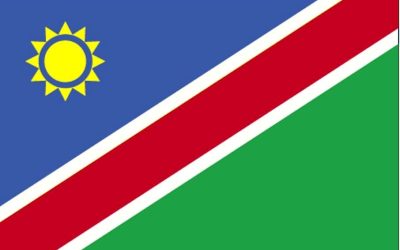
National unity became a central goal, with initiatives focused on bridging ethnic, cultural, and linguistic divides. Leaders emphasized reconciliation and the importance of collective identity, encouraging citizens to work together towards national development. Programs promoting dialogue, cultural recognition, and national symbols helped foster a shared sense of patriotism and ownership of Namibia’s future.
Despite challenges such as economic inequalities and social divisions, Namibia’s commitment to social progress and unity has remained a priority. Continued efforts in education, economic development, and inclusive governance aim to reinforce these values, ensuring that the gains achieved since independence contribute to a stable, cohesive, and prosperous Namibia.



0 Comments