

Main Natural Resources of Algeria
Algeria is endowed with a rich diversity of natural resources that play a vital role in its economy. The country is particularly known for its vast hydrocarbon reserves, including significant quantities of oil and natural gas. In addition to hydrocarbons, Algeria possesses important mineral resources such as iron ore, lead, zinc, and phosphates. These natural resources form the backbone of Algeria’s industrial development and are essential for its economic growth and regional influence.
Agricultural Resources
Algeria is rich in natural resources that play a vital role in its economy and development. The country possesses vast agricultural resources, including fertile lands and diverse crop varieties that support both local consumption and export. These agricultural resources are essential for ensuring food security and sustaining rural livelihoods. With a strategic focus on optimizing these resources, Algeria aims to enhance agricultural productivity and achieve sustainable growth.
Arable Land
Algeria has a diverse array of natural resources, with arable land playing a significant role in its agricultural sector. The country’s arable land is primarily utilized for cultivating crops such as cereals, barley, wheat, oats, and various vegetables. Despite the vast desert areas, the fertile lands mainly exist in the northern regions, especially along the Mediterranean coast, where the climate is more conducive to farming.
- Northwestern regions benefit from a Mediterranean climate, supporting diverse agriculture.
- The High Plateaus and Tell Atlas Mountains are key areas for cultivated crops and livestock farming.
- Despite limited arable land, improved irrigation techniques have increased productivity in certain areas.
- Soil quality and water availability are critical factors influencing agricultural potential.
- The government has implemented initiatives to enhance agricultural productivity and expand arable land usage.
Water for Irrigation
Water resources for irrigation play a vital role in utilizing Algeria’s natural resources to ensure agricultural productivity. Given the arid and semi-arid climate conditions predominant in the country, efficient management of water for irrigation is crucial for sustainable agriculture. Algeria relies on both surface and groundwater sources to meet the needs of its agricultural sector, with efforts focused on developing infrastructure, water conservation techniques, and modern irrigation methods to optimize water use. As part of its natural resource management, the country aims to balance water extraction with environmental preservation, supporting food security and rural livelihoods while addressing the challenges posed by water scarcity.
Soil Fertility and Agriculture
Algeria’s natural resources play a vital role in its agricultural sector, particularly in enhancing soil fertility and supporting sustainable farming practices. The country’s vast reserves of mineral and energy resources contribute indirectly to agricultural development by providing the economic stability needed for infrastructural improvements and technological advancements. Soil fertility in Algeria varies across regions, with coastal plains and fertile valleys offering favorable conditions for crop cultivation, while arid and desert areas require innovative irrigation and soil management techniques. The government and agricultural experts are focusing on methods such as soil conservation, organic farming, and the utilization of natural minerals to improve soil quality and boost productivity. Leveraging Algeria’s natural resources responsibly ensures a resilient agricultural system capable of meeting the food demands of its population while preserving its environment for future generations.
Biological Resources
Algeria is home to a rich variety of biological resources that play a vital role in its ecosystem and economic development. The country’s diverse landscapes, from coastal regions to expansive deserts and lush forests, support a wide range of plant and animal species. These biological resources are not only crucial for maintaining ecological balance but also hold significant potential for sustainable use in agriculture, medicine, and industry. Understanding and preserving Algeria’s biological diversity is essential for promoting ecological health and supporting local communities.
Forests and Timber
Algeria is endowed with a diverse array of natural resources, among which biological resources, forests, and timber hold significant importance for the country’s ecological balance and economic development. The nation’s forested areas cover a relatively small percentage of its territory but are vital habitats for numerous flora and fauna. These forests contribute to biodiversity conservation, soil protection, and climate regulation. Timber harvesting, managed sustainably, provides raw materials for construction, furniture, and other industries, supporting local economies and employment. Despite the arid climate and desert regions that dominate much of Algeria, the remaining forests are crucial for maintaining environmental stability and fostering sustainable resource management. Efforts to conserve and utilize these biological resources are essential for the country’s ecological health and economic resilience.
Marine Resources
Algeria boasts a rich array of natural resources, among which biological and marine resources play a significant role in the country’s economy and ecological diversity. The country’s diverse ecosystems, including coastal areas, wetlands, and marine environments, support a wide variety of plant and animal species that are vital for maintaining ecological balance and supporting local livelihoods.
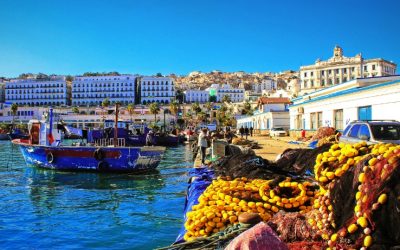
Marine resources in Algeria are particularly abundant, given its extensive Mediterranean coastline spanning over 1,200 kilometers. The Mediterranean Sea provides a habitat for numerous fish species, mollusks, and crustaceans, making fishing one of the main economic activities along the coast. Key fish species include sardines, anchovies, and tuna, which are crucial for both domestic consumption and export markets. Additionally, Algeria’s marine environment supports diverse marine biodiversity, including coral reefs and seabed ecosystems that contribute to ecological health and attract tourism.
The sustainable management of these biological and marine resources is essential to preserve their productivity and prevent overfishing and habitat degradation. Efforts include implementing fishing regulations, marine protected areas, and environmental conservation programs to ensure that Algeria’s natural resources continue to benefit future generations.

Biodiversity and Protected Areas
Algeria, endowed with rich and diverse natural resources, plays a vital role in maintaining its ecological and economic stability. Biological resources in Algeria include a wide variety of flora and fauna, many of which are unique to the region. The country’s biodiversity encompasses desert ecosystems, Mediterranean forests, and wetlands that support numerous species, some of which are endangered or endemic. Protecting these biological resources is essential for ensuring ecological balance and sustainable development.
Biodiversity in Algeria is influenced by its varied climate and geographical features, ranging from arid deserts to lush coastal areas. This diversity provides essential services such as soil fertility, climate regulation, and resources for local communities. Conservation efforts focus on preserving these natural habitats to combat threats like habitat destruction, overgrazing, and illegal wildlife trade.
Algeria has established several protected areas to conserve its unique ecosystems and species. These areas include national parks, wildlife reserves, and protected forests, which serve as critical zones for research, tourism, and environmental education. The management of these protected areas aims to balance conservation with sustainable use, ensuring that Algeria’s natural heritage remains intact for future generations.
Strategic and Economic Implications
Algeria’s vast natural resources play a crucial role in shaping the country’s strategic and economic landscape. As one of Africa’s leading producers of oil and natural gas, Algeria’s resource wealth influences both domestic development and its position in regional and global markets. Understanding the strategic and economic implications of these resources is essential for evaluating Algeria’s future growth prospects and geopolitical significance.
Resource Dependency
Algeria’s abundant natural resources, particularly its vast hydrocarbons reserves, play a crucial role in shaping the nation’s strategic and economic landscape. These resources provide significant income through exports, fostering economic growth but also creating a dependency that influences policy choices and international relations. Resource dependency makes Algeria vulnerable to fluctuations in global commodity prices, which can impact economic stability and government revenues. Strategically, reliance on oil and gas exports directs the country’s foreign policy and security strategies, often aligning them with the interests of resource-consuming nations. To mitigate risks, diversification efforts are essential, but resource dependency remains a defining characteristic of Algeria’s economic framework, requiring careful management to ensure sustainable development and geopolitical stability.
Impact on Economy and Development
Algeria’s abundant natural resources, particularly hydrocarbons such as oil and natural gas, play a crucial role in shaping the country’s strategic and economic landscape. Their exploitation provides significant revenue that fuels government budgets, supports national development projects, and influences geopolitical alliances within the region and beyond. The reliance on these resources, however, also presents economic vulnerabilities due to fluctuating global commodity prices and the finite nature of these assets.
The impact on the economy is substantial, with hydrocarbons accounting for the majority of Algeria’s exports and public revenues. This dependence creates challenges in diversifying the economy, limiting growth in other sectors such as manufacturing or technology. Consequently, fluctuations in global oil and gas prices can lead to economic instability, affecting employment, social services, and overall development efforts.
In terms of development, Algeria’s natural resources provide opportunities for infrastructure expansion, technological advancement, and regional influence. Strategic management of these resources can promote sustainable growth, reduce poverty, and improve living standards. However, an overemphasis on resource extraction without diversification poses risks of resource depletion and environmental degradation, which could hinder long-term development goals, emphasizing the need for balanced and sustainable resource management policies.
Future Resource Management
Algeria’s abundant natural resources, particularly hydrocarbons, play a crucial role in shaping its strategic and economic landscape. As the world’s third-largest producer of natural gas and a significant exporter of oil, the country’s resource wealth provides substantial revenue but also creates challenges related to long-term sustainability and economic diversification. Managing these resources requires strategic foresight to mitigate dependence on oil and gas exports, which are vulnerable to global market fluctuations.
Future resource management in Algeria involves implementing policies to diversify the economy, develop renewable energy sectors, and improve resource efficiency. Investing in solar and wind energy, given Algeria’s vast sunny and windy regions, offers a sustainable path forward. Additionally, strengthening domestic industries and encouraging foreign investment can help optimize resource utilization and foster economic resilience. Strategic planning must also include environmental considerations to ensure responsible extraction and minimize ecological impacts, securing Algeria’s resource future for generations to come.


0 Comments