

Geography of Algeria
Algeria, the largest country in Africa, boasts a diverse and captivating geography that influences its climate, culture, and economy. Located in North Africa, it is bordered by the Mediterranean Sea to the north, with vast deserts, mountains, and plains extending across its extensive territory. The country’s varied landscape includes the rugged Atlas Mountains, the expansive Sahara Desert, and fertile coastal plains, making it a country of geographic richness and natural beauty.
Major Mountain Ranges
Algeria is a country with a diverse and prominent mountainous landscape that significantly influences its geography. The major mountain ranges in Algeria are primarily part of the Atlas Mountain system, which extends across northern Africa. These ranges contribute to the country’s varied climate and natural beauty, impacting both local ecosystems and human settlements.
- The Tell Atlas: This range runs parallel to the Mediterranean coast and is characterized by lush forests and fertile plains. It forms the backbone of northern Algeria, hosting several key cities and agricultural areas.
- The Saharan Atlas: Located south of the Tell Atlas, this range acts as a transitional zone between the coastal mountains and the Sahara Desert. It features high peaks and rugged terrain, including the Tin Abi Tanout range.
- The Aures Mountains: Situated in eastern Algeria, the Aures are known for their steep, rugged landscape and historical significance, serving as a refuge during various periods of conflict.
- The Ksour Range: Part of the Saharan Atlas, it extends across southeastern Algeria, consisting of rocky plateaus and mountain masses that influence local climate patterns.
Deserts and Plains
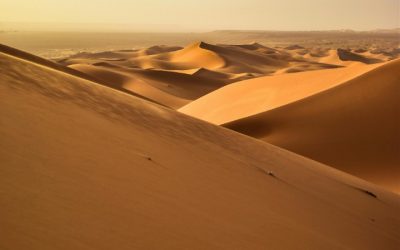
Algeria, a vast country in North Africa, is characterized by diverse geographical features, including expansive deserts and fertile plains. The Sahara Desert covers a significant portion of the country, forming one of the hottest and most arid regions in the world, with vast sand dunes and rocky plateaus. The desert area is sparsely populated but plays a crucial role in Algeria’s climate and natural environment. In contrast, Algeria also boasts fertile plains such as the Mitidja Plain near Algiers, which is an important agricultural hub known for its olive groves, vineyards, and cereal crops. These plains are replenished by Mediterranean rains, making them vital for local food production. The contrasting landscapes of arid deserts and lush plains highlight Algeria’s diverse geography, which influences its climate, culture, and economic activities across different provinces.
Coastal Regions
Algeria’s coastal regions are an essential part of the country’s geography, stretching along the Mediterranean Sea and offering a diverse landscape that combines beaches, plains, and mountainous areas. These regions are characterized by a Mediterranean climate, with hot, dry summers and mild, wet winters. Major cities like Algiers, Oran, and Annaba are situated along the coast, serving as economic, cultural, and political centers. The coastal plains are highly fertile, supporting agriculture such as citrus fruits, olives, and cereals. Additionally, the coastline features several ports that facilitate trade and commerce, making the coastal regions vital to Algeria’s connectivity and development. The terrain along the coast transitions from sandy beaches to rugged mountains, including the Tell Atlas range, which influences local climate patterns and biodiversity in these areas. Overall, the coastal regions of Algeria play a crucial role in its geography, economy, and way of life.
Administrative Divisions
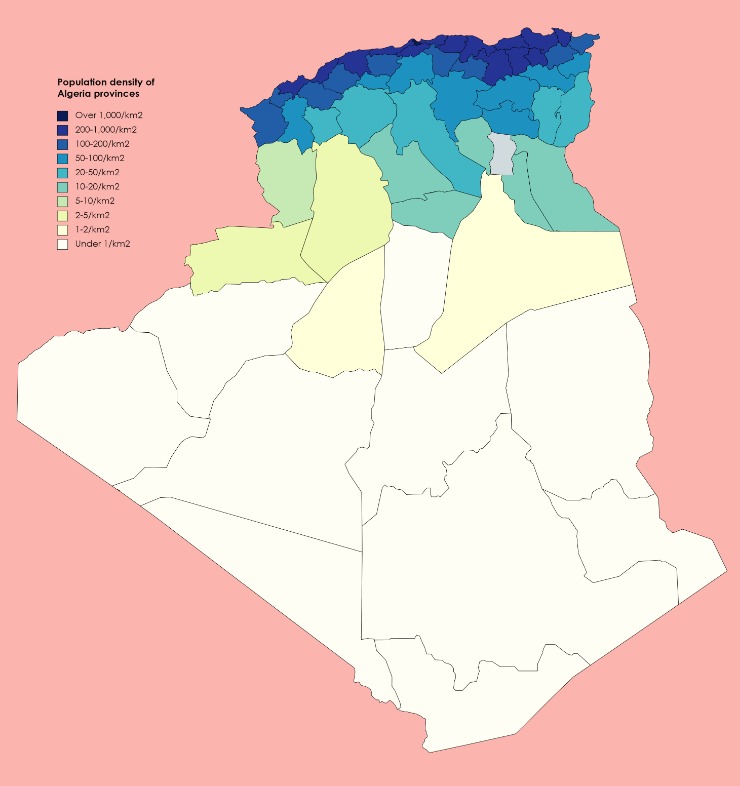
Algeria is divided into several administrative divisions known as provinces or “wilayas.” These provinces serve as key administrative regions that help organize the governance, development, and local administration across the country. Each province is further subdivided into districts and municipalities, playing a vital role in managing local affairs and providing services to residents. Understanding the structure and significance of Algeria’s provinces offers insight into the nation’s political and administrative landscape.
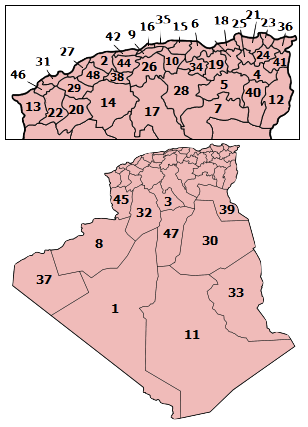
Provinces of Algeria
Algeria is divided into several administrative regions known as provinces or “wilayas.” These provinces serve as the top-level administrative units in the country, each governed by a wali who is appointed by the central government. The provinces are further subdivided into districts and municipalities, allowing for organized local governance and administration.
As of the latest administrative division, Algeria has 58 provinces. Some of the most prominent provinces include Algiers, the capital city province; Oran, a major port and economic center; Constantine, known for its rich history and architecture; and Annaba, an important industrial hub. Each province has its own unique cultural, geographical, and economic characteristics, contributing to the diverse fabric of the nation.
The provinces of Algeria play a crucial role in regional development, resource management, and maintaining administrative order. They facilitate the implementation of national policies at a local level and help in addressing the specific needs of their populations. This administrative division is essential in promoting balanced growth and regional cooperation across the country.
Governance and Local Authorities
Algeria is divided into several administrative divisions known as provinces, or “wilayas,” each governed by local authorities responsible for regional administration. These provinces serve as the primary administrative units, facilitating local governance, development, and public services. Each wilaya is headed by a wali, appointed by the central government, who oversees the implementation of policies and coordinates activities within the province. The local authorities within each wilaya include municipalities, which handle local issues such as urban planning, municipal services, and community development. These municipal councils are elected by residents and work in collaboration with the wali’s office to address local needs. The administrative structure ensures a decentralized approach to governance, aiming to improve efficiency, representation, and service delivery across Algeria’s diverse regions. The system emphasizes the importance of local participation, enabling communities to have a voice in regional development and governance decisions.
Economie of Algerian Provinces
The economy of Algerian provinces varies significantly, reflecting diverse local resources, industries, and development levels. Each province contributes uniquely to the nation’s overall economic landscape, with some regions thriving on agriculture, mining, or industry, while others focus on trade and services. Understanding the economic dynamics of these provinces provides insight into Algeria’s broader developmental strategies and regional strengths.
Key Industries
The economy of Algerian provinces varies significantly, reflecting the diverse natural resources and industrial development across the country. Key industries in these regions include oil and gas extraction, which dominate the national economy, especially in provinces like Ouargla and Hassi Messaoud. Agriculture also plays an important role, with regions such as Tlemcen and Boumerdès producing cereals, fruits, and vegetables. Manufacturing industries, including petrochemicals, cement, and textiles, are concentrated around urban centers like Algiers and Oran, supporting regional economic growth. Tourism is increasingly developing in provinces with historical sites and natural landscapes, such as Constantine and Bejaia. The diversification of provincial economies aims to reduce dependence on hydrocarbons and promote sustainable growth across Algeria’s varied regions.
Agricultural Resources
The economy of Algerian provinces is diverse, with agriculture playing a significant role in many regions. Each province contributes uniquely based on its available resources and climatic conditions. Agricultural resources in Algeria include arable land, water sources, and favorable climates that support the cultivation of various crops and livestock. Provinces such as Tizi Ouzou, Bejaia, and Blida are known for their agricultural productivity, producing cereals, fruits, vegetables, and olive oil. Water management and irrigation systems are crucial for sustaining agriculture, especially in arid regions. Overall, the agricultural sector remains vital for economic development, employment, and food security across Algeria’s provinces.
Trade and Commerce
The economy of Algerian provinces varies significantly, reflecting their diverse natural resources, industrial capacities, and trade activities. Provinces such as Algiers, Oran, and Constantine play pivotal roles in the nation’s trade and commerce due to their strategic locations, port facilities, and industrial zones. These regions serve as economic hubs, facilitating the import-export activities vital for Algeria’s economy.
Trade in Algerian provinces is primarily driven by the export of hydrocarbons, including oil and natural gas, which constitute the backbone of the country’s revenue. Coastal provinces, especially those along the Mediterranean Sea, have developed robust port infrastructures enabling the efficient movement of goods and raw materials. Additionally, agro-industrial products from inland provinces contribute significantly to regional trade networks.
Commerce within and across provinces is supported by a network of markets, trade fairs, and transportation links that connect rural and urban areas. The government has focused on diversifying the economy by promoting industrialization and non-oil exports in regions such as Skikda, Annaba, and Béjaïa. This effort aims to reduce dependency on hydrocarbons and foster sustainable economic growth throughout Algeria’s provinces.
Culture and Heritage
Algeria is a country rich in culture and heritage, reflected vividly across its diverse provinces. Each region offers a unique blend of traditional customs, historical landmarks, and vibrant artistic expressions that showcase the country’s long-standing history. Exploring the provinces of Algeria provides insight into the various cultural influences that have shaped its society over centuries, making it a fascinating destination for those interested in heritage and cultural diversity.
Historical Landmarks
Algeria is a country rich in culture and heritage, with each province offering a unique glimpse into its historical and cultural identity. The diverse landscapes and traditions have been shaped by centuries of Islamic, Arab, Berber, and French influences, making it a fascinating destination for history enthusiasts and culture seekers alike. Exploring the historical landmarks across its provinces reveals the depth and vibrancy of Algerian civilization.
- Béjaïa Province: Recognized for the historic Kasbah of Béjaïa, a UNESCO World Heritage site, which showcases medieval architecture and old port traditions.
- Tizi Ouzou Province: Known for its numerous Berber villages and the beautiful Djurdjura Mountains, which hold archaeological sites and ancient caves.
- Constantine Province: Home to the famous suspension bridges like Sidi M’Cid Bridge and the ancient Roman ruins of Cirta that illustrate its rich history from various eras.
- Oran Province: Contains the historic Santa Cruz Fortress, offering panoramic views and a glimpse into the colonial past of the city.
- Tamanrasset Province: Recognized for the Tassili n’Ajjer National Park, a UNESCO World Heritage site with prehistoric rock art and unique geological formations.
- Algiers Province: The capital city hosts many landmarks such as the Casbah of Algiers, a UNESCO site with Ottoman and French architectural influences, and the Ketchaoua Mosque.
- Skikda Province: Known for its Phoenician and Roman archaeological sites along the coast that preserve ancient history and maritime heritage.
Traditional Festivals
Algeria, a country rich in history and diverse traditions, boasts a vibrant cultural heritage reflected across its various provinces. Each region has its unique customs, art forms, and historical landmarks that contribute to the country’s overall identity. Traditional festivals play a vital role in preserving and celebrating this heritage, bringing communities together to honor their ancestors and cultural practices.
In Algeria’s provinces, festivals such as Yennayer, the Amazigh New Year, are widely celebrated, especially in regions with significant Amazigh populations. This festival features traditional music, dance, and communal meals that showcase the indigenous customs. Another prominent celebration is the Mouloud, commemorating the birth of the Prophet Muhammad, observed with processions, recitations, and gatherings across many provinces.
Music and dance are central elements in Algerian festivals, with genres like Rai originating from the provinces of Oran and Constantine, influencing both local and international audiences. Handicrafts, traditional clothing, and culinary traditions also flourish during these festivals, reflecting the rich tapestry of Algeria’s cultural diversity. These events not only serve as a means of cultural expression but also foster a sense of identity and pride among Algerians.
Languages and Ethnic Groups
Algeria is a country rich in culture and heritage, reflecting a diverse tapestry of traditions and histories across its provinces. The nation’s cultural identity is deeply rooted in its Arab, Berber, and French influences, which are evident in its art, music, and cuisine. Each province contributes uniquely to this mosaic, preserving historical sites, local customs, and traditional crafts that showcase Algeria’s vibrant heritage.
Languages spoken in Algeria include Arabic and Berber (Amazigh) as official languages, with French also widely used in education, business, and media. The linguistic diversity is a testament to the country’s complex history and cultural interactions. Different provinces tend to have unique dialects and linguistic practices, further emphasizing the local identities within the broader national culture.
Algeria’s ethnic composition is predominantly Arab-Berber, with various indigenous and immigrant communities shaping its social fabric. The Berber populations, scattered across provinces such as Kabylie and the Aurès, maintain distinct linguistic and cultural traditions, including traditional music, dances, and festivals. The coexistence of these diverse ethnic groups enriches the cultural landscape of each province and contributes to Algeria’s reputation as a cultural melting pot.
Tourist Attractions
Algeria, a country rich in history and diverse landscapes, offers a variety of captivating tourist attractions across its provinces. From ancient ruins to vibrant city streets and picturesque natural sites, each province provides unique experiences for travelers eager to explore its cultural heritage and stunning scenery. Discovering these attractions is an adventure into the heart of Algeria’s unique identity and breathtaking landscapes.
Natural Wonders
Algeria, a country rich in diverse landscapes and cultural heritage, boasts numerous tourist attractions and natural wonders that captivate visitors. The Sahara Desert covers much of the southern region, offering spectacular sand dunes, oases, and the unique landscape of the Grand Erg and the Tassili n’Ajjer National Park, a UNESCO World Heritage site featuring ancient rock art and striking rock formations. In the north, the coastal city of Algiers showcases historic architecture, vibrant markets, and scenic marina views. The Tell Atlas mountains provide breathtaking scenery for hiking and outdoor adventures, with lush forests and waterfalls. The Hoggar Mountains in the south offer volcanic landscapes and panoramic vistas, while the M’Zab Valley, a UNESCO site, demonstrates extraordinary Moorish architecture amidst a palm grove. These diverse natural and cultural attractions make Algeria a compelling destination for travelers seeking adventure, history, and natural beauty.
Cultural Sites
Algeria’s provinces are rich in tourist attractions and cultural sites that showcase the nation’s diverse history and vibrant traditions. Visitors can explore ancient Roman ruins, such as Timgad and Djemila, which offer a glimpse into the empire’s legacy. The historic Kasbah of Algiers, a UNESCO World Heritage site, features narrow winding streets, traditional architecture, and beautiful views of the Mediterranean Sea. In the Sahara Desert, the town of Tamanrasset provides access to breathtaking dunes, mountain ranges, and traditional Tuareg culture. Additionally, the city of Oran is known for its lively music scene, historic architecture, and bustling markets. Each province offers a unique blend of natural beauty and cultural heritage, making Algeria a compelling destination for travelers seeking authentic experiences.
Adventure and Eco-Tourism
Algeria’s provinces offer a diverse array of tourist attractions that appeal to travelers seeking adventure and eco-tourism experiences. With its rich history, stunning landscapes, and vibrant culture, Algeria provides numerous opportunities for exploration and outdoor activities.
Many provinces boast impressive natural landmarks such as the Sahara Desert in Tamanrasset and Adrar, where visitors can embark on desert safaris and experience the unique beauty of arid ecosystems. The Tell Atlas mountains and Kabylie region are perfect for hiking, mountain biking, and discovering lush forests, traditional villages, and panoramic vistas.
Eco-tourism is thriving in Algeria, with efforts to preserve its biodiversity and natural heritage. Protected areas like the Tassili n’Ajjer National Park in Illizi showcase prehistoric rock art and rare wildlife, attracting eco-conscious travelers. Exploring these regions not only offers adventure but also promotes sustainable tourism and environmental awareness.
Historical sites, such as the ancient Roman ruins in Tipasa and Djemila, add an educational dimension to the travel experience, blending culture with nature. Whether exploring caves, desert landscapes, or coastal regions, visitors to Algerian provinces find a wealth of opportunities to connect with nature and enjoy thrilling outdoor activities.
Transport and Infrastructure
Transport and infrastructure play a vital role in the development and connectivity of Algeria’s provinces. They facilitate the movement of people and goods, support economic growth, and enhance access to essential services. In Algeria, each province features a unique blend of transportation networks and infrastructure projects that reflect its geographical and socio-economic characteristics, contributing to the overall progress of the nation.
Major Transportation Hubs
Algeria’s provinces are equipped with a comprehensive transportation and infrastructure network that facilitates regional connectivity and economic development. Major transportation hubs in these provinces include airports, seaports, railway stations, and bus terminals, which serve as essential linkages within the country and with international destinations. For example, Algiers, the capital province, hosts Houari Boumediene Airport, one of Africa’s busiest airports, providing extensive domestic and international flights. The port of Algiers is a critical maritime gateway for imports and exports, supporting the country’s trade activities. Other provinces such as Oran and Annaba also feature significant seaports and transportation facilities that enhance their economic roles. Rail networks connect key urban centers and industrial zones, promoting efficient movement of goods and people. Overall, the infrastructure in Algerian provinces is vital for economic growth, regional integration, and improved mobility across the country.
Roads and Highways
Transport and infrastructure play a vital role in the development of Algeria’s provinces, facilitating economic growth and improving connectivity among regions. Roads and highways are fundamental components of this infrastructure, enabling efficient movement of people and goods across urban and rural areas. In Algerian provinces, the road network has seen continuous upgrades to accommodate increasing demand, with major highways connecting key cities and ports. These roads not only support daily commuting but also enhance trade links, fostering regional integration. Investment in transport infrastructure is crucial for boosting tourism, agriculture, and manufacturing sectors within the provinces. Additionally, efforts are ongoing to modernize existing routes, introduce better safety features, and expand access to remote communities. Overall, robust roads and highways are essential for Algeria’s broader national development goals, ensuring sustainable growth and improved quality of life for residents in each province.
Air and Sea Ports
Algeria’s provinces are strategically connected through an extensive transport and infrastructure network, which is vital for economic development and regional integration. The country boasts several modern air and sea ports that serve as crucial gateways for international trade and mobility. The main international airports, such as Houari Boumediene Airport in Algiers, facilitate passenger and cargo flights, enhancing Algeria’s connectivity with Europe, Africa, and other continents. Additionally, coastal provinces benefit from well-developed sea ports like the Port of Algiers, the Port of Oran, and the Port of Annaba, which handle the majority of maritime trade including bulk cargo, containers, and oil exports. These ports are supported by efficient railway and road networks that ensure speedy transportation of goods inland. Overall, Algeria’s investment in transportation infrastructure underscores its commitment to becoming a regional logistics hub, fostering economic growth and improving connectivity across its provinces.

0 Comments