
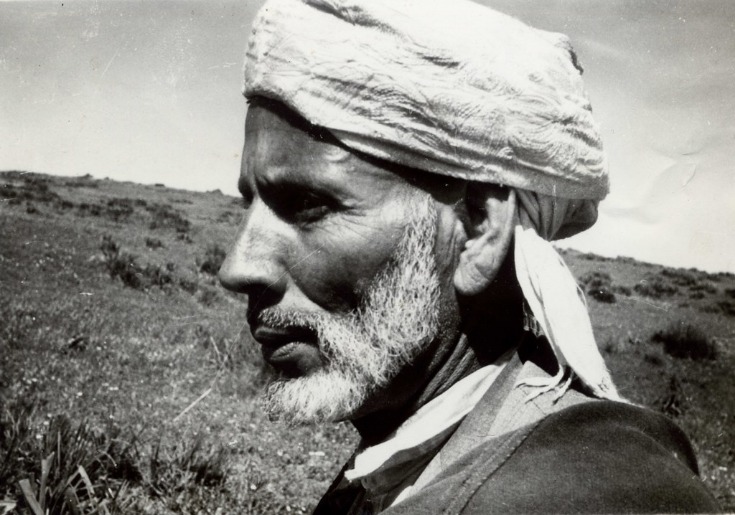
Historical Background of Berbers in Morocco
The Berbers, also known as Amazighs, are among the indigenous peoples of North Africa with a rich history that predates Arab influence in the region. In Morocco, their presence dates back thousands of years, serving as the original inhabitants of the Atlas Mountains and surrounding areas. Throughout history, Berbers have maintained their unique language, culture, and traditions despite various conquerors and external influences. Their resilient legacy continues to shape the cultural landscape of modern Morocco today.
Origins of Berber Tribes
The Berbers, also known as Amazigh or Imazighen, are the indigenous inhabitants of Morocco with a rich and ancient history that predates the Arab conquests. Their presence in North Africa dates back thousands of years, making them one of the oldest ethnic groups in the region. The origins of Berber tribes are deeply rooted in prehistoric times, with archaeological evidence suggesting their existence since the Neolithic era.
Their early settlements were primarily in the rugged mountains, deserts, and coastal regions of what is now Morocco. Over centuries, various Berber tribes developed distinct cultures, languages, and traditions while maintaining a shared sense of identity rooted in their indigenous heritage. The Berbers played a significant role in the history of the region, resisting invasions and influences from Phoenicians, Romans, Arabs, and others, which contributed to their unique cultural resilience.
- Prehistoric Roots: Evidence from archaeological sites indicates that Berber ancestors inhabited North Africa as early as 10,000 years ago, with tools, cave paintings, and settlements that highlight their ancient origins.
- Ancient Civilizations: During the Pharaonic period, Berber tribes interacted with the Egyptians, trading and sometimes fighting over territories. Later, they became part of the Carthaginian and Roman worlds, influencing and being influenced by these civilizations.
- Arab Conquest and Islamization: In the 7th century AD, Muslim Arab armies arrived, leading to the gradual Islamization of Berber societies. Despite this, many tribes retained their language and customs, fostering a distinct cultural identity.
- Tribal Structure and Distribution: Berber tribes are organized into various groups, each with its own dialects, traditions, and social systems. Key tribes in Morocco include the Aït Atta, Aït Baâmrane, and the Rif tribes, among others.
Historical Timeline and Key Events
The Berbers, also known as Amazigh, are the indigenous people of Morocco with a rich and ancient history that predates the Arab conquests. Their presence in North Africa dates back thousands of years, making them a fundamental part of the region’s cultural and historical fabric. Over centuries, they have maintained their language, traditions, and identity despite external influences and invasions.
Historically, the Berbers inhabited the vast regions of North Africa, including current-day Morocco, Algeria, Tunisia, Libya, and parts of Mali and Niger. Their early history can be traced to prehistoric times, with archaeological evidence of their presence in the form of cave paintings and relics from the Neolithic period. The Berbers established powerful kingdoms, such as Mauretania and Numidia, during antiquity. They became known to the Greeks and Romans through chronicles and trade routes, notably influencing the Mediterranean basin.
Significant events in the timeline of Berbers in Morocco include the arrival of Phoenician traders around 1000 BCE, who established trading posts along the coast. The Carthaginian Empire, founded by Phoenicians, expanded into parts of Morocco, leaving a lasting cultural imprint. Following the fall of Carthage, the region was incorporated into the Roman Empire, leading to the development of Roman cities and infrastructure. The decline of Roman rule in the 5th century CE opened the door for Arab Muslim conquest in the 7th century, which introduced Islam and led to the gradual Arabization of the Berbers, although many Berber groups maintained their language and customs.
Throughout the Middle Ages, Berbers played a vital role in the spread of Islamic culture and the establishment of powerful dynasties such as the Almoravids and Almohads, which united parts of Morocco and beyond under their rule. These dynasties are known for their contributions to architecture, learning, and military history. In the modern era, the Berbers have experienced cultural revival movements, emphasizing their identity and language, particularly with the recognition of Tamazight as an official language of Morocco in 2011. Today, they continue to be a vital part of Morocco’s cultural mosaic, preserving their heritage amid contemporary changes.
Berbers’ Role in Moroccan History
The Berbers, also known as Amazigh, are indigenous inhabitants of North Africa with a history that stretches back thousands of years. In Morocco, Berbers are considered the original inhabitants of the region, with their presence dating back to prehistoric times. Throughout history, they have maintained their unique language, culture, and traditions despite various external influences and conquests.
During antiquity, Berbers played a crucial role in the development of the region, engaging in trade, agriculture, and craftsmanship. They interacted with ancient civilizations such as the Phoenicians, Carthaginians, Romans, and later the Arab conquerors. The Arab expansion in the 7th century brought Islam to Morocco, which was embraced by many Berber tribes, leading to a fusion of Arab and Berber cultures.
Throughout the medieval period, Berbers sustained their independence through fierce resistance against invading empires and established powerful dynasties such as the Almoravids and Almohads, who unified large parts of North Africa and al-Andalus. These dynasties contributed significantly to the region’s political, religious, and architectural development, leaving a lasting legacy in Moroccan history.
In modern times, Berbers have played an essential role in shaping Moroccan identity and politics. Despite periods of marginalization, the Berber community has maintained its cultural traditions, language, and social structures. The recognition of Amazigh language and culture in recent years reflects their enduring influence and the importance of their role in Morocco’s historical and contemporary landscape.
Berber Ethnic Identity and Culture
The Berber people, also known as Amazighs, are an indigenous ethnic group with a rich and diverse cultural heritage in Morocco. Their identity is deeply rooted in their history, language, and traditions that have been preserved for centuries despite external influences. Berber culture is characterized by its unique customs, music, art, and social structures that continue to play a vital role in modern Moroccan society.
Language and Dialects
The Berber ethnic group, also known as Amazigh, is an indigenous population in Morocco with a rich and distinct cultural heritage. Their identity is deeply rooted in their history, traditions, and connection to the North African landscape. Berbers have preserved their unique customs and social structures, which continue to play a vital role in their community life today.
The Berber culture is characterized by vibrant festivals, traditional music, dance, and craftsmanship, such as pottery and weaving. Their cultural expressions often reflect their ancient history and spiritual beliefs, fostering a strong sense of identity and pride among Berber communities in Morocco.
The Berber language, known as Tamazight, forms a core element of their ethnic identity. It is part of the Afro-Asiatic language family and has several dialects across different regions. In Morocco, Tamazight has gained official recognition, and efforts are being made to promote its use in education, media, and public life to ensure the preservation of Berber linguistic heritage.
As for dialects, Moroccan Berbers speak various forms of Tamazight, including Central Atlas Tamazight, Tarifit in the Rif region, and Tachelhit in the Souss-Massa area. These dialects differ in pronunciation, vocabulary, and grammatical features but share a common cultural foundation that unites the Berber people across Morocco.
Traditional Customs and Practices
The Berber ethnic group, also known as Amazigh, is one of the indigenous peoples of Morocco with a rich and vibrant cultural heritage that has endured for thousands of years. Their identity is deeply rooted in languages, traditions, and customs that distinguish them within Moroccan society and beyond.
Berber culture in Morocco is characterized by unique traditional customs and practices that reflect their history and connection to the land. These include distinctive clothing, music, dance, and rituals that are often tied to agricultural cycles and community life. The preservation of their language, Tamazight, is a key aspect of their cultural identity.
- Tamazight is a core part of Berber identity, with various dialects spoken across different regions such as the Atlas Mountains and the Sahara.
- Traditional Clothing: Berber dress often features vibrant colors, embroidery, and jewelry, especially during festivals and ceremonies.
- Music and Dance: Celebrated through traditional instruments like the bendir drum and the ghaita, Berber music includes songs that express historical stories, social values, and festivities.
- Rituals and Festivals: Important occasions such as the Yennayer (Berber New Year) involve communal gatherings, feasting, and cultural performances.
- Craftsmanship: Berber artisans are renowned for their pottery, weaving, silver jewelry, and tattooing, which often carry symbolic meanings and are passed down through generations.
Festivals and Celebrations
The Berber ethnic group, also known as Amazigh, is an indigenous people of Morocco with a rich and distinct cultural identity that has been preserved for millennia. Their language, Tamazight, along with traditional music, dance, and crafts, forms the core of their cultural expression. Berbers have maintained their customs despite external influences, fostering a resilient sense of community and identity.
Moroccan Berbers celebrate numerous festivals and events that highlight their heritage and traditions. The Amazigh New Year, known as Yennayer, marks the beginning of the agricultural calendar and is celebrated with feasting, music, and dance across Berber communities. The Festival of Imilchil, renowned for its traditional marriage ceremonies, attracts visitors who witness the intricate rituals and storytelling that embody Berber history. Additionally, the Timitar Festival in Agadir showcases Amazigh music and culture on a larger platform, promoting intercultural dialogue and pride.
Traditional Berber celebrations often include vibrant music played with drums and string instruments, colorful clothing adorned with embroidery, and communal gatherings that emphasize family and social bonds. Crafts such as carpet weaving, jewelry making, and pottery are integral to their festivities, reflecting their artistic heritage. These events not only serve as cultural preservation efforts but also as opportunities to pass down stories, language, and customs to future generations, ensuring the continued vitality of Berber identity in Morocco.
Geographical Distribution of Berbers in Morocco
The Berbers, also known as Amazigh, are an indigenous ethnic group with a rich cultural heritage in Morocco. Their geographical distribution spans across many regions of the country, primarily concentrated in the mountainous areas and rural communities. This widespread presence reflects their deep historical roots and significant influence on Morocco’s cultural and social landscape. Understanding the distribution of Berbers provides insight into their diverse traditions and the ways they have preserved their identity amid modern developments.
Atlas Mountains and Central Regions
The Berbers in Morocco are primarily distributed across the northern regions, with significant populations inhabiting the Atlas Mountains and the central parts of the country. These indigenous peoples have historically resided in mountainous areas, benefiting from the natural defenses and conducive environments these regions offer. In the Atlas Mountains, stretching across the central and eastern parts of Morocco, Berber communities such as the Aït Bouguemez, Aït Haddidou, and Aït-Slimane have preserved their language and cultural traditions over centuries. Central Morocco also hosts several Berber populations, particularly in the Middle Atlas and the High Atlas areas, where they engage in agriculture, craftsmanship, and pastoralism. Their distribution reflects a deep-rooted connection to the land, shaped by centuries of history, and continues to be a vital aspect of Morocco’s diverse cultural landscape.
Sand and Desert Areas
The Berbers, also known as Amazighs, are an indigenous ethnic group in Morocco with a significant presence across various geographical regions, particularly in sand and desert areas. These regions include the Sahara Desert and semi-arid zones where traditional Berber communities have adapted to the harsh environment over centuries. In the southeastern parts of Morocco, such as Drâa-Tafilalet and Guelmim-Oued Noun, Berber populations live in oasis towns and desert villages, maintaining their unique cultural practices and language. The Tuareg, a Berber subgroup, predominantly inhabit the vast expanse of the western Sahara, characterized by their nomadic lifestyle and mastery of desert survival skills. These areas are marked by expansive dune fields, rugged terrains, and sparse vegetation, where Berber groups organize their lives around camel herding, trade, and traditional crafts. Despite the challenging environment, Berbers have preserved their rich cultural heritage and continue to play a vital role in the social and economic fabric of Morocco’s desert and sandy regions.
Coastal and Urban Areas
The Berber population in Morocco is widely distributed across various regions, with a significant presence in both coastal and urban areas. Coastal regions such as the Rif and Souss-Massa have historically been inhabited by Berber communities, where their cultural practices and languages have thrived alongside other Arab influences. Urban centers like Marrakech, Tifelt, and Agadir also host notable Berber populations, often blending their traditions with metropolitan life. These areas serve as important hubs for Berber culture, artisanship, and language preservation, contributing significantly to the country’s diverse cultural landscape. The distribution reflects the historical settlement patterns, where geography and history have shaped the Berbers’ identity and social organization within Morocco. Overall, their presence in coastal and urban areas highlights their resilience and ongoing cultural significance in Moroccan society.
Art, Music, and Dress of the Berbers
The Berbers of Morocco, also known as Amazigh people, boast a rich cultural heritage reflected vividly through their art, music, and traditional dress. Their artistic expressions are deeply rooted in centuries-old traditions, showcasing intricate patterns and symbolic motifs. Music plays a vital role in their social and spiritual life, with distinctive melodies and rhythms that preserve their history and identity. Their clothing, characterized by vibrant colors and unique embroidery, not only serves practical purposes but also signifies social status and cultural pride. Together, these elements create a vibrant tapestry that embodies the enduring spirit of the Moroccan Berbers.
Traditional Berber Clothing
The Berbers of Morocco possess a rich cultural heritage reflected vividly through their art, music, and traditional clothing. Their art often features intricate geometric patterns and vibrant colors, showcasing a deep connection to their history and environment. Music plays a vital role in Berber culture, distinguished by expressive rhythms, unique instruments such as the bendir and flutes, and songs that recount legends, daily life, and spiritual beliefs. Traditional Berber clothing is renowned for its bright, decorative designs; men typically wear loose-fitting robes called djellabas with colorful embroidery, while women favor beautifully embroidered dresses, often adorned with silver jewelry and accessories. This attire not only reflects their cultural identity but also adapts to the diverse climates and social occasions across Morocco. Overall, Berber art, music, and dress serve as enduring symbols of their heritage and social cohesion, enriching Morocco’s diverse cultural landscape.
Music and Dance Forms
The Berbers of Morocco have a rich cultural heritage that is vividly reflected in their art, music, and dress. Their artistic expressions often feature intricate geometric patterns, vibrant colors, and symbolic motifs that convey historical and spiritual significance. Traditional Berber clothing is distinguished by its use of woven textiles, embroidery, and jewelry, often showcasing designs passed down through generations, with items such as the Amazigh dress, which includes the brightly colored robes and headscarves. Music plays a vital role in Berber culture, incorporating instruments like the bendir drum, the tariqa flute, and the imzad (a one-stringed fiddle). These sounds are central to celebrations, rites, and communal gatherings. Dance forms such as the Ahidous and the Ahwach are lively and rhythmic, involving group participation with coordinated movements that express joy, identity, and social cohesion. Overall, the art, music, and dress of the Berbers serve as enduring symbols of their rich cultural identity in Morocco.
Handicrafts and Artistic Expressions
The Berbers of Morocco possess a rich cultural heritage reflected vividly through their art, music, dress, handicrafts, and artistic expressions. Their artistic traditions are deeply rooted in their history and environment, showcasing a unique blend of colors, patterns, and motifs that have been passed down through generations. Berber music, characterized by rhythmic drumming and melodic vocals, plays a vital role in community gatherings, celebrations, and religious events, often accompanied by traditional instruments such as the bendir and the ghaita. Their distinctive dress features vibrant, embroidered garments and intricate jewelry crafted from silver and beads, which symbolize social status and cultural identity. Handicrafts like woven carpets, pottery, and leatherwork demonstrate exceptional craftsmanship and attention to detail, serving both functional and decorative purposes. Artistic expressions among the Berbers are also evident in their body art, mural paintings, and decorative motifs, all reflecting their oral traditions and spiritual beliefs. Overall, Berber arts and cultural practices embody their resilience, identity, and connection to ancestral roots, making them an integral part of Morocco’s diverse cultural mosaic.
Berber Society and Social Structure
Berber society in Morocco is characterized by a rich and intricate social structure that reflects centuries of cultural traditions and regional diversity. Rooted in indigenous Berber communities, their society emphasizes strong kinship bonds, community cohesion, and customary practices that have been preserved over generations. Understanding the social organization of the Berbers offers valuable insight into their unique identity and ongoing cultural resilience within Morocco.
Clans and Tribal Organizations
Berber society in Morocco is traditionally organized around a tribal and clan structure that emphasizes kinship, shared customs, and social cohesion. This social framework has been integral to maintaining cultural identity and community solidarity among Berber populations throughout history. Clans, known locally as “Azwag,” serve as the fundamental social units, often comprising extended family groups that trace their lineage to common ancestors. These clans are organized into larger tribal confederations that provide mutual protection and facilitate social and political organization.
The tribal organization in Berber society is typically hierarchical, with elder males holding significant authority and acting as leaders or decision-makers within their communities. The social structure is often characterized by a strong sense of loyalty and responsibility to one’s clan and tribe, which plays a vital role in social regulation, dispute resolution, and land management. While modern influences have led to some changes, many Berber communities continue to preserve their traditional social organization, which remains a key aspect of their cultural identity in Morocco.
Roles of Men and Women
Berber society in Morocco has a rich and traditionally structured social system that emphasizes community ties and cultural heritage. The social organization is often based on kinship groups and clans, which provide social support and maintain customs across generations. Men typically hold roles of leadership, decision-making, and economic responsibility, often working as farmers, herders, or traders. Women play vital roles in household management, child-rearing, and preserving cultural traditions, including language, crafts, and rituals. Despite these traditional gender roles, women in Berber communities also participate actively in social events, linguistic transmission, and local artisan work. Overall, Berber society in Morocco balances traditional roles with community cohesion, fostering a resilient cultural identity that persists despite external influences.
Inheritance and Marriage Customs
Berber society in Morocco is traditionally organized around a clan-based social structure that emphasizes kinship, tribal affiliation, and community cooperation. These clans, known as “Aarash,” serve as fundamental social units, providing identity, support, and social cohesion for their members. The social hierarchy within Berber communities often centers on elder males who hold authority and make decisions for the group, though women also play vital roles in social and family life.
Inheritance in Berber society typically follows a patrilineal system, where property and family names are passed from father to son. This inheritance pattern reinforces the importance of male lineage and ensures the continuity of family ties and land ownership within the tribe. In some cases, inheritance may also include the transfer of individual crafts or skills, strengthening clan bonds and economic stability.
Marriage customs among Moroccan Berbers are rooted in tradition and vary across regions but generally emphasize alliances between families to strengthen social ties. Marriages are often arranged, with families negotiating dowries or bride prices as part of the union. Polygamy has historically been practiced in Berber communities, especially among the wealthier or more influential families, though it has decreased with the influence of modern laws and social changes. Rituals and ceremonies surrounding marriage serve to reinforce community solidarity and preserve cultural identity, often incorporating traditional music, dance, and clothing.
Modern Challenges and Preservation of Berber Heritage
Morocco’s Berber communities, rich in history and cultural traditions, face modern challenges that threaten the preservation of their unique heritage. As globalization and urbanization continue to expand, many Berber customs, language, and customs risk being overshadowed or lost. Efforts to safeguard this ancient culture are crucial to maintain the diversity and identity of Morocco’s Berber population for future generations.
Language Preservation Initiatives
Modern challenges faced by Berber communities in Morocco include rapid globalization, urbanization, and the dominance of Arabic and French languages, which threaten the survival of indigenous Berber languages and cultural practices. These pressures often lead to the erosion of traditional customs and the marginalization of Berber identity in mainstream society.
To combat these issues, various language preservation initiatives have been implemented in Morocco. The government officially recognized Tamazight (Berber) as a national and official language in 2011, fostering its use in education, media, and public administration. Additionally, cultural organizations and local communities have established schools, cultural festivals, and language courses aimed at revitalizing Berber language and traditions. These efforts are crucial in promoting linguistic diversity and ensuring that future generations continue to speak and cherish their native language and cultural heritage.
Impact of Modernization
The modernization of Morocco presents both opportunities and challenges for the preservation of Berber heritage. As urbanization and technological advancements accelerate, there is a risk that traditional Berber customs, language, and cultural practices may diminish or be overshadowed by dominant national and global influences. This rapid change can lead to the erosion of unique linguistic and cultural identities that have been passed down through generations.
However, modernization also offers tools for cultural preservation. Digital platforms, social media, and educational initiatives can help promote Berber language and traditions to wider audiences, fostering pride and awareness among younger generations. Efforts to incorporate Berber language in formal education and media are crucial in maintaining its vitality amid modern influences.
The challenge lies in achieving a balance where development does not compromise the rich, indigenous Berber heritage. Protecting historical sites, supporting cultural festivals, and encouraging community-driven preservation initiatives are essential strategies to ensure that modern Morocco continues to honor and sustain its Berber roots while embracing progress.
Recognition and Rights in Contemporary Morocco
The Berber community in Morocco faces numerous modern challenges while striving to preserve their rich cultural heritage. Despite historical efforts to maintain their language, traditions, and identity, increasing globalization and urbanization threaten these cultural practices. Efforts to integrate Berber culture into national identity have gained momentum, leading to the official recognition of the Tamazight language in 2011. However, disparities in education, media representation, and political participation continue to hinder full cultural and linguistic rights for Berbers across the country. The struggle for recognition extends beyond language, encompassing land rights, political representation, and the safeguarding of traditional practices amidst rapid societal changes. Preservation initiatives, such as cultural festivals and the inclusion of Tamazight in schools, play a vital role in strengthening Berber identity. Nonetheless, ongoing advocacy and legal protections are essential to ensure that Berber heritage remains vibrant and respected in contemporary Morocco’s evolving social landscape.
Berber Contributions to Moroccan Identity
The Berbers, also known as Amazigh, have played a fundamental role in shaping Morocco’s unique cultural identity. As the indigenous people of North Africa, their rich traditions, language, and customs are deeply embedded in Moroccan society. From their ancient history to contemporary influences, Berber contributions continue to influence Morocco’s art, music, festivals, and social practices, making them an integral part of the nation’s cultural mosaic.
Influence on Language and Culture
Berbers, also known as Amazigh people, have made substantial contributions to Moroccan identity, profoundly shaping the nation’s language and culture. As the indigenous inhabitants of North Africa, Berbers have preserved their unique traditions, customs, and history despite various foreign influences over centuries. Their presence is deeply embedded in Morocco’s social fabric, influencing various aspects of daily life, from arts and music to social structures and community celebrations.
The Berber language, Tamazight, is a vital component of Moroccan cultural heritage and has been officially recognized as a national language alongside Arabic. This recognition affirms the importance of Berber identity and promotes the preservation of their linguistic traditions. Tamazight is used in education, media, and public life, serving as a symbol of cultural pride and identity for Berbers across Morocco.
Moroccan culture bears the marks of Berber influence through traditional crafts such as carpet weaving, jewelry, and leatherwork, which feature distinctive patterns and techniques passed down through generations. Music and dance, like the Gnawa and Ahwach, also reflect Berber origins, showcasing rhythms, instruments, and performance styles that are integral to Moroccan cultural expression. Overall, Berber contributions enrich Morocco’s diverse cultural landscape and reinforce the nation’s collective heritage.
Political Movements and Activism
The Berbers, also known as Amazighs, have played a vital role in shaping Moroccan identity through their rich cultural heritage, language, and traditions. Their contributions have fostered a sense of national pride and diversity within Morocco, emphasizing the importance of indigenous roots and local customs. Throughout history, Berber communities have maintained their unique languages, such as Tarifit, Tamazight, and Tachelhit, which continue to be vital symbols of cultural identity and resistance.
In terms of political movements, Berbers have historically advocated for greater recognition and rights within the Moroccan state. The rise of Amazigh activism in the 20th century was driven by efforts to preserve their language and cultural practices, which were often marginalized by dominant Arab-Islamic influences. Organizations like the Royal Institute of Amazigh Culture (IRCAM), established in 2001, have played key roles in promoting Amazigh identity, language, and cultural rights, culminating in the official recognition of Tamazight as an official language of Morocco in 2011.
Berber activism has also extended into broader political movements advocating for decentralization and greater autonomy for Amazigh regions. These efforts have contributed to a more inclusive national identity that recognizes Morocco’s diverse heritage. Moreover, Berber activists continue to challenge cultural assimilation and work toward the preservation of their languages and traditions, fostering a stronger sense of pride and resilience among their communities. Their ongoing efforts demonstrate the importance of indigenous voices in shaping Morocco’s political landscape and cultural identity today.
Representation in Media and Arts
The Berber communities have significantly shaped Moroccan identity through their rich cultural heritage, language, and traditions. As one of the original inhabitants of the region, Berbers have contributed to the country’s diverse cultural landscape, preserving ancient customs, music, and crafts that continue to influence Moroccan society today. Their presence is particularly evident in the Atlas Mountains and the Rif region, where Berber languages and practices remain vibrant and central to local life.
In terms of media and arts, Berbers have increasingly gained recognition and representation, highlighting their unique contributions to Moroccan culture. Filmmakers, writers, and artists are highlighting Berber stories, traditions, and issues, promoting a broader understanding and appreciation of their identity. Traditional Berber music and dance, such as the Ahidous and the use of instruments like the bendir, are often showcased in national festivals and international cultural events, serving as vital expressions of their heritage.
Literature and visual arts have also become powerful platforms for Berber voices, with many Moroccan authors and artists exploring themes of identity, language preservation, and social change. This visibility in media and arts fosters a sense of pride among Berber communities and encourages the younger generation to maintain and celebrate their cultural roots while engaging with contemporary Moroccan and global narratives.

0 Comments