
Geography and Climate of Kenya
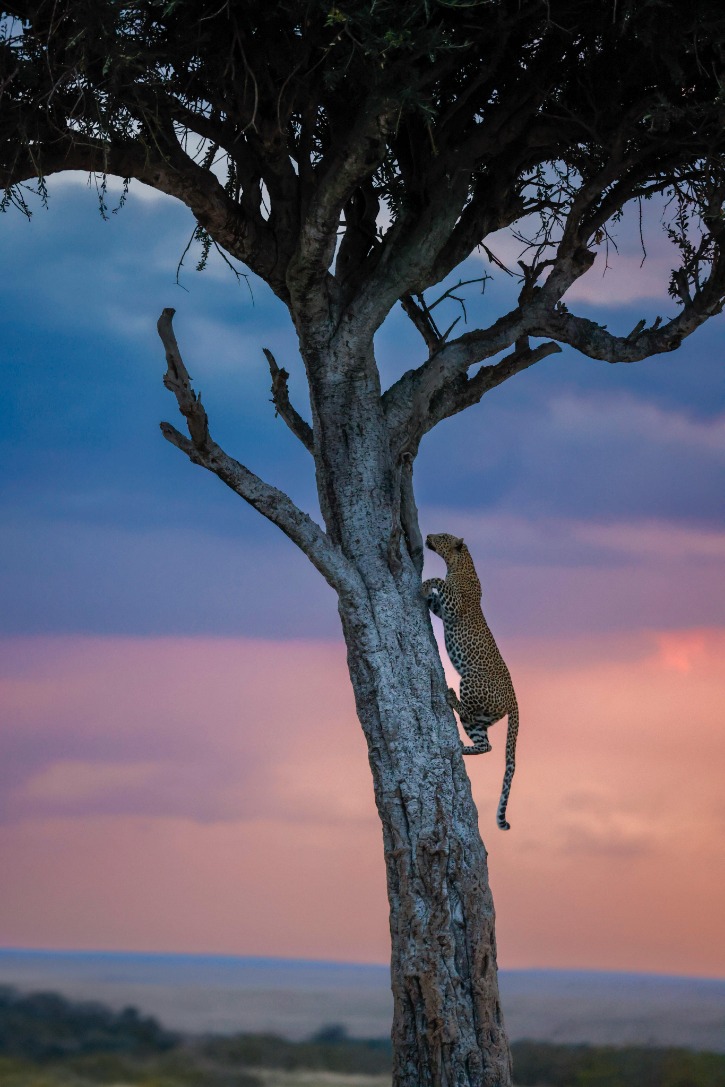
Kenya, known for its stunning landscapes and rich biodiversity, is a country located in East Africa. Its diverse geography includes vast savannahs, mountain highlands, and coastal regions along the Indian Ocean. The climate varies from tropical on the coast to arid in some inland areas, creating ideal conditions for a wide range of wildlife. This unique combination of geography and climate makes Kenya a premier destination for safaris and nature enthusiasts worldwide.
Topographical Features
Kenya, a country in East Africa, is renowned for its diverse geography and climate that support a rich variety of wildlife and ecosystems, making it an ideal destination for safaris. The country’s landscape includes expansive savannahs, dense forests, arid deserts, and highlands, each contributing to its unique natural beauty.
The topographical features of Kenya are remarkably varied. The Great Rift Valley, a major geographical feature, runs from the north to the south of the country, creating a series of dramatic escarpments, lakes, and fertile plains. Mount Kenya, the highest peak in the country, stands at 5,199 meters and is a prominent feature of the central highlands, influencing the climate and biodiversity of the region. The coastal strip along the Indian Ocean is characterized by sandy beaches and coral reefs, while northern Kenya comprises semi-arid and arid landscapes with savannahs scattered with acacia trees.
The climate of Kenya varies significantly across its regions. The coastal areas experience a tropical climate with high temperatures and high humidity, combined with distinct rainy seasons. The central highlands enjoy a cooler, temperate climate, which supports lush vegetation and agriculture. In contrast, the northern and eastern parts of Kenya have an arid climate with low rainfall, making them suitable for specific desert-adapted animals. These diverse climatic conditions create a variety of habitats that support Kenya’s abundant wildlife and make it a premier destination for safaris.
Climate Zones and Seasons
Kenya’s geography is incredibly diverse, featuring vast savannahs, rugged highlands, and coastal regions along the Indian Ocean. This varied landscape contributes to a wide range of climate conditions across the country. The climate of Kenya can be broadly categorized into different climate zones, each supporting unique ecosystems and wildlife. The coastal region experiences a hot and humid tropical climate, ideal for lush vegetation, while the central highlands enjoy a cooler, temperate climate with more moderate temperatures. The arid and semi-arid northern parts are characterized by hot temperatures and low rainfall, creating a stark and dramatic environment.
Kenya’s climate is predominantly influenced by two rainy seasons: the long rains from March to May and the short rains from October to December. These seasons support the lush vegetation that makes Kenya a popular safari destination. The dry season, which runs from June to October, offers clear skies and excellent wildlife viewing opportunities as animals congregate around water sources. Understanding these climate zones and seasons is essential for planning a safari to Kenya, as they shape the best times to visit and what wildlife and scenery visitors can expect to see.
Major Safari Destinations in Kenya
Kenya is renowned for its spectacular safari destinations that attract wildlife enthusiasts from around the world. From vast savannahs and lush parks to unique conservation areas, Kenya offers an unrivaled experience for those seeking close encounters with extraordinary wildlife. Exploring these major safari destinations provides travelers with a glimpse into the country’s rich ecosystems and vibrant biodiversity.
Maasai Mara National Reserve
Kenya is renowned for its spectacular safari destinations, offering unparalleled experiences for wildlife enthusiasts. Among these, Maasai Mara National Reserve stands out as a premier safari destination, promising breathtaking landscapes and abundant wildlife. Located in southwestern Kenya, Maasai Mara is famous for the Great Migration, when millions of wildebeest, zebras, and other grazers traverse its plains in search of fresh pastures. Visitors can expect to see the Big Five – lions, elephants, buffaloes, leopards, and rhinos – along with a diverse array of birds and other wildlife. The reserve’s vast savannahs, rolling hills, and rivers provide a picturesque setting for game drives, hot air balloon safaris, and cultural encounters with the Maasai people. Overall, Maasai Mara offers an unforgettable safari experience that highlights Kenya’s rich biodiversity and vibrant culture.
Amboseli National Park
Amboseli National Park is one of Kenya’s most popular safari destinations, renowned for its stunning landscapes and abundant wildlife. Located in the southern part of the country near the border with Tanzania, it offers travelers an unforgettable experience of nature and adventure.
- Magnificent Views of Mount Kilimanjaro: The park provides iconic vistas of Africa’s highest mountain, creating a breathtaking backdrop for game drives.
- Big Five Encounters: Visitors have the chance to see elephants, lions, leopards, buffalo, and rhinos in their natural habitat.
- Large Elephant Herds: Amboseli is famous for its huge elephant populations, allowing close-up viewing and photography opportunities.
- Miombo Woodlands and Swamps: The diverse habitats support a wide range of flora and fauna, ensuring a rich safari experience.
- Indigenous Maasai Culture: The park is home to the Maasai people, whose traditional villages offer cultural tours and interactions for visitors.
Tsavo National Parks (East and West)
Kenya is renowned for its spectacular safari destinations, with the Tsavo National Parks being among the most iconic. These parks offer incredible wildlife sightings, vast landscapes, and a true sense of adventure for travelers seeking an authentic African safari experience.
- Tsavo East National Park: Famous for its vast size, dramatic scenery, and the legendary Man-Eaters of Tsavo, this park is home to diverse wildlife including elephants, lions, giraffes, and numerous bird species. It features iconic landmarks like Aruba Dam and Lugards Falls.
- Tsavo West National Park: Known for its stunning terrain, including the volcanic Chaimu and Kitani hills, the park offers attractions such as Mzima Springs, where visitors can see hippos and crocodiles in crystal-clear waters, and the Shetani Lava Flow, an impressive volcanic landscape.
Both parks are part of the larger Tsavo ecosystem, making Kenya a top destination for safaris where visitors can experience the incredible wildlife and breathtaking scenery that define Kenyan wilderness.
Lake Nakuru National Park
Lake Nakuru National Park is one of the major safari destinations in Kenya, renowned for its stunning scenery and diverse wildlife. Located in the Great Rift Valley, the park covers an area of approximately 188 square kilometers and is famous for its large flamingo population that creates a vibrant pink shoreline along the lake. Visitors can also see abundant populations of rhinos, both black and white, along with other wildlife such as lions, giraffes, zebras, and baboons. The park’s lush acacia woodlands and grasslands provide excellent habitats for a wide variety of bird species, making it a birdwatcher’s paradise. Tourists often visit Lake Nakuru for game drives, bird watching, and photography, making it a must-visit destination for anyone interested in Kenya’s rich safari experience.
Samburu National Reserve
Samburu National Reserve is one of the major safari destinations in Kenya, renowned for its stunning landscapes and rich wildlife. Located in the northern part of the country along the Ewaso Ng’iro River, it offers a unique safari experience away from the more crowded southern parks. Visitors can witness rare and endemic species such as the Grevy’s zebra, Somali ostrich, reticulated giraffe, and gerenuk. The reserve’s diverse ecosystems, including semi-arid plains, riverine forests, and rocky outcrops, support a wide variety of wildlife and bird species. Samburu is also famous for its vibrant Maasai culture, which adds cultural enrichment to the safari experience. Whether you’re interested in game viewing, bird watching, or cultural encounters, Samburu National Reserve stands out as a top destination for an authentic Kenyan safari adventure.
Meru National Park
Meru National Park is one of Kenya’s premier safari destinations, renowned for its rich biodiversity and stunning landscapes. Located in the eastern part of the country, it offers a unique experience for wildlife enthusiasts and adventure seekers alike. The park is home to a variety of species including elephants, lions, leopards, and the rare Grevy’s zebra, making it a prime location for game viewing. Visitors can enjoy safaris amidst lush forests, open grasslands, and the majestic Tana River, which sustains the park’s diverse ecosystem. Meru National Park’s remoteness and pristine environment make it an ideal spot for those seeking a peaceful, authentic Kenyan safari experience. The park also gained fame through the stories of conservationist Joy Adamson and the “Born Free” lioness Elsa, adding a touch of history and romance to your adventure. Overall, Meru National Park is a major destination for wildlife lovers looking to explore Kenya’s incredible natural beauty and diverse wilderness scenery.
Wildlife Species in Kenyan Safaris
Kenya is renowned for its incredible wildlife and diverse ecosystems, making it a top destination for safari enthusiasts. The country is home to an array of majestic species, from the iconic African elephants and lions to graceful giraffes and elusive cheetahs. Exploring the wildlife in Kenya offers an unforgettable experience, allowing visitors to witness the beauty of nature and the rich biodiversity that thrives within its protected parks and reserves.
Big Five Animals
Kenya is renowned for its incredible biodiversity and is a top destination for wildlife safaris in Africa. Visitors have the opportunity to witness a wide variety of animal species in their natural habitats, making it a haven for nature lovers and wildlife enthusiasts. From expansive savannahs to lush forests and wetlands, Kenya’s diverse landscapes support a rich array of wildlife.
One of the highlights of a Kenyan safari is experiencing the famous Big Five animals, which include the lion, elephant, buffalo, leopard, and rhinoceros. These majestic creatures are considered the most sought-after animals to observe while on a safari, and seeing them in the wild offers unforgettable memories. Kenya’s national parks, such as Maasai Mara, Amboseli, and Tsavo, provide perfect settings for wildlife viewing opportunities, showcasing the beauty and grandeur of these incredible animals.
Birdlife and Migratory Birds
Kenya, renowned for its breathtaking landscapes and rich biodiversity, offers an extraordinary experience for wildlife enthusiasts and bird lovers alike. Its expansive national parks and reserves are home to a diverse array of wildlife species, including the iconic African elephants, majestic lions, graceful giraffes, and elusive leopards, providing unforgettable safari adventures.
Birdlife in Kenya is equally spectacular, boasting over 1,100 bird species that attract ornithologists and casual birdwatchers from around the world. From colorful kingfishers and sunbirds to raptors and waterfowl, the country’s varied habitats such as lakes, wetlands, and savannahs create perfect conditions for avian diversity.
Migratory birds play a vital role in Kenya’s birdlife, with notable influxes drawn by the country’s diverse ecosystems. The Great Rift Valley, Kakamega Forest, and Lake Naivasha are key stopover sites for migratory species traveling between Eurasia and Africa. These migrations, occurring seasonally, enhance the ecological richness of Kenya and offer unique opportunities to observe birds such as the Eurasian roller, marabou stork, and various species of storks and waders.
Endangered and Rare Species
Kenya is renowned for its vibrant wildlife and diverse ecosystems, making it a premier safari destination. The country hosts a wide array of species, from iconic big cats to gentle herbivores, providing unforgettable safari experiences. However, many of these species face threats from habitat loss, poaching, and climate change, leading to a number of endangered and rare species that require conservation efforts.
Among the most famous wildlife species in Kenya are the African elephants, lions, leopards, and buffalos, which roam the savannahs and national parks such as Maasai Mara and Amboseli. The country is also home to the endangered rhinoceros, both black and white, which are at risk due to poaching for their valuable horns. Another rare species is the hirola antelope, critically endangered and primarily found in the Ishaqbini Hirola Conservancy.
The Amboseli National Park is famous for its large herds of elephants and stunning views of Mount Kilimanjaro, while the Great Migration in Maasai Mara showcases millions of wildebeest and zebras moving across the plains. Other rare species include the Grevy’s zebra, the reticulated giraffe, and the rare Kenya coast dwarf shrew, each representing unique facets of Kenya’s rich biodiversity.
Conservation initiatives in Kenya aim to protect these endangered and rare species through community-based programs, protected areas, and anti-poaching efforts. Visitors to Kenya’s safaris can contribute to conservation by supporting eco-friendly tourism and respecting wildlife regulations, helping ensure that future generations will also have the opportunity to experience the country’s incredible wilderness.
Best Times to Visit for Safari Experiences
Kenya offers some of the most breathtaking safari experiences in the world, with its diverse wildlife and stunning landscapes. The best times to visit for an unforgettable safari adventure depend on the season, as wildlife sightings and weather conditions vary throughout the year. Planning your trip during optimal seasons ensures you witness the incredible wildlife migrations, lush scenery, and vibrant birdlife that make Kenya a top safari destination.
Dry Season (June to October)
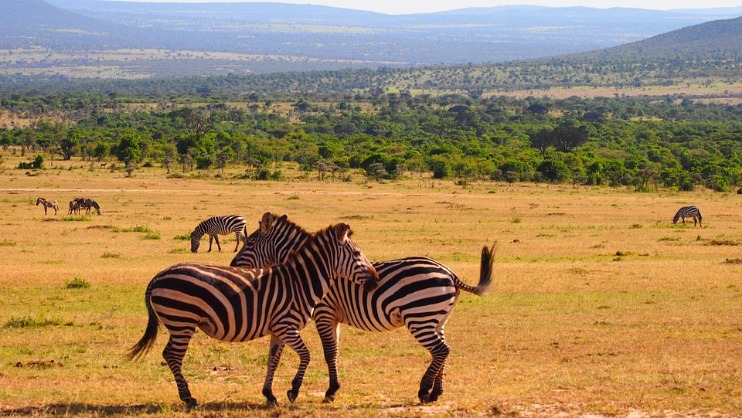
The dry season, from June to October, is considered one of the best times to visit Kenya for a safari experience. During these months, the wildlife congregates around water sources, making it easier to spot animals such as lions, elephants, and giraffes. The sparse vegetation also offers clear views and better sightings, enhancing the overall safari adventure. Additionally, the weather tends to be cooler and pleasant, providing comfortable conditions for outdoor exploration. This period coincides with the migration of wildlife, including the famous wildebeest migration in the Maasai Mara, creating extraordinary opportunities for wildlife viewing and photography.
Wet Season (November to May)
The wet season from November to May is a unique time to experience a safari in Kenya, offering lush landscapes and vibrant wildlife activity. While some travelers prefer the dry season, visiting during the wet months has its own advantages, making it a rewarding experience for wildlife enthusiasts.
- Wildlife Observation: The lush green scenery attracts a variety of animals, and many species are easier to spot around water sources.
- Birdwatching: Migratory birds are abundant during this time, providing excellent opportunities for bird enthusiasts.
- Fewer Crowds: Fewer tourists mean a more intimate and exclusive safari experience.
- Lower Costs: Safari prices and accommodation rates tend to be more affordable during the wet season.
- Photographic Opportunities: Overcast skies and dramatic landscapes create beautiful conditions for photography.
Overall, visiting Kenya during the wet season offers a distinctive experience, highlighting the country’s rich biodiversity and vibrant ecosystems at their most lush.
Types of Safari Tours in Kenya
Kenya is renowned for its incredible diverse wildlife and stunning landscapes, making it a top destination for safari enthusiasts. There are various types of safari tours available to suit different preferences and adventure levels, from luxurious lodges to budget camping experiences. Exploring these options allows travelers to immerse themselves in the natural beauty and incredible wildlife that Kenya has to offer.
Game Drives
Kenya is renowned for its diverse and exciting safari experiences, offering a variety of game drives that cater to different interests and preferences. Game drives in Kenya provide visitors with the opportunity to explore the country’s incredible wildlife, including the Big Five—lion, elephant, buffalo, leopard, and rhinoceros—in their natural habitat. These tours can be conducted in various settings, such as national parks, reserves, and conservancies, each offering unique landscapes and animal encounters.
Open vehicle game drives are the most popular, allowing unrestricted views and a closer connection to wildlife as you traverse the plains and forests. These drives are typically led by experienced guides who understand animal behavior and can maximize wildlife sightings. Night game drives are also available in some reserves, offering a chance to see nocturnal animals active after sunset, providing an entirely different experience from daytime safaris.
Luxury and private game drives cater to those seeking exclusivity and personalized adventures, often including gourmet meals, comfortable seating, and expert guides. On the other hand, group safaris provide a social atmosphere, giving travelers the opportunity to share the thrill of wildlife viewing with others. Each type of game drive in Kenya promises unforgettable encounters with nature, showcasing the country’s rich biodiversity and stunning landscapes.
Walking Safaris
Walking safaris in Kenya offer an intimate and immersive experience, allowing travelers to explore the diverse landscapes and wildlife on foot under the guidance of experienced guides. These safaris provide a unique opportunity to connect with nature, listen to the sounds of the wild, and observe animals in their natural habitat up close and personal. Typically conducted in national parks and conservancies such as Maasai Mara, Amboseli, and Samburu, walking safaris are suitable for adventurous travelers seeking an authentic safari experience. Along the way, guides share their knowledge about the flora, fauna, and local ecosystems, making each journey educational and memorable. Walking safaris are often complemented with game drives, offering a comprehensive exploration of Kenya’s incredible wildlife and scenic beauty.
Hot Air Balloon Safaris
Kenya offers a variety of safari tours that provide travelers with unique ways to experience its stunning landscapes and abundant wildlife. Among these, hot air balloon safaris stand out as one of the most exhilarating and picturesque options. These safaris typically take place early in the morning, allowing guests to soar over the savannahs, observing wildlife such as lions, elephants, and giraffes from a peaceful aerial perspective. Hot air balloon safaris in Kenya not only provide breathtaking views but also offer an unforgettable sense of adventure and serenity, often ending with a traditional champagne breakfast on the ground. Whether over the Maasai Mara, Amboseli, or other national parks, this type of safari ensures a memorable experience that combines thrill, sight, and the beauty of nature in Kenya.
Luxury vs. Budget Safaris
Kenya offers a diverse range of safari tours that cater to different preferences and budgets, providing memorable experiences amid its stunning landscapes and abundant wildlife. Safari tours in Kenya can be broadly categorized into luxury and budget safaris, each offering unique advantages depending on travelers’ desires and financial considerations.
Luxury safaris in Kenya are characterized by top-tier accommodations, personalized services, and exclusive itineraries. These safaris often include stays at high-end lodges or tented camps with amenities such as gourmet dining, spa treatments, and guided game drives in private vehicles. They provide a seamless and indulgent experience, ideal for travelers seeking comfort, privacy, and a touch of extravagance while exploring iconic national parks like Maasai Mara, Amboseli, or Samburu.
On the other hand, budget safaris aim to make the adventure accessible to a wider audience by offering more economical options. These tours typically feature group accommodations, basic lodges, or camping setups, with shared transportation and guided game drives. Despite the lower cost, budget safaris still grant travelers a rich encounter with Kenya’s wildlife and landscapes, emphasizing authentic experiences and cultural immersion without the luxury extras.
Ultimately, the choice between luxury and budget safaris in Kenya depends on individual preferences, travel goals, and financial considerations. Both options allow visitors to witness the breathtaking wildlife and scenery that make Kenya a premier safari destination, ensuring unforgettable adventures in the heart of Africa.
Cultural Encounters and Communities
Kenya, renowned for its breathtaking landscapes and diverse wildlife, is a vibrant hub of cultural encounters and communities. Visitors exploring the safari experience often discover rich traditions and customs practiced by various ethnic groups. These cultural interactions deepen the understanding of Kenya’s heritage, making each safari not only a journey through nature but also a immersive exploration of its diverse communities.
Maasai Culture and Traditions
Kenya is renowned for its rich cultural diversity, with the Maasai community being one of the most iconic and culturally vibrant groups. Their traditions, dress, and ceremonies offer a unique glimpse into their way of life and deep connection to the land. Visitors to Kenya often have the opportunity to engage with Maasai communities, learning about their customs, dances, and the important role of cattle in their society.
The Maasai people have maintained their traditions despite modern influences, preserving their age-old practices such as their distinctive beadwork, jumping dance, and age-set systems. These cultural elements are often highlighted during safaris, providing travelers with authentic experiences that showcase their rich heritage and resilience.
Throughout their encounters with different communities, both locals and tourists learn to appreciate the Maasai’s deep-rooted beliefs and harmonious coexistence with nature. These cultural exchanges foster greater understanding and respect for Kenya’s diverse societal fabric, adding a meaningful dimension to any safari trip.
Other Ethnic Communities
Kenya is a vibrant country renowned for its rich cultural diversity and unique communities, especially within the context of safaris and wildlife. The interactions among various ethnic groups such as the Kikuyu, Maasai, Luo, Luhya, Kalenjin, and Kikuyu contribute to the nation’s colorful cultural tapestry. These communities have maintained their traditional customs, languages, and lifestyles while also embracing modern influences, creating a dynamic environment for cultural encounters.
- The Maasai are famous for their pastoral lifestyle, distinctive beaded jewelry, and warrior traditions, often seen during safaris in national parks like Maasai Mara.
- The Kikuyu, as the largest ethnic group, have a strong influence on Kenya’s agriculture and politics, and their cultural practices are celebrated across the country.
- The Luo community is known for their musical heritage, especially their contributions to soul music and storytelling, which enrich the cultural landscape.
- Other ethnic communities, including the Kalenjin and Luhya, bring their own traditional dances, rituals, and histories that contribute to Kenya’s diversity.
During safaris, tourists not only witness the majestic wildlife but also have opportunities to learn about these diverse communities, their customs, and their roles in Kenya’s heritage. These cultural encounters foster greater appreciation and understanding of the country’s multiethnic society, making Kenya a unique destination for both nature and cultural exploration.
Community-Based Tourism Initiatives
Kenya, renowned for its stunning landscapes and rich cultural heritage, offers unique opportunities for cultural encounters and community-based tourism initiatives. Visitors can immerse themselves in the vibrant traditions of indigenous communities such as the Maasai, Kikuyu, and Luo, experiencing their daily life, dances, crafts, and rituals. These interactions foster mutual understanding and respect, promoting sustainable tourism that benefits local communities. Community-based tourism initiatives in Kenya aim to empower residents financially while preserving their cultural identity. Tourists are encouraged to participate in homestays, local craft markets, and cultural performances, creating authentic experiences that support economic development. Such initiatives not only enhance visitor engagement but also contribute to the conservation of cultural heritage and the environment, ensuring that both cultural diversity and natural landscapes are safeguarded for future generations.
Conservation Efforts in Kenya
Kenya is renowned for its rich biodiversity and stunning landscapes, making conservation efforts vital to preserving its natural heritage. The country’s commitment to protecting its wildlife and ecosystems has led to the establishment of numerous national parks and conservation programs. These efforts not only support the thriving safari industry but also ensure the survival of iconic species like elephants, lions, and rhinoceroses, safeguarding Kenya’s breathtaking wilderness for future generations.
Protected Areas and National Parks
Kenya is renowned for its rich biodiversity and breathtaking landscapes, making it a global hotspot for safari tourism. Conservation efforts in Kenya play a vital role in protecting its diverse ecosystems, including iconic wildlife species and their habitats. The government, alongside various NGOs and local communities, actively work to preserve the natural beauty and ecological integrity of the country. Protected areas and national parks serve as cornerstone initiatives in these conservation efforts, ensuring the sustainability of Kenya’s wildlife and enabling eco-tourism to flourish.
- Maasai Mara National Reserve: Famous for the annual wildebeest migration and home to the Big Five animals.
- Amboseli National Park: Known for its large elephant herds and spectacular views of Mount Kilimanjaro.
- Tsavo National Parks (East and West): Covering one of the largest protected areas in Kenya, hosting diverse wildlife and extensive savannahs.
- Aberdare Range and Mount Kenya National Park: Protecting forested terrain and mountain ecosystems, home to rare species like the elephants and the golden cat.
- Samburu National Reserve: Hosting unique northern species such as oryx, Somali ostrich, and reticulated giraffes.
Anti-Poaching Campaigns
Kenya has been at the forefront of conservation efforts and anti-poaching campaigns to protect its rich wildlife and ensure the sustainability of its renowned safaris. The country’s government, along with numerous NGOs and local communities, has implemented strict anti-poaching laws and patrols to combat illegal hunting and trafficking of endangered species such as elephants and rhinos. Community-based conservation programs have also been established to involve local residents in protecting wildlife, providing alternative livelihoods and fostering a sense of stewardship. These initiatives, combined with international support and technological advancements like drone surveillance, have significantly reduced poaching incidents and helped preserve Kenya’s extraordinary biodiversity, ensuring that safaris remain a vital part of the nation’s tourism industry and ecological heritage.
Community Involvement and Eco-Tourism
Kenya has made significant strides in conservation efforts by implementing various strategies to protect its rich wildlife and natural habitats. National parks and reserves such as the Maasai Mara, Amboseli, and Tsavo are crucial in preserving endangered species like elephants, rhinos, and lions. These initiatives are complemented by government policies, conservation organizations, and local communities working together to promote sustainable practices.
Community involvement plays a vital role in Kenya’s conservation success. Local communities are engaged through benefit-sharing programs, employment opportunities, and conservation education. Initiatives like community conservancies empower residents to actively participate in safeguarding wildlife and their environments, ensuring economic benefits are shared and fostering a sense of stewardship.
Eco-tourism is a cornerstone of Kenya’s efforts to promote sustainable development. Safari experiences attract visitors from around the world, generating vital revenue that supports conservation and local communities. By focusing on responsible tourism practices, Kenya aims to minimize environmental impact while providing visitors with authentic wildlife encounters, thereby promoting awareness and support for ongoing conservation initiatives.
Travel Tips for Safari in Kenya
Embarking on a safari in Kenya promises an unforgettable adventure amid stunning landscapes and diverse wildlife. To make the most of your experience, it’s essential to prepare with some helpful travel tips. From choosing the right gear to respecting local customs, these tips will ensure a safe, enjoyable, and memorable journey into Kenya’s legendary wilderness.
What to Pack
Planning a safari in Kenya is an exciting adventure that requires thoughtful packing to ensure comfort and safety. Proper preparation will allow you to enjoy the stunning landscapes and incredible wildlife without worries.
- Lightweight, neutral-colored clothing suitable for warm days and cool evenings
- Long-sleeved shirts and pants to protect against sunburn and insect bites
- Sunscreen, sunglasses, and a wide-brimmed hat for sun protection
- Binoculars for wildlife viewing and a camera with extra batteries and memory cards
- Insect repellent containing DEET to ward off mosquitoes and other insects
- Comfortable walking shoes and sandals for safari drives and leisure time
- Personal identification, necessary permits, and copies of travel documents
- A lightweight jacket or sweater for cooler mornings and evenings
- Reusable water bottle to stay hydrated during your excursions
- Travel insurance details and emergency contact information
Health and Safety Precautions
Embarking on a safari in Kenya promises an unforgettable experience immersed in breathtaking landscapes and diverse wildlife. To ensure a smooth adventure, it is essential to prioritize health and safety precautions. Stay up-to-date with vaccinations such as Yellow Fever, Hepatitis A and B, and ensure you carry anti-malarial medication, as malaria is prevalent in certain regions. Wear long-sleeved shirts, long pants, and use insect repellent to protect against mosquitoes, particularly during dawn and dusk. It’s important to stay hydrated, wear sun protection including hats and sunscreen, and avoid consuming untreated water or food from unreliable sources. Always follow your guide’s instructions carefully, keep a safe distance from wildlife, and avoid sudden movements. Travel with reputable tour operators who prioritize safety standards and have experienced guides. Being prepared and cautious will help you enjoy the beauty of Kenya’s safari responsibly and safely.
Visa and Entry Requirements
Traveling to Kenya for a safari is an exciting adventure, and being prepared with the right visa and entry information is essential for a smooth trip. Visitors from many countries can obtain a visa upon arrival, but it is recommended to check specific requirements before traveling. An eVisa application process is also available for convenience, allowing travelers to apply online in advance. Ensure your passport is valid for at least six months beyond your intended stay and has adequate blank pages for stamps. Additional entry requirements may include proof of return or onward travel, sufficient funds, and a confirmed accommodation reservation. By securing your visa and understanding the entry requirements, you can focus on enjoying Kenya’s incredible wildlife and landscapes. Remember to carry all necessary documentation and abide by customs regulations to facilitate a hassle-free entry into the country.
Responsible Tourism Practices
Traveling to Kenya for a safari offers an unforgettable experience, but practicing responsible tourism is essential to preserve the natural beauty and support local communities. Respect wildlife by maintaining a safe distance and avoiding disruptive behaviors that can disturb animals in their natural habitat. Always follow the guidelines provided by your guides and park authorities to minimize environmental impact. Support local communities by choosing eco-friendly accommodations and purchasing local crafts and products. Reduce waste by using reusable containers and avoiding plastic litter, ensuring that the pristine landscapes remain unspoiled for future visitors. Educate yourself about the ecosystems and cultural practices of the region to foster a deeper appreciation and responsible engagement with your surroundings.



0 Comments