
Overview of Kenyan Culture
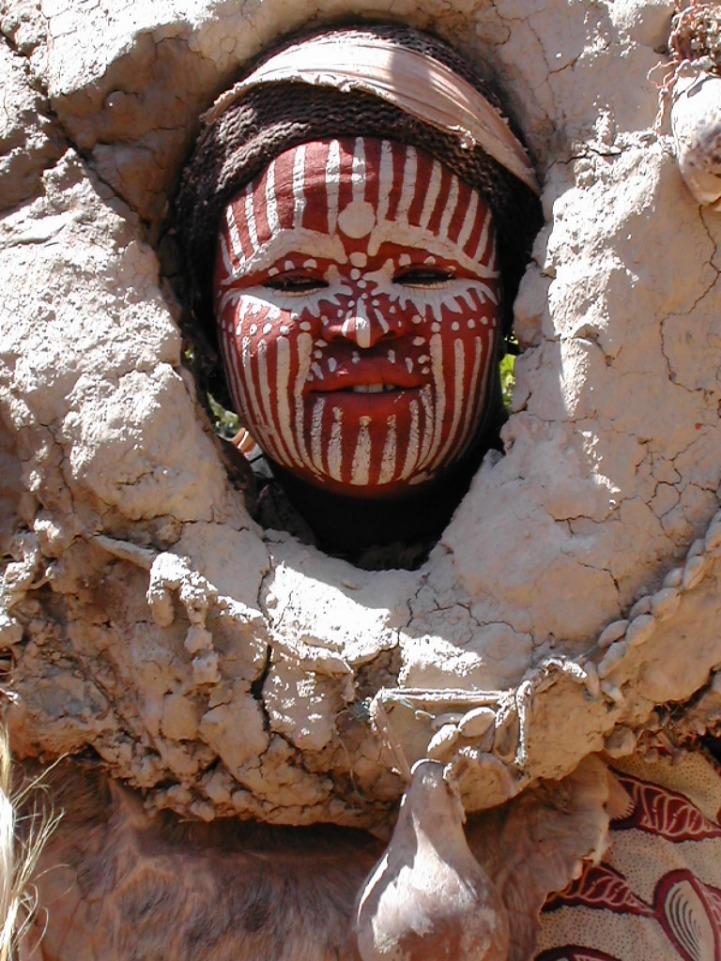
Kenyan culture is a vibrant mosaic of traditions, languages, and customs that reflect the diverse heritage of its people. With over 40 ethnic groups, each contributing unique practices and beliefs, Kenya offers a rich cultural landscape. From colorful ceremonies and traditional music to distinctive art and cuisine, the country’s culture embodies a deep connection to history and community. This dynamic blend makes Kenya a fascinating destination for anyone interested in exploring the essence of African heritage.
Historical Influences
Kenyan culture is a rich tapestry woven from diverse ethnic groups, each contributing their unique traditions, languages, and customs. The country is known for its vibrant music, dance, art, and culinary practices that reflect its multicultural heritage. Historically, Kenya’s culture has been shaped by its indigenous communities, Arab traders, Portuguese explorers, and British colonialists, resulting in a blend of indigenous and external influences.
The linguistic landscape of Kenya is similarly diverse, with over 60 languages spoken across the country. Swahili and English are national languages, stemming from Arab and British influences, respectively, while numerous local languages such as Kikuyu, Luo, and Maasai remain vital to community identity. The historical interactions during the colonial period introduced English as a formal language, influencing education, administration, and media. These historical influences have fostered a society that values community, resilience, and cultural expression, making Kenya a fascinating mosaic of historical and contemporary traditions.
Main Ethnic Groups
Kenyan culture is a rich tapestry woven from diverse ethnic groups, traditions, and customs that reflect the country’s vibrant history and social fabric. It is characterized by a blend of indigenous practices and influences from former colonial powers, creating a unique cultural landscape.
The main ethnic groups in Kenya include the Kikuyu, Luo, Luo, Luhya, Kalenjin, Maasai, Kisii, Meru, Mijikenda, and Embu, among others. Each group has its own language, traditional attire, rituals, and social practices, contributing to Kenya’s diverse cultural identity. These communities are known for their distinct music, dance, folklore, and culinary traditions which are celebrated and preserved through various festivals and ceremonies across the country.
Languages Spoken
Kenyan culture is diverse and vibrant, reflecting the rich heritage of its many ethnic groups and traditions. It is characterized by a blend of customary practices, arts, music, dance, and food that showcase the country’s unique identity.
Kenya is a multilingual country with over 60 languages spoken across its regions. The official languages are Swahili and English, with Swahili serving as a lingua franca that unites the various ethnic communities. Many ethnic groups also speak their own indigenous languages such as Kikuyu, Luo, Maasai, and Kalenjin, amongst others.
The culture in Kenya emphasizes community, family, and respect for elders, which is evident in social ceremonies and daily interactions. Traditional ceremonies, festivals, and rituals continue to play an important role in preserving cultural heritage. Overall, Kenyan culture is a vibrant mosaic that celebrates diversity and unity through its languages, customs, and arts.
Traditional Customs and Practices
Traditional customs and practices are an integral part of Kenya’s rich cultural heritage, reflecting the diverse backgrounds of its many communities. These traditions encompass various aspects of daily life, ceremonies, and social functions, preserving the history and identity of the Kenyan people. Understanding these customs provides valuable insight into the country’s vibrant and multifaceted culture.
Rites of Passage
Traditional customs and practices are an integral part of Kenyan culture, deeply rooted in the history and identity of diverse communities across the country. These customs often serve to preserve the unique heritage and social values of each tribe, fostering a sense of belonging and continuity.
Rites of passage in Kenya are significant ceremonies that mark important life stages such as birth, coming of age, marriage, and death. For example, the Maasai community performs the Eunoto ceremony to celebrate boys transitioning into warriorhood, while the Kikuyu community conducts circumcision rites as a symbol of purification and readiness for adulthood.
These ceremonies are characterized by traditional dances, music, storytelling, and rituals that reinforce social bonds and cultural identity. They often involve the participation of elders and community members, emphasizing the collective nature of these cultural milestones.
Overall, these customs and rites of passage not only honor ancestral traditions but also help transmit values, morals, and social responsibilities from one generation to the next, ensuring the preservation of Kenya’s rich and diverse cultural heritage.
Marriage Traditions
Kenyan culture is rich with traditional customs and practices that vary among different ethnic groups. Marriage traditions in Kenya are vibrant and diverse, reflecting the country’s cultural mosaic. Many communities hold elaborate ceremonies that symbolize unity, respect, and the transfer of social responsibilities. For instance, among the Maasai, a traditional marriage involves cattle exchanges and community celebrations, while the Kikuyu community emphasizes dowries and family blessings. These customs play a vital role in strengthening social bonds and preserving cultural identity across Kenya. Through these practices, Kenyans honor their ancestors and pass down their cultural heritage to future generations.
Festivals and Celebrations
Kenya’s culture is rich and diverse, encompassing a wide range of traditional customs and practices that have been passed down through generations. These customs often reflect the country’s various ethnic groups, each with their unique ways of life, rituals, and social norms. Festivals and celebrations play a vital role in maintaining cultural identity and fostering community spirit across Kenya. From colorful dance performances to elaborate ceremonies, these events showcase the heritage and history of different communities.
Traditional customs in Kenya include rites of passage such as initiation ceremonies, which mark the transition from childhood to adulthood. Many groups also have unique dances, songs, and clothing that are worn during special occasions. Celebrations often involve communal gatherings where stories, music, and food are shared, strengthening social bonds. Some of the most prominent festivals in Kenya include Wagire, a celebration observed by the Maasai, and the Luhya ceremonies marking harvest seasons. Each festival and practice highlights the importance of tradition in preserving Kenya’s diverse cultural landscape.
Art and Craftsmanship
Art and craftsmanship are vital expressions of Kenya’s rich cultural heritage, reflecting the diverse traditions and skills passed down through generations. From intricate beadwork and vibrant textiles to wood carvings and pottery, Kenyan artistry showcases the creativity and ingenuity of its people. These crafts not only serve functional purposes but also preserve stories, beliefs, and history, making them an essential part of Kenya’s cultural identity.
Music and Dance
Kenya’s rich culture is vividly reflected through its art and craftsmanship, music, and dance, showcasing the diverse traditions of its many communities. The intricate beadworks, wooden carvings, and colorful textiles exemplify the skill and creativity of Kenyan artisans, often symbolic of cultural identity and social status. Music and dance play a vital role in Kenyan society, serving as expressions of celebration, storytelling, and spiritual practice. Indigenous rhythms, such as those from the Maasai, Kikuyu, Luo, and other groups, are performed with traditional instruments like drums, rattles, and stringed instruments, creating vibrant performances that promote community cohesion and cultural heritage. Overall, these artistic forms are essential in preserving and celebrating Kenya’s diverse cultural landscape.
Visual Arts and Sculpture
Kenyan culture is rich in artistic expression, blending traditional craftsmanship with contemporary visual arts and sculpture. Art and craftsmanship are integral to community identity, often reflecting historical narratives, spiritual beliefs, and social values. Kenyan visual arts include vibrant paintings, intricate beadwork, and woven textiles that showcase the country’s diverse ethnic groups. Sculpture in Kenya is renowned for its unique styles, often carved from wood or stone, depicting religious symbols, everyday life, and ancestral spirits. These artistic practices serve not only as creative outlets but also as means of preserving cultural heritage and promoting social cohesion within Kenyan society.
Handicrafts and Textile Designs
Kenyan culture is richly adorned with a diverse array of art and craftsmanship, reflecting the country’s vibrant history and tradition. Handicrafts such as beadwork, wood carvings, and pottery showcase the skill and creativity of local artisans, often carrying symbolic meanings rooted in tribal beliefs and folklore. Textile designs, especially in traditional garments like shúkà and kangas, incorporate intricate patterns and bright colors that symbolize social status, identity, and cultural heritage. These artistic expressions serve not only as functional items but also as a means of preserving and celebrating Kenya’s diverse cultural narratives across various communities.
Diet and Cuisine
Kenya’s rich and diverse culture is reflected vividly through its unique diet and cuisine. The culinary traditions of Kenya showcase a blend of indigenous ingredients and influences from various communities, creating a vibrant tapestry of flavors and cooking styles. Food plays a central role in bringing people together and preserving the cultural heritage of the Kenyan people.
Staple Foods
Kenyan cuisine is a reflection of its diverse cultural heritage, featuring a variety of staple foods that are central to daily life. In Kenya, traditional diets are largely based on locally available ingredients, emphasizing grains, vegetables, and meats. Common staple foods include ugali, a maize flour porridge that serves as a primary dish across many communities, often accompanied by vegetables, meats, or fish. Soups and stews made from beans, lentils, and other legumes are also popular, providing essential nutrients. Additionally, rice and maize remain vital components of the dietary landscape, showcasing the agricultural richness of the country. The cuisine highlights a blend of indigenous practices and influences from Arab, Indian, and European cultures, creating a rich culinary tapestry that is integral to Kenyan identity.
Traditional Dishes
Kenyan cuisine is a vibrant reflection of its diverse culture and rich history, with traditional dishes that showcase the country’s agricultural bounty and cultural influences. Key ingredients include corn, millet, vegetables, meats, and tropical fruits, which form the foundation of many local recipes. The cuisine features a variety of flavorful dishes that vary among different ethnic groups, such as the Kikuyu, Luo, Maasai, and Kalenjin communities.
One of the most iconic traditional dishes in Kenya is Ugali, a dense maize porridge that is a staple food for many households. It is often served with sukuma wiki (collard greens) or meat stews. Nyama Choma, grilled meat typically prepared from goat or beef, is a popular social dish enjoyed during gatherings and celebrations. Fish dishes, especially from Lake Victoria, such as omena (small dried fish), are also common in coastal regions.
Other traditional foods include rice-based dishes like pilau, seasoned with aromatic spices, and Mandazi, a sweet fried bread that is often enjoyed as a snack or breakfast item. Ugandan and Swahili influences can be seen in the use of coconut milk and spices in coastal cuisine. Overall, Kenyan cuisine is a rich tapestry of flavors and ingredients that reflect the country’s cultural diversity and connection to its land and waters.
Food Preparation and Cooking Techniques
Kenyan cuisine is a vibrant reflection of the country’s diverse cultures and traditions, showcasing a variety of ingredients and cooking methods. Traditional dishes often incorporate staple foods such as maize, millet, and sorghum, which are prepared through grinding, boiling, or roasting. Food preparation in Kenya typically involves intricate techniques like fermenting, smoking, and drying to preserve flavors and enhance taste. Common cooking methods include boiling for maize porridge, frying for meat and vegetable dishes, and stewing for flavorful stews that are rich in spices. The use of fresh herbs and spices, such as coriander, ginger, and chili, adds distinctive flavors to Kenyan dishes. Sharing meals is an important social activity, emphasizing community bonding through communal eating practices. Overall, Kenyan cuisine exemplifies a harmonious blend of traditional preparation techniques with local ingredients, creating a rich culinary heritage rooted in history and culture.
Clothing and Adornment
Clothing and adornment play a vital role in Kenya’s rich and diverse culture, reflecting the country’s traditions, social status, and regional identities. From vibrant textiles and intricate beadwork to ceremonial attire, the way Kenyans dress is a powerful expression of their heritage and community bonds. These adornments not only serve aesthetic purposes but also carry deep symbolic meanings that connect individuals to their history and cultural values.
Traditional Attire
Clothing and adornment are essential aspects of Kenya’s rich cultural heritage, reflecting the diverse traditions of its numerous ethnic groups. Traditional attire is often worn during ceremonies, festivals, and special occasions, showcasing unique patterns, materials, and craftsmanship that have been passed down through generations.
- Beadwork is a prominent feature of many Kenyan cultures, especially among the Maasai, Turkana, and Kikuyu. These beads are used to create jewelry such as necklaces, earrings, and bracelets, often symbolizing social status, age, or marital status.
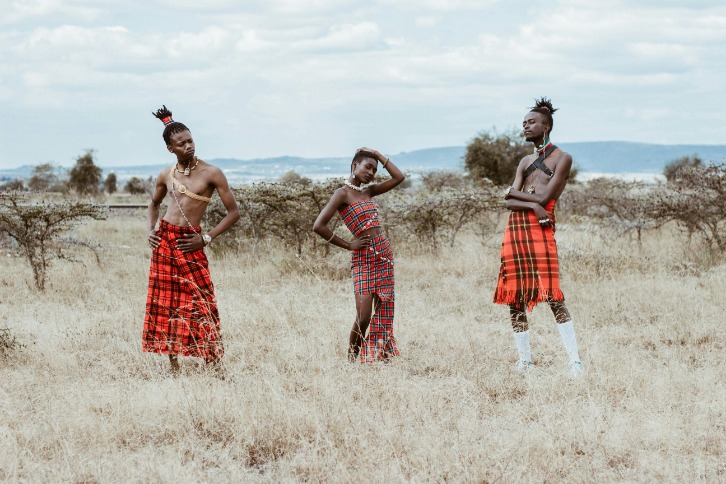
- The Maasai are renowned for their Shúkà, a vibrant red-checked or striped cloth wrapped around the body, complemented by elaborate bead accessories and sometimes body paint.
- In coastal regions like the Swahili community, traditional attire includes long, flowing garments made from finely woven fabrics, often adorned with intricate embroidery and jewelry that reflect Arab influences.
- Some ethnic groups wear animal skins and furs as part of their ceremonial dress, symbolizing strength, bravery, and connection to nature.
- Footwear varies from handcrafted sandals to more elaborate leather shoes, often decorated with beads or other accessories to match traditional outfits.
Jewelry and Accessories
Clothing and adornment play a significant role in Kenya’s rich and diverse culture. Traditional attire varies across different tribes, reflecting unique identities and histories. For example, the Maasai are known for their shúkà, a red-checked cloth, complemented by beaded jewelry and accessories that signify social status and age groups. In contrast, the Kikuyu and Luo tribes also have distinctive traditional outfits often made from locally sourced fabrics, decorated with beads and metallic embellishments.
Jewelry and accessories are integral to Kenyan cultural expression, symbolizing wealth, social standing, and cultural heritage. Beaded necklaces, earrings, and bracelets are common among many tribes, especially the Maasai, where beadwork is highly intricate and meaningful. Women often wear elaborate beaded ornaments during ceremonies and festivals, while men may sport beaded jewelry that indicates age and societal roles. These adornments are crafted with vibrant colors and patterns, each conveying specific messages and cultural values.
Religion and Spiritual Practices
Religion and spiritual practices hold a fundamental place in Kenya’s diverse culture, shaping the daily lives, traditions, and social structures of its people. Throughout the country, a rich tapestry of faiths, including Christianity, Islam, and indigenous beliefs, coexists and influences various aspects of societal behavior. These spiritual practices not only provide moral guidance but also foster community bonds and preserve cultural heritage across Kenya’s many ethnic groups.
Major Religious Groups
Religion and spiritual practices play a significant role in shaping Kenya’s diverse culture. The country is home to a variety of religious groups, each contributing to the social fabric and traditions of the nation. Christianity is the dominant religion, with denominations including Protestantism, Catholicism, and Anglicanism, influencing many aspects of daily life and community rituals. Islam is also widely practiced, especially among the coastal regions and the Swahili-speaking populations, shaping cultural practices and festivals. Additionally, indigenous beliefs and traditional spiritual practices remain vital in many communities, often intertwined with cultural ceremonies, rites of passage, and conservation of ancestral heritage. These diverse religious expressions enrich Kenya’s cultural landscape, fostering a society that embraces religious tolerance and spiritual diversity.
Festivals and Religious Events
Religion and spiritual practices play a significant role in shaping Kenyan culture, reflecting the diverse beliefs and traditions of its people. Christianity and Islam are the dominant religions, influencing daily life, customs, and community activities across the country. Traditional African beliefs also coexist, emphasizing ancestor worship, spirits, and rituals that are integral to many communities.
Festivals and religious events in Kenya are vibrant and colorful, often marked by ceremonies, music, dance, and communal feasts. The Christian calendar highlights celebrations such as Christmas and Easter, which are widely observed with church services and family gatherings. Muslim communities celebrate Eid al-Fitr and Eid al-Adha with prayers, feasts, and charitable giving.
The Maasai, Kikuyu, Luo, and other ethnic groups have unique cultural festivals that showcase their spiritual heritage. For example, the Maasai celebrate Eunoto, a rite of passage for warriors, involving ceremonies that honor their spiritual connection to nature and elders. These events reinforce social bonds and preserve traditional beliefs while integrating them with contemporary practices.
Contemporary Cultural Trends
Kenyan culture is a vibrant tapestry of traditions, languages, and practices that reflect the diverse heritage of its people. In recent years, contemporary cultural trends in Kenya have been shaped by globalization, technology, and social change, creating a dynamic blend of modern influences and traditional customs. These trends highlight how Kenyans are embracing innovation while preserving their rich cultural identity, making their cultural landscape both unique and evolving.
Urban Fashion and Music
Kenyan culture is a vibrant mosaic of traditional practices and modern influences, especially evident in the realms of contemporary cultural trends, urban fashion, and music. These elements reflect the country’s dynamic social landscape and its growing connection to global trends while maintaining indigenous roots.
- Urban fashion in Kenya blends traditional patterns with contemporary streetwear, showcasing creativity and cultural pride. Nairobi, in particular, is a hub for fashion entrepreneurs who incorporate Maasai beadwork, kikoy fabrics, and modern silhouettes.
- Music plays a pivotal role in shaping Kenyan identity, with genres like Benga, Genge, and Kapuka evolving to include influences from Afrobeat, reggae, and hip-hop. Artists often use music to address social issues and celebrate local heritage.
- Contemporary cultural trends include the rise of digital platforms where young Kenyans share fashion, music, and lifestyle content, fostering a sense of community and promoting local talent on a global stage.
Influence of Media and Technology
Kenyan culture is a vibrant tapestry woven from a rich history of diverse communities, traditions, and contemporary influences. In recent years, media and technology have played a pivotal role in shaping and promoting Kenyan cultural identities on a global scale. Digital platforms have enabled artists, musicians, and storytellers to share their work beyond geographical boundaries, fostering a new wave of cultural appreciation. Social media has also facilitated the preservation and dissemination of traditional practices, dance, music, and language, making them accessible to younger generations. Additionally, mainstream media and entertainment industries are increasingly incorporating Kenyan cultural elements, contributing to a growing awareness and appreciation of the country’s unique heritage. Overall, the synergy between traditional culture and modern technology continues to influence how Kenyans express and celebrate their cultural identity today.
Preservation and Promotion of Culture
Kenya’s rich and diverse cultural heritage is a vital aspect of its national identity, reflecting a blend of traditions from numerous ethnic groups such as the Kikuyu, Luo, Maasai, Kalenjin, and Swahili communities. In recent years, there has been a growing emphasis on preserving and promoting these cultural practices through contemporary means. Digital platforms play a significant role in documenting and sharing traditional music, dance, crafts, and folklore, making them accessible to a global audience. Festivals and cultural exhibitions are also organized to showcase Kenya’s vibrant heritage, fostering a sense of pride and unity among its people. Additionally, efforts by government and non-governmental organizations aim to protect historical sites and traditional languages, ensuring that future generations can continue to connect with their roots. Overall, the intersection of modern technology and community initiatives is helping to sustain Kenya’s cultural diversity while adapting to the changing global landscape.


0 Comments