
Kenyan Cuisine Overview
Kenyan cuisine is a vibrant blend of flavors and ingredients that reflect the diverse cultures and traditions of the country. Rich in local produce, spices, and unique cooking methods, Kenyan food offers a memorable culinary experience. From hearty stews to flavorful grilled meats and staple foods like ugali, the cuisine showcases the country’s rich agricultural heritage and cultural diversity.
Traditional Ingredients
Kenyan cuisine offers a rich and diverse array of flavors influenced by the country’s various ethnic groups and regional ingredients. It reflects a blend of traditional farming, hunting, and trading practices that have developed over centuries. Kenyan food is characterized by hearty dishes that often incorporate staple ingredients such as maize, millet, and cassava.
Traditional ingredients in Kenyan cuisine include maize, which is used to make ugali, a thick porridge that is a common accompaniment to many meals. Other staple ingredients are beans, lentils, and vegetables like spinach and kale. Animal products such as beef, goat, chicken, and fish are also widely used, especially in coastal areas. Spices and herbs like garlic, ginger, chili, and coriander add depth and flavor to various dishes. Additionally, fruits like bananas, mangoes, and papayas are enjoyed fresh and used in different recipes, contributing to the vibrant and diverse culinary landscape of Kenya.
Cooking Techniques
Kenyan cuisine offers a rich tapestry of flavors and ingredients that reflect the country’s diverse cultures and landscapes. It combines traditional ingredients such as maize, beans, bananas, and tropical fruits with spices and herbs that add depth to its dishes. Popular foods include ugali, sukuma wiki, nyama choma, and samosas, each showcasing unique flavors and preparation styles.
Kenyan cooking techniques emphasize boiling, grilling, frying, and steaming to retain the natural flavors of ingredients. Steaming is commonly used for dishes like Ugali and other porridges, while grilling is popular for preparing meats such as nyama choma, a cherished Kenyan barbeque. Boiling is often used for preparing vegetables and beans, and frying is common in the preparation of snacks like samosas and fried plantains. These techniques highlight the simplicity and richness of Kenyan culinary traditions, emphasizing fresh, local ingredients and traditional methods to create hearty, flavorful dishes.
Regional Variations
Kenyan cuisine offers a rich and diverse array of flavors influenced by its various ethnic groups and regions. It is characterized by hearty dishes that incorporate locally sourced ingredients such as maize, vegetables, meats, and seafood. Staple foods include ugali, a maize porridge, and sukuma wiki, a popular leafy green vegetable.
Regional variations in Kenyan cuisine are notable and reflect the country’s diverse cultural heritage. In the coastal areas, dishes often feature coconut milk, spices, and seafood, with Swahili influences present in favorites like pilau and biryani. Central and Rift Valley regions are known for their pastoral traditions, with dishes that include meats like goat and beef, often prepared as stews or grilled. In the western regions, dishes prominently feature beans, maize, and millet, while northeastern Kenya has culinary influences from Somali cuisine with a focus on millets and camel meat. The variety across regions highlights the vibrant and adaptive nature of Kenyan food traditions.
Staple Foods of Kenya
Kenya’s cuisine is a vibrant reflection of its diverse culture and geography, with staple foods playing a central role in daily life. These traditional dishes not only provide essential nutrients but also showcase the rich culinary heritage of the Kenyan people. From hearty grains to flavorful vegetables, the staple foods of Kenya are a testament to the nation’s agricultural practices and cultural diversity.
Ugali
Staple foods in Kenya play a significant role in the daily diet of its people, with Ugali being one of the most common and beloved dishes. Ugali is a type of maize flour porridge that is thickened with boiling water or milk, served as a primary carbohydrate source across many Kenyan households. It is often accompanied by vegetables, meat, fish, or traditional dishes like sukuma wiki and nyama choma. Ugali is valued for its simplicity, nutritional content, and ability to complement a variety of side dishes, making it an essential part of Kenyan cuisine and cultural identity.
Sukuma Wiki
Staple foods in Kenya are an essential part of the daily diet, providing energy and nutrition to the population. One of the most popular greens among Kenyans is Sukuma Wiki, which is widely consumed. Sukuma Wiki is a type of collard green that is known for its nutritious value and affordability, making it a favorite vegetable in many households.
- Ugali: Made from maize flour, it is the most common carbohydrate source in Kenya and is usually eaten with vegetables, meat, or fish.
- Sukuma Wiki: A leafy green vegetable, often cooked with onions, tomatoes, and spices to make a nutritious side dish.
- Matoke: A type of green banana often cooked with meat or vegetables, especially popular in western Kenya.
- Chapati: A type of flatbread that is a staple accompaniment to various stews and curries.
- Githeri: A traditional dish consisting of boiled maize and beans, often mixed with potatoes, vegetables, and sometimes meat.
These foods form the foundation of Kenyan cuisine, reflecting the country’s diverse agricultural practices and cultural influences. Sukuma Wiki, in particular, is a versatile vegetable that is easy to prepare and full of nutrients, making it an integral part of Kenyan meals.
Mandazi
Staple foods of Kenya include a variety of grains, vegetables, and meats that form the foundation of traditional meals. Among these, maize (corn) is the most essential, used to prepare dishes like ugali, a thick porridge that is a staple in many households. Other common staples include millet, sorghum, and beans, often combined with vegetables and meats to create hearty and nutritious dishes.
Mandazi, a popular Kenyan snack, is a type of deep-fried dough that is sweet and slightly spiced. It is made from ingredients such as flour, sugar, baking powder, and coconut milk or water, and is often flavored with cardamom. Mandazi is commonly enjoyed as a breakfast item, a snack with tea, or during special occasions and festivities. Its soft interior and crispy exterior make it a favorite treat across Kenya.
Popular Kenyan Dishes
Kenyan cuisine offers a rich and diverse array of dishes that reflect the country’s vibrant culture and history. From hearty stews to flavorful side dishes, Kenyan food is characterized by its use of fresh ingredients and unique spices. Exploring these popular dishes provides a delicious glimpse into the nation’s culinary heritage and local traditions.
Nyama Choma (Grilled Meat)
Nyama Choma, which translates to grilled meat, is one of the most popular and beloved dishes in Kenya. It is traditionally prepared by marinating beef, goat, or other meats, then grilling it over an open flame until perfectly cooked. Nyama Choma is often enjoyed during social gatherings, celebrations, or simply as a way to savor delicious, smoky-flavored meat. The dish is commonly served with sides like ugali, vegetables, or kachumbari salad, making it a hearty and satisfying part of Kenyan cuisine. Its cultural significance and flavorful preparation make Nyama Choma a must-try for anyone exploring Kenyan food.
Chapati
Chapati is a beloved Kenyan dish that has become a staple in many households and eateries across the country. Originating from Indian influence, it has been adapted to suit local tastes and often accompanies a variety of hearty stews and meat dishes. Kenyan chapati is typically thin, soft, and flaky, making it perfect for scoopings and wrapping around other foods. It is frequently enjoyed during special occasions, festivals, and everyday meals, reflecting the rich culinary diversity of Kenya.
Ugandan Rolex
Kenyan cuisine offers a rich variety of delicious dishes that reflect the diverse cultures of the country. Popular Kenyan dishes include ugali, a dense maize porridge that is a staple food, often served with vegetables, meats, or fish. Nyama choma, grilled meat usually beef or goat, is a favorite for outdoor gatherings. Sukuma wiki, sautéed collard greens, accompanies many meals and is loved for its nutritious value. Additionally, dishes like chapati, mandazi, and samosas are common snacks enjoyed across Kenya.
One of the most iconic street foods in Kenya is the Ugandan Rolex, despite its name, it is widely embraced throughout Kenya. The Rolex consists of a rolled chapati filled with an assortment of ingredients like eggs, vegetables, and sometimes meats. It is a quick, affordable, and delicious meal or snack that is popular among students, workers, and travelers. The versatility and savory taste of the Rolex make it a beloved item in Kenyan street food culture.
Traditional Kenyan Beverages
Traditional Kenyan beverages showcase the rich cultural heritage and diverse tastes of the nation. These drinks, crafted from locally sourced ingredients, reflect the unique customs and histories of various communities across Kenya. From refreshing fermented drinks to sweet herbal infusions, traditional Kenyan beverages are an integral part of social gatherings and ceremonies, offering a glimpse into the country’s vibrant culinary traditions.
Chai (Tea)
Traditional Kenyan beverages are an integral part of the country’s rich culinary heritage, with chai (tea) standing out as a beloved staple enjoyed by many. Kenyan chai is typically brewed with strong black tea leaves combined with substantial amounts of milk and sugar, resulting in a creamy, flavorful drink. It is often infused with spices such as cardamom, ginger, or cloves to enhance its aroma and taste, reflecting the diverse influences in Kenyan cuisine. Chai is commonly served throughout the day, from early mornings to social gatherings, and holds cultural significance as a symbol of hospitality and togetherness. Aside from chai, Kenya offers other traditional drinks like mursik (fermented milk), sorghum beer, and fresh fruit juices, each representing the country’s agricultural diversity and cultural traditions.
Mursik (Fermented Milk)
Kenya’s rich culinary heritage includes a variety of traditional beverages that are deeply rooted in its cultural practices. One of the most iconic drinks is Mursik, a fermented milk delicacy traditionally enjoyed by the Kalenjin community. Made from fresh milk that is alloweed to ferment in a special container called an “antelope horn” or a clay vessel, Mursik has a unique tangy flavor that develops through natural fermentation. It is often flavored with traditional herbs and charcoal ash, which not only enhance its taste but also add to its medicinal properties. Mursik is consumed during social gatherings, ceremonies, and as a daily source of nutrition, symbolizing community bonding and cultural identity. Its preparation and consumption are seen as a proud expression of Kenyan heritage, showcasing the country’s diverse and vibrant food traditions.
Desserts and Sweets
Kenya’s culinary landscape is rich and diverse, showcasing a variety of flavors that reflect its vibrant culture. Among the most beloved are desserts and sweets, which add a touch of sweetness to traditional meals. These treats often incorporate local ingredients and unique recipes, making them an essential part of Kenyan cuisine. Whether enjoyed during festivities or as everyday indulgences, desserts and sweets hold a special place in the hearts of many Kenyans.
Mandazi (Doughnuts)
Mandazi, a popular Kenyan dessert, is a type of sweet, deep-fried dough that resembles a doughnut. Known for its soft, fluffy texture and slightly crispy exterior, mandazi is enjoyed across Kenya as a snack or breakfast item. Made from a simple mixture of flour, sugar, coconut milk or water, and yeast, it is flavored with cardamom or other spices, giving it a fragrant aroma. Often served with tea or coffee, mandazi is a beloved treat that embodies the rich culinary traditions of Kenya. Its popularity extends beyond borders, making it a staple in East African cuisine and a symbol of hospitality and warmth.
Samosa
Kenyan cuisine features a diverse array of desserts and sweets that reflect the country’s rich cultural heritage. Among traditional treats, samosas stand out as a popular snack enjoyed across Kenya, often filled with savory ingredients like spiced vegetables or meat, but they can also be prepared with sweet fillings such as coconut or nut mixtures. Besides samosas, Kenya offers an array of desserts that highlight local flavors and ingredients.
- Bajias: Deep-fried sweet balls made with banana, coconut, and sugar, commonly served during festivals and celebrations.
- Mandazi: A sweet, fried bread similar to donuts, flavored with coconut milk and often enjoyed with tea.
- Wageni wa Maji: A traditional sweet made from groundnuts and sugar, shaped into balls and eaten as a snack.
- Sweet Potatoes with Coconut: A simple dessert where boiled sweet potatoes are topped with grated coconut and sugar.
- Fruits: Kenya’s abundant tropical fruits like mangoes, pineapples, and pawpaws are enjoyed as natural sweet treats.
Maandazi
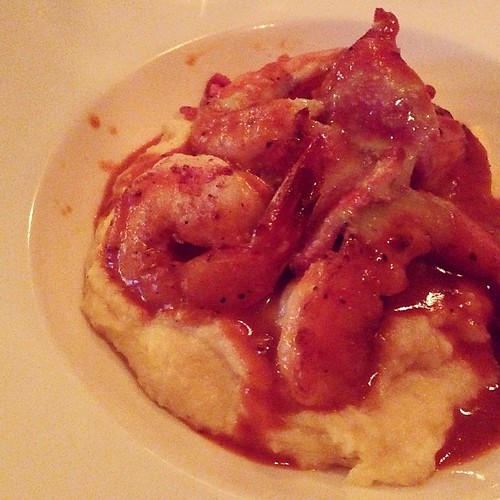
Maandazi is a popular traditional Kenyan dessert that is enjoyed across the country. These sweet, deep-fried treats are similar to doughnuts but have a unique flavor and texture that sets them apart. Made from a simple mixture of flour, sugar, yeast, and sometimes coconut milk or cardamom, maandazi are crispy on the outside and soft inside. They are often enjoyed as a snack or dessert, especially during special occasions and celebrations. Served warm, they are usually accompanied by a cup of tea or coffee, making them a favorite evening treat in Kenyan households. Maandazi reflect Kenya’s rich culinary heritage and are a delicious example of the country’s love for sweet, comforting foods.
Influences on Kenyan Cuisine
Kenyan cuisine is a vibrant tapestry of flavors and traditions, shaped by a diverse array of cultural influences over centuries. It reflects the country’s rich history, encompassing indigenous practices alongside foreign elements brought through trade, colonization, and migration. These varied influences have contributed to the unique and flavorful dishes that define Kenyan food today.
Swahili Coastal Influence
Kenyan cuisine is greatly influenced by the Swahili culture along the coastal region, which introduces a rich blend of flavors and ingredients. The Swahili influence is evident in dishes that incorporate coconut milk, spices such as cloves, cinnamon, and cardamom, and rice-based meals like pilau and biryani. The coastal communities also contribute to the use of seafood, including grilled fish and prawns, which are popular in their culinary traditions. This cultural fusion results in a vibrant and aromatic food scene that highlights the historical trade links and interactions with Arab, Persian, and Indian traders. The Swahili influence has thus significantly shaped the distinct coastal flavor profile that continues to be a key component of Kenyan cuisine today.
Colonial French and Indian Impact
Kenyan cuisine has been significantly shaped by various historical influences, including colonial French and Indian impacts. The French influence is evident in the introduction of baked goods, pastries, and certain cooking techniques that emphasize finesse and presentation. Indian impact, meanwhile, is deeply embedded in Kenyan food through the migration of Indian communities to the coast and other regions, bringing spices, curries, and Indian-style bread such as naan and chapati. This cultural exchange has enriched Kenya’s culinary landscape, resulting in a unique blend of flavors, spices, and cooking styles that characterize many traditional dishes today. The fusion of these influences alongside indigenous ingredients creates a diverse and vibrant food culture in Kenya.
Indigenous Practices
Kenyan cuisine is deeply influenced by its diverse indigenous practices and cultural traditions that have been passed down through generations. Local ingredients such as maize, millet, beans, and various indigenous vegetables form the foundation of traditional dishes like ugali, sukuma wiki, and irio. Indigenous cooking techniques, including open-fire roasting and fermentation, play a significant role in shaping the flavors and textures of the food. The use of traditional herbs and spices, often sourced from local environments, further enhances the unique taste profile of Kenyan food. These practices reflect the community’s connection to their land and heritage, ensuring that culinary traditions remain an essential aspect of Kenyan identity.
Food Markets and Culinary Festivals
Kenya’s vibrant food markets and culinary festivals offer a delightful glimpse into the country’s rich cultural heritage and diverse flavors. These lively gatherings showcase a wide array of traditional dishes, fresh local produce, and innovative culinary creations that celebrate Kenya’s unique gastronomy. Visitors and locals alike enjoy the lively atmosphere, engaging with food artisans and experiencing the authentic taste of Kenyan cuisine.
Nyama Choma Festivals
Kenya’s rich culinary heritage is vividly showcased through its vibrant food markets and culinary festivals, where diverse flavors and traditional dishes come to life. Among these, Nyama Choma Festivals stand out as a celebration of Kenyan barbecue culture, bringing communities together to enjoy grilled meats in a lively and festive atmosphere. These festivals not only highlight the art of preparing nyama choma, a beloved staple made from succulent roasted meats, but also promote local vendors, artisans, and food producers. Attendees can indulge in an array of Kenyan delicacies, from spicy sukuma wiki to flavorful ugali, all served amidst the energetic backdrop of music, dance, and shared cultural pride. Such events play a vital role in preserving and promoting Kenya’s culinary traditions while fostering social connections and economic growth within local communities.
Local Markets and Food Stalls
Kenya’s food markets and culinary festivals are vibrant showcases of its rich culinary heritage, offering a diverse array of local flavors and traditional dishes. These markets serve as bustling hubs where vendors sell fresh produce, spices, and prepared foods, providing a true taste of Kenyan culture. Food stalls at these markets often feature popular street foods such as ugali, sukuma wiki, and nyama choma, reflecting the country’s culinary diversity. Throughout the year, various festivals celebrate Kenya’s gastronomy, highlighting regional specialties and promoting local ingredients. Visiting these markets and festivals offers an authentic culinary experience, allowing both locals and tourists to explore the vibrant flavors that define Kenyan cuisine.
Kenyan Food Festivals
Kenya is renowned for its rich culinary heritage, celebrated through vibrant food markets and lively culinary festivals that showcase the country’s diverse flavors. These events offer a wonderful opportunity for both locals and tourists to explore authentic Kenyan cuisine, from spicy nyama choma to flavorful ugali and sukuma wiki. Food markets in Kenya, such as the Maasai Market and local open-air markets, are bustling hubs where fresh produce, traditional spices, and handcrafted delicacies are readily available, providing a truly immersive experience.
Culinary festivals in Kenya, including the Nairobi Food Festival and the Lamu Cultural Festival, highlight the country’s gastronomic diversity through cooking competitions, food tastings, and cultural displays. These festivals promote local ingredients and traditional cooking techniques while encouraging culinary innovation. Participating in these events allows visitors to indulge in the unique tastes of Kenyan food, understand its cultural significance, and appreciate the vibrant culinary scene that defines Kenya’s gastronomic landscape.



0 Comments