
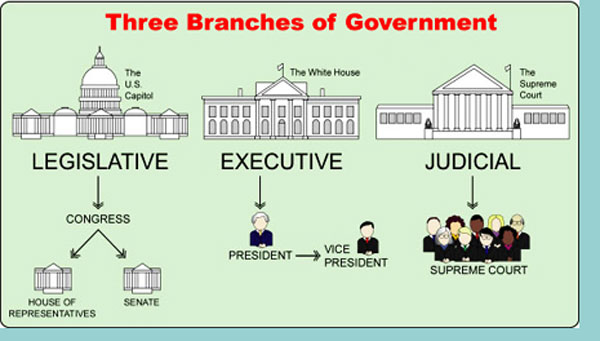
Overview of the Kenyan Government System
The Kenyan government operates as a unitary republic with a democratic system that emphasizes separation of powers among the executive, legislature, and judiciary. It is characterized by a devolved system of governance, which grants significant authority to regional counties. The government is structured to promote national unity, development, and the protection of citizens’ rights through elected representatives and institutions that uphold the rule of law.
Type of Government
The Kenyan government operates as a unitary presidential system, which means it has a central government with power delegated to regional and local authorities. It is a democratic republic where the President is both the head of state and the head of government, elected through a popular vote. The government is divided into three main branches: the Executive, the Legislature, and the Judiciary, each functioning independently to ensure checks and balances. Kenya’s constitution provides the framework for this system, promoting democratic governance, rule of law, and the protection of fundamental rights for its citizens.
Constitutional Framework
The Kenyan government operates under a constitutional framework that establishes a democratic republic with separation of powers among the executive, legislative, and judicial branches. The constitution, adopted in 2010, serves as the supreme law guiding governance and protecting citizens’ rights.
The executive branch is headed by the President, who is both the head of state and government, elected through a direct popular vote for a five-year term. The President appoints ministers and government officials, supported by a Deputy President and a Cabinet.
The legislative authority is vested in a bicameral Parliament, comprising the National Assembly and the Senate. The National Assembly is responsible for lawmaking, approving national budgets, and representing the people, while the Senate represents the counties and oversees regional matters.
The judiciary functions independently and is empowered to interpret laws, protect the constitution, and ensure justice. It includes the Supreme Court, Court of Appeal, and various subordinate courts, playing a crucial role in maintaining the rule of law.
Overall, Kenya’s government system emphasizes democratic principles, accountability, and decentralization, with devolved county governments playing a significant role in local administration and development efforts.
Separation of Powers
The Kenyan government operates under a constitutional framework that ensures a separation of powers among its three main branches: the Executive, the Legislature, and the Judiciary. This structure aims to promote a system of checks and balances, prevent the abuse of power, and uphold the rule of law in the country.
- Executive Branch: Led by the President, who acts as both the head of state and government. The President is responsible for implementing laws, overseeing government ministries, and representing Kenya internationally. The cabinet and various government agencies support the President in executing government functions.
- Legislative Branch: Composed of a bicameral Parliament, which includes the National Assembly and the Senate. The Parliament is responsible for making laws, approving budgets, and holding the Executive accountable.
- Judicial Branch: Consists of the courts, including the Supreme Court, Court of Appeal, and other subordinate courts. The Judiciary interprets laws, ensures justice, and safeguards the constitutionality of laws and governmental actions.
- The separation of powers is fundamental to Kenya’s constitutional democracy, providing defined roles for each branch.
- This division helps to prevent any one branch from becoming too powerful and encourages cooperation among the branches.
- Checks and balances are maintained through processes such as judicial review, legislative oversight, and executive accountability measures.
Branches of Government
The government of Kenya is structured into three main branches: the Executive, the Legislature, and the Judiciary. These branches work together to ensure the proper functioning of the country’s democratic system. Each branch has specific powers and responsibilities that help maintain a balance of authority and promote good governance in Kenya.
Key Government Institutions
Kenya’s government is structured to ensure effective administration and governance through various key institutions. These institutions play a vital role in making policies, implementing laws, and maintaining public order. Understanding the functions and responsibilities of these organizations provides insight into how Kenya is governed and how its leadership works to serve the nation’s interests.
President’s Office
The President’s Office is a central institution in the Kenyan government, responsible for supporting the President in executing executive functions and coordinating various government activities. It serves as a key hub for policy formulation, strategic planning, and administrative oversight, ensuring smooth operation among different government departments. The Office of the President also manages communication between the President and other branches of government, as well as the public, to promote transparency and effective governance. This institution plays a vital role in shaping national policies and implementing government programs aimed at development and societal well-being.
Parliamentary Institutions
The government of Kenya comprises various key institutions that ensure the effective functioning of the state and uphold democratic principles. These institutions include the executive, legislative, and judiciary, each playing a vital role in governance. The executive branch is led by the President, who is also the Head of State and Government, supported by the Cabinet and various ministries responsible for implementing laws and policies. The legislative branch includes parliamentary institutions that are crucial in law-making and oversight. Parliament of Kenya is bicameral, consisting of the National Assembly and the Senate. The National Assembly is responsible for making laws, approving budgets, and representing the people, while the Senate represents county governments and safeguards devolution. The Parliament also plays a vital role in scrutinizing government actions and ensuring accountability. These institutions work together to promote democracy, development, and good governance across the country.
Independent Commissions and Offices
The government of Kenya is structured with various key institutions, independent commissions, and offices that ensure the effective and transparent functioning of the state. These bodies play a vital role in governance, oversight, and policy implementation.
Among the key government institutions are the Executive, headed by the President, who is the Head of State and Government. The Parliament, consisting of the National Assembly and the Senate, enacts laws, oversees government operations, and represents the citizens. The Judiciary interprets laws and administers justice through various courts, including the Supreme Court, Court of Appeal, and subordinate courts.
Independent commissions and offices are established by the constitution to promote accountability, transparency, and fair governance. Notable among these are the Independent Electoral and Boundaries Commission (IEBC), responsible for conduct of elections; the Ethics and Anti-Corruption Commission (EACC), tasked with fighting corruption; and the Kenya National Commission on Human Rights (KNCHR), which advocates for human rights and civil liberties. Other important offices include the Controller of Budget, auditor-general, and the Office of the Director of Public Prosecutions, all ensuring financial accountability and legal integrity in government operations.
Decentralization and Local Governance
Decentralization and local governance play a crucial role in shaping effective government systems by empowering local communities and distributing authority across various levels. In the context of Kenya, these concepts are vital for promoting development, improving service delivery, and fostering inclusive participation in decision-making processes. By decentralizing power, the Kenyan government aims to create a more responsive and accountable system that reflects the diverse needs of its citizens at the grassroots level.
County Governments
Decentralization and local governance are fundamental principles in the structure of the Kenya government, aimed at promoting efficient service delivery and enabling communities to participate actively in decision-making processes. County governments in Kenya represent the local tier of governance, tasked with managing resources and development projects within their jurisdictions to meet the unique needs of their populations.
County governments in Kenya were established following the 2010 Constitution, which devolved power from the national government to local authorities. This decentralization aims to foster transparency, accountability, and increased community participation in governance.
- County governments are responsible for providing key services such as health, education, transport, and infrastructure development.
- They are elected directly by residents within their respective counties, promoting local representation.
- County assemblies play a vital role in legislative functions, passing bills and overseeing the executive arm of the county government.
- Decentralization improves resource management by allowing counties to prioritize local development projects based on their specific needs.
- This system enhances democratic participation, making local authorities more responsive and accountable to their constituents.
Devolved Functions and Responsibilities
Decentralization and local governance are fundamental components of the Kenyan government system, aimed at promoting efficient administration and greater citizen participation. By devolving functions and responsibilities to local authorities, the government seeks to empower communities, enhance service delivery, and foster local development.
Devolved functions in Kenya include areas such as health services, education, local infrastructure, and agricultural development. These responsibilities are managed by county governments, which operate as semi-autonomous entities with their own budgets and administrative structures, ensuring that power is distributed closer to the people.
This decentralization strategy helps to address regional disparities, improve transparency, and increase accountability within local government units. It also facilitates tailored solutions to local needs, encouraging community involvement in decision-making processes and fostering sustainable development at the grassroots level.
Role of County Assemblies
Decentralization and local governance are fundamental principles in Kenya’s government structure, aimed at promoting participatory development and enhancing service delivery at the grassroots level. This approach decentralizes authority from the national government to county governments, allowing local communities to have a say in their own development priorities and resource management.
County assemblies play a vital role within this framework as the legislative bodies responsible for making laws, approving budgets, and overseeing county administration. They enable local representatives to enact policies that reflect the specific needs of their communities, ensuring that development projects are aligned with local priorities.
By empowering county assemblies, Kenya fosters greater accountability and transparency in government operations. These assemblies engage residents through public participation, thus strengthening democratic governance and ensuring that local development initiatives are responsive and sustainable.
Electoral System and Processes
The electoral system and processes in Kenya play a crucial role in shaping the nation’s democratic governance. These systems determine how representatives are elected, ensuring that the voice of the people is accurately reflected in government leadership. Understanding the mechanisms behind Kenya’s electoral procedures is essential for appreciating the country’s efforts to promote fairness, transparency, and credibility in its elections.
Electoral Bodies
The electoral system and processes in Kenya are designed to ensure free, fair, and transparent elections that reflect the will of the people. Kenya employs a mixed electoral system that includes both direct and proportional representation, allowing for diverse political voices to be represented in government. The electoral process involves multiple stages, including voter registration, candidate nomination, campaigning, voting, and vote tallying, all overseen to maintain integrity and legitimacy.
Electoral bodies in Kenya play a crucial role in managing and supervising elections to uphold neutrality and fairness. The Independent Electoral and Boundaries Commission is the primary body responsible for the administration of elections, boundary delimitation, voter registration, and the verification of election results. Additionally, the Judiciary in Kenya has a vital role in resolving electoral disputes and ensuring the rule of law is maintained throughout the electoral process.
The structure and functioning of Kenya’s electoral system are crafted to promote democracy, transparency, and accountability, fostering public confidence in the electoral process and the broader governance framework of the country.
Voter Registration and Elections
The Kenya government operates under a democratic electoral system that ensures representatives are chosen through free and fair elections. Voter registration is a crucial process, allowing eligible citizens to enroll and participate in national and local elections. The Independent Electoral and Boundaries Commission (IEBC) oversees the electoral processes, ensuring transparency and integrity. Elections in Kenya include presidential, parliamentary, and county elections, conducted periodically to reflect the will of the people. The electoral system employs a mixed approach, combining first-past-the-post and proportional representation to maintain a balanced representation of diverse communities. Overall, these processes aim to strengthen democracy, promote political stability, and uphold the rule of law in Kenya.
Electoral Laws and Reforms
The Kenyan government operates within a framework of electoral systems, laws, and reforms designed to ensure free, fair, and transparent elections. These processes are critical for maintaining democratic legitimacy and public trust in government institutions.
Kenya employs a mixed electoral system that includes both proportional representation and majoritarian voting methods. The Independent Electoral and Boundaries Commission (IEBC) oversees the organization of elections, ensuring adherence to established laws and procedures.
- The Electoral Laws in Kenya are governed by the Constitution of Kenya (2010), the Elections Act, the Political Parties Act, and other related statutes. These laws set the legal framework for candidate registration, campaigning, voting, and dispute resolution.
- Reforms have been ongoing to improve transparency, reduce electoral violence, and enhance electoral technology. Notable reforms include the implementation of biometric voter registration and digital results transmission systems.
- Periodically, Kenya reviews and amends its electoral laws to adapt to emerging challenges and international best practices. These reforms aim to strengthen democratic institutions and ensure the credibility of electoral outcomes.
Overall, Kenya’s electoral system and laws play a vital role in shaping its democratic landscape, with continued efforts to improve processes and uphold the rule of law in electoral matters.
Recent Reforms and Political Developments
The recent reforms and political developments in Kenya have significantly shaped the nation’s trajectory towards stability and progress. Over the past few years, the government has implemented various legislative changes aimed at strengthening democracy, improving governance, and fostering economic growth. These developments reflect Kenya’s commitment to addressing longstanding issues and promoting a more inclusive political environment for its citizens.
Legal Reforms
The recent reforms and political developments within the Kenya government have significantly shaped the nation’s governance landscape. Over the past few years, there has been a concerted effort to enhance democratic processes, promote transparency, and strengthen institutions of governance. Key political events, including constitutional amendments and electoral reforms, aim to ensure fair representation and reduce electoral disputes.
Legal reforms in Kenya have focused on reinforcing the rule of law and safeguarding citizens’ rights. Notable initiatives include reforms in the judiciary to improve independence and efficiency, as well as updates to criminal and civil laws to reflect contemporary societal needs. The government has also prioritized anti-corruption measures, implementing stricter legal frameworks and establishing bodies to monitor and combat corruption effectively.
Governance Initiatives
The Kenyan government has recently undertaken a series of reforms aimed at strengthening governance and improving public service delivery. These initiatives include the enhancement of transparency and accountability measures within government institutions, as well as the implementation of new policies to combat corruption. Additionally, reforms in the electoral process have been introduced to ensure free and fair elections, fostering greater trust among citizens. Politically, Kenya has seen the emergence of more inclusive dialogue among various factions, promoting stability and unity. Governance initiatives have also prioritized economic development, with efforts focused on infrastructure projects, digital transformation, and social programs to uplift marginalized communities. These ongoing reforms reflect Kenya’s commitment to building a more resilient and transparent government that meets the needs of its people.
Challenges and Future Outlook
Kenya has experienced significant recent reforms and political developments aimed at strengthening governance, promoting transparency, and fostering economic growth. These reforms include constitutional amendments, judicial reforms, and efforts to combat corruption, which are intended to improve public trust and accountability within the government. Political developments in Kenya have also seen increased participation from various political parties and civil society, contributing to a more vibrant democratic process.
However, the country faces ongoing challenges such as ethnic tensions, political polarization, and economic disparities that threaten national stability and progress. The implementation of reforms often encounters resistance from entrenched interests, and persistent corruption undermines efforts to improve governance. Additionally, economic challenges like unemployment and inflation have compounded the difficulties faced by ordinary citizens, impacting social stability.
Looking to the future, Kenya is poised for continued reform efforts, with potential for further political stability and economic development. Strengthening institutions, enhancing rule of law, and promoting inclusive governance will be crucial for addressing existing challenges. International partnerships and domestic reforms are expected to play vital roles in shaping Kenya’s trajectory toward sustainable growth and democratic consolidation.




0 Comments