
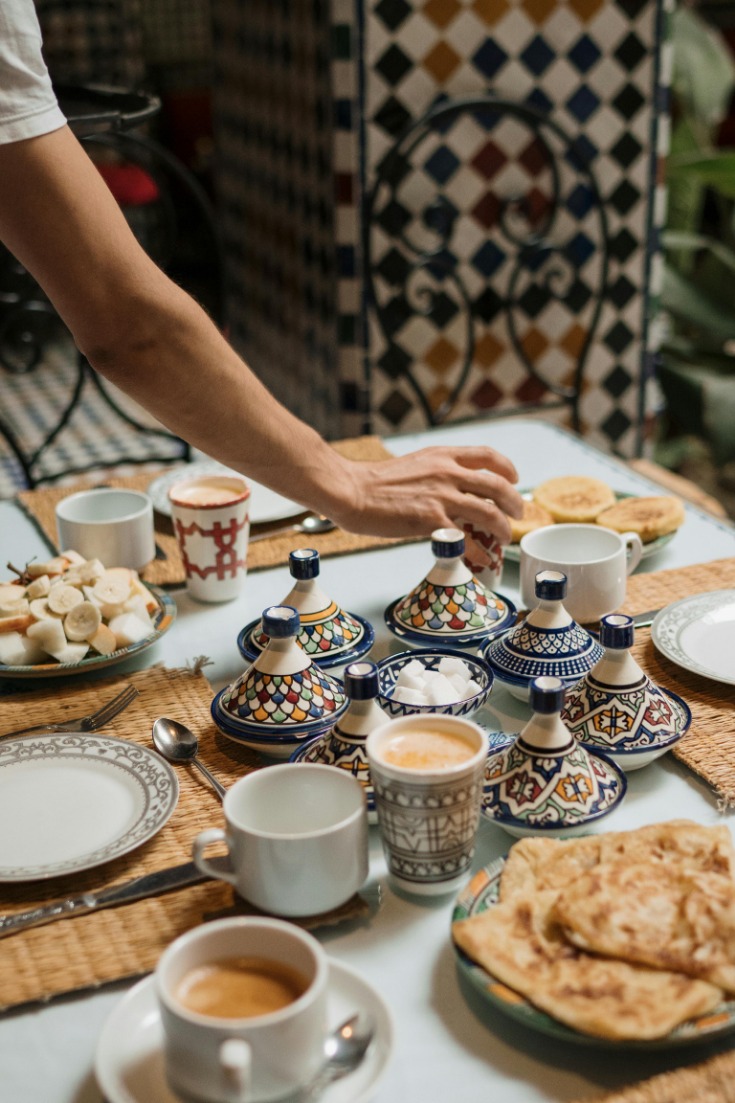
Overview of Moroccan Cuisine
Moroccan cuisine is renowned for its rich flavors, aromatic spices, and diverse culinary traditions that reflect the country’s vibrant history and cultural influences. Combining Berber, Arab, Mediterranean, and African elements, Moroccan dishes offer a unique and flavorful experience. From hearty stews to sweet pastries, the cuisine showcases a harmonious blend of ingredients and culinary techniques that have been cherished for generations.
Historical Influences
Moroccan cuisine is a rich and diverse culinary tradition that reflects the country’s history, geography, and cultural influences. Known for its aromatic spices, hearty stews, and flavorful combinations, Moroccan dishes offer a unique taste experience rooted in centuries of tradition. Popular ingredients include olives, dates, couscous, and a variety of herbs and spices such as cumin, cinnamon, and saffron.
Historically, Moroccan cuisine has been shaped by a blend of influences from Arab, Berber, Mediterranean, Sub-Saharan African, and European cultures. The Arab conquest introduced new spices, cooking techniques, and the use of couscous as a staple food. Berber tribes contributed to authentic flavors and traditional cooking methods, especially in rural areas. Later, interactions with the Portuguese, Spanish, and French during colonial periods brought additional ingredients and culinary styles, enriching the local food landscape. This melting pot of influences has created a distinctive cuisine that embodies the country’s complex history and cultural diversity.
Regional Variations
Moroccan cuisine is a rich and diverse culinary tradition that reflects the country’s history, geography, and cultural influences. Known for its vibrant flavors, aromatic spices, and hearty ingredients, Moroccan dishes often feature a combination of sweet and savory elements that create a unique taste experience.
Regional variations play a significant role in Moroccan cuisine, with each area having its own specialties and ingredients. In the northern regions, dishes are influenced by Mediterranean flavors, incorporating fresh seafood, olives, and citrus. Central Morocco is famous for its couscous and tagines, which are slow-cooked stews with vegetables, meat, or poultry seasoned with spices like saffron, cumin, and ginger. The southern Sahara areas incorporate ingredients like dates, millet, and dried meats, reflecting desert traditions. Additionally, coastal regions tend to favor grilled fish and seafood dishes, while mountain areas often use locally available grains and preserved foods. These regional differences contribute to the rich tapestry of Moroccan dishes, making the cuisine both diverse and unique across the country.
Popular Moroccan Dishes
Moroccan cuisine is renowned for its rich flavors, aromatic spices, and diverse culinary traditions. Popular Moroccan dishes showcase a blend of Berber, Arab, and Mediterranean influences, creating unique and memorable tastes. From hearty stews to flavorful grilled meats, Moroccan dishes offer a delightful experience for any food lover interested in exploring authentic North African cuisine.
Tagine
Moroccan cuisine is renowned for its rich flavors, aromatic spices, and diverse culinary traditions. One of the most popular and iconic dishes from Morocco is Tagine, a slow-cooked stew named after the traditional earthenware pot used to prepare it. Tagine combines tender meats, vegetables, and flavorful spices, creating a harmonious and hearty meal that embodies Moroccan culinary heritage.
- Chicken Tagine with Preserved Lemons and Olives
- Lamb Tagine with Apricots and Almonds
- Vegetable Tagine with Seasonal Vegetables and Dried Fruits
- Fish Tagine with Tomatoes and Fresh Herbs
- Beef Tagine with Green Peas and Potatoes
Couscous
Couscous is one of the most popular and traditional dishes in Morocco, celebrated for its rich flavors and cultural significance. It is made from tiny steamed balls of crushed durum wheat semolina, which are typically served with a variety of vegetables, meats, or fish. The dish is often accompanied by a flavorful broth or sauce, seasoned with spices like saffron, ginger, and cinnamon, reflecting the vibrant Moroccan culinary heritage. Couscous is usually presented as a communal meal, symbolizing hospitality and sharing among family and friends. Its versatility allows it to be enjoyed during special occasions and everyday meals alike, making it a staple in Moroccan households.
Harira
Harira is a traditional Moroccan dish that holds a special place in the country’s culinary heritage. It is a hearty and flavorful soup made from a blend of tomatoes, lentils, chickpeas, and a variety of herbs and spices, creating a rich and aromatic taste. Often served during Ramadan to break the fast, Harira is also enjoyed as a comforting meal throughout the year. Its ingredients can vary, but it typically includes ingredients like onions, celery, coriander, ginger, and cinnamon, which contribute to its unique flavor profile. Often accompanied by dates and bread, Harira exemplifies the warmth and hospitality that Moroccan cuisine is renowned for.
Key Ingredients in Moroccan Cooking
Moroccan cuisine is renowned for its rich flavors and vibrant aromas, largely thanks to its unique blend of key ingredients. These staples not only define the characteristic tastes of Moroccan dishes but also reflect the diverse cultural influences that have shaped the country’s culinary heritage. From aromatic spices to fresh herbs and hearty grains, these essential elements create the foundation for authentic Moroccan flavors that delight the senses.
Spices and Herbs
Moroccan cuisine is renowned for its rich and vibrant flavors, achieved through a skillful combination of various spices and herbs. Essential to many dishes are spices like cumin, coriander, ginger, saffron, cinnamon, and paprika, which impart warmth and depth. Additionally, herbs such as fresh parsley, cilantro, and mint add brightness and freshness, balancing the bold spice profile. These ingredients are often used in traditional Moroccan dishes like tagines, couscous, and pastillas, creating a unique culinary experience that highlights the country’s diverse cultural influences.
Legumes and Grains
Moroccan cuisine is renowned for its rich flavors and hearty textures, with legumes and grains playing a vital role in many traditional dishes. Staples such as chickpeas, lentils, and kidneys beans are often used in stews, tagines, and salads, providing both nutritional value and depth of flavor. Grains like couscous, barley, and rice serve as the foundation for numerous dishes, often infused with aromatic spices and combined with vegetables and meats. These ingredients are essential not only for their taste and texture but also for their cultural significance, reflecting Morocco’s agricultural heritage and culinary diversity.
Meat and Seafood
Moroccan cuisine is renowned for its rich flavors and aromatic ingredients, especially when it comes to meat and seafood dishes. Central to these dishes are spices such as cumin, coriander, turmeric, cinnamon, and saffron, which impart depth and warmth to the dishes. Preserved lemons and cured olives often add a tangy and salty contrast that enhances the main ingredients. In meat preparations, slow-cooked lamb, beef, and chicken are common, often combined with vegetables and fragrant herbs like cilantro and parsley. Seafood, including fish, shrimp, and calamari, are frequently used, especially in coastal regions, seasoned with spices, garlic, and lemon. These key ingredients come together to create the bold, complex, and unforgettable flavors characteristic of Moroccan cooking.
Preparation and Cooking Techniques
Preparation and cooking techniques play a vital role in creating authentic Moroccan dishes that are rich in flavor and tradition. From meticulous ingredient preparations to traditional cooking methods, each step is essential in capturing the essence of Moroccan cuisine. Understanding these techniques helps bring out the vibrant aromas, bold spices, and unique textures that define Moroccan dishes, making them a delightful experience for the senses.
Slow Cooking in Tagines
Slow cooking in tagines is a traditional Moroccan technique that enhances the flavors and tenderness of the dish. This method involves simmering ingredients slowly over low heat, allowing the spices and ingredients to meld together beautifully. The unique conical shape of the tagine pot promotes even heat distribution and retains moisture, making it ideal for slow cooking. Typically, meats such as lamb, chicken, or beef are combined with vegetables, dried fruits, and aromatic spices like cumin, cinnamon, and saffron, then cooked gently for several hours. This slow process results in tender, flavorful dishes with rich, complex layers of taste, embodying the essence of Moroccan culinary art.
Braising and Stewing
Braising and stewing are essential preparation and cooking techniques used in many Moroccan dishes, renowned for their rich flavors and tender textures. These methods involve slow cooking food in a small amount of liquid, allowing the flavors to meld beautifully over time.
Braising typically refers to cooking larger cuts of meat or hearty vegetables in a covered pot with a small amount of liquid at a low temperature. This technique helps break down connective tissues, resulting in melt-in-the-mouth tenderness, a characteristic often seen in traditional Moroccan dishes like tajines.
Stewing, on the other hand, involves cooking smaller pieces of meat or vegetables more fully submerged in liquid, with longer cooking times at a gentle simmer. Moroccan stews, such as seafood or vegetable stews, are seasoned with aromatic spices like cumin, coriander, and saffron, creating complex and layered flavors.
Both techniques require patience and careful temperature control but yield incredibly flavorful and tender dishes. They are fundamental to Moroccan cuisine, allowing the spices and ingredients to fully develop and creating the hearty, comforting dishes that are central to Moroccan culinary tradition.
Grilling and Roasting
Preparation and cooking techniques such as grilling and roasting are essential methods in preparing traditional Moroccan dishes, bringing out unique flavors and textures. Grilling is commonly used for meats like kebabs or shawarma, where marinated pieces are cooked over an open flame or hot coals, imparting a smoky aroma and tender consistency. Roasting, on the other hand, is perfect for dishes like whole chickens or vegetables, often seasoned with aromatic spices such as cumin, saffron, and paprika, then cooked in an oven until crispy on the outside and juicy inside. Both techniques emphasize proper temperature control and marination, which enhance the depth of flavor characteristic of Moroccan cuisine. Whether grilling skewered meats over an open fire or roasting vegetables with fragrant spices, these methods create authentic and savory Moroccan dishes that are cherished in traditional cooking.”
Traditional Moroccan Beverages and Sweets
Traditional Moroccan beverages and sweets play a vital role in the rich culinary heritage of Morocco, offering a unique blend of flavors, aromas, and cultural significance. From aromatic teas to luscious confections, these delicacies reflect the country’s diverse history and regional influences. They are often enjoyed during festivities, daily gatherings, and special occasions, embodying hospitality and the vibrant spirit of Moroccan tradition.
Mint Tea
Traditional Moroccan beverages and sweets are an essential part of the country’s rich culinary heritage, reflecting its vibrant culture and history. Among these, mint tea stands out as a symbol of hospitality and social bonding, often served multiple times a day to guests and family members alike. This aromatic tea is typically prepared with green tea leaves, fresh spearmint, and a generous amount of sugar, creating a refreshing and sweet drink that awakens the senses.
In addition to mint tea, Morocco boasts a variety of traditional sweets that delight the palate. Some popular confections include Chebakia, a sesame and honey pastry shaped into intricate floral designs, and m’hancha, a coiled almond-filled pastry wrapped in phyllo dough. Other favorites are baklava, with its layers of flaky pastry and honey syrup, and loghlou, a date-filled pastry that offers a perfect blend of sweetness and richness. These sweets are often enjoyed during special occasions, religious festivals, and alongside afternoon tea, symbolizing Moroccan hospitality and the country’s love for flavorful, aromatic treats.
Moroccan Pastries
Traditional Moroccan dishes are renowned for their rich flavors and cultural significance, especially when it comes to beverages and sweets. Moroccan cuisine offers a variety of unique drinks and confections that reflect the country’s diverse heritage and tastes.
Moroccan beverages include aromatic teas, most notably the famous Moroccan mint tea, which is sweetened generously and served with fresh mint leaves. Other traditional drinks include bissap, a vibrant hibiscus flower infusion, and alwarma, which is a warm, spiced milk-based beverage often enjoyed during colder months.
Moroccan sweets and pastries are equally diverse, often made with ingredients like almonds, honey, and filo dough. These treats are typically enjoyed during special occasions and festivals, bringing together families and communities.
- Chebakia: A sesame and honey-based pastry shaped into intricate flowers, commonly served during Ramadan.
- Baghrir: Also known as ‘thousand-hole pancakes,’ these spongy pancakes are drizzled with honey and butter.
- Kaab el Ghazal: Crescent-shaped cookies filled with almond paste and coated with powdered sugar.
- Zalabia: Deep-fried dough balls soaked in honey syrup, crispy on the outside and sweet inside.
- Makroud: Semolina pastries filled with dates or almonds, often flavored with orange blossom water.
Serving Customs and Etiquette
When exploring the rich culinary traditions of Morocco, understanding proper serving customs and etiquette enhances the experience and shows respect for local culture. Moroccan dishes are often shared communally, emphasizing hospitality and warmth. Knowing how to serve and enjoy these flavorful meals appropriately allows for a more authentic and enjoyable encounter with Moroccan cuisine.
Communal Dining
When enjoying traditional Moroccan dishes, understanding the serving customs and etiquette enhances the communal dining experience. Moroccan meals are often shared from a large central dish, reflecting a sense of community and hospitality. Guests usually sit on cushions around a low table, fostering a warm and inclusive atmosphere.
It is customary to use the right hand for eating, as the left hand is considered unclean. Guests often gather around the shared platter, carefully mixing ingredients and serving themselves in turn. Before beginning, diners typically wash their hands with water and sometimes use a communal napkin or towel. When sampling different parts of the dish, it is polite to take only a small portion at a time, respecting the effort and tradition behind the meal.
During Moroccan communal dining, showing appreciation through gentle gestures and engaging in friendly conversation is important. It is common for hosts to serve food generously, and guests should accept food graciously as a sign of respect. After the meal, it is customary to thank the host, often with a warm expression or a small gesture, acknowledging the hospitality and the shared joy of the meal.
Presentation and Utensils
Serving Moroccan dishes requires attention to customs and etiquette that highlight hospitality and respect for cultural traditions. When presenting Moroccan cuisine, it is customary to arrange the food elegantly, often using traditional Moroccan pottery or ceramic dishes that enhance the authentic experience. During communal meals, it is polite to use the right hand for eating, as the left is considered unclean in many cultural contexts.
The presentation of Moroccan dishes emphasizes vibrant colors and intricate patterns, reflecting the rich cultural heritage. Typical utensils include a mix of metal spoons, sometimes replaced by hand for dishes like couscous or tagines, which are meant to be shared among diners. If serving a tagine, it is common to bring it directly to the table, allowing guests to appreciate the aroma and appearance before serving. Adherence to these customs demonstrates respect for Moroccan traditions and enhances the communal dining experience.




0 Comments