
Geographical Overview of Morocco
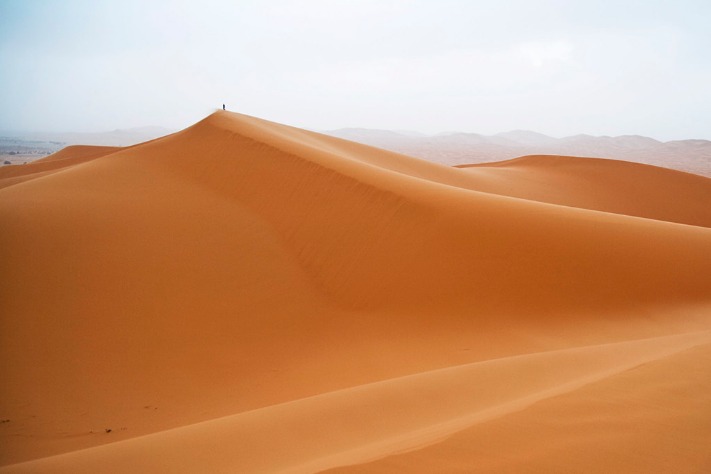
Morocco, located in the northwestern corner of Africa, features a diverse and captivating geographical landscape. It is bordered by the Atlantic Ocean and the Mediterranean Sea, providing it with extensive coastlines. The country is marked by a mix of rugged mountains, fertile plains, and vast deserts, including the Sahara, which covers a significant portion of its territory. This varied terrain contributes to Morocco’s rich biodiversity and distinct climate zones, making it a unique and fascinating country in the African continent.
Location and Borders
Morocco is a country located in the northwestern corner of Africa, serving as a bridge between Africa and Europe due to its proximity to the Mediterranean Sea and the Atlantic Ocean. It is situated south of Spain and Portugal, with the Strait of Gibraltar separating it from southern Spain. Morocco shares land borders with several countries: to the east with Algeria, to the south with Western Sahara (a disputed territory), and to the northeast with a small border with Mauritania. The country’s diverse geography includes coastlines, mountain ranges such as the Atlas and Rif Mountains, and vast deserts like the Sahara. Its strategic location has influenced its cultural and economic exchanges, making Morocco a significant nation in the African continent.
Major Landforms and Landscape Features
Morocco, situated in the northwestern corner of Africa, boasts a diverse and striking geographical landscape. The country is characterized by a range of major landforms and landscape features that contribute to its unique natural beauty. To the north, Morocco is bordered by the Mediterranean Sea, offering a rugged coastline with cliffs, sandy beaches, and small ports. The Atlantic Ocean forms its western boundary, creating extensive Atlantic beaches and estuarine areas. Inland, the terrain becomes more varied with the presence of the Atlas Mountains, which run diagonally across the country from the southwest to the northeast, featuring peaks such as Toubkal, the highest in North Africa. These mountains are interspersed with deep valleys and plateaus, creating a dramatic backdrop. Further south and east, the landscape transitions into the Sahara Desert, where expansive sand dunes, rocky plateaus, and oases dominate. The Anti-Atlas range lies to the south of the main Atlas Mountains, contributing additional rugged terrain. Overall, Morocco’s diverse landforms—from coastal areas and fertile plains to towering mountains and vast deserts—highlight the country’s remarkable geographical diversity within the African continent.
Climate Variations Across Regions
Morocco, located in North Africa, is characterized by diverse geographical features that influence its climate variations across regions. The country features a mix of mountains, plains, and coastlines, contributing to a rich landscape. The Atlas Mountains stretch across central Morocco, creating a natural barrier that affects weather patterns and results in cooler, wetter conditions in the highlands. To the north and along the Atlantic coast, the climate is Mediterranean, with mild, wet winters and hot, dry summers. The interior plains and the eastern regions tend to have a semi-arid to arid climate, experiencing more extreme temperatures and less rainfall. The southern regions, near the Sahara Desert, are characterized by a desert climate with very hot days and cooler nights, emphasizing Morocco’s climatic diversity that ranges from temperate to extreme desert conditions across different regions. This variation supports a wide range of ecosystems and influences the lifestyle and agriculture in Morocco.”
Historical Background
Morocco, located at the crossroads of Africa and the Middle East, boasts a rich and diverse historical background that has shaped its unique cultural identity. Throughout centuries, it has been influenced by various civilizations, including the Berbers, Arabs, Romans, and Europeans, which have all contributed to its vibrant history. This intricate past is reflected in Morocco’s architecture, traditions, and social structures, making it a fascinating subject to explore within the broader context of African history.
Ancient and Medieval Periods
Morocco, a country located in North Africa, possesses a rich historical background that spans from ancient times through the medieval period. Its strategic position at the crossroads of Africa, Europe, and the Middle East has significantly influenced its cultural and political development over centuries.
During the ancient period, Morocco was inhabited by various Berber tribes and later became part of the Phoenician and Carthaginian civilizations. The region saw the rise of the Kingdom of Mauretania, an important Berber kingdom that maintained independence from Roman control in certain areas. Subsequently, it was incorporated into the Roman Empire, with notable cities like Volubilis serving as vital centers of administration and trade.
The medieval era marked a period of significant transformation, with the establishment of Islamic rule following the Arab conquests in the 7th century. The Idrisid dynasty, founded in the late 8th century, is credited with unifying parts of Morocco and laying the foundations of a Moroccan identity. Throughout the medieval period, various dynasties such as the Almoravids and Almohads expanded their territories, fostering trade, culture, and Islamic scholarship. This era also saw the construction of impressive architecture, including mosques and fortresses that still stand today.
Colonial Era and Independence
Morocco, located in the northwest corner of Africa, has a rich historical background that dates back thousands of years. It was originally inhabited by various Berber tribes, and its strategic position facilitated interactions with Phoenicians, Romans, and other ancient civilizations. Throughout its history, Morocco has been a crossroads of cultures, influences, and trade routes, shaping its unique cultural landscape.
During the colonial era, Morocco experienced significant European influence, particularly from France and Spain. In the early 20th century, it was divided into French and Spanish zones of control, with a small international zone of Tangier. This period was marked by efforts to modernize the country while also resisting colonial rule through protests and uprisings. The colonial powers established administrative systems, but Moroccan national identity continued to grow amidst these changes.
Morocco gained independence from France and Spain in 1956, ending decades of colonial rule. The movement for independence was driven by increasing national consciousness and resistance among Moroccans. Once free, Morocco embarked on a path of nation-building, establishing a monarchy under King Mohammed V, and working to unify its diverse regions. Today, Morocco is a sovereign nation, proud of its historical roots and cultural heritage.
Modern Political Developments
Morocco, located in North Africa, boasts a rich historical background that dates back to ancient times, with influences from the Phoenicians, Carthaginians, and later the Romans. Throughout centuries, it has been a crossroads of various civilizations, including Arab, Berber, and European cultures, shaping its diverse heritage. The country gained independence from France in 1956, which marked the beginning of its modern political evolution. Since then, Morocco has undergone significant reforms, balancing traditional monarchy with efforts toward modernization and political stability.
In recent decades, Morocco has experienced notable political developments, including constitutional reforms and the strengthening of its parliamentary institutions. The current monarchy, led by King Mohammed VI, plays a pivotal role in governance, while the nation has also seen increased emphasis on economic development and regional integration. Challenges persist, such as addressing social inequalities and managing regional disputes, but Morocco continues to pursue a path of political stability and gradual modernization within its constitutional framework.
Government and Political System
Morocco, located in the northern part of Africa, has a distinct government and political system that blends traditional and modern elements. The country operates under a constitutional monarchy, where the King holds significant authority alongside an elected parliament. This system reflects Morocco’s rich cultural heritage and its efforts to balance modern governance with traditional leadership structures. Understanding Morocco’s political framework provides insight into how the nation navigates its regional and international relationships within the African continent.
Constitution and Governance Structure
Morocco, located in the northern part of Africa, has a complex government and political system shaped by a constitutional monarchy and democratic principles. The governance structure blends traditional monarchical authority with modern democratic institutions, ensuring a balance of power among various branches of government.
- The head of state is the King of Morocco, who holds significant executive and legislative powers, including authority over the military, religion, and foreign policy.
- The government includes the Prime Minister and the Cabinet, responsible for day-to-day administration and policy implementation.
- The Parliament is bicameral, consisting of the House of Representatives and the House of Councillors, elected to represent the people and regional councils respectively.
- The Constitution of Morocco, adopted in 2011, provides the legal framework for governance, outlining rights, duties, and the organization of state institutions.
- The Executive Branch, led by the King and the Prime Minister, executes laws and oversees government policies.
- The Legislative Branch, comprising Parliament, enacts laws, approves budgets, and scrutinizes government actions.
- The Judicial Branch operates independently, administering justice based on a legal system influenced by both Islamic law and civil law traditions.
Overall, Morocco’s governance reflects a constitutional monarchy that integrates democratic elements within a framework emphasizing royal authority, ensuring stability and continuity in the nation’s political life.
Role of the Monarchy
Morocco, located in Africa, features a government and political system that combines a constitutional monarchy with elements of democracy. The monarchy plays a significant role in the country’s governance, serving as a symbol of national unity and continuity. The King holds substantial powers, including appointing government officials, overseeing defense and foreign policy, and guiding the legislative process. Although Morocco has a parliamentary system with elected representatives, the monarchy retains a central influence over political affairs. This blend of monarchical tradition and democratic institutions shapes Morocco’s unique political landscape, balancing royal authority with evolving democratic practices.
Legal System and Electoral Processes
Morocco, located in the northwest corner of Africa, has a complex government and political system characterized by a constitutional monarchy. The King of Morocco holds significant executive and legislative powers, serving as both the head of state and the commander-in-chief of the armed forces. The government includes a Prime Minister and a Parliament divided into two houses: the House of Representatives and the House of Councillors. Morocco’s legal system is based on a mixture of civil law, influenced by French law, and Islamic law, known as Sharia, which plays a role in personal status issues. The judiciary operates independently but is subject to the influence of the monarchy. The electoral process in Morocco involves direct elections for the Parliament, with political parties competing to gain legislative seats. The country has experienced reforms aimed at increasing transparency and democratization, including in its electoral processes, although challenges such as political participation and fair representation remain. Overall, Morocco’s political framework seeks to balance traditional monarchy with democratic reforms in the context of its rich cultural and historical heritage.
Economy and Key Industries
Morocco, located in the northern part of Africa, boasts a diverse and evolving economy supported by several key industries. Its strategic position along Atlantic and Mediterranean trade routes has fostered growth in sectors such as agriculture, manufacturing, and tourism. The country continues to develop its infrastructure and investment climate, making it an important economic hub within the region.
Agriculture and Food Production
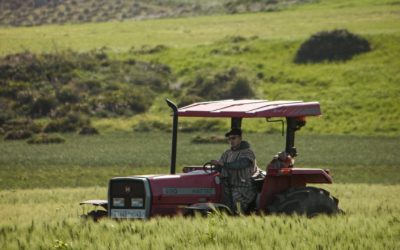
Morocco, located in the northwest corner of Africa, has a diverse economy that relies on various key industries including agriculture, food production, tourism, and mining. Agriculture plays a significant role in the country’s economy, employing a substantial portion of the population and contributing around 13% to the GDP. The main agricultural products include cereals such as wheat and barley, vegetables, citrus fruits, and olives. The country benefits from a variety of climates suitable for diverse crops, and irrigation projects have helped improve yields.
Food production in Morocco is an essential sector that supports both domestic consumption and exports. The country produces a range of processed foods, dairy products, and bakery items, with a growing focus on modernizing food manufacturing industries. The agriculture and food sectors are supported by government initiatives aimed at increasing productivity, sustainability, and competitiveness.
Beyond agriculture, Morocco’s economy is also bolstered by industries such as phosphates mining, which makes it one of the world’s largest producers, as well as textile manufacturing, chemicals, and renewable energy development. The government continues to promote economic diversification efforts to ensure sustainable growth and development across these sectors.
Mining and Natural Resources
Morocco’s economy and key industries are vital to its development, with a focus on mining and natural resources playing a significant role. The country has a diverse economic landscape that includes agriculture, industry, and services, alongside its rich natural resources, which contribute substantially to its national income.
- Mining is a crucial sector in Morocco, with phosphate reserves being among the largest in the world. The country is a leading exporter of phosphate and phosphate-based products, supporting both local industries and international markets.
- Other essential natural resources include lead, zinc, copper, and silver, which are mined in various regions across the country.
- The extraction and processing of these minerals provide employment opportunities and stimulate economic growth in mining regions.
- In addition to minerals, Morocco invests in renewable energy resources, particularly solar and wind power, to diversify its energy sources and reduce dependence on imported fossil fuels.
- The country’s strategic location and natural resources support a growing tourism industry, with attractions such as historic sites, coastal resorts, and the Sahara Desert, which further bolster Morocco’s economy.
Tourism and Cultural Heritage
Morocco, located in the northwestern corner of Africa, boasts a diverse and vibrant economy centered around several key industries. Agriculture remains a vital sector, with products such as cereals, olives, and citrus fruits contributing significantly to exports. Additionally, the country has developed its manufacturing and industrial sectors, including textiles, phosphates, and electronics. The tourism industry is a crucial driver of economic growth, attracting visitors with its rich cultural heritage, historic sites, and diverse landscapes.
Morocco’s tourism sector benefits from its world-renowned cultural heritage sites, such as the ancient city of Marrakech, the historic medinas of Fes and Meknes, and the scenic Atlas Mountains. The country’s vibrant markets, traditional music, and cuisine offer a unique experience for travelers. Coastal areas like Essaouira and Agadir are popular for their beaches and water sports. This blend of historical richness and natural beauty positions Morocco as a prominent tourist destination in Africa.
In addition to tourism, Morocco takes pride in its cultural heritage, which reflects a mix of Arab, Berber, and European influences. UNESCO World Heritage sites showcase its historical architecture and craftsmanship. Traditional arts such as pottery, leatherwork, and jewelry are preserved and celebrated. The country’s cultural diversity not only attracts tourists but also fosters a strong sense of national identity, making Morocco a distinctive nation within the African continent.
Manufacturing and Services Sector
Morocco’s economy is a diverse and expanding market that plays a significant role within the African continent. The country benefits from a strategic geographical location, which enhances its position as a hub for trade and commerce between Africa, Europe, and the Middle East. The economy is characterized by a mix of traditional and modern industries, with a strong emphasis on manufacturing and services sectors.
The manufacturing sector in Morocco includes the production of automobiles, aerospace components, textiles, chemicals, and food processing. The automotive industry is particularly prominent, with major international car manufacturers establishing manufacturing plants in the country, contributing significantly to employment and exports. The aerospace sector also sees rapid growth, supported by specialized industrial zones and government incentives.
The services sector encompasses tourism, financial services, telecommunications, and information technology. Tourism remains a vital component of the economy, attracting millions of visitors annually with its rich cultural heritage, historic sites, and natural landscapes. Financial and telecom services are expanding steadily, driven by increased digitalization and infrastructural development, which bolster the overall economic growth of Morocco.
Culture and Society
Morocco, a country located in the northwest corner of Africa, boasts a rich and diverse culture that reflects its historical influences and geographic position. Its society is a vibrant blend of traditional Berber customs, Arab traditions, and remnants of colonial history, creating a unique cultural atmosphere. Understanding Morocco’s culture and society offers a glimpse into how history, religion, and community values shape the lives of its people.
Languages and Ethnic Groups
Morocco, located in the northwestern corner of Africa, boasts a rich and diverse cultural landscape shaped by a long history of interactions between various ethnic groups and civilizations. The society is a vibrant tapestry of traditions, customs, and values that have been preserved and adapted over centuries, reflecting the country’s unique position at the crossroads of Africa, Europe, and the Middle East.
Languages spoken in Morocco include Arabic, which is the official language, and Amazigh (Berber), reflecting the indigenous Berber populations. French is also widely used in education, business, and government, serving as a symbol of the country’s historical ties to Europe. Additionally, various local dialects and other languages contribute to the multicultural linguistic fabric of Moroccan society.
Ethnically, Morocco is predominantly composed of Amazigh (Berber) and Arab populations, with smaller communities of sub-Saharan Africans and others. The interplay of these groups has created a society that values hospitality, community, and family, with traditions still deeply embedded in daily life. This cultural diversity enriches Morocco’s identity, making it a fascinating example of a society that harmoniously blends different ethnic and linguistic heritages within the African continent.
Religious Practices and Traditions
Morocco, a country in North Africa, boasts a rich and diverse cultural heritage shaped by its history, geography, and population. Its society is characterized by a blend of Arab, Berber, African, and European influences, which are reflected in its traditions, arts, and social customs. Religious practices in Morocco are predominantly Islamic, with Islam deeply embedded in daily life, festivals, and community events. The country also celebrates a variety of cultural festivals and traditions that highlight its Islamic heritage, such as Ramadan and Eid. Additionally, Morocco maintains a unique blend of ancient and modern practices, with traditional music, dance, and craft making integral parts of its societal fabric, fostering a strong sense of identity and cultural pride across its communities.
Music, Art, and Festivals
Morocco, located in the northwestern corner of Africa, boasts a rich and diverse culture that reflects a blend of Arab, Berber, and European influences. This cultural mosaic is evident in its vibrant music, captivating art, and lively festivals, which play a vital role in shaping societal identity and preserving traditions.
Music in Morocco is a vital aspect of social life, encompassing a variety of styles such as Gnawa, Andalusian, and Berber folk music. These genres often feature traditional instruments like the oud, derbake, and qraqeb, creating rhythmic and soulful melodies that resonate during celebrations and communal gatherings.
Art in Moroccan society includes intricate ceramics, elaborate textiles, and detailed metalwork, all carrying deep historical significance. The country’s medinas and markets showcase stunning craftsmanship, reflecting regional styles and techniques passed down through generations. Moroccan architecture, characterized by ornate tilework and lush courtyards, further highlights the nation’s artistic heritage.
Festivals in Morocco are colorful and lively events that honor religious, historical, and cultural occasions. They offer a glimpse into the country’s traditions and serve as opportunities for community bonding and celebration.
- Fes Festival of World Sacred Music
- Marrakech International Film Festival
- Bandia Festival in Ouarzazate
- Rose Festival in the Dades Valley
- Moussem of Tan-Tan, a traditional nomadic festival
Gastronomy and Culinary Customs
Morocco, located in the northwestern corner of Africa, boasts a rich and diverse cultural landscape reflected through its society and culinary traditions. Its location at the crossroads of Africa, Europe, and the Middle East has created a unique blend of customs, languages, and flavors that define its identity.
The gastronomy of Morocco is renowned for its vibrant flavors, aromatic spices, and traditional recipes passed down through generations. Moroccan cuisine emphasizes the use of ingredients such as cumin, saffron, cinnamon, and preserved lemons, creating distinctive dishes that are both flavorful and fragrant.
Key culinary customs in Morocco include communal eating, where sharing meals fosters a sense of community and hospitality. Traditional Moroccan dishes such as tagine, couscous, and pastilla are often served during special occasions and family gatherings. Tea, especially mint tea, holds significant cultural importance and is a symbol of hospitality and friendship.
- Traditional Dishes: Tagine, couscous, pastilla, and harira soup.
- Eating Customs: Sharing meals communally and serving tea as a sign of welcoming guests.
- Festivals and Celebrations: Religious festivals like Eid al-Fitr and Eid al-Adha often feature special culinary preparations.
- Social Norms: Respect for elders and maintaining hospitality are integral to Moroccan society.
- Languages: Arabic and Berber are widely spoken, with French also used in education and business, reflecting the country’s diverse cultural influences.
Overall, Morocco’s culture and society deeply intertwine with its culinary customs, creating a vibrant tapestry that reflects its geographical position and historical influences across the African continent and beyond.
Natural Resources and Environment
Morocco, a country located in the northwest corner of Africa, is endowed with diverse natural resources and rich environmental landscapes. From expansive coastlines along the Atlantic Ocean to the rugged Atlas Mountains, the nation’s environment plays a vital role in its economy and cultural heritage. Preserving these natural resources is essential for sustainable development and maintaining Morocco’s unique ecological diversity.
Flora and Fauna
Morocco, situated in the northwestern corner of Africa, boasts diverse natural resources and rich biodiversity. Its varied landscapes include mountains, deserts, forests, and coastal areas, which support a wide array of flora and fauna. The country’s natural resources encompass mineral deposits such as phosphates, which are vital for global agriculture, as well as limited reserves of oil and fishery resources along its Atlantic and Mediterranean coasts.
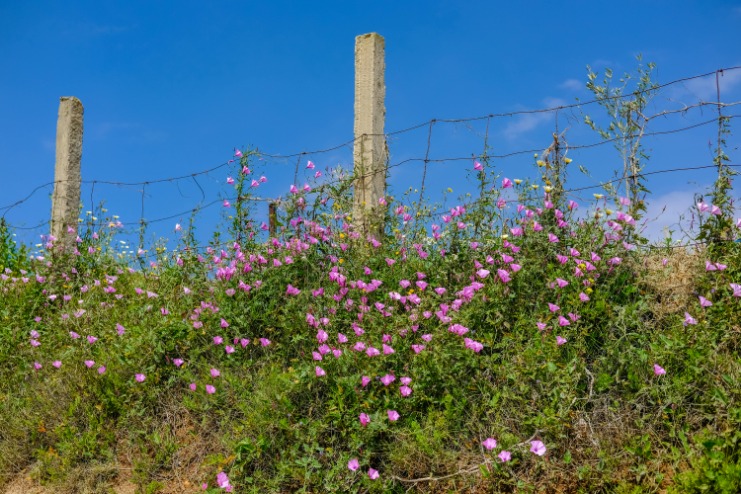
The flora of Morocco features a mix of Mediterranean and Saharan plant species. Olive trees, argan trees, and various herbs like thyme and lavender are common in the cultivated and wild landscapes. The Argan tree, native to Morocco, is especially significant both ecologically and economically, as it produces argan oil used worldwide.
The fauna in Morocco is equally diverse. The Atlas Mountains are home to species such as the Barbary macaque, the North African addax, and thedesert fox. The coastal waters support an abundance of fish, including sardines and mackerels, which are vital to local communities. Additionally, the country provides habitats for migratory birds and other wildlife, promoting efforts for conservation and environmental protection.
Protection and sustainable management of Morocco’s natural resources and biodiversity are crucial for maintaining ecological balance and supporting local livelihoods. Various national parks and protected areas are established to preserve the unique flora and fauna found across the country.
Environmental Challenges
Morocco, located in the northwestern part of Africa, is rich in natural resources but faces significant environmental challenges. The country boasts diverse ecosystems, including coastal areas, deserts, and mountain ranges, which provide vital resources such as fish, minerals, and agricultural products. However, rapid population growth, urbanization, and economic development have increased pressure on these natural resources, leading to overexploitation and environmental degradation.
One of the major environmental challenges Morocco faces is water scarcity. The country’s arid and semi-arid climate, combined with inefficient water management practices, has resulted in a shortage of freshwater resources. This issue affects agriculture, which is a key sector of the economy, and threatens food security. Additionally, desertification is spreading across large areas, further reducing the land’s productivity and harming local ecosystems.
Despite its natural wealth, Morocco is vulnerable to the effects of climate change, including rising temperatures and changing rainfall patterns. These changes exacerbate existing problems such as droughts and loss of biodiversity. The government has taken steps toward environmental sustainability by investing in renewable energy sources like solar and wind power, aiming to reduce reliance on fossil fuels and limit greenhouse gas emissions.
Conservation efforts and sustainable resource management are essential for Morocco to address these environmental challenges. Protecting biodiversity, promoting sustainable agriculture, and implementing policies to combat desertification and water scarcity are crucial to ensuring a sustainable future for this African nation.
Conservation Efforts
Morocco, located in the northwestern corner of Africa, possesses diverse natural resources that play a vital role in its economy and environment. With vast coastlines, mountains, and arid deserts, the country faces unique environmental challenges that require dedicated conservation efforts to ensure sustainable development.
Conservation initiatives in Morocco focus on preserving its rich biodiversity, managing water resources, and reducing environmental pollution. The government and various organizations implement programs aimed at protecting wildlife such as the Barbary macaque and migratory birds, as well as restoring degraded ecosystems.
- Promotion of renewable energy sources, especially solar and wind power, to reduce reliance on fossil fuels.
- Establishment of national parks and protected areas to conserve local flora and fauna.
- Reforestation projects to combat desertification and maintain ecological balance.
- Legislation and policies aimed at regulating fishing, mining, and industrial activities to prevent environmental degradation.
- Community-based conservation efforts that involve local populations in protecting natural resources.
International Relations and Regional Influence
International relations and regional influence play a crucial role in shaping the political and economic landscape of Africa. Morocco, a country situated in North Africa, exemplifies how regional dynamics and external partnerships impact a nation’s development and diplomatic strategy. Understanding Morocco’s place within regional and global contexts offers insight into the broader patterns of influence and cooperation across the continent.
Diplomatic Relations
Morocco, located in the northwest corner of Africa, plays a significant role in international relations and regional influence within the continent. Its strategic position along the Atlantic Ocean and proximity to Europe enhances its diplomatic importance, fostering strong connections with both African nations and Western countries. Morocco actively participates in regional organizations such as the African Union, where it seeks to promote economic cooperation and political stability across Africa.
Diplomatic relations for Morocco are characterized by efforts to balance its historical ties with Western countries, including Spain and France, with increasing engagement in African diplomacy. The country has invested in development projects and regional peace initiatives, reinforcing its influence and fostering diplomatic goodwill. Morocco’s recognition of Western Sahara and its diplomatic stance on sovereignty issues also significantly shape its regional and international relationships.
Participation in Regional Organizations
Morocco, located in the northwestern part of Africa, plays a significant role in international relations and regional influence within the continent. Its strategic position along the Atlantic Ocean and proximity to Europe enhances its diplomatic and economic interactions beyond Africa. Morocco actively participates in various regional organizations aimed at fostering economic development, security, and political stability.
As a member of the African Union, Morocco contributes to regional initiatives that promote integration and cooperation among African nations. Additionally, Morocco is involved in the Arab Maghreb Union, working to strengthen ties with neighboring North African countries. Its participation in these organizations reflects its commitment to regional stability and economic growth.
In terms of international relations, Morocco maintains diplomatic relations with numerous countries and is an active participant in global forums such as the United Nations. Its policies often balance regional interests with broader international priorities, making it an influential player in African and Arab affairs. Morocco’s engagement in regional organizations underscores its strategic aim to enhance regional influence and foster cooperation across Africa and beyond.
Economic and Security Alliances
Morocco, situated in the northwestern corner of Africa, plays a significant role in regional and international relations through its strategic alliances and diplomatic initiatives. Its location positions it as a key conduit between Africa, Europe, and the Middle East, facilitating active participation in various economic and security partnerships. Morocco maintains strong economic ties with the European Union, particularly through trade agreements and cooperation in infrastructure projects. Additionally, it is a member of regional organizations such as the African Union, where it seeks to influence policy and foster development across the continent.
In terms of security alliances, Morocco cooperates closely with Western nations, including the United States and France, on counter-terrorism and stability efforts. It hosts military bases and participates in joint exercises, enhancing regional security. Economically, Morocco has been investing in renewable energy, manufacturing, and tourism to boost its growth prospects while collaborating with international financial institutions for development projects. These regional influences and alliances demonstrate Morocco’s strategic importance in Africa and its efforts to strengthen its global position while contributing to regional stability and economic progress.

0 Comments