
Popular Traditional Moroccan Dishes
Moroccan cuisine is renowned for its rich flavors, aromatic spices, and diverse ingredients that reflect the country’s vibrant cultural heritage. Traditional Moroccan dishes offer a delightful blend of savory, sweet, and spicy elements, showcasing the country’s history and regional influences. From hearty stews to flavorful tagines, these dishes are an essential part of Moroccan hospitality and culinary identity.
Tagine
Moroccan cuisine is renowned for its rich flavors and aromatic spices, with Tagine standing out as one of the most popular traditional dishes. This iconic dish is named after the special earthenware pot in which it is slow-cooked, allowing the flavors to meld beautifully. Tagine typically features tender meats such as chicken, lamb, or beef, combined with a variety of vegetables, dried fruits, and a unique blend of spices like cumin, cinnamon, ginger, and turmeric. The slow-cooking process results in a savory and aromatic meal that is both hearty and flavorful.
Couscous
Moroccan cuisine is renowned for its rich flavors and aromatic spices, showcasing a diverse range of traditional dishes. Among these, couscous is one of the most popular and beloved staples in Morocco. This dish consists of tiny steamed grains of dried corn, wheat, or barley, typically served with a hearty stew of vegetables, meats, or both. Couscous is often accompanied by raisins, almonds, and a variety of flavorful spices, making it a comforting and festive meal. Other popular Moroccan dishes include tagine, a slow-cooked stew named after the earthenware pot, which combines ingredients like chicken, lamb, or fish with vegetables and preserved lemons. Pastilla, a savory-sweet pie filled with pigeon or chicken and almonds, is also a traditional delicacy served during special occasions. These dishes reflect Morocco’s rich culinary heritage, blending indigenous traditions with influences from Arab, Berber, and Mediterranean cuisines.
Harira Soup
Harira Soup is one of the most beloved traditional dishes in Morocco, especially during Ramadan when it is enjoyed to break the fast. This flavorful and hearty soup combines a rich blend of tomatoes, lentilles, chickpeas, and tender meat, often accompanied by fresh herbs and spices like cilantro, parsley, and cinnamon. Its aromatic and satisfying taste makes it a staple in Moroccan cuisine and a symbol of hospitality and warmth.
- Harira Soup is typically served with dates and chebakia, a Moroccan sesame cookie, to complete the meal.
- The soup is often prepared in large quantities, shared among family and friends during festive gatherings.
- Its ingredients and preparation vary slightly across regions, but its comforting and nutritious qualities remain constant.
- Harira is deeply rooted in Moroccan traditions and reflects the country’s rich culinary heritage.
Street Food and Snack Items
Morocco is renowned for its vibrant street food culture, offering a wide array of delicious snacks and quick bites that reflect its rich culinary heritage. From savory pastries to flavorful grilled skewers, these street food items provide a taste of authentic Moroccan flavors. Exploring these dishes is a delightful way to experience the country’s diverse traditions and vibrant street markets.
Brochettes (Kebabs)
Moroccan cuisine offers a vibrant array of street food and snack items that are beloved by locals and visitors alike. Among these, brochettes, also known as kebabs, stand out as popular and flavorful options. These skewered morsels are typically made with marinated pieces of meat such as beef, lamb, or chicken, grilled to perfection over open flames. They are often seasoned with traditional Moroccan spices like cumin, paprika, and turmeric, which impart rich aroma and taste. Served with warm bread, fresh salads, or savory sauces, brochettes are an essential street food experience that reflects the rich culinary heritage of Morocco. Whether enjoyed at bustling markets or roadside stalls, these kebabs highlight the Moroccan love for grilling and bold flavors, making them a must-try dish for anyone exploring Moroccan dishes and street food culture.
Selou (Moroccan Sesame Candy)
Moroccan cuisine is renowned for its vibrant flavors and diverse dishes, including a variety of street foods and snack items that showcase the country’s rich culinary heritage. Among these delicious treats is Selou, a traditional Moroccan sesame candy that is both sweet and nutty, making it a popular snack for locals and visitors alike.
Selou is made from toasted sesame seeds mixed with honey or syrup and sometimes flavored with a touch of butter or cinnamon. The mixture is shaped into blocks or individual pieces and then cooled until firm, resulting in a chewy and crunchy texture. This candy is often enjoyed during festivities or as a quick snack during daily life, offering a boost of energy and a burst of authentic Moroccan flavor.
Street vendors in Morocco frequently sell Selou alongside other traditional snacks like street cookies, fresh fruits, and spiced nuts, providing a colorful and aromatic experience for those exploring Moroccan markets. The combination of sesame seeds’ nutty aroma and the sweetness of honey makes Selou a beloved treat that highlights the country’s mastery in creating simple yet flavorful confectionery. Overall, street food and snack items like Selou embody the warm, inviting essence of Moroccan culinary traditions.
Snail Soup (Babbouche)
Street food and snack items play a vital role in Moroccan cuisine, offering a diverse array of flavors and traditional delicacies enjoyed by locals and visitors alike. Among these, snail soup, known as Babbouche, is a popular and comforting street food that showcases the country’s rich culinary heritage. Babbouche is made from fresh snails simmered in a savory broth infused with herbs, spices, and sometimes shouted with lemon juice or garlic to enhance its unique taste. Typically served in small cups or bowls, this dish is often enjoyed as a quick snack or appetizer at bustling markets and street vendors across Morocco. The experience of eating Babbouche not only provides a hearty taste but also immerses one in Moroccan food culture, emphasizing the importance of street cuisine in everyday life.
Vegetarian and Vegan Options
Exploring Moroccan cuisine offers a delightful opportunity to discover a variety of vegetarian and vegan options that showcase the rich flavors and vibrant spices of the region. From hearty vegetable tagines to flavorful lentil salads, there are numerous traditional dishes suitable for plant-based diets. Embracing these options allows diners to enjoy the authentic taste of Morocco while aligning with their dietary preferences and values.
Vegetable Tagine
Moroccan cuisine offers a variety of delicious vegetarian and vegan options, showcasing the rich flavors of the region’s spices and fresh produce. One popular dish is the Vegetable Tagine, a slow-cooked stew that combines seasonal vegetables with aromatic herbs and spices. This dish is traditionally prepared in a conical clay pot called a tagine, which helps to lock in flavors and moisture. The vegetable tagine often includes ingredients like carrots, potatoes, zucchini, bell peppers, and tomatoes, seasoned with cumin, ginger, saffron, and preserved lemons. Served with crusty bread or couscous, it makes a hearty and satisfying meal that highlights Morocco’s farm-to-table ingredients and culinary heritage.
Msemen (Moroccan Flatbread)
Moroccan cuisine offers a variety of delicious vegetarian and vegan options that reflect the rich culinary traditions of the region. Dishes often feature fresh vegetables, legumes, and aromatic spices, creating flavorful and satisfying meals for plant-based diets.
Msemen, a traditional Moroccan flatbread, is a versatile bread that can be enjoyed in various ways. It is commonly served with honey, jam, or stuffed with vegetables and herbs for a savory twist. Vegans can opt to enjoy msemen with olive oil and natural dips or fillings made from spiced vegetables, making it a wonderful addition to any plant-based Moroccan meal.
Overall, Moroccan dishes provide a wide array of vegetarian and vegan options, ensuring everyone can savor the flavors of this vibrant cuisine while respecting dietary preferences. From hearty stews to delicate flatbreads like msemen, the culinary offerings are both authentic and diverse.
Moroccan Chickpea Stew
Moroccan cuisine offers a variety of delicious vegetarian and vegan options, showcasing the rich flavors of North African spices and fresh ingredients. One popular dish is Moroccan Chickpea Stew, a hearty and nutritious meal that is perfect for plant-based diets. This stew features tender chickpeas simmered with tomatoes, onions, garlic, and a blend of traditional Moroccan spices such as cumin, coriander, and paprika, creating a warm and aromatic flavor profile. Often served with crusty bread or over couscous, Moroccan Chickpea Stew exemplifies the vibrant and diverse vegetarian dishes that Morocco is known for, making it an ideal choice for those looking to enjoy authentic Moroccan flavors while adhering to vegetarian or vegan dietary preferences.
Sweet Dishes and Desserts
Morocco is renowned for its rich culinary traditions, especially its irresistible sweet dishes and desserts. These treats reflect a harmonious blend of flavors, textures, and aromatic spices that create an unforgettable tasting experience. From fragrant pastries to decadent puddings, Moroccan sweets are an essential part of the country’s vibrant food culture and hospitality. Exploring these desserts offers a delightful glimpse into Morocco’s culinary heritage and love for sweetness.
Moroccan Mint Tea and Pastries
Moroccan cuisine is renowned for its rich and diverse flavors, especially when it comes to sweet dishes and desserts. Traditional Moroccan sweets are often made with ingredients like honey, almonds, figs, dates, and orange blossom water, creating a perfect harmony of taste and aroma. Among the most popular desserts are baklava, pastilla, and chebakia, each offering a unique experience with their flaky textures and sweet fillings.
Moroccan mint tea, also known as “Atay bi-na’na,” holds a special place in Moroccan culture. It is typically prepared with strong green tea infused with fresh mint leaves and generously sweetened with sugar. Serving mint tea is a cherished social ritual, symbolizing hospitality and friendship, often accompanied by an assortment of delightful pastries and desserts.
Pastries in Morocco are often baked to perfection, featuring flaky layers and fragrant fillings. Common pastries include kaab el ghaza, briouats, and ghriba cookies, which are enjoyed alongside glasses of aromatic mint tea. These treats are not only delicious but also an integral part of Moroccan celebrations and everyday gatherings, showcasing the country’s exquisite culinary craftsmanship.
Chebakia (Sesame Cookies)
Chebakia, also known as Sesame Cookies, is a traditional Moroccan sweet that is especially popular during religious celebrations such as Ramadan. These delicious confections are made from a dough of flour, sesame seeds, honey, and spices, which is carefully rolled out and shaped into intricate, flower-like patterns. After frying until golden, they are dipped in a warm honey syrup, giving them a sweet, sticky coating that enhances their nutty sesame flavor.
Enjoyed as part of Morocco’s vibrant culinary heritage, Chebakia offers a perfect blend of crispy texture and sweet aroma. It is often enjoyed with a cup of Moroccan mint tea, making it a delightful treat for both festive occasions and everyday moments. The process of making Chebakia is also a cherished family tradition, passed down through generations, emphasizing the importance of community and shared cultural practices in Moroccan cuisine.
Fennel and Orange Salad
Moroccan cuisine is renowned for its vibrant flavors and diverse array of sweet dishes and desserts, with Fennel and Orange Salad standing out as a refreshing and flavorful treat. This salad combines the natural sweetness of oranges with the aromatic, slightly licorice-like taste of fennel, creating a perfect balance of citrus tartness and fragrant spice. Typically prepared with thinly sliced fennel bulb, peeled orange segments, and a drizzle of honey or a splash of orange blossom water, it offers a delightful blend of textures and flavors. Moroccan desserts often incorporate ingredients like nuts, honey, and spices such as cinnamon and cardamom, enhancing their richness. Popular sweet dishes include baklava, msemen with syrup, and semolina-based treats like chebakia. Together, these desserts reflect Morocco’s love for combining sweetness with aromatic, spicy notes, making their cuisine both rich and inviting.
Regional Specialties
Moroccan cuisine is renowned for its rich flavors and diverse regional specialties, each reflecting the unique cultural influences and ingredients from different parts of the country. From aromatic spices to hearty stews, Moroccan dishes offer a tantalizing journey through its vibrant culinary landscape. Exploring these regional delicacies provides insight into the country’s history, traditions, and local ingredients that make Moroccan food truly exceptional.
Ouarzazate’s Date Dishes
Ouarzazate, a captivating city in Morocco, is renowned for its unique regional specialties, particularly its delicious date dishes. The area benefits from an abundant date harvest, which is a key ingredient in many traditional recipes. Local chefs craft a variety of sweet and savory dishes that highlight the rich, caramel-like flavor of dates. These dishes often combine dates with nuts, spices, and honey to create delightful treats that are enjoyed during festivals and special occasions. Additionally, dates are used in stuffing for meats or added to bread and pastry recipes, offering a distinctive taste that embodies the essence of Moroccan culinary heritage. Visiting Ouarzazate provides a chance to savor these authentic Moroccan date-based dishes, showcasing the region’s rich agricultural tradition and culinary artistry.
Casablanca’s Seafood Dishes
Casablanca is renowned for its delectable seafood dishes that showcase the rich maritime flavors of Morocco. Fresh catches such as sardines, calamari, and local fish are often prepared with aromatic spices, herbs, and olive oil, highlighting the city’s connection to the Atlantic Ocean. Signature dishes like grilled seafood platters and seafood tajines are popular among both locals and visitors, offering a savory taste of the region’s culinary heritage. These dishes not only emphasize freshness and quality but also reflect Casablanca’s vibrant seafood culture rooted in traditional Moroccan flavors.
Chefchaouen’s Herbal Infused Recipes
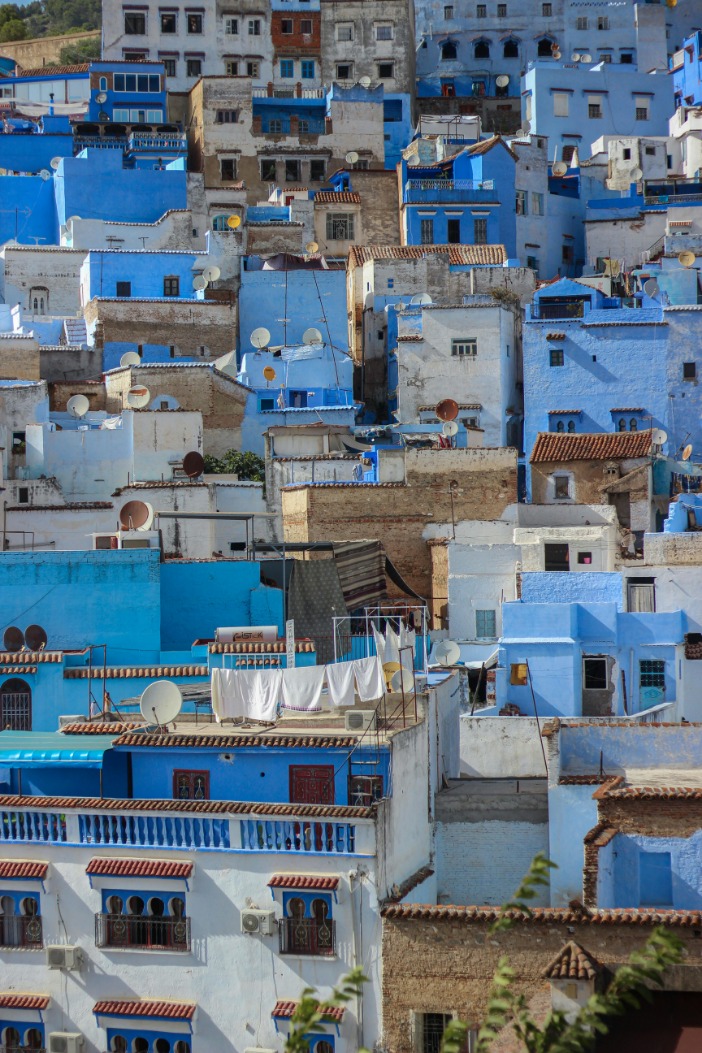
Chefchaouen, renowned for its vibrant blue streets and breathtaking landscapes, also boasts a rich culinary tradition rooted in unique herbal infusions. The region’s specialties often incorporate locally sourced herbs, which add distinctive flavors and health benefits to traditional Moroccan dishes. These herbal-infused recipes highlight the community’s deep connection to nature and their appreciation for aromatic, flavorful ingredients.
One of the most celebrated regional specialties is the herbal-infused tagine, where fresh herbs like mint, parsley, and cilantro are combined with meats or vegetables to create aromatic stews. Additionally, Chefchaouen’s herbal tea blends, infused with thyme, chamomile, and sage, are enjoyed daily and are believed to have soothing properties. These herbal infusions often accompany meals, enhancing both the taste and the wellness experience.
Other popular dishes include herbal-infused couscous topped with a mix of fresh herbs and vegetables, as well as traditional Moroccan salads seasoned with herb-infused oils and lemon. The use of herbs not only enriches flavor but also reflects the region’s commitment to preserving its natural heritage and promoting healthy living. These herbal-infused recipes make Chefchaouen a gastronomic destination for those eager to explore Morocco’s diverse culinary landscape rooted in nature’s bounty.



0 Comments