
Historical Significance of Ethiopia and Jesus
Ethiopia holds a profound historical significance as one of the oldest nations in Africa, renowned for its ancient civilizations and rich cultural heritage. Central to its religious history is the deep connection to Jesus Christ, which has shaped Ethiopian Christianity and contributed to unique traditions such as the Ethiopian Orthodox Church. This enduring relationship highlights Ethiopia’s important role in the history of Christianity and its influence on religious and cultural identities across the region.
Ancient Christian Roots in Ethiopia
Ethiopia holds a unique place in Christian history as one of the earliest nations to adopt Christianity as the state religion, dating back to the 4th century. This deep-rooted Christian heritage is exemplified by the ancient churches, monasteries, and traditions that have been preserved for centuries, highlighting Ethiopia’s significance in the spread of Christianity in Africa.
The historical significance of Ethiopia and Jesus is also reflected in the Ethiopian Orthodox Tewahedo Church, which regards the tradition that the Ark of the Covenant is housed in Ethiopia as sacred. This connection emphasizes Ethiopia’s divine role in biblical history and its enduring spiritual identity rooted in the teachings of Jesus Christ.
Ancient Christian roots in Ethiopia can be traced to the arrival of Christianity through Persian traders and Syrian missionaries, leading to the establishment of early Christian communities. The Coptic influence from Egypt further shaped Ethiopian Christianity, fostering a unique religious culture that persists today and underscores Ethiopia’s reputation as a cradle of African Christianity.
The Arrival of Christianity in Ethiopia
The historical significance of Ethiopia in relation to Jesus is profound, as it is traditionally believed to be one of the earliest regions to embrace Christianity. The arrival of Christianity in Ethiopia is attributed to the 4th century AD, when King Ezana of Axum converted to Christianity and declared it the state religion. This event marked Ethiopia as one of the first nations outside the Roman Empire to officially adopt Christianity, establishing a unique and enduring Christian tradition. The Ethiopian Orthodox Tewahedo Church has preserved ancient religious texts and practices, making Ethiopia a vital center for Christian heritage. The connection to Jesus is also symbolized through the revered Church of St. Mary of Zion, which is believed to house the Ark of the Covenant, further cementing Ethiopia’s significant role in the history of Christianity and its spiritual allure linked to Jesus Christ.
The Role of the Ethiopian Orthodox Tewahedo Church
Ethiopia holds a unique place in the history of Christianity, being one of the earliest countries to adopt the faith, with traditions dating back to the 4th century. The story of Jesus is deeply intertwined with Ethiopian history and identity, particularly through the legend of the Queen of Sheba and King Solomon, which symbolizes the divine origins of the Ethiopian royal lineage. The Ethiopian Orthodox Tewahedo Church, an ancient Christian community, has played a crucial role in preserving this connection to Jesus through its liturgical traditions, sacred texts, and religious practices. The church’s emphasis on maintaining original Christian doctrines and its rich cultural heritage have made it a vital custodian of Ethiopia’s Christian legacy, fostering a distinctive religious and cultural identity. Religious sites such as Lalibela and Axum, believed to be linked to biblical events and the Ark of the Covenant, further highlight Ethiopia’s profound historical and spiritual relationship with Jesus. Overall, Ethiopia’s historical significance in Christianity and the role of the Ethiopian Orthodox Tewahedo Church underscore a deep-rooted reverence for Jesus that continues to influence the nation’s spiritual and cultural life today.
Religious Sites Depicting Jesus in Ethiopia
In Ethiopia, religious sites depicting Jesus Christ hold profound cultural and spiritual significance, reflecting the deep-rooted Christian traditions that date back centuries. These sacred landmarks, including ancient churches, monasteries, and icons, serve as vital centers of worship and pilgrimage for millions of believers. The artistic representations of Jesus in Ethiopian Christianity are renowned for their unique style and historical importance, offering a window into the nation’s rich religious heritage.
Church of St. George in Lalibela
The Church of St. George in Lalibela is one of Ethiopia’s most famous religious sites, renowned for its remarkable depiction of Jesus within its sacred architecture. Carved entirely out of solid rock, this 12th-century monastery is a UNESCO World Heritage site and a significant pilgrimage destination for Ethiopian Orthodox Christians. The church features intricate carvings and iconography portraying Jesus Christ, emphasizing his importance in Ethiopian religious art. Its unique design and spiritual significance make it a prominent symbol of Ethiopia’s deep Christian heritage and devotion to Jesus.
Axum Obelisks and Christian Symbols
In Ethiopia, religious sites depicting Jesus play a significant role in the country’s rich Christian heritage. The ancient city of Axum is renowned for its towering obelisks, which are not only architectural marvels but also symbolic of Ethiopia’s Christian history. The Obelisks of Axum are believed to be associated with the kingdom’s early Christian kings and serve as monuments to faith and sovereignty. Throughout Ethiopia, numerous churches and monasteries feature Christian symbols, including images and sculptures of Jesus Christ, highlighting the deep-rooted Christian tradition in the region. These sites and symbols reflect Ethiopia’s enduring devotion to Jesus, making the country a unique cradle of Christianity in Africa.
Golgotha Monastery
The Golgotha Monastery in Ethiopia is a revered religious site that holds profound significance for Ethiopian Orthodox Christians. It is believed to be a sacred place where depictions of Jesus Christ are prominently displayed, reflecting the deep-rooted Christian heritage of the country. The monastery features ancient icons and frescoes portraying the life, suffering, and resurrection of Jesus, serving as a spiritual focal point for pilgrims and visitors alike. These religious depictions are not only artistic expressions but also serve as a means of devotion, inspiring faith and reflection among the faithful. Ethiopia’s rich history of Christianity, dating back to the 4th century, is beautifully embodied in sites like Golgotha Monastery, making it an important landmark in the religious landscape of Ethiopia.
Jesus in Ethiopian Iconography and Art
Ethiopian iconography and art hold a profound and unique portrayal of Jesus Christ, reflecting the deep spiritual heritage and religious traditions of Ethiopia. Renowned for its distinctive style, vibrant colors, and symbolic imagery, Ethiopian Christian art has visually conveyed the life, teachings, and divine nature of Jesus for centuries. This rich artistic tradition plays a vital role in Ethiopian worship and cultural identity, making the depiction of Jesus a central and revered element within Ethiopian religious artistry.
Traditional Ethiopian Religious Paintings
In Ethiopian iconography and religious art, Jesus is depicted with profound reverence and distinctive stylistic features that reflect the country’s rich Christian heritage. Traditional Ethiopian religious paintings often portray Jesus with a regal and spiritual presence, highlighting his divine authority and compassionate nature. These icons typically feature Jesus with a halo, symbolizing his holiness, and often include intricate geometric patterns and vibrant colors that are characteristic of Ethiopian art. Ethiopian paintings emphasize frontal poses and expressive eyes, conveying a sense of direct connection and spiritual contemplation. Overall, Ethiopian iconography presents Jesus not only as a central figure of worship but also as a symbol of divine wisdom, mercy, and salvation, integral to the Ethiopian Orthodox Tewahedo Church’s religious identity.
Icons of Jesus in Ethiopian Churches
Ethiopian iconography and art hold a profound reverence for Jesus Christ, depicting him with distinctive stylistic features that reflect ancient traditions and theological significance. In Ethiopian churches, icons of Jesus are central to worship and are often portrayed in vibrant colors, embodying a sense of divine majesty and spiritual authority. These icons typically depict Jesus with a serene and majestic expression, often shown in a frontal pose, emphasizing his divine nature and eternal presence. Artistic elements such as intricate halos, symbolic gestures, and specific attire are used to convey his role as Savior and King. Ethiopian Christian art uniquely combines biblical symbolism with local artistic influences, creating a rich visual language that has been preserved for centuries. The icons serve not only as devotional images but also as didactic tools to teach the faithful about the life, ministry, and divinity of Jesus Christ. In Ethiopian churches, these icons are revered with deep respect, often placed in prominent positions within the sanctuary, guiding worshippers in their spiritual journey and reminding them of the central figure of their faith.
Significance of the Ark of the Covenant
Ethiopian iconography and art offer a profound depiction of Jesus Christ, emphasizing his divine nature and his integral role in Ethiopian Christian tradition. Icons often portray Jesus with distinct Ethiopian stylistic features, including elongated features, vibrant colors, and symbolic motifs that reflect the theological perspectives of the Ethiopian Orthodox Tewahedo Church. These artworks serve as both devotional objects and theological expressions, reinforcing the spiritual connection between believers and Christ.
The Ark of the Covenant holds immense significance in Ethiopian religious tradition, regarded as a sacred relic believed to reside in the Church of Our Lady Mary of Zion in Axum. According to Ethiopian tradition, the Ark was brought to Ethiopia by Menelik I, the son of King Solomon and the Queen of Sheba, symbolizing Ethiopia’s unique heavenly connection and divine right. The Ark is often depicted in religious art as a symbol of God’s divine presence, embodying the covenant between God and His people. Its spiritual importance underscores Ethiopia’s special status among Christian nations and highlights the deep reverence for divine truths embedded in Ethiopian Christianity.
Festivals and Celebrations Related to Jesus
Festivals and celebrations related to Jesus hold a special place in Ethiopian culture, reflecting the country’s deep-rooted Christian heritage. These events honor the life and teachings of Jesus Christ, bringing communities together in worship, prayer, and joyful festivities. Celebrating Jesus in Ethiopia often involves traditional rituals, colorful processions, and vibrant church services that showcase the nation’s devotion and faith.
Timket (Epiphany) Celebrations
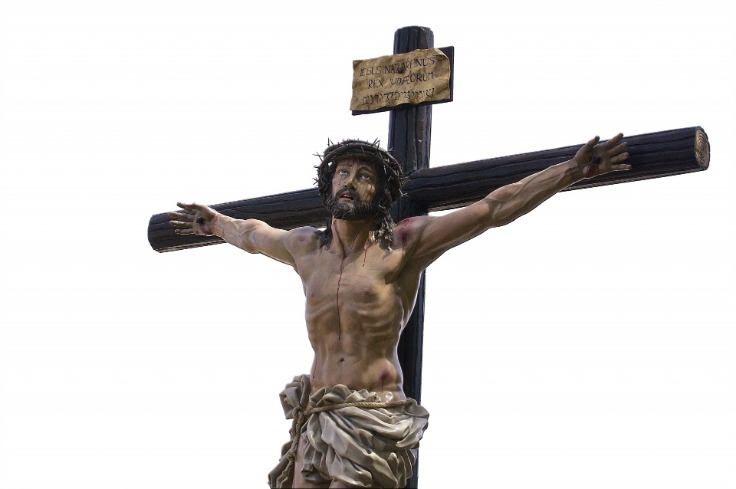
Festivals and celebrations related to Jesus hold a significant place in Ethiopian culture, reflecting deep religious devotion and historical tradition. Among these, Timket, also known as Epiphany, is one of the most important and widely celebrated events in Ethiopia, honoring the baptism of Jesus Christ in the River Jordan.
Timket celebrations usually take place on January 19th (or January 20th in leap years) and involve elaborate religious ceremonies, processions, and vibrant festivities across the country. It marks the manifestation of Christ to the world and signifies renewal and spiritual cleansing.
During Timket, Ethiopian Orthodox Christians carry replicas of the Ark of the Covenant, known as Tabots, to the surrounding churches, accompanied by priests and congregation singing and dancing. The colorful processions are often held outdoors, with participants dressed in traditional garments, and water blessings are performed to symbolize Jesus’ baptism and purification.
- Preparation: Weeks before Timket, churches and communities prepare elaborate decorations, religious icons, and sacred artifacts.
- Procession: On the day, clergy, choir groups, and congregants partake in processions, carrying Tabots to water bodies or designated sites for blessing.
- Blessings and Eucharist: The celebrations culminate in prayers, blessings, and communion services, emphasizing Jesus’ divine nature and role as the Savior.
- Community Festivities: After religious rites, communities often gather for feasts, music, dance, and social festivities, reinforcing communal bonds and faith.
Overall, Ethiopia’s festivals related to Jesus, particularly Timket, exemplify profound faith, cultural expression, and national identity intertwined with religious history and devotion.
Good Friday Observances
In Ethiopia, festivals and celebrations related to Jesus hold profound significance, reflecting the country’s rich Christian heritage. One of the most important observances is Good Friday, known locally as “Haneket likely,” which commemorates the crucifixion of Jesus Christ. During this solemn day, Ethiopian Orthodox Christians participate in church services that include prayers, fasting, and the veneration of the cross. Many believers also engage in processions and reenactments to honor the suffering and sacrifice of Jesus. The celebration fosters a deep spiritual reflection and unity among participants. Besides Good Friday, other festivities like Easter (Fasika) are celebrated with joyful church services, feasting, and communal gatherings, highlighting Ethiopia’s strong Christian traditions centered around Jesus Christ.
Christmas in Ethiopia
In Ethiopia, festivals and celebrations related to Jesus hold a special place in the hearts of the Ethiopian Orthodox Tewahedo Church community. Christmas, known locally as Gena, is one of the most important religious festivities celebrated on January 7th, following the Julian calendar. The celebration begins with fasting and prayer, leading to a vibrant nighttime church service where believers sing hymns and participate in processions. On Christmas day, families attend church services wearing traditional garments, and it is customary to share special meals and sweets with family and friends. The holiday emphasizes the birth of Jesus Christ and fosters a sense of community, faith, and cultural heritage throughout Ethiopia. These celebrations are marked by colorful processions, ringing of church bells, and joyful gatherings that reflect the deep spiritual significance of Jesus in Ethiopian tradition.
Theological Perspectives
Theological perspectives shape the way communities understand and interpret the divine, faith, and spiritual teachings. In the context of Ethiopia, these perspectives are deeply rooted in historical, cultural, and religious traditions that highlight the significance of Jesus Christ. Exploring Ethiopia’s unique religious landscape reveals a distinctive appreciation for Jesus, blending ancient beliefs with Christian doctrines that have been preserved for centuries. This article delves into the theological views surrounding Jesus in Ethiopia, shedding light on their spiritual and cultural importance.
The Concept of Miracles Associated with Jesus
The theological perspectives surrounding the concept of miracles associated with Jesus in Ethiopia highlight deep faith and spiritual significance within Ethiopian Christianity. Miracles attributed to Jesus are seen as divine affirmations of his divine nature and messianic mission, reinforcing the belief in his power to transcend natural laws. In Ethiopian Orthodox Tewahedo Church and other Christian traditions in Ethiopia, these miracles are celebrated as essential elements of faith, demonstrating God’s active presence in the world through Jesus. They serve as signs of divine authority and are often linked to themes of salvation, healing, and resurrection, emphasizing the hope and spiritual strength of the Ethiopian Christian community.
Jesus’ Role in Ethiopian Christian Doctrine
In Ethiopian Christian doctrine, Jesus is regarded as the central figure of salvation and divine incarnation. The Ethiopian Orthodox Tewahedo Church emphasizes the unique role of Jesus Christ as both fully divine and fully human, embodying God’s intention to reconcile humanity with Himself. The theology highlights the importance of Jesus’ life, death, and resurrection as the foundation of faith, emphasizing His role in redeeming mankind from sin. Additionally, Ethiopian tradition often interprets Jesus as the fulfillment of Old Testament prophecies, affirming His significance within the broader context of biblical theology. The veneration of Jesus is deeply integrated into daily worship, liturgy, and religious practices, reflecting His essential place in Ethiopian spiritual life and theological understanding.
Unique Ethiopian Biblical Interpretations
Theological perspectives within Ethiopia offer a rich tapestry of biblical interpretations that are deeply intertwined with the country’s unique religious history. Ethiopian Christianity, primarily represented by the Ethiopian Orthodox Tewahedo Church, holds distinct views on Jesus Christ that set it apart from other Christian denominations. These interpretations emphasize the incarnational nature of Christ, highlighting the divine and human aspects of Jesus in a way that underscores Ethiopia’s spiritual heritage.
One of the most notable unique Ethiopian biblical interpretations is the emphasis on the concept of “Tewahedo,” meaning “unity” or “being made one,” which reflects their view of the Jesus Christ’s nature as both fully divine and fully human. This understanding shapes their liturgical practices, theological outlook, and devotion, particularly in their veneration of the Holy Trinity and their perspective on salvation through Jesus. The Ethiopian Bible also includes books and texts that are not found in other Christian canons, enriching their theological landscape.
Furthermore, Ethiopian tradition often links the figure of Jesus directly to the origins of the Ethiopian identity, highlighting the narrative of Queen Sheba and King Solomon as part of their spiritual history. Such interpretations reinforce the belief that Ethiopia holds a special place in biblical history and in the divine plan involving Jesus Christ. Overall, Ethiopian biblical interpretations are characterized by their depth of symbolism, historical continuity, and a profound sense of national and spiritual identity centered around Jesus.
Modern Significance of Jesus in Ethiopia
The modern significance of Jesus in Ethiopia is deeply rooted in the country’s rich religious history and cultural identity. As one of the earliest nations to adopt Christianity, Ethiopia holds a special place in the global Christian community, with many viewing Jesus Christ as a symbol of faith, unity, and national pride. The Ethiopian Orthodox Church continues to celebrate and honor Jesus through various traditions, unwavering devotion, and influential religious practices that shape the spiritual life of millions today.
Religious Pilgrimages and Tourism
The modern significance of Jesus in Ethiopia is deeply rooted in the country’s religious history and cultural identity. As one of the oldest Christian civilizations, Ethiopia holds a unique place in Christian heritage, with traditions that emphasize the divine connection to Jesus Christ. The belief that the Ark of the Covenant resides in Ethiopia further amplifies the nation’s spiritual importance and reverence for Jesus. This enduring faith continues to influence social, cultural, and religious practices across the country today.
Religious pilgrimages and tourism related to Jesus in Ethiopia have become vital aspects of cultural exchange and spiritual expression. Pilgrims from around the world visit Ethiopia to see sacred sites associated with Jesus, such as Lalibela’s rock-hewn churches and the monasteries on Mount Athos, which are believed to be imbued with divine presence. These journeys not only promote religious devotion but also foster international understanding and economic growth through tourism.
- Visits to Lalibela: Home to the legendary Jesus-related rock-hewn churches, attracting pilgrims seeking divine blessings.
- Travel to Mount Athos Monasteries: Known for their historic Christian relics and spiritual significance tied to Jesus Christ.
- Celebration of Religious Festivals: Such as Timket (Epiphany) and Fasika (Easter), which draw large numbers of worshippers eager to express their faith publicly.
- Tourism Infrastructure Development: Increased investments in hospitality and transport facilitate easier access to sacred sites, boosting local economies.
Interfaith Relations and Influences
The modern significance of Jesus in Ethiopia is profound, deeply rooted in the country’s religious and cultural identity. As a nation with one of the earliest Christian civilizations, Ethiopia views Jesus Christ as a central figure of faith, symbolizing divine authority and spiritual heritage. The Ethiopian Orthodox Tewahedo Church emphasizes the veneration of Jesus, celebrating key events from his life through various religious festivals and rituals that continue to shape Ethiopian spiritual life today.
Interfaith relations in Ethiopia are marked by a tradition of coexistence and mutual respect among Christianity, Islam, and other faiths. This harmonious relationship reflects Ethiopia’s historical commitment to religious diversity, fostering dialogue and cooperation among different communities. The shared reverence for Jesus among Christians and respect for Islamic traditions contribute to social stability and national unity, emphasizing Ethiopia’s role as a beacon of religious tolerance.
Jesus has also influenced Ethiopian culture, arts, and societal values. From religious music and iconography to ethical teachings emphasizing compassion and justice, his impact permeates everyday life. The veneration of Jesus continues to inspire social movements and educational efforts, strengthening Ethiopia’s spiritual resilience and cultural identity in the modern era. Overall, Jesus remains a vital spiritual figure whose influence transcends religious boundaries, shaping Ethiopia’s collective history and ongoing pursuit of harmony and faith.
Challenges and Preservation of Christian Heritage
The modern significance of Jesus in Ethiopia is deeply rooted in the country’s Christian heritage, particularly within the Ethiopian Orthodox Tewahedo Church, where Jesus is revered as a central figure of faith and identity. For Ethiopians, Jesus represents spiritual salvation, cultural pride, and national unity, symbolized by the legendary Ark of the Covenant held in the Church of St. Mary of Zion. His teachings continue to influence Ethiopian society, guiding moral values and community life.
However, Ethiopia faces several challenges in preserving its Christian heritage. Encroaching secularism, modernization, and political instability threaten ancient religious sites and traditional practices. Additionally, the globalization of culture has led to the erosion of indigenous faith customs, risking the loss of unique religious identities.
Efforts to preserve Ethiopia’s Christian heritage involve safeguarding historic churches, monasteries, and artifacts, as well as promoting religious education and cultural awareness. International cooperation, combined with local commitment, plays a crucial role in ensuring that Ethiopia’s rich Christian history, especially the veneration of Jesus, remains a vital part of its national identity for future generations.




0 Comments