
Current Travel Advisory Status in Egypt
Egypt’s current travel advisory status provides important information for travelers considering a visit to this historic destination. While Egypt remains a popular destination for its ancient monuments and vibrant culture, travelers should stay informed about safety conditions and government recommendations. Understanding the latest travel warnings can help ensure a safe and enjoyable trip to this captivating country.
Overview of Government Alerts
Egypt’s current travel advisory status indicates that travelers should exercise caution due to ongoing security concerns in certain regions. The government has issued alerts highlighting areas where protests, unrest, or criminal activities may pose risks to visitors.
Most of the major tourist destinations such as Cairo, Luxor, and Aswan remain generally safe for tourists, but travelers are advised to stay updated on local advisories and avoid travel to remote or sensitive border areas. It is recommended to remain vigilant, follow guidance from local authorities, and keep abreast of the latest news before planning their trip. Overall, while Egypt continues to welcome tourists, awareness and precaution are advised to ensure a safe and enjoyable visit.
Recent Updates and Changes
As of the latest update, Egypt remains a popular destination for travelers, but visitors should stay informed about the current travel advisory status. Authorities continue to monitor security conditions and issue guidance accordingly to ensure tourist safety.
Recent updates indicate that most regions in Egypt are considered safe for tourists, with heightened security measures in major cities and tourist sites. Nonetheless, travelers are advised to avoid certain areas near border zones and regions experiencing unrest or heightened tensions. The Egyptian government has occasionally updated travel advisories to reflect changes in security conditions, emphasizing the importance of checking official sources before planning a trip.
Overall, Egypt has implemented measures to enhance safety in key tourist destinations such as Cairo, Luxor, and Aswan, including increased police presence and surveillance. Travelers should stay updated through official government travel advisories and exercise standard precautions, especially when venturing outside popular tourist areas.
Safety Concerns and Risks
Traveling to Egypt offers a fascinating journey through ancient history and vibrant culture, but it is essential to be aware of safety concerns and risks to ensure a secure trip. Understanding the potential dangers and taking appropriate precautions can help travelers enjoy their experience while staying safe. This article highlights key safety considerations and travel warnings to keep in mind when visiting Egypt.
Political Stability and Civil Unrest
Travel to Egypt involves certain safety concerns and risks that visitors should carefully consider before planning their trip. Potential hazards include political instability, civil unrest, and limited access to certain areas, which can pose threats to personal safety. Travelers are advised to stay informed about current conditions and heed the guidance of local authorities and travel advisories.
Political stability in Egypt has experienced fluctuations in recent years, and protests or demonstrations can sometimes occur unexpectedly. These events may lead to road closures, heightened security measures, or disruptions to daily activities. Civil unrest, although generally localized, can escalate quickly, so it is important for travelers to remain vigilant and avoid areas where demonstrations are taking place.
Given these risks, it is essential for visitors to review official travel warnings, maintain awareness of their surroundings, and adhere to safety recommendations provided by local officials and international travel organizations. Ensuring personal safety and being prepared for potential disturbances are key components of a secure and enjoyable trip to Egypt.
Threat of Terrorism and Violent Incidents
Travel to Egypt requires careful attention to safety concerns related to terrorism and violent incidents. While many areas in Egypt are generally safe for tourists, there is an ongoing threat of terrorist activities and unpredictable violence in certain regions, particularly near border areas and locations with high political activity. Travelers should stay informed about current security advisories and avoid crowded or politically sensitive sites.
Incidents of terrorism, including bombings, shootings, and raids, have historically targeted public places, government buildings, and tourist attractions. Such attacks pose significant risks to visitors, making it essential to exercise heightened vigilance and implement recommended safety measures. Local authorities often increase security in popular tourist destinations, but the threat persists.
It is advisable for travelers to monitor official travel warnings, remain aware of their surroundings, and adhere to guidance from local security agencies. Registering with embassies or consulates and avoiding large gatherings or demonstrations can help mitigate potential risks. Taking these precautions can enhance safety while exploring Egypt’s rich cultural heritage and historical sites.
Crime Rates and Criminal Activities
Traveling to Egypt requires awareness of safety concerns and potential risks associated with crime and criminal activities. While many tourists visit Egypt without incident, certain areas may experience higher crime rates, including petty theft, scams, and occasionally more serious crimes. Travelers should exercise caution, especially in crowded places, markets, and remote regions, and stay vigilant about their belongings.
Crime rates in Egypt can vary significantly depending on the location. Urban centers like Cairo and Alexandria tend to have higher incidences of crime such as pickpocketing and scams targeting tourists. In contrast, some tourist attractions and resort areas generally maintain a safer environment with enhanced security measures in place.
It is important to stay informed about current security advisories issued by official government sources before and during travel. Travelers are advised to avoid demonstrations, political gatherings, and areas with heightened security risks. Additionally, maintaining a low profile, avoiding ostentatious displays of wealth, and following local laws can significantly reduce the risk of becoming a victim of crime while visiting Egypt.
Border Security and Cross-Border Travel Risks
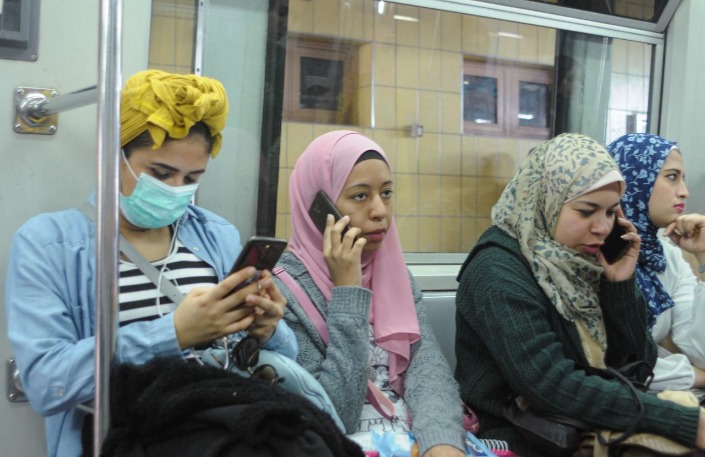
Traveling to Egypt involves certain safety concerns and risks that travelers should be aware of before planning their trip. Political instability and regional conflicts can impact security, leading to sudden changes in the safety landscape. Crime rates, including petty theft and scams, are present in some areas, particularly in crowded tourist sites and urban centers. Additionally, travelers should exercise caution when using public transportation and avoid isolated areas at night to reduce potential risks.
Border security measures in Egypt are strict, with enhanced checks at land crossings and airports. Travelers must ensure they carry all necessary documentation, including valid visas and identification, to avoid delays or denial of entry. Cross-border travel, especially to neighboring countries, may be affected by ongoing conflicts or diplomatic issues, which can limit access or pose additional safety risks. It is advisable to stay informed about current developments and follow guidance from official sources to ensure a safe and secure visit to Egypt.
Health and Medical Precautions
When traveling to Egypt, it is essential to prioritize health and safety by following recommended medical precautions. Being aware of necessary vaccinations, carrying personal medications, and understanding local health guidelines can help ensure a safe and enjoyable trip. Staying informed about potential health risks and preventive measures is crucial for a smooth travel experience in the region.
Covid-19 Restrictions and Protocols
Traveling to Egypt requires adherence to health and safety protocols to ensure a secure visit. It is important to stay updated on Covid-19 restrictions, including entry requirements such as vaccination proof or negative test results. Visitors should follow local health guidelines, including wearing masks in crowded places, practicing good hand hygiene, and maintaining social distancing where possible. Screening procedures at airports and public transportation may be in place to reduce the spread of the virus. Travelers are advised to consult official government travel advisories and health authorities regularly prior to departure. Additionally, it is recommended to carry personal protective equipment and stay informed about the latest Covid-19 developments to prevent any health risks during the trip to Egypt.
Medical Facility Reliability and Access
When traveling to Egypt, it is essential to prioritize health and medical precautions to ensure a safe journey. Travelers should stay updated on recommended vaccinations such as hepatitis A and B, typhoid, and rabies, and carry necessary medications, including those for diarrhea or altitude sickness. Drinking bottled or boiled water and avoiding raw foods can help prevent gastrointestinal illnesses. In case of emergencies, knowing the location and contact information of nearby medical facilities is crucial.
Egypt has a range of medical facilities, from government hospitals to private clinics, but the quality and availability of care can vary significantly based on the region. Major cities like Cairo and Alexandria typically have better-equipped hospitals and international standard clinics, while rural areas may have limited medical infrastructure. It is advisable for travelers to have comprehensive travel insurance that covers medical expenses and evacuation if needed.
Access to reliable medical services may be challenging outside urban centers, particularly in remote or desert regions. It is recommended to carry a basic first aid kit and necessary personal medical supplies. Travelers should also be aware of potential delays or shortages in medical supplies and expertise, emphasizing the importance of planning ahead and seeking facilities with good reputation and proper accreditation. Staying informed about local health advisories and maintaining good hygiene practices will contribute to a safer trip in Egypt.
Vaccination and Health Advice
When traveling to Egypt, it is essential to prioritize health and safety. Ensuring you are up-to-date with recommended vaccinations can protect you from common diseases such as hepatitis A and B, typhoid, and tetanus. It is advisable to consult a healthcare professional before your trip to receive personalized medical advice and any additional vaccinations needed based on your itinerary and health status.
Practicing good hygiene, such as frequent handwashing with soap and bottled water consumption, can help prevent illness. Avoid consuming raw or undercooked foods and ensure fruits and vegetables are thoroughly washed or peeled. Be cautious with street food to reduce the risk of gastrointestinal infections.
Travelers should also carry any necessary medications, including those for chronic conditions or travel-related illnesses. Use insect repellent to protect against mosquito bites, which can transmit diseases like malaria and dengue fever. Additionally, wearing long sleeves and sleeping under insect nets may be advisable in certain areas.
Stay informed about local health advisories and register with your embassy if necessary. By taking these precautions, travelers can better enjoy their trip while minimizing health risks in Egypt.
Travel Restrictions and Entry Requirements
Travel restrictions and entry requirements are important considerations for visitors planning to explore Egypt. Staying informed about current regulations ensures a smooth and safe journey, helping travelers understand visa procedures, health protocols, and security guidelines. Being aware of these factors can enhance the overall travel experience and provide peace of mind while visiting this historic and vibrant destination.
Visa Policies and Documentation
Travel to Egypt requires travelers to be aware of specific entry requirements, visa policies, and documentation necessary for a smooth visit. Visitors should stay informed about current regulations to ensure compliance and avoid any entry issues.
- Visa Policy: Most travelers need to obtain a visa prior to arrival or upon arrival at major entry points such as airports and land borders. Certain nationalities may be eligible for eVisa or visa-on-arrival; however, it is essential to verify eligibility depending on your country of residence.
- Required Documentation: A valid passport with at least six months of remaining validity is mandatory. Travelers should also have proof of onward or return travel and, in some cases, hotel reservations or invitation letters.
- Travel Restrictions: Due to ongoing security concerns and health precautions, some areas of Egypt may be restricted or subject to travel advisories. It is advised to consult official government travel warnings before planning your trip.
- Health and Safety Regulations: Travelers may need to present COVID-19 vaccination certificates or negative test results, depending on current health policies. Be prepared for possible health screening upon entry.
Always check with official government sources or your local embassy for the latest updates on visa requirements, entry restrictions, and safety advisories before traveling to Egypt.
Travel Bans and Quarantine Measures
Travel restrictions and entry requirements for Egypt are subject to change based on the global health situation and government policies. Travelers should stay informed about the latest updates before planning their trip. Currently, travelers may need to present proof of vaccination, a negative COVID-19 test result, or undergo quarantine upon arrival, depending on their vaccination status and country of origin.
Egypt has implemented travel bans and entry restrictions for travelers from certain regions to control the spread of COVID-19. These bans may be lifted or reintroduced as the situation evolves, so it is essential to consult official government sources or embassies for the most recent information.
Quarantine measures upon arrival vary, with some travelers required to quarantine in designated facilities or at their accommodation for a set period. The requirements can depend on the traveler’s health status, recent travel history, and vaccination documentation. It is advisable to verify the current regulations before departure and prepare accordingly to ensure compliance and a smooth entry into Egypt.
Restricted Areas and Zones to Avoid
Travel restrictions and entry requirements in Egypt can vary depending on the current security situation and geopolitical considerations. It is essential for travelers to stay informed about visa regulations, ongoing health protocols, and any specific documentation needed prior to arrival. Certain areas may have heightened security measures or entry bans due to local conflicts or safety concerns.
Restricted areas and zones to avoid in Egypt include regions with active protests, military zones, and locations near border areas such as parts of the Sinai Peninsula. Visitors should exercise caution and adhere to local advisories, as some territories may be off-limits for tourists for safety reasons. Consulting official government travel advisories and local authorities before planning visits to specific locations is highly recommended to ensure a safe and compliant trip.
Transportation Safety
Transportation safety is a vital aspect to consider when planning travel, especially in regions with unique infrastructure and traffic conditions. Ensuring safe modes of transportation helps protect travelers and enhances their overall experience. When it comes to Egypt, understanding the current travel warnings related to transportation is essential for making informed decisions and ensuring a smooth and secure journey across the country.
Air Travel Considerations
When traveling to Egypt, it is essential to consider transportation safety and air travel considerations to ensure a smooth journey. Travelers should stay informed about the latest travel advisories and assessments of safety related to air travel routes and airports. It is recommended to book flights with reputable airlines that adhere to international safety standards and to arrive early at airports to accommodate security procedures. During transit within Egypt, using authorized transportation services such as registered taxis or arranged transfers can reduce risks. Additionally, travelers should remain vigilant of their surroundings, follow local guidance, and keep personal belongings secure to enhance their safety. Being well-prepared and aware of current conditions can significantly contribute to a safer travel experience in Egypt.
Road Conditions and Driving Safety
Traveling in Egypt requires careful attention to transportation safety, road conditions, and driving practices to ensure a secure journey. The country’s diverse environments, from bustling cities to remote deserts, pose unique challenges that travelers must understand and prepare for. Being informed about local traffic rules and road conditions can significantly reduce the risk of accidents and ensure a smoother travel experience.
In Egypt, road conditions can vary widely depending on the region. While major highways connecting cities like Cairo, Alexandria, and Luxor are generally well-maintained, rural and desert roads may be less developed, with uneven surfaces and limited signage. Poor lighting, erratic driving behaviors, and the presence of informal or unregulated vehicles can further complicate travel, especially at night.
To enhance safety when driving in Egypt, travelers should adhere to local traffic laws, such as wearing seat belts, avoiding aggressive driving, and not using mobile phones while driving. It is advisable to rent vehicles from reputable agencies and consider hiring a local driver if unfamiliar with regional driving habits. Always keep emergency contacts handy and stay updated on current road conditions and travel advisories.
- Ensure your vehicle is in good condition before embarking on long journeys.
- Avoid driving after sunset in unfamiliar or remote areas due to poor lighting and road conditions.
- Be cautious of local driving behaviors, which may differ from your home country, including sudden lane changes and informal traffic controls.
- Stay informed about travel warnings and weather conditions that could impact road safety, such as sandstorms or heavy rains.
- Always carry necessary documentation, including a valid driver’s license, insurance, and local permission if required.
Public Transportation Security
Transportation safety and public transportation security are crucial factors to consider when traveling to Egypt. Ensuring the safety of travelers involves rigorous security measures such as surveillance, baggage screening, and personnel training at major transit hubs like Cairo International Airport and metro stations. Public transportation systems are continually monitored to prevent threats and enhance passenger safety. Travelers are advised to remain vigilant, follow local security protocols, and stay updated with travel advisories issued by authorities. Maintaining a high standard of transportation security helps reassure visitors and promotes confidence in Egypt’s travel infrastructure, making it a safer destination for tourists.
Accommodation and Local Customs
When traveling to Egypt, understanding local customs and choosing suitable accommodation can greatly enhance your experience and ensure a respectful visit. Being aware of cultural norms helps in interacting harmoniously with residents, while selecting appropriate lodging options provides comfort and convenience during your stay. Familiarizing yourself with these aspects is essential for a safe and enjoyable journey in Egypt.
Safety of Hotels and Lodging
When traveling to Egypt, it is important to consider accommodation options and familiarize yourself with local customs to ensure a smooth experience. Many hotels and lodgings in Egypt range from luxury resorts to budget hostels, and staying in reputable establishments can enhance your safety and comfort. Always verify the safety standards and read reviews before booking. Respect local customs and etiquette, such as dress codes and social behavior, to show cultural sensitivity and avoid misunderstandings. In terms of safety, choose accommodations in well-known areas and inquire about security measures. Keeping your valuables secure and being cautious about your surroundings can help ensure a safe stay during your visit to Egypt.
Behavior and Cultural Sensitivity
When traveling in Egypt, it is important to respect local customs and traditions to ensure a positive experience. Dress modestly, especially when visiting religious sites, covering shoulders and knees as a sign of respect. It is customary to greet others with polite gestures and to avoid public displays of affection, which are considered inappropriate in Egyptian culture. Being aware of local etiquette helps in building respectful interactions and avoiding misunderstandings.
Behavior that demonstrates cultural sensitivity is highly valued in Egypt. Always ask for permission before photographing people, particularly in rural areas or within markets. When visiting mosques or religious sites, remove your shoes and follow any specific guidelines provided. Tipping is a common practice in Egypt; small tips for service providers such as waitstaff, guides, and hotel staff are appreciated. Maintaining respectful behavior and showing understanding of local customs enhances safety and fosters a more enriching travel experience in Egypt.
Emergency Contacts and Resources
When traveling in Egypt, it’s essential to be prepared for emergencies by having access to reliable contacts and resources. Knowing how to reach emergency services, medical facilities, and local authorities can ensure safety and peace of mind during your trip. Familiarizing yourself with these important contacts can help you respond quickly and effectively in unforeseen situations.
Embassy and Consulate Information
When traveling to Egypt, it is essential to have access to emergency contacts and resources to ensure safety and assistance if needed. Make sure to note down local emergency numbers such as police, medical services, and fire department before your trip. It is also advisable to register with your country’s embassy or consulate upon arrival, so they can assist you in case of emergencies or if your travel plans change unexpectedly.
Identify the contact details for your nation’s embassy or consulate in Egypt. These offices can provide valuable support, including consular services, safety advisories, and assistance with lost passports or emergencies. Keep these contacts readily accessible, and consider saving them in your mobile device along with local emergency numbers and important addresses.
Stay informed about safety advisories issued by your government regarding travel to Egypt. Regularly check updates from your embassy or consulate, especially in case travel warnings are in effect or if there are specific incidents that could impact visitors. Being prepared and aware can make your trip safer and more enjoyable amidst any travel warnings or advisories.
Local Emergency Services
When traveling to Egypt, it is crucial to be aware of emergency contacts and local emergency services to ensure safety and quick assistance if needed. Familiarize yourself with the nearest police stations, hospitals, and fire departments in your area or places you plan to visit. Keep a list of important phone numbers readily accessible, including emergency services, your country’s embassy or consulate, and local medical facilities.
In case of an emergency in Egypt, dial 999 for police, fire, and ambulance services. The Egyptian Ministry of Health operates various hospitals and clinics across the country that can provide medical assistance. It is also advisable to register your travel plans with your embassy or consulate, which can offer support and guidance during emergencies. Staying informed about local safety advisories and official travel warnings can significantly contribute to a safe and smooth trip to Egypt.
Travel Insurance Recommendations
When traveling to Egypt, it is essential to have up-to-date emergency contacts and resources readily available. Keep a list of local emergency numbers, such as police, medical assistance, and your country’s embassy or consulate. It is also advisable to have digital copies of important documents, including passports, travel insurance, and emergency contacts.
Travel insurance is highly recommended for Egypt trips to cover unforeseen events such as medical emergencies, trip cancellations, or lost belongings. Choose a policy that includes comprehensive medical coverage and emergency evacuation services. Review the policy details carefully to ensure it meets the specific requirements of your travel, and keep your insurance information accessible during your stay.

0 Comments