
Historical Background of Lalibela Churches
The Lalibela Churches, located in Ethiopia, are a remarkable group of monolithic rock-cut structures renowned for their historical and religious significance. Carved entirely out of volcanic rock in the 12th century, these churches were constructed under the guidance of King Lalibela, who sought to create a spiritual haven for Ethiopian Orthodox Christians. Over centuries, they have become a symbol of faith, resilience, and artistic achievement, attracting pilgrims and visitors from around the world.
Origins and Historical Significance
The Lalibela Churches, also known as the Rock-Hewn Churches of Lalibela, are a remarkable testament to Ethiopia’s rich religious and cultural history. Carved entirely out of solid volcanic rock in the 12th century, these churches were commissioned by King Lalibela, who sought to establish a spiritual center for Ethiopian Orthodox Christians. The construction of the churches is believed to have been inspired by a divine vision, with the aim of creating a “New Jerusalem” in Ethiopia as a sanctuary for pilgrims unable to visit the Holy Land. Historically, Lalibela served as a significant religious hub, attracting pilgrims from across Ethiopia and beyond, contributing greatly to its spiritual and cultural heritage. The site’s architecture and religious significance have earned it UNESCO World Heritage status, symbolizing Ethiopia’s deep-rooted Christian tradition and architectural ingenuity. Today, the Lalibela Churches stand as a symbol of Ethiopia’s enduring faith and historical resilience, offering insights into the country’s medieval history and religious devotion.
The Legend of King Lalibela
The Lalibela Churches in Ethiopia are a remarkable example of medieval Christian architecture, deeply rooted in the country’s religious and cultural history. These rock-hewn structures are believed to have been constructed during the 12th and 13th centuries and are considered one of the greatest religious sites in Africa. Their creation is intertwined with legends and historical narratives that highlight Ethiopia’s rich Christian heritage.
According to legend, King Lalibela, a devout Christian ruler, was divinely inspired to create a new Jerusalem in Ethiopia to serve as a spiritual center and pilgrimage site. It is said that King Lalibela received visions from God instructing him to build these churches, which he undertook with the help of angels. The churches were carved directly out of solid volcanic rock, showcasing extraordinary craftsmanship and religious devotion.
- The legend of King Lalibela depicts him as a ruler who was deeply religious and sought to establish a sacred place for Ethiopian Christians, especially after their faith faced persecution and hardship.
- Many stories suggest that Lalibela’s construction of the churches was guided and supported by divine intervention, with angels helping to complete the monumental task.
- The city and its churches became a major pilgrimage site, symbolizing Ethiopia’s spiritual strength and religious independence through centuries of historical upheaval.
Construction Period and Medieval Context
The Lalibela Churches in Ethiopia are a remarkable testament to medieval Ethiopian Christianity and its architectural ingenuity. These rock-hewn structures were carved directly out of volcanic tuff during the late 12th and early 13th centuries, a period marked by significant religious and political developments in Ethiopia. The construction of these churches is traditionally attributed to King Lalibela, who reigned during this time and sought to create a spiritual center that would serve as a “New Jerusalem” for Ethiopian Christians, especially as a response to the Muslim conquests that limited access to other Christian holy sites. The medieval context of Ethiopia at that time was characterized by a robust Christian culture, powerful monarchs supporting religious establishments, and a desire to establish a unifying spiritual and political identity. The churches’ construction reflects the technological and artistic capabilities of the period, showcasing intricate rock-carving techniques and architecture that have endured for centuries as a symbol of Ethiopian faith and resilience.
Architectural Features of Lalibela Churches
The Lalibela Churches in Ethiopia are renowned for their remarkable architectural features that showcase the ingenuity and spiritual devotion of their creators. Carved entirely from solid rock, these remarkable structures exemplify medieval religious architecture, blending functionality with artistry. Their intricately designed facades, tunnels, and prayer halls reflect a deep connection to Ethiopian Christian traditions and symbolize a sacred landscape carved by faith and craftsmanship.
Design and Layout of the Churches
The Lalibela Churches in Ethiopia are renowned for their unique architectural features that reflect a blend of religious symbolism and traditional Ethiopian craftsmanship. These rock-hewn structures are carved entirely from solid volcanic rock, showcasing extraordinary engineering skills. The design of the churches is characterized by monolithic forms, with some structures shaped like cross and cruciform designs, emphasizing their spiritual significance. The layout consists of eleven monolithic and subterranean churches interconnected by a complex network of tunnels, trenches, and courtyards, creating a sacred city that functions both as a place of worship and pilgrimage. Many of the churches feature intricate facades, carved iconography, and detailed reliefs that depict biblical scenes and saints. The axial planning and integration with the natural landscape give the Lalibela churches a harmonious and timeless appearance, making them a remarkable example of Ethiopian ecclesiastical architecture.
Construction Techniques and Materials
The Lalibela Churches in Ethiopia are renowned for their unique architectural features that blend religious symbolism with innovative engineering. Carved directly from volcanic rock, these monolithic structures showcase a remarkable level of craftsmanship and spiritual design, representing a miraculous achievement in medieval architecture. The churches are interconnected through a complex system of tunnels, passageways, and courtyards, reflecting their function as a sacred pilgrimage site.
Construction techniques employed in the Lalibela Churches primarily involve excavating solid rock to create free-standing structures, which are hollowed out and shaped with precise detail. Skilled artisans used simple tools like chisels and hammers to carve the stone, demonstrating advanced understanding of structural stability and aesthetics. The carving process often involved removing large quantities of rock to produce the lush and detailed facades, doors, and windows that characterize these sacred sites.
Materials used in the construction of the Lalibela Churches are predominantly volcanic tuff and basalt, readily available from the surrounding volcanic landscape. These materials were chosen for their ease of carving and durability, ensuring that the churches could withstand the test of time and environmental conditions. The use of local volcanic rock not only facilitated the construction process but also contributed to the distinctive appearance of the entire complex, making it a remarkable example of indigenous architectural ingenuity in Ethiopia.
Iconography and Artistic Elements
The Lalibela Churches in Ethiopia are renowned for their extraordinary architectural features, intricate iconography, and artistic elements that exemplify medieval Ethiopian Christianity. These monolithic structures, carved directly out of solid rock, reflect a unique fusion of spiritual symbolism and engineering prowess. Their design incorporates interconnected tunnels, underground passages, and cross-shaped layouts that serve both religious and practical purposes, creating a sacred landscape that has been preserved for centuries.
- Carved from solid volcanic rock: The churches are monolithic, meaning they are excavated from a single piece of rock, showcasing exceptional craftsmanship.
- Cross-shaped plans: Many of the churches feature cross-shaped layouts that symbolize Christian faith.
- Complex tunnel systems: Connected pathways and underground chambers facilitate processions and religious ceremonies.
- Unique geocentric orientation: The structures are aligned with geographical and spiritual directions, enhancing their sacred significance.
- Use of natural materials: The artistry integrates plain stone surfaces with decorative elements like window tracery and carved pillars.
- Religious iconography: Frescoes and carved images depict saints, biblical scenes, and symbols that elucidate spiritual teachings.
- Decorative carvings: Elaborate motifs, including floral and geometric patterns, adorn the surfaces of the churches.
- Symbols of Ethiopian Christianity: Iconography frequently features Ethiopian crosses, halos, and other culturally specific religious symbols.
- Artistic inscriptions: Carved inscriptions in Ge’ez script convey religious texts and historical information.
- Integration of functional and aesthetic elements: Artistic details are intertwined with structural features, emphasizing both utility and spiritual expression.
Religious and Cultural Importance
The Lalibela Churches in Ethiopia hold profound religious and cultural significance, serving as a testament to the nation’s rich spiritual heritage. These ancient rock-hewn structures are not only places of worship but also symbolize the enduring faith and historical identity of the Ethiopian Orthodox Tewahedo Church. Their intricate design and historical importance attract pilgrims and visitors from around the world, highlighting Ethiopia’s deep-rooted religious traditions and cultural pride.
Role in Ethiopian Christianity
The Lalibela Church in Ethiopia holds profound religious and cultural significance, serving as a sacred pilgrimage site for Ethiopian Orthodox Christians and a symbol of national heritage. Its unique architecture and historical importance reflect the deep spiritual roots and artistic traditions of Ethiopian Christianity.
- It is considered one of the holiest sites in Ethiopian Orthodoxy, believed to be a representation of Jerusalem on earth.
- The churches serve as active places of worship, hosting religious ceremonies, pilgrimages, and festivals, especially during Ethiopian Orthodox Holy Days.
- The site reinforces the cultural identity of Ethiopia, showcasing ancient Christian practices and architectural ingenuity.
- Lalibela is a UNESCO World Heritage Site, highlighting its importance as a cultural treasure and religious monument.
- The churches symbolize Ethiopia’s resilience and dedication to Christianity, being built during the 12th and 13th centuries under King Lalibela’s reign.
Pilgrimage and Religious Festivals
The Lalibela Churches in Ethiopia hold immense religious and cultural significance, serving as a vital pilgrimage site for millions of Ethiopian Orthodox Christians. These sacred structures are believed to be a wonder of faith and devotion, illustrating the deep spiritual heritage of the region. The churches are not only places of worship but also symbols of Ethiopia’s rich history and religious identity.
Throughout the year, Lalibela hosts numerous religious festivals that attract pilgrims from across the country and beyond. These festivals serve as a time for communal prayer, celebration, and reaffirmation of faith. Visitors and pilgrims participate in various rituals and processions, creating a vibrant display of spiritual devotion and cultural tradition.
- Timket Festival: Celebrated around Epiphany, this festival commemorates the baptism of Jesus Christ and features water ceremonies, processions, and Eucharistic celebrations at Lalibela’s churches.
- Ghewane Festival: A unique festival where clergy and pilgrims gather to pray and sing hymns, emphasizing the sanctity of the churches and strengthening community bonds.
Preservation of Ancient Christian Traditions
The Lalibela Churches in Ethiopia hold profound religious and cultural significance, serving as a sacred pilgrimage site for Orthodox Christians. These rock-hewn structures are not only religious symbols but also embody the rich spiritual traditions that have been preserved for centuries. The churches are a testament to Ethiopia’s ancient Christian heritage, showcasing unique architectural styles and theological practices that have remained largely unchanged over generations.
Preservation of these ancient Christian traditions is central to maintaining Ethiopia’s cultural identity. The Lalibela Churches continue to function as active places of worship, tradition, and community gathering, ensuring that religious rites, festivals, and rituals are passed down through generations. Efforts to conserve the site help protect its historical integrity, allowing future generations to experience and honor their spiritual and cultural legacy.
Through their continued use and careful preservation, the Lalibela Churches serve as vital links to Ethiopia’s Christian past, fostering a sense of identity, faith, and unity among believers. They symbolize resilience and devotion, inspiring both local communities and visitors worldwide to appreciate and uphold the enduring traditions of Ethiopian Christianity.
UNESCO World Heritage Site Status
The UNESCO World Heritage Site status is a recognition awarded to places of outstanding cultural or natural significance worldwide. Lalibela, Ethiopia, is renowned for its extraordinary rock-hewn churches that symbolize faith, history, and architectural ingenuity. Designated as a World Heritage Site, Lalibela attracts visitors and scholars alike, highlighting its importance in preserving Ethiopia’s rich religious and cultural heritage.
Recognition and Conservation Efforts
The Lalibela Churches in Ethiopia have earned UNESCO World Heritage Site status due to their remarkable historical, cultural, and architectural significance. Recognized as a masterpiece of Christian monolithic architecture, these churches are a vital symbol of Ethiopia’s religious heritage and spiritual history. The recognition by UNESCO highlights the importance of preserving this unique site for future generations and acknowledges its global cultural value.
Ongoing conservation efforts are crucial to maintain the integrity and authenticity of Lalibela’s sacred structures. These initiatives include structural restorations, community-based preservation programs, and sustainable tourism practices to prevent damage caused by increased visitor traffic. Collaboration between the Ethiopian government, UNESCO, and local communities ensures that conservation efforts are effective and respectful of the site’s religious significance.
Through continuous recognition and dedicated conservation initiatives, the Lalibela Churches are protected not only as a testament to Ethiopia’s rich history but also as an enduring cultural treasure that continues to inspire and unite people worldwide.
Challenges Facing the Site
The Lalibela Churches in Ethiopia are designated as a UNESCO World Heritage Site, recognized for their outstanding cultural and religious significance. These rock-hewn structures are a remarkable example of medieval Ethiopian architecture and serve as an important pilgrimage destination for Ethiopian Orthodox Christians.
However, the site faces several challenges that threaten its preservation. Encroachment from urban development and nearby construction projects risk damaging the delicate rock formations. Additionally, natural factors such as erosion, weathering, and earthquakes pose ongoing threats to the integrity of the churches. The increasing number of visitors also raises concerns about wear and tear, as well as the need for sustainable tourism management.
Efforts are being made to address these issues through conservation programs and stricter regulations on visitor access. Raising awareness among local communities and international support are crucial for ensuring the protection and preservation of Lalibela’s unique heritage for future generations.
International and Local Initiatives for Preservation
The Lalibela Church complex in Ethiopia has been designated as a UNESCO World Heritage Site, recognizing its cultural and historical significance. This status helps to ensure international protection and awareness of the site’s unique architectural and religious importance. Various international initiatives, including UNESCO’s preservation programs, aim to maintain the integrity and authenticity of the Lalibela Churches, encouraging global support and funding for their conservation.
Locally, Ethiopian authorities, religious communities, and residents have established numerous initiatives to preserve Lalibela’s heritage. These efforts include restoring damaged structures, promoting sustainable tourism, and conducting educational campaigns to raise awareness about the site’s significance. Collaboration between international organizations and local stakeholders is crucial in safeguarding Lalibela for future generations while respecting its spiritual and cultural traditions.
Tourism and Accessibility
Tourism plays a vital role in promoting cultural heritage and economic growth, especially in destinations rich in history and tradition. Accessibility is essential to ensure that all travelers, regardless of physical ability, can experience and enjoy these extraordinary sites. In Ethiopia, the Lalibela Church complex stands out as a UNESCO World Heritage site, attracting visitors from around the world. Making Lalibela accessible allows more people to appreciate its spiritual significance and architectural marvels, fostering inclusivity and cultural exchange.
Visiting Lalibela Churches Today
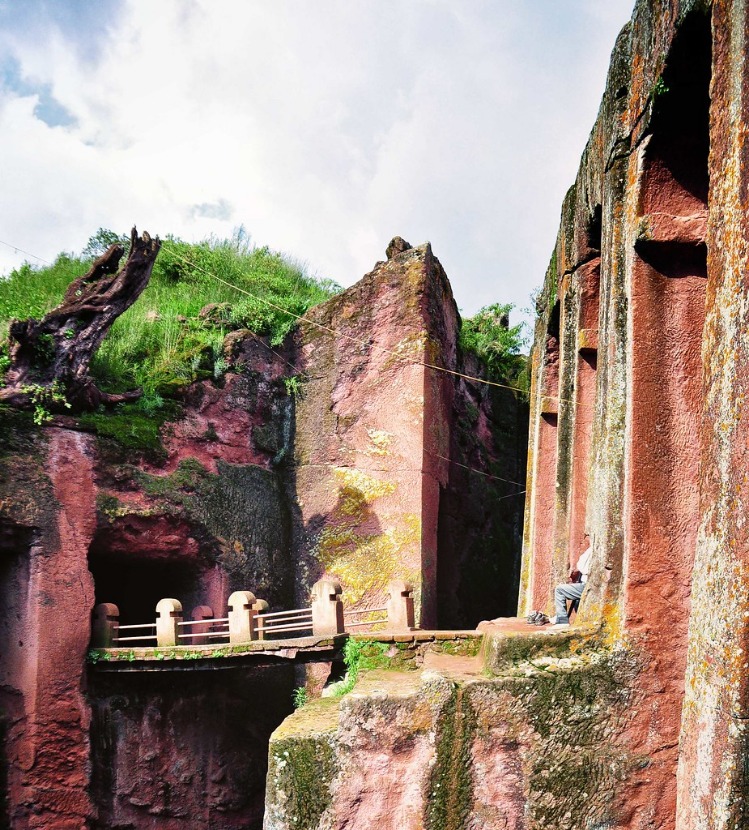
Visiting the Lalibela Churches today offers a remarkable experience for travelers interested in history, culture, and spirituality. These ancient rock-hewn structures are a UNESCO World Heritage site and attract visitors from around the world. Accessibility efforts have improved over recent years, making it easier for people with disabilities and elderly visitors to explore this sacred site. Pathways have been maintained to accommodate wheelchairs, and some areas offer ramps and support staff to assist in navigation. Despite these advancements, certain parts of the complex remain challenging to access due to its historic and rugged terrain. Nevertheless, Lalibela continues to welcome pilgrims and tourists alike, providing a unique glimpse into Ethiopia’s rich religious heritage. Visitors are encouraged to plan ahead and seek assistance to ensure a fulfilling and respectful visit to these extraordinary churches.
Impact of Tourism on the Site
Tourism and accessibility play a significant role in the preservation and appreciation of Lalibela Church in Ethiopia. This UNESCO World Heritage Site attracts thousands of visitors annually, drawn by its unique rock-hewn architecture and spiritual significance. Enhancing accessibility ensures that a diverse range of travelers, including those with mobility challenges, can experience its cultural and religious heritage.
- Increased tourism boosts local economy through employment, accommodation, and transportation services.
- Enhanced accessibility measures, such as ramps and guided tours, help protect the site by managing visitor flow and reducing damage.
- Overtourism can lead to wear and tear of the ancient rock structures, necessitating careful management and preservation efforts.
- Interaction with tourists promotes cultural exchange, raising awareness about Lalibela’s historical importance and Ethiopian heritage.
- Balancing accessibility with conservation efforts is essential to ensure the site’s ongoing preservation for future generations.
Facilities and Infrastructure Development
The Lalibela Churches in Ethiopia stand as a remarkable example of spiritual heritage and architectural ingenuity, attracting thousands of tourists each year. To enhance the visitor experience, significant efforts have been directed towards improving tourism accessibility and infrastructure facilities. These developments aim to ensure that travelers of all backgrounds, including those with mobility challenges, can freely explore the historic site.
Improving transportation networks, such as road improvements and signage, has made accessing Lalibela more convenient. Additionally, the introduction of accessible pathways, ramps, and guided services has helped accommodate individuals with disabilities, ensuring inclusivity in tourism. Upgrading facilities like visitor centers, rest areas, and information booths further supports a comfortable and educational experience for tourists.
Continued investment in infrastructure development is crucial for preserving Lalibela’s cultural significance while boosting local tourism. These enhancements not only facilitate easier access but also promote sustainable tourism practices, contributing to the economic growth and cultural preservation of this UNESCO World Heritage site.
Significance of Lalibela Churches in Modern Ethiopia
The Lalibela Churches hold a profound significance in modern Ethiopia as a symbol of faith, cultural heritage, and historical resilience. Carved entirely out of rock in the 12th century, these spiritual sites continue to attract pilgrims and visitors from around the world, serving as a testament to Ethiopia’s rich religious traditions and artistic ingenuity. Their enduring presence not only fosters national pride but also promotes cultural identity and tourism within the country.
Symbol of National Identity
The Lalibela Churches hold a profound significance in modern Ethiopia as symbols of national identity, cultural heritage, and religious devotion. These remarkable rock-hewn structures reflect Ethiopia’s rich history of Christianity and serve as a testament to the country’s ancient architectural ingenuity. In contemporary Ethiopia, the Lalibela Churches are a source of pride for Ethiopians, embodying their spiritual traditions and resilience. They also attract pilgrims and tourists from around the world, fostering cultural exchange and economic growth. Overall, the Lalibela Churches continue to symbolize Ethiopia’s enduring faith, historical legacy, and the unity of its people in preserving their unique identity.
Role in Cultural Diplomacy
The Lalibela Churches hold profound significance in modern Ethiopia as symbols of spiritual heritage and national identity. They attract pilgrims and tourists alike, fostering cultural pride and unity among Ethiopians. These historic rock-hewn structures serve as a testament to Ethiopia’s rich religious and architectural traditions, bridging the past with the present.
In the realm of cultural diplomacy, the Lalibela Churches play a vital role by showcasing Ethiopia’s unique history and religious practices to the world. They facilitate international cultural exchanges and strengthen Ethiopia’s global cultural presence. As UNESCO World Heritage Sites, they are instrumental in promoting Ethiopia’s cultural diplomacy efforts, fostering friendship and understanding across nations.



0 Comments