

Historical Significance of Lalibela
Lalibela, a UNESCO World Heritage Site in Ethiopia, holds profound historical and religious significance. Renowned for its astonishing rock-hewn churches carved from solid volcanic rock, Lalibela is considered a pilgrimage destination and a symbol of Ethiopian Christianity. Its unique architectural and spiritual heritage offers insight into the country’s rich cultural history and religious devotion, making it an essential site for understanding Ethiopia’s ancient traditions and its enduring faith.
Origins and Foundation
Lalibela, located in northern Ethiopia, holds immense historical and cultural significance as a remarkable site of religious heritage and architectural achievement. It is renowned for its rock-hewn churches, which are considered a marvel of medieval engineering and devotion.
The origins of Lalibela trace back to the 12th century during the reign of King Lalibela, who is believed to have founded the city as a new Jerusalem for Ethiopian Christians. According to tradition, the king was commanded by divine visions to establish a pilgrimage site that would reconnect Ethiopian Christians with their spiritual roots and provide a safe place of worship.
The foundation of Lalibela is closely linked to its unique subterranean architecture, with eleven monolithic churches carved directly from volcanic rock. These structures not only serve as places of worship but also symbolize the spiritual heartbeat of Ethiopia, representing the country’s rich religious history and resilience.
Lalibela’s historical significance also lies in its role as a center of pilgrimage, especially for Ethiopian Orthodox Christians. The city’s religious sites have been preserved for centuries, making it a vital symbol of Ethiopian identity, faith, and artistic heritage.
Historical Events and Development
Lalibela, located in northern Ethiopia, holds immense historical and spiritual significance as a major pilgrimage site and symbol of Ethiopian Christian heritage. It is renowned for its rock-hewn churches, which are believed to have been constructed in the 12th century under the reign of King Lalibela, who aimed to create a “New Jerusalem” for Ethiopian Orthodox Christians.
The development of Lalibela’s religious complex was a remarkable feat of engineering and devotion. The churches were carved directly out of solid volcanic rock, creating a series of interconnected structures, tunnels, and passageways that exemplify extraordinary architectural ingenuity. These structures served as a sanctuary for Christian worship and played a crucial role in preserving and promoting Ethiopian Christianity during periods of external threats and internal change.
Throughout history, Lalibela has been a central hub for Christian pilgrimage, especially during major religious festivals such as Timket and the Feast of St. Lalibela. Its significance was further reinforced by its designation as a UNESCO World Heritage Site in 1978, highlighting its importance as a cultural and religious monument. The site continues to be a vibrant center for religious ceremonies and attracts visitors from around the world, symbolizing Ethiopia’s rich historical and spiritual legacy.
Role in Ethiopian Christianity
Lalibela holds profound historical significance as a sacred pilgrimage site and a symbol of Ethiopian Christianity. Founded in the 12th century by King Gebre Mesqel Lalibela, the town is renowned for its intricate rock-hewn churches, which exemplify remarkable engineering and religious devotion. These churches serve as a testament to Ethiopia’s deep-rooted Christian traditions and are considered a spiritual centre for Ethiopian Orthodox Christians.
As a major religious hub, Lalibela has played a crucial role in shaping and sustaining Ethiopian Christianity. The city was established with the purpose of creating a “New Jerusalem” on Earth, offering a tangible manifestation of biblical history. Its churches, carved directly from volcanic rock, are not only architectural marvels but also serve as venues for important religious ceremonies and festivals, reinforcing the community’s faith and cultural identity.
Lalibela’s religious significance extends beyond its physical structures, acting as a symbol of resilience and faith for the Ethiopian Christian community. It continues to attract pilgrims from around the world, helping to preserve Ethiopia’s Christian heritage and fostering a sense of spiritual continuity through centuries.
Architectural Features of Lalibela
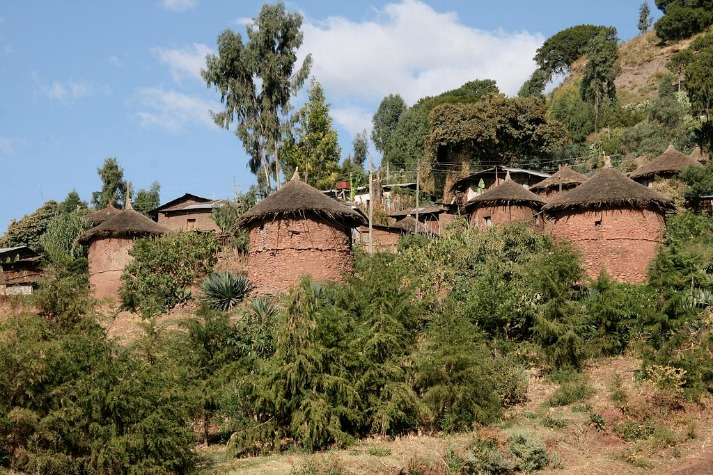
Lalibela, Ethiopia, is renowned for its extraordinary architectural features that reflect a remarkable blend of religious devotion and ancient engineering. This historic site is famous for its complex of monolithic rock-hewn churches, carved entirely out of solid volcanic rock. The architectural ingenuity displayed in Lalibela exemplifies medieval Ethiopian Christian art and serves as a significant pilgrimage destination. Its intricate design and spiritual significance make Lalibela a unique testament to Ethiopia’s rich cultural and religious heritage.
Distinctive Rock-Hewn Churches
The Lalibela rock-hewn churches in Ethiopia are renowned for their extraordinary architectural features, showcasing remarkable craftsmanship and ingenuity. These churches are carved directly into solid volcanic rock, creating a complex of eleven monolithic structures that are interconnected by tunnels and trenches. The architecture reflects both religious symbolism and practical engineering, with cross-shaped layouts and intricate facades that blend seamlessly with the natural landscape. The construction technique involves meticulously chiseling the entire structure from a single rock formation, resulting in buildings that are both durable and awe-inspiring. The churches’ distinctive features include carved doorways, windows, and decorative elements, which demonstrate sophisticated stone-carving skills. Overall, Lalibela’s churches exemplify a unique fusion of spirituality, artistry, and engineering excellence, making them a significant cultural and historical marvel in Ethiopia.
Construction Techniques
The architectural features of Lalibela are renowned for their extraordinary design and religious significance, showcasing a complex of monolithic rock-hewn churches. These structures are carved directly out of solid volcanic rock, creating a dramatic and awe-inspiring landscape. The churches feature a variety of architectural styles, including basilica, cruciform, and monastic, each meticulously integrated into the natural terrain. Intricate carvings and detailed facades adorn many of the structures, reflecting skilled craftsmanship and artistry. The layout forms a labyrinthine pilgrimage site, connected by a network of passages, trenches, and tunnels.
Construction techniques in Lalibela are remarkable for their ingenuity and craftsmanship. The entire complex was hewn from a single rock or constructed by carving deep trenches around the structures, then excavating inward to create the churches. This method allowed for the creation of free-standing structures that appear to be floating out of the ground. Skilled artisans used simple tools like chisels and hammers to carve out windows, doorways, and decorative elements. The precision required to produce such detailed interiors and exteriors from solid rock highlights the advanced engineering skills of the builders. The placement of water channels and drainage systems within the complex demonstrates sophisticated planning aimed at preservation and use in a high-altitude environment. Overall, Lalibela’s construction techniques exemplify a unique synthesis of religious devotion and technological mastery, making it a masterpiece of Ethiopian architecture.”
Thoughts on Engineering and Design
The architectural features of Lalibela are a remarkable testament to ancient engineering and artistic ingenuity. Carved entirely from volcanic rock, the monolithic churches and structures exemplify innovative design techniques that have withstood centuries of environmental challenges. The precision in their construction, with intricate facades and detailed carvings, reflects a deep understanding of both structural integrity and aesthetic appeal.
Thoughts on engineering and design in Lalibela reveal a sophisticated approach to creating a religious and cultural sanctuary. The ability to carve deep into the rock, forming complex shapes and interconnected tunnels without modern machinery demonstrates extraordinary skill and planning. The layout of the complex, with its churches, cross-shaped tombs, and water management systems, indicates a thoughtful integration of function, spirituality, and environment, making Lalibela a marvel of ancient engineering ingenuity.
Cultural and Religious Importance
Lalibela, Ethiopia, is a site of profound cultural and religious significance, renowned for its stunning rock-hewn churches and spiritual heritage. As a major pilgrimage destination, it reflects the deep-rooted Christian traditions of the Ethiopian Orthodox Tewahedo Church. The city’s historical and religious importance makes it a vital symbol of Ethiopia’s cultural identity and religious devotion, attracting visitors and worshippers from around the world.
Religious Festivals and Celebrations
Lalibela, Ethiopia, holds profound cultural and religious significance, serving as a spiritual center for Ethiopian Orthodox Christians. The site is renowned for its rock-hewn churches, which are considered a symbol of faith and devotion, reflecting the enduring religious traditions of the region. These churches are an integral part of Ethiopia’s religious heritage and attract pilgrims from all over the world who come to worship and participate in religious ceremonies.
Religious festivals and celebrations are crucial to Lalibela’s cultural identity. The most prominent is Timket, the Ethiopian Orthodox Epiphany, celebrated with great fervor and elaborate rituals. During Timket, pilgrims gather at the churches to partake in processions, hymn singing, and ceremonies that commemorate the baptism of Jesus Christ. The celebration usually involves colorful processions, prayer, and the blessing of water, creating a vibrant atmosphere of faith and community.
Another significant festival is Ethiopian Christmas, known as Gena, which coincides with the Gregorian calendar and is marked by church services, feasting, and singing. These festivals not only reinforce religious beliefs but also serve as important communal events that preserve and celebrate Ethiopia’s rich cultural and spiritual heritage rooted in Lalibela’s sacred sites.
Pilgrimage Destination
Lalibela in Ethiopia is a site of profound cultural and religious significance, attracting pilgrims and visitors from around the world. It is renowned for its remarkable rock-hewn churches, which embody the spiritual heritage of Ethiopian Christianity and serve as a symbol of faith and resilience.
- The churches of Lalibela are considered one of the holiest sites in Ethiopia, often referred to as the “New Jerusalem” by Ethiopian Orthodox Christians.
- They hold an annual pilgrimage, especially during Christmas and Epiphany, drawing thousands of believers who come to pray and partake in religious ceremonies.
- The site is a UNESCO World Heritage site, emphasizing its importance as a cultural and religious landmark.
- For the local community, Lalibela is not only a sacred place but also a symbol of national identity and spiritual continuity.
- Architecturally, the churches are marvels of engineering, carved directly from volcanic rock, showcasing ancient craftsmanship and religious devotion.
Preservation of Religious Traditions
Lalibela, Ethiopia, holds immense cultural and religious significance as a symbol of Ethiopian Christianity and heritage. The site is renowned for its rock-hewn churches, which are considered a marvel of medieval architecture and spiritual devotion. These structures serve not only as places of worship but also as living symbols of Ethiopia’s religious history, helping to sustain and promote Christian traditions in the region.
The preservation of religious traditions in Lalibela is vital for maintaining the identity and spiritual practices of the Ethiopian Orthodox Tewahedo Church. The community actively participates in religious ceremonies, festivals, and pilgrimages, ensuring that ancient rites and customs are passed down through generations. This ongoing engagement preserves the religious fervor and cultural continuity of the area, making Lalibela a vital hub for Ethiopian Christianity.
- Religious pilgrimages to Lalibela, especially during Epiphany, reinforce faith and community bonds.
- Traditional Ethiopian Christian practices, including fasting and prayer, are observed in the churches and monasteries.
- Festivals such as Timket and Fasika are celebrated with elaborate rituals that uphold longstanding religious customs.
- The conservation efforts by local communities and religious leaders help maintain the integrity of the historic churches and their spiritual functions.
Tourist Attractions and Activities
Discover the fascinating world of Lalibela, Ethiopia, a city renowned for its extraordinary rock-hewn churches and rich cultural heritage. As a UNESCO World Heritage Site, Lalibela offers a unique blend of history, spirituality, and breathtaking landscapes. Visitors can explore ancient monolithic structures, participate in local religious festivals, and enjoy the vibrant traditions that make Lalibela a must-visit destination in Ethiopia.
Guided Tours of the Churches
Discover the rich history and stunning architecture of Ethiopia’s Lalibela through guided tours of its renowned churches. These tours offer visitors an insightful experience into the centuries-old rock-hewn structures, each with its unique design and spiritual significance. Exploring these sacred sites with knowledgeable guides enhances understanding of their historical context and religious importance. In addition to admiring the intricate carvings and impressive construction, travelers can participate in religious ceremonies and witness local traditions. Visiting Lalibela’s churches provides a captivating blend of cultural, spiritual, and historical insights, making it a must-see attraction for enthusiasts of history and architecture.
Local Markets and Handicrafts
Lalibela, Ethiopia, is renowned for its extraordinary rock-hewn churches, which are a UNESCO World Heritage site and a major attraction for travelers. Visitors can explore the monolithic churches carved directly into the volcanic rock, each offering a unique glimpse into Ethiopia’s rich religious history and architectural ingenuity. Engaging in spiritual tours and pilgrimages is also popular among visitors, especially during religious festivals.
Aside from the churches, tourists can enjoy various activities such as guided treks around the historic town, visits to nearby monasteries, and appreciating the stunning landscapes that surround Lalibela. The area provides a serene atmosphere ideal for cultural exploration and reflection.
Local markets in Lalibela are vibrant hubs of activity where visitors can experience authentic Ethiopian culture. These markets are filled with handcrafted textiles, traditional jewelry, religious artifacts, and local spices. Sampling homemade foods and interacting with local vendors allows tourists to immerse themselves in the daily life of the community.
Handicrafts are an integral part of Lalibela’s cultural identity. Artisans produce intricate wood carvings, embroidered garments, and stunning religious icons that make unique souvenirs. Buying these handcrafted items not only supports local artisans but also provides visitors with meaningful mementos of their journey in Ethiopia.
Hiking and Scenic Views
Lalibela, Ethiopia, is renowned for its incredible religious significance and breathtaking landscapes, offering visitors a wealth of attractions and activities. Explore the ancient rock-hewn churches, carved directly into the mountainsides, which are UNESCO World Heritage Sites and a testament to Ethiopia’s rich history and craftsmanship. Hiking enthusiasts will enjoy trekking through the rugged terrain surrounding Lalibela, discovering hidden caves, remote villages, and panoramic viewpoints that showcase the stunning natural beauty of the region. The scenic views of rocky formations, lush greenery, and the historic cityscape create a mesmerizing backdrop for outdoor adventures. Whether walking through sacred sites or embracing the natural landscapes, visitors can Experience the spiritual and scenic majesty that makes Lalibela a unique destination in Ethiopia.
Preservation and Challenges
Preservation of cultural heritage is essential for maintaining the identity and history of communities around the world. In Ethiopia, Lalibela is renowned for its rock-hewn churches, which are a testament to the country’s rich religious and architectural history. However, preserving these ancient structures presents numerous challenges, including environmental factors, tourism pressure, and limited resources. Ensuring the longevity of Lalibela’s cultural treasures requires concerted efforts to protect and maintain this extraordinary site for future generations.
Conservation Efforts
Preservation and conservation of Lalibela, Ethiopia, are vital to safeguarding its historical and religious significance. Lalibela, renowned for its rock-hewn churches, faces numerous challenges that threaten its cultural heritage, including environmental degradation, tourism pressure, and lack of adequate infrastructure. Efforts are underway to conserve these ancient structures, but balancing preservation with accessible tourism remains complex.
- Environmental factors such as erosion and weathering pose threats to the integrity of the rock-hewn churches.
- Increasing tourism brings economic benefits but also risks damage through wear and unwarranted modifications.
- Limited funding and technical expertise hinder comprehensive preservation initiatives.
- Urbanization and infrastructure development in the area may negatively impact the site’s authenticity.
- Vandalism and neglect can accelerate deterioration, necessitating strict protective measures.
- International collaboration and funding are crucial to enhance conservation efforts.
- Training local communities and stakeholders ensures sustainable preservation practices.
- Implementing modern conservation techniques can help repair and protect the churches from ongoing damage.
- Developing eco-friendly tourism models can promote preservation while allowing visitors to appreciate Lalibela’s heritage.
- Continuous monitoring and research are essential to adapt preservation strategies to emerging challenges.
Environmental and Urbanization Challenges
Preservation and challenges in Lalibela, Ethiopia, revolve around safeguarding its UNESCO World Heritage Site status while addressing environmental and urbanization pressures. Lalibela is renowned for its rock-hewn churches, which represent a remarkable historical and religious heritage. Ensuring their preservation requires continuous maintenance and careful conservation efforts to prevent deterioration caused by natural elements and human activity.
Environmental challenges such as erosion, earthquakes, and pollution threaten the structural integrity of Lalibela’s ancient sites. Urbanization presents additional concerns, including increased construction, population growth, and tourism, which can strain local resources and compromise the site’s authenticity. Balancing development with heritage preservation remains a critical issue for Ethiopia to ensure that Lalibela’s cultural legacy endures for future generations.
Future Preservation Strategies
Preservation of Lalibela’s UNESCO World Heritage site in Ethiopia is crucial for maintaining its historical and cultural significance. The site, renowned for its rock-hewn churches, faces numerous challenges such as environmental degradation, urbanization, and natural weathering, which threaten its structural integrity. Additionally, increasing tourism often results in wear and tear on the ancient monuments, demanding careful management to balance preservation with accessibility.
Future preservation strategies should focus on implementing sustainable tourism practices and enhancing conservation techniques. This includes employing advanced technology like 3D scanning and digital documentation to monitor the site’s condition over time. Strengthening local community involvement through education and training can also foster a collective effort towards preservation. Investing in resilient infrastructure and protective measures against weather-related damage will be essential to ensure Lalibela’s enduring legacy for future generations.




0 Comments