

Overview of Namibia Dollar (NAD)
The Namibia Dollar (NAD) is the official currency of Namibia, serving as a vital component of the country’s economy. It is used for everyday transactions, business exchanges, and international trade within Namibia. Understanding the value of the Namibia Dollar in relation to the US Dollar is important for travelers, investors, and anyone involved in currency exchange or financial planning involving Namibia. This overview provides insight into the NAD and its position in the global currency landscape, especially concerning its exchange with the US Dollar.
History and Background
The Namibia Dollar (NAD) is the official currency of Namibia, serving as the primary medium of exchange within the country. It is commonly compared to the US Dollar, especially in terms of exchange rates and economic transactions, as many local prices and international dealings are closely related to the dollar value.
The Namibia Dollar was introduced in 1993, replacing the South African Rand at par, following Namibia’s independence from South Africa in 1990. Its issuance is managed by the Bank of Namibia, which ensures the stability and integrity of the currency. The NAD is pegged to the South African Rand at a 1:1 fixed rate, facilitating easy currency exchange and trade between the two nations.
Historically, Namibia’s economy has been influenced by its colonial past and regional economic ties. The introduction of the Namibia Dollar marked a significant step in establishing a distinct national monetary identity. When comparing the Namibia Dollar to the US Dollar, exchange rates fluctuate based on global market dynamics, impacting tourism, trade, and foreign investment in Namibia. Overall, the NAD plays a crucial role in Namibia’s economic stability and integration into international markets, especially with regard to US Dollar transactions and conversions.
Relationship with the South African Rand
The Namibia Dollar (NAD) is the official currency of Namibia, introduced in 1993 to replace the South African Rand at par value. It is maintained as the national currency and is used for all economic transactions within the country. The NAD is subdivided into 100 cents, and it is a stable currency that supports Namibia’s economic development.
The relationship between the Namibia Dollar and the South African Rand is unique, as the NAD is pegged to the Rand at a 1:1 exchange rate. This means that the South African Rand is widely accepted and used interchangeably within Namibia, especially in border areas and informal transactions. The peg to the Rand helps ensure currency stability and simplifies trade and tourism between Namibia and South Africa.
When considering conversions from Namibia Dollars to US Dollars, the exchange rate depends on international currency markets rather than the fixed peg with the Rand. Typically, the NAD’s value against the US Dollar fluctuates based on global economic conditions, influencing costs for travelers, investors, and importers. As a result, checking current exchange rates is essential for accurate conversions and financial planning.
Current Status and Usage in Namibia
The Namibia Dollar (NAD) is the official currency of Namibia, serving as the primary medium of exchange within the country. It was introduced in 1993, replacing the South African Rand at par, and is pegged to the US Dollar at a fixed rate, which provides monetary stability. The NAD is widely used in everyday transactions, including retail, services, and government dealings, and is accepted throughout Namibia for both cash and electronic payments.
Currently, the Namibia Dollar remains strong and stable, reflecting the country’s healthy economy and prudent monetary policy by the Bank of Namibia. Its value is closely aligned with the US Dollar due to the currency peg, simplifying international trade and travel for Namibians. The NAD plays a critical role in Namibia’s economy, facilitating commerce, savings, and investments, and is actively used in currency exchange contexts, especially for converting between Namibian Dollars and US Dollars.
US Dollar (USD) Overview
The US Dollar (USD) stands as the primary global reserve currency and is widely used in international trade and finance. Its stability and widespread acceptance make it a key benchmark for currency exchange rates worldwide. When considering the conversion of Namibian Dollars to US Dollars, understanding the USD’s role in the global economy is essential for accurate and informed currency exchanges.
Global Role and Significance
The US Dollar (USD) is one of the most widely recognized and traded currencies in the world, serving as a global reserve currency and a benchmark for international transactions. Its stability, liquidity, and acceptance across countries make it a dominant force in the global financial system. The USD is issued by the United States Federal Reserve and plays a crucial role in international trade, investments, and financial markets.
The USD’s global role is significant because it is the primary currency used in international trade, commodities, and as a reserve asset held by central banks worldwide. Many countries peg their own currencies to the US Dollar to stabilize their economies or facilitate trade. This widespread usage underscores the USD’s importance in maintaining global economic stability and fostering international monetary cooperation.
In relation to Namibia, currency conversions between the Namibian Dollar and the US Dollar are common, especially in international trade and tourism. The Namibian dollar is pegged to the South African rand, but many transactions, especially those involving international trade or foreign investments, are often benchmarked against the US Dollar. Understanding the USD’s global significance helps in grasping the dynamics of currency exchange rates, including those between the Namibian dollar and US dollar, impacting prices, investments, and economic stability within Namibia.
Use in International Transactions
The US Dollar (USD) is the world’s dominant reserve currency and is widely used in international transactions across various countries. Its stability, liquidity, and acceptance make it a preferred currency for global trade, investments, and monetary reserves.
When considering the exchange from Namibia dollars (NAD) to US dollars (USD), it is important to recognize that NAD is pegged to USD at a fixed rate, typically around 1 NAD to 0.07 USD. This fixed parity facilitates easy and predictable conversions, supporting Namibia’s economic stability and international dealings.
In international transactions, USD serves as a standard currency for imports and exports, international loans, and financial markets, often acting as a benchmark for currency values worldwide. Namibia’s use of NAD in tandem with USD allows for smooth cross-border trade and financial operations, leveraging USD’s global position to attract foreign investment and facilitate international commerce.
USD in Namibia’s Economy
The US Dollar (USD) plays a significant role in Namibia’s economy, serving as a stable and widely accepted currency alongside the Namibian dollar. The USD is often used for international trade, investment, and as a reserve currency due to its global stability and liquidity. Namibia, being heavily reliant on trade and foreign investment, benefits from the strength of the USD in maintaining economic stability and facilitating transactions across borders.
In Namibia, the exchange rate between the Namibian dollar (NAD) and the USD is fixed at parity, with 1 NAD being equal to 1 USD. This linkage simplifies currency exchange and promotes confidence in the country’s monetary stability. The use of USD in Namibia’s economy supports various sectors, including tourism, mining, and imports.
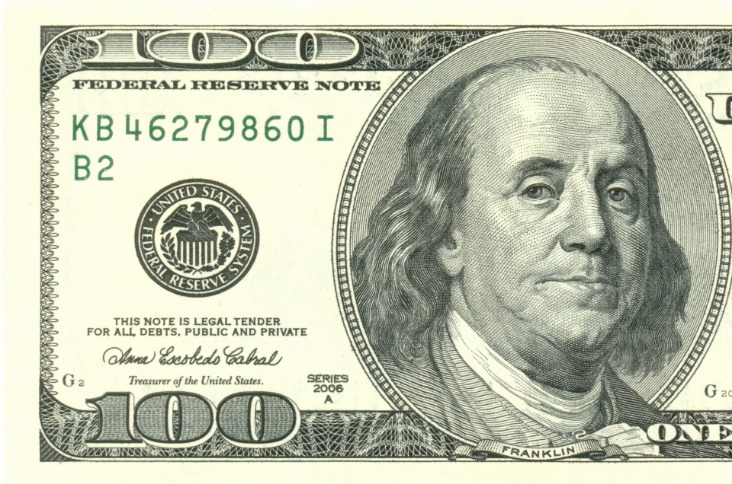
Namibia Dollars to US Dollars Exchange
- The exchange rate is typically stable due to the currency peg between NAD and USD.
- Foreign exchange reserves held by the Bank of Namibia include USD, ensuring liquidity and stability.
- Tourism and foreign transactions often involve USD, especially for international travelers and overseas clients.
- Economic policies aim to maintain the peg and control inflation, which can impact the USD/NAD exchange rate.
- fluctuations in the USD globally can influence Namibia’s economy, affecting import prices and export competitiveness.
Exchange Rate Dynamics
Exchange rate dynamics play a crucial role in influencing the economic interactions between countries, affecting trade, investment, and financial stability. When examining the relationship between Namibia dollars and US dollars, understanding the factors that drive fluctuations in their exchange rate offers insights into Namibia’s economic health and monetary policy strategies. These dynamics are shaped by various elements such as interest rates, inflation, geopolitical developments, and global market trends, all of which impact the value of the Namibia dollar relative to the US dollar.
Historical Trends of NAD to USD
The exchange rate dynamics between the Namibian Dollar (NAD) and the US Dollar (USD) have been significantly influenced by Namibia’s economic conditions and its monetary policies. Historically, the NAD has maintained a pegged exchange rate to the USD since Namibia’s independence in 1990, which has contributed to relatively stable exchange rate movements over the years. This peg was established to stabilize the economy and encourage foreign investment, given Namibia’s reliance on exports such as minerals and livestock.
Throughout the 1990s and early 2000s, the NAD largely tracked the US dollar closely due to this fixed parity, experiencing minimal fluctuations. However, external factors such as changes in commodity prices, global economic conditions, and shifts in Namibia’s trade balance have occasionally exerted pressure on the currency’s stability. In recent years, despite the peg, the Namibian dollar has experienced minor variations influenced by Angola’s kwanza and regional currencies, reflecting economic ties within Southern Africa.
Overall, the historical trend of the NAD to USD reflects a stable currency regime, with minor deviations driven by external shocks and Namibia’s economic performance. The maintained peg has helped provide predictability for investors and traders, although the currency’s resilience continues to depend on Namibia’s economic health and global market trends.
Factors Influencing the Exchange Rate
The exchange rate between Namibia dollars (NAD) and US dollars (USD) is influenced by a variety of factors that determine the relative value of these two currencies. Exchange rate dynamics are shaped by economic, political, and market forces that interact continuously in the foreign exchange market.
One primary factor affecting the NAD to USD exchange rate is the differences in economic performance between Namibia and the United States. Economic indicators such as GDP growth, inflation rates, and employment levels influence investor confidence and currency valuation. A strong Namibian economy can lead to appreciation of the NAD against the USD, while economic downturns can have the opposite effect.
Interest rates set by the respective central banks also play a crucial role. Higher interest rates in Namibia can attract foreign investment, increasing demand for NAD and causing its value to rise relative to the USD. Conversely, if US interest rates are more attractive, the USD may strengthen against the NAD.
Trade balances between Namibia and trading partners impact currency movements as well. A trade surplus, where Namibia exports more than it imports, increases demand for NAD as foreign buyers need to purchase local currency, which can appreciate the NAD. Conversely, a trade deficit can put depreciating pressure on the NAD.
Global market trends and commodity prices are particularly relevant for Namibia due to its reliance on mineral exports such as diamonds and uranium. Fluctuations in commodity prices can influence the country’s foreign exchange reserves and thus impact the NAD/USD rate.
Political stability and government policies also affect the exchange rate. Stable political environments and sound economic management foster investor confidence, strengthening the NAD. Political uncertainty or unfavorable policies can lead to volatility and depreciation against the USD.
Finally, speculative activities in the foreign exchange market can introduce short-term volatility, impacting the NAD to USD rate. Traders’ expectations about future currency movements often influence current exchange rate fluctuations.
Impact of Market Fluctuations on the NAD-USD Rate
The exchange rate dynamics between the Namibian Dollar (NAD) and the US Dollar (USD) are heavily influenced by market fluctuations and global economic conditions. These fluctuations are driven by factors such as interest rates, inflation, trade balances, and geopolitical stability, which affect investor confidence and currency demand. When the US economy experiences growth or instability, it can lead to shifts in the USD valuation, subsequently impacting the NAD-USD rate as Namibia’s currency often aligns closely with the US dollar due to currency pegging or economic ties. Additionally, commodity prices, especially for Namibia’s mineral exports, play a significant role, as changes in global demand and prices can influence Namibia’s trade balance and its currency’s strength. Overall, the NAD-USD exchange rate is a reflection of complex interconnected market forces, making it subject to constant change based on both domestic and international economic developments.
Currency Conversion Methods
Currency conversion methods are essential for accurately determining the value of one currency in terms of another, particularly when dealing with international transactions. When converting Namibian dollars to US dollars, understanding the various approaches such as direct exchange rates, cross rates, and online tools can help ensure precise and efficient conversions. These methods are vital for travelers, businesses, and investors engaging in cross-border activities involving Namibia and the United States.
Official Exchange Rates
Currency conversion methods are essential for accurately determining the value of one currency relative to another, such as converting Namibian Dollars to US Dollars. One common approach is using official exchange rates, which are set or officially recognized by a country’s central bank or monetary authority. These rates serve as a standard reference for financial transactions, government policies, and international trade. When converting Namibian Dollars to US Dollars, the official exchange rate published by the Bank of Namibia can be used. This rate reflects the official value agreed upon or maintained by the authorities and is often updated daily or periodically. Using official exchange rates ensures consistency and reliability in currency conversions, making them preferred for formal transactions and financial reporting. However, it is important to note that market exchange rates, which fluctuate based on supply and demand in the global currency markets, might differ slightly from official rates, especially in less regulated environments or for informal transactions. Therefore, understanding the official exchange rate is crucial for accurate and official currency conversions between the Namibian Dollar and the US Dollar.
Forex Market vs. Banks and Money Changers
When converting Namibia Dollars (NAD) to US Dollars (USD), there are several methods to consider, each with its own advantages and disadvantages. The most common methods include using the Forex market, banks, and money changers. Understanding these options can help ensure you get the best rate for your currency exchange needs.
The Forex market, or foreign exchange market, operates as a global decentralized marketplace where currencies are traded 24/7. It offers highly competitive and real-time exchange rates for NAD to USD, often providing better rates than banks or money changers. Participating directly in the Forex market requires access through brokers or platforms and is typically suited for large transactions or those with trading experience.
Banks provide currency exchange services with rates that include a margin or markup added to the interbank rate. While banks are generally reliable and secure, their rates may be less favorable compared to the Forex market, especially for smaller amounts. They are a convenient option for everyday transactions and are often preferred for official or large currency exchanges, sometimes accompanied by additional service fees.
Money changers, or currency exchange bureaux, are widely available in tourist areas and airports. They often offer competitive rates and quick service, making them suitable for travelers exchanging NAD for USD. However, rates from money changers can vary significantly, and it is important to compare rates before exchanging large sums to avoid losing value to unfavorable margins.
In summary, for converting Namibia Dollars to US Dollars, using the Forex market offers the most favorable rates for large amounts but requires access and expertise. Banks provide secure and convenient exchanges, though sometimes at slightly higher rates, while money changers offer quick and competitive services, especially for travelers. Choosing the right method depends on the transaction size, convenience, and rate competitiveness desired.
Online Currency Converters and Mobile Apps
Converting Namibia dollars (NAD) to US dollars (USD) can be achieved through various methods, including traditional exchange methods, online currency converters, and mobile applications. Each method offers different levels of convenience, accuracy, and speed, making it easier for individuals and businesses to handle currency conversions efficiently.
Currency conversion methods typically include:
- Seeking services at banks or currency exchange offices, which often provide physical conversion based on current rates and may involve fees.
- Using online currency converters that provide real-time exchange rates and allow users to input the amount of NAD to see its equivalent in USD instantly.
- Employing mobile apps designed for currency conversion, which often include features like offline mode, historical rates, and live updates through internet connectivity.
Online currency converters are popular for quick and accurate conversions. They gather real-time data from financial sources and offer updated exchange rates that reflect current market conditions. Many websites and apps allow users to convert NAD to USD by entering the amount and instantly displaying the equivalent amount in US dollars.
Mobile currency converter apps complement online tools, offering portability and convenience. These apps are especially useful for travelers and businesses dealing with currency fluctuations in real-time. Some popular apps also allow users to track currency trends and set alerts when rates reach desired levels.
When converting Namibia dollars to US dollars, it’s important to consider real-time exchange rates, potential fees, and the source of the rates—whether they are live market rates or rates offered by a specific service. Using reliable online converters and mobile apps ensures accurate and up-to-date conversions, facilitating smooth financial transactions across currencies.
Economic Factors Affecting NAD to USD Exchange Rate
The exchange rate between the Namibia Dollar (NAD) and the US Dollar (USD) is influenced by a variety of economic factors that shape the stability and value of both currencies. Understanding these factors is essential for investors, traders, and policymakers, as they can significantly impact the rate at which NAD converts to USD. These influences include economic indicators, fiscal policies, monetary measures, and global market trends that collectively determine the strength of Namibia’s currency against the US dollar.
Namibia’s Economic Indicators
The exchange rate between Namibia Dollars (NAD) and US Dollars (USD) is influenced by various economic factors impacting Namibia’s overall economic stability and international trade. Key among these are Namibia’s economic indicators such as GDP growth, inflation rate, and foreign reserve levels, which directly affect the strength of the NAD against the USD.
Economic growth in Namibia boosts investor confidence and attract foreign direct investment, leading to increased demand for NAD and affecting its exchange rate. Conversely, rising inflation can erode the currency’s value, causing NAD to depreciate against the USD. Additionally, Namibia’s foreign currency reserves play a crucial role; higher reserves provide more stability and support a more favorable exchange rate.
External factors like global commodity prices, especially for minerals and other exports from Namibia, also significantly influence the NAD to USD exchange rate. When commodity prices are high, Namibia experiences increased export earnings, strengthening the NAD. Conversely, economic disruptions such as financial crises or downturns in global markets can lead to currency depreciation.
In summary, Namibia’s economic indicators, including GDP growth, inflation, foreign reserves, and external trade conditions, are essential in determining the NAD to USD exchange rate. These factors collectively reflect the country’s economic health and influence its currency’s relative value on the international stage.
Global Economic Conditions
Global economic conditions play a significant role in influencing the Namibia dollar (NAD) to US dollar (USD) exchange rate. When the US economy experiences growth, inflation, or interest rate adjustments, it often impacts the NAD/USD rate due to investor confidence and capital flows. A strong US dollar typically leads to a weaker NAD, as Namibia’s economy is closely linked to international markets and relies on exports priced in USD. Additionally, global economic uncertainties or crises can cause fluctuations in currency values, prompting investors to seek safe-haven currencies like the USD, thereby affecting the NAD’s value. Changes in commodity prices, especially in sectors vital to Namibia’s economy such as mining and agriculture, also influence the exchange rate, as they impact trade balances and overall economic stability. Overall, international economic trends and the health of major economies like the US are crucial determinants of the NAD to USD exchange rate.
Political Stability and Fiscal Policies
The exchange rate between the Namibia dollar (NAD) and the US dollar (USD) is significantly influenced by various economic factors, including political stability and fiscal policies. A stable political environment in Namibia fosters investor confidence, encouraging foreign direct investment and supporting a strong NAD to USD exchange rate. Conversely, political instability can lead to currency depreciation as investors seek safer assets, causing the NAD to weaken against the USD. Fiscal policies, such as government spending, taxation, and monetary measures, also play a critical role. Prudent fiscal management can bolster the NAD’s value by controlling inflation and maintaining economic growth, whereas expansive fiscal policies that increase debt or inflation may erode currency value. Overall, these economic and political factors are essential in shaping the movements and stability of the NAD in relation to the USD.
Practical Considerations for Currency Exchange
When converting Namibia dollars to US dollars, understanding the practical considerations involved can help ensure favorable exchange rates and minimize additional costs. Factors such as choosing the right currency exchange providers, timing of the exchange, and understanding the current rates play a crucial role in making the process efficient and cost-effective. Being informed about these elements allows individuals and businesses to make smarter decisions and maximize their currency value during transactions.
How to Exchange NAD to USD in Namibia
When exchanging Namibia Dollars (NAD) to US Dollars (USD) in Namibia, it is important to consider several practical factors to ensure a smooth transaction. Begin by comparing exchange rates offered by different outlets such as banks, authorized currency exchange offices, and hotels, as rates can vary significantly. It’s advisable to conduct exchanges at reputable and regulated institutions to avoid counterfeit currency and unfavorable rates.
Be aware of additional fees or commissions that may apply, which can affect the total amount of USD you receive. Carrying identification such as a passport is often required for currency exchange transactions, especially at official banks and exchange outlets. Currency exchange is usually more favorable during banking hours, so plan your transactions accordingly to maximize value.
Also consider the amount you wish to exchange; larger amounts are often better exchanged at banks or official forex outlets, which may offer better rates than hotels or airports. Keep your NAD bills in good condition, as damaged or heavily worn currency might be refused or exchanged at a lower rate.
Lastly, be mindful of the current political and economic climate in Namibia, as these factors can influence exchange rates. It is recommended to check the latest rates and policies before proceeding with your currency exchange to ensure you get the best possible deal when converting NAD to USD during your stay in Namibia.
Best Places to Exchange Currency
When exchanging Namibia dollars to US dollars, it’s essential to consider practical factors to ensure favorable rates and secure transactions. Knowing where to exchange currency can significantly impact the amount you receive and your overall experience during your trip or transactions.
Generally, the best places to exchange currency include authorized currency exchange offices, banks, and airports. Banks often offer competitive exchange rates with minimal fees, making them a reliable choice for currency exchange. Currency exchange offices located in city centers or popular tourist areas may provide better rates than airports, which tend to have higher fees and less favorable rates. It is advisable to compare rates beforehand and inquire about any additional charges.
When exchanging Namibia dollars to US dollars, consider the timing of your exchange. Rates fluctuate based on economic conditions, so monitoring rates can help you time your exchange for a better deal. Avoid exchanging large sums at airports or hotels, as they tend to have higher fees and less favorable rates. Instead, opt for local banks or authorized exchange services in urban centers for more favorable rates.
Additionally, ensure that you are aware of the currency denominations and the current exchange rates. Carrying identification and understanding the local currency regulations can streamline the process. If possible, use ATMs connected to reputable banks, as they often provide competitive rates and lower fees for withdrawing US dollars directly, especially if you have a debit card linked to your home bank account.
By considering these practical aspects, you can confidently and securely exchange Namibia dollars to US dollars while maximizing value and minimizing costs.
Tips for Getting Favorable Rates
When exchanging Namibian dollars to US dollars, it’s important to consider several practical factors to ensure you get the best rates. Always compare rates at different currency exchange providers, including banks, dedicated currency exchange offices, and online platforms, as rates can vary significantly. Timing also plays a role; exchange rates fluctuate daily, so monitoring trends can help you identify more favorable rates. Be aware of any additional fees or commissions that may be added on top of the exchange rate, as these can impact the total amount you receive. If possible, avoid exchanging money during weekends or public holidays when rates may be less favorable. Using a credit card or debit card for transactions can sometimes offer more competitive rates, but always check for foreign transaction fees. Lastly, consider local currency demands and economic stability, as these factors can influence the exchange rate between Namibian dollars and US dollars.



0 Comments