
Habitat and Range of Namibia Lions
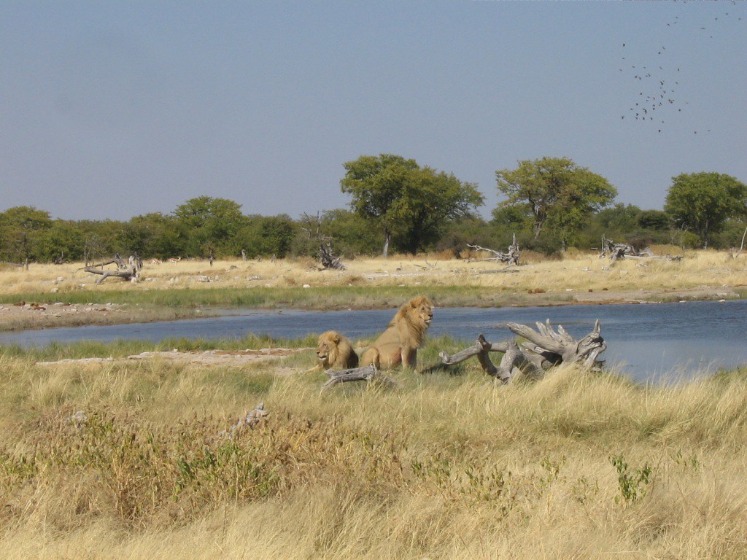
Namibia lions are a remarkable subspecies of the African lion, primarily residing within the diverse ecosystems of Namibia. Their habitat spans vast savannas, grasslands, and scrublands, where they thrive amidst a mix of open plains and dense bush. These majestic predators are well-adapted to the arid climate of Namibia and are mostly found in national parks and protected areas such as Etosha National Park, which provide crucial sanctuary for their populations.
Desert and Semi-Desert Landscapes
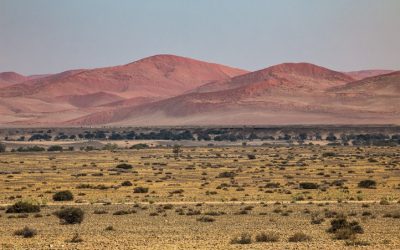
Namibia lions primarily inhabit the arid and semi-arid regions of Namibia, where their adaptability allows them to thrive in diverse desert and semi-desert landscapes. These majestic creatures are well-suited to survive in some of the harshest environments on the continent, including expansive deserts and rugged semi-desert areas.
- Habitat: Namibia lions are mostly found in the Namib Desert, the Kalahari Desert, and the semi-arid savannahs surrounding these regions.
- Range: Their range extends across central and southern Namibia, particularly within protected areas such as Etosha National Park, Namib-Naukluft Park, and private game reserves.
- Landscape: They inhabit regions characterized by sand dunes, sparse vegetation, shrublands, and rocky outcrops, which provide shelter and hunting grounds.
Savannah and Grassland Areas
Namibia lions predominantly inhabit the savannahs and grassland areas across the country, where the environment provides ample space and prey for their survival. They are well-adapted to the diverse habitats within Namibia, thriving in regions that offer cover such as bushes, trees, and open plains.
- The core habitat of Namibia lions includes the Etosha National Park, one of Africa’s premier wildlife reserves, which features vast savannahs and grasslands.
- Beyond Etosha, they are found in various national parks and protected areas across Namibia, including the Bwabwata and Khaudum parks, where similar open habitats exist.
- In addition to protected areas, Namibia lions roam the extensive savannah and grassland regions outside these parks, often traversing large distances in search of food and water.
Regions within Namibia with Notable Lion Populations
Namibia Lions are renowned for their impressive presence across several regions within Namibia, primarily thriving in protected areas and national parks. These majestic predators play a crucial role in maintaining the ecological balance of their habitats.
The habitat of Namibia Lions mainly includes arid and semi-arid environments, particularly in deserts and savannahs, where they adapt to the challenging climate and prey availability. They are most commonly found in regions that offer adequate cover and access to prey species, which include antelopes, zebras, and other small to medium-sized mammals.
Namibia’s notable lion populations are concentrated in the following regions:
- Etosha National Park
- Waterberg Plateau Park
- Huab River Valley
- Skeleton Coast National Park
- Kunene Region (including areas around the Epupa Falls)
These regions support some of the most significant lion populations in Namibia, with Etosha National Park being the primary stronghold where conservation efforts help sustain and protect these iconic animals.
Physical Characteristics of Namibia Lions
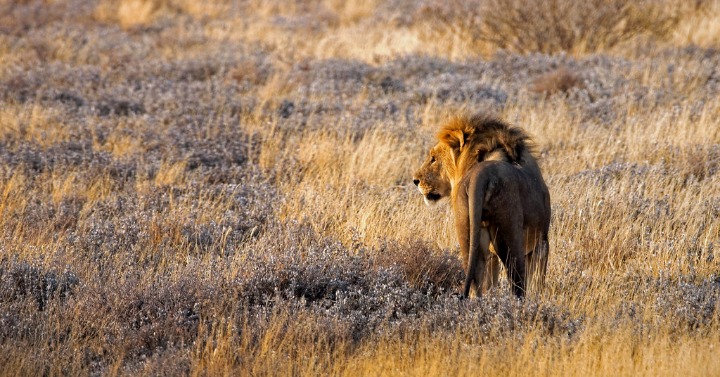
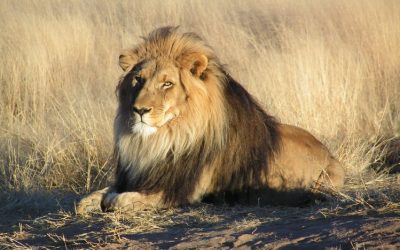
Namibia lions are renowned for their impressive physical features that distinguish them from other lion populations. These majestic animals typically possess a muscular build with a broad head and large paws, optimized for strength and agility. Males often boast a thick, dark mane that encircles their head and extends down their neck, while females display a more streamlined appearance. Their tawny coats serve as effective camouflage in the arid and semi-desert landscapes of Namibia, allowing them to blend seamlessly into their environment while hunting or resting.
Size and Weight
Namibia lions are known for their impressive size and strength, which makes them one of the most distinguished big cats in Africa. Adult male Namibia lions typically weigh between 150 to 225 kilograms (330 to 495 pounds) and measure about 2.7 meters (8.9 feet) in length, including their tail. Females are generally smaller, weighing between 110 to 150 kilograms (240 to 330 pounds) and being slightly shorter in overall length. They possess muscular builds with a robust stature, a broad head, and powerful limbs, adapted for hunting large prey across the arid and semi-arid regions of Namibia. Their characteristic golden-yellow coat provides effective camouflage in their natural habitat, aiding them in stalking prey.”
Coat Coloration and Markings
Namibia lions are known for their impressive physical characteristics, which help them adapt to the diverse environments of their habitat. They typically have a muscular build with a strong frame that enables powerful hunting and agility. Adult males usually possess a prominent, bushy mane that varies in color from blond to dark brown, often darker around the face and shoulders. Female Namibia lions generally lack manes, maintaining a uniform appearance. Their body length ranges from 8 to 10 feet including the tail, and they stand about 4 feet tall at the shoulders, weighing between 330 to 550 pounds.
Coat coloration of Namibia lions is generally a light tan or sandy color, providing excellent camouflage in the arid and semi-arid landscapes they inhabit. The fur is short and coarse, aiding in heat dissipation during hot weather. They often display subtle markings such as faint spots or rosettes on their bodies, especially during cubhood, which tend to fade as they mature. These color patterns help them blend into the rocky and grassy terrains, making them effective stealth hunters in their environment.
Distinctive Features and Adaptations
Namibia lions exhibit a range of physical characteristics that help them thrive in their arid and semi-arid habitats. They typically display a muscular build with a strong, broad head and powerful jaws, optimized for hunting and capturing prey. Adult males are distinguished by their impressive manes, which vary in color from blond to dark brown, providing both visual intimidation and protection during fights. Females are generally smaller, with a sleeker physique that enables agility and endurance during hunts. Their coats are usually tawny or golden, helping them blend seamlessly into the dry landscape of Namibia.
Distinctive features of Namibia lions include their large paws equipped with sharp, retractable claws used for gripping and stalking prey. Their eyes are keen and adapted for excellent night vision, aiding nocturnal hunting activities. Namibia lions have a strong sense of smell and excellent hearing, critical for locating prey and detecting danger. In terms of adaptations, they have a relatively lightweight frame compared to lions in denser forests, allowing for both speed and stamina over long pursuits across open plains. Their social structure, centered around prides, helps them coordinate hunts effectively, making them efficient predators suited to their environment.
Behavior and Social Structure
Understanding the behavior and social structure of lions provides valuable insight into their lives and survival strategies. In Namibia, lions exhibit complex social systems and distinct behaviors that are essential for their hunting, protection, and communication within their prides. Exploring these aspects reveals how they thrive in the challenging landscapes of southern Africa and highlights the importance of conserving these majestic creatures.
Prides and Group Dynamics
Namibia lions exhibit complex behaviors and social structures that are characteristic of their species. These lions typically organize into prides, which are social groups consisting of related females, their offspring, and a few dominant males. The pride structure enhances hunting efficiency and provides protection against threats in the wild habitat of Namibia.
Within a pride, females are the primary hunters and caregivers, working cooperatively to hunt prey such as zebras, wildebeests, and oryx. Males play a crucial role in defending the territory and maintaining dominance over rival groups. Group dynamics within Namibia prides are marked by clear hierarchies, with dominant males asserting control, and female lions demonstrating strong social bonds that facilitate cooperation and joint cub-rearing efforts.
Nuances in behavior include frequent social interactions such as grooming and play, which reinforce social cohesion. Pride territories are actively defended against intruders, with vocalizations and aggressive displays used to assert dominance. Overall, the social structure and behavior of Namibia lions reflect their adaptation to the desert and savannah environments, emphasizing cooperation, territoriality, and hierarchical organization for survival and reproductive success.
Hunting Strategies and Prey Selection
Namibia lions exhibit complex social behaviors and structured group dynamics that are fundamental to their survival. They typically live in prides consisting of related females, their offspring, and a few males, which cooperatively hunt and defend their territory. The social structure facilitates effective communication, cooperation in hunting, and protection against rivals, ensuring the stability and longevity of the pride.
In terms of hunting strategies, Namibia lions are primarily ambush predators that rely on stealth and strength to catch their prey. They often hunt during the cooler hours of the night or early morning to conserve energy and increase success rates. Lions utilize teamwork during hunts, with different members of the pride executing coordinated approaches to isolate and capture prey efficiently.
Prey selection by Namibia lions is influenced by the availability of species in their environment, with their diet mainly consisting of large herbivores such as zebras, wildebeests, oryx, andspringbok. They tend to target weaker or younger animals but are also capable of taking down healthy adult prey. The selection process is strategic, balancing the nutritional value of prey with the energy expenditure required for hunting, ensuring optimal survival for the pride in the arid and semi-arid landscapes of Namibia.
Territorial Behavior and Range Defense
Namibia lions exhibit complex behaviors rooted in their social structure and territorial instincts. These majestic predators live in prides consisting of related females, their offspring, and a coalition of males that defend the territory. The social cohesion within the pride ensures efficient hunting and protection against rival groups. Territorial behavior is a defining characteristic of Namibia lions, with males establishing and defending a specific range to secure resources such as prey, water, and mating opportunities. Range defense involves vigorous patrolling, vocalizations like roaring to communicate presence, and aggressive encounters with intruding lions or rival prides. This territoriality maintains the pride’s dominance over the area, reducing conflicts and ensuring sustainable access to vital resources. Such behaviors are vital for their survival in the often arid landscapes of Namibia, where resource distribution fluctuates seasonally.
Diet and Prey Species
In Namibia, lions play a crucial role in maintaining the delicate balance of the local ecosystem. Their diet primarily consists of various prey species, which they hunt and rely on for sustenance. Understanding the relationship between lions and their prey offers valuable insights into the ecological dynamics of the region and the challenges faced in preserving this iconic species.
Main Prey in Namibia Ecosystems
Namibia’s lion populations play a crucial role in maintaining the balance of local ecosystems, where their diet primarily consists of prey species adapted to the arid environment. As apex predators, lions rely heavily on coverage of prey such as oryx, springbok, kudu, and zebra, which are abundant in Namibia’s diverse habitats. These prey species have evolved to survive in the harsh conditions characterized by limited water sources and sparse vegetation. Lions often target young, weak, or injured individuals, helping regulate prey populations and ensuring the health of the ecosystem. Their hunting strategies are adapted to the terrain, allowing them to effectively hunt in open plains and semi-desert areas, which are typical of Namibia’s landscape. The dynamic between lions and their prey species is vital for ecological stability, promoting biodiversity and preventing overgrazing.”
Feeding Habits and Hunting Times
Namibia lions exhibit diverse dietary habits and hunting behaviors influenced by their environment. As apex predators, they primarily prey on a variety of animals, adapting their feeding strategies to seasonal availability and prey movement. Their hunting schedules are often aligned with times when prey activity is highest, optimizing their chances of successful hunts.
- Prey Species:
- Ungulates such as oryx, springbok, and kudu are common prey.
- Smaller mammals like hares and jackals may be hunted opportunistically.
- Occasionally, young or injured larger animals like elephants or buffalo are targeted.
- Feeding Habits:
- Lions typically make multiple kills over several days, consuming as much as they can in a single session.
- They often cache leftovers to eat later, especially during times of scarce prey.
- Feeding frequency depends on prey abundance and lion pride size.
- Hunting Times:
- Dusk and early night are peak hunting times when prey is most active.
- Early morning hunts are also common before temperatures rise.
- Daytime hunts are less frequent, mainly for opportunistic or desperate situations.
Impact on Local Biodiversity
In Namibia, lions play a crucial role as apex predators within the local ecosystem, primarily preying on herbivores such as zebras, wildebeests, and oryx. Their diet influences the population dynamics of prey species, which in turn affects vegetation patterns and overall biodiversity. When lion populations are healthy, they help maintain a balanced prey herd, preventing overgrazing and promoting habitat diversity. However, fluctuations in lion numbers, whether due to human-wildlife conflict, poaching, or habitat loss, can lead to imbalances, such as prey overpopulation or biodiversity decline. These changes can cascade through the ecosystem, impacting other species and the ecological integrity of Namibia’s wilderness areas. Protecting lions and understanding their dietary behaviors are essential for sustaining the region’s rich biodiversity and ensuring the resilience of Namibia’s unique habitats.
Conservation Status and Threats
Conservation status and threats are critical factors in determining the survival prospects of Namibia’s lions. Understanding the current classification of these majestic animals and the challenges they face is essential for effective conservation efforts. With habitat loss, human-wildlife conflict, and poaching among the primary threats, addressing these issues is vital to ensure the continued existence of Namibia’s lion populations.
IUCN Red List Classification
Namibia lions are classified under the IUCN Red List as Vulnerable due to ongoing threats that impact their population and habitat stability. This status reflects concerns about declining numbers primarily caused by human-wildlife conflict, habitat loss, and competition with pastoral communities. The lion populations in Namibia are critical to maintaining the ecological balance within their ecosystems, but they face significant pressures from agriculture expansion and infrastructural development.
Key threats to Namibia lions include illegal hunting and poaching, driven by the demand for lion parts and trophies, which diminish their numbers. Additionally, livestock predation can lead to retaliatory killings by local farmers, further decreasing their presence in the wild. Habitat fragmentation caused by human settlements and resource extraction also hampers their movement and reduces available territory. Conservation efforts, including protected areas and community-based programs, are vital to safeguarding these iconic predators and ensuring sustainable populations for future generations.
Human-Wildlife Conflict
Namibia lions face various conservation challenges due to habitat loss, poaching, and human-wildlife conflict. Their conservation status is classified as Vulnerable, primarily because of declining populations and increasing threats in their habitat range. Effective management strategies are essential to ensure their survival and to mitigate further declines.
Human-wildlife conflict is a significant issue for Namibia lions, often arising from competition over livestock and natural prey. As human populations expand and farmland encroaches on lion territories, encounters become more frequent, leading to retaliatory killings and trapping of lions to protect livestock. Addressing these conflicts through community engagement and coexistence strategies is crucial for the species’ conservation.
- Habitat destruction due to agricultural expansion and urban development
- Poaching for lion bones and other body parts, driven by illegal wildlife trade
- Retaliatory killings resulting from livestock predation
- Loss of prey species due to overhunting and environmental changes
Poaching and Illegal Wildlife Trade
Namibia lions face various conservation challenges, primarily due to threats from poaching and illegal wildlife trade, which significantly impact their populations and habitat stability. These majestic animals are often targeted for their skins, bones, and other body parts, which are highly valued in black markets and traditional medicine practices worldwide. Such illegal activities exacerbate the difficulties of maintaining sustainable lion populations within Namibia’s protected landscapes.
- Poaching activities are driven by the demand for lion parts in international markets, often leading to direct killings of individual lions.
- Illegal wildlife trade not only reduces lion numbers but also disrupts social structures and breeding populations.
- Habitat encroachment and human-wildlife conflict further threaten lions by reducing available territory and increasing retaliatory killings.
- Lack of stringent enforcement and monitoring can enable wildlife criminals to exploit loopholes, making it difficult to curb illegal activities.
- Climate change and drought conditions in Namibia exacerbate resource scarcity, pushing lions into closer contact with human settlements and increasing conflict scenarios.
Habitat Loss and Fragmentation
The conservation status of Namibia lions is classified as vulnerable due to various threats impacting their populations. These majestic animals face significant challenges that threaten their long-term survival. Habitat loss and fragmentation are among the primary concerns, resulting from expanding human activities such as agriculture, infrastructure development, and urbanization. As their natural habitats are subdivided into smaller, isolated patches, lion populations become more vulnerable to genetic decline and reduced reproductive success. Additionally, conflicts with humans, hunting, and poaching further exacerbate their endangered status. Conservation efforts aimed at protecting remaining habitats, establishing wildlife corridors, and promoting coexistence between humans and lions are essential to ensuring the survival of Namibia’s iconic big cats.
Conservation Efforts and Protected Areas
Conservation efforts and protected areas play a vital role in safeguarding the diverse wildlife of Namibia, especially the majestic lions. These initiatives aim to preserve natural habitats, promote sustainable coexistence between humans and wildlife, and ensure the survival of endangered species. Namibia’s commitment to conservation has created a sanctuary for lions, allowing future generations to experience their awe-inspiring presence in the wild.
Namibia National Parks and Reserves
Namibia is renowned for its extensive conservation efforts and the establishment of protected areas, which play a vital role in safeguarding its diverse wildlife, including the majestic lions. The country’s national parks and reserves, such as Etosha National Park, support healthy lion populations by providing a safe habitat amidst a landscape of abundant water sources and prey. Namibia’s commitment to conservation is reflected in its well-managed protected areas, which facilitate sustainable tourism and research initiatives aimed at preserving lion populations and their ecosystems. These efforts help maintain the ecological balance and ensure that future generations can continue to marvel at the awe-inspiring presence of lions in their natural habitats.
Community-Based Conservation Programs
Conservation efforts in Namibia have played a crucial role in the protection of lions and their habitat. The country is renowned for its extensive network of protected areas, including national parks such as Etosha and private conservancies that focus on sustainable wildlife management. These areas provide safe habitats for lions and other wildlife, ensuring their populations can thrive despite threats like poaching and habitat loss.
Community-based conservation programs are fundamental to Namibia’s success in lion conservation. These initiatives involve local communities in the protection and sustainable use of wildlife, offering incentives such as eco-tourism revenue and employment opportunities. By engaging communities as stakeholders, Namibia fosters a sense of ownership and responsibility towards lion conservation, which helps mitigate human-wildlife conflicts and promotes coexistence. Such programs have proven effective in maintaining healthy lion populations while also benefiting local communities economically and socially.
Research and Monitoring Projects
Conservation efforts and protected areas are vital for safeguarding Namibia’s lion populations, which face threats from habitat loss, human-wildlife conflict, and poaching. Numerous initiatives focus on creating safe habitats and promoting coexistence between local communities and lions to ensure their long-term survival.
Research and monitoring projects play a crucial role in understanding lion ecology, behavior, and population dynamics in Namibia. These studies provide data essential for developing effective conservation strategies and adapting management plans to changing environmental conditions.
- Establishment of protected areas such as Etosha National Park and the Waterberg Plateau Park, which serve as critical habitats for lions.
- Community-based conservation programs that involve local residents in protecting lions and managing human-wildlife conflict.
- Radio collaring and GPS tracking of lions to monitor their movements and behavior patterns.
- Population surveys and genetic studies to assess the health and diversity of lion populations across Namibia.
- Collaborations with international conservation organizations to implement anti-poaching measures and habitat restoration initiatives.
International Cooperation and Funding
Conservation efforts and protected areas play a vital role in safeguarding Namibia’s lion populations, which are essential for maintaining ecological balance and biodiversity. Namibia has established numerous national parks and conservancies, such as Etosha National Park and private conservancies, that provide safe habitats for lions and other wildlife. These protected areas help mitigate threats from poaching, habitat loss, and human-wildlife conflict, ensuring lions have a sustainable environment to thrive.
International cooperation and funding are crucial components in the conservation of Namibia’s lions. Various global organizations, governments, and NGOs collaborate to provide financial support, technical expertise, and policy development to enhance conservation strategies. In addition, transboundary initiatives promote regional cooperation to protect lions across neighboring countries, recognizing that wildlife corridors often span national borders and are essential for the species’ genetic diversity and survival.
- Funding programs from entities like the World Wildlife Fund (WWF) and the Wildlife Conservation Society (WCS) support anti-poaching measures and community-based conservation projects.
- International treaties such as CITES (Convention on International Trade in Endangered Species) regulate the trade of lion parts and promote sustainable use.
- Collaborative research projects contribute to better understanding lion behavior, population dynamics, and threats, enabling more effective conservation policies.
- Community involvement programs incentivize local communities to participate in conservation efforts by offering benefits such as tourism revenue sharing and employment opportunities.


0 Comments