
Demographic Overview of Namibia
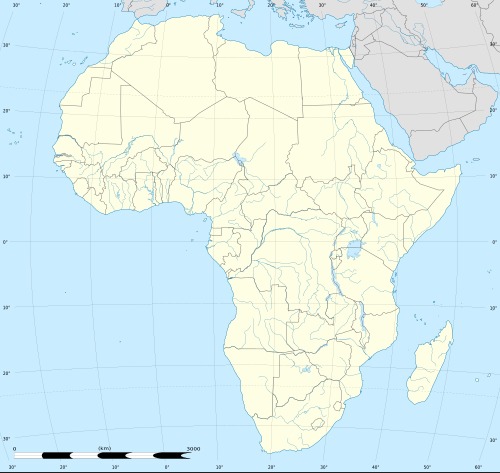
Namibia, located in southwestern Africa, is a country characterized by a diverse and dynamic population. Its demographic landscape features a mix of ethnic groups, languages, and cultural traditions that contribute to the nation’s unique identity. Understanding the demographic overview of Namibia provides insight into the social fabric and population trends shaping its development and society.
Population Size and Growth Trends
Namibia is a country located in southwestern Africa, with a diverse demographic profile characterized by a relatively small but steadily growing population. As of recent estimates, Namibia’s population size is approximately 2.4 million people. The population growth trend has been modest over the past decades, influenced by factors such as birth rates, mortality rates, and migration patterns. Namibia’s annual population growth rate has typically ranged around 1.2% to 1.5%, reflecting a balanced demographic dynamic. The country’s population density remains low, due in part to its vast land area and varied geographical features. Overall, Namibia’s population continues to grow gradually, contributing to the country’s social and economic development landscape while maintaining a youthful demographic structure with a significant proportion of young people.
Ethnic Composition
Namibia is a diverse country located in southwestern Africa, featuring a rich tapestry of ethnic groups and cultures. The population is estimated to be over 2.5 million people, with a variety of ethnic backgrounds contributing to the nation’s cultural landscape. The largest ethnic group is the Ovambo, predominantly found in the northern regions, making up approximately 50% of the population. Other significant groups include the Kavango, Herero, Damara, and Nama, each with their own unique languages, traditions, and histories. The Bushmen, also known as San people, are among the earliest inhabitants of Namibia, known for their deep connection to the land and their ancient hunting and gathering customs. Whites, primarily of German, Afrikaans, and British descent, represent a smaller but economically influential segment of the population. These diverse ethnic communities coexist and contribute to Namibia’s vibrant cultural identity, illustrating a nation shaped by a complex history and multicultural coexistence.
Urban and Rural Distribution
Namibia has a diverse demographic profile characterized by a mix of urban and rural populations. The country’s population is approximately 2.5 million people, with distribution across various regions and communities that reflect a blend of ethnic backgrounds, languages, and lifestyles.
- The urban population in Namibia is concentrated mainly in the capital city, Windhoek, and other major towns such as Swakopmund and Walvis Bay. Urban areas account for about 50% of the total population, offering better access to education, healthcare, and economic opportunities.
- The rural population makes up the remaining approximately 50%, with many communities engaged primarily in agriculture and traditional livelihoods. Rural districts are spread across the country’s landscape, especially in regions like Oshana, Omusati, and Kavango.
- The demographic distribution also reflects Namibia’s ethnic diversity, including groups such as the Ovambo, Kavango, Herero, Damara, and Nama, each with distinct cultural and linguistic identities.
- Population growth is relatively steady, with migration patterns influenced by economic opportunities and access to infrastructure, leading to ongoing urbanization trends in Namibia.
Ethnic Groups in Namibia
Namibia is a diverse country home to a rich mosaic of ethnic groups, each contributing uniquely to the nation’s cultural landscape. These groups include the Herero, Nama, Ovambo, Damara, and San, among others, reflecting a variety of languages, traditions, and histories. The interactions and coexistence of these communities shape Namibia’s vibrant social fabric and heritage, making it a fascinating country for those interested in cultural diversity and anthropology.
Ovambo People
Namibia is a diverse country with multiple ethnic groups, each contributing to its rich cultural tapestry. Among these, the Ovambo people are the largest ethnic group, primarily residing in the northern regions of Namibia, such as Oshana, Omusati, and Ohangwena. They are part of the larger Ovambo ethnic cluster that extends into southern Angola. The Ovambo are known for their strong cultural traditions, including traditional dances, elaborate ceremonies, and unique crafts. They primarily speak the Ovambo language, which belongs to the Bantu language family. The Ovambo people have a close-knit community structure and traditionally engage in subsistence farming, cattle herding, and fishing. Their social organization and customs play a significant role in shaping Namibia’s cultural diversity and social fabric.
Herero and Himba Communities
Namibia is a diverse country with a rich mosaic of ethnic groups, each contributing to its vibrant cultural landscape. Among the prominent communities are the Herero and Himba peoples, who have unique traditions and histories that deeply influence Namibia’s identity. The Herero, known for their distinctive Victorian-style attire and pastoral lifestyle, primarily reside in the central and northern regions. They have a history marked by resilience and play a significant role in Namibia’s socio-economic fabric. The Himba community, renowned for their striking appearance characterized by otjize paste on their skin and hair, inhabits the arid northwestern parts of Namibia. They maintain a semi-nomadic pastoralist lifestyle, preserving age-old customs and beliefs. Both communities exemplify Namibia’s cultural diversity and are vital to understanding the nation’s heritage and social fabric.
Damara and Nama Peoples
Namibia is a country with a rich mosaic of ethnic groups, each contributing to the nation’s diverse cultural heritage. Among these groups, the Damara and Nama peoples hold significant historical and cultural importance, reflecting the unique traditions and identities within Namibia.
- The Damara people are one of the oldest ethnic groups in Namibia, traditionally occupying regions in central Namibia. They speak the Damara language, which is a Khoekhoe language, and have a history rooted in cattle herding, hunting, and farming. The Damara community is known for their distinctive cultural practices, including unique music, dance, and traditional dress.
- The Nama people, also known as the Namaqua, are part of the Khoikhoi, a group indigenous to southwestern Africa. They predominantly reside in southern Namibia and northern South Africa. The Nama speak the Nama language, another Khoekhoe language, and are renowned for their rich oral traditions, beadwork, and arts and crafts. Historically, the Nama engaged in pastoralism and trade, and their social structures emphasize community and kinship ties.
- Both communities have faced various challenges throughout history, including colonialism and modern societal changes, but they continue to preserve their languages, customs, and cultural practices, contributing to Namibia’s diverse cultural landscape.
Others: San, Tswana, and Bantu Groups
Namibia is home to a diverse array of ethnic groups that contribute to the country’s rich cultural tapestry. Among these, the San people are one of the oldest inhabitants, known for their hunter-gatherer traditions and remarkable survival skills. The Tswana, also known as Tswana people, originally originate from Botswana but have a significant presence in Namibia, particularly in the western regions. Bantu groups in Namibia include various tribes such as the Ovambo, Herero, and Damara, each with distinct languages, customs, and histories. These groups have played a vital role in shaping the nation’s cultural landscape and continue to preserve their unique identities within Namibia’s social fabric.
Cultural Practices and Traditions
Namibia’s people are rich in cultural practices and traditions that reflect their diverse history and deep connection to their land. These customs are preserved through vibrant ceremonies, art, music, and everyday social practices that promote community and identity. Understanding these cultural elements offers insight into the unique heritage of Namibia’s various ethnic groups and how they maintain their traditions in a modern world.
Music, Dance, and Festivals
Namibia is a country rich in cultural diversity, with various ethnic groups each having unique traditions, music, dance, and festivals that reflect their heritage and way of life.
Traditional practices play a vital role in the daily lives of Namibian people, often centered around community gatherings, rituals, and celebrations that honor ancestors, harvests, and important life events.
- The Himba people are known for their distinctive red ochre skin and elaborate hairstyles, which symbolize social status and age groups.
- The Herero community celebrates the annual Herero Day, commemorating their ancestors with traditional costumes, music, and dance performances.
- The San people maintain age-old hunting and storytelling traditions, utilizing rhythmic music and dance to pass down knowledge through generations.
- The Ovambo community observes traditional ceremonies that include singing, drumming, and dancing to mark significant milestones.
- The Damara people participate in festivals that showcase their unique oral history, crafts, and musical expressions.
Music and dance are integral to Namibian culture, often used to celebrate, heal, or mark social transitions. Instruments such as drums, rattles, and stringed instruments accompany lively dances that involve synchronized movements and storytelling elements.
- Festivals like the Nama Traditional Festival and the Omagongo Festival highlight traditional music, dance, and local cuisine, bringing communities together to preserve their cultural identity.
- During these festivals, performances often include traditional singing, intricate dance routines, and storytelling that showcase the people’s history and social values.
- Music genres range from rhythmic drumming to vocal improvisations, with each ethnic group contributing their unique styles and instruments.
Traditional Attire and Jewelry
The people of Namibia have rich cultural practices and traditions that reflect their diverse heritage and history. These customs are often passed down through generations and are expressed through various ceremonies, storytelling, and social gatherings. Traditional music, dance, and rituals play a significant role in maintaining cultural identity and strengthening community bonds.
Traditional attire among Namibian communities varies depending on the ethnic group, but it often includes brightly colored fabrics, intricate beadwork, and distinctive patterns. For example, the Herero women are famous for their Victorian-inspired dresses and elaborate floral headdresses, which symbolize their cultural heritage. Other groups, such as the Himba, wear minimal clothing, adorned with ochre and jewelry that signify social status and beauty ideals.
Jewelry in Namibia is not only decorative but also carries cultural significance. Beaded necklaces, bracelets, and earrings are commonly worn and often feature symbolic colors and patterns that represent various aspects of identity, such as marital status, age, or community affiliation. The craftsmanship behind these jewelry pieces is highly valued and reflects the artistry and traditions of Namibia’s diverse ethnic groups.
Marriage and Social Customs
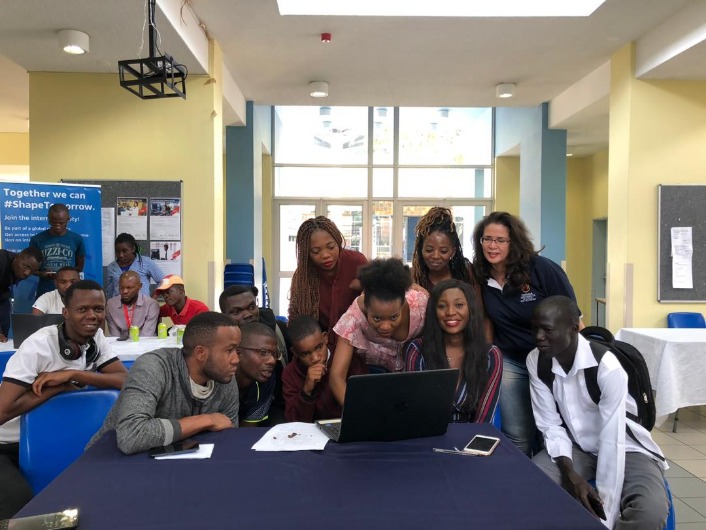
Namibia is a country rich in cultural diversity, with a variety of traditions and social customs practiced by its numerous ethnic groups. These cultural practices play a vital role in shaping community life and maintaining the identity of different groups within the nation. Traditional ceremonies, festivals, and rituals often revolve around important life events, such as birth, coming of age, marriage, and death, reflecting deep-rooted beliefs and values.
Marriage customs in Namibia vary among its ethnic communities but generally emphasize communal involvement, respect, and the importance of family. Many groups observe traditional marriage ceremonies that include rituals like bridewealth payments, intricate dances, and storytelling. These customs serve to strengthen family ties and community bonds, while also honoring ancestral traditions. Modern influences have led to the coexistence of traditional and contemporary marriage practices, with some couples opting for formal civil or religious ceremonies alongside customary rituals.
Social customs in Namibia emphasize respect for elders, hospitality, and the preservation of cultural heritage. Traditional dress, music, dance, and oral storytelling are integral parts of social life, often showcased during festivals and communal gatherings. Elders are highly respected for their wisdom and experience, and their advice is valued in societal decision-making. Overall, Namibia’s cultural practices and social customs serve to foster unity, identity, and continuity among its diverse populations.
Linguistic Diversity
Language plays a vital role in shaping the identity and culture of Namibia’s people. The country is home to a rich tapestry of linguistic diversity, with numerous indigenous languages spoken alongside official languages like English. This linguistic variety reflects Namibia’s complex history and the multicultural fabric of its society, highlighting the importance of preserving and promoting these languages for future generations.
Official Languages and Indigenous Languages
Namibia is known for its rich linguistic diversity, reflecting the country’s multicultural society. The nation officially recognizes English as its sole official language, which serves as a unifying medium for government, education, and communication across different ethnic groups. Despite this, many other languages are spoken by the people, including Oshiwambo, Herero, Damara, Nama, and Kavango languages. These indigenous languages hold cultural significance and are used in daily life, traditional ceremonies, and local media, preserving Namibia’s diverse heritage. Efforts are ongoing to promote and protect indigenous languages, ensuring they remain vibrant parts of Namibia’s cultural landscape alongside the official language. This linguistic variety highlights the country’s commitment to honoring its indigenous roots while fostering national unity through a common official language.
Language Preservation and Education
Namibia is a country renowned for its rich linguistic diversity, with over 30 languages spoken by its people. This diversity reflects the complex cultural tapestry of various ethnic groups, each contributing unique linguistic traditions. Preserving these languages is vital for maintaining cultural identity and heritage, yet many face threats from globalization and urbanization. Education plays a crucial role in the effort to sustain indigenous languages, offering opportunities for younger generations to learn and use their native tongues alongside official languages like English. Promoting multilingual education can foster greater inclusivity and understanding among Namibia’s diverse communities.
- Herero: Spoken by the Herero people, this language holds significant cultural importance and is actively preserved through community efforts.
- Oshiwambo: As one of the most widely spoken languages in Namibia, it is used in education and media to ensure its continued vitality.
- Nama/Damara: These Khoekhoe languages are vital for cultural identity but face challenges from language shift towards more dominant languages.
- English: The official language of Namibia, used in government and education, serving as a unifying medium across diverse linguistic groups.
- Efforts for language preservation include community initiatives, bilingual education programs, and documentation projects that aim to keep these languages alive for future generations.
Religion and Spiritual Beliefs
Religion and spiritual beliefs play a significant role in shaping the culture and daily lives of Namibia’s diverse population. The people of Namibia practice a variety of faiths, including Christianity, indigenous beliefs, and other spiritual traditions, reflecting the country’s rich cultural tapestry. These beliefs influence social practices, ceremonies, and community values, contributing to the vibrant and dynamic society of Namibia.
Christianity and Its Denominations
Religion and spiritual beliefs play a significant role in the daily lives of the people of Namibia, reflecting a diverse tapestry of faiths. Christianity is the predominant religion, deeply rooted in Namibian culture and history, with various denominations practiced across the country. Among the main Christian denominations are Roman Catholicism, Lutheranism, Anglicanism, and other Protestant churches. Lutheranism, in particular, has a strong presence due to historical ties with German missionaries, especially in regions such as the Caprivi Strip and Oshana. Catholic communities are active in urban centers and rural areas, offering spiritual guidance and community programs. Additionally, many Namibians integrate traditional spiritual beliefs alongside Christianity, practicing customs that honor ancestors and nature spirits, illustrating a blend of faiths. This religious diversity contributes to Namibia’s rich cultural landscape, fostering communities rooted in shared beliefs and spiritual practices.
Traditional Religious Practices
Namibia is a country with a diverse tapestry of religious and spiritual beliefs that reflect its rich cultural heritage. Many Namibians practice traditional indigenous religions, which often involve ancestor worship, rituals, and ceremonies aimed at maintaining harmony with nature and spiritual forces. Christianity is the dominant religion, brought by missionaries and colonial influences, with denominations including Lutheranism, Catholicism, and other Protestant groups playing significant roles in community life. Additionally, some communities retain indigenous spiritual practices alongside their Christian faiths, creating a unique blend of beliefs that emphasize the importance of spiritual connection and cultural identity. Traditional practices such as storytelling, dance, and ceremonial rituals continue to be integral parts of Namibia’s cultural fabric, fostering a sense of continuity and reverence for ancestors and nature among its people.
Religious Festivals and Events
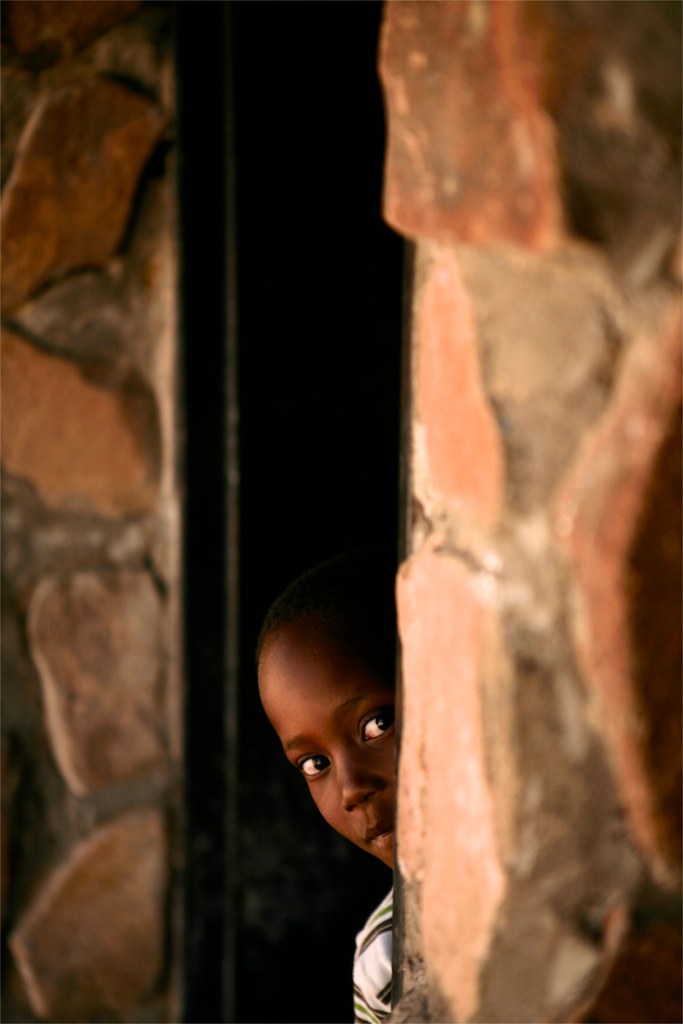
The people of Namibia have a rich tapestry of religious and spiritual beliefs that reflect their diverse cultural heritage. Christianity is the most widely practiced religion, with a significant number of people affiliating with Protestant, Catholic, and Anglican denominations. Traditional indigenous beliefs also play an important role, especially among rural communities, where spiritual practices often involve rituals that honor ancestors and natural spirits. Islam is another faith practiced by a small but notable portion of the population, primarily among communities of Arab and Asian descent.
Throughout the year, Namibia hosts numerous religious festivals and events that showcase its cultural diversity. Christian festivals such as Christmas and Easter are widely celebrated with church services, processions, and community gatherings. Traditional ceremonies, such as the Ovatjimba tribe’s initiation rites and harvest festivals, are vital cultural events that reinforce social bonds and spiritual beliefs. One prominent event is the Windhoek Carnival, which, although secular, often features religious themes and performances that emphasize unity and cultural pride. These festivals serve not only as religious observances but also as opportunities for cultural expression and community bonding, highlighting Namibia’s harmonious coexistence of faiths and traditions.
Socioeconomic Aspects
Namibia, a country known for its diverse landscapes and rich cultural heritage, also exhibits notable socioeconomic dynamics that influence its population. Understanding these aspects provides insight into the challenges and opportunities faced by Namibian people as they strive for development and improved living standards. Socioeconomic factors such as income distribution, education, employment, and access to resources play a crucial role in shaping the social fabric of Namibia and its ongoing progress.
Education and Literacy Levels
Namibia is characterized by diverse socioeconomic conditions that significantly influence education and literacy levels among its population. Socioeconomic status varies widely across different regions and communities, affecting access to quality education, resources, and opportunities for learning. Poverty remains a challenge in many areas, limiting the ability of individuals to pursue continuous education and improving literacy skills.
Education in Namibia is an essential aspect of national development, with the government making efforts to improve access and quality. However, disparities persist between urban and rural communities, with rural areas often experiencing lower enrollment rates and fewer qualified teachers. These gaps contribute to varying literacy levels, with urban populations generally exhibiting higher literacy rates compared to their rural counterparts.
Literacy levels in Namibia have improved over the years but still face hurdles due to socioeconomic inequalities. Efforts are ongoing to promote adult education and functional literacy programs, aiming to empower disadvantaged groups and enhance overall national literacy. Addressing these socioeconomic and educational challenges is crucial for fostering sustainable growth and reducing inequalities within the country.
Employment and Income Sources
Namibia’s socioeconomic landscape is shaped by a diverse mix of employment opportunities and income sources that reflect its unique history and resources. The economy primarily relies on mining, agriculture, tourism, and fishing, providing employment to a significant portion of the population. Mining activities, especially uranium, diamonds, and other mineral resources, contribute substantially to national income and employment. Agriculture remains vital, particularly in rural areas, where subsistence farming and livestock rearing are common income sources. Tourism also plays a crucial role, offering jobs in hospitality, guiding services, and conservation efforts, especially given Namibia’s rich wildlife and natural landscapes. Despite these opportunities, income disparities persist, often linked to geographic and socio-economic factors, with urban areas generally offering better employment prospects than rural communities. Overall, Namibia’s people derive their livelihoods from a combination of resource-based industries and service sectors, influenced by historical, social, and economic dynamics.
Community Initiatives and Development Projects
Namibia’s socioeconomic landscape is characterized by a diverse population facing both opportunities and challenges in development. The country has made progress in improving educational and health services, yet disparities remain between urban and rural communities, affecting overall social equity. Community initiatives play a vital role in empowering local populations, often focusing on sustainable agriculture, small business development, and environmental conservation. These grassroots efforts foster social cohesion and resilience, providing communities with the tools to address their unique needs. Development projects in Namibia prioritize infrastructure improvements, such as water supply and transportation, along with initiatives that promote economic diversification. International aid, government programs, and partnerships with non-governmental organizations contribute to these efforts, aiming to enhance living standards and reduce poverty. Overall, a collaborative approach that integrates community participation with strategic development initiatives is crucial for Namibia’s long-term socioeconomic stability and growth.

0 Comments