
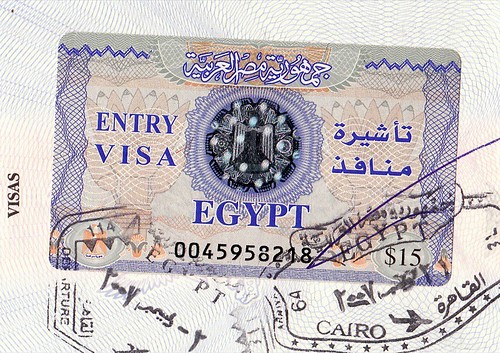
Types of Egyptian Visas
Egypt offers a variety of visas to accommodate different travel purposes, whether for tourism, business, study, or residence. Understanding the various types of Egyptian visas is essential for travelers to ensure a smooth entry process and compliance with the country’s immigration regulations. Each visa type has specific requirements and conditions tailored to the visitor’s intent during their stay in Egypt.
Tourist Visa
Egypt offers various types of visas to accommodate different travel purposes, with the Tourist Visa being one of the most common for visitors seeking leisure and sightseeing opportunities. A Tourist Visa allows travelers to explore Egypt’s historical sites, beaches, and cultural attractions for a limited period, typically up to 30 or 90 days depending on the visa issued. This visa can be obtained through Egyptian embassies or consulates, or via an electronic visa (e-Visa) for eligible travelers, making the process more convenient. Certain nationalities may also benefit from visa-on-arrival options or visa exemption, but it is essential to check specific requirements before traveling. Other types of Egyptian visas include Business Visas, Work Visas, Student Visas, and Transit Visas, each tailored to different travel needs and durations.
Business Visa
Egyptian visas for business purposes are designed for individuals who intend to engage in commercial activities, attend conferences, or explore investment opportunities within Egypt. These visas facilitate short-term visits that support economic and business development between Egypt and other countries.
There are different types of Egyptian business visas, including single-entry, which allows a one-time entry for a specified duration, and multiple-entry visas, enabling multiple visits within a certain period. The application typically requires documents such as an invitation letter from an Egyptian company or organization, proof of hotel reservation or accommodation, and evidence of financial means.
Business visas are usually granted for a duration that aligns with the purpose of visit, often ranging from 30 to 90 days. In some cases, extensions can be requested through Egyptian immigration authorities. It is essential to ensure all documentation is accurate and complete to facilitate a smooth visa approval process.
Transit Visa
Egypt offers various types of visas to accommodate the needs of travelers, including tourists, business visitors, and transit passengers. One of the common categories is the Transit Visa, designed for travelers passing through Egypt to another destination.
- Transit Visa: This visa allows travelers to stay in Egypt for a short period, typically up to 48 or 72 hours, while waiting for a connection to another flight or destination. It is usually issued to those who do not plan to leave the airport’s transit area, but in some cases, a full visa may be required if you intend to exit the airport.
- Tourist Visa: For individuals visiting Egypt for tourism purposes, which can be obtained through embassies, online e-visa portals, or upon arrival in certain cases.
- Business Visa: For travelers visiting Egypt for business meetings, conferences, or trade negotiations. This visa often requires an invitation letter from a sponsoring Egyptian company or organization.
- Student Visa: Issued to students planning to study at Egyptian educational institutions, typically requiring admission confirmation and sponsorship documentation.
- Work Visa: For expatriates employed by organizations in Egypt, usually arranged by the employer and requiring relevant work permits and documentation.
- Official or Diplomatic Visa: Granted to government officials or diplomates traveling for official purposes.
Humanitarian and Official Visas
Egypt offers a variety of visas to accommodate different purposes of travel, including Humanitarian and Official visas. Humanitarian visas are granted to individuals visiting Egypt for reasons related to humanitarian efforts, such as emergencies, aid work, or compassionate reasons. These visas are typically issued based on urgent circumstances and may require special documentation to verify the purpose of visit. Official visas are designed for government representatives, diplomats, and officials traveling to Egypt on official duties or for diplomatic purposes. They usually require official correspondence from relevant authorities and are issued to facilitate official travel and work-related activities. Both types of visas are essential for specific categories of travelers and are granted under particular conditions to support Egypt’s diplomatic and humanitarian relations.
Student Visa
Egypt offers various types of visas to accommodate the different purposes of travelers, including tourist, business, transit, and student visas. Among these, the student visa is specifically designed for individuals who wish to pursue educational opportunities in Egypt. This visa permits students to study at recognized Egyptian institutions, such as universities and language schools, for the duration of their academic program.
The Egyptian student visa is typically issued upon approval of the enrollment or invitation letter from the educational institution. Applicants may need to submit proof of financial means, health insurance, and a clean criminal record. The visa duration usually aligns with the length of the academic program and can often be renewed or extended upon request.
It is advisable for students to apply for the visa through the Egyptian embassy or consulate in their home country before traveling. Additionally, students may be required to obtain a residence permit once in Egypt, which allows for longer stays beyond the initial visa validity period. Understanding the specific requirements and procedures ensures a smooth entry and stay in Egypt for educational purposes.
Eligibility Requirements
Understanding the eligibility requirements for an Egypt visa is a crucial step for travelers planning their visit. These requirements ensure that applicants meet the necessary criteria to obtain a visa and enter Egypt smoothly. By familiarizing yourself with the specific conditions and documentation needed, you can streamline the application process and avoid potential delays or rejections.
Valid Passport
To apply for an Egypt visa, applicants must meet specific eligibility requirements and possess a valid passport. These criteria help ensure a smooth application process and successful entry into Egypt.
- Possession of a valid passport with at least six months remaining before expiration from the intended date of entry into Egypt.
- Having blank pages in the passport for visa stamps and entry/exit stamps.
- Providing necessary supporting documents as specified by the Egyptian consulate or embassy, such as travel itinerary, accommodation proof, and proof of sufficient funds.
- Being in good health and, if required, providing a recent health certificate or vaccination record.
- Meeting any specific criteria based on the type of visa being applied for, such as tourism, business, or transit visas.
Completed Application Form
To be eligible for an Egypt visa, applicants must meet specific criteria outlined by Egyptian immigration authorities. This typically includes possessing a valid passport with at least six months of remaining validity, providing proof of sufficient funds for their stay, and presenting a valid reason for travel such as tourism, business, or study. Additional requirements may vary depending on the type of visa applied for and the applicant’s nationality.
Completing the Application Form accurately and thoroughly is essential for a smooth visa process. The form should be filled out with up-to-date information, including personal details, travel plans, and contact information. All sections must be completed without leaving any fields blank unless they do not apply. Submitting a properly completed application form along with the necessary supporting documents increases the chances of obtaining an Egypt visa in a timely manner.
Photographs
To apply for an Egypt visa, applicants must meet specific eligibility requirements which typically include valid travel documents, proof of sufficient funds, and a clear purpose for visiting Egypt. Applicants should ensure their passport has at least six months of validity beyond the intended stay and possess necessary supporting documents such as hotel reservations or invitation letters.
Photographs submitted with the visa application must usually be recent, clear, and in line with specific size requirements. Commonly, two passport-sized photographs are needed, with a white background, showing the applicant’s full face directly facing the camera. It is important that photographs are free from shadows, glare, and any modifications to ensure they meet the visa office standards for identification purposes.
Proof of Accommodation and Itinerary
To apply for an Egypt visa, applicants must meet specific eligibility requirements, provide proof of accommodation, and submit an itinerary outlining their travel plans. These documents help ensure that visitors have legitimate intentions and proper arrangements for their stay.
- Eligibility Requirements:
- Valid passport with at least six months of remaining validity.
- Completed visa application form.
- Recent passport-sized photographs.
- Proof of sufficient financial means to support stay.
- Visa fee payment receipt.
- In some cases, a travel insurance policy covering the duration of the stay.
- Proof of Accommodation:
- Hotel reservation confirmation.
- If staying with friends or family, an invitation letter from the host along with their identification documents.
- Other official documentation evidencing accommodation arrangements.
- Itinerary:
- A detailed travel schedule including planned destinations and activities.
- Confirmed flight tickets showing entry and exit dates.
- Any booked tours or events organized during the stay.
Financial Proof
To apply for an Egyptian visa, applicants must meet specific eligibility requirements and provide adequate financial proof to demonstrate their ability to support themselves during their stay. Ensuring these conditions are fulfilled is essential for a smooth application process.
- Eligibility Requirements:
- Possess a valid passport with at least six months of validity beyond the intended stay.
- Complete the visa application form accurately and honestly.
- Provide a recent passport-sized photograph.
- Meet the purpose-specific criteria, such as tourism, business, or family visit.
- Have no criminal record or pose any security threat as determined through background checks.
- Financial Proof:
- Bank statements from the past three to six months showing sufficient funds to cover accommodation, daily expenses, and return travel.
- Income proof such as salary slips or a letter from the employer.
- Proof of accommodation arrangements, such as hotel bookings or an invitation letter from a host in Egypt.
- If applicable, proof of sponsorship or financial support from a host or organization within Egypt.
Application Process
The application process for an Egypt visa involves several important steps that travelers must follow to ensure a smooth entry into the country. Understanding the requirements and procedures is essential for securing your visa without delays. From preparing necessary documents to submitting your application, this guide provides a clear overview of the steps involved in obtaining an Egypt visa.
Visa On Arrival
The application process for an Egypt visa, specifically for travelers opting for Visa On Arrival, is straightforward and convenient. It allows visitors to obtain their visa upon arrival at designated entry points in Egypt without prior arrangements from their home country.
To ensure a smooth process, travelers should be prepared with the necessary documents and follow the steps outlined below:
- Arrive at an authorized entry point in Egypt, such as Cairo International Airport, Hurghada, or Sharm El Sheikh.
- Complete the visa application form, which is usually available at the visa on arrival counters or can be filled out online beforehand in some cases.
- Pay the applicable visa fee, which should be in cash and often in US dollars or Egyptian pounds.
- Present your passport, which must be valid for at least six months beyond your intended stay, along with any additional required documents such as hotel bookings or proof of sufficient funds.
- Receive your visa stamp or sticker in your passport, allowing you to enter Egypt and stay for the permitted duration, typically up to 30 days.
It is recommended to verify the latest regulations and fees before traveling, as the process and requirements may change. Travelers should also keep copies of all documents and receipts during their stay in Egypt.
Pre-Arrival Application via Egyptian Embassy or Consulate
The application process for an Egyptian visa begins with submitting a pre-arrival application through the Egyptian Embassy or Consulate in your country. This initial step involves completing the required application form, providing necessary supporting documents such as a valid passport, photographs, proof of accommodation, and proof of funds. It is important to ensure all information is accurate and complete to avoid delays. Once the application is reviewed and approved by the embassy or consulate, a visa authorization or approval letter is issued. Applicants may need to schedule an appointment for an interview or to submit biometric data, depending on the specific requirements of their location. After approval, the visa is stamped into the passport or issued as an electronic visa, allowing travel to Egypt for the permitted duration and purpose of visit. Staying informed about the specific requirements and processing times of the nearest Egyptian Embassy or Consulate ensures a smooth visa application process.
Online E-Visa System
The application process for an Egypt visa has been streamlined through the online E-Visa System, making it more convenient for travelers. Applicants need to visit the official E-Visa portal and complete the digital form with personal details, travel information, and passport data. Once submitted, the system reviews the application and may request additional documents if needed. Payment is made securely online, and applicants receive their E-Visa authorization via email once approved. It is essential to ensure that all information entered is accurate to avoid delays or rejection. The online E-Visa System simplifies entry procedures for travelers to Egypt, promoting easier access and promoting tourism.
Required Documents
The Egypt visa application process involves several steps to ensure your eligibility for entry into the country. Applicants must complete the necessary forms accurately and submit them along with the required documents. It is essential to check the specific type of visa needed for your purpose of travel, such as tourism, business, or transit.
Required documents for an Egypt visa typically include a valid passport with at least six months of remaining validity, recent passport-sized photographs, a completed visa application form, and proof of accommodation or travel itinerary. Additional documents may be required based on the visa type, such as a letter of invitation, proof of financial means, or employment verification.
Applicants may need to provide evidence of travel insurance, flight bookings, and a visa fee payment receipt. It is advised to consult the official Egyptian embassy or consulate website for specific requirements and submission procedures, as these can vary depending on your country of residence and the visa type.
Processing Time
The application process for an Egypt visa typically involves submitting the required documents, completing an application form, and, in some cases, attending an appointment at the consulate or embassy. It is important to ensure that all information provided is accurate and complete to avoid delays. Processing times can vary depending on the type of visa and the applicant’s nationality.
Standard processing times for an Egypt visa are generally as follows:
- Tourist visa: Usually takes between 5 to 7 business days.
- Business visa: Typically processed within 7 to 10 business days.
- e-Visa: Often issued within 3 to 5 business days online.
- Visa on arrival: Issued immediately upon arrival at the airport, although processing at the airport may take additional time during busy periods.
Applicants are advised to apply well in advance of their intended travel date to account for any unforeseen delays. Checking with the official Egyptian embassy or consulate can provide the most current processing times and requirements.
Fees and Payment Methods
Understanding the fees and payment methods for Egypt visas is essential for a smooth application process. Whether applying online or through a visa center, it is important to be aware of the costs involved and the available payment options. This ensures that applicants are well-prepared and can complete their transactions without any hassle, making their journey to Egypt more straightforward and stress-free.
Visa Fees for Different Countries
When applying for an Egyptian visa, applicants should be aware of the various fees associated with the process, which can differ depending on their country of residence. Visa fees vary based on the type of visa, duration of stay, and the applicant’s nationality. Many countries have specific fee structures for tourism, business, or transit visas, and these fees are subject to change periodically.
Payment methods for visa applications typically include online payments via credit or debit cards, bank transfers, or payments at designated visa centers or Egyptian embassies. It is important to verify the accepted payment methods with the respective consulate or embassy before submitting your application.
Visa fees for different countries are often categorized by regional groups. For instance, applicants from certain countries may have higher fees than others, reflecting diplomatic agreements or bilateral relations. Citizens from some nations might also qualify for simplified application procedures or fee exemptions, especially if they are eligible for visa-on-arrival or e-visa options.
Accepted Payment Methods
When applying for an Egypt visa, it is important to be aware of the applicable fees and the accepted payment methods. The visa processing fee varies depending on the type of visa, nationality, and processing time, with standard fees typically payable at the time of application. Common payment methods accepted by visa application centers include cash, credit cards, and sometimes bank transfer, ensuring flexibility for applicants. It is advisable to check the specific payment options available at your local embassy or consulate, as well as any additional service charges that may apply. Ensuring the correct payment method is used helps facilitate a smooth and efficient visa processing experience for travelers heading to Egypt.
Additional Charges and Service Fees
When applying for an Egypt visa, it is important to understand the fees and available payment methods. Applicants are typically required to pay a visa processing fee, which varies depending on the type of visa and nationality. Payment methods usually include credit or debit cards, bank transfers, or cash payments at authorized locations. Additional charges may apply for expedited processing or additional services, such as document verification or translation. Service fees charged by visa agencies or consulates can also increase the overall cost. It is recommended to review the specific fee structure and payment options provided by the Egyptian embassy or consulate before submitting your application to ensure a smooth process.
Visa Validity and Duration of Stay
Understanding visa validity and duration of stay is essential when planning a trip to Egypt. These factors determine how long you can enter the country and how much time you can spend there during each visit. Proper knowledge of these aspects helps travelers ensure compliance with Egyptian immigration regulations and avoid any legal issues during their stay.
Standard Validity Periods
Egyptian visas typically have specific validity periods and allow for a certain duration of stay within the country. The validity period refers to the time frame during which the visa remains active and can be used for entry, while the duration of stay indicates the maximum length of time a traveler is permitted to remain in Egypt on that visa.
Standard validity periods for Egypt visas generally range from one month to ten years, depending on the type of visa issued. Short-term visas, such as tourist or business visas, are usually valid for 30 to 90 days, allowing multiple entries or a single entry. Long-term visas, including work or residence permits, may have validity periods extending up to several years, often requiring renewal or additional processing.
The allowed duration of stay per visit also varies, with most tourist visas permitting stays of up to 30 or 90 days. It is essential for travelers to adhere to the specified duration to avoid overstaying, which can result in penalties or future visa difficulties. Always check the specific validity and stay limits associated with your visa type before travel to ensure compliance with Egyptian immigration regulations.
Maximum Duration of Stay
For an Egypt visa, the validity period refers to the duration for which the visa remains active after issuance. It is important to note that the validity does not necessarily indicate the length of stay allowed in Egypt. The Duration of Stay specifies the maximum number of days a visitor can remain in the country on a single visit, often stated upon entry or on the visa approval. Typically, tourists may be granted a stay of up to 30 or 90 days, depending on the type of visa issued. The Maximum Duration of Stay is the longest period a visitor can legally stay in Egypt under their visa terms, and exceeding this period may lead to penalties or deportation. It is essential to check the specific details of the visa issued to ensure compliance with Egyptian immigration regulations.
Visa Extensions
Egyptian visa validity and the duration of stay granted depend on the type of visa issued. Typically, tourist visas are valid for up to six months from the date of issue, allowing travelers to stay in Egypt for a maximum of 30 or 90 days per entry, depending on the visa category. Business and other visa types may have different validity periods and permitted durations of stay. It is important for travelers to verify the specific validity and stay limits associated with their visa before traveling.
Visa extensions in Egypt are possible but require applying to the General Directorate of Passports, Immigration and Nationality. Extensions are usually granted for an additional 30 days and are subject to approval. It is advisable to apply for an extension before the initial visa period expires to avoid penalties or overstaying. Travelers should ensure they comply with all regulations and keep documentation up to date for a smooth extension process.
Entry and Exit Regulations
Entry and exit regulations play a crucial role in managing travel and ensuring security for visitors entering and leaving Egypt. These regulations outline the procedures, documentation, and requirements that travelers must adhere to when crossing borders. Understanding these rules is essential for a smooth and hassle-free visa application process, as well as for complying with Egyptian immigration policies and avoiding potential legal issues during your visit.
Multiple Entry vs Single Entry Visas
When obtaining a visa for Egypt, understanding the entry and exit regulations is essential. These rules specify how travelers can enter and leave the country, ensuring smooth travel experiences. Egypt offers different types of visas depending on the travel purpose, duration, and the number of entries allowed.

Multiple entry visas allow travelers to enter Egypt several times within a specified period without needing to reapply for a new visa each time. This type of visa is ideal for business travelers or tourists planning to visit neighboring countries and return to Egypt multiple times. Conversely, single entry visas permit only one entry into Egypt, and once the traveler departs, a new visa must be obtained to re-enter.
Choosing between a multiple entry and single entry visa depends on the travel itinerary and individual needs. While multiple entry visas provide greater flexibility, they may also involve longer processing times and higher costs. Understanding these options helps travelers plan their trip efficiently while complying with Egyptian immigration regulations.
Customs and Immigration Checks
When traveling to Egypt, understanding the Entry and Exit Regulations, Customs, and Immigration Checks is essential for a smooth journey. All travelers must carry a valid passport with at least six months of validity beyond the intended stay. Visitors may require a visa, which can often be obtained in advance or on arrival, depending on their nationality.
Upon arrival in Egypt, travelers are subject to immigration checks where immigration officers may request to see documentation, including visa approval if applicable, and may ask questions regarding the purpose of the visit and duration of stay. It is important to answer honestly and provide any requested documents to ensure compliance with entry requirements.
Customs procedures involve declaring any goods that exceed permitted limits or items restricted or prohibited by Egyptian law. Restrictions include certain pharmaceuticals, alcohol, and cultural artifacts. Passengers may be required to declare valuables, and there are specific limits on the amount of currency that can be brought into or taken out of the country without declaration.
Exit regulations also mandate that travelers comply with customs and immigration checks when leaving Egypt. Ensuring all formalities are completed and that no prohibited items are carried out is important to avoid penalties or delays. Therefore, travelers should familiarize themselves with the latest regulations before departure to ensure a hassle-free experience.
Prohibited Items and Regulations
When traveling to Egypt, understanding Entry and Exit Regulations, Prohibited Items, and Local Regulations is essential to ensure a smooth journey and avoid any legal issues. These guidelines help travelers navigate the customs process and adhere to Egyptian laws concerning luggage and personal conduct.
Entry and Exit Regulations in Egypt include the following key points:
- Visa requirements vary depending on nationality; some travelers can obtain a visa on arrival or an e-visa, while others must secure a visa beforehand.
- Passengers must have a valid passport with at least six months’ validity beyond the date of entry.
- Customs declarations are required for items exceeding their duty-free allowance, including cash amounts over a certain limit.
- Exit from Egypt may involve security checks, and travelers must comply with airport procedures for security clearance.
Prohibited items in Egypt include:
- Illegal drugs and narcotics—strict penalties are enforced.
- Pornographic material or items deemed offensive to Egyptian culture or religion.
- Unlicensed pharmaceuticals or medications that require special approval.
- Counterfeit goods, including pirated films, music, or designer products.
- Items related to blasphemy or activities deemed harmful to national security.
Official regulations for travelers include:
- Respect local customs and dress modestly, especially when visiting religious sites.
- Refrain from photographing military sites, government buildings, or areas with security concerns.
- Declare any valuable or restricted items during customs inspection to avoid confiscation or fines.
- Follow specific guidelines for alcohol and souvenir purchases to ensure compliance with local laws.
- Ensure that all travel documents, including visas and hotel bookings, are up-to-date and securely stored.
Special Considerations
When planning a trip to Egypt, it is important to consider special considerations related to visas. Understanding the different types of visas, entry requirements, and any specific regulations can help ensure a smooth travel experience. Being aware of these factors can prevent unexpected issues and make the process of obtaining an Egypt visa more efficient.
Visa for Minors
When applying for an Egypt visa for minors, special considerations must be taken into account to ensure a smooth entry process. Minors typically require additional documentation such as a birth certificate or official proof of parentage, and in some cases, notarized parental consent forms are necessary if traveling alone or with one parent. It is important to verify the specific visa requirements for minors as they may vary depending on the minor’s nationality and the purpose of travel.
Parents or guardians should also ensure that the minor’s passport is valid for at least six months beyond the intended period of stay. If the minor is traveling with alternative guardians or in case of any special circumstances, detailed legal documentation might be required to clarify authorized travel. It’s advisable to check with the Egyptian consulate or official visa application center for the most up-to-date requirements to avoid delays or refusal of entry.
Visa for Diplomatic and Official Travelers
Special considerations for diplomatic and official travelers seeking an Egyptian visa include the requirement to present official credentials or diplomatic identification upon application. These travelers are often eligible for expedited processing and may benefit from facilitation services provided by Egyptian consular offices. It is essential to adhere to specific guidelines that ensure their diplomatic status is recognized, allowing for exemption from certain visa fees or procedures in accordance with international agreements and Egyptian regulations. Additionally, official travelers should coordinate with their respective diplomatic missions to ensure all paperwork is complete and conforms to the embassy’s requirements for official or diplomatic visa issuance.
Restrictions and Travel Advisories
When applying for an Egypt visa, travelers should be aware of specific considerations, restrictions, and travel advisories to ensure a smooth journey. Certain nationalities may require additional documentation or approval before entry, so it’s essential to verify the latest requirements with the Egyptian consulate or official government sources. Restrictions on travel to certain areas within Egypt can also apply, particularly in regions close to conflict zones or sensitive border areas. Additionally, travelers should stay informed about current travel advisories issued by their home countries or international organizations, which may suggest caution or limit travel to specific regions due to security concerns, political instability, or health risks. Adhering to these guidelines helps ensure a safe and hassle-free visit to Egypt.




0 Comments