
Overview of Morocco’s Climate in January
Morocco experiences diverse weather conditions in January, influenced by its varied geography. While coastal areas enjoy mild and wet winters, the interior and mountainous regions can be quite cold, often experiencing snowfall. This month marks a transition period, offering a mix of cool temperatures and occasional rain, making it a fascinating time to explore the country’s contrasting climates.
General Weather Conditions
Morocco’s climate in January varies across regions, offering a diverse weather experience. In general, the country experiences mild to cool temperatures, with the coastal areas enjoying relatively warm conditions, while the inland and mountainous regions tend to be cooler and at times cold. The weather is characterized by moderate to high humidity along the Atlantic coast, and clear skies are common in many areas, making it a favorable time for sightseeing.
Regional Variations
Morocco’s climate in January exhibits significant regional variations, influenced by its diverse geography. Coastal areas along the Atlantic Ocean, such as Casablanca and Rabat, tend to have mild and relatively rainy weather, with temperatures averaging between 12°C and 19°C. In contrast, the Mediterranean region, including cities like Tangier and Nador, experiences cooler temperatures and occasional rainfall, creating a moderate winter atmosphere. The inland plains and the central Atlas Mountains see colder conditions, with daytime temperatures often dropping to around 5°C to 10°C and the possibility of frost at night. High-altitude areas, such as those in the High Atlas, typically experience snow and freezing temperatures, making January a prime time for winter sports in these regions. Southwest and southern desert zones, including the Sahara, generally remain dry and milder, with daytime temperatures ranging from 15°C to 20°C, but can drop sharply at night. Overall, Morocco’s January weather is marked by its regional diversity, from mild coastal winters to snowy mountain landscapes and arid desert conditions.
Temperature Ranges Across Different Areas
In Morocco, January weather varies significantly across different regions, offering a diverse climate experience for visitors. Coastal areas tend to have mild and relatively warm temperatures, while inland and mountainous regions can be much cooler. Understanding the temperature ranges in various parts of Morocco during January is essential for planning the perfect trip or outdoor activities.
Coastal Regions
Morocco experiences a diverse range of temperatures across different areas in January, influenced by its varied geography. Coastal regions, including cities like Casablanca and Rabat, tend to have mild and relatively cool temperatures during this month, typically ranging from 12°C to 18°C. These areas benefit from the Atlantic Ocean’s moderating effect, resulting in pleasant weather that is suitable for outdoor activities. Inland and mountainous regions, such as the Atlas Mountains, usually experience colder temperatures, with some areas dropping below freezing, especially at higher elevations. Desert regions like the Sahara are generally warmer during the day, with daytime temperatures around 16°C to 20°C, but they can become quite cold at night. Overall, January offers a mix of mild coastal climates and colder inland conditions, making Morocco an interesting destination for diverse weather experiences during this time of year.
Interior Plateaus
Morocco experiences a diverse range of temperatures across different areas, especially during January. The interior plateaus, such as the Middle Atlas and High Atlas regions, tend to have cooler temperatures, often dropping below freezing at night and experiencing mild daytime warmth. These areas can see daytime highs ranging from 10°C to 15°C, but nighttime temperatures may plunge to near or below 0°C, particularly at higher elevations. In contrast, the coastal regions, including cities like Casablanca and Rabat, enjoy milder winter temperatures, typically between 12°C and 20°C during the day. The desert areas further inland, such as Merzouga, often have warmer days averaging around 18°C to 22°C but can experience significant temperature drops at night. Overall, January weather showcases Morocco’s varied climate, with cooler interior regions contrasted by relatively warmer agricultural lands and coastal zones.
Mountainous Areas
Mountainous areas in Morocco experience significant temperature variations throughout January. During this month, daytime temperatures often range from 5°C to 10°C, providing relatively mild conditions during the midday hours. However, temperatures can drop substantially at night, frequently falling below freezing, especially at higher altitudes such as the Atlas Mountains. In these regions, snow is common, creating ideal conditions for winter sports. The varied climate in mountainous areas requires travelers to prepare for both chilly days and very cold nights, making warm clothing essential when visiting Morocco in January.
Precipitation Patterns in January
In January, Morocco experiences a variety of precipitation patterns influenced by its diverse geographic landscape. Rainfall is generally more prevalent in the northern and coastal regions, where moist air from the Atlantic Ocean brings increased precipitation. Meanwhile, the interior and southern areas tend to remain drier, with less frequent rainfall. Understanding these precipitation patterns is essential for planning travel and outdoor activities during Morocco’s winter months.
Wettest Regions
In Morocco, January typically marks the beginning of the rainy season, with precipitation patterns varying across different regions. The coastal areas, particularly around the Atlantic Ocean like Casablanca and Rabat, experience moderate rainfall, contributing to their wetter climate during this month. The Rif Mountains also see higher precipitation levels, often receiving significant rainfall that sustains the lush greenery of the region. In contrast, the interior and southern parts of Morocco, including the Sahara Desert, tend to be much drier with minimal to no rainfall. Overall, the wettest regions in Morocco in January are the coastal plains and mountain ranges, where the higher altitudes and proximity to moisture sources result in increased precipitation.
Rainfall Trends in the Sahara Desert
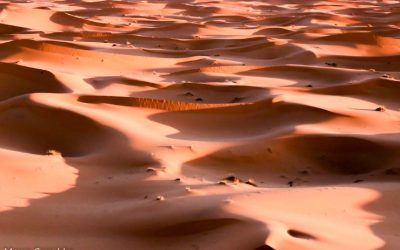
In January, Morocco typically experiences mild and varied weather patterns, especially in regions bordering the Sahara Desert. Although the Sahara remains arid and produces minimal rainfall overall, occasional precipitation can occur during this month due to seasonal weather fluctuations. Precipitation patterns in the Sahara Desert tend to be sporadic, with some areas seeing brief showers while others remain dry. Rainfall trends in Morocco’s desert regions are generally low, contributing to the arid environment characteristic of the Sahara. However, when rain does fall, it can lead to temporary increases in moisture, impacting local ecosystems and sometimes causing flash floods in urban and desert areas. Overall, January is marked by relatively dry conditions in the Sahara, with only occasional rainfall influencing the region’s climate during this period.
Impact of Rain on Travel and Activities
In Morocco, January typically brings varied precipitation patterns, especially in the northern regions and the Atlas Mountains, where rainfall is more frequent and substantial. This wet season influences not only the natural landscape but also the daily activities and travel plans of locals and visitors alike.
- The northern coastal areas experience moderate to heavy rain, leading to lush greenery but sometimes disruptive weather conditions.
- Indoor and cultural activities become more popular due to unpredictable rain showers outside.
- Travel in mountain regions can be affected by snow and rain, causing road closures or difficult driving conditions.
- Rain can enhance the scenic beauty of Morocco’s landscapes, attracting tourists interested in winter tourism and nature exploration.
- Festivals and local events may experience delays or rescheduling due to rainy weather.
Overall, rain in Morocco during January impacts travel and outdoor activities by necessitating flexible plans and encouraging indoor pursuits while also offering opportunities to enjoy the country’s scenic winter landscapes.
Daylight Hours and Sunshine
In January, Morocco experiences significant variations in daylight hours and sunshine, which influence the region’s weather patterns and overall climate. These factors play a crucial role in shaping the conditions travelers can expect during this winter month, offering a glimpse into the country’s diverse environment. Understanding the amount of daylight and sunshine can help visitors plan their activities and enjoy the scenic beauty Morocco has to offer.
Average Daylight Duration
In Morocco during January, daylight hours and sunshine vary across different regions, but generally, it experiences short daylight durations due to its winter season. On average, the country receives around 10 to 11 hours of daylight each day, providing ample time for outdoor activities and sightseeing. Sunshine levels tend to be moderate, with coastal areas experiencing more overcast days, while inland and desert regions may enjoy clearer skies. The average daylight duration during this month offers a balance of sunlight, making it a suitable time for exploring Morocco’s diverse landscapes and cultural sites without the extreme heat of summer.
Sunshine Hours in Various Regions
Morocco in January experiences varying daylight hours and sunshine depending on the region. Coastal cities like Casablanca and Tangier tend to have moderate sunshine hours, with longer daylight periods that provide a pleasant atmosphere for outdoor activities. Inland areas, such as Marrakech and Fes, often see fewer sunshine hours due to winter clouds, but still enjoy clear days. Mountain regions, including the Atlas Mountains, generally have shorter daylight hours and can be prone to overcast weather, which reduces overall sunshine exposure. Overall, January offers a mix of sunny and cloudy days across Morocco, with the southern desert areas benefiting from higher sunshine hours, ideal for exploring the Sahara.
Activities and Weather Considerations
When planning activities in Morocco in January, it is important to consider the local weather conditions to ensure an enjoyable experience. The weather varies across regions, affecting outdoor plans, travel, and leisure activities. Understanding these climate patterns helps travelers make informed decisions and maximize their visit during this winter month.
Best Activities for January
In Morocco during January, the weather varies across regions, making it an ideal time for a range of activities. While the northern cities like Tangier and Casablanca tend to have mild and rainy winters, the interior and southern areas are generally cooler and dryer, offering pleasant conditions for outdoor pursuits. Coastal regions provide a charming blend of cooler air and scenic views, perfect for exploring towns and relaxing by the sea. In contrast, the Atlas Mountains experience snow, creating a fantastic opportunity for winter sports such as skiing and snowboarding.
Best activities for January in Morocco include hiking in the Atlas Mountains, where snowy peaks and picturesque trails are abundant. Visiting historic cities like Fez and Marrakech is enjoyable with fewer tourists and cooler weather, making sightseeing and exploring markets comfortable. Coastal activities such as surfing and beach walks are suitable for milder days by the Atlantic and Mediterranean shores. Additionally, January is a great time to experience Morocco’s cultural festivals and enjoy regional cuisine in a cozy setting due to the cooler climate. Always consider local weather conditions and regional variations when planning outdoor activities to ensure a safe and enjoyable experience.
Weather-Related Travel Tips
January in Morocco offers a diverse climate that influences various activities and travel plans. Visitors can enjoy a wide range of outdoor pursuits depending on the region and weather conditions. Coastal areas tend to be milder with cooler mornings and evenings, making it ideal for sightseeing and walking tours, while the interior and mountainous regions may experience colder temperatures and occasional rain or snow.
When planning activities during January in Morocco, it’s essential to consider the weather variations. In the Sahara Desert, temperatures are generally cooler at night, but daytime can still be quite warm, perfect for exploring dunes and taking guided desert trips. In the Atlas Mountains, snowfall is common, providing opportunities for winter sports such as skiing or snowboarding at resorts like Oukaimeden.
Weather-related travel tips include packing layered clothing to adjust for temperature changes throughout the day. Waterproof jackets and sturdy footwear are recommended, especially if visiting mountainous or coastal areas prone to rain. Travelers should check local weather forecasts regularly and be prepared for sudden weather shifts, which can temporarily affect transportation or outdoor plans. Planning activities that are flexible or indoor alternatives can help ensure a smooth trip despite potential weather disruptions.

0 Comments