
Historical Background of Botswana Women
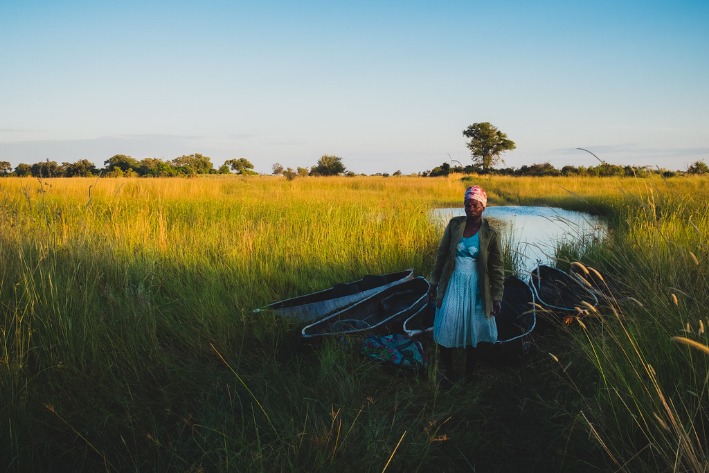
The history of women in Botswana is deeply rooted in the country’s rich cultural traditions and societal changes over centuries. From the pre-colonial era, where women played vital roles in community life and local governance, to the impacts of colonialism and modern development, Botswana women have continuously navigated challenges and opportunities. Their contributions have been essential in shaping the nation’s social, economic, and political landscape, reflecting resilience and evolving gender roles throughout Botswana’s history.
Pre-Colonial Era and Traditional Roles
In the pre-colonial era, Botswana women played vital roles within their communities, holding responsibilities that encompassed both domestic and social spheres. They were integral to the economic activities of their societies, such as farming, trading, and crafting, which sustained their communities and contributed to social cohesion. Women also participated actively in ceremonies, rituals, and decision-making processes, often serving as guardians of cultural traditions. Their traditional roles were deeply rooted in the social structures of various ethnic groups, such as the Tswana, who valued the contributions of women in maintaining harmony and stability. Despite the varying roles across different groups, women generally held respected positions, vital to the survival and cultural continuity of Botswana society during the pre-colonial period.
Impact of Colonialism on Women’s Status
The historical background of Botswana women is deeply rooted in indigenous traditions and societal roles passed down through generations. Traditionally, women in Botswana played vital roles in family and community life, mainly focusing on domestic responsibilities and cultural preservation. However, the impact of colonialism significantly altered their status and societal roles. During British colonial rule, policies often marginalized women, limiting their access to education, political participation, and economic opportunities. Colonial administrators prioritized Western ideals, which sometimes undermined traditional authority structures held by women. This period also introduced new legal systems and economic practices that impacted women’s livelihoods negatively. Post-independence, Botswana has made efforts to improve women’s rights and status, but the legacy of colonialism continues to influence gender dynamics and the ongoing struggle for gender equality in the country.
Post-Independence Changes and Advances
The history of women in Botswana reflects a gradual transformation from traditional roles to active participants in social, political, and economic spheres. Pre-independence eras were characterized by cultural practices that often limited women’s rights and opportunities, although women played vital roles within their communities. With Botswana’s independence in 1966, there was a significant shift towards gender equality, driven by national development goals and policies that aimed to empower women. These changes included increased access to education, participation in the workforce, and representation in politics. Over the years, Botswana women have made notable advances, such as increased involvement in leadership positions, advocacy for women’s rights, and contributions to economic development. Today, women in Botswana continue to break barriers and shape the nation’s progress, reflecting a commitment to gender equality and social justice.
Cultural Significance and Traditions
In Botswana, women play a vital role in preserving and celebrating cultural traditions that define their national identity. Their customs, ceremonies, and daily practices reflect a rich history passed down through generations. Understanding the cultural significance of Botswana women provides insight into the vibrant traditions and societal values that shape their community life and overall heritage.
Matriarchal and Patriarchal Structures
In Botswana, women play a vital role in both cultural traditions and societal structures, exemplifying a rich tapestry of customs that emphasize respect, community, and gender-specific roles. Traditional ceremonies often celebrate women as carriers of cultural knowledge and as central figures in family life, contributing to the preservation of heritage through dance, music, and storytelling.
Historically, Botswana’s society has exhibited both matriarchal and patriarchal elements, with certain communities recognizing women as influential decision-makers within their households and clans. While men traditionally hold authority in political and social spheres, women’s influence in domestic and ritual contexts remains deeply respected and significant.
The interplay between these structures reflects Botswana’s balanced approach to gender roles, where women are empowered within the scope of cultural traditions, fostering a society that values gender harmony and communal cooperation. These customs continue to evolve, adapting to modern influences while maintaining their cultural roots.
Traditional Attire and Jewelry
The women of Botswana hold a deep cultural significance, embodying traditions and values that have been passed down through generations. Their customs and practices play a vital role in shaping the social fabric of Botswana society, emphasizing community, respect, and heritage. Traditional attire and jewelry are central to their cultural identity, often worn during special occasions and ceremonies to celebrate their heritage.
- Traditional Attire: Women in Botswana often wear colorful dresses called “sefatlhogo” made from locally woven fabrics. During important events, they may don intricate beadwork and embroidered garments that reflect their social status and regional identity.
- Jewelry: Jewelry holds symbolic meaning, with beads being the most prominent. Women’s bead necklaces, earrings, and bracelets are crafted in vibrant colors and patterns, each symbolizing different aspects such as age, marital status, or community affiliation.
- Cultural Significance: These traditional clothes and jewelry are not only decorative but also serve as a representation of Botswana’s rich history. They are integral to ceremonies like weddings, initiations, and national celebrations, reinforcing cultural pride and unity.
Rites of Passage and Celebrations
In Botswana, women hold a vital role in preserving cultural heritage through various traditions, rites of passage, and celebrations that highlight their significance within society. These practices reflect the values, history, and social structure of Botswana communities, emphasizing respect, motherhood, and community cohesion.
- Rites of Passage: One of the most important rites of passage for Botswana women is the initiation into womanhood, often marked by traditional ceremonies such as the “bogwera” for girls and the “bojale” for young women, which teach them about their roles and responsibilities within the community.
- Cultural Celebrations: The most notable celebration is the annual “Best Red” festival, where women wear traditional red attire to honor their history and achievements. These festivals celebrate communal identity, resilience, and the vital contributions of women to society.
- Traditional Roles and Practices: Women in Botswana actively participate in weaving, beadwork, and other crafts that are passed down through generations, serving both functional and symbolic purposes during ceremonies and daily life.
Women’s Roles in Society and Family
Women in Botswana have historically played a vital role in both society and family, balancing cultural traditions with modern opportunities. Their contributions are essential in shaping the social fabric, from nurturing households to participating actively in community development. As Botswana continues to evolve socially and economically, women are increasingly asserting their roles, fostering gender equality and empowering future generations.
Family Responsibilities and Childcare
Women in Botswana have traditionally played a vital role in both society and family life, balancing cultural responsibilities with modern expectations. They are often seen as the nurturers and keepers of cultural values, contributing significantly to community development and social cohesion.
In families, Botswanan women usually bear the primary responsibility for household management, including cooking, cleaning, and providing emotional support. They also play a crucial role in maintaining cultural practices and passing traditions to younger generations.
Childcare is predominantly managed by women, who ensure their children’s well-being, education, and moral guidance. Despite societal shifts towards gender equality, women still shoulder a substantial burden in raising children and maintaining family stability, often balancing these duties with economic activities to support their families.
Community Leadership and Influence
Botswana women have historically played a vital role in shaping the social and cultural fabric of their communities. They are often the backbone of family life, nurturing children and maintaining household harmony, while also contributing to economic activities through farming, entrepreneurship, and local trade. In recent years, Botswana women have increasingly taken on leadership roles within their communities, advocating for social change and gender equality. Their influence extends beyond the domestic sphere, as they participate in community development projects, politics, and educational initiatives that drive progress and empowerment. Overall, Botswana women exemplify resilience and strength, significantly impacting society and fostering a more inclusive and vibrant community life.
Women in Agriculture and Economy
Women in Botswana play a vital role in both society and family, contributing significantly to social cohesion, economic development, and cultural preservation. Despite traditional gender roles, many women are increasingly taking on leadership positions and becoming active participants in various sectors.

- In society and family, Botswana women are the primary caregivers, nurturing the family and maintaining social harmony. They also participate in community decision-making processes and serve as custodians of cultural practices.
- Women in Botswana are actively involved in agriculture, which is a backbone of the country’s economy. Many women work as subsistence farmers, managing smallholder farms that produce food for their families and local markets.
- Economically, women contribute through various activities including trading, artisan crafts, and small-scale entrepreneurship. Their economic participation is crucial for poverty reduction and empowerment initiatives.
- Although women face challenges such as limited access to land and financial services, efforts are being made to promote gender equality and support women’s economic empowerment through government programs and NGO initiatives.
- Women in Botswana are increasingly taking on roles beyond the family, including leadership in politics, education, and business sectors.
- In agriculture, women are adopting new technologies and practices to improve productivity and sustainability.
- Economic participation of women continues to grow, fostering a more inclusive and resilient economy for Botswana.
Education and Empowerment
Education and empowerment are vital tools that can transform the lives of women in Botswana, fostering independence, confidence, and the ability to contribute meaningfully to society. For Botswana women, access to quality education opens doors to new opportunities, encourages leadership, and promotes gender equality. Empowering women through education not only benefits individual women but also drives social and economic development within the nation, shaping a brighter future for all.
Access to Education
Education and empowerment are vital for the progress and development of women in Botswana. Gaining access to quality education enables women to break free from traditional limitations and actively participate in economic, social, and political spheres. In Botswana, efforts to improve access to education for women and girls have led to increased literacy rates and higher enrollment in secondary and tertiary institutions. This access not only equips women with essential skills but also boosts their confidence and independence, fostering a more inclusive society. Despite challenges such as gender disparities and economic barriers, ongoing initiatives continue to promote equal educational opportunities, empowering Botswana’s women to contribute meaningfully to their communities and the nation’s growth.
Educational Achievements and Challenges
Botswana women have made significant strides in education, contributing to national development and societal progress. Despite facing traditional and institutional challenges, many women have achieved remarkable educational milestones, breaking barriers in various fields such as medicine, law, and business.
Educational achievements among Botswana women reflect resilience and commitment to personal growth. Increased access to primary and secondary education has empowered many women to pursue higher education, fostering a more inclusive and diverse academic landscape. These achievements serve as a testament to the nation’s dedication to gender equality and the importance of empowering women through knowledge.
However, challenges remain, including gender stereotypes, limited access to certain higher education opportunities in rural areas, and balancing educational pursuits with societal expectations. Addressing these barriers is essential to sustain progress and ensure that women continue to thrive academically and professionally in Botswana.
Women’s Organizations and Advocacy Groups
Women in Botswana have historically faced challenges related to access to education and economic opportunities. However, numerous women’s organizations and advocacy groups have emerged to promote empowerment, equality, and social justice for women across the country. These groups work tirelessly to raise awareness about women’s rights, provide educational support, and advocate for policy changes that benefit women and girls. Through collaborative efforts, they aim to foster an environment where women can realize their full potential, contribute meaningfully to society, and enjoy equal rights and opportunities. Education remains a vital tool in empowering women, enabling them to achieve independence, improve their livelihoods, and participate actively in national development.
Health and Social Issues
Women in Botswana face a variety of health and social challenges that impact their well-being and community roles. These issues include access to healthcare, gender-based violence, education, and economic opportunities. Understanding the unique experiences of Botswana women is essential for developing effective solutions and promoting gender equality in the region.
Maternal Health Services
Maternal health services are a crucial aspect of healthcare in Botswana, addressing the needs of women during pregnancy, childbirth, and the postpartum period. Ensuring access to quality maternal care helps reduce maternal morbidity and mortality rates, which are significant health concerns in the country. Botswana has made strides in expanding health facilities and training healthcare workers to provide comprehensive maternal services, including prenatal check-ups, skilled birth attendance, and postnatal care. Despite these advances, challenges such as limited resources, rural healthcare disparities, and cultural barriers still impact the overall effectiveness of maternal health initiatives. Addressing these issues through community engagement, education, and improved health infrastructure is vital to improve health outcomes for Botswana women. Ultimately, strengthening maternal health services contributes to the broader goal of promoting gender equality and women’s well-being in Botswana society.
Gender-Based Violence and Protection
Women in Botswana face a range of health and social challenges, including gender-based violence and the need for effective protection mechanisms. Addressing these issues is essential to promote gender equality and ensure the safety and well-being of women across the country.
- Gender-based violence remains a significant concern in Botswana, with many women experiencing physical, emotional, and sexual abuse.
- Efforts to combat violence include legal reforms, awareness campaigns, and support services for survivors.
- Protection measures involve establishing shelters, hotlines, and counseling centers to assist women in crisis.
- Access to healthcare plays a crucial role in addressing issues such as reproductive health, HIV/AIDS, and mental health among women.
- Community involvement and education are vital in changing societal attitudes and reducing acceptance of gender-based violence.
- Despite progress, cultural and socio-economic factors continue to pose challenges to achieving gender equality in Botswana.
- Strengthen legal frameworks and enforcement to protect women from violence and discrimination.
- Expand access to comprehensive healthcare services tailored to women’s needs.
- Promote gender-sensitive education to challenge harmful stereotypes from an early age.
- Support economic empowerment programs that enable women to gain financial independence.
- Foster partnerships among government, civil society, and international organizations to implement protective policies effectively.
HIV/AIDS Awareness and Prevention
HIV/AIDS awareness and prevention are crucial issues in Botswana, particularly among women, who often face higher risks and social challenges related to the epidemic. Women in Botswana are disproportionately affected by HIV/AIDS due to a combination of biological, social, and economic factors. Efforts to promote education, regular testing, and the use of protection are essential in reducing transmission rates. Community programs and government initiatives aim to empower women with knowledge and resources to make informed decisions about their health. Addressing stigma and improving access to healthcare services are also vital components in the fight against HIV/AIDS. Strengthening these efforts can lead to better health outcomes and a more informed, resilient population of women in Botswana.
Political Participation and Leadership
Political participation and leadership are vital components of democratic societies, shaping policies and representing diverse voices within a nation. In Botswana, women have increasingly played a significant role in these processes, contributing to the country’s development and governance. The active involvement of women in political leadership not only promotes gender equality but also strengthens the democratic fabric of Botswana, inspiring future generations to engage in civic life.
Women in Government and Decision-Making Roles
Women in Botswana have made significant strides in political participation and leadership, playing an increasingly prominent role in government and decision-making processes. Their involvement reflects a broader commitment to gender equality and empowerment within the nation’s political landscape. Despite traditional societal norms, many Botswana women have risen to influential positions, advocating for policies that promote development, social justice, and gender parity.
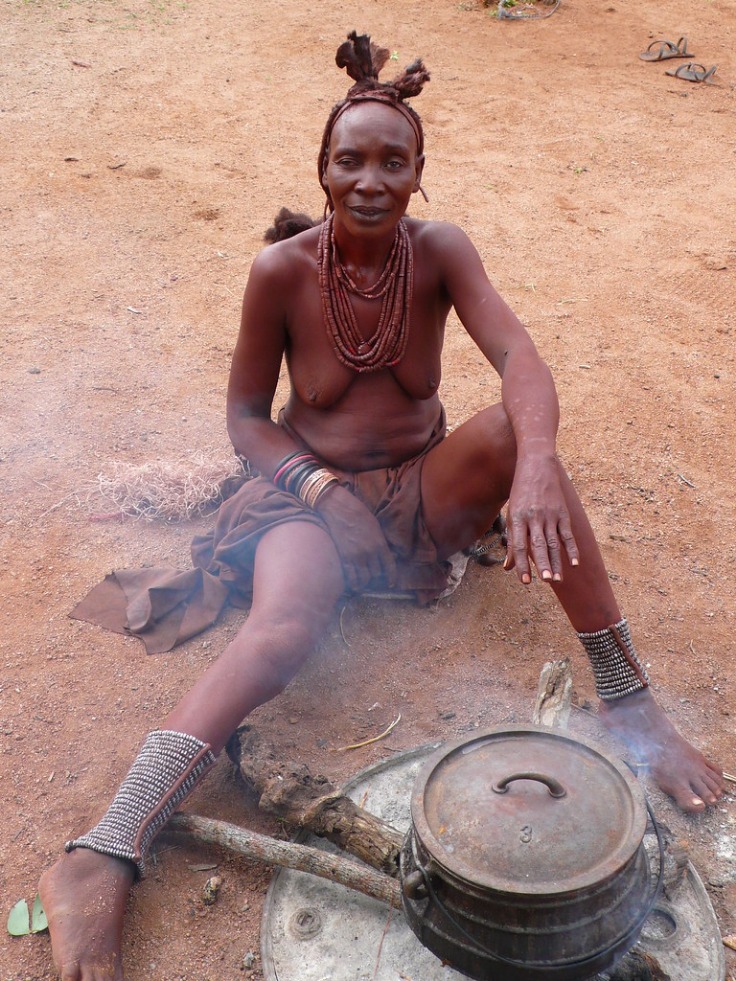
Efforts to improve women’s representation include legislative measures such as affirmative action policies and political quotas, which aim to increase the number of women in parliament and local councils. As a result, Botswana has seen a gradual increase in female lawmakers, ministers, and senior government officials. Women leaders in Botswana are often engaged in key sectors such as health, education, and social welfare, where they champion initiatives that benefit their communities and contribute to national growth.
Furthermore, women in Botswana are actively involved in decision-making roles beyond politics, including civil society organizations and community leadership. Their participation strengthens democratic governance and ensures diverse perspectives are included in policy formulation. Continued support and empowerment of women leaders are essential for fostering inclusive development and achieving gender equality at all levels of governance in Botswana.
Notable Female Leaders in Botswana
Botswana has seen significant progress in political participation and leadership among women, reflecting the country’s commitment to gender equality. Female leaders in Botswana have played crucial roles in shaping national policies and advocating for social development, demonstrating resilience and dedication. Notable women such as Peggy Serame, the Minister of Finance, and Unity Dow, a renowned judge and activist, exemplify the increasing influence of women in the country’s political landscape. Their contributions not only inspire aspiring female leaders but also promote gender inclusion in governance and decision-making processes. Despite these advances, ongoing efforts are essential to ensure women’s full participation and representation across all levels of leadership in Botswana.
Barriers to Political Involvement
Women in Botswana face a variety of challenges when it comes to political participation and leadership. Despite making up a significant portion of the population, their involvement in political processes remains limited due to cultural, social, and institutional barriers. These obstacles often discourage women from engaging actively in politics, including traditional gender roles and stereotypes that prioritize men as leaders. Furthermore, women often encounter a lack of support within political parties and limited access to resources and networks necessary for effective participation. Addressing these barriers is essential for fostering inclusive governance and empowering more women to take on leadership roles in Botswana society.
Economic Contributions
Women in Botswana play a vital role in the country’s economic development, contributing significantly across various sectors. Their participation in entrepreneurship, agriculture, education, and local businesses helps to foster sustainable growth and social progress. Recognizing and supporting the economic contributions of Botswana women is essential for creating a more inclusive and prosperous society.
Women in Entrepreneurship and Business
Women in Botswana have been making significant strides in the economic landscape, contributing to various sectors such as agriculture, manufacturing, and services. Their participation not only enhances economic growth but also promotes gender equality and social development. In recent years, there has been an encouraging increase in women entrepreneurs who are establishing businesses and driving innovation across the country.
Botswana women entrepreneurs are pivotal in fostering local development, creating employment opportunities, and encouraging sustainable practices. Many women-led businesses succeed due to their resilience, creativity, and community-focused approach, which strengthens the economy at both local and national levels. Efforts from government and non-governmental organizations aim to support and empower these women, ensuring they have access to resources, training, and financing to expand their ventures.
Overall, women’s economic contributions and entrepreneurship in Botswana are vital for building an inclusive economy. Their active participation inspires future generations and contributes toward a more equitable society where women are recognized as key drivers of economic progress.
Agricultural and Craft Industries
Botswana women have made significant contributions to the country’s economy through their active participation in agricultural and craft industries. Their involvement in farming ensures food security and sustains local markets, while their skills in crafting textiles, jewelry, and woodwork promote cultural heritage and generate income. These industries not only empower women economically but also play a vital role in community development and cultural preservation.
Challenges Faced by Women Entrepreneurs
Women entrepreneurs in Botswana play a vital role in the country’s economic development by creating jobs, promoting innovation, and contributing to local communities. Their economic contributions help diversify the economy and reduce dependency on traditional sectors such as agriculture and mining. Despite these positive impacts, women entrepreneurs face numerous challenges that hinder their growth and success.
One significant challenge is limited access to financial resources. Many women struggle to secure loans or investments due to gender biases and lack of collateral. Additionally, socio-cultural norms often restrict women’s entrepreneurial activities and decision-making power. Women also face barriers related to inadequate education and training opportunities, which are essential for business development. The limited support networks and mentorship programs further exacerbate these difficulties, making it harder for women to scale their businesses and compete effectively in the market.
Addressing these challenges requires concerted efforts from the government, private sector, and civil society to provide targeted support, improve access to finance, and promote gender equality. Empowering women entrepreneurs in Botswana can lead to sustainable economic growth and social development, benefiting communities and the nation as a whole.
Future Perspectives
Future perspectives for women in Botswana hold great promise as the nation continues to progress socially, economically, and politically. With increasing access to education, opportunities for leadership, and efforts to promote gender equality, Botswanan women are poised to play a vital role in shaping the country’s future. These developments signal a hopeful era of empowerment and change for women across Botswana, inspiring them to pursue their ambitions and contribute to national growth.
Women’s Rights Movements
Future perspectives for women’s rights movements in Botswana are optimistic as increasing awareness and advocacy efforts continue to empower women across the country. With a growing focus on gender equality, more initiatives are being implemented to address issues such as gender-based violence, access to education, and economic opportunities for women. Technology, especially social media, plays a significant role in mobilizing women and amplifying their voices within the movement. As societal attitudes evolve, there is hope that future generations of Botswana women will enjoy greater rights and representation, fostering a more inclusive and equitable society for all.
Government Policies Supporting Women
Future perspectives for women in Botswana are increasingly optimistic, thanks to evolving government policies aimed at promoting gender equality and empowering women. The Botswana government is committed to implementing comprehensive strategies that enhance women’s access to education, healthcare, and economic opportunities. Initiatives such as targeted training programs, legal reforms to protect women’s rights, and efforts to increase female representation in leadership roles are pivotal in shaping a more inclusive society. As these policies continue to develop, women in Botswana are expected to play a more significant role in social, political, and economic spheres, contributing to sustainable national growth and gender equity.
Emerging Trends and Opportunities for Women in Botswana
Women in Botswana are poised to experience significant growth and empowerment in the coming years, driven by evolving socio-economic trends and emerging opportunities. As the country continues to develop, there is a promising outlook for women to actively participate in various sectors, including education, entrepreneurship, and leadership roles.
- Increased Access to Education: More women are gaining higher education and vocational training, paving the way for greater participation in skilled professions.
- Expansion of Entrepreneurial Opportunities: Support for women-owned businesses and access to microfinance are fostering a vibrant entrepreneurial culture among women in Botswana.
- Enhanced Representation in Politics and Governance: Initiatives aimed at gender equality are encouraging more women to take up leadership positions in government and community organizations.
- Technological Advancements: The rise of digital platforms and mobile technology provides women with new opportunities for income generation, networking, and advocacy.
- Focus on Women’s Health and Well-being: Improved healthcare services and awareness campaigns are empowering women to take control of their health and reproductive rights.
- Promotion of Gender Equality Policies: Continued reforms will create a more enabling environment for women’s rights and social justice.
- International Partnerships and Development Programs: Collaboration with global organizations offers funding and expertise to support women’s initiatives.
- Growing Youth Engagement: Young women are increasingly involved in innovation and social change, driving future perspectives for gender equality.
- Sustainable Development Goals (SDGs): Alignment with SDGs will further emphasize the importance of gender inclusivity and women’s empowerment.
- Recognition of Women’s Contributions in Traditional and Cultural Contexts: Efforts are underway to celebrate and integrate women’s roles in Botswana’s cultural heritage.
Overall, the future for women in Botswana looks optimistic, with multiple avenues opening up for personal and professional growth, fostering a more inclusive and equitable society.




0 Comments