
Overview of Namibia’s Landscape Features
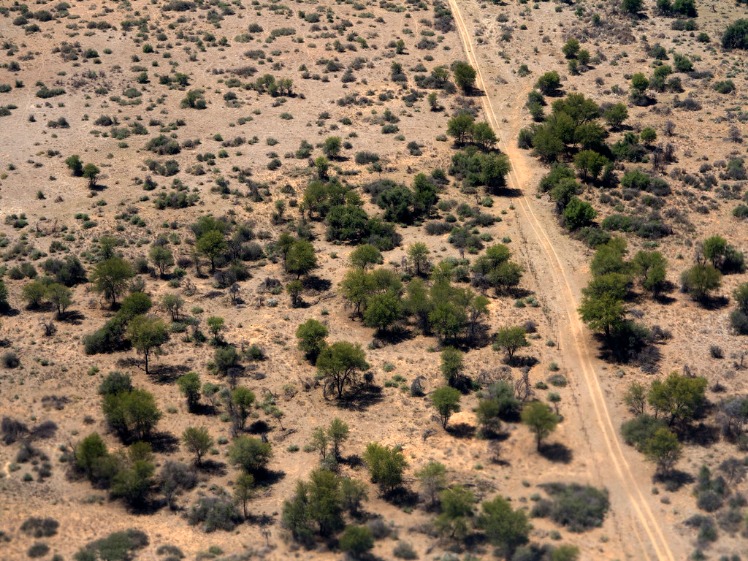
Namibia’s landscape is renowned for its striking diversity and natural beauty, offering a captivating glimpse into varied geographic features. From vast deserts and rugged mountains to lush plains and salt pans, the country boasts striking scenery that highlights its unique ecological zones. This diverse landscape not only defines Namibia’s identity but also provides important habitats for a wide range of species, making it a fascinating destination for travelers and nature enthusiasts alike.
Desert Environments
Namibia is renowned for its diverse and striking landscape features, offering a unique blend of desert environments, mountains, and coastal plains. The country’s landscape is characterized by vast arid regions that create some of the most dramatic desert scenery in the world. The Namib Desert, considered one of the oldest deserts globally, stretches along the Atlantic coast and is famous for its towering sand dunes, particularly the iconic Dune 45. Inland, the Namibian landscape transitions into semi-arid and arid zones with sparse vegetation, rugged mountains, and wide open plains. The desert environments are home to a variety of adapted flora and fauna, making Namibia a fascinating destination for eco-tourism and nature enthusiasts.
Coastal Regions
Namibia’s landscape is characterized by a diverse array of geographical features that create a stunning and unique environment. The country boasts vast deserts, expansive plains, rugged mountains, and characterized coastal regions that offer a mix of natural beauty and ecological significance.
The coastal regions of Namibia are primarily defined by the Namib Desert, which stretches along the Atlantic Ocean and is considered one of the oldest deserts globally. These coastal areas are marked by towering sand dunes, such as the iconic Dune 45 in the Namib Desert, and barren, windswept plains. The cold Benguela Current flowing along the Atlantic coast influences the climate, creating foggy conditions that support a variety of marine life like seals, seabirds, and fish.
The Skeleton Coast, a notable part of Namibia’s coastal landscape, features shipwrecks and rugged shoreline that reflect the harsh oceanic conditions and treacherous waters. This region is sparsely populated and largely protected as a national park, preserving its unique ecosystem. Overall, Namibia’s coastal regions offer a stark yet breathtaking scenery, significantly shaped by the desert environment and oceanic influences.
Plateaus and Highlands
Namibia’s landscape is characterized by a diverse array of geographical features, including expansive deserts, high plateaus, and rugged highlands that define its unique natural beauty. The country is largely dominated by the Namib Desert, known for its towering sand dunes and arid expanses, especially along the Atlantic coast. Inland, Namibia’s terrain transitions into vast highland regions and plateaus that elevate the landscape, offering cooler climates and lush vegetation in certain areas.
The Central Plateau is a prominent feature, running through much of the country at an elevation of about 1,000 to 1,700 meters. This elevated area includes important regions like Windhoek, the capital, and provides a contrast to the surrounding desert landscapes. The plateau’s terrain is generally flat or gently undulating, with some isolated hills and rocky outcrops.
In the north and northeast, Namibia boasts a series of highlands and rugged mountain ranges, such as the Khomas Highland and the Waterberg Mountains. These areas feature steep cliffs, lush forests, and more abundant water resources, supporting diverse flora and fauna. The Waterberg Plateau, in particular, is known for its distinctive sandstone formations and is a critical conservation area.
Overall, Namibia’s landscape features a striking combination of flat deserts, elevated plateaus, and rugged highlands, creating a dramatic and varied environment that supports a rich diversity of ecosystems and outdoor activities for visitors and locals alike.
Desert Landscapes in Namibia
Namibia’s desert landscapes are among the most stunning and distinctive natural environments in the world. Characterized by vast, arid expanses, striking dunes, and unique geological formations, these deserts showcase the raw beauty and resilience of nature. From the towering red dunes of Sossusvlei to the barren yet mesmerizing plains of the Namib Desert, this region offers a captivating experience for explorers and nature enthusiasts alike.
Namib Desert
Namibia’s desert landscapes, particularly the Namib Desert, offer some of the most striking and iconic scenery in Africa. The Namib Desert is known for its vast, windswept dunes that rise majestically from the Atlantic coast, creating a surreal and almost otherworldly environment. These towering dunes, some reaching over 300 meters in height, are among the tallest in the world and are composed of shimmering red and orange sands that change hue with the shifting sunlight. The desert’s barren beauty is complemented by dramatic landscapes, including gravel plains, rocky outcrops, and sparse vegetation that thrive in this extreme environment. The Namib is also home to unique flora and fauna adapted to survive in the harsh conditions, such as the resilient Welwitschia plant and desert-adapted elephants. This landscape not only showcases Namibia’s natural beauty but also reflects the resilience of life in one of the world’s oldest ecosystems.
Sossusvlei Dunes
Namibia’s desert landscapes are renowned for their stunning beauty, arid expanses, and unique geological formations. Among these, the Sossusvlei Dunes stand out as some of the most iconic and photographed features in the region, attracting visitors from around the world to witness their grandeur and allure.
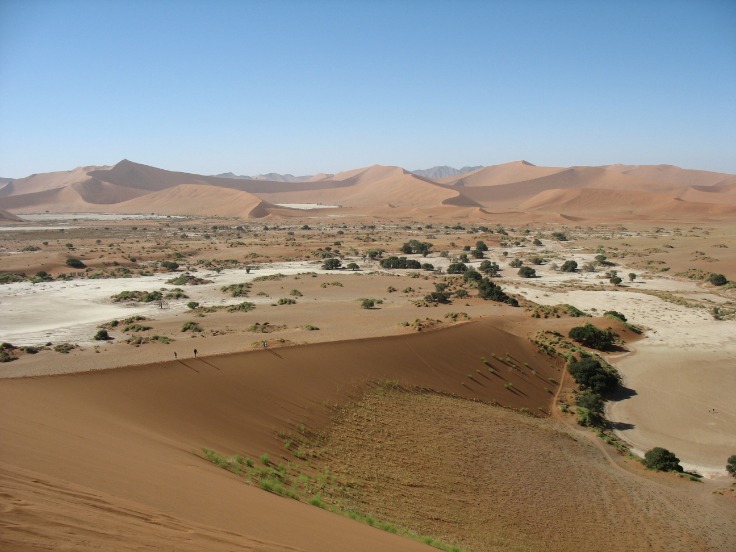
- Size and Appearance: The Sossusvlei Dunes are some of the tallest in the world, reaching heights of up to 300 meters, with their deep orange and red hues creating a mesmerizing landscape.
- Location: Situated within the Namib Desert, the dunes are part of the Namib-Naukluft National Park, a protected area known for its breathtaking scenery and diverse wildlife.
- Unique Features: The dunes are formed from ancient sands that have been shaped by the desert winds over thousands of years, resulting in their dramatic and sculptural appearance.
- Activities: Visitors can explore the dunes through activities such as climbing the dunes for panoramic vistas, photography, and experiencing the sunrise or sunset over this surreal landscape.
- Ecological Significance: Despite the harsh conditions, the area hosts a variety of adapted flora and fauna, making it an important ecological zone within Namibia’s landscape.
Gobabeb and the Namib Sand Sea
Namibia boasts some of the most striking desert landscapes in the world, characterized by vast dunes, rugged terrains, and unique ecosystems. The country’s arid environment creates a surreal environment that is both harsh and beautiful, attracting adventurers and nature enthusiasts alike.
Gobabeb is a renowned research station situated within the Namib Desert, serving as a hub for ecological and environmental studies. It is strategically located near the convergence of desert and succulent Karoo biome, offering researchers a close-up view of desert adaptation strategies and biodiversity. Gobabeb’s location provides a unique opportunity to explore the delicate balance of life in one of the world’s driest regions.
The Namib Sand Sea is a UNESCO World Heritage site, covering a vast area of endless dunes and ancient desert landscapes. It is home to some of the tallest sand dunes on Earth, such as Dune 45 and Big Daddy, which stand majestically against the horizon. The sand sea’s rolling dunes, coupled with rich plant and animal life, create a dynamic environment that is both breathtaking and fragile.
- Majestic Dunes: The iconic orange dunes are a symbol of Namibia’s desert landscape, forming spectacular views especially during sunrise and sunset.
- Endemic Wildlife: Despite the arid conditions, species such as desert-adapted elephants, oryx, and lizards thrive here, showcasing the resilience of desert life.
- Unique Ecosystems: The region supports specialized plant and animal communities that have evolved to survive in extreme conditions.
- Tourism and Conservation: The landscapes attract visitors seeking adventure, photographic opportunities, and a deeper understanding of desert ecosystems, while conservation efforts aim to preserve this fragile environment.
Coastal and Marine Features
Namibia’s landscape is characterized by a diverse array of coastal and marine features that contribute to its unique natural beauty. From rugged cliffs and sandy beaches along the Atlantic Ocean to vibrant coral reefs and protected marine parks, these features play a vital role in the region’s ecology and local livelihoods. Exploring Namibia’s coastal and marine environments offers insight into the dynamic interactions between land and sea in this remarkable landscape.
Skeleton Coast
The Skeleton Coast is one of the most iconic coastal and marine features in Namibia’s diverse landscape. Stretching along the Atlantic Ocean, this rugged coastline is characterized by towering sand dunes, gravel plains, and treacherous waters that have earned it a reputation for shipwrecks and maritime legend. The region’s cold Benguela current creates foggy conditions, which contribute to the region’s mystique and support rich marine life, including seals, dolphins, and numerous seabirds. The coastline is also home to several protected areas, such as the Skeleton Coast National Park, which preserves its unique marine and terrestrial ecosystems. With its dramatic cliffs, expansive beaches, and rich biodiversity, the Skeleton Coast exemplifies Namibia’s striking and varied coastal landscapes.
Atlantic Ocean Shoreline
The Atlantic Ocean shoreline in Namibia is characterized by a diverse array of coastal and marine features that define the country’s remarkable landscape. The coastline stretches for approximately 1,500 kilometers and includes dramatic cliffs, sandy beaches, and expansive deserts meeting the sea. Notable features include the Skeleton Coast, known for its treacherous weather conditions and shipwrecks, which create a hauntingly beautiful scene. Along the shoreline, rocky headlands and offshore islands such as the Penguin Islands support unique ecosystems and marine life. The Benguela Current, one of the world’s major upwelling systems, brings nutrient-rich waters that sustain abundant fish populations, supporting local fisheries and marine biodiversity. The dynamic interplay between the land and sea in Namibia’s Atlantic shoreline creates a landscape of stark beauty and ecological significance.
Marine Life and Ecosystems
Namibia’s coastal and marine features are diverse and vital to the country’s ecosystem. The Atlantic Ocean borders Namibia’s entire western coastline, creating unique marine environments such as the Benguela Current Upwelling System. This system brings nutrient-rich waters to the surface, fostering abundant marine life. Key features include sandy beaches, rocky shores, and estuaries that serve as breeding grounds for various species.
Marine life in Namibia is characterized by a rich array of species adapted to the cold, nutrient-dense waters. These include fish like sardines and anchovies, as well as larger predators such as sharks and seals. The region is also famous for its coastal bird species, including seabirds like cormorants and pelicans, which thrive on the plentiful fish stocks.
Namibia’s ecosystems extend beyond the land into the marine environment, where productive kelp forests and coral reefs support diverse communities. These ecosystems provide habitat, food, and breeding grounds for numerous marine organisms. Protecting these features is essential for maintaining the health of Namibia’s coastal environment and supporting sustainable fisheries and tourism industries.
Highland and Plateau Regions
The Highland and Plateau regions of Namibia are awe-inspiring landscapes that showcase the country’s diverse terrain. These areas are characterized by rugged mountains, expansive plateaus, and remarkable natural beauty. They play a vital role in the country’s ecology and offer unique opportunities for outdoor exploration and wildlife viewing.
Central Highlands and Waterberg Plateau
Namibia’s landscape is characterized by diverse and striking geographical regions, each offering unique features and beauty. The Highland and Plateau Regions are known for their elevated terrains, expansive plateaus, and rugged mountains, providing a dramatic backdrop for the country. These areas are often characterized by their cooler climate and varied vegetation, supporting wildlife and indigenous communities. The Central Highlands are particularly notable for their historical importance and scenic landscapes, featuring vast open spaces, valleys, and ancient geological formations. Meanwhile, the Waterberg Plateau stands out as a prominent landform with its steep cliffs and lush forests, serving as a vital habitat for numerous species and a popular destination for eco-tourism. Overall, Namibia’s landscape showcases a remarkable combination of highlands, plateaus, and unique landforms that define the country’s natural beauty.
Otavi Mountain Region
Namibia’s landscape is remarkably diverse, encompassing various regions that each contribute to the country’s unique geography. The Highland region is characterized by its rugged terrain, rolling hills, and higher elevation areas that create a cooler climate and lush vegetation. The Plateau Region forms the expansive central part of Namibia, featuring flat to gently undulating plains that serve as vital agricultural land and wildlife habitats. The Otavi Mountain Region, situated in the northeastern part of the country, is known for its rocky mountains, rich mineral deposits, and scenic vistas. These regions together showcase Namibia’s remarkable natural beauty and geological diversity, making it a fascinating destination for travelers and nature enthusiasts alike.
Etosha Pan and Surroundings
Namibia’s landscape is characterized by diverse and striking geographical features, including the Highland and Plateau Regions and the unique Etosha Pan and its surrounding areas. The Highland Region, situated in the central part of Namibia, features rugged mountains and lush valleys, offering a cooler climate and rich biodiversity. This area is known for its dramatic scenery and serves as an important area for agriculture and wildlife conservation. The Plateau Region, extending across much of the country, is characterized by vast, flat expanses and gentle slopes that support a variety of ecosystems and are vital for Namibia’s agriculture and transport networks.
Adjacent to the northern part of the Plateau is the Etosha Pan, a vast salt pan that becomes a shimmering white landscape during the dry season. Surrounding Etosha Pan is a mosaic of acacia woodlands, grasslands, and seasonal wetlands, which attract an abundance of wildlife and make it one of Africa’s premier safari destinations. The combination of these regions highlights Namibia’s remarkable natural diversity, from high-altitude mountain ranges to expansive salt flats, creating a landscape rich in ecological significance and scenic grandeur.
Unique Landforms and Geological Structures
Namibia boasts a landscape rich in unique landforms and remarkable geological structures that showcase the Earth’s dynamic history. From vast deserts and towering sand dunes to rugged mountains and ancient rock formations, the country offers a diverse array of natural wonders. These geological features not only shape the scenery but also provide valuable insights into geological processes that have shaped the region over millions of years.

Oshiwambo Craton
Namibia’s landscape is characterized by a remarkable diversity of landforms and geological structures, with the Oshiwambo Craton playing a significant role. The Oshiwambo Craton is an ancient and stable geological core that forms part of the country’s deep geological foundation, contributing to the formation of many of Namibia’s distinctive land features. This craton underpins the country’s geology and influences the regional landscape’s features, including mountain ranges, plateaus, and mineral-rich areas.
- The Oshiwambo Craton is among the oldest geological formations in Namibia, dating back over two billion years, and constitutes part of the African and global cratonic shield.
- It provides a resilient foundation that has endured through various geological processes, including uplift, erosion, and volcanic activity, shaping Namibia’s rugged terrains.
- Geological structures associated with the craton include ancient metamorphic rocks, such as gneisses and schists, which are exposed in regions like the Kaoko and Damara regions.
- The craton is also a significant source of mineral deposits, including uranium, copper, and gold, shaping Namibia’s mining industry.
- Unique landforms such as the Skeleton Coast, the Namib Desert’s dunes, and the central highlands are influenced by the underlying geology of the Oshiwambo Craton.
Overall, the Oshiwambo Craton is integral to understanding Namibia’s geological history and the formation of its striking and diverse landscape features.
Fold Mountains and Mountain Ranges
Namibia’s landscape is renowned for its diverse landforms and striking geological structures, which include unique formations shaped by millions of years of tectonic activity and erosion. Among these, fold mountains and mountain ranges stand out as prominent features that define the country’s topography. Fold mountains occur where Earth’s crust is compressed, causing layers of rock to bend and fold, resulting in majestic peaks and ridges that dominate certain regions of Namibia. The Atlas Mountains, part of the broader mountain system in the region, exhibit complex folding patterns that reflect the geological forces at work. Namibia’s mountain ranges, such as the Brandberg and the Waterberg Plateau, showcase rugged terrains, steep cliffs, and dramatic escarpments, formed through volcanic activity and erosional processes over millennia. These landforms not only contribute to the country’s scenic beauty but also influence climate and biodiversity, creating habitats for unique flora and fauna. The geological structures of Namibia, including its fold mountains and mountain ranges, reveal a dynamic history of earth movements and natural processes that have sculpted this distinctive landscape.
Fossil and Rock Formations
Namibia’s landscape is renowned for its unique landforms and geological structures that highlight the country’s rich geological history. The iconic Namib Desert features towering sand dunes, some of the tallest in the world, shaped by wind erosion over millennia. The Fish River Canyon, one of the largest canyons globally, showcases dramatic geological layering and sedimentary formations that tell stories of ancient riverbeds and volcanic activity.
Namibia is also home to distinctive geological structures such as Brandberg Mountain, known for its granite peaks and ancient rock formations. The region’s geological diversity is further exemplified by the volcanic formations found in the Brandberg and Etosha regions, where cooled lava flows and volcanic plugs are visible.
Fossil and rock formations in Namibia offer valuable insights into Earth’s history. The country has significant fossil sites like the Messum Crater, where preserved bones and plant remains date back millions of years. The sedimentary rock layers often contain mineral deposits and fossils of prehistoric creatures, providing critical data for paleontologists. Namibia’s geologically diverse landscape, with its unique landforms, structures, and fossil records, makes it a fascinating area for studying Earth’s geological processes.
Climate Influences on Landscape
The landscape of Namibia is profoundly shaped by its climate, which plays a vital role in determining the region’s diverse geological features and ecosystems. The arid conditions, combined with temperature fluctuations and seasonal rainfall, influence the appearance and development of Namibia’s deserts, savannas, and rocky outcrops. Understanding the climatic factors that affect this landscape provides valuable insight into its unique environmental characteristics and the adaptations of its flora and fauna.
Arid Conditions and Desertification
Namibia’s landscape is significantly shaped by climate influences, which directly impact its arid conditions and contribute to desertification. The region experiences low and unpredictable rainfall, resulting in desert and semi-desert environments such as the Namib Desert, one of the oldest deserts in the world. These dry conditions limit vegetation growth, leading to sparse plant cover and exposed sandy or rocky terrains. Climate change has exacerbated these effects by increasing temperatures and altering precipitation patterns, further intensifying desertification processes. As a result, vast areas of Namibia face soil degradation and loss of biodiversity, threatening both local ecosystems and communities dependent on the land. Understanding these climatic factors is crucial for implementing sustainable land management and combating desertification in the region.
Impact of Seasonal Rainfall
Namibia’s landscape is greatly shaped by its climate, particularly the seasonal patterns of rainfall which influence vegetation, soil stability, and landforms. The country experiences a semi-arid to arid climate, with most of the rainfall occurring during the summer months from November to April. This seasonal rainfall triggers vital ecological processes, such as plant growth and animal migrations, which in turn affect the landscape’s appearance and resilience. In regions where rainfall is abundant, lush vegetation and water bodies thrive, creating vibrant ecosystems. Conversely, in areas with low or irregular rainfall, the landscape tends to be more arid and rugged, with features like dunes, deserts, and salt pans. The seasonal fluctuations in rainfall also contribute to erosion and sediment transport, shaping Namibia’s distinctive features like the Namib Desert’s towering dunes and the deep canyon of the Fish River. Overall, seasonal rainfall patterns are fundamental in defining the diverse and dynamic landscape of Namibia.
Weathering and Erosion Processes
Namibia’s landscape is significantly shaped by various climate influences that affect weathering and erosion processes. The region’s arid to semi-arid climate results in limited vegetation cover, which exposes rocks and soil to intense environmental forces. High temperatures cause thermal expansion and contraction in rocks, promoting physical weathering such as cracking and fragmentation. Additionally, infrequent but heavy rainfall events can trigger rapid erosion through surface runoff and flash floods, especially in environments with loose, unconsolidated sediments. Wind plays a crucial role in Namibia’s landscape development by eroding surface materials through deflation and abrasion, creating distinctive features like sand dunes in the Namib Desert. Overall, Namibia’s climate not only accelerates physical weathering but also dictates the predominant erosional forces, continuously sculpting its unique and dramatic terrain.



0 Comments