
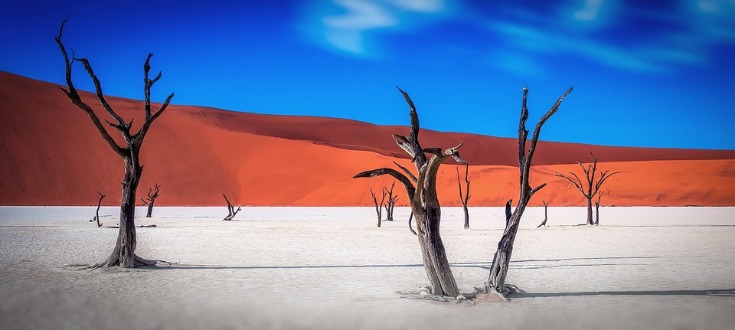
Overview of Namibia’s Language Landscape
Namibia’s language landscape is a vibrant tapestry reflecting its rich cultural diversity. With multiple indigenous languages spoken alongside official languages, the country showcases a unique blend of communication traditions. This linguistic variety plays a vital role in shaping Namibia’s identity and social fabric, making it an intriguing subject for exploring language use and cultural expression within the nation.
Number and Distribution of Languages
Namibia’s language landscape is characterized by a remarkable diversity of indigenous languages alongside official and colonial languages. It is home to a variety of linguistic groups, reflecting the country’s rich cultural heritage. The country recognizes English as its official language, fostering national unity and serving as a medium of instruction in schools and government communication.
In terms of the number of languages, Namibia is estimated to have around 30 to 40 indigenous languages spoken across different regions. These languages belong to several linguistic families, including Bantu, Khoe-Khoe, and San languages. The distribution of these languages is often regional, with specific languages dominant in particular areas. For example, Oshiwambo is widely spoken in the northern regions, Herero and Nama are common in central and southern areas, respectively, and San languages are mainly found in the western parts of the country. English serves as a unifying language used in official contexts, but many Namibians are multilingual, often speaking their local language alongside English and other languages.
Official and National Languages
Namibia’s language landscape is characterized by a rich diversity of indigenous languages, reflecting its cultural variety. The country recognizes both official and national languages, which play a vital role in communication, education, and cultural expression across its regions.
The official language of Namibia is English, used in government, official documents, and the education system. English was adopted as the sole official language in 1990 to promote national unity and facilitate international integration.
In addition to English, Namibia has several national languages that are widely spoken by various ethnic groups. These languages hold cultural significance and are actively used in daily life, media, and local communities. Some of the prominent national languages include:
- Otjiherero
- Oshivambo
- Khoekhoe (Nama)
- Herero
- Rukwangali
- Otjihimbu
- Silozi
Multilingualism in Namibia
Namibia’s language landscape is characterized by its rich diversity, reflecting the country’s various ethnic groups and cultural heritage. With a history of colonization and indigenous traditions, Namibia is a highly multilingual nation where multiple languages are spoken across different regions and communities.
Namibia officially recognizes English as the sole official language, serving as a unifying language for government, education, and public administration. However, numerous other languages are widely spoken at the community level, highlighting the country’s multilingual reality.
- Oshiwambo, predominantly spoken by the Ovambo people in northern Namibia.
- Nama and Damara, spoken by communities in the central and southern regions.
- Herero, used by the Herero people mainly in central Namibia.
- Khoekhoe (also called Nama), spoken by Nama and other indigenous groups.
- German, a legacy of colonial history, still used in some communities and cultural contexts.
- Portuguese and Afrikaans, also present due to regional interactions and historical ties.
Overall, Namibia exemplifies a society where multilingualism is a norm, with many citizens fluent in several of the country’s languages. This linguistic diversity plays a vital role in shaping Namibia’s cultural identity and social interactions.
Official Languages of Namibia
Namibia recognizes several official languages that reflect its rich cultural diversity and history. These languages serve as important tools for communication, education, and national identity. The country’s official languages include English, which functions as the primary language of administration and education, along with several indigenous languages spoken by various communities across Namibia.
English as the Official Language
Namibia’s official language is English, which is used for government, education, and formal communication throughout the country. This choice of language unifies the diverse linguistic landscape of Namibia, where many indigenous languages are spoken by different communities. English was adopted as the official language after Namibia gained independence in 1990, aiming to promote national unity and facilitate international relations. Despite English’s status, various local languages such as Oshiwambo, Herero, Damara, and Nama are still widely spoken among their respective communities, reflecting Namibia’s rich linguistic diversity.
Historical Context of Language Adoption
Namibia recognizes multiple languages officially, reflecting its rich cultural diversity and complex historical background. The official languages are English, Oshiwambo, Nama/Damara, German, and Afrikaans, among others. English was adopted as the sole official language in 1990 after independence, replacing previous colonial languages, to promote national unity and facilitate communication across different ethnic groups.
The historical context of language adoption in Namibia is rooted in its colonial past and post-independence nation-building efforts. During the German colonial period from 1884 to 1915, German was a prominent language used in administration and education. Following the German defeat in World War I, Namibia came under South African rule, during which Afrikaans and English gained prominence, with Afrikaans being widely spoken and used in education. After gaining independence in 1990, Namibia chose English as the official language to foster unity among diverse linguistic communities and to align with international standards.
- English was established as the sole official language to promote unity and broader communication.
- Colonial languages such as German and Afrikaans historically influenced educational and administrative systems.
- Independence prompted a shift towards an inclusive language policy that recognizes indigenous languages alongside English.
- The diverse linguistic landscape includes a variety of indigenous languages, with efforts ongoing to preserve and promote them alongside English.
Implications for Education and Governance
The official languages of Namibia are English, Oshiwambo, Khoekhoe, Damara, Herero, and several other indigenous languages. English was adopted as the sole official language in 1990 to promote national unity and facilitate communication across diverse linguistic groups. This language policy impacts education and governance significantly, as it shapes the medium of instruction and official procedures.
In education, English is the primary language of instruction from the early grades through higher education, which aims to standardize communication and provide access to global opportunities. However, this approach can create challenges for students whose first languages are indigenous, potentially affecting comprehension and academic performance. To address this, policies often include bilingual and multilingual education programs to support learners from various linguistic backgrounds.
In governance, the use of English as the official language ensures uniformity in legislation, administration, and official documentation, simplifying bureaucratic processes and international relations. Nonetheless, recognizing multiple indigenous languages in official contexts and public services helps preserve cultural diversity and improves accessibility for citizens who speak these languages, fostering inclusivity and social cohesion.
Indigenous Languages of Namibia
Namibia is a country rich in cultural diversity, reflected in its multitude of indigenous languages spoken by various communities across the nation. These languages are integral to the identities, traditions, and histories of Namibia’s indigenous peoples. Recognized as an important part of Namibia’s cultural heritage, indigenous languages play a vital role in everyday communication, cultural preservation, and the promotion of social cohesion within the country.
Major Language Families and Speakers
Namibia is a country rich in linguistic diversity, with a variety of Indigenous languages spoken across different regions. These languages reflect the cultural heritage and history of the various ethnic groups present in the country. The most widely spoken languages belong to several major language families, each contributing to the country’s unique linguistic landscape.
The major language families in Namibia include the Niger-Congo and Khoisan families. The Niger-Congo family encompasses several Bantu languages, such as Oshiwambo, which is the most spoken language in the country, along with Herero and Rukwangali. These languages are commonly spoken by large ethnic groups and are used in everyday communication and cultural practices.
In addition, the Khoisan language family is represented in Namibia by languages characterized by click consonants, such as Nama and Damara. These languages are primarily spoken by smaller ethnic groups and are significant for their linguistic uniqueness and cultural identity.
Namibia boasts a diverse linguistic landscape with more than 20 indigenous languages spoken by different communities. While Oshiwambo is the dominant language in terms of the number of speakers, other languages like Herero, Damara, and Nama also hold cultural and historical importance. This multilingual environment enriches Namibia’s cultural fabric and underscores the importance of preserving its Indigenous languages for future generations.
prominent Indigenous Languages
Namibia is a country rich in linguistic diversity, with several indigenous languages spoken by its various communities. These languages are an integral part of Namibia’s cultural heritage and identity. Some of the most prominent indigenous languages in Namibia include Oshiwambo, Herero, Nama, Damara, and Tswana. Oshiwambo is the most widely spoken language, functioning as a lingua franca in the northern regions. Herero is spoken by the Herero people mainly in the central and eastern parts. Nama and Damara are Khoekhoe languages spoken by smaller ethnic groups in the south and central parts of the country. Tswana, another Bantu language, is spoken in the western regions. Recognizing this linguistic diversity, the Namibian government officially recognizes multiple languages, promoting their preservation and use in education, media, and public life to ensure the cultural richness of the nation is maintained.
Cultural Significance of Indigenous Languages
Namibia is home to a rich diversity of indigenous languages, reflecting the country’s vibrant cultural heritage. These languages are essential for preserving the identities and traditions of various ethnic groups, such as the Herero, Himba, Nama, San, and Oshiwambo speakers. They serve as vital means of oral history transmission, storytelling, and cultural expression, fostering a sense of belonging and community cohesion. The use and promotion of indigenous languages help maintain linguistic diversity and strengthen cultural resilience amidst modernization and globalization. Recognizing the cultural significance of these languages supports the empowerment of local communities and the preservation of Namibia’s unique cultural landscape.
Language Usage in Different Sectors
Language usage in Namibia varies significantly across different sectors, reflecting the country’s rich cultural diversity and multilingual society. In education, government, business, and everyday communication, various languages are employed to facilitate understanding and inclusivity. Recognizing the importance of language in shaping social interactions and access to resources, Namibia has developed a unique linguistic landscape that blends indigenous languages with official and colonial languages. This diversity influences how communication is managed and promoted within different sectors of the country.
Educational System
Namibia is a linguistically diverse country where multiple languages are used across various sectors, reflecting its rich cultural heritage. In the educational system, language plays a crucial role in shaping students’ learning experiences and communication skills. The nation’s policies emphasize the use of both official languages and indigenous languages to promote inclusivity and linguistic preservation.
- The official language of instruction in schools is English, which is adopted as a unifying medium to facilitate communication among students from different linguistic backgrounds.
- Indigenous languages such as Oshiwambo, Herero, Damara, and Nama are also used locally, especially in early education and community settings, to preserve cultural identity and improve comprehension.
- In higher education, English remains dominant, serving as the primary language for academic publications, research, and international collaboration.
- Government and media sectors predominantly utilize English for official communication, policy dissemination, and broadcasting, ensuring broad accessibility.
- Despite the prominence of English, efforts are ongoing to incorporate indigenous languages into curricula and media to enhance cultural continuity and linguistic diversity.
Media and Communication
Namibia’s diverse linguistic landscape significantly influences communication across various sectors, including media and daily interactions. With over 20 languages spoken in the country, such as Oshiwambo, Herero, Nama, and English, language usage varies depending on the context and audience. In the media sector, English is primarily used for national broadcasting, official publications, and government communication to ensure wide accessibility and standardization. Local languages are often employed in community radio, television programs, and informal communication to promote cultural identity and connect with specific audiences. In everyday interactions, people switch between languages based on social settings, with many using their native tongue within communities and English in official or formal situations. This multilingual environment fosters rich, dynamic communication that reflects Namibia’s cultural diversity and influences language practices across different sectors, shaping the country’s identity in media and wider societal discourse.
Legal and Administrative Domains
In Namibia, language usage varies significantly across different sectors, particularly within legal and administrative domains. These fields demand precise and formal communication to ensure clarity and adherence to legal standards. English is predominantly used as the official language in legal proceedings, government documentation, and administrative operations, facilitating uniformity and international recognition. However, to cater to Namibia’s diverse linguistic landscape, local languages such as Oshiwambo, Herero, and Nama are sometimes employed in community-based legal and administrative contexts to enhance accessibility and understanding among the local populations. The careful blending of languages in these sectors reflects Namibia’s commitment to inclusivity while maintaining the integrity of formal legal processes.
Language Preservation and Challenges
Language preservation is essential for maintaining cultural identities and historical heritage, yet many languages face significant challenges in the modern world. In Namibia, a country known for its rich linguistic diversity, numerous indigenous languages are at risk of disappearing due to globalization, urbanization, and the dominance of major languages like English and Afrikaans. Addressing these challenges is crucial to ensuring that Namibia’s unique linguistic heritage remains alive for future generations.
Endangerment of Indigenous Languages
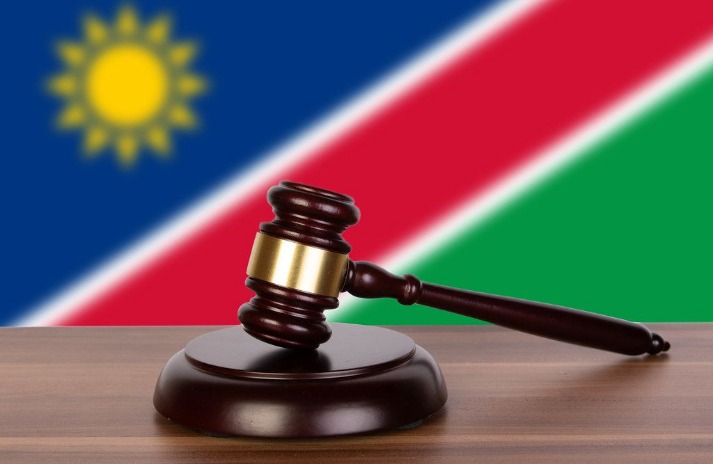
Language preservation is a vital aspect of maintaining cultural identity and heritage, particularly for indigenous communities in Namibia, where numerous languages are spoken. Many of these languages face significant challenges due to globalization, urbanization, and the dominance of official languages like English and German. As younger generations increasingly adopt more widely spoken languages, endangered languages risk becoming extinct, losing invaluable cultural and historical knowledge along with them.
In Namibia, indigenous languages such as Otjiherero, Oshiwambo, and Khoekhoe are integral to the community’s identity. However, these languages are threatened by declining usage, especially in formal education and media, which often prioritize more dominant languages. This language endangerment leads to a reduction in language transmission from elders to youth, accelerating the decline of linguistic diversity in the region.
Efforts to preserve Namibia’s indigenous languages include community-based programs, bilingual education initiatives, and government policies aimed at promoting language diversity. Despite these measures, many challenges remain, such as limited resources, lack of official recognition, and the overshadowing presence of global languages. Addressing these issues is essential for safeguarding Namibia’s rich linguistic heritage for future generations.
Efforts for Language Revitalization
Language preservation and revitalization are critical issues in Namibia, where diverse indigenous languages face challenges due to globalization, urbanization, and cultural shifts. Many of these languages are at risk of fading as younger generations shift towards more dominant languages such as English and Afrikaans. This decline threatens the rich cultural heritage and identities associated with these languages.
Efforts for language revitalization in Namibia include government initiatives, community programs, and educational policies aimed at promoting local languages. Schools are increasingly incorporating indigenous languages into their curricula, and media broadcasts in various languages help raise awareness and usage. Additionally, documenting and recording oral histories and languages contribute to preserving linguistic diversity for future generations.
Community engagement is vital in revitalizing languages, and local efforts include storytelling, cultural festivals, and language classes to encourage use among youth. International organizations also cooperate with Namibian institutions to support research, funding, and technology-driven projects that facilitate language learning and documentation. Despite these efforts, sustaining Namibia’s linguistic diversity requires continued commitment to fostering pride and practical use of indigenous languages within daily life.
Impact of Urbanization and Globalization
Language preservation in Namibia faces significant challenges due to the impacts of urbanization and globalization. As cities expand and western cultural influences grow, many indigenous languages are at risk of becoming endangered or extinct. The dominance of languages like English and Afrikaans in urban areas accelerates the decline of native languages spoken by various indigenous communities.
- Urbanization often leads to the migration of people from rural to urban areas, where the use of dominant languages increases, reducing the daily use of local languages.
- Globalization introduces international languages and media that overshadow indigenous languages, diminishing their cultural and functional relevance.
- Educational systems emphasizing Western languages limit the transmission of native languages to younger generations.
- Economic opportunities linked to global languages encourage communities to prioritize those languages over their traditional ones.
The impact of urbanization and globalization on Namibia’s linguistic landscape necessitates proactive measures to preserve the country’s rich linguistic diversity. Efforts such as promoting indigenous languages in schools, media, and cultural events are essential to counteract these pressures and maintain Namibia’s linguistic heritage for future generations.



0 Comments