
Overview of Tanzania African Safari
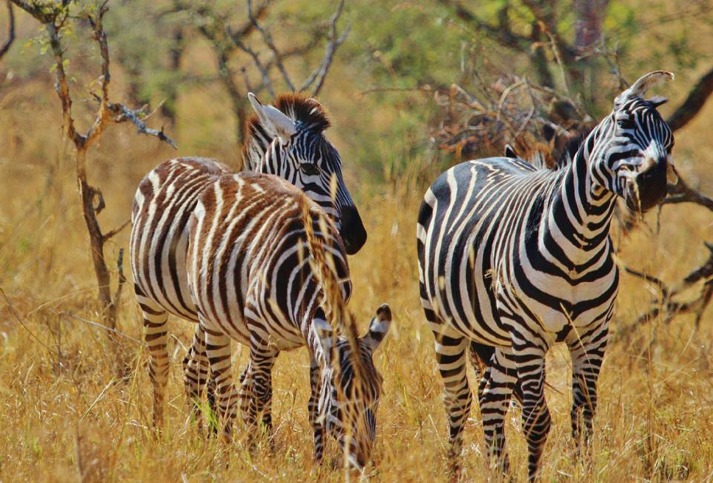
Experience the unforgettable adventure of a Tanzania African Safari, where stunning landscapes and diverse wildlife create a breathtaking gateway to nature. From the iconic Serengeti plains to the majestic Mount Kilimanjaro, Tanzania offers an unparalleled safari journey that immerses travelers in the wild beauty of Africa. Explore the rich ecosystems, encounter incredible animals, and discover the vibrant cultures that make Tanzania a top destination for adventurers and nature lovers alike.
Geographical Location and Features
Tanzania is renowned for its breathtaking African safaris, offering a unique opportunity to explore diverse wildlife and stunning landscapes. Located in East Africa, Tanzania shares borders with Kenya, Uganda, Rwanda, Burundi, Democratic Republic of the Congo, Zambia, Malawi, and Mozambique. This geographical position places Tanzania at the heart of some of the continent’s most iconic natural habitats, making it a premier destination for safari enthusiasts.
- Geographical Location: Situated on the eastern coast of Africa, Tanzania is bordered by the Indian Ocean to the east.
- Major Landforms: The country features a varied landscape including savannahs, crater lakes, mountains, and coastal plains.
- Significant Features:
- Serengeti National Park – famous for the annual wildebeest migration.
- Ngorongoro Crater – a UNESCO World Heritage site and one of the world’s largest intact volcanic calderas.
- Kilimanjaro – Africa’s highest peak, attracting climbers from around the world.
- Selous Game Reserve – one of the largest faunal reserves in Africa.
Tanzania’s diverse geography not only sustains rich wildlife populations but also provides visitors with incredible scenic vistas, from vast plains and lush forests to towering mountain peaks, making it an exceptional destination for an authentic African safari experience.
Best Time to Visit
Tanzania African Safari offers an unforgettable adventure through some of the world’s most spectacular wildlife reserves, including Serengeti National Park and Ngorongoro Crater. Visitors can witness the awe-inspiring Great Migration, see diverse wildlife such as lions, elephants, and cheetahs, and experience breathtaking landscapes ranging from savannahs to mountain terrains.
The best time to visit Tanzania for an African safari is during the dry season, which runs from June to October. During this period, animals gather around water sources, making wildlife viewing easier and more rewarding. The months of January and February are also ideal for witnessing the calving season and lush landscapes, especially in the southern parks. Planning your trip around these times ensures optimal chances to see abundant wildlife and enjoy comfortable weather conditions.
Distinctive Landscapes and Ecosystems
Tanzania African Safari offers an unparalleled experience for wildlife enthusiasts and nature lovers, showcasing some of the most diverse and breathtaking landscapes in Africa. Known for its vast plains, lush jungles, and lush wetlands, Tanzania provides a rich tapestry of ecosystems that support an incredible variety of flora and fauna. From iconic savannahs to dense forests and vibrant wetlands, the country’s landscapes are a testament to the natural beauty and ecological complexity of the continent.
- Serengeti National Park: Famous for the Great Migration, vast plains, and abundant wildlife.
- Ngorongoro Crater: A UNESCO World Heritage Site featuring a unique caldera ecosystem and rich biodiversity.
- Selous Game Reserve: One of the largest faunal reserves in Africa, known for its rivers and diverse habitats.
- Mount Kilimanjaro: Africa’s highest mountain offering alpine ecosystems and stunning panoramic views.
- Lake Manyara: Renowned for its flamingos, tree-climbing lions, and rich birdlife in a lush lake setting.
Popular Safari Destinations in Tanzania
Tanzania is renowned for its breathtaking landscapes and abundant wildlife, making it one of the top destinations for an unforgettable African safari experience. From vast savannahs to lush jungles, the country’s diverse ecosystems attract travelers eager to witness incredible animal migrations and the Big Five in their natural habitats. Whether you’re seeking adventure or serenity, Tanzania offers a rich tapestry of safari destinations that promise an authentic and awe-inspiring journey through Africa’s wilderness.
Serengeti National Park
Serengeti National Park is one of the most renowned safari destinations in Tanzania, famous for its stunning landscapes and incredible wildlife migrations. Visitors can witness the dramatic movement of millions of wildebeest, zebras, and other animals across the plains during the annual migration, creating a breathtaking spectacle. The park is home to the Big Five—lion, elephant, buffalo, leopard, and rhinoceros—and offers exceptional opportunities for game drives, hot air balloon safaris, and bird watching. Its vast, open savannahs and diverse ecosystems make it a must-visit location for anyone seeking an authentic African safari experience in Tanzania.
Ngorongoro Conservation Area
Ngorongoro Conservation Area is one of the top safari destinations in Tanzania, renowned for its breathtaking landscapes and abundant wildlife. This UNESCO World Heritage site offers a unique opportunity to witness a diverse array of animals in their natural habitat, set against the stunning crater floor and surrounding highlands.
- Ngorongoro Crater – Known as “The Garden of Eden,” this volcanic caldera is home to lions, elephants, rhinos, and wildebeests.
- Serengeti National Park – Famous for the Great Migration, the Serengeti offers vast plains filled with wildlife and spectacular game viewing.
- Tarangire National Park – Noted for its large herds of elephants and iconic baobab trees, offering excellent game viewing year-round.
- Manyara National Park – Known for its tree-climbing lions and diverse birdlife, situated around Lake Manyara.
- Arusha National Park – Perfect for travelers interested in a mix of wildlife, mountain views, and walking safaris.
Each of these destinations provides unique experiences that showcase the beauty and richness of Tanzania’s wilderness, making them essential stops for an authentic safari adventure in Africa.
Selous Game Reserve
The Selous Game Reserve in Tanzania is one of the most popular safari destinations on the continent, renowned for its vast wilderness and diverse wildlife. Covering over 50,000 square kilometers, it offers an authentic safari experience away from crowded parks. Visitors can enjoy game drives, boat safaris, and walking safaris to encounter elephants, lions, buffalo, and hippos in their natural habitat. The reserve is also a UNESCO World Heritage Site, emphasizing its ecological importance and pristine environment. Combining wildlife viewing with breathtaking landscapes, the Selous provides a unique opportunity to immerse oneself in Tanzania’s rich natural heritage and experience the wild heart of Africa.
Tarangire National Park
Tarangire National Park is one of the most popular safari destinations in Tanzania, renowned for its vast elephant herds and diverse wildlife. Located in northern Tanzania, the park offers visitors a unique safari experience with breathtaking landscapes, including extensive baobab trees and seasonal lagoons that attract a variety of animals. Visitors can enjoy game drives to observe elephants, lions, giraffes, and cheetahs roaming freely in their natural habitat. The park is also famous for its birdlife, making it a birdwatcher’s paradise. Tarangire provides an authentic Tanzanian safari experience, combining stunning scenery with abundant wildlife, making it a must-visit destination for safari enthusiasts exploring Tanzania’s incredible wildlife and natural beauty.
Mikumi National Park
Tanzania is renowned for its stunning safari destinations, offering travelers an incredible chance to experience Africa’s diverse wildlife and breathtaking landscapes. Among these destinations, Mikumi National Park stands out as a popular and easily accessible safari destination for visitors seeking an authentic Tanzanian adventure.
Ruaha National Park
Tanzania is renowned for its stunning safari destinations, offering travelers an unforgettable experience of African wildlife and scenic landscapes. Among these, Ruaha National Park stands out as a premier location for wildlife enthusiasts seeking an authentic safari adventure. Known for its rugged terrain and vast wilderness, Ruaha is Tanzania’s largest national park and a vital part of the Selous Game Reserve ecosystem.
Ruaha National Park is famous for its large herds of elephants, elusive lions, and the rare African wild dog. The park’s diverse habitats, including open plains, riverine forests, and rocky outcrops, support a rich variety of wildlife and bird species. Visitors can enjoy game drives, walking safaris, and photographic safaris that offer close encounters with nature.
Accessible by road and air, Ruaha offers a more remote and less crowded alternative to Tanzania’s other popular parks like the Serengeti or Ngorongoro Crater. Its pristine environment and abundant wildlife make it a must-visit destination for safari travelers wanting a genuine and less commercialized experience of Tanzania’s wilderness.
Wildlife and Biodiversity
Tanzania is a land of incredible wildlife and rich biodiversity, making it a premier destination for African safaris. Its vast landscapes, including the Serengeti, Ngorongoro Crater, and Mount Kilimanjaro, host an astonishing variety of animals and plant species. Exploring Tanzania offers a unique opportunity to witness nature’s spectacular diversity and experience the beauty of untouched ecosystems.
Big Five Encounters
Tanzania offers some of the most remarkable wildlife and biodiversity experiences in Africa, making it a premier destination for safari enthusiasts. The country boasts a vast variety of ecosystems, from lush savannahs to dense forests and the iconic Serengeti plains, providing a diverse habitat for countless species.
One of the highlights of a Tanzanian safari is encountering the Big Five — lion, leopard, elephant, buffalo, and rhinoceros — which are often considered the ultimate wildlife viewing experience. These majestic animals can be observed in their natural habitats within national parks such as Serengeti, Ngorongoro Crater, and Tarangire, offering visitors unforgettable moments with Africa’s most iconic wildlife.
Wildlife conservation efforts in Tanzania play a vital role in protecting this incredible biodiversity. Visitors have the opportunity to participate in responsible tourism, supporting local communities and conservation programs dedicated to safeguarding these species for future generations.
Other Iconic Animals
Tanzania’s vast landscapes boast an incredible variety of wildlife and biodiversity, making it a prime destination for an African safari. Beyond the famous Big Five, the country is home to numerous iconic animals that symbolize the richness of its ecosystems and the importance of conservation efforts.
- Giraffes – The tall and graceful giraffes are often seen browsing the treetops in Serengeti and Ngorongoro Crater.
- Hippopotamuses – These large mammals are commonly found in waterways and are a favorite among safari-goers.
- Chevrotains – Also known as small forest antelopes, these elusive creatures inhabit the dense forests of Tanzania.
- Wild Dogs – The highly social African wild dogs are known for their hunting prowess and pack behavior.
- Crocodiles – These formidable predators are often spotted resting along riverbanks and during river crossings.
- Secretary Birds – Recognizable by their striking appearance, they are often seen hunting insects and small vertebrates on the plains.
- Ostriches – The largest birds in the world are prevalent in open savannahs, providing spectacular sightings for visitors.
- Tree Kangaroos – Found in the lush forests, these unique marsupials add to Tanzania’s diverse fauna.
Birdwatching Opportunities
Tanzania offers some of the most remarkable opportunities for wildlife and biodiversity enthusiasts, making it a premier destination for an African safari. Home to iconic species such as elephants, lions, giraffes, and cheetahs, Tanzania’s diverse ecosystems support a vast array of flora and fauna, particularly within its renowned national parks like Serengeti, Ngorongoro Crater, and Lake Manyara. Birdwatchers will find a paradise in Tanzania, where over 1,000 bird species can be observed, from vibrant flamingos and storks to elusive raptors and songbirds. The country’s varied habitats, including savannahs, wetlands, forests, and lakes, provide ideal conditions for countless bird species, making it an exceptional destination for birdwatching. Visiting Tanzania not only promises unforgettable wildlife encounters but also offers abundant birdwatching opportunities for enthusiasts eager to explore its rich biodiversity.
Endangered Species Conservation
Tanzania offers a premier destination for wildlife enthusiasts and conservationists seeking to experience Africa’s rich biodiversity. The country is home to vast savannas, lush forests, and iconic landscapes that support an incredible variety of wildlife species, including elephants, lions, rhinoceroses, and giraffes. Preserving this biodiversity is essential not only for maintaining ecological balance but also for supporting local communities and tourism industries.
Endangered species conservation in Tanzania plays a vital role in safeguarding its unique ecosystems. Numerous initiatives, national parks, and reserves are dedicated to protecting species at risk of extinction, such as the black rhinoceros and Eastern riverine topi. Anti-poaching efforts, community involvement, and habitat restoration are crucial strategies employed to ensure the survival of these vulnerable animals.
Tourists participating in Tanzanian safaris contribute indirectly to conservation efforts by supporting park fees and local conservation projects. Responsible tourism helps generate funds necessary for anti-poaching measures, research, and habitat preservation, ensuring that Tanzania’s wildlife remains a source of wonder for future generations.
Types of Safari Experiences
Embarking on a Tanzanian African safari offers a diverse range of experiences designed to showcase the country’s rich wildlife and stunning landscapes. From the vast plains of the Serengeti to the lush forests of Tarangire, travelers can choose from various safari types that cater to different interests and adventure levels. Whether seeking thrilling game drives, tranquil walking safaris, or unique hot air balloon excursions, Tanzania provides unforgettable opportunities to immerse oneself in the wilderness.
Jeep Safaris and Game Drives
In Tanzania, African safaris offer a variety of exciting and immersive experiences, allowing visitors to explore the country’s rich wildlife and stunning landscapes. Among these, jeep safaris and game drives are the most popular options for viewing Africa’s iconic animals in their natural habitat. These safaris typically take place in renowned national parks and reserves such as Serengeti, Ngorongoro Crater, and Tarangire, providing opportunities to witness the incredible biodiversity of the region.
Jeep safaris are guided tours conducted in sturdy, open-top vehicles that provide a comfortable and close-up view of wildlife. These safaris offer flexibility in itinerary and are suitable for photographers and nature enthusiasts seeking an immersive experience. The knowledgeable guides often share insights about the animals and habitats, enriching the overall adventure.
Game drives are similar to jeep safaris but can vary in duration and style, ranging from short excursions to full-day trips. Typically conducted early in the morning or late afternoon to catch animals at their most active, game drives allow visitors to explore the park’s diverse ecosystems and observe animals such as lions, elephants, zebras, and cheetahs in their natural environment. Both experiences emphasize sustainability and respectful wildlife observation, making Tanzania a premier destination for safari seekers.
Walking Safaris
Walking safaris offer a unique and intimate way to explore Tanzania’s diverse landscapes and wildlife. Unlike traditional vehicle safaris, walking safaris allow visitors to experience the wilderness at ground level, providing an up-close view of flora and fauna. Guided by experienced rangers, travelers can discover tracks, signs, and subtle animal behaviors that are often missed from a vehicle, creating a more immersive adventure. These safaris are especially popular in remote areas such as the Serengeti and Tarangire National Park, where vast open spaces and abundant wildlife create ideal conditions for safe and exhilarating walks. Walking safaris are perfect for those seeking a deeper connection with nature and a keen insight into the ecosystem of Tanzania’s protected areas.
Hot Air Balloon Safaris
In Tanzania, African safaris offer a diverse range of experiences, each providing unique opportunities to explore the country’s spectacular wildlife and landscapes. One of the most popular types is game drives, where visitors traverse national parks such as Serengeti and Ngorongoro Crater in specially equipped vehicles to observe animals in their natural habitat. Walking safaris are also highly sought after, allowing guests to experience the wilderness on foot and gain a more intimate understanding of the ecosystem and its inhabitants. For those seeking a more luxurious adventure, private safaris and mobile camping safaris provide personalized itineraries and exclusive accommodations. Additionally, hot air balloon safaris offer a breathtaking perspective of Tanzania’s plains and wildlife from above, providing a serene and unforgettable experience as you drift over the savannah at sunrise or sunset.
Cultural Tours and Village Visits
In a Tanzania African safari, travelers can enjoy a variety of experiences to suit their interests. Types of safari experiences include game drives, guided walking safaris, and hot air balloon safaris, each offering unique perspectives of the wild landscapes and diverse wildlife. Cultural tours are an integral part of the safari adventure, allowing visitors to explore the rich traditions and customs of local communities. Village visits provide an immersive opportunity to interact with indigenous tribes, learn about their way of life, participate in traditional activities, and appreciate the cultural heritage that adds depth to the safari experience.
Accommodation Options
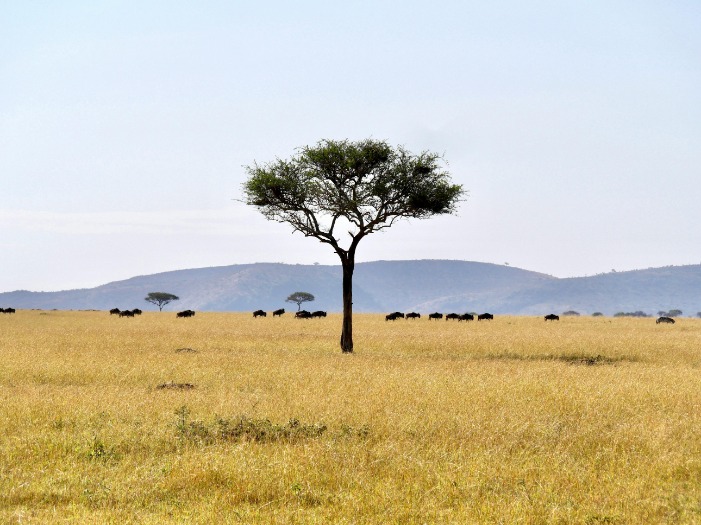
When planning a Tanzania African safari, choosing the right accommodation is essential to enhance your adventure experience. From luxurious lodges overlooking breathtaking landscapes to cozy tented camps nestled in the wilderness, Tanzania offers a variety of options to suit every travel style. These accommodations provide unique opportunities to immerse yourself in the natural beauty and vibrant wildlife of this stunning African destination.
Luxury Lodges and Resorts
When planning a Tanzania African safari, travelers have a variety of accommodation options to choose from, ensuring a comfortable and authentic experience amidst the stunning landscapes. Luxury lodges and resorts offer the epitome of comfort and sophistication, providing not only stunning views but also top-tier amenities and personalized services. Many of these exclusive accommodations are strategically located near major national parks like Serengeti, Ngorongoro Crater, and Tarangire, giving guests convenient access to wildlife safaris while enjoying plush interiors, gourmet dining, and luxury spa treatments. Staying in a luxury lodge or resort allows visitors to immerse themselves in the natural beauty of Tanzania without sacrificing comfort, making it an unforgettable part of their safari adventure.
Safari Camps and Tented Lodges
In Tanzania’s African safari experience, visitors have a variety of accommodation options to enhance their adventure. From luxurious safari camps to authentic tented lodges, each offers a unique way to immerse oneself in the wilderness. Safari camps typically provide a blend of comfort and adventure, with spacious tents, modern amenities, and close proximity to wildlife Viewing areas. Tented lodges combine the rustic charm of traditional camping with the convenience of hotel-style facilities, offering an authentic outdoor experience without sacrificing comfort. Both options allow guests to stay amidst stunning landscapes, providing unparalleled opportunities for wildlife sightings and experiencing the natural beauty of Tanzania’s national parks and reserves.
Budget-Friendly Hostels and Campsites
When planning a Tanzania African safari, travelers can find a variety of accommodation options to suit different budgets. Budget-friendly hostels offer comfortable shared dormitories and private rooms at an affordable price, providing a social atmosphere and convenient access to major parks and attractions. Campsites are also a popular choice for adventurers seeking an immersive experience, often located within or near national parks, allowing guests to sleep under the stars surrounded by nature. These campsites typically include basic amenities such as bathrooms and sometimes meals, making them an excellent option for those looking to experience the wilderness cost-effectively while enjoying the stunning landscapes of Tanzania.
Travel Tips and Essentials
Embarking on an African safari in Tanzania is an exciting adventure that promises breathtaking wildlife encounters and stunning landscapes. To ensure a smooth and enjoyable journey, it’s essential to be well-prepared with travel tips and essentials. From packing the right gear to understanding local customs, being informed can make your safari experience more memorable and stress-free.
Visa and Entry Requirements
When planning a Tanzanian African safari, it’s important to pack essentials such as comfortable clothing suitable for hot days and cooler evenings, a good pair of binoculars, sun protection, and insect repellent. Ensure you carry your travel documents, including a valid passport and any necessary permits, to enhance your safari experience. Staying hydrated and prepared for various weather conditions will make your journey more enjoyable and safe.
Regarding visa and entry requirements, most travelers to Tanzania need a visa, which can often be obtained online through e-visa programs or upon arrival at major airports and border crossings. To enter Tanzania, your passport should be valid for at least six months beyond your planned stay, with sufficient blank pages for visas and stamps. It is also recommended to carry proof of onward travel and hotel reservations. Always check the latest entry regulations before your trip, as policies may change depending on passport nationality or evolving immigration laws.
Health and Safety Precautions
Embarking on a Tanzanian African safari requires careful preparation to ensure a safe and enjoyable experience. Pack essentials such as lightweight, neutral-colored clothing, a sturdy pair of walking shoes, a hat, sunglasses, and sunscreen to protect yourself from the sun. Bring binoculars and a camera with extra batteries to capture the breathtaking wildlife encounters. Staying hydrated and carrying personal medications, including any necessary vaccinations, is vital for your health during the trip.
Health and safety precautions are crucial when visiting Tanzania for a safari adventure. Consult your healthcare provider beforehand to get recommended vaccinations such as yellow fever, typhoid, and hepatitis. Carry a sufficient supply of insect repellent containing DEET to avoid mosquito bites, which can transmit illnesses like malaria. Always drink bottled or boiled water and avoid consuming raw food from unreliable sources. Follow safety guidelines from your guides and stay within designated areas to prevent encounters with dangerous wildlife. Lastly, keep your belongings secure and be vigilant to avoid theft or loss during your journey.
Packing Tips
Embarking on a Tanzanian African safari requires careful planning and packing to ensure a smooth and enjoyable experience. Essential travel tips include booking your safari with reputable operators, packing appropriate clothing for varying weather conditions, and understanding local customs to respect the culture. When packing, bring lightweight, breathable clothes for daytime game drives and warm layers for early mornings and evenings. Don’t forget essentials such as binoculars, a camera with extra batteries, sun protection, insect repellent, and a good pair of sturdy hiking shoes. A lightweight rain jacket can also be useful, depending on the season. Remember to carry any necessary travel documents, including visas and health certificates, and always have a small first aid kit handy. Proper preparation will help you make the most of your Tanzanian adventure while staying comfortable and safe throughout your safari journey.
Local Customs and Etiquette
Embarking on an African safari in Tanzania offers a once-in-a-lifetime experience, but being prepared with travel tips, essentials, and understanding local customs can enhance your journey. Knowing what to pack, how to behave, and respecting local traditions ensures a smooth and respectful adventure.
Travel Tips and Essentials for Tanzania Safari
- Pack lightweight, breathable clothing in neutral colors to blend into the environment and stay comfortable during game drives.
- Bring a good pair of binoculars and a camera with a zoom lens to capture wildlife moments.
- Carry sunscreen, a wide-brimmed hat, insect repellent, and sunglasses to protect yourself from the sun and insects.
- Have valid travel documents, including visas if required, and carry copies of your passport and insurance details.
- Stay hydrated and carry bottled water, especially during long safaris in the heat.
- Learn some basic Swahili phrases to facilitate interactions with locals and show respect for their language.
Local Customs and Etiquette in Tanzania
- Greet locals with a handshake and use polite greetings like “Jambo” or “Habari” to show friendliness.
- Dress modestly, especially when visiting villages or rural areas, covering shoulders and knees.
- Always ask permission before taking photos of people or their property to respect their privacy.
- Remove your shoes when entering homes or certain religious sites as a sign of respect.
- Respect wildlife and do not attempt to feed or disturb animals during safaris.
- Be mindful of environmental conservation efforts by disposing of waste responsibly and avoiding littering.



0 Comments