
Overview of Tanzanian Population
Tanzania is a vibrant and diverse country located in East Africa, home to a rapidly growing population. Its people, consisting of numerous ethnic groups and cultures, contribute to the rich social fabric of the nation. Understanding the demographic makeup of Tanzanians provides valuable insights into the country’s development, traditions, and societal trends.
Population Size and Growth Trends
Tanzania is a country located in East Africa, known for its diverse population and rich cultural heritage. Its population size has been steadily increasing over the years, reflecting broader demographic trends in the region. The country’s population is estimated to be over 60 million people, making it one of the most populous nations in Africa.
The population growth trend in Tanzania has shown a consistent upward trajectory, driven by high birth rates and improvements in healthcare that have lowered mortality rates. Despite some recent efforts to manage growth, the population continues to grow at a rate of approximately 2.8% annually. This rapid growth presents both opportunities and challenges for Tanzania’s economic development, infrastructure, and social services.
The demographic structure of Tanzania is characterized by a young population, with a significant proportion under the age of 15. This youthful demographic offers potential for a productive workforce in the future but also requires substantial investments in education, health, and employment opportunities to support sustainable growth.
Population Distribution Across Regions
Tanzania is a country located in East Africa with a diverse and growing population. The nation’s population is estimated to be over 60 million people, making it one of the most populous countries in the region. The population is characterized by a mix of ethnic groups, languages, and cultures, reflecting its rich historical heritage.
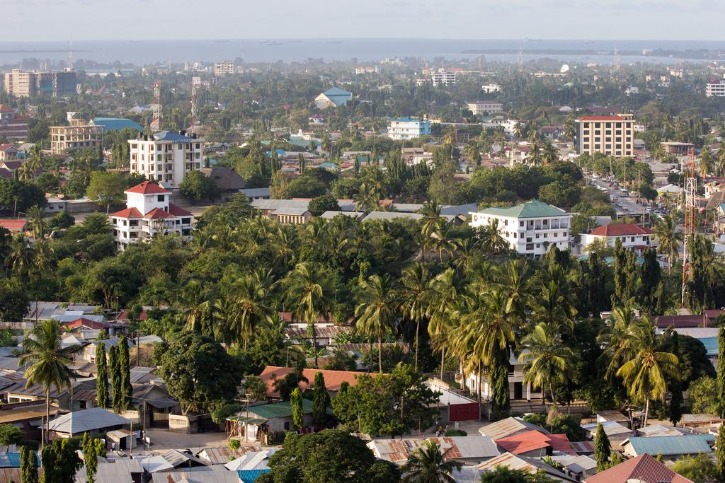
Population distribution across Tanzania’s regions varies significantly. Urban areas such as Dar es Salaam and Arusha have higher population densities due to economic opportunities and better infrastructure. In contrast, rural regions like Dodoma and Manyara are less densely populated, with large areas of land dedicated to agriculture and natural reserves. The distribution pattern is influenced by factors such as economic activity, geographic features, and access to services, leading to a diverse demographic landscape across the country.
Ethnic Groups in Tanzania
Tanzania is a diverse nation characterized by a rich mosaic of ethnic groups, each contributing to the country’s vibrant culture and heritage. The population includes over 120 distinct ethnic communities, ranging from the large and well-known to smaller, indigenous groups. These communities have unique traditions, languages, and social structures, making Tanzania a fascinating blend of cultural diversity. Understanding the various ethnic groups provides insight into the nation’s social fabric and underscores its importance as a melting pot of cultures in East Africa.
Major Ethnic Communities
Tanzania is a diverse country with a rich tapestry of ethnic groups, each contributing to the nation’s vibrant cultural heritage. The major ethnic communities in Tanzania include the Sukuma, who are the largest ethnic group and primarily reside in the northwestern regions. The Chaga people, known for their highland settlements, mainly inhabit the Kilimanjaro and Arusha areas. The Haya community, famous for their agricultural practices, are concentrated in the northwest. The Maasai, a semi-nomadic ethnic group renowned for their pastoral lifestyle, are predominantly found in northern Tanzania. Other significant groups include the Nyamwezi, the Hehe, the Zaramo, and the Makonde, each with unique traditions and histories. Tanzania’s ethnic diversity is a vital aspect of its identity, shaping its social fabric and cultural expression.
Minority and Indigenous Groups
Tanzania is a country rich in ethnic diversity, home to numerous ethnic groups that contribute to its vibrant cultural tapestry. The majority of the population belongs to Bantu-speaking groups, including the Sukuma, Chagga, and Haya, who are predominant in various regions across the country. In addition to these, there are smaller minority groups and indigenous communities that have maintained their unique languages and traditions over centuries.
Among the minority groups are the Maasai, known for their distinct customs, attire, and semi-nomadic lifestyle, primarily residing in northern Tanzania. The Hadza, one of the earliest known inhabitants of the region, are a vulnerable indigenous group living in the central Rift Valley, known for their hunter-gatherer way of life. The Hadza and other marginalized groups often face challenges related to land rights, cultural preservation, and access to resources.
Tanzania’s ethnic landscape is further characterized by the coexistence of diverse languages, religions, and customs, creating a multicultural society. Efforts to recognize and protect the rights of minority and indigenous groups continue to be an important aspect of national policies, aiming to promote inclusion and preserve the country’s rich cultural heritage.
Language and Communication
The people of Tanzania have a rich tradition of language and communication that reflects their diverse cultural heritage. As a nation with multiple ethnic groups, Tanzania employs a variety of languages, with Swahili serving as the national language and English widely used in education and official matters. This linguistic diversity plays a crucial role in shaping the social interactions, cultural identity, and communication styles of Tanzanians, highlighting the importance of language as a bridge that connects various communities across the country.
Official Languages
The people of Tanzania use a rich variety of languages to communicate, reflecting the country’s diverse ethnic and cultural makeup. While Swahili and English are recognized as official languages, Swahili is the most widely spoken language across the nation. It serves as a national lingua franca, enabling effective communication among various ethnic groups. English, inherited from Tanzania’s colonial past, is predominantly used in government, education, and business sectors, ensuring the country remains connected to the global community. Many Tanzanians also speak regional languages and dialects, which play a vital role in cultural identity and local communication. The official languages facilitate national unity and international relations, making them essential tools for governance and development in Tanzania.
Major Indigenous Languages
The people of Tanzania have a rich tapestry of languages and modes of communication, reflecting the country’s diverse cultural heritage. While Swahili is the national language and widely used across the nation for daily communication, many indigenous languages are spoken by different ethnic groups. These major indigenous languages include Sukuma, Chaga, Haya, and Makonde, each representing distinct communities with their own unique linguistic traditions. These languages play a crucial role in preserving cultural identity and promoting local customs and practices. Despite the dominance of Swahili and English in official settings and education, indigenous languages remain vital for cultural expression and community cohesion among Tanzania’s diverse populations.
Language Use in Daily Life
Language and communication play vital roles in the daily lives of Tanzanian people, shaping social interactions and cultural identity. In Tanzania, multiple languages are spoken, with Swahili serving as the national language, fostering unity across diverse communities. English is also used in education, government, and business, reflecting the country’s colonial history. The way Tanzanians use language in daily life often depends on the context, social setting, and the people they are communicating with.
- Swahili is the most widely spoken language in Tanzania and is used in everyday conversations, markets, and community gatherings.
- English is predominantly used in formal settings such as schools, official documents, and official meetings.
- Many Tanzanians are bilingual, switching between Swahili and English depending on the situation.
- In rural areas, local languages such as Sukuma, Chaga, and Maasai are also common in daily communication.
- Expressions and gestures are important supplementary forms of communication, especially in informal contexts.
Religious Beliefs and Practices
The people of Tanzania have a rich tapestry of religious beliefs and practices that deeply influence their culture and daily life. With a diverse population comprising various ethnic groups, the nation is known for its religious tolerance and coexistence. Christianity, Islam, and indigenous faiths are widely practiced, each contributing unique traditions and rituals that reflect the nation’s spiritual heritage. Understanding these practices offers valuable insight into the vibrant and multifaceted identity of Tanzanian society.
Predominant Religions
The people of Tanzania uphold a diverse range of religious beliefs and practices, reflecting the country’s rich cultural mosaic. Predominantly, Christianity and Islam are the major religions, with both faiths practiced widely across different regions. Christianity, introduced through European colonization, is mainly represented by Protestant denominations and Roman Catholicism, and it influences many aspects of community life, festivals, and traditions. Islam is also deeply rooted in Tanzania, especially along the coastline and in urban areas, where daily prayers, Ramadan, and other Islamic traditions are actively observed. Additionally, indigenous beliefs and practices, including traditional rituals and ceremonies, continue to play a significant role in the spiritual life of various communities. Overall, Tanzanians often participate in a blend of religious practices, emphasizing tolerance and harmony among different faith groups.
Religious Festivals and Traditions
The people of Tanzania have a rich tapestry of religious beliefs and practices that reflect the nation’s diverse cultural heritage. Christianity and Islam are the predominant religions, each practiced with unique traditions and rites that influence daily life. Many Tanzanians also embrace indigenous beliefs, which are often integrated into their larger religious practices, emphasizing ancestral reverence and spiritual guidance.
Religious festivals and traditions play a vital role in community bonding and cultural expression in Tanzania. Christian celebrations such as Christmas and Easter are widely observed, often marked with church services, processions, and family gatherings. Islamic festivals, including Ramadan and Eid al-Fitr, are celebrated with prayers, feasting, and communal activities. Indigenous festivals, such as the Serengeti Cultural Festival, showcase traditional music, dance, and rituals that preserve and promote local heritage. These religious and cultural events strengthen social ties and provide a sense of identity for Tanzanians across different communities.
Cultural Practices and Traditions
Takting the rich tapestry of Tanzania, the country’s cultural practices and traditions reflect a deep-rooted history that spans centuries. The Tanzanian people embrace diverse customs, ceremonies, and rituals that are unique to their various ethnic groups. These traditions play a vital role in shaping their identity, fostering community bonds, and passing down their heritage from generation to generation.
Traditional Clothing
The people of Tanzania have a rich tapestry of cultural practices and traditions that reflect their diverse heritage and history. These customs are passed down through generations and play a vital role in shaping their community life and identity.
Traditional clothing in Tanzania varies among the different ethnic groups, often characterized by colorful fabrics and intricate designs. One of the most notable garments is the kanga, a vibrant piece of cloth worn by women that features decorative borders and messages. Men typically wear shirts and trousers made from traditional fabrics for special occasions, while during cultural festivals, they don more elaborate traditional attire.
In addition to clothing, Tanzania’s cultural practices include music, dance, and ceremonies that are deeply embedded in their daily lives. These celebrations often involve traditional dances such as the Maasai adamu dance or the Sukuma dance, accompanied by rhythmic drumbeats and singing. Rituals and ceremonies, like initiation rites and harvest festivals, also highlight the significance of tradition in preserving their identity and community bonds.
Music, Dance, and Arts
Tanzania is a country rich in cultural practices and traditions that reflect its diverse ethnic makeup. The people passionately maintain and celebrate their heritage through various ceremonies, rituals, and festivals that showcase their unique identities. Music, dance, and arts play a vital role in bringing communities together and expressing their stories, beliefs, and history.
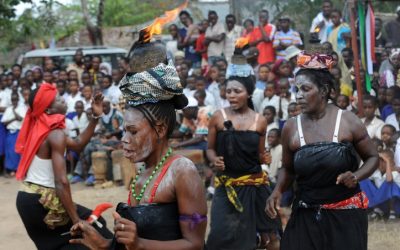
Traditional music in Tanzania features vibrant rhythms and melodies performed with instruments such as drums, flutes, and xylophones. Songs often accompany important rituals, celebrations, and social gatherings, serving as a means of storytelling and preserving history. Dance is an integral aspect of Tanzanian culture, with each ethnic group having its own distinctive styles and movements that convey messages or honor ancestors.
Arts in Tanzania are diverse, encompassing intricate beadwork, carvings, textiles, and pottery. These artistic expressions are not only aesthetic but also carry cultural significance, symbolizing social status, spiritual beliefs, and community values. Both traditional and contemporary art forms continue to thrive, reflecting the dynamic and vibrant culture of the Tanzanian people.
Festivals and Celebrations
Tanzania is a nation rich in cultural diversity, with a wide array of practices, traditions, festivals, and celebrations that reflect its vibrant heritage. The indigenous communities such as the Maasai, Chaga, and Sukuma each contribute unique customs that have been passed down through generations, fostering a deep sense of identity and pride.
Traditional music and dance play a significant role in Tanzanian culture, often performed during ceremonies, social gatherings, and festivals. Instruments like drums, flutes, and thumb pianos are commonly used to accompany lively dances, which serve as a means of storytelling and preserving history.
Major festivals in Tanzania include the annual Maasai Mara Festival, celebrating Maasai culture with traditional ceremonies, songs, and dances. The Mwaka Kumbwa festival in Zanzibar marks the beginning of the new year with rituals, music, and communal gatherings. Additionally, religious celebrations such as Eid al-Fitr and Christmas are widely observed, highlighting the country’s religious diversity.
Marriage ceremonies, initiation rites, and harvest festivals are integral parts of Tanzanian traditions, often involving elaborate rituals, feasting, and community participation. These customs not only maintain cultural continuity but also foster unity among different ethnic groups within the nation.
Overall, Tanzania’s cultural practices and festivals serve as a reflection of its rich history and diverse population, making the country a vibrant tapestry of traditions that continue to thrive in contemporary society.
Social Structure and Community Life
The social structure and community life of the people of Tanzania reflect a rich tapestry of traditions, relationships, and cultural practices. Tanzania’s diverse population, composed of various ethnic groups and tribes, fosters a vibrant communal environment where social roles and responsibilities are deeply rooted in cultural heritage. Understanding this social fabric is essential to appreciate how Tanzanian society functions and thrives through strong community bonds and shared values.
Family and Kinship Systems
The people of Tanzania exhibit a rich and diverse social structure that greatly influences their community life, family, and kinship systems. These social frameworks are deeply rooted in traditional customs, varying among different ethnic groups such as the Sukuma, Chaga, Maasai, and Zaramo. Community life in Tanzania often revolves around close-knit family units and extended kinship ties, which serve as the foundation for social support, cooperation, and cultural continuity. Family systems are typically patriarchal, with elders holding significant authority, while kinship networks facilitate social bonding and resource sharing across generations. These interconnected relationships foster a sense of belonging and collective identity that is essential to Tanzanian society. Moreover, rituals, ceremonies, and communal activities strengthen social cohesion among members, ensuring the preservation of cultural heritage and social stability within communities.
Roles of Elders and Leaders
In Tanzanian communities, social structure and community life are deeply rooted in traditional values and collective practices. Elders and leaders play essential roles in maintaining social harmony, resolving conflicts, and guiding cultural customs. Their influence helps preserve the community’s identity and ensures the continuity of indigenous traditions across generations.
- Elders are highly respected figures who hold wisdom and experience, often serving as advisors in both family and community matters.
- Leaders, including village headmen and local government officials, are responsible for implementing policies, mediating disputes, and coordinating communal activities.
- Community life often revolves around shared rituals, ceremonies, and markets, where elders and leaders foster unity and cooperation among residents.
- Respect for elders and adherence to their guidance reinforce social cohesion and uphold cultural responsibilities within Tanzanian society.
Community Support Networks
The social structure and community life of Tanzanian people are deeply rooted in traditional values and communal living. Families often form the core of social organization, providing support and maintaining cultural practices across generations. Kinship ties, age groups, and ethnic identities play significant roles in shaping social interactions and roles within communities. Community support networks are vital in Tanzania, where neighbors and extended family members work together to address daily needs, celebrate cultural events, and support individuals during times of hardship or celebration. Such networks foster a sense of unity and resilience, ensuring that communal bonds remain strong despite modern influences and economic challenges. Overall, these social frameworks contribute heavily to the cohesion and stability of Tanzanian society, reflecting a collective spirit centered on mutual aid and shared cultural heritage.
Education and Literacy
Education and literacy are vital components for the development of any nation, including Tanzania. They empower individuals, promote economic growth, and foster social cohesion. In Tanzania, efforts to improve access to quality education have significantly impacted the literacy rates and overall well-being of its people. Understanding the state of education and literacy in Tanzania offers insights into the country’s progress and the challenges it faces in building a more equitable society.
Access to Education
Access to quality education and literacy rates are vital factors influencing the development of Tanzania’s people. Despite progress in recent years, many Tanzanians still face challenges in obtaining sufficient educational opportunities, particularly in rural areas. Enhancing literacy and expanding access to education can significantly improve economic prospects and social well-being for Tanzanian communities.
- Many children in Tanzania remain out of school due to poverty, distance to schools, and inadequate infrastructure.
- The government has initiated programs to increase enrollment rates and improve educational quality, but disparities persist between urban and rural regions.
- Literacy rates have steadily improved, yet gender gaps still exist, with girls less likely to complete primary and secondary education.
- Investments in teacher training, school facilities, and learning materials are essential to advance education across the country.
- Community awareness and parent involvement play a key role in encouraging children to attend school and stay enrolled.
Educational Attainment Levels
Education and literacy are vital components of Tanzania’s development, shaping the future of its people and economy. Over the years, efforts have been made to improve access to quality education across the country, resulting in significant progress in literacy rates among the population. Despite these advancements, disparities still exist between urban and rural areas, affecting overall educational attainment levels.
Educational attainment levels in Tanzania vary widely, with a substantial portion of the population completing primary education, while fewer individuals pursue secondary or higher education. The government and various organizations continue to work towards increasing enrollment and completion rates at all levels, aiming to build a skilled and knowledgeable workforce. Improving educational infrastructure, reducing dropout rates, and promoting adult literacy are key priorities to ensure that everyone has the opportunity to benefit from education and contribute to Tanzania’s socio-economic growth.
Economic Activities and Livelihoods
Economic activities and livelihoods are central to understanding the daily lives and development of the people of Tanzania. As a country rich in natural resources and diverse landscapes, Tanzanians engage in a variety of work, from agriculture and fishing to trade and small-scale entrepreneurship. These activities not only support their families but also contribute significantly to the nation’s economy and cultural identity.
Agriculture and Farming
The people of Tanzania primarily engage in diverse economic activities that sustain their livelihoods, with agriculture and farming playing a significant role in the nation’s economy and social structure.
- Agriculture remains the backbone of Tanzania’s economy, employing the majority of the population, especially in rural areas.
- Smallholder farming is prevalent, with crops such as maize, rice, beans, coffee, and tea cultivated for both subsistence and commercial purposes.
- Livestock farming, including cattle, goats, and chickens, complements crop farming and provides additional income sources for many Tanzanians.
- Fishing is vital in coastal and inland waterbody communities, supporting both local consumption and export markets.
- Urban populations are increasingly involved in non-agricultural activities such as trade, manufacturing, and services, diversifying the economic landscape.
Trade and Markets
Economic activities and livelihoods in Tanzania are diverse and largely depend on the natural resources and regional characteristics of the country. Agriculture remains the backbone of the economy, providing employment for a significant portion of the population and contributing substantially to the nation’s GDP.
- Farming of crops such as maize, rice, coffee, tea, and cashews is common among rural communities.
- Livestock rearing, including cattle, goats, and sheep, is also a vital livelihood for many Tanzanians.
- Fishing along the Indian Ocean coast and inland lakes supports local economies and provides food security.
- Small-scale traders and artisans engage in various crafts and trade activities, boosting local markets.
The trade and markets in Tanzania are characterized by both traditional and modern systems. Informal markets are prevalent in rural areas, while urban centers host large formal markets and supermarkets. The country is a significant player in regional trade within East Africa, exporting commodities such as coffee, tea, and minerals.
- Regional trade is facilitated through border crossings with neighboring countries like Kenya, Uganda, and the Democratic Republic of Congo.
- The government encourages industrialization and the development of export-oriented industries to diversify income sources.
- Transport infrastructure improvements aim to connect farmers with markets more efficiently, reducing post-harvest losses.
- Tourism has emerged as a crucial sector, bringing foreign exchange and creating jobs in hospitality and related services.
Informal Sector and Small Businesses
The economic activities and livelihoods of the people of Tanzania are diverse and primarily rooted in agriculture, trade, and small-scale industries. Many Tanzanians depend on farming and fishing for their daily sustenance, engaging in subsistence and commercial agriculture to support their families and communities.
The informal sector plays a significant role in Tanzania’s economy, providing employment opportunities for a large portion of the population. Small businesses such as roadside vending, tailoring, and local crafts are common, offering crucial income sources for many Tanzanians who may not have access to formal employment or large-scale industries.
Small businesses and the informal sector contribute substantially to the country’s economic resilience, especially in rural areas. They facilitate local development, enhance community livelihoods, and often serve as stepping stones for entrepreneurs to expand into more formalized enterprises in the future.
Despite their importance, these sectors face challenges such as limited access to finance, markets, and technology. Supporting the growth and formalization of small businesses can further improve livelihoods, reduce poverty, and promote sustainable economic development in Tanzania.
Health and Well-being
Health and well-being are fundamental aspects of a fulfilling life, influencing how individuals live, work, and enjoy their daily activities. In Tanzania, a country rich in cultural diversity and natural beauty, the health of its people is shaped by a variety of social, economic, and environmental factors. Understanding the specific health challenges and strengths of Tanzanian communities is essential for promoting a healthier and more prosperous future for all its citizens.
Healthcare Access and Services
Health and well-being are fundamental aspects of life that significantly impact the overall development of Tanzania’s people. Access to quality healthcare services remains a critical challenge, especially in rural areas where medical facilities are often limited or understaffed. Many Tanzanians face obstacles such as long distances to health centers, financial barriers, and shortages of trained healthcare providers, which hinder timely and effective treatment.
- Increasing investments in healthcare infrastructure to ensure more clinics and hospitals are accessible across the country.
- Training and retaining skilled healthcare workers in remote and underserved regions.
- Improving supply chains to ensure consistent availability of essential medicines and medical supplies.
- Implementing community-based health programs to promote preventive care and health education.
- Enhancing health insurance schemes to reduce out-of-pocket expenses for vulnerable populations.
Efforts by the government and international organizations aim to improve healthcare access and quality, ultimately striving to enhance the health outcomes and well-being of the Tanzanian people.
Common Health Challenges
Health and well-being are vital aspects of life for the people of Tanzania, who face a range of common health challenges. Despite progress in healthcare infrastructure, many Tanzanians encounter issues such as malaria, HIV/AIDS, tuberculosis, and other infectious diseases that significantly impact their daily lives. Malnutrition remains a concern, particularly among children and pregnant women, affecting growth and development. Access to clean water and improved sanitation facilities is limited in some regions, contributing to the spread of waterborne diseases. Additionally, non-communicable diseases like hypertension, diabetes, and cancer are emerging as challenges due to lifestyle changes. Addressing these health issues requires ongoing efforts to strengthen healthcare systems, increase awareness, and promote healthier living practices across Tanzania.
Traditional Medicine Practices
Health and well-being are vital aspects of life for the people of Tanzania, who often blend traditional medicine practices with modern healthcare approaches to maintain their health. Traditional medicine holds a significant place in Tanzanian culture, with many individuals relying on natural remedies and healing practices passed down through generations. These practices are deeply rooted in local beliefs and offer affordable and accessible healthcare options in rural areas where modern facilities may be limited.
- Traditional healers, known as waganga, use a variety of herbs, roots, and spiritual rituals to treat numerous ailments.
- Herbal medicines are commonly prepared from native plants like aloe vera, turmeric, and neem, which are believed to possess healing properties.
- Community-based practices including massage, spiritual healing, and consultations with elders complement herbal treatments.
- Many Tanzanians integrate traditional remedies with modern medicine, especially in rural regions where healthcare infrastructure is still developing.
- Government efforts aim to regulate and incorporate traditional medicine within national health policies to ensure safety and efficacy.

0 Comments