
Demographic Overview of Tanzania
Tanzania is a vibrant country located in East Africa, known for its diverse demographic landscape. With a population of over 60 million people, it exhibits a youthful age structure, with a significant proportion of its population under the age of 15. The country features a mix of ethnic groups, languages, and cultures, contributing to its rich social fabric. Understanding the demographic overview of Tanzania is essential for appreciating its social dynamics and development potential.
Population Size and Growth Trends
Tanzania is one of the most populous countries in East Africa, with a diverse and rapidly growing population. Its demographic profile reflects a young age structure, with a significant proportion of the population under the age of 15. Over the past few decades, Tanzania has experienced steady population growth driven by high birth rates and improving healthcare services. The population size is estimated to be over 60 million people as of recent data, making it the 24th most populous country in the world. The growth trend continues at an annual rate of approximately 2.7%, indicating a rapid increase that contributes to urbanization and demographic shifts across the nation. This ongoing growth presents both opportunities and challenges for development, infrastructure, and resource management in Tanzania.
Historical Population Data
Tanzania has experienced significant changes in its population over the years, reflecting its demographic dynamics and socio-economic developments. The nation’s population growth has been influenced by factors such as high birth rates, declining mortality rates, and improved healthcare services.
Historical population data indicates a steady increase in the number of inhabitants, with estimates growing from about 10 million in the early 1960s to over 60 million by 2023. This demographic growth has impacted various aspects of the country’s development, including infrastructure, resources, and social services.
- 1960s: Population approximately 10 million
- 1980s: Population surpassed 15 million, with rapid growth rates
- 2000s: Population exceeded 30 million, leading to urbanization and demographic shifts
- 2020: Estimated population around 59 million
- 2023: Population exceeds 60 million, making Tanzania one of the most populous countries in East Africa
Population Distribution and Urbanization
Population distribution and urbanization are key aspects to understanding the demographic landscape of Tanzania. As the population grows, shifts in where people live and work influence economic development, infrastructure, and social services. In Tanzania, rapid urbanization is transforming traditional rural lifestyles, leading to the expansion of cities and towns. Analyzing these trends provides insights into the country’s future development pathways and challenges.
Geographical Population Distribution
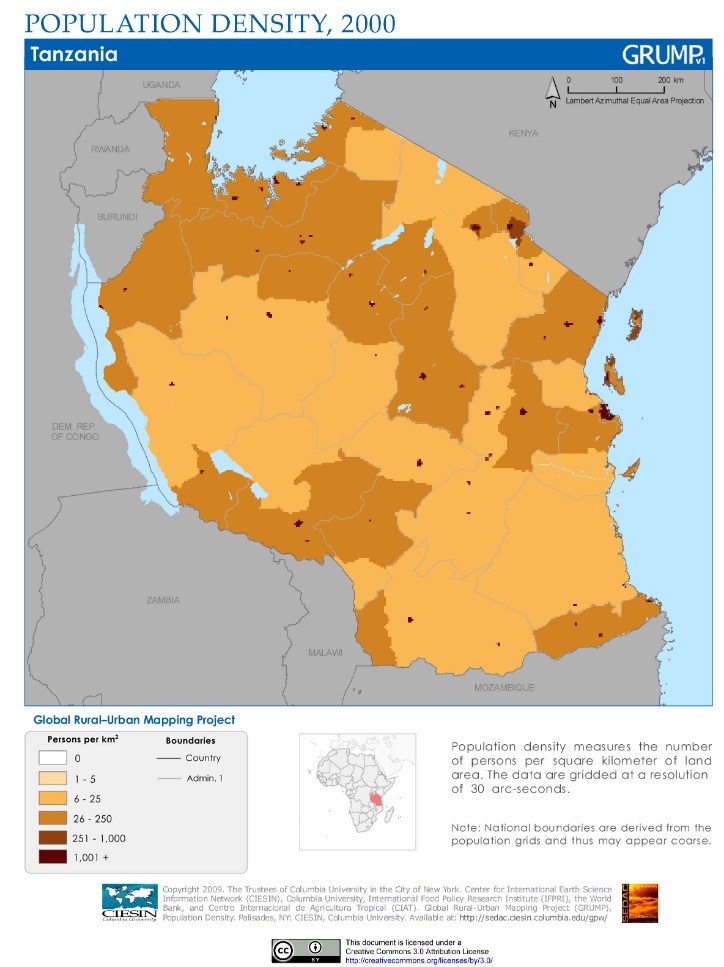
Population distribution and urbanization in Tanzania reflect a complex interplay of geographic, economic, and social factors. The population is unevenly spread across the country, with a higher concentration in the coastal regions, especially around Dar es Salaam, and in the highland areas like the Kilimanjaro region. Rural areas constitute a significant portion of the population, primarily engaged in agriculture, while urban centers are growing rapidly due to rural-to-urban migration. This trend is driven by the pursuit of better employment opportunities and access to services.
Geographical population distribution in Tanzania is influenced by factors such as climate, availability of resources, and infrastructure development. The fertile volcanic soils in the northern and eastern parts support intensive farming and dense settlements. Conversely, arid and semi-arid regions, such as parts of the central and southern areas, tend to have sparser populations due to fewer resources and harsher living conditions. Urban areas like Dar es Salaam, Dodoma, and Arusha serve as economic and administrative hubs, attracting large populations and contributing to rapid urbanization. Overall, Tanzania’s population distribution continues to evolve, with increasing urbanization shaping the country’s demographic landscape.
Urban versus Rural Population
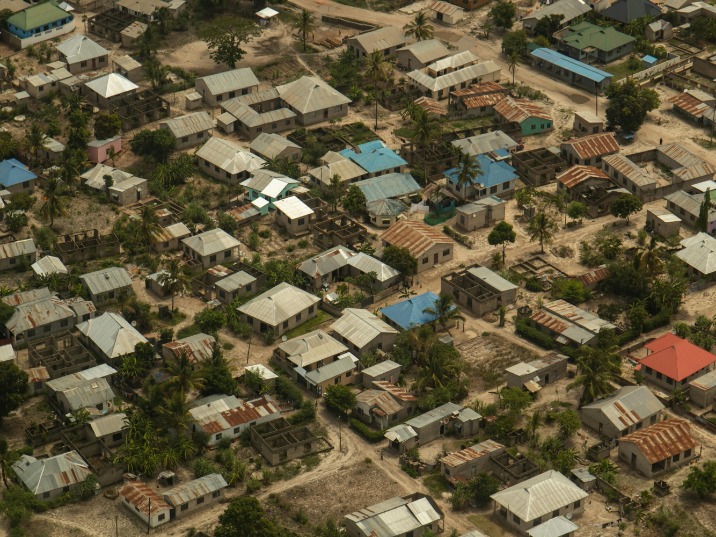
In Tanzania, the population distribution and levels of urbanization highlight the contrast between urban and rural areas. A significant portion of the population resides in rural regions, engaging primarily in agriculture and traditional lifestyles. Urban areas, particularly Dar es Salaam and Dodoma, are experiencing rapid growth due to migration and economic opportunities, leading to increased urbanization.
- Most of Tanzania’s population is concentrated in rural areas, with approximately 65% living outside cities.
- Urban population is growing at a faster rate, driven by rural-urban migration and natural population growth.
- Dar es Salaam is the largest city, acting as the economic and administrative hub, with a population of over 4 million people.
- Urbanization presents challenges such as infrastructure development, housing, and access to services.
- The rural population remains reliant on agriculture, which employs the majority of Tanzanians but offers limited opportunities for growth.
Major Cities and Urban Centers
Tanzania’s population distribution and urbanization have undergone significant changes over the years, reflecting economic development and rural-to-urban migration. The majority of the population still resides in rural areas, engaging primarily in agriculture, but urban centers are rapidly expanding, driven by opportunities in industries, services, and infrastructure development.
- Dar es Salaam is the largest city and main economic hub, hosting a diverse population involved in commerce, industry, and education.
- Other major urban centers include Arusha, known for tourism and international organizations, and Mwanza, a key city on Lake Victoria contributing to trade and manufacturing.
- Urbanization rates are increasing, with more people moving to cities in search of employment and better living standards, leading to the growth of informal settlements and urban infrastructure challenges.
- Major towns such as Dodoma are also emerging as administrative capitals, influencing population distribution across the country.
The concentration of populations in these urban areas highlights the ongoing shift from rural to urban living, shaping Tanzania’s socioeconomic landscape and future development plans.
Ethnic Composition and Diversity
Tanzania is a nation celebrated for its remarkable ethnic diversity, with a rich tapestry of cultures, languages, and traditions. The country is home to numerous ethnic groups, each contributing uniquely to the social fabric of Tanzanian society. This diversity fosters a vibrant coexistence, shaping the nation’s identity and enriching its cultural landscape. Understanding the ethnic composition of Tanzania offers valuable insights into its social dynamics and cultural heritage.
Major Ethnic Groups
Tanzania is known for its rich ethnic diversity, with a myriad of ethnic groups contributing to the country’s vibrant cultural mosaic. The population comprises over 120 ethnic groups, each with unique languages, traditions, and customs. This diversity is a hallmark of Tanzanian society, fostering a blend of various cultural influences across the nation.
The major ethnic groups in Tanzania include the Sukuma, who are the largest and predominantly inhabit the northwest regions. The Chagga, residing mainly on the slopes of Mount Kilimanjaro, are also significant and known for their thriving agricultural practices. The Haya people are mostly found in the northwest near Lake Victoria and are renowned for their farming and traditional crafts. Other prominent groups include the Maasai, who are semi-nomadic pastoralists mainly living in northern regions, and the Nyamwezi in central Tanzania, recognized historically for their trading prowess. These groups, along with numerous others, contribute to the ethnic mosaic that defines Tanzania’s national identity and cultural landscape.
Ethnic Diversity and Population Share
Tanzania is known for its rich ethnic diversity, home to over 120 distinct ethnic groups. This mosaic of cultures contributes to a vibrant social fabric, with each group maintaining its own languages, traditions, and customs. The population share varies, with the Sukuma being the largest ethnic group, followed by the Nyamwezi, Chagga, and Haya. Despite this diversity, many Tanzanians share common national identities and cultural practices that unify the population. Ethnic diversity plays a crucial role in shaping the social, cultural, and political landscape of Tanzania, fostering multiculturalism and the coexistence of various ethnic communities within the nation.
Age Structure and Population Dynamics
Understanding the age structure and population dynamics of Tanzania provides crucial insights into the country’s social, economic, and health development. These factors influence workforce size, future population growth, and resource allocation. Analyzing how different age groups are distributed helps policymakers plan for education, healthcare, and employment needs, ensuring sustainable growth for Tanzania’s future.
Age Group Distribution
Understanding the age structure and population dynamics of Tanzania is essential for planning and development. The age group distribution provides insights into growth trends, dependency ratios, and potential future challenges for the country’s social services and economy.
- The population of Tanzania is characterized by a youthful age structure, with a significant proportion of the population under the age of 15.
- This youthful demographic results in a high birth rate, contributing to rapid population growth.
- The working-age population, primarily between 15 and 64 years, is steadily increasing, which offers potential economic benefits if properly managed.
- The proportion of elderly people, those above 65, remains relatively small, but this segment is expected to grow as healthcare improves.
- An analysis of age group distribution indicates a high dependency ratio, mainly due to the large number of children, impacting resource allocation for education and healthcare.
- Population dynamics in Tanzania reflect both high fertility rates and decreasing mortality rates, shaping the country’s overall demographic landscape.
Birth and Death Rates
The age structure and population dynamics of Tanzania are shaped by varying birth and death rates that influence the country’s demographic profile. Tanzania has experienced rapid population growth due to high birth rates, which contribute to a youthful age structure with a large proportion of children and young adults. Despite improvements in healthcare and reductions in death rates over recent decades, the country still faces challenges related to maternal and infant mortality. The high birth rate sustains a population growth rate that impacts economic development and resource allocation. Understanding these patterns is crucial for planning social services, education, and healthcare infrastructure to support Tanzania’s expanding population and ensure sustainable growth.
Population Growth Rate
The age structure and population dynamics of Tanzania play a crucial role in understanding the country’s development and future prospects. Tanzania has a notably young population, with a large proportion of its citizens under the age of 15, indicating a high birth rate and rapid population growth. This youthful demographic contributes significantly to the population growth rate, which has been historically high due to factors such as high fertility rates and improving healthcare leading to increased life expectancy. The population growth rate in Tanzania has implications for economic development, resource allocation, and social services, emphasizing the need for sustainable planning and policies to manage this dynamic demographic landscape.
Migration Patterns and Population Mobility
Migration patterns and population mobility play a significant role in shaping the demographic landscape of Tanzania. As people move within and across regions, they influence social, economic, and cultural dynamics, contributing to urban growth, rural development, and regional diversity. Understanding these patterns is essential for planning sustainable development strategies and addressing the challenges associated with population shifts in Tanzania.
Internal Migration Trends
Migration patterns and population mobility play a significant role in shaping the demographic landscape of Tanzania. Internal migration trends reveal a movement from rural areas to urban centers, driven by the search for better economic opportunities, education, and healthcare services. Major cities like Dar es Salaam, Dodoma, and Arusha experience rapid population growth as people relocate in pursuit of improved living conditions and employment prospects.
This rural-to-urban migration has contributed to the expansion of urban populations and the development of urban infrastructure. Additionally, internal migration in Tanzania is influenced by seasonal agricultural work, with rural residents moving temporarily to other regions for farming activities. Overall, these migration patterns impact resource allocation, urban planning, and social services, shaping the country’s ongoing demographic and economic development.
International Migration and Refugee Movements
Tanzania has experienced significant migration patterns and population mobility over recent decades, reflecting economic opportunities, social factors, and environmental conditions. Internal migration within Tanzania often involves movement from rural areas to urban centers such as Dar es Salaam, driven by the pursuit of better employment, education, and healthcare services. This rural-to-urban shift contributes to rapid urbanization and demographic changes in the country.
International migration has also played a role in shaping Tanzania’s population dynamics. Many individuals from neighboring countries such as Burundi, the Democratic Republic of Congo, and Rwanda seek refuge or economic opportunities within Tanzania, making it a destination for regional migrants. Tanzania’s relatively open policies and stable political environment attract these international migrants and refugees.
Refugee movements are notable in Tanzania, especially considering its role as a host country for refugees from conflict zones in the Great Lakes region. Camps like Nyarugusu have housed large numbers of refugees, primarily from the Democratic Republic of Congo and Burundi. These movements have impacted local populations and resource distribution, necessitating international aid and comprehensive migration management strategies. Overall, migration and population mobility continue to be key factors influencing Tanzania’s demographic landscape.
Fertility and Mortality Statistics
Fertility and mortality statistics are essential indicators for understanding the demographic dynamics of a country. In the context of Tanzania, these statistics provide valuable insights into population growth, health outcomes, and social development. Analyzing these factors helps policymakers design effective strategies to improve the well-being of its citizens and support sustainable national development.
Fertility Rate
Fertility and mortality statistics are essential for understanding the population dynamics of Tanzania. The fertility rate, which measures the average number of children a woman is expected to have during her lifetime, is a key indicator used to assess population growth. In Tanzania, the fertility rate has been decreasing over recent years but remains relatively high compared to global averages. This high fertility rate contributes to the country’s rapid population growth, impacting economic development and resource allocation. Mortality rates, including infant and maternal mortality, also play a crucial role in shaping demographic trends in Tanzania. Efforts to improve healthcare quality and access aim to reduce mortality rates and promote sustainable population growth.
Infant and Maternal Mortality Rates
Fertility and mortality statistics are essential indicators in understanding the population dynamics of Tanzania. These figures reflect the reproductive behavior and health status of the population, impacting the country’s demographic structure. High fertility rates contribute to rapid population growth, while mortality rates provide insights into the healthcare system and living conditions.
Infant mortality rate in Tanzania has shown gradual improvement over the years but remains a significant concern, with efforts ongoing to reduce it further. Maternal mortality rate is also a critical indicator, highlighting challenges in maternal health and access to quality healthcare services. Addressing these issues is vital for ensuring sustainable population growth and improving overall health outcomes in Tanzania.
Life Expectancy
Fertility and mortality statistics are essential indicators of population health and growth, especially in countries like Tanzania. The fertility rate in Tanzania remains relatively high, contributing to the country’s youthful demographic profile. On the other hand, mortality rates, including infant and maternal mortality, have shown gradual improvement due to better healthcare services and interventions. Life expectancy in Tanzania has increased over recent decades, reflecting advances in medical care, disease control, and overall living conditions. Despite these positive trends, challenges remain in achieving sustained improvements in health outcomes for all segments of the population.
Socioeconomic Factors Affecting Population
The population of Tanzania is influenced by a variety of socioeconomic factors that shape demographic trends and development. Factors such as income levels, education, healthcare access, and employment opportunities play a crucial role in determining birth rates, mortality rates, and overall population growth. Understanding these elements is essential for addressing the challenges and opportunities associated with Tanzania’s demographic changes. As the country continues to develop, examining the interplay of these socioeconomic factors offers valuable insights into its population dynamics.
Education Levels and Literacy Rates
Socioeconomic factors play a significant role in shaping the population dynamics, education levels, and literacy rates in Tanzania. Economic stability influences access to quality education, with wealthier households more likely to send children to school and afford learning materials. Poverty often limits educational opportunities, resulting in lower literacy rates, especially in rural areas where resources are scarce. Additionally, employment opportunities and income levels affect demographic growth, as higher socioeconomic status typically correlates with lower fertility rates.
Access to education is also impacted by infrastructural development, which tends to be uneven across regions in Tanzania. Urban areas generally have better educational facilities, leading to higher literacy rates compared to rural communities. Gender disparities further influence literacy and education levels, with girls often facing more barriers due to cultural norms and economic constraints.
Overall, improving socioeconomic conditions, expanding educational infrastructure, and promoting gender equality are essential steps toward increasing literacy rates and enhancing the overall social development of Tanzania’s population.
Employment and Livelihoods
Socioeconomic factors play a significant role in shaping the population, employment, and livelihoods in Tanzania. These factors influence access to resources, educational opportunities, healthcare, and economic stability, all of which impact demographic trends and employment opportunities within the country.
- Economic Development: Tanzania’s economic growth affects employment rates and income levels, which in turn influence population growth and living standards.
- Education Access: Limited access to quality education can restrict employment opportunities and perpetuate poverty, affecting overall socioeconomic status.
- Healthcare Services: Adequate healthcare contributes to lower mortality rates and higher life expectancy, impacting population dynamics and workforce sustainability.
- Living Standards: Income inequality and poverty levels determine the quality of life and the ability of families to invest in future generations.
- Agricultural Dependence: A large portion of the population relies on agriculture, which is vulnerable to climate change and resource limitations, influencing livelihoods and migration patterns.
Health Infrastructure and Services
The socioeconomic factors significantly influence the population dynamics, health infrastructure, and services in Tanzania. Economic stability, income levels, and education directly affect access to healthcare, nutrition, and overall well-being of the population. Poor socioeconomic conditions often lead to higher fertility rates, increased vulnerability to diseases, and limited healthcare resources. In Tanzania, regions with lower income levels and limited educational opportunities face greater challenges in establishing effective health infrastructure and delivering essential health services. Addressing these socioeconomic disparities is crucial for improving health outcomes and managing population growth sustainably, ultimately contributing to the nation’s development and improved quality of life for its citizens.
Population Policies and Future Projections
Population policies play a crucial role in shaping the demographic future of a country. In Tanzania, understanding current population trends and implementing effective policies are essential for sustainable development. Future projections indicate potential growth patterns that can influence economic, social, and environmental planning. Analyzing these aspects helps policymakers create strategies to manage resources and improve living standards for the nation’s growing population.
Government Population Strategies
Tanzania’s population policies and future projections are crucial for shaping the nation’s development trajectory. The government has implemented various strategies to manage population growth and ensure sustainable development, balancing economic, social, and environmental considerations.
- The government emphasizes family planning and reproductive health education to control rapid population growth and improve overall quality of life.
- Tanzania’s population projections estimate continued growth, potentially reaching over 100 million by 2050, which presents both opportunities and challenges.
- Future strategies focus on enhancing healthcare infrastructure, promoting female education, and creating employment opportunities to support a growing population.
- Government policies include investments in agricultural development and urban planning to accommodate increasing numbers and reduce poverty levels.
- Efforts are also underway to improve data collection and demographic research to refine population strategies and adapt to changing trends.
Projected Demographic Changes
Population policies in Tanzania aim to manage demographic growth and ensure sustainable development. The government has implemented family planning programs to control fertility rates and improve health outcomes. Future projections indicate that Tanzania’s population will continue to grow significantly over the next few decades, driven by high birth rates and improving life expectancy. Demographic changes are expected to shift the age structure, with a predominance of a youthful population that will influence economic and social dynamics. By 2050, Tanzania is anticipated to be one of the most populous countries in Africa, necessitating strategic planning to accommodate the increasing demand for resources, education, and healthcare services. Managing this demographic transition will be crucial for fostering socio-economic progress and ensuring a better quality of life for future generations.

0 Comments