
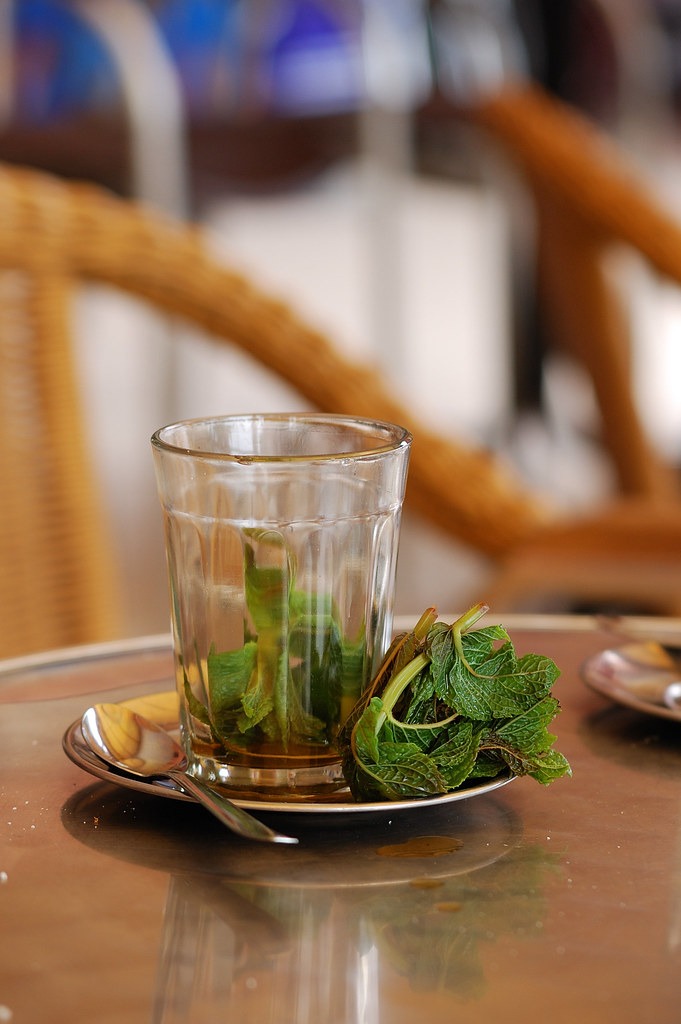
Historical and Cultural Significance of Mint Tea in Morocco
Mint tea holds a place of great importance in Moroccan culture, symbolizing hospitality, friendship, and the rich history of the region. This traditional beverage is more than just a refreshing drink; it is a social ritual that brings people together and reflects the warm hospitality for which Morocco is renowned. Over centuries, mint tea has become an integral part of Moroccan identity, embodying the country’s cultural values and historical connections.
Origins and Historical Roots
Mint tea holds a special place in Moroccan history and culture, symbolizing hospitality, social bonding, and tradition. It is often regarded as the national drink and a central element of Moroccan life, reflecting centuries of cultural exchange and local customs. The ritual of preparing and serving mint tea is deeply embedded in social interactions, from family gatherings to welcoming guests, emphasizing the importance of warmth and generosity in Moroccan society.
The origins of Moroccan mint tea trace back to the Arab world and China, where tea drinking evolved as a cultural practice over centuries. The practice was introduced to North Africa through trade routes, particularly during the Islamic Golden Age, when tea became a symbol of hospitality and social status. The addition of fresh mint, which is believed to aid digestion and add refreshment, was adopted locally and became a distinctive feature of Moroccan tea preparation.
Historically, the consumption of mint tea in Morocco dates back to the 19th century, influenced by Ottoman and Arab traditions, but it was refined and culturally integrated over time to become a daily ritual. Its preparation involves pouring hot, sweetened green tea over fresh mint leaves, a process that signifies respect and friendship. Today, mint tea remains a vital cultural emblem, representing Moroccan identity and its historical links with Arab, Berber, and Ottoman cultures.
Role in Morocan Society and Traditions
Mint tea holds a profound historical and cultural significance in Morocco, serving as a symbol of hospitality, social bonding, and tradition. Its origins trace back to the Arab world, where it evolved into a distinctive Moroccan customs that embody warmth and community spirit. The preparation and sharing of mint tea are deeply embedded in Moroccan society, reflecting values of friendship and generosity that are upheld across generations.
In Moroccan society, mint tea plays a central role during social gatherings, family events, and special occasions. It is commonly offered to guests as a gesture of welcome and respect, often accompanied by lively conversations and communal bonding. The ritual of preparing and serving mint tea is considered an art form, demonstrating hospitality and generosity, and is often performed with an elaborate, teapot-centric ceremony. This tradition reinforces social ties and affirms cultural identity, making mint tea an enduring symbol of Moroccan life and values.
Symbolism and Social Rituals
Mint tea holds a prominent place in Moroccan history and culture, symbolizing hospitality, friendship, and social harmony. It has been a cherished tradition for centuries, often served to guests as an expression of warmth and welcome. The ritual of preparing and sharing mint tea reflects Moroccan values of community and togetherness, emphasizing the importance of family and social bonds. The tea itself, typically a blend of green tea, fresh mint, and sugar, embodies the vibrant flavors and hospitality that are central to Moroccan life. Serving mint tea is not merely a refreshment but a meaningful act that signifies respect, generosity, and the enduring cultural identity of Morocco.
In Moroccan society, the social ritual of tea preparation and consumption is deeply ingrained and follows a carefully practiced etiquette. The process often involves multiple rounds of pouring from a height to aerate the tea and enhance its flavor, showcasing hospitality and attentiveness to guests. The act of offering and sharing mint tea is also a gesture of friendship and mutual respect, reinforcing social bonds across generations. Moreover, mint tea serves as a symbol of Moroccan identity and pride, representing centuries of tradition rooted in hospitality, artistry, and cultural expression that continue to thrive in modern times.
Preparation and Serving of Moroccan Mint Tea
Moroccan mint tea is a cherished cultural tradition that embodies hospitality and warmth. Preparing and serving this aromatic beverage involves a deliberate process that highlights the vibrant flavors of fresh mint and sweetened green tea. With its distinctive serving style and charming presentation, Moroccan mint tea is more than just a drink; it is a symbol of social gathering and generosity across Morocco.
Ingredients and Selection
Preparing and serving Moroccan mint tea is a cherished tradition that reflects hospitality and cultural heritage. The process involves carefully selecting fresh ingredients, boiling high-quality water, and using traditional utensils to create a flavorful and aromatic beverage. The presentation of the tea, often poured from a height, adds to its ceremonial significance and enhances its refreshing taste.
Ingredients for Moroccan mint tea typically include green tea (commonly Gunpowder or gunpowder green tea), fresh spearmint leaves, and sugar. The quality of these ingredients is essential for an authentic flavor—choose vibrant green mint and premium green tea leaves. Some variations include adding loukha (small amounts of rose water) for a floral twist.
Selection of ingredients plays a crucial role in the overall experience. Opt for fresh, fragrant mint leaves that are free from blemishes and have a strong aroma. When choosing green tea, look for tightly rolled tea leaves that are well-preserved and have a pleasant scent. The amount of sugar can be adjusted according to preference, but traditionally, Moroccan mint tea is quite sweet, balancing the bitterness of the green tea and the refreshing mint.
Step-by-Step Preparation Process
Preparing and serving traditional Moroccan mint tea is a ceremonial process that emphasizes hospitality and cultural tradition. The process involves specific steps to achieve the perfect balance of sweetness, aroma, and freshness that characterizes authentic Moroccan mint tea.
- Begin by boiling fresh water in a teapot until it reaches a rolling boil.
- Rinse the teapot with a small amount of boiling water, then discard the water to warm the vessel.
- Add a generous handful of fresh Moroccan mint leaves and about 1 to 2 teaspoons of green tea leaves (usually Chinese gunpowder tea) into the teapot.
- Pour a small amount of boiling water over the tea and mint, then swirl calmly to rinse the leaves, and pour out this rinse water to remove any impurities.
- Fill the teapot with the remaining boiling water and steep the mixture for several minutes, allowing the flavors to infuse thoroughly.
- Adjust the sweetness by adding sugar—usually a good amount—by tilting the teapot or adding sugar directly, then stirring gently to dissolve.
- Pour the tea into glasses from a height to aerate it and enhance the aroma, then pour it back into the teapot and repeat the pouring process a few times.
- Serve the mint tea hot, usually accompanied by small Moroccan sweets or biscuits, and enjoy the aromatic, refreshing beverage with guests or family.
Presentation and Serving Customs
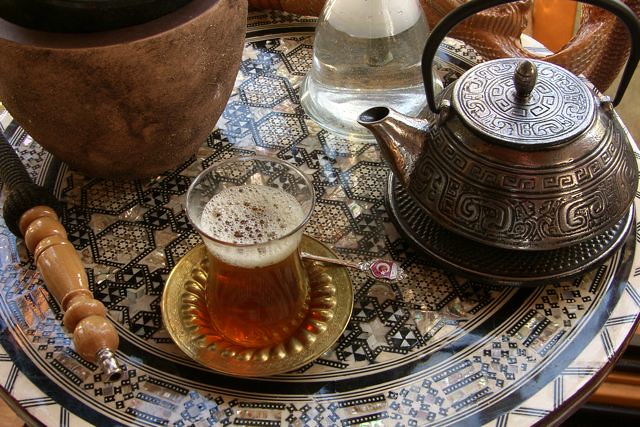
Moroccan mint tea is a symbol of hospitality and social tradition, often served to guests as a gesture of welcome. Preparing authentic Moroccan mint tea involves using green tea, typically Chinese gunpowder tea, which is brewed with fresh spearmint leaves and a generous amount of sugar. The process starts by rinsing the tea leaves with hot water, then brewing them with boiling water, and finally adding fresh mint and sugar to taste. The tea is traditionally poured from a height to aerate the beverage and create a frothy top, which is considered an essential aspect of proper presentation.
Serving Moroccan mint tea is a ritual that emphasizes generosity and hospitality. It is usually poured into small glasses from a teapot held high above the cup to create a frothy layer on top. The tea is presented on a tray, often accompanied by a plate of traditional sweet treats such as pastries, cookies, or dried fruits. The customs surrounding serving mint tea highlight respect, warmth, and friendliness, with the host often refilling the glasses multiple times and encouraging guests to enjoy the beverage slowly and comfortably. The process and presentation of Moroccan mint tea embody a cultural experience that celebrates hospitality and social bonding.
Types and Variations of Mint Tea in Morocco
Mint tea holds a special place in Moroccan culture, celebrated for its refreshing aroma and social significance. This beloved beverage comes in various types and variations, each reflecting local traditions and personal preferences. From the classic sweetened green mint tea to regional twists that incorporate additional herbs or flavors, Morocco’s mint tea offers a diverse and captivating array of options to suit every taste. Exploring these different styles reveals the rich culinary heritage and warm hospitality that define Moroccan tea-drinking customs.
Classic Moroccan Mint Tea
Moroccan mint tea is a cherished traditional beverage known for its refreshing taste and cultural significance. It is typically prepared with green tea, fresh mint leaves, and sugar, creating a harmonious blend of flavors. There are various types and variations of mint tea in Morocco, each with unique characteristics rooted in regional traditions.
The classic Moroccan mint tea, often called “Atay bi Nanaa,” features a strong base of green tea, usually gunpowder tea, infused with generous amounts of fresh mint leaves. This version is sweetened heavily with sugar, which balances the herbal sharpness of the mint and the astringency of the tea. It is usually poured from a height to aerate the liquid and develop a frothy top, serving as a signature presentation.
Regional variations include the use of different herbs combined with mint, such as verbena or lemon verbena, to create distinct flavors. In some areas, the tea may be served with additional aromatic spices like cinnamon or cloves, adding warmth and complexity. Another variation involves adding honey instead of sugar for a different sweetness profile.
Each variation of Moroccan mint tea reflects local tastes and cultural practices, making it a versatile and integral part of Moroccan hospitality and social gatherings. Whether served in its simplest form or with added ingredients, mint tea remains a symbol of warmth, friendship, and tradition in Morocco.
Variations with Herbs and Flavors
Mint tea is a cherished beverage in Morocco, renowned for its refreshing flavor and cultural significance. It is traditionally prepared with green tea, fresh mint leaves, and sugar, but variations with different herbs and flavors add unique twists to this classic drink.
In Morocco, there are several types and variations of mint tea that reflect regional preferences and personal tastes. Some common variations include:
- Traditional Moroccan Mint Tea: Made with green tea (usually gunpowder tea), fresh spearmint leaves, and a generous amount of sugar. It is often brewed multiple times to enhance flavor.
- Virgin Mint Tea: Prepared with fresh mint leaves and no added sugar, emphasizing the herbal freshness of the mint.
- Mint and Lemongrass Tea: Combines mint with lemongrass for a citrusy and aromatic profile.
- Mint and Rosemary Tea: Infused with rosemary leaves to create a fragrant and slightly pine-flavored variation.
In addition to mint, Moroccans experimenting with other herbs and flavors have created delightful variations:
- Mint with Verbena: A soothing blend with lemon verbena, offering citrus notes and additional aroma.
- Herbal Mint Tea: Incorporates a mixture of mint, basil, and thyme for a complex herbal flavor.
- Rosemary and Mint: Combines mint with rosemary for a woody, aromatic drink.
- Citrus Flavored Mint Tea: Includes slices of lemon, orange, or other citrus fruits to add zest and brightness.
These variations showcase the versatility of Moroccan mint tea, allowing for creative experimentation with flavors and herbs to suit different tastes and occasions.
Regional Differences in Preparation
Moroccan mint tea is a cherished cultural tradition, characterized by its refreshing flavor and social significance. It is traditionally prepared using green tea, fresh mint leaves, and a generous amount of sugar, creating a harmonious balance of sweetness and herbal aroma. Variations of mint tea across Morocco reflect regional preferences and local ingredients, making each presentation unique.
In northern regions such as Tangier and Tetouan, the mint tea tends to be milder with a stronger emphasis on fresh mint, often brewed with abundant aromatic herbs. In contrast, the southern and desert areas, like Marrakech and the Sahara, feature a more robust, sweet, and intense flavor, with tea prepared using more sugar and darker green teas like gunpowder tea. Local customs also influence the serving style, with some regions adding rose water or other floral essences for a distinct aroma.
The preparation methods vary regionally as well. In urban centers, it is common to use a traditional teapot and pour the tea from a height to aerate it, enhancing the aroma. Conversely, in rural areas, the process may involve more rudimentary tools and a slower brewing process, emphasizing the infusion of mint and the careful balancing of sweetness. These regional differences create a vibrant tapestry of mint tea traditions across Morocco, each rooted in local history and taste preferences.
Health Benefits and Nutritional Value
Mint tea from Morocco is not only a refreshing beverage but also offers numerous health benefits and nutritional advantages. Rich in antioxidants and natural compounds, it can support digestion, boost immunity, and promote overall well-being. Incorporating mint tea into your diet can be a flavorful way to enjoy these health-promoting properties while experiencing a taste of Moroccan culture.
Digestive and Cooling Properties
Mint tea from Morocco is celebrated not only for its refreshing flavor but also for its impressive health benefits and nutritional value. Rich in antioxidants, it helps combat free radicals, supporting overall cellular health and boosting the immune system. The natural compounds in mint can assist in reducing inflammation and alleviating digestive issues.
Additionally, Moroccan mint tea has notable digestive and cooling properties. It is traditionally consumed after meals to aid digestion and soothe stomach discomfort. The cooling sensation provided by mint helps relax the gastrointestinal muscles, reducing bloating and indigestion, making it a popular choice for maintaining digestive health. Its soothing qualities also help refresh the palate and provide a cooling effect, especially in hot climates.
Antioxidants and Detox Benefits
Mint tea in Morocco is renowned not only for its refreshing flavor but also for its numerous health benefits and nutritional value. Rich in antioxidants, mint tea helps combat oxidative stress, supporting overall cellular health and reducing the risk of chronic diseases. The natural compounds in mint, such as rosmarinic acid and eriocitrin, contribute to its powerful antioxidant properties, helping to neutralize free radicals in the body.
Additionally, mint tea assists in detoxifying the body by promoting healthy digestion and relieving gastrointestinal discomfort. Its soothing effects can alleviate symptoms of indigestion, bloating, and constipation. The act of drinking mint tea in Morocco often involves gentle steaming and aromatic infusion, which further enhances its calming and detoxifying properties.
Overall, Moroccan mint tea is a flavorful beverage that offers valuable nutritional benefits, supports immune health, and provides natural antioxidant and detoxification advantages, making it a popular and healthful choice in Moroccan culture and beyond.
Impact of Ingredients on Health
Mint tea from Morocco is celebrated not only for its refreshing flavor but also for its numerous health benefits and nutritional value. Rich in antioxidants, it helps combat free radicals, supporting overall cellular health and potentially reducing the risk of chronic diseases. The presence of menthol in mint can aid digestion, relieve indigestion, and soothe gastrointestinal discomfort. Additionally, mint tea is hydrating and low in calories, making it a healthy beverage choice. The natural compounds in mint may also have antimicrobial properties, contributing to oral health and freshening breath. Overall, incorporating Moroccan mint tea into your diet can promote digestive wellness, enhance hydration, and provide antioxidant support.
Mint Tea in Moroccan Tourism and Economy
Mint tea holds a special place in Moroccan culture, serving as both a symbol of hospitality and a key element of social and economic life. Widely enjoyed across the country, this fragrant beverage attracts many tourists eager to experience authentic Moroccan traditions. Additionally, the production and trade of mint tea contribute significantly to local economies, supporting farmers and artisans while promoting tourism-related businesses. Overall, mint tea is deeply intertwined with Morocco’s cultural identity and economic landscape.
Tourist Experiences and Cultural Shows
Mint tea holds a special place in Moroccan tourism and economy, serving as a symbol of hospitality and cultural identity. It is widely regarded as the national beverage, often offered to visitors as a gesture of warmth and friendship. The popularity of mint tea has boosted local industries, including tea production, packaging, and related hospitality services, contributing significantly to regional income and employment opportunities. Tourists are drawn to experiences centered around traditional tea ceremonies, which showcase Moroccan customs and social practices.
In terms of tourist experiences, enjoying mint tea is an essential part of exploring Morocco’s vibrant markets, historic medinas, and bustling cafes. Visitors often participate in traditional tea visits that highlight Moroccan hospitality and social life, making the drink more than just a beverage but a cultural ritual. Many establishments offer demonstrations of the elaborate tea-serving process, allowing tourists to immerse themselves in the local way of life.
Cultural shows featuring mint tea are common in Moroccan festivals and tourism events, emphasizing its significance in social gatherings and celebrations. These performances often incorporate storytelling, music, and dance, with the preparation and serving of mint tea acting as a central motif that reflects Morocco’s rich heritage. Overall, mint tea plays a vital role in enhancing the cultural appeal of Morocco, fostering tourism, and supporting its economy through authentic experiences and cultural expression.
Mint Tea’s Role in Local Markets and Souks
Mint tea holds a significant place in Moroccan tourism and economy, serving as both a cultural symbol and a key product in local markets and souks. It is more than just a beverage; it embodies Moroccan hospitality, tradition, and social life, attracting countless tourists eager to experience authentic Moroccan customs. The popularity of mint tea encourages the growth of local businesses, from small-scale producers to large tea companies, contributing substantially to the economy.
In local markets and souks, mint tea is a staple item that reflects Morocco’s rich heritage and vibrant trading culture. Visitors often purchase traditional tea sets, fresh mint, and locally blended teas as souvenirs, supporting small artisans and farmers. These markets bustle with activity as vendors sell mint tea leaves, utensils, and related accessories, making it an essential part of the commercial landscape.
- Mint tea production and sales boost local economies by providing income to farmers and artisans.
- The sale of traditional tea sets and accessories supports local craftsmanship and preserves cultural heritage.
- Tourists’ demand for Moroccan mint tea attracts international visitors, increasing tourism revenue.
- Mint tea facilitates social interactions in markets and homes, reinforcing community bonds and cultural identity.
- Export of Moroccan mint tea products enhances the country’s position in the global tea market.
Economic Significance for Small Vendors and Artisans
Mint tea holds a prominent place in Moroccan culture and is an essential element of the country’s tourism and economy. It is often considered a symbol of hospitality and social interaction, attracting numerous visitors eager to experience authentic Moroccan traditions. The preparation and presentation of mint tea are integral to cultural tours, culinary experiences, and local markets, enhancing the overall tourist experience in Morocco.
Economically, mint tea contributes significantly to the livelihood of small vendors and artisans. Many local businesses specialize in the production, packaging, and sale of Moroccan mint tea and related accessories such as traditional teapots, glasses, and decorative trays. These small-scale vendors benefit from both domestic sales and the tourism influx, which drives demand for authentic Moroccan tea products. Additionally, the cultivation of mint and the processing of tea leaves support agricultural communities, fostering employment and economic stability in rural areas.
Overall, mint tea is more than a beverage in Morocco; it is a driver of economic activity that sustains local craftsmanship, promotes cultural tourism, and enriches the country’s economic landscape through the efforts of small vendors and artisans.



0 Comments