

Geographical Features of Algeria
Algeria, a country located in North Africa, is renowned for its diverse and striking geographical features. Its landscape ranges from vast deserts, such as the Sahara, to lush mountains and expansive plains. The country’s terrain includes towering mountains, fertile coastal plains, and arid desert regions, showcasing a rich natural variety. These diverse geographical features contribute to Algeria’s unique beauty and are often captured in stunning images that highlight its scenic landscapes and natural wonders.
Desert Landscapes: Sahara Desert
Algeria, renowned for its vast and diverse landscapes, is home to some of the most striking desert features in the world. The Sahara Desert, which covers nearly 80% of the country, is a magnificent expanse of endless sand dunes, rocky plateaus, and salt flats. These desert landscapes create dramatic scenery, characterized by towering dunes such as the Grand Erg Oriental and the Erg Chech, which stretch for kilometers and provide a stunning backdrop for photography. The Sahara’s terrain varies from golden sand seas to rugged mountainous regions, including the Ahaggar Mountains with their volcanic formations and the Tassili n’Ajjer plateau known for its unique rock formations and prehistoric rock art. These geographical features not only define Algeria’s arid regions but also contribute to its breathtaking and iconic images that attract photographers and travelers worldwide.
Mountain Ranges: Atlas Mountains and the Hoggar Massif
Algeria’s diverse geographical features include prominent mountain ranges that shape its landscape. The Atlas Mountains extend across northern Algeria, forming a rugged spine that connects to other ranges in North Africa. These mountains are characterized by high peaks, deep valleys, and rich vegetation, providing important habitats for various species. To the south of the Atlas, the Hoggar Massif stands as a notable volcanic mountain range in the central Sahara Desert. It features striking volcanic peaks, including the prominent Assekrem, and is home to unique desert flora and fauna. Together, these mountain ranges highlight Algeria’s varied topography and natural beauty, making them significant features in landscape imagery of the country.
Coastal Regions and Beaches
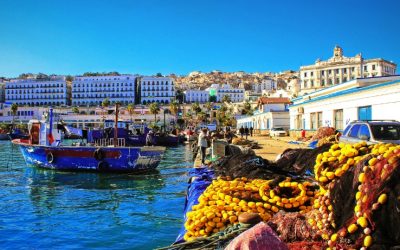
Algeria boasts a diverse range of geographical features that contribute to its stunning landscapes. Its northern coast is characterized by a lengthy Mediterranean shoreline, featuring sandy beaches, rocky coves, and vibrant port cities. The coastal regions are known for their lush vegetation and mild climate, making them popular destinations for tourism and leisure. In contrast, the interior of the country is dominated by the Sahara Desert, with vast dunes and rocky plateaus creating an arid yet captivating landscape. The combination of the fertile coastal plains and the expansive deserts highlights the incredible geographical diversity of Algeria, which is often reflected in its images showcasing both lush beaches and desert vistas.
Oases and Valleys
Algeria is a country characterized by diverse geographical features that significantly influence its landscape and environment. The country’s terrain includes vast deserts, fertile valleys, and lush oases that provide vital resources and habitats for various species.
- Oases: These are essential hubs within the Sahara Desert, sustaining both human populations and agricultural activities. Oases in Algeria, such as Ghardaia and Tamanrasset, are areas where Underground water sources emerge, supporting date palms, citrus, and other crops. Their vibrant, green landscapes contrast sharply with the surrounding arid desert.
- Valleys: Algeria’s fertile valleys are typically found along river courses and mountain slopes. The Mitidja Plain near Algiers is a prominent example, known for its rich soil and agricultural productivity. Valleys like the Moulouya and Zibans serve as vital corridors for transportation and settlements, offering a respite from the harsh desert climate.
These geographical features contribute to Algeria’s diverse scenery, providing beautiful images of lush oases amidst expansive deserts and scenic valleys that highlight the country’s natural beauty and resilience.
Historical and Cultural Sites
Algeria is a country rich in history and culture, offering a diverse array of historical and cultural sites that showcase its vibrant heritage. From ancient ruins to stunning architectural landmarks, these sites provide a glimpse into Algeria’s fascinating past and its unique cultural identity. Exploring Algeria’s images of these treasures reveals the beauty and significance of its historical landmarks.
Ancient Ruins: Timgad and Djemila
Algeria is rich in historical and cultural sites that attract travelers from around the world, with ancient ruins like Timgad and Djemila standing out as remarkable examples. These sites offer a glimpse into the grandeur of Roman architecture and civilization that once thrived in North Africa.
Timgad, often referred to as the “Roman Pompeii of Africa,” was founded in the 1st century AD and is remarkably well-preserved. Its grid-like streets, massive archways, and remains of public buildings showcase the city’s original urban planning and Roman engineering skills. Visitors can explore the triumphal arch, theater, and the ancient city walls, immersing themselves in the history of the Roman Empire in Africa.
Djemila, also known as Cuicul, features stunning ruins nestled within a mountainous landscape. It was an important Roman town known for its well-preserved mosaics, temples, and forums that reflect the blend of Roman and indigenous Berber cultures. Walking through Djemila provides a vivid experience of ancient urban life, with impressive remnants that highlight the architectural and artistic achievements of the period.
Both Timgad and Djemila are designated UNESCO World Heritage Sites, recognizing their outstanding universal value. They serve as significant cultural symbols of Algeria’s ancient history and continue to inspire historians, archaeologists, and visitors interested in exploring the depths of Roman North Africa.
Kasbah of Algiers
The Kasbah of Algiers is a historic UNESCO World Heritage site that embodies the rich cultural and architectural heritage of Algeria. Situated in the heart of the capital, it features narrow winding streets, traditional Ottoman-era buildings, and vibrant markets that reflect centuries of history. The kasbah serves as a symbol of Algeria’s resilience and diverse cultural influences.
Visitors to the Kasbah can admire its impressive ancient structures, including the iconic Casbah Mosque and numerous historic houses that showcase traditional Islamic and Andalusian architecture. The site offers a glimpse into the city’s past as a major trading hub and cultural center during various periods of rule.
As a vital part of Algiers’ identity, the Kasbah attracts many tourists and history enthusiasts eager to explore its storied alleys and learn about the city’s development over centuries. Its scenic views of the Mediterranean Sea also add to its allure, making it a must-see destination for those interested in Algeria images and cultural heritage.
Casbah and Old Medina Streets
Algeria offers a rich tapestry of historical and cultural sites that attract visitors from around the world. Among these, the Casbah and Old Medina streets stand out as vibrant reminders of the country’s vibrant history and cultural heritage. The Casbah, a UNESCO World Heritage site located in Algiers, features narrow winding streets, ancient alleyways, and historic architecture that reflect centuries of Islamic and colonial influences. Exploring the Old Medina streets allows visitors to immerse themselves in the lively atmosphere, browse traditional markets, and discover centuries-old mosques and palaces. These sites not only serve as portals into Algeria’s storied past but also showcase the resilience and identity of its people, making them essential stops for anyone interested in the country’s rich cultural legacy and architecture. Algiers’ historic areas are a visual feast, capturing the essence of Algeria’s history through images that depict bustling markets, historic buildings, and the unique charm of these ancient streets.
Historical Monuments and Museums
Algeria is a nation rich in history and culture, boasting numerous historical and cultural sites that showcase its diverse heritage. From ancient ruins to grand mosques, these landmarks offer a glimpse into the country’s past and its vibrant traditions. Museums in Algeria preserve and display artifacts that tell stories of its civilizations, including the Roman, Ottoman, and French colonial eras. Visitors can explore sites such as the UNESCO World Heritage city of Algiers Casbah, the ancient Roman city of Timgad, and the awe-inspiring Sahara desert landscapes dotted with archaeological remains. These locations are perfect for those interested in history, architecture, and cultural exploration, making Algeria a compelling destination for travelers eager to discover historical landmarks and cultural treasures.
Natural Wonders and Scenic Views
Algeria is a country rich in natural wonders and stunning scenic views that captivate travelers and nature enthusiasts alike. From majestic mountains and vast deserts to lush green landscapes and picturesque coastlines, Algeria offers a diverse array of breathtaking sights. Exploring these natural marvels through images reveals the country’s unique beauty and highlights its incredible landscapes that are perfect for adventure and serenity alike.
Tassili n’Ajjer National Park
Tassili n’Ajjer National Park in Algeria is a breathtaking natural wonder renowned for its stunning landscapes and ancient rock art. The park features extraordinary sandstone formations, towering cliffs, and expansive plateaus, creating a surreal and dramatic scenery. Its unique weathered rock arches and elongated pillars evoke a sense of timelessness, making it a paradise for adventurers and nature enthusiasts alike.
The park is also famous for its scenic vistas that unfold across miles of rugged terrain, offering panoramic views of the surrounding desert and mountainous regions. Visitors can marvel at the vibrant hues of the mineral-rich rocks and the intricate patterns carved by wind and water over millennia. Tassili n’Ajjer is not only a visual spectacle but also a living museum of prehistoric art, with thousands of cave paintings depicting early human life and fauna.
Photographers and travelers drawn to Algeria’s diverse natural beauty often seek images of Tassili n’Ajjer’s awe-inspiring landscape, capturing its majestic cliffs, mysterious rock formations, and ancient carvings. These images showcase the awe-inspiring beauty of the region and highlight its significance as a UNESCO World Heritage Site, symbolizing Algeria’s rich natural and cultural heritage.
Igloo-like Tin Merzouga Caves
Algeria offers an abundance of natural wonders and scenic views that captivate travelers and nature enthusiasts alike. Among these extraordinary sights are the Igloo-like Tin Merzouga Caves, which showcase the country’s unique geological formations and stunning desert landscapes. These caves resemble giant igloos crafted by nature, carved into the vibrant desert dunes, providing an awe-inspiring experience for visitors exploring the Sahara region. The vivid colors, intricate textures, and expansive views surrounding these caves highlight Algeria’s remarkable natural beauty, making them a must-visit destination for those seeking breathtaking scenery and remarkable geological features.
Sand Dunes of Erg Chebbi
The Sand Dunes of Erg Chebbi are a breathtaking natural wonder located in Morocco, near the Algerian border, offering a stunning display of desert landscape and scenic beauty. These towering dunes, stretching for miles, create an otherworldly atmosphere that attracts travelers seeking awe-inspiring views and unique adventures. The shifting sands, illuminated by the changing sunlight, produce mesmerizing patterns and vibrant colors, making it a perfect spot for photography and exploration. Visitors can experience the tranquility of the desert, enjoy camel rides, and witness unforgettable sunsets that cast a golden glow over the vast sandy expanse. The Erg Chebbi dunes exemplify the remarkable natural scenery that highlights the diverse and captivating landscapes of North Africa, particularly through captivating images that showcase their majestic beauty.
Oases and Palmeraies
Algeria offers a stunning array of natural wonders and scenic views that captivate every traveler. From rugged mountains and expansive deserts to lush oases and verdant palmeraies, the country’s diverse landscapes provide breathtaking scenery at every turn. The Sahara Desert dominates much of Algeria’s terrain, with golden dunes creating an otherworldly vista, especially during sunrise and sunset.
Oases and palmeraies are some of the most picturesque aspects of Algerian nature. These fertile green pockets, often nestled amidst arid surroundings, serve as vital refuges for both locals and wildlife. The verdant palm groves, particularly in regions like Timimoun and Ghardaia, offer vibrant contrast to the surrounding desert sands and are dotted with traditional mud-brick villages and bustling markets, adding cultural richness to their scenic beauty.
Whether exploring the dramatic mountain ranges of the Atlas or wandering through the tranquil palm-lined valleys, Algeria’s natural scenery embodies a harmonious blend of stark desert landscapes and lush green havens. These incredible sights make Algeria a treasure trove of natural and scenic wonders for photographers and nature enthusiasts alike.
Urban and Modern Architecture
Urban and modern architecture in Algeria showcases a blend of innovative design and contemporary aesthetics that reflect the country’s dynamic development. From sleek skyscrapers to innovative public spaces, these architectural styles highlight Algeria’s transformation into a modern urban landscape. Through striking images, viewers can explore the innovative structures that define Algeria’s evolving cityscapes and celebrate its architectural progress.
Algiers Modern Skylines
Algiers’ skyline showcases a captivating blend of urban and modern architecture that reflects the city’s growth and evolving identity. The cityscape features towering skyscrapers, contemporary office buildings, and innovative residential complexes that stand alongside historical landmarks, creating a unique juxtaposition of tradition and progress. Modern architectural designs are characterized by sleek lines, glass facades, and sustainable building techniques, contributing to Algiers’ reputation as a burgeoning metropolitan hub in North Africa. These developments not only enhance the city’s aesthetic appeal but also symbolize its ambitions for economic expansion and modernization, making Algiers a visual representation of Algeria’s dynamic progress in urban development.
Government and Cultural Buildings
Algeria’s landscape showcases a rich blend of urban and modern architecture, particularly evident in government and cultural buildings that reflect the country’s history and contemporary vision. In major cities like Algiers, Oran, and Constantine, sleek high-rises and innovative structures stand alongside historic sites, creating a dynamic skyline. These buildings often feature modern design elements such as glass facades, geometric shapes, and sustainable construction techniques, symbolizing progress and development. Government buildings in Algeria are designed to embody stability and authority, often incorporating traditional motifs with modern aesthetics. Cultural venues, including museums and theaters, highlight the nation’s artistic heritage while embracing contemporary architectural styles. Overall, Algeria’s urban and modern architecture offers a visual narrative of its evolution, blending tradition with innovation in a captivating manner.
Public Squares and Monuments
Algeria showcases a fascinating blend of urban and modern architecture, public squares, and monuments that reflect its rich history and cultural identity. These structures highlight the country’s development from its colonial past to a contemporary, dynamic nation. Public spaces and monuments serve not only as aesthetic elements but also as symbols of national pride and collective memory.
- Urban and modern architecture in Algeria features sleek high-rises, modern government buildings, and innovative designs that symbolize progress and economic growth. Cities like Algiers, Oran, and Constantine showcase skyscrapers, contemporary residential complexes, and commercial centers that blend functionality with aesthetic appeal.
- Public squares such as Place Emir Abdelkader and Place des Martyrs serve as vibrant gathering spots for citizens, hosting cultural events, protests, and celebrations. These spaces often integrate modern design elements with historical features, creating a dialogue between the past and present.
- Monuments like the Martyrs’ Memorial (Maqam Echahid) symbolize Algeria’s struggle for independence and national unity. Such monuments are characterized by their bold architectural style and serve as key symbols of national identity, attracting visitors and fostering patriotism.
Traditional and Cultural Imagery
Traditional and cultural imagery plays a vital role in capturing the rich heritage and diverse identity of Algeria. These visuals often depict historical landmarks, traditional clothing, festivals, and everyday life that reflect the country’s unique traditions. By exploring Algeria’s images, we gain a deeper understanding of its cultural roots and the vibrant expressions that define its society.
Berber and Tuareg People in Traditional Dress
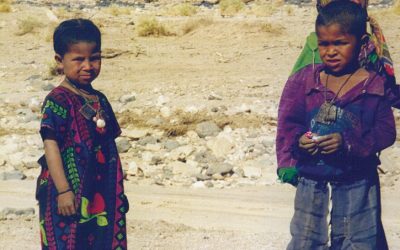
Algeria is rich in diverse cultural traditions, reflected vividly through the traditional and cultural imagery of its native peoples, particularly the Berber and Tuareg communities. Their traditional dress embodies centuries of history, identity, and artistry, serving as a visual testament to their unique heritages. The Berbers, also known as Amazigh, are known for their colorful embroidered garments, intricately patterned jewelry, and distinctive headpieces that highlight their connection to nature and ancestral symbolism. Men often wear traditional robes called “djellaba” or “tchut” paired with beautifully decorated belts, while women don vibrant dresses adorned with geometric designs and silver ornaments. The Tuareg, famously recognized as the “Blue People” due to their indigo-dyed clothing, wear flowing robes called “tagelmust” or “iqal” headbands that protect against desert sandstorms and symbolize their cultural identity. Their attire often features elaborate silver jewelry and distinctive facial veils, emphasizing their resilience and connection to the desert landscape. These traditional garments are not only functional in harsh climates but also serve as powerful markers of identity, tradition, and artistic expression, making them compelling images of Algeria’s rich cultural tapestry.
Local Markets and Bazaars
Algeria’s images are rich with traditional and cultural imagery that reflect the country’s diverse history and heritage. Iconic symbols such as the intricate patterns of Berber textiles, the ornate designs of Islamic architecture, and the vibrant colors of local festivities showcase Algeria’s deep cultural roots. These visual representations provide a glimpse into the nation’s unique identity and artistic expression.
Local markets and bazaars in Algeria, known as souks, are bustling hubs of activity filled with a variety of goods, from handcrafted jewelry and carpets to spices and fresh produce. These markets are not just commercial spaces but also vibrant social centers where tradition and community intertwine. Walking through a typical Algerian bazaar offers an authentic experience of the country’s lively culture and the craftsmanship passed down through generations.
Festivals and Cultural Events
Algeria is rich in traditional and cultural imagery that vividly reflects its diverse heritage. The country’s art, textiles, and crafts showcase intricate patterns and symbols passed down through generations, embodying the history and identity of various ethnic groups. Festivals and cultural events in Algeria serve as vibrant expressions of this heritage, bringing communities together to celebrate their unique traditions. Events such as the International Festival of Sahara, the Mouloud celebrations, and local music and dance festivals highlight Algeria’s rich cultural tapestry. These gatherings often feature traditional music, dance performances, culinary delights, and colorful attire, offering a glimpse into the nation’s deep-rooted customs. The visual imagery associated with these festivals depicts lively processions, ornate costumes, and symbolic decorations, capturing the essence of Algeria’s cultural vitality and historical legacy.
Handicrafts and Artworks
Algeria is renowned for its rich tradition of traditional and cultural imagery that reflects its diverse history and vibrant heritage. The country’s visual arts often incorporate motifs inspired by ancient civilizations, including Berber, Arab, and French influences, which are vividly depicted through various forms of handicrafts and artworks. Handicrafts such as intricate pottery, embroidered textiles, and jewelry showcase the skill and artistry of Algerian artisans, embodying centuries-old techniques passed down through generations. Traditional artworks often depict scenes from daily life, religious practices, and folklore, highlighting the deep cultural roots that define Algeria’s identity. These images not only serve as a medium of cultural expression but also as a means of preserving and celebrating the nation’s unique heritage for future generations.


0 Comments