

ZIMBABWE’S POLITICAL LANDSCAPE
Zimbabwe’s political landscape has been characterized by a complex history of governance, transitions of power, and enduring challenges related to democracy and economic stability. The nation experienced a long period of dominance by the Zimbabwe African National Union-Patriotic Front (ZANU-PF), led by Robert Mugabe for nearly four decades. Recent years have seen efforts toward political reform, but issues such as electoral integrity, governance, and human rights remain significant. Understanding Zimbabwe’s political dynamics requires examining its legacy, current leadership, and the socio-economic factors influencing its trajectory.
Historical Context of Zimbabwe’s Governance
Zimbabwe’s political landscape has been shaped by a complex history of colonialism, liberation struggles, and post-independence governance. The country gained independence from British colonial rule in 1980, with Robert Mugabe becoming the first Prime Minister and later President, leading the Zimbabwe African National Union (ZANU) and its successor parties. Mugabe’s lengthy rule was characterized by efforts to consolidate power, economic decline, and controversial policies that often resulted in political repression and human rights abuses. The political system was marked by a dominant-party era under ZANU-PF, with sporadic opposition efforts hampered by structural challenges and allegations of electoral fraud. Following Mugabe’s resignation in 2017 amidst economic crises and internal party conflicts, Emmerson Mnangagwa emerged as a new leader, promising reforms and economic revival. However, issues of political instability, corruption, and restrictions on civil liberties persist, reflecting the ongoing challenges within Zimbabwe’s governance. The nation’s political history remains a vital lens through which to understand its current struggles and aspirations for democratic development.
Current Political Parties and Leaders
Zimbabwe’s political landscape is characterized by a dominant ruling party, the Zimbabwe African National Union-Patriotic Front (ZANU-PF), which has held power since independence in 1980. The party has been led by President Emmerson Mnangagwa since 2017, following Robert Mugabe’s long tenure. The political environment often features limited opposition influence, with parties such as the Movement for Democratic Change (MDC) serving as the primary challengers. Leadership within the MDC has seen various figures including Nelson Chamisa, who has become a prominent opposition leader advocating for democratic reforms and economic change. Despite periodic legal and political challenges, Zimbabwe’s elections continue to be a focal point of national debate, reflecting ongoing struggles for political reform, economic stability, and democratic consolidation.
Electoral Processes and Challenges
Zimbabwe’s political landscape has been marked by a complex history of governance, conflict, and ongoing efforts toward democratization. Dominated for decades by the Zimbabwe African National Union-Patriotic Front (ZANU-PF), the country has experienced periods of political instability, electoral disputes, and economic challenges that influence its governance structure.
The electoral processes in Zimbabwe are characterized by a mixture of formal procedures and allegations of irregularities. Presidential and parliamentary elections are held periodically, with mechanisms intended to ensure free and fair voting. However, observers and opposition groups frequently cite issues such as voter intimidation, violence, and inconsistent application of electoral laws, which undermine confidence in the electoral outcomes.
Challenges facing Zimbabwe’s electoral system include a lack of transparency, resource disparities among contestants, and constitutional ambiguities. The Zimbabwe Electoral Commission (ZEC), tasked with overseeing elections, has often been scrutinized for perceived bias and partiality. Political tensions sometimes escalate around election periods, leading to violence and a climate of distrust among citizens and political parties alike. Alongside electoral reform efforts, ongoing calls seek to enhance the inclusivity, fairness, and credibility of Zimbabwe’s electoral processes to foster a more democratic political environment.
International Relations and Diplomatic Engagements
Zimbabwe’s political landscape has been shaped by a history of dominant ruling parties, with the Zimbabwe African National Union-Patriotic Front (ZANU-PF) maintaining significant control since independence in 1980. The nation has faced challenges related to governance, economic stability, and political reform, often marked by tensions between authorities and opposition groups. Recently, efforts toward national reconciliation and constitutional reforms have aimed to improve democratic processes, though concerns about electoral integrity persist.
In terms of international relations, Zimbabwe’s diplomatic engagements are influenced by its historical ties with regional neighbors and global powers. It has maintained close relations with neighboring countries such as South Africa and Botswana, which are vital for regional stability and economic cooperation. Zimbabwe’s relationships with Western nations have experienced fluctuations, especially due to political and human rights issues, leading to periods of diplomatic isolation and subsequent efforts toward rapprochement.
Diplomatic engagements include active participation in regional organizations like the Southern African Development Community (SADC) and the African Union (AU), which seek to promote economic integration and political stability across the continent. Zimbabwe has also sought to strengthen ties with emerging economies such as China and Russia, focusing on investment, infrastructure development, and trade. These international partnerships play a crucial role in Zimbabwe’s strategies for economic reconstruction and political stability amid ongoing internal challenges.
ECONOMIC CONDITIONS AND DEVELOPMENT
Economic conditions and development are fundamental to understanding a nation’s progress and overall well-being. They encompass a wide range of factors, including income levels, employment rates, infrastructure, and access to essential services. Examining these elements provides insight into how countries like Zimbabwe navigate challenges such as inflation, resource management, and political stability to foster sustainable growth and improve the quality of life for their populations.
Overview of Zimbabwe’s Economy
Zimbabwe’s economy has experienced significant fluctuations over the past few decades, characterized by periods of rapid growth followed by severe declines. Historically reliant on agriculture, especially tobacco and maize, the country faced economic challenges due to political instability, hyperinflation, and land reforms that disrupted productivity. In recent years, Zimbabwe has made efforts to stabilize its economy through monetary reforms, foreign investment, and diversification strategies. Despite these efforts, issues such as high unemployment, currency shortages, and limited access to global markets continue to impede sustainable development. The government is working towards economic reform and infrastructure development to foster long-term growth and improve living standards for its citizens.
Inflation, Currency, and Monetary Policy
Economic conditions and development are heavily influenced by factors such as inflation, currency stability, and monetary policy. High inflation erodes purchasing power and can destabilize an economy, as seen in cases like Zimbabwe, where hyperinflation reached unprecedented levels, rendering the local currency virtually worthless. Currency stability is crucial for fostering investor confidence and encouraging economic activity, but when a national currency depreciates rapidly or is abandoned, it often leads to a reliance on foreign currencies or barter systems. Monetary policy, implemented by central banks, plays a vital role in controlling inflation and maintaining currency stability through interest rate adjustments, reserve requirements, and open market operations. In countries suffering from severe economic crises, such as Zimbabwe, monetary authorities may struggle to regain control, resulting in prolonged periods of economic instability. Ultimately, sustainable development depends on sound fiscal and monetary policies that promote stable inflation, a resilient currency, and overall economic growth.”
Key Industries and Natural Resources
Zimbabwe’s economic conditions and development are deeply influenced by its key industries and natural resources. The country’s economy relies heavily on agriculture, mining, and manufacturing, which serve as the backbone for growth and employment. Agriculture remains vital, with tobacco, maize, and cotton as primary crops that support both local consumption and export markets. Mining is a significant sector, rich in minerals like platinum, gold, diamonds, and nickel, making Zimbabwe one of Africa’s most resource-rich nations. These natural resources have the potential to propel economic development, yet challenges such as political instability, land reforms, and infrastructure deficits have hindered full utilization.
Despite abundant resources, economic growth has been inconsistent, marked by periods of hyperinflation and currency devaluation. Efforts to diversify and modernize industries are ongoing but face obstacles related to governance, investment climate, and access to technology. Natural resources, if managed sustainably, could foster industrial growth, infrastructure development, and job creation. For Zimbabwe to achieve sustainable economic development, it requires stable policies that encourage investment, enhance resource management, and diversify its economy beyond reliance on primary industries.
Foreign Investment and Economic Reforms
Economic conditions and development are fundamental to shaping a nation’s future, influencing both domestic prosperity and global competitiveness. Countries often strive to foster sustainable growth through comprehensive economic reforms, which aim to stabilize markets, control inflation, and enhance productivity. Foreign investment plays a crucial role in this process, providing the necessary capital, technology, and expertise to accelerate development and diversify the economy. In contexts like Zimbabwe, significant economic reforms have been undertaken to stimulate growth amid challenges such as hyperinflation and political instability. These reforms typically focus on liberalizing markets, improving governance, and creating a conducive environment for foreign investors. The influx of foreign investment can lead to job creation, infrastructural development, and technological advancement, which are vital for long-term economic stability. However, attracting and retaining such investment requires ongoing policy consistency, transparency, and efforts to restore investor confidence. Together, sound economic conditions, targeted reforms, and robust foreign investment strategies are essential for driving sustainable development and improving living standards in emerging economies.
SOCIAL ISSUES AND HUMAN RIGHTS
Social issues and human rights are fundamental concerns that reflect the well-being, dignity, and justice within any society. In countries like Zimbabwe, these issues often revolve around challenges such as political repression, economic disparity, and social inequality. Addressing these problems is essential for fostering sustainable development and ensuring that every individual can enjoy basic freedoms and protections under the law.
Education and Healthcare Systems
Social issues and human rights are fundamental components of a nation’s development, with education and healthcare systems playing critical roles in ensuring equitable progress. In countries like Zimbabwe, these sectors often face significant challenges that hinder the realization of universal rights and access to essential services.
- Education System: Zimbabwe has made strides in expanding access to education; however, issues such as inadequate funding, teacher shortages, and outdated infrastructure continue to limit quality and inclusivity. Many rural areas remain under-served, exacerbating social inequalities.
- Healthcare System: The healthcare infrastructure suffers from shortages of medical supplies, insufficient staffing, and inadequate funding. These deficiencies compromise the delivery of basic health services, affecting vulnerable populations most severely.
- Addressing disparities in education and healthcare is crucial for fostering social cohesion and economic development.
- Enhanced investment, policy reforms, and international support are needed to build resilient and inclusive systems.
- Protecting human rights within these sectors ensures dignity, equality, and access for all citizens, especially marginalized groups.
Human Rights Concerns and Activism
Human rights concerns and activism are vital components in addressing social issues around the world, including in nations facing ongoing conflict and instability. In regions like Zimbabwe, activists work tirelessly to highlight injustices, advocate for political reform, and promote social equity amidst challenging circumstances. These efforts often involve raising awareness about abuses, such as restrictions on free speech, political persecution, and violations of civil liberties, which hinder democratic development and social progress.
Migration and Diaspora Dynamics
Social issues and human rights are deeply interconnected with migration and diaspora dynamics, shaping the socio-political landscape of many nations including Zimbabwe. Migration often results from economic hardship, political instability, and social injustices, compelling individuals and communities to seek better opportunities abroad. This movement highlights systemic inequalities and human rights violations, such as poor living conditions, limited access to education and healthcare, and political repression. The Zimbabwean diaspora, primarily in countries like South Africa, the UK, and Australia, plays a significant role in influencing both the home country and host nations, affecting remittance flows, cultural exchanges, and political discourse. Addressing these complex issues requires a comprehensive approach that promotes human rights, stabilizes domestic socio-economic conditions, and facilitates safe and legal migration pathways. The ongoing challenges faced by Zimbabwean migrants underscore the need for policies that protect vulnerable populations and uphold dignity, equality, and justice in both origin and destination countries.
ENVIRONMENT AND NATURAL RESOURCES
The environment and natural resources are vital components of Zimbabwe’s sustainable development and ecological health. From its diverse landscapes to abundant mineral deposits and rich biodiversity, the country faces the ongoing challenge of balancing economic growth with environmental preservation. Ensuring responsible management of natural resources is essential for safeguarding Zimbabwe’s future and supporting the well-being of its communities.
Major Environmental Challenges
Environmental and natural resource management face significant challenges worldwide, and Zimbabwe is no exception. The country grapples with deforestation, soil erosion, water scarcity, and biodiversity loss, all of which threaten sustainable development and economic stability. Unsustainable farming practices, illegal logging, and infrastructure expansion contribute heavily to environmental degradation. Climate change further exacerbates these issues by increasing weather unpredictability, leading to droughts and floods that impact agriculture and livelihoods. Addressing these major environmental challenges requires robust policies, community engagement, and sustainable resource utilization to preserve Zimbabwe’s natural heritage for future generations.
Conservation Efforts and National Parks
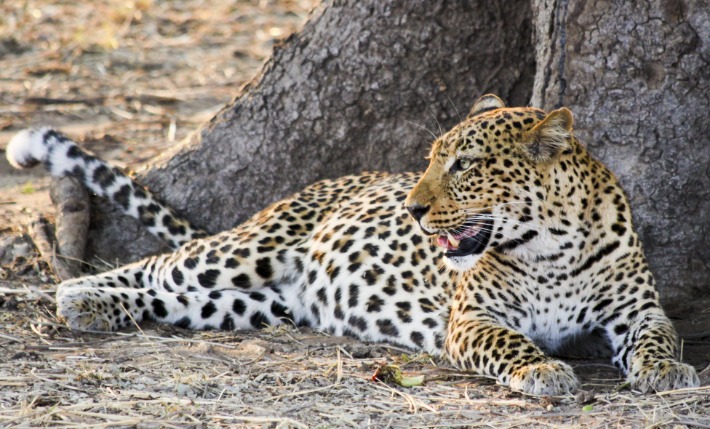
Zimbabwe’s rich environment and natural resources are vital components of the nation’s identity and economic stability. The country is home to diverse ecosystems, including savannahs, forests, and wetlands, which support a wide variety of flora and fauna. Recognizing the importance of preserving these resources, Zimbabwe has implemented various conservation efforts aimed at protecting its natural heritage and ensuring sustainable use for future generations.
National parks such as Hwange, Matobo, and Gonarezhou play a pivotal role in conservation initiatives by safeguarding endangered species like elephants, lions, and rhinoceroses. These parks not only serve as critical habitats but also attract tourists, thereby contributing significantly to the local economy. The government, along with international organizations, actively promotes wildlife protection policies, anti-poaching measures, and community engagement programs to foster environmental stewardship.
Despite these efforts, challenges remain, including illegal logging, poaching, and habitat degradation driven by human activities. Continued commitment to environmental education, strengthened legislation, and community-based conservation approaches are essential for maintaining Zimbabwe’s natural resources. Protecting the environment is crucial not only for biodiversity preservation but also for ensuring the resilience of ecological systems and the well-being of future generations.
Agricultural Practices and Climate Impact
Environmental and natural resources management is crucial for sustainable development, especially in countries like Zimbabwe where agriculture plays a vital role in the economy. Agricultural practices significantly influence the environment, affecting soil health, water resources, and biodiversity. Traditional farming methods, coupled with the increasing impacts of climate change, have led to challenges such as deforestation, soil erosion, and reduced crop yields. Climate change intensifies these issues by causing unpredictable rainfall patterns, prolonged droughts, and extreme weather events, which threaten food security and livelihoods. To address these pressing issues, it is essential for Zimbabwe to adopt climate-smart agricultural practices, promote conservation of natural resources, and invest in sustainable technologies. Strengthening environmental policies and raising awareness among local communities can help mitigate adverse climate impacts while ensuring the preservation of the country’s rich natural resources for future generations.
CULTURE AND NATIONAL IDENTITY
Culture and national identity are integral aspects that shape the character and unity of a nation. These elements reflect shared histories, traditions, language, and values that distinguish one country from another. Understanding the interplay between culture and national identity offers insights into how nations preserve their uniqueness amidst globalization and change. Examining this relationship provides a deeper appreciation of Zimbabwe’s rich cultural heritage and the ways it influences national pride and societal cohesion.
Historical and Cultural Heritage
Cultural and national identity are deeply rooted in a nation’s historical and cultural heritage, shaping the way societies perceive themselves and relate to others. This heritage encompasses shared traditions, language, art, and historical experiences that define a people’s unique identity and foster a sense of unity. Preserving historical sites, rituals, and customs serves not only as a link to the past but also as a foundation for future generations to understand their origins and values. In nations with rich cultural mosaics like Zimbabwe, the intertwining of indigenous traditions and colonial history contributes to a complex but resilient national identity. Recognizing and celebrating cultural heritage is essential for fostering social cohesion and promoting pride among citizens, especially amidst rapid modernization and globalization.
Languages, Music, and Arts
Cultural and national identity are deeply intertwined, reflecting a nation’s history, values, and collective experiences. Languages serve as vital repositories of cultural identity, preserving traditions and facilitating communication across generations. Additionally, music and arts play essential roles in expressing the unique stories, struggles, and aspirations of a people, fostering unity and pride within a nation. Together, these elements shape a distinct cultural landscape that defines a country’s identity on the global stage.
Festivals and Traditional Practices
Culture and national identity are deeply intertwined, serving as the foundation for a nation’s unique heritage and social cohesion. Festivals and traditional practices play a vital role in expressing and preserving these elements, enabling communities to celebrate their history, values, and beliefs. In Zimbabwe, for example, festivals such as the Harare International Festival of the Arts showcase the country’s rich cultural diversity through music, dance, and visual arts, fostering a sense of unity among citizens and promoting cultural understanding both locally and internationally. Traditional practices like the Shona and Ndebele ceremonies, including rituals surrounding agriculture, ancestral veneration, and rites of passage, reinforce communal bonds and maintain a connection to ancestral roots. These cultural expressions not only serve as a celebration of identity but also function as a means of passing traditions to future generations, ensuring the survival of Zimbabwe’s diverse cultural landscape amid a rapidly changing world. Overall, festivals and traditional practices are essential for fostering pride in national identity and strengthening the social fabric of Zimbabwe.


0 Comments