
Early Life and Background of Mugabe
Robert Mugabe was born on February 21, 1924, in Kutama, a small village in what was then Southern Rhodesia. Coming from a humble background, he was the son of a carpenter and attended mission schools, where he received his early education. His formative years were marked by a strong desire for knowledge and a commitment to independence, which would later shape his political career. Mugabe’s early life experiences played a significant role in shaping his vision for Zimbabwe’s future and his dedication to the struggle for freedom.
Birth and Family Heritage
Robert Mugabe was born on February 21, 1924, in Kutama, a small village in Southern Rhodesia, now Zimbabwe. He came from a modest family background, with his father being a carpenter and his mother a homemaker. Mugabe’s family was of Shona descent, which is one of the major ethnic groups in Zimbabwe. Growing up in a rural setting, he was exposed to traditional Zimbabwean culture and values, which later influenced his political ideology. His early education was conducted at Catholic mission schools, where he showed a keen interest in learning and leadership. This foundation paved the way for his future role as a prominent political leader in Zimbabwe’s struggle for independence and subsequent governance.
Education and Early Career
Mugabe was born on February 21, 1924, in Kutama, a small village in Southern Rhodesia, now Zimbabwe. He was raised in a Catholic family and grew up in a rural environment, where he developed an awareness of the social and economic inequalities that affected his community. Mugabe’s early life was marked by his desire for education and a better future, which shaped his later political pursuits. He attended local mission schools, demonstrating strong academic aptitude from a young age.
He pursued higher education at various institutions, including the University of Fort Hare in South Africa, where he studied African history and politics. Mugabe also earned degrees from the University of England and the University of South Africa, acquiring qualifications in teaching and law. These academic pursuits provided him with a solid foundation in political thought and leadership skills. Early in his career, Mugabe worked as a teacher and a government school inspector, gaining insight into the bureaucratic and administrative aspects of public service. His background in education and law played a significant role in shaping his revolutionary ideas and his eventual leadership in Zimbabwe’s fight for independence.
Influences and Political Awakening
Robert Mugabe was born on February 21, 1924, in Kutama, a small village in Southern Rhodesia (now Zimbabwe). Raised in a Catholic family, he was introduced to education early on, which played a significant role in shaping his worldview. Mugabe attended mission schools where he excelled academically, laying a foundation for his future leadership ambitions.
His early life was marked by exposure to the struggles of African communities under colonial rule, which fostered his sense of justice and desire for independence. Influenced by the broader Pan-African movement and leaders like Kwame Nkrumah, Mugabe developed a strong sense of nationalist pride. His engagement with these ideas motivated him to pursue higher education in South Africa and the United Kingdom, where he studied on scholarships, further broadening his perspectives on colonialism, governance, and liberation.
Mugabe’s political awakening was driven by his commitment to ending colonial oppression and advocating for the rights of Zimbabwean Africans. As he became more involved in political activism during his studies, he joined various organizations advocating for African independence. This period of activism cemented his resolve to lead Zimbabwe to sovereignty and shaped his lifelong dedication to shaping a new national identity rooted in African socialism and anti-colonial resistance.
Rise to Power
Rise to Power in Zimbabwe is a compelling story of political resilience and leadership, centered around Robert Mugabe. As a key figure in Zimbabwe’s history, Mugabe’s journey from a liberation hero to the country’s long-serving leader exemplifies the complexities of post-colonial governance. His rise to power shaped the nation’s political landscape and left a lasting impact on its social and economic development.
Role in the Zimbabwe African National Union (ZANU)

Robert Mugabe was a pivotal figure in Zimbabwe’s history, rising to power through his leadership role in the Zimbabwe African National Union (ZANU). As a founding member of ZANU, Mugabe played a crucial part in the struggle for independence against colonial rule. His leadership within the party helped unite various forces fighting for land reform and sovereignty, establishing him as a central figure in Zimbabwe’s liberation movement. Mugabe’s rise to the presidency was closely tied to his influence within ZANU, where he orchestrated strategies that ultimately led to Zimbabwe gaining independence in 1980. During his tenure, his role in ZANU shaped the political landscape of Zimbabwe, guiding the nation through independence, land redistribution, and subsequent challenges. Overall, Mugabe’s involvement in ZANU was instrumental in positioning him as a dominant political leader in Zimbabwe’s history.
Guerilla Warfare and Bush War Experience
Robert Mugabe’s rise to power in Zimbabwe is marked by his strategic use of guerrilla warfare during the liberation struggle against colonial rule. His involvement in the Zimbabwe African National Liberation Army (ZANLA) allowed him to lead efforts against the British colonial government, emphasizing tactics of sabotage, ambushes, and hit-and-run operations. These guerrilla tactics played a crucial role in mobilizing support and destabilizing colonial control, ultimately paving the way for independence in 1980.
Mugabe’s guerrilla warfare experience shaped his leadership style and approach to governance following independence. He implemented a protracted struggle philosophy, advocating for resilience and determination in the face of adversity. His military background contributed to his consolidation of power and the suppression of opposition, often through militarized means. This context also influenced subsequent conflicts and policies during Zimbabwe’s early years of independence.
- Led ZANLA fighters during the Rhodesian Bush War, utilizing guerrilla tactics to challenge colonial forces.
- Fostered a militant approach to resistance, which influenced his leadership after Zimbabwe gained independence.
- Used guerrilla warfare experience to justify strong, centralized control and suppression of political opposition.
- His involvement in the Bush War helped him build a significant political base rooted in revolutionary credentials.
- The guerrilla skills and strategies he learned contributed to his long tenure as Zimbabwe’s leader, shaping the country’s political landscape for decades.
Ascension to Zimbabwean Presidency
Robert Mugabe’s rise to power in Zimbabwe marked a pivotal moment in the nation’s history, transforming him from a revolutionary leader into the country’s long-serving president. Emerging from the struggle against colonial rule, Mugabe played a central role in Zimbabwe’s independence movement, aligning himself with the liberation war efforts led by ZANU (Zimbabwe African National Union). His charismatic leadership and unwavering commitment to sovereignty earned him widespread support among the Zimbabwean people.
Following the country’s independence in 1980, Mugabe quickly solidified his position as the leader of Zimbabwe, becoming prime minister and later president. His ascent was characterized by efforts to implement policies aimed at land redistribution and African empowerment, though these initiatives also led to economic challenges and political unrest. Mugabe’s dominance in Zimbabwean politics persisted for decades, and his rise to power was marked by a combination of revolutionary credentials, political strategicness, and authoritarian tendencies.
Throughout his presidency, Mugabe’s ascent was both celebrated as a liberation hero and criticized as a figure increasingly associated with repression and economic decline. Nonetheless, his leadership in Zimbabwe’s path to independence remains a defining chapter in the nation’s history of resistance and sovereignty.
Political Policies and Governance
Political policies and governance play a crucial role in shaping the trajectory of a nation’s development. In the context of Mugabe Zimbabwe, the leadership of Robert Mugabe significantly influenced the country’s political landscape, economic policies, and governance structures. Understanding the policies implemented during his reign provides insight into the challenges and transformations that Zimbabwe experienced over the decades.
Arguments for Land Seizures and Redistribution
During Robert Mugabe’s leadership in Zimbabwe, the government implemented policies centered on land seizures and redistribution aimed at addressing historical inequalities and empowering marginalized communities. These policies were motivated by a desire to rectify colonial racial land tenure systems that favored white settlers over native Zimbabweans, and to promote economic independence through greater control of land resources.
- Restoration of Land to Indigenous People: Mugabe’s government prioritized reclaiming land previously owned by white farmers and redistributing it to black Zimbabweans, especially subsistence farmers and war veterans. This was seen as a step toward social justice and national sovereignty.
- Economic Empowerment: Land redistribution was a strategy to stimulate agricultural productivity and reduce dependency on imports, aiming to boost the economy and improve living standards for previously marginalized groups.
- Political Legitimacy and Support: Land seizures helped Mugabe solidify political support among rural populations and war veterans who viewed land redistribution as compensation for historical grievances.
- Addressing Colonial Legacy: Advocates argued that land redistribution was essential to correct centuries of land dispossession imposed during colonial rule, fostering a sense of national pride and sovereignty.
- Contestation and Challenges: Supporters argue that land seizure policies were necessary for justice and empowerment. Critics, however, contend that poorly managed land redistribution led to economic decline, decreased agricultural productivity, and international isolation.
- Legitimacy of Property Rights: Advocates believe land redistribution was crucial for rectifying racial and economic injustices, while opponents argue it undermined property rights and deterred foreign investment.
Economic Strategies and Challenges
Robert Mugabe’s leadership in Zimbabwe was marked by complex political policies and governance strategies that significantly influenced the nation’s political landscape. His tenure, spanning several decades, was characterized by efforts to maintain control through a combination of populist rhetoric and authoritarian practices. Economic strategies under Mugabe aimed to address land redistribution and economic independence, but often resulted in economic decline and challenges such as hyperinflation and unemployment. The governance approach often faced criticism for suppressing opposition and limiting political freedoms, which impacted Zimbabwe’s stability and development.
- Implementation of land reform policies aimed to redistribute land from white commercial farmers to black Zimbabweans, which initially gained popular support but later contributed to agricultural decline.
- Consolidation of power through constitutional amendments and suppression of political opposition, leading to allegations of authoritarian rule.
- Economic strategies focused on indigenization and economic independence, often at the expense of foreign investment and economic growth.
- Crises such as hyperinflation, unemployment, and food shortages severely affected the population during Mugabe’s later years in power.
- Attempted political reforms aimed at stabilizing governance but frequently faced resistance from within his party and opposition groups.
Authoritarian Leadership and Political Repression
Robert Mugabe’s leadership in Zimbabwe exemplifies the complex relationship between political policies, authoritative governance, and political repression. As the country’s long-time ruler, Mugabe implemented policies that centralized power, often at the expense of democratic institutions and civil liberties. His government employed authoritarian tactics to maintain control, suppress opposition, and limit political dissent, including the use of violence and intimidation against opponents. Political repression under Mugabe’s rule extended to press censorship, arbitrary arrests, and suppression of opposition parties, which severely limited political freedoms. These policies contributed to widespread economic decline and social unrest, highlighting the dangers of authoritarian leadership when checks and balances are undermined and political repression is used as a tool to sustain power.
Impact on Zimbabwe’s Economy and Society
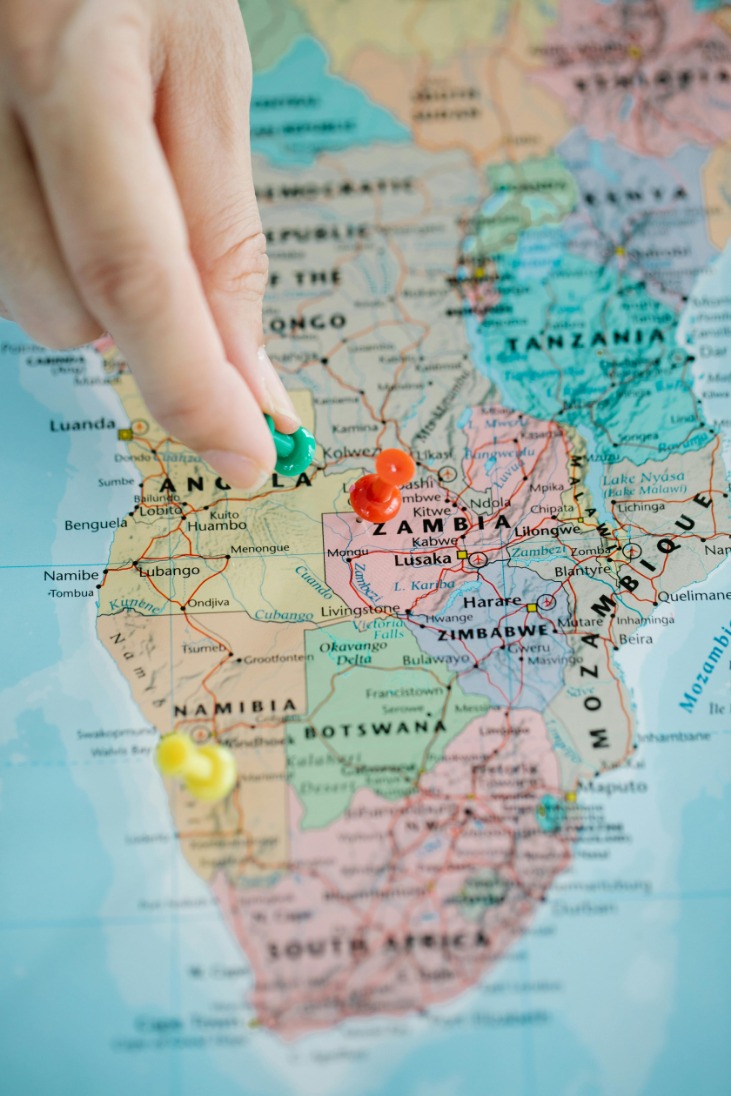
Robert Mugabe’s leadership had a profound impact on Zimbabwe’s economy and society, shaping the nation’s political landscape and development trajectory. His policies and governance style influenced key sectors, often leading to economic challenges and social transformations. Understanding Mugabe’s influence is essential to comprehending Zimbabwe’s recent history and its ongoing socio-economic struggles.
Hyperinflation and Economic Collapse
Under Robert Mugabe’s leadership, Zimbabwe experienced severe economic decline characterized by hyperinflation and widespread societal disruptions. The economic collapse was driven by decades of mismanagement, land reform policies, and corrupt practices, culminating in hyperinflation rates that reached hundreds of millions of percent. This devastated the country’s monetary system, wiped out savings, and crippled industries, leading to mass unemployment and poverty.
Society in Zimbabwe was deeply affected, with shortages of basic goods, healthcare crises, and mass emigration as citizens sought stability elsewhere. The hyperinflation eroded trust in the financial system and government institutions, creating a climate of chaos and insecurity. The economic turmoil also intensified social inequalities, strained community relations, and impeded development, leaving lasting scars on the nation’s fabric. Mugabe’s tenure thus left a legacy of economic hardship and social upheaval that Zimbabwe continues to address today.
Health, Education, and Social Development
Robert Mugabe’s leadership had a profound impact on Zimbabwe’s economy and society, affecting multiple facets such as health, education, and overall social development. His long tenure from independence in 1980 shaped the nation’s trajectory in complex ways, with both positive and negative consequences.
In terms of economic impact, Mugabe’s policies often led to economic decline, hyperinflation, and unemployment, which severely affected everyday life for Zimbabweans. Socially, the regime’s focus on political stability sometimes came at the expense of democratic freedoms, leading to political repression and social unrest.
Regarding health, the economic downturn under Mugabe’s rule resulted in shortages of medicines and medical supplies, significantly impairing healthcare delivery and increasing mortality rates. Education also suffered, as government funding decreased, leading to closures of schools and reduced access to quality education, which hampered human capital development.
The overall social development of Zimbabwe was hindered by land redistribution policies, economic mismanagement, and political instability, causing widespread poverty and inequality. Despite initial hopes for progress, the legacy of Mugabe’s governance includes persistent economic challenges and social disparities that continue to influence Zimbabwean society today.
- Economic decline and hyperinflation
- Limited access to quality healthcare and medicines
- Reduced educational opportunities and infrastructure decay
- Increased poverty and social inequality
- Political repression and governance challenges
International Relations and Sanctions
Robert Mugabe’s leadership profoundly influenced Zimbabwe’s economy and society, shaping national development and social dynamics over decades. His policies initially aimed at land redistribution and economic independence but ultimately led to economic decline, hyperinflation, and widespread unemployment. Societally, Mugabe’s tenure was marked by political repression, human rights abuses, and increased polarization among Zimbabweans, affecting social cohesion and trust.
On the international stage, Mugabe’s Zimbabwe experienced strained relations with Western nations, largely due to his authoritarian governance and land reform controversies. These tensions resulted in diplomatic isolation and affected foreign investment and aid. Additionally, Zimbabwe became a focal point for regional politics within Africa, often aligning with countries that supported Mugabe’s policies.
Sanctions imposed by the United States, European Union, and other entities aimed to pressure Mugabe’s government to improve human rights and political freedoms. These sanctions had significant economic impacts, exacerbating currency devaluations and limiting access to global financial markets. While intended to encourage political reforms, the sanctions also contributed to economic hardship for ordinary Zimbabweans and hindered national recovery efforts.
Controversies and Criticisms
Robert Mugabe’s leadership in Zimbabwe has been a subject of intense debate, marked by numerous controversies and criticisms. His tenure, which spanned several decades, was characterized by economic decline, political repression, and allegations of human rights abuses. While some supporters praised his role in the country’s independence, critics point to widespread corruption and authoritarian practices that left a lasting impact on Zimbabwe’s stability and development.
Election Frauds and Political Oppression
Controversies and criticisms surrounding Robert Mugabe’s leadership in Zimbabwe primarily center on issues of election fraud and political oppression. During his tenure, allegations of vote-rigging and manipulation of electoral processes cast doubt on the legitimacy of certain election results, undermining democratic principles. Critics argue that Mugabe’s government employed intimidation tactics, violence, and suppression of opposition parties to maintain power, often infringing on citizens’ political freedoms. These actions led to widespread concerns about human rights abuses and the erosion of democratic institutions in Zimbabwe. Despite initial praise for independence and land reform efforts, Mugabe’s later years were marred by accusations of authoritarianism, election disputes, and an intolerance for dissent, contributing to the complex legacy of his rule in the country.
Human Rights Violations
Robert Mugabe’s leadership in Zimbabwe has been marred by numerous controversies and criticisms, particularly concerning human rights violations. His tenure was marked by allegations of political repression, including the suppression of opposition parties, censorship of the press, and the use of violence against critics. Mugabe’s government was accused of electoral rigging and intimidation tactics that undermined democratic processes. Additionally, widespread economic decline and land reforms led to severe hardship for many Zimbabweans, with reports of forced evictions and land seizures often accompanied by violence. These actions drew widespread condemnation from international human rights organizations, highlighting a persistent pattern of violations that overshadowed his claims of national sovereignty and independence.
Legacy of Corruption and Mismanagement
Robert Mugabe’s leadership in Zimbabwe has been marked by numerous controversies and criticisms, particularly regarding his governance style, policies, and impact on the country’s stability. His tenure was often criticized for authoritarian tendencies, suppression of political opposition, and restriction of press freedom, which garnered widespread international condemnation. Additionally, his economic policies, coupled with land reform programs, contributed to severe economic decline, hyperinflation, and widespread poverty.
The legacy of corruption and mismanagement under Mugabe’s rule is a significant aspect of Zimbabwe’s history. Allegations of widespread corruption implicated members of his government, including embezzlement of state funds, illicit land deals, and enrichment of a political elite at the expense of the populace. These issues undermined public trust and hindered efforts toward sustainable development, leaving many institutions weakened and the economy in ruins.
Despite his role in Zimbabwe’s independence and early independence years, Mugabe’s later years in power became synonymous with economic hardship and political repression. His legacy remains deeply controversial, with some viewing him as a liberation hero, while others see him as a figure whose mismanagement led the nation into a prolonged crisis. The enduring impact of his leadership continues to influence Zimbabwe’s political landscape and development trajectory.
Legacy of Mugabe in Zimbabwe
Robert Mugabe’s legacy in Zimbabwe is a complex and enduring chapter in the nation’s history. As a key figure in the struggle for independence and later as its leader, Mugabe’s impact has shaped Zimbabwe’s political landscape, economy, and society in profound ways. His leadership, marked by both liberation efforts and controversial policies, continues to influence the country long after his departure from power.
Long-term Political Influence
Robert Mugabe’s legacy in Zimbabwe has had a profound and long-lasting impact on the country’s political landscape, shaping its governance and national identity for decades. His lengthy rule, beginning in 1980 and extending over nearly four decades, was characterized by a combination of efforts to consolidate power, nationalist rhetoric, and controversial policies that have left enduring effects. Mugabe’s leadership fostered a strong centralized authority, often undermining democratic institutions and marginalizing opposition parties, which has contributed to persistent political instability and authoritarian practices.
In the long term, Mugabe’s influence has contributed to a highly personalized political culture, where loyalty to his leadership was often prioritized over institutional build-up or governance reforms. This has resulted in a political system where power dynamics are deeply entrenched, with subsequent leaders struggling to shift away from his legacy of authoritarianism and corruption. His tenure also saw economic decline and social upheaval, with governance issues continuing to impact Zimbabwe’s development prospects. Overall, Mugabe’s legacy remains a pivotal element in understanding Zimbabwe’s ongoing political challenges, shaping the country’s trajectory long after his departure from office.
Impact on Zimbabwean Identity and Nationalism
The legacy of Robert Mugabe in Zimbabwe has profoundly shaped the country’s national identity and sense of nationalism. His leadership, marked initially by liberation and independence, fostered a strong sense of pride among many Zimbabweans who viewed him as a symbol of freedom from colonial rule. However, over time, Mugabe’s tenure also became associated with economic decline, political repression, and human rights abuses, which have complicated his legacy. Despite these challenges, his impact on Zimbabwean identity is still evident in the deeply rooted feelings of resilience and a desire for sovereignty that persist among the population. Mugabe’s role in the struggle for independence remains a significant aspect of Zimbabwean nationalism, often invoked as a unifying narrative despite the controversies surrounding his governance. Ultimately, his legacy continues to influence political discourse and the collective memory of Zimbabweans, shaping their understanding of patriotism, sovereignty, and the nation’s future direction.
Debates on Mugabe’s Historical Role
The legacy of Robert Mugabe in Zimbabwe remains a deeply contested subject, reflecting the complex and often contradictory assessments of his leadership. Supporters praise him for leading Zimbabwe to independence from colonial rule and for initially advocating land reform and social programs aimed at empowering the majority black population. However, critics argue that his long tenure was marked by economic decline, political repression, and human rights abuses, which have left lasting scars on the nation’s development. Debates on Mugabe’s historical role often revolve around whether he should be viewed as a liberation hero who transformed Zimbabwe or as a leader whose policies contributed to widespread poverty and instability. These divergent perspectives highlight the enduring impact of his rule and underscore the ongoing discussions about Zimbabwe’s political trajectory and national identity.


0 Comments