
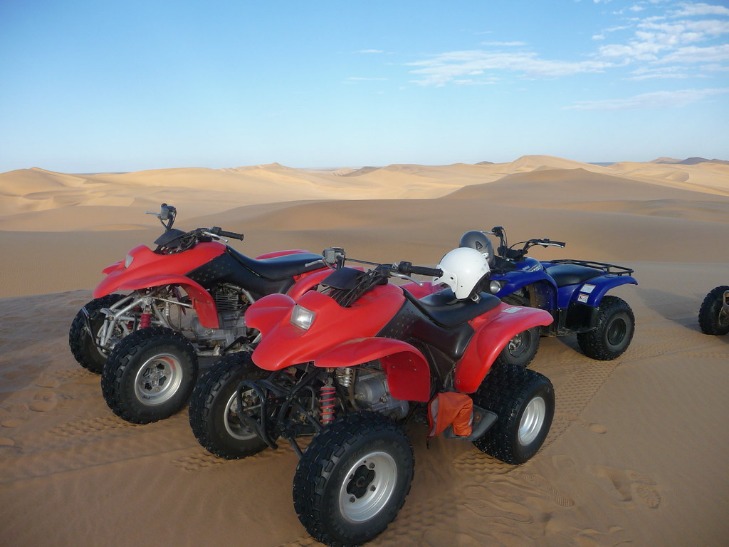
Geography and Location of Namibia Dunes
Namibia dunes are some of the most striking and iconic natural features in southern Africa, renowned for their stunning landscapes and unique geology. Situated primarily in the Namib Desert, these expansive sand dunes extend across western Namibia, creating a breathtaking scenery that attracts visitors from around the world. The dunes are characterized by their immense size, vibrant colors, and the dynamic interplay between the desert and the surrounding environment, making Namibia a premier destination for desert exploration and photography.
Overview of Namibia’s Desert Regions
Namibia is renowned for its striking desert landscapes and vast dune systems, which are among the most impressive and iconic in the world. The country’s dunes are primarily located in the Namib Desert, one of the oldest deserts on Earth, stretching along the Atlantic coast and creating a dramatic scenery that attracts travelers and researchers alike. This region’s unique geography and climate have shaped the distinctive dunes and desert ecosystems.
The Namib Desert covers a significant portion of Namibia’s territory and features some of the highest and most photogenic dunes globally. The dunes are formed by the shifting sands driven by strong Atlantic trade winds, resulting in endless sea of golden ripples and towering structures. These dunes are not only scenic but also hold ecological and geological significance, providing habitat for various specialized wildlife species.
- The Namib Desert runs parallel to the Atlantic Ocean, with the dunes extending inland for hundreds of kilometers.
- Some of the most famous dunes, like Dune 45 and Big Daddy, are located in the Sossusvlei area within the Namib-Naukluft National Park.
- The desert region’s unique location and climate contribute to its extreme temperature variations and arid conditions.
- Namibia’s desert regions encompass a mixture of sand dunes, gravel plains, and rocky outcrops, supporting diverse desert flora and fauna.
Position of Dunes within the Namib Desert
The Namibia Dunes are renowned for their striking landscapes situated within the Namib Desert, one of the oldest and most arid deserts in the world. These dunes are primarily located along the western coast of Namibia, stretching along a coastal strip that is approximately 80 kilometers wide. Their unique positioning results from the wind patterns and the Atlantic Ocean’s influence on the region’s climate and geography.
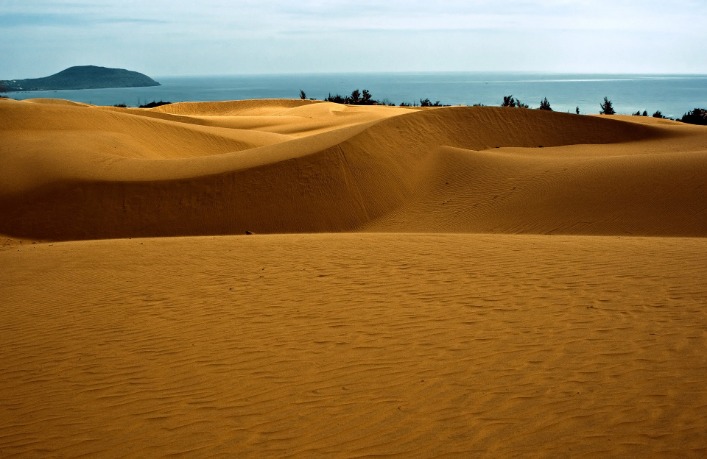
The dunes are predominantly found within the following specific areas of the Namib Desert:
- The Namib Sand Sea, a UNESCO World Heritage site, which encompasses some of the tallest and most famous dunes such as Dune 45 and Big Daddy.
- The areas surrounding the coastal town of Swakopmund and Walvis Bay, where tourists often visit to experience the spectacular dunes.
- Within the vicinity of Sossusvlei, a salt and clay pan surrounded by high red dunes that are among the most iconic features of Namibia’s landscape.
The position of these dunes within the Namib Desert is largely dictated by the prevailing south-easterly trade winds that transport and deposit sand along the coast. This dynamic creates an extensive sea of dunes that are both breathtaking and geologically significant, making Namibia’s dunes a standout feature in the landscape of Southern Africa.
Proximity to Major Landmarks and Cities
The Namibia dunes are primarily located in the Namib Desert, one of the world’s oldest and most iconic deserts. These expansive sand dunes stretch along the Atlantic coast, spanning roughly from the Walvis Bay area in the south to the northern regions near the Skeleton Coast. The most famous of these dunes, including the towering Dune 45 and Big Dune, are situated within the Namib-Naukluft Park, a protected area renowned for its stunning landscape. The dunes are approximately 250 kilometers southwest of the capital city, Windhoek, and are easily accessible from major towns like Swakopmund and Walvis Bay. This region is conveniently close to key landmarks such as the Skeleton Coast and the towering cliffs of the Coast of Desert, making it a significant attraction for travelers exploring Namibia’s unique desert environment. The proximity of the dunes to these major cities and natural landmarks highlights their importance as a central feature of Namibia’s geographic and touristic landscape.
Formation and Types of Dunes in Namibia
Namibia is renowned for its striking desert landscapes, particularly its diverse and captivating dunes. These formations result from complex wind and climatic conditions that shape the arid environment. Understanding the formation and types of dunes found in Namibia offers insight into its unique geographical features and the dynamic processes that create these natural sculptures.
Processes Leading to Dune Formation
Namibia is renowned for its stunning and diverse dunes that showcase the dynamic beauty of desert landscapes. These dunes are primarily formed through the interaction of wind, sand, and climatic conditions over long periods. The process begins when strong and persistent winds pick up loose sand particles, transporting them across vast areas. As the wind slows down or encounters obstacles, the sand particles settle and accumulate, leading to the gradual buildup of dunes. Variations in wind strength, direction, and sand supply influence the shape and size of these formations.
The main types of dunes found in Namibia include barchan, transverse, linear, star, and dome dunes. Barchan dunes are crescent-shaped and form in areas with limited sand supply, with their horns pointing downwind. Transverse dunes are large, wave-like dunes that form perpendicular to the prevailing wind direction, often seen in the Namib Desert. Linear dunes are elongated ridges aligned parallel to the wind direction, typically found in areas with consistent wind flow. Star dunes develop in regions with changing wind directions, creating multi-armed, pyramid-shaped structures. Dome dunes are rounded, gentle hills without a clear crest, resulting from the accumulation of sand in areas of variable wind activity.
The formation and types of dunes in Namibia reflect complex interplay between wind patterns, sand availability, and environmental factors. These processes continually shape the desert landscape, creating iconic and awe-inspiring features that attract scientists and tourists alike. Understanding these mechanisms provides insight into the dynamic nature of Namibia’s deserts and their ongoing evolution.
Types of Dunes in Namibia
Namibia is renowned for its stunning and diverse dune formations, which are among the most iconic in the world. These dunes are primarily found in the Namib Desert, one of the oldest deserts on Earth, and exhibit a wide range of shapes and sizes. The formation of these dunes results from the interaction of wind, sand, and climate over thousands of years, leading to the creation of various dune types that attract scientists, photographers, and tourists alike.
There are several types of dunes in Namibia, each characterized by distinct features. The most common are barchan dunes, which are crescent-shaped with horns pointing downwind and form in areas with a limited sand supply. Transverse dunes are large ridges of sand that run perpendicular to the prevailing wind direction, typically forming in regions with abundant sand. Longitudinal dunes are linear and run parallel to the wind direction, often stretching for miles across the desert. Star dunes are highly complex, with multiple radiating arms, and are formed in areas where wind direction varies frequently. Parabolic dunes, characterized by their U-shape with horns pointing upwind, are shaped by wind in regions with some vegetation anchoring their edges. These diverse dune types create the breathtaking landscapes that define Namibia’s desert scenery.
Distinctive Features of Namibian Dunes
Namibia is renowned for its striking and diverse desert landscapes, particularly the captivating dunes found within the Namib Desert. These dunes are formed through the processes of wind erosion and sediment deposition, resulting in various distinctive shapes and sizes. The formation of Namibian dunes is largely influenced by the prevailing wind patterns, the availability of sand, and climatic conditions that facilitate the constant reshaping of the landscape.
There are different types of dunes in Namibia, each with unique characteristics. Some of the most common types include barchan, transverse, linear, and star dunes. Barchan dunes are crescent-shaped and move with the wind, while transverse dunes form elongated ridges perpendicular to the prevailing wind direction. Linear dunes are long and straight, often found in areas with two dominant wind directions, and star dunes have a complex, multi-armed shape, usually occurring in areas with variable wind directions.
Distinctive features of Namibian dunes include their towering height, vibrant orange to red hues, and dynamic movement across the desert landscape. The dunes often reach impressive heights, with some, like Dune 45 in Sossusvlei, standing over 300 meters tall. Their striking colors are caused by iron oxide in the sand, which oxidizes over time, giving the dunes their characteristic fiery appearance. The ever-shifting nature of these dunes creates a mesmerizing and photogenic environment, making Namibia a popular destination for desert explorers and photographers alike.
Notable Dune Areas in Namibia
Namibia is renowned for its stunning and expansive dune landscapes that captivate travelers and nature enthusiasts alike. The country’s dunes are not only some of the tallest in the world but also showcase a diverse array of colors and geological features. Exploring these notable dune areas offers a unique glimpse into the Earth’s natural artistry and the rich environmental history of Namibia.
Sossusvlei
Namibia is renowned for its stunning and iconic dune landscapes, and Sossusvlei stands out as one of the most notable areas. Located within the Namib Desert, Sossusvlei is famous for its towering red sand dunes, some of the highest in the world, reaching up to 300 meters. These remarkable dunes create a surreal and photogenic environment that attracts photographers and travelers alike. The area offers breathtaking views, especially during sunrise and sunset when the dunes are illuminated with vibrant hues of red, orange, and gold. In addition to the dunes, the surrounding Namib-Naukluft National Park provides diverse wildlife and unique desert flora, making Sossusvlei a must-visit destination for those seeking to experience the awe-inspiring beauty of Namibia’s dunes.
Deadvlei
Namibia is renowned for its stunning desert landscapes, with several notable dune areas that attract visitors worldwide. One of the most famous is the Namib Desert, home to some of the tallest and most spectacular dunes on Earth. Among these, Deadvlei stands out as a captivating and unique sight. Deadvlei is a white clay pan dotted with ancient, darkened camel thorn trees that have dried up centuries ago, set against towering orange dunes. The striking contrast between the white clay, the dark dead trees, and the vivid orange dunes creates a surreal and photogenic landscape. Visitors often hike up the dunes surrounding Deadvlei to enjoy panoramic views and capture its breathtaking beauty. The area’s other nearby dune formations, such as Big Dune and Dune 45, also offer remarkable landscapes and opportunities for adventure and photography. Overall, Namibia’s dunes, including Deadvlei, are a must-see for anyone interested in natural wonders and desert scenery.
Big Daddy and Other Large Dunes
Namibia is renowned for its stunning and vast dune landscapes, attracting travelers and nature enthusiasts from around the world. Among the most notable dune areas are the Namib Desert’s iconic formations, including the towering Big Daddy and other massive dunes that define the region’s dramatic scenery.
Big Daddy is one of the largest dunes in the world, rising approximately 325 meters (1,066 feet) high. Located within the Sossusvlei area of the Namib Desert, this dune is famous for its impressive size and the opportunity it offers for climbers to experience awe-inspiring views of the surrounding landscape. Its deep red color, shaped by the presence of iron oxide, makes it an extraordinary sight, especially during sunrise and sunset.
Other notable large dunes in Namibia include Dune 45, which is more accessible and commonly visited by travelers. Dune 45 stands about 170 meters high and is known for its perfectly shaped, golden sands that are a favorite spot for sightseeing and photography. Deadvlei, a white clay pan surrounded by some of the highest dunes, provides a surreal landscape where the contrast between the white desert floor and the crimson dunes creates a visually striking scene.
These dunes are part of the Namib-Naukluft National Park, one of Africa’s largest conservation areas, which protects this unique desert ecosystem. The massive dunes, including Big Daddy and Dune 45, exemplify Namibia’s extraordinary natural beauty and continue to be major highlights for adventurers and nature lovers exploring the region.
Namib Sand Sea
Namibia is renowned for its stunning dune landscapes, particularly within the Namib Sand Sea, which is a UNESCO World Heritage Site. This vast desert area features some of the tallest and most iconic sand dunes in the world, offering remarkable scenic beauty and unique ecological environments. The dunes are characterized by their striking red and orange hues, shaped by winds over thousands of years. Notable dune areas include the Duna de Beers, Duna de Sossusvlei, and Duna de Big Daddy, each boasting impressive heights and captivating formations. These dunes attract travelers and adventurers seeking to experience their breathtaking views, challenging climbs, and vibrant desert landscapes. The Namib Sand Sea also hosts diverse wildlife adapted to the harsh desert conditions, making it a significant area for both ecological and geological interest in Namibia.
Ecological Significance of Dunes
Namibia’s dunes are not only stunning natural landmarks but also play a crucial role in maintaining ecological balance. These dunes provide vital habitats for diverse plant and animal species, protect inland areas from wind erosion, and influence local climate patterns. Understanding their ecological significance emphasizes the importance of conserving these unique desert landscapes for future generations.
Habitat for Flora and Fauna
Namibia’s dunes play a vital ecological role by supporting a diverse range of flora and fauna, making them essential for maintaining biodiversity in the region. These dunes create unique microhabitats that enable specially adapted plant species to thrive in harsh, arid conditions, helping to prevent soil erosion and maintain soil stability. The intricate ecosystem of Namibia’s dunes also provides shelter and breeding grounds for various animals, including insects, reptiles, and small mammals, which rely on the dunes for protection and sustenance. Additionally, the dunes contribute to the overall environmental health by influencing local climate patterns and acting as natural barriers against desertification. Preserving these dunes is crucial for sustaining the rich ecological networks they support and for maintaining the ecological balance in Namibia’s desert landscapes.
Adaptations of Wildlife to Dune Environments
Namibia’s dunes are ecologically significant as they provide unique habitats that support a diverse range of plant and animal species adapted specifically to the harsh desert environment. These dunes act as natural barriers, influencing local climate patterns and conserving moisture, which benefits flora and fauna. They also contribute to the region’s geological stability and serve as important sites for biodiversity conservation, attracting researchers and eco-tourists alike.
Wildlife in Namibia’s dune ecosystems have developed remarkable adaptations to survive extreme temperatures, scarce water resources, and shifting sands. Many animals, such as desert-adapted elephants, oryx, and lizards, have evolved features like water conservation strategies, specialized feeding habits, and burrowing behaviors to cope with the challenging environment. Plants like succulents and grasses possess deep root systems and water-storing tissues that help them endure drought conditions. These adaptations enable species to thrive and maintain ecological balance within the dynamic and often harsh dune landscapes of Namibia.
Conservation Efforts
Namibia’s dunes are ecologically significant as they support unique habitats that foster diverse plant and animal species adapted to the arid environment. These dunes help stabilize coastal ecosystems, prevent erosion, and maintain the hydrological balance essential for surrounding flora and fauna. Additionally, they serve as vital breeding grounds for various species and act as natural buffers against climate extremes.
Conservation efforts in Namibia focus on protecting these iconic dunes through the establishment of protected areas, sustainable tourism practices, and community engagement initiatives. Organizations work to raise awareness about the ecological importance of the dunes and implement measures to prevent habitat degradation caused by overuse, pollution, and illegal activities. Preservation of Namibia’s dunes is crucial for maintaining biodiversity, supporting local livelihoods, and ensuring the resilience of these unique ecosystems for future generations.
Tourism and Recreational Activities
Namibia’s stunning dunes offer a captivating destination for both tourism and recreational activities. Visitors can explore vast deserts, witness breathtaking landscapes, and engage in adventurous pursuits such as dune surfing, sandboarding, and guided safaris. The unique environment of Namibia’s dunes provides an unforgettable experience for travelers seeking natural beauty and exciting outdoor adventures.
Adventure Sports and Dune Climbing
Namibia’s dunes are a spectacular destination for tourism and recreational activities, offering a unique landscape that attracts adventurers from around the world. The vast, golden sands of the Namib Desert provide an ideal setting for thrill-seekers to engage in various adventure sports and dune climbing experiences. Visitors can hike up the towering dunes to enjoy breathtaking panoramic views or participate in exhilarating activities such as sandboarding, where sliding down the steep slopes provides a rush of adrenaline. Dune climbing is particularly popular at locations like Dune 45 and Big Daddy, where the challenging ascent rewards climbers with incredible vistas and a sense of achievement. These activities not only provide excitement but also allow tourists to connect deeply with the natural beauty of Namibia’s desert environment, making it a premier destination for outdoor enthusiasts and adventure lovers alike.
Photography Opportunities
Namibia’s dunes offer a spectacular setting for both tourism and recreational activities, making it a must-visit destination for adventure seekers and nature enthusiasts alike. The striking orange and red hues of the sand create a dramatic landscape perfect for exploring through guided tours, sandboarding, and trekking. Visitors can experience the breathtaking scenery while immersing themselves in the unique desert environment that is both harsh and beautiful.
One of the main attractions for tourists is the opportunity to capture stunning photographs of the towering dunes at sunrise and sunset, when the changing light enhances their vivid colors and intricate patterns. The shifting sands and vast expanses provide endless opportunities for landscape photography, attracting professionals and hobbyists seeking to document the surreal beauty of Namibia’s desert. The dunes also serve as an inspiring backdrop for cultural encounters and remote experiences, further enriching the travel experience.
Guided Tours and Cultural Significance
Namibia’s dunes are a breathtaking natural wonder that attract tourists and adventure enthusiasts from around the world. These towering, vibrant sand dunes offer a unique landscape that combines stunning visual appeal with opportunities for various recreational activities. Guided tours are essential to explore these dunes safely while gaining insights into their geological and cultural significance.
Tourism and recreational activities in the Namibia dunes include sandboarding, scenic desert safaris, hot air balloon rides, and photography expeditions. Visitors often participate in guided tours led by experienced guides who provide educational information about the formation of the dunes, local flora and fauna, and the cultural history of the region.
The dunes hold great cultural significance for the indigenous communities, who have inhabited the area for centuries. The striking landscape is not only a natural marvel but also a part of their traditional stories and spiritual beliefs, emphasizing the deep connection between the land and the local culture.
- Sandboarding down the towering dunes for an adrenaline rush
- Guided safaris offering insights into desert ecosystems and wildlife
- Hot air balloon excursions providing panoramic views of the vast landscape
- Photographic tours capturing the dunes at sunrise and sunset for stunning imagery
- Learning about the cultural and historical significance of the dunes through local guides
Challenges and Preservation of the Dunes
Namibia’s dunes are some of the most stunning and iconic natural formations in the world, attracting visitors and researchers alike. However, these delicate sandy landscapes face numerous challenges that threaten their stability and beauty. Preservation efforts are essential to maintain the dunes’ ecological and aesthetic value, ensuring that future generations can continue to experience their breathtaking splendor.
Environmental Threats
The dunes of Namibia are some of the most striking and internationally recognized natural landscapes, but they face numerous challenges that threaten their preservation. One of the primary concerns is the increasing impact of human activities, including tourism, mining, and agriculture, which can disturb the delicate dune ecosystems. Erosion caused by foot traffic and vehicles can accelerate the natural degradation process, leading to loss of the unique dune formations. Additionally, climate change poses a significant environmental threat, with changing weather patterns and shifting rainfall affecting the stability and appearance of the dunes. Rising temperatures may also lead to increased desertification, further endangering these fragile landscapes.
Efforts to preserve Namibia’s dunes require comprehensive management strategies that balance ecological integrity with sustainable tourism. Protecting the dunes involves enforcing regulations that limit harmful activities, restoring damaged areas, and promoting awareness among visitors about the importance of conservation. Scientific research and monitoring are essential to understand the evolving threats and develop effective preservation techniques. Ultimately, safeguarding Namibia’s dunes is crucial for maintaining their ecological, cultural, and economic value for future generations.
Effects of Climate Change
The dunes of Namibia are some of the most striking and iconic landscapes in the world, but they face numerous challenges that threaten their preservation. Increasing human activity, such as tourism and land development, can lead to erosion and habitat disruption. Additionally, the delicate balance of these ecosystems makes them highly susceptible to environmental changes. Climate change exacerbates these issues by intensifying weather fluctuations, leading to more frequent and severe droughts, which can destabilize dune formations and reduce vegetation cover that stabilizes the sand.
As temperatures rise and rainfall patterns become more unpredictable, the natural processes that sustain the dunes are disturbed. The encroachment of desertification further diminishes the biodiversity of surrounding areas, impacting both plant and animal species that depend on these habitats. Preservation efforts must focus on implementing sustainable tourism practices, protecting natural vegetation, and conducting scientific research to monitor climate impacts. Addressing these challenges is essential to maintaining the unique beauty and ecological importance of Namibia’s dunes for future generations.
Strategies for Sustainable Tourism
The dunes of Namibia are an iconic natural wonder, attracting visitors from around the world. However, their delicate ecosystems face several challenges, including habitat degradation, erosion, and environmental changes caused by increased tourism. Managing these issues is essential to ensure the preservation of the dunes for future generations. Sustainable tourism strategies focus on minimizing human impact by implementing strict visitor guidelines, promoting eco-friendly activities, and establishing designated pathways to prevent trampling and erosion. It is also important to encourage community involvement and education, fostering local stewardship of the environment. Conservation efforts can be supported through collaborative partnerships among government agencies, local communities, and tourism operators, ensuring that tourism development aligns with ecological preservation. Overall, balancing tourism growth with environmental conservation is key to safeguarding Namibia’s stunning dunes while allowing visitors to appreciate their natural beauty responsibly.




0 Comments