
Discovery of Tutankhamun
The discovery of Tutankhamun’s tomb marked one of the most significant archaeological finds in history. Unearthed in 1922 by British archaeologist Howard Carter in the Valley of the Kings, the tomb provided an extraordinary glimpse into ancient Egypt’s opulent burial practices and regal history. The nearly intact grave contained a wealth of treasures and an almost pristine mask, captivating the world and shedding light on the young pharaoh’s life and the mysteries of Egypt’s bygone era.
Historical Background of the Discovery
The discovery of Tutankhamun’s tomb is considered one of the most significant archaeological finds in history, shedding light on ancient Egyptian civilization. Located in the Valley of the Kings, the tomb was uncovered in 1922 by British archaeologist Howard Carter, ending decades of search for the lost pharaoh’s burial site. This discovery provided invaluable insights into Egyptian burial practices, art, and history, especially since the tomb was remarkably intact and contained numerous treasures.
Historically, the search for Tutankhamun’s tomb was driven by the desire to find a missing link to Egypt’s 18th Dynasty. Early explorers had uncovered several tombs, but Tutankhamun’s remained elusive due to its hidden location and the fact that it was largely concealed by larger, earlier structures. Howard Carter’s meticulous excavation techniques and perseverance ultimately led to the breakthrough, revealing a richly decorated burial chamber filled with artifacts that continue to fascinate scholars and the public alike.
- The discovery was conducted in the early 20th century, amid heightened interest in Egyptology and ancient Egypt’s history.
- Howard Carter first identified the entrance to the tomb in November 1922 after years of surveying and research.
- The tomb, designated KV62, was relatively small but remarkably well-preserved, with its chambers filled with gold and jewelry.
- The cache of artifacts from the tomb revolutionized understanding of Egyptian funerary customs and craftsmanship.
- The discovery sparked worldwide fascination and significantly contributed to Egyptology as a scientific discipline.
Location of the Tomb in Valley of the Kings
The discovery of Tutankhamun’s tomb marked one of the most significant archaeological finds in history, shedding light on ancient Egyptian civilization and its burial practices. The tomb was uncovered in the Valley of the Kings, a famed burial site used by pharaohs for nearly 500 years. Located on the west bank of the Nile near Luxor, the valley is renowned for its rich concentration of royal tombs, including that of Tutankhamun, who reigned during the 18th dynasty.
Tutankhamun’s tomb was discovered in 1922 by British archaeologist Howard Carter, after years of searching. The tomb, designated KV62, is relatively small but contained an extraordinary cache of artifacts, including the famous golden death mask. Its near-intact condition provided invaluable insights into ancient Egyptian burial customs and craftsmanship.
- The location of Tutankhamun’s tomb: Valley of the Kings, on the west bank of the Nile near Luxor.
- The significance of its discovery: Unveiled treasures and insights into 18th dynasty funerary practices.
- The tomb’s designation: KV62, making it one of the most famous discoveries in Egyptology.
Howard Carter’s Expedition
The discovery of Tutankhamun’s tomb marked one of the most significant archaeological finds in history, revealing immense insights into ancient Egyptian civilization. Howard Carter’s expedition in 1922 uncovered the nearly intact burial site in the Valley of the Kings, astonishing the world with its wealth of treasures and detailed art. The tomb’s intricate corridors and chambers contained a wealth of artifacts, including the famous gold mask of Tutankhamun, which remains an iconic symbol of ancient Egypt. This discovery provided unparalleled understanding of royal burial practices and craftsmanship from the 18th Dynasty. Howard Carter’s meticulous excavation and documentation set new standards in archaeology, opening a window into the opulence and mystique of Egypt’s pharaohs and their mummies.”
Restoration and Preservation of the Mummy
The restoration and preservation of the mummy of Tutankhamun serve as crucial steps in safeguarding Egypt’s ancient heritage. Through advanced techniques and meticulous care, historians and conservators work tirelessly to prevent further deterioration of this iconic artifact. These efforts not only ensure the mummy’s longevity but also enable researchers and visitors to connect with Egypt’s rich history and cultural legacy for future generations.
Initial Condition and Challenges
The restoration and preservation of Tutankhamun’s mummy have been critical to understanding ancient Egyptian burial practices and maintaining its historical significance. Initially, the mummy was in a fragile state due to the passage of time, environmental factors, and previous handling during the early 20th-century excavations. Careful assessment revealed various damages, including cracks, desiccation, and off-gassing of embalming materials, which posed significant challenges for conservators. Preservation efforts aimed to stabilize the mummy, prevent further deterioration, and retain as much of its original material as possible. These processes involved specialized cleaning, consolidation of fragile areas, and controlled storage environments to ensure long-term stability.
Challenges in restoring Tutankhamun’s mummy include dealing with previous repairs that may have caused damage, managing the effects of embalming substances that have degraded over time, and preventing further deterioration caused by environmental fluctuations. Additionally, there is the delicate task of removing previous restoration materials that are now incompatible or harmful, without damaging the ancient fabric. The goal is to strike a balance between preservation and respecting the original craftsmanship.
- Assessing and documenting the initial condition of the mummy accurately.
- Addressing structural damages such as cracks and fragmentation.
- Removing harmful or outdated restoration materials from earlier interventions.
- Controlling environmental conditions including humidity, temperature, and light exposure.
- Applying conservation techniques that are reversible and minimally invasive.
Restoration Techniques Used
The restoration and preservation of the mummy of Tutankhamun involve a variety of specialized techniques aimed at stabilizing and conserving the ancient remains for future study and display. Experts employ careful cleaning methods to remove surface dirt and debris without damaging the delicate material of the mummy. Mechanical cleaning using soft brushes and micro-tools is commonly used to delicately clear artifacts of soil and encrustations.
Consolidation techniques are also crucial, where conservationists apply reversible adhesives and consolidants to strengthen fragile areas of the wrappings and bones. These substances are carefully chosen to ensure they do not cause further deterioration over time. In some cases, laser cleaning is employed to precisely remove stubborn residues and deposits without physical contact that might harm the mummy.
Modern imaging technologies such as CT scans and X-rays are utilized to assess the internal condition of Tutankhamun’s remains without invasive procedures. This helps conservators identify areas that require targeted treatment. Furthermore, controlled environmental conditions, including temperature, humidity, and light levels, are maintained in storage and display areas to prevent further degradation of the mummy. All these techniques collectively contribute to preserving the legacy and integrity of the iconic Egyptian artifact for future generations.
Current Preservation Efforts
Current preservation efforts for Tutankhamun’s mummy focus on preventing further deterioration while maintaining its historical integrity. Conservators employ advanced techniques such as controlled environmental conditions, including stable temperature and humidity levels, to reduce biological growth and chemical reactions. Non-invasive imaging methods like CT scans and X-ray technology allow researchers to study the mummy without physical interference, aiding in the detection of previous restoration damage and the identification of preservation needs. Additionally, special cleaning procedures utilizing gentle solvents and consolidants help stabilize fragile areas, ensuring the mummy remains intact for future generations. International collaborations among Egyptian museums, conservation scientists, and cultural heritage organizations continue to develop innovative approaches aimed at preserving Tutankhamun’s mummy while respecting its cultural significance.
Description of the Mummy
The mummy of Tutankhamun is one of the most famous and well-preserved ancient Egyptian tombs ever discovered. It provides a fascinating glimpse into the burial practices, artistry, and beliefs of ancient Egypt. The remarkably intact mummy, wrapped in elaborate linens and adorned with intricate jewelry, reflects the grandeur of Tutankhamun’s reign and offers valuable insights into the history of ancient Egyptian civilization.
Physical Appearance and Dimensions
The burial of Tutankhamun, the ancient Egyptian pharaoh, is renowned for its richly preserved mummy, which exemplifies the artistry and religious beliefs of the time. The mummy is a prime example of ancient Egyptian mummification practices, designed to preserve the pharaoh’s body for the afterlife.
The mummy of Tutankhamun appears as a well-preserved, mummified human form, adorned with intricate wrappings and amulets. The face is expressive, with a distinct appearance that includes a somewhat broad nose and full lips, typical of the period’s artistic conventions. The mummy retains much of its original facial features, thanks to the careful embalming process.
In terms of dimensions, the mummy measures approximately 5 feet 11 inches (180 centimeters) in length. It is carefully wrapped in linen bandages covering the entire body, which is laid out straight in the characteristic supine position. The overall physical appearance of the mummy reflects both the artistry of ancient Egyptian mummification techniques and the importance placed on preserving the body for eternal life.
Artifacts and Items Found with the Mummy
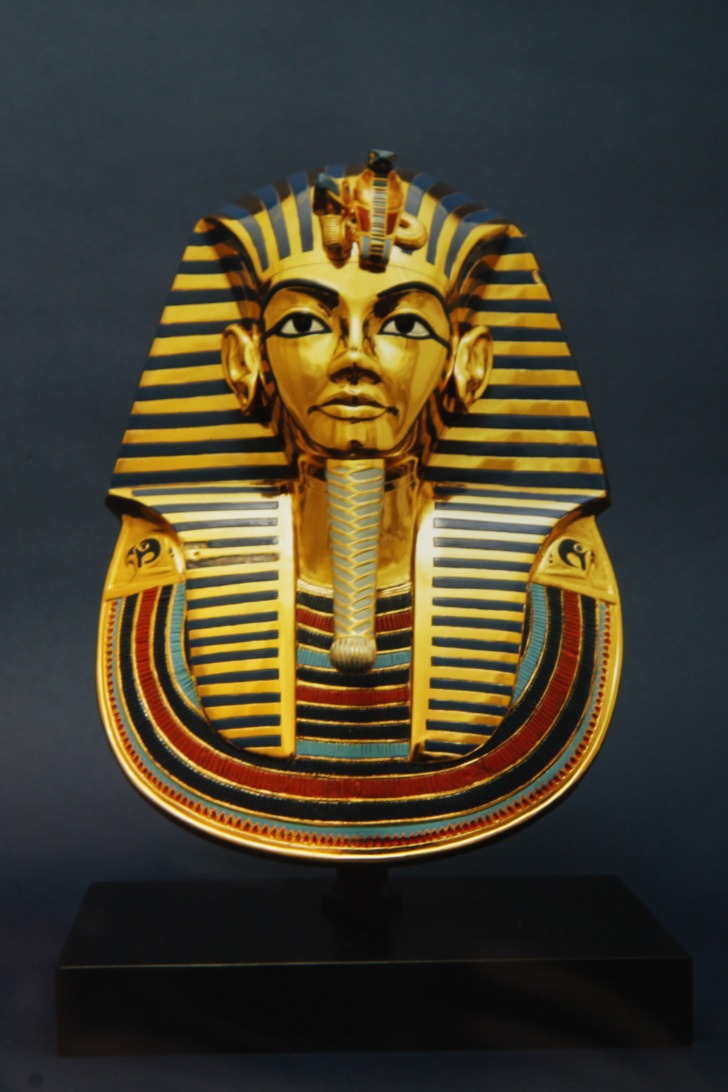
The tomb of Tutankhamun, one of the most famous Egyptian pharaohs, revealed a remarkable mummy adorned with intricate burial customs. The mummy is well-preserved, with striking features that reflect the craftsmanship of ancient Egyptian embalmers. It is wrapped in linen bandages and displays the regal adornments fitting of a king, including a ceremonial beard and a golden death mask that depicts youthful features and serene expression.
Numerous artifacts and items were discovered alongside the mummy, providing insight into the burial practices and beliefs of ancient Egypt. Among these are elaborate golden masks, exquisite jewelry made of gold and semi-precious stones, and various amulets intended to protect and assist the king in the afterlife. The tomb also contained chariots, furniture, statues, and offerings, all carefully arranged to ensure Tutankhamun’s successful journey into the afterworld.
The discovery of these artifacts has greatly enriched our understanding of Egyptian art, craftsmanship, and religious symbolism. The items found with the mummy highlight the wealth, artistry, and spiritual significance placed on burial rituals during the 18th Dynasty. Together, the mummy and its associated treasures form a comprehensive glimpse into ancient Egypt’s funeral practices and reverence for their rulers beyond death.
Unique Features and Anomalies
The mummy of Tutankhamun, one of the most famous pharaohs of ancient Egypt, is renowned for its exceptional preservation and historical significance. Discovered in the Valley of the Kings, his burial has provided invaluable insights into Egyptian burial practices and royal treasures of the 18th Dynasty.
Description of the Mummy
Tutankhamun’s mummy is relatively small, reflecting his young age at death, estimated to be around nine or ten years old. The remains are well-preserved, with the linen wrappings and coffins providing crucial information for Egyptologists. The skull shows signs of the cause of death, which remains debated, along with evidence of congenital deformities and injuries that occurred during life or burial.
Unique Features
- Exceptional mummification quality, with intricate wrapping techniques and preservation.
- Presence of a painted funerary mask made of gold and inlaid with semi-precious stones, which is among the most iconic images from Egyptian art.
- Multiple coffins nested within each other, with the innermost being made of solid gold, showcasing the wealth of the young king.
- Remarkably intact jewelry and funerary items found within the wrappings and coffins.
Anomalies
- Evidence of a broken leg and a head wound, suggesting possible injury or trauma at or after death.
- Signs of a congenital deformity, notably a cleft palate and dysplastic bones, indicating health issues during life.
- Unusual positioning of the remains, with some suggestive of disturbances or ritualistic practices during burial.
- Discrepancies in the initial mass of the mummy compared to the removed linen wrappings, indicating possible alterations or damage over time.
Archaeological Significance
The discovery of Tutankhamun’s mummy holds profound archaeological significance, offering valuable insights into ancient Egyptian civilization. As one of the most well-preserved and iconic tombs ever found, it has provided researchers with crucial information about burial practices, art, and culture during the 18th Dynasty. Studying this mummy has illuminated aspects of Egyptian history that continue to captivate scholars and the world alike.
Insights into 18th Dynasty Burial Practices
The archaeological significance of Tutankhamun’s burial lies in its exceptional preservation and the wealth of artifacts that provide invaluable insights into 18th Dynasty burial practices. This tomb, discovered in the Valley of the Kings, reveals detailed aspects of royal funerary customs, including intricate burial chambers, funerary jewelry, and religious iconography that emphasize the importance of the afterlife in ancient Egyptian culture. The tomb’s relatively untouched state allows scholars to study the materials, craftsmanship, and layout used during this period, shedding light on the technological and artistic capabilities of the time.
Insights into 18th Dynasty burial practices drawn from Tutankhamun’s tomb include the use of elaborate coffins, masks, and grave goods intended to ensure a safe passage to the afterlife. The presence of representations of gods and protective amulets underscores the religious significance assigned to safeguarding the deceased. Additionally, the deposition of food, beverages, and daily life objects highlights the Egyptians’ beliefs in providing for the deceased in the afterworld. The tomb’s design, with its interconnected chambers and symbolic decorations, illustrates a complex ritual landscape aimed at securing eternal life for the pharaoh.
Implications for Pharaoh Tutankhamun’s Reign
The archaeological significance of Pharaoh Tutankhamun’s mummy lies in its remarkable preservation and the insights it provides into ancient Egyptian burial practices, royal lineage, and the material culture of the 18th Dynasty. As one of the most well-preserved and extensively studied tombs, it offers invaluable information about the funerary rites, artifacts, and religious beliefs of the time.
Implications for Tutankhamun’s reign include a better understanding of his rapid ascension to the throne following the death of his immediate predecessor and the challenges faced during his rule. The artifacts and inscriptions associated with the mummy reveal details about his religious reforms, his ties to previous dynasties, and the political climate of Egypt during his brief reign. Furthermore, discoveries within his tomb have illuminated connections between royal authority and religious symbolism, aiding scholars in reconstructing the history and governance of ancient Egypt during a pivotal transitional period.
Contributions to Egyptology
The discovery of Tutankhamun’s tomb has significantly advanced the field of Egyptology by providing a wealth of archaeological evidence about ancient Egyptian burial practices, art, and daily life during the 18th Dynasty. The remarkably well-preserved artifacts and the tomb’s intricate design offer invaluable insights into the craftsmanship, religious beliefs, and societal structure of ancient Egypt. It has also helped scholars better understand the burial rituals dedicated to pharaohs and the significance of hierarchical status in tomb construction and decoration. Furthermore, Tutankhamun’s tomb has sparked global interest in Egypt’s archaeological heritage, encouraging further excavations and research that continue to deepen our knowledge of Egypt’s rich history. The artifacts unearthed have enabled detailed studies of ancient Egyptian metallurgy, art, and symbolism, making the discovery one of the most crucial contributions to Egyptology in modern times.
Mask and Burial Goods
The burial practices of ancient Egypt reveal a fascinating insight into their beliefs about the afterlife, with masks and burial goods playing a vital role in ensuring a successful journey for the deceased. In the case of Tutankhamun, the discovery of his elaborately crafted mask and a wealth of burial artifacts has provided invaluable knowledge about Egyptian funerary traditions and the grandeur associated with pharaohs. These items not only served protective and ceremonial purposes but also symbolized the power and divine nature of the ruler in the afterlife realm.
Golden Death Mask
The burial of Tutankhamun, the young Egyptian pharaoh, is renowned for its extraordinary artifacts, particularly the iconic Golden Death Mask. This mask, crafted from gold and inlaid with precious stones, was placed over his mummy’s face to serve as a protective and identifying cover in the afterlife. The mask features a serene expression, a headdress with a cobra and vulture, symbols of royal power and divine protection, and inscriptions from ancient Egyptian texts. In addition to the mask, various burial goods accompanied Tutankhamun into the afterlife, including jewelry, sculptures, and offerings, all intended to ensure his comfort and status in eternity. These artifacts provide invaluable insight into Egyptian burial customs, religious beliefs, and craftsmanship during the 18th Dynasty. The discovery of the tomb in the Valley of the Kings in 1922 by Howard Carter remains one of the most significant archaeological finds, inspiring widespread fascination with Egypt’s burial practices and the secrets of its royal necropolises.
Jewels and Amulets
The burial mask of Tutankhamun is one of the most iconic artifacts from ancient Egypt, renowned for its exquisite craftsmanship and symbolic significance. Crafted from gold and inlaid with semi-precious stones, the mask was designed to represent the divine nature of the pharaoh and to ensure his safe passage into the afterlife. Surrounding the mask are numerous burial goods, which include a variety of amulets and jewelry intended to protect and honor the ruler in the spiritual realm.
Jewels and amulets found in Tutankhamun’s tomb were carefully selected and placed to serve specific protective and magical functions. Some of the most prominent amulets include the scarab, symbolizing rebirth and regeneration, as well as it connected to the sun god Khepri. Other amulets featured symbols like the udjat eye, which provided protection and healing, and the winged sun disk, signifying divine power. The wealth of jewelry, including collars, rings, and bracelets, reflected both the status of Tutankhamun and the religious beliefs of ancient Egypt, emphasizing craftsmanship and spiritual symbolism.
Significance of Burial Goods
The mask and burial goods of Tutankhamun hold immense significance in understanding ancient Egyptian burial practices, beliefs, and artistry. The iconic funerary mask, made of gold and inlaid with semi-precious stones, was designed to ensure the pharaoh’s safe passage into the afterlife and to symbolize divine kingship. It served as a powerful spiritual protection, embodying the god Osiris and related to the idea of eternal life. Alongside the mask, an array of burial goods such as jewelry, amulets, statues, and household items were placed within the tomb to provide Tutankhamun with comfort, status, and necessities in the afterworld. These objects reflect the wealth, religious beliefs, and artistic skill of the time, offering valuable insights into Ancient Egyptian culture. They also demonstrate the importance placed on ensuring a successful transition to the afterlife, emphasizing the Egyptians’ focus on spirituality, continuity of life, and the eternal nature of the soul.
Controversies and Mysteries
The discovery of the tomb of Tutankhamun has captivated historians and archaeologists worldwide, yet it also sparked numerous controversies and mysteries that continue to intrigue enthusiasts. From debates over the authenticity of artifacts to the mysterious circumstances surrounding his death, the story of Tutankhamun is shrouded in intrigue. Unraveling these enigmas offers a fascinating glimpse into ancient Egypt’s rich history and the ongoing quest to uncover its secrets.
Curse of the Pharaohs
The Curse of the Pharaohs, particularly associated with the discovery of Tutankhamun’s tomb, has fascinated historians and enthusiasts alike for decades. When British archaeologist Howard Carter uncovered the nearly intact tomb in the Valley of the Kings in 1922, it sparked a surge of stories claiming that misfortune and tragedy befell those involved. Many attributed these incidents to a supposed curse placed upon the tomb by ancient Egyptian priests to protect the resting place of the young king. The death of Lord Carnarvon, the financial backer of the expedition, shortly after the tomb’s opening, intensified rumors of a deadly curse.
Despite popular beliefs, most scholars consider the idea of a curse to be a myth or an example of sensationalism. Scientific investigations and historical evidence suggest that the deaths and mishaps among those connected to Tutankhamun’s tomb were coincidental or caused by natural factors, such as infection or disease. The mystery surrounding Tutankhamun himself, who died at around 19 years old under uncertain circumstances, continues to intrigue researchers and adds to the aura of mystery surrounding his tomb. The discovery remains one of the most significant archaeological achievements of the 20th century, shedding light on ancient Egyptian civilization while fueling legends about curses and mysteries that still haunt the tombs of pharaohs today.
Cause of Death
The cause of death of Tutankhamun, the ancient Egyptian pharaoh, remains one of the greatest mysteries and controversies in archeology. Discovered in 1922 by Howard Carter, the mummy of Tutankhamun has been extensively studied, yet definitive answers about how he died are still debated. Some theories suggest he died from an infection caused by a broken leg, while others propose a genetic disorder or a sudden blow to the head as the cause. Advances in technology, such as CT scans and DNA analysis, have provided new insights, but no conclusive evidence has emerged. The controversy surrounding his death continues to spark interest and debate among scholars and enthusiasts. Many believe that political intrigue or even murder could have played a role, but the lack of concrete evidence keeps the true story shrouded in mystery.
Possible Identity and Health Issues
The burial of Tutankhamun has long been surrounded by controversies and mysteries that continue to captivate historians and archaeologists. One of the most intriguing aspects is the uncertainty surrounding his exact age at death and the cause of his demise, with theories ranging from accidental injuries to genetic illnesses. Some researchers suggest he may have suffered from various health issues, including malaria and a genetic deformity, which could have contributed to his early death. The discovery of his tomb in the Valley of the Kings in 1922 by Howard Carter unveiled a treasure trove of artifacts, yet questions about his mummification process and what it reveals about ancient Egyptian burial practices remain unresolved. The possibility of hidden chambers or undiscovered artifacts also fuels ongoing debates, making Tutankhamun’s mummy not just a symbol of ancient Egypt but also a key to unlocking its many mysteries. His identity, as a young pharaoh who may have been a minor at his death, adds to the intrigue about the political and religious turmoil of his time. Overall, the mummy of Tutankhamun continues to be a focal point for ongoing research, driven by the desire to uncover truths about his life, death, and the ancient civilization he belonged to.
Public Display and Cultural Impact
The public display of artifacts, such as the tomb of Tutankhamun, plays a significant role in shaping cultural understanding and appreciation of ancient civilizations. These exhibitions offer a unique glimpse into the history, art, and beliefs of ancient Egypt, fostering a deeper connection between modern audiences and their heritage. The cultural impact of showcasing such treasures extends beyond education, inspiring curiosity and preserving the legacy of one of history’s most iconic pharaohs.
Museum Exhibits and Tours
The display of Tutankhamun’s mummified remains and associated artifacts has had a profound cultural impact worldwide, igniting fascination with ancient Egypt and its history. Museum exhibits showcasing his tomb treasures foster a deeper appreciation for Egypt’s rich archaeological legacy and serve as educational platforms for visitors of all ages. Guided tours through these exhibits often highlight the significance of the artifacts, providing contextual insights into the life and times of the young pharaoh. These displays not only preserve historical heritage but also promote cross-cultural understanding by connecting modern audiences with the grandeur of ancient Egyptian civilization.
Media and Popular Culture References
The discovery of Tutankhamun’s mummy has profoundly influenced public display and cultural perceptions, fueling global fascination with ancient Egypt. Exhibitions showcasing the burial artifacts and the mummy itself have become significant cultural events, attracting millions of visitors and emphasizing Egypt’s rich archaeological heritage. These displays serve as a bridge between the ancient and modern worlds, allowing audiences to engage directly with history through curated artifacts and informative presentations.
Media and popular culture references to Tutankhamun have played a crucial role in shaping public understanding and imagination. Films like the 1932’s “The Mummy” and more recent adaptations, along with countless documentaries, novels, and artworks, have embedded his image into the collective consciousness. These portrayals often romanticize or mystify the young pharaoh, reinforcing themes of mystery, tomb raiding, and the allure of the unknown. As a result, Tutankhamun symbolizes both the grandeur and the enigma of ancient Egypt, influencing contemporary art, literature, and entertainment worldwide.
Impact on Egyptian Tourism
The public display of the mummy of Tutankhamun has significantly influenced Egypt’s cultural landscape and tourism industry. As one of the most iconic artifacts from ancient Egypt, the mummy’s exhibitions attract millions of visitors worldwide, fueling international interest in Egypt’s rich history. Showcasing Tutankhamun’s burial treasures and mummy in museums not only educates the public about Egypt’s ancient civilization but also fosters a sense of national pride and cultural identity. Additionally, these displays have helped boost local economies through increased tourism revenue, hotel bookings, and related services. Overall, the public presentation of Tutankhamun’s remains acts as a powerful symbol of Egypt’s historical legacy, strengthening its position as a premier cultural destination globally.


0 Comments