
Overview of Egypt Ra
Egypt Ra is one of the most significant deities in ancient Egyptian mythology, representing the sun god and the essential force of creation and life. As a central figure in Egyptian religion, Ra was believed to travel across the sky in his solar boat each day, bringing light and warmth to the world. His influence extended to kingship and divine authority, symbolizing power, renewal, and the cycle of life. Exploring the mythology and worship of Egypt Ra provides insight into the spiritual beliefs and cultural practices of ancient Egypt.
Historical Significance of Egypt Ra
Egypt Ra, also known as Ra, was one of the most important and revered deities in ancient Egyptian religion. As the sun god, Ra symbolized creation, life, and the vital energy of the sun, which was central to Egyptian cosmology and daily life. He was often depicted with a falcon head crowned with a solar disc, emphasizing his connection to the sun and the sky.
Throughout Egyptian history, Ra held a significant place in their pantheon, influencing other gods and religious beliefs. His worship was integral to state rituals, pharaohs’ legitimacy, and the overall spiritual framework of ancient Egypt. Temples dedicated to Ra, such as the famous Sun Temple at Heliopolis, served as religious centers that reinforced his importance in the societal hierarchy.
- Reinforcement of divine authority: Pharaohs claimed to be the earthly embodiment of Ra, legitimizing their rule.
- Influence on other deities: Ra was often merged with or associated with other gods like Horus and Amun, creating composite deities that reflected his significance.
- Encouragement of solar worship: The daily journey of the sun across the sky inspired a variety of religious festivals and rituals dedicated to Ra.
- Legacy in architecture and art: Temples, carvings, and statues of Ra showcase his central role and enduring influence in Egyptian culture.
The historical significance of Egypt Ra lies in his role as the foundational deity of creation, symbolizing the power of the sun and life itself. His worship helped unify the society around shared religious beliefs and reinforced the divine right of rulers. The reverence for Ra persisted for millennia, leaving a lasting legacy that continues to influence modern perceptions of ancient Egyptian religion and culture.
Mythological Background
Ra is one of the most important deities in ancient Egyptian mythology, revered as the god of the sun, creation, and the life-giving power of the sun. Often depicted with a solar disk on his head, Ra embodies the radiant energy that sustains the universe and symbolizes kingship and authority. His significance extends through various periods of Egyptian history, highlighting his central role in religious and cultural practices.
In mythological background, Ra is believed to have risen from the primordial waters of chaos, known as Nun, at the beginning of time. He traveled across the sky each day in his solar boat, bringing light and order to the world, and descended into the underworld at night, where he battled chaos and darkness. This daily cycle of death and rebirth epitomizes the eternal cycle of life and renewal in Egyptian belief. Ra was also associated with other deities, such as Horus and Amun, forming composite gods like Amun-Ra, emphasizing his supreme authority and complex divine nature.
Role in Ancient Egyptian Religion
Ra was one of the most significant deities in ancient Egyptian religion, embodying the sun god who was believed to be the creator of life and the universe. As the supreme deity, Ra was associated with the sun’s journey across the sky, symbolizing light, warmth, and growth, and was often depicted with the head of a falcon, crowned with a solar disk.
In ancient Egyptian mythology, Ra played a central role in the pantheon, regarded as the king of gods and the ruler of all creation. He was considered the father of many gods and was deeply integrated into the religious practices and beliefs of the Egyptians. Temples dedicated to Ra, such as the famous Sun Temples, were important religious centers, emphasizing his significance in daily life and spiritual worship.
Ra’s role extended beyond the realm of divine mythology into the conceptualization of kingship, with pharaohs often identifying themselves with Ra to legitimize their rule. The worship of Ra influenced various aspects of Egyptian culture, including art, architecture, and religious rituals, reflecting his vital position as the eternal source of life and order in the universe.
Symbolism and Attributes of Egypt Ra
Ra is one of the most important and revered gods in ancient Egyptian mythology, symbolizing the sun and creation. Known as the supreme deity, Ra embodies the vital force of life and renewal, playing a central role in Egyptian religion and cosmology. His attributes often include the sun disk, which represents his power and divine nature, and he is frequently depicted as a falcon or with a falcon head, emphasizing his association with the sky and celestial authority.
Iconography and Depictions
Ra, one of the most significant deities in Egyptian mythology, symbolizes the sun, creation, and life itself. He is often associated with the concept of divine authority and the cyclical nature of life, representing the eternal cycle of the sun from dawn to dusk. As a central figure in Egyptian religion, Ra embodies the vital force that sustains the universe and all living beings.
Ra is commonly depicted with a solar disk resting atop his head, frequently encircled by a cobra, symbolizing protection and royalty. His attributes often include a falcon head, linking him to the sky and divine oversight, with the falcon symbolizing keen vision and leadership. The solar disk and the winged solar disk are prominent symbols that emphasize his connection to the sun god and his role as a creator god.
In iconography and depictions, Ra appears in various forms, ranging from a human figure with a falcon head to a complete embodiment as a radiant sun disk. He is frequently shown riding the solar boat across the sky or enthroned, emphasizing his role as the sun god traveling through the sky and the underworld during night. These images underscore his importance in mythological narratives about creation, renewal, and the eternal cycle of day and night.
Attributes and Symbols Associated with Egypt Ra
Ra, the ancient Egyptian sun god, is one of the most significant deities in Egyptian mythology, symbolizing the life-giving power of the sun. He is often depicted as a falcon-headed god crowned with a solar disk encircled by a serpent, representing his authority over the skies and the cosmos. Ra embodies creation, illumination, and renewal, reinforcing his vital role in maintaining order in the universe.
Attributes associated with Ra include the solar disk, which he is frequently depicted wearing atop his head, signifying his identity as the sun god. The falcon is a prominent symbol linked to Ra, emphasizing his connection to the sky and the divine realm. The ankh, representing life, is also associated with him, highlighting his role as a life-giving deity. Furthermore, the serpent, often seen coiled around his crown, symbolizes protection, sovereignty, and his connection to divine authority.
Symbols linked to Egypt Ra are primarily the sun itself, often represented as a glowing orb or disk, emphasizing his dominion over daylight and the passage of time. The solar barque, or boat, is another powerful symbol depicting Ra’s journey across the sky during the day and through the underworld at night. The scepter and the throne are also associated with his authority, reinforcing his status as a royal and divine figure in ancient Egyptian culture.
Attributes in Religious Art and Texts
Ra, the ancient Egyptian sun god, is one of the most significant deities in Egyptian mythology, symbolizing creation, life, and power. He is often depicted as a falcon or as a man with a falcon head, emphasizing his association with the sky and the horizon. Ra’s symbolism embodies the sun’s journey across the sky, representing completeness, renewal, and the cyclical nature of life. The solar disk, often shown encircling his head, signifies his dominion over the sun and its vital life-giving energy.
In religious art and texts, Ra is frequently associated with the sun disk, which often appears atop his head or floating above him. His imagery emphasizes his role as the creator and sustainer of life on earth. Temples and tombs depict Ra in various forms, such as Ra-Horakhty, a fusion with Horus, to highlight his divine authority. The Book of the Dead and Pyramid Texts contain hymns and spells invoking Ra’s blessing for protection, guidance, and rebirth, underscoring his central place in the spiritual beliefs of ancient Egypt.
Worship and Rituals
Worship and rituals have been integral to ancient Egyptian culture, reflecting their deep connection with the divine and the cosmos. Central to their spiritual practices was the worship of Ra, the sun god, who was considered the creator of all life and the epitome of power and vitality. Through elaborate rituals, temples, and offerings, the Egyptians sought to honor Ra and ensure his favor, which they believed was essential for prosperity and the continued cycle of the sun. These practices reveal much about their beliefs, values, and understanding of the universe.
Temples Dedicated to Egypt Ra
In ancient Egypt, Ra was regarded as the supreme sun deity, symbolizing creation, power, and vitality. Worship of Ra played a central role in Egyptian religious practices, with elaborate rituals and ceremonies dedicated to honoring him. Temples dedicated to Ra, such as the famous Sun Temple at Heliopolis, served as important religious centers where priests performed daily offerings and prayers to ensure the continued favor of the sun god. These rituals often involved the recitation of sacred texts, processions, and symbolic acts reflecting the journey of the sun across the sky. The depictions of Ra in temple art showed him with a falcon head, crowned with a sun disk, emphasizing his celestial importance. Festivals celebrating Ra, like the annual Opet Festival, reinforced the divine connection between the pharaoh, the people, and the sun god, underscoring his role as creator and sustainer of life in Egyptian belief.
Festivals and Ritual Practices
Worship and rituals dedicated to Ra, the ancient Egyptian sun god, played a central role in the spiritual life of the civilization. Devotees believed Ra embodied the power of the sun, symbolizing creation, life, and order. Religious practices involved daily offerings, prayers, and hymns performed at temples such as the Sun Temple of Heliopolis, emphasizing the importance of maintaining harmony with the divine.
Festivals in honor of Ra included grand celebrations during the pharaonic era, particularly during the annual Opet Festival, which celebrated the divine unity of the king and the gods. These events often featured processions, music, dance, and elaborate rituals intended to ensure the continued favor of Ra and the renewal of cosmic order. Ritual practices also included the recitation of sacred texts and the symbolic flight of solar boats across the sky, representing Ra’s journey across the heavens.
Specific rituals often involved priests dressing in ceremonial garments to perform purifications and offerings, including incense, food, and symbolic objects. The daily journey of the sun god across the sky was paralleled by these ritual acts, reinforcing the idea of divine order and the life-giving power of the sun. Overall, worship of Ra was integral to Egyptian religion, reflecting their reverence for the life-giving force of the sun and its significance in their cosmology and ruler legitimacy.
Priestly Role and Religious Ceremonies
In ancient Egyptian religion, the worship of Ra, the sun god, played a central role in religious practices and rituals. Egyptians believed Ra was the creator of life and the sustainer of the universe, and they honored him through daily rituals conducted by priests. Priests held a vital role in maintaining the sacred order, performing ceremonies, and ensuring the proper worship of Ra. They often acted as intermediaries between the gods and the people, conducting elaborate rites in temples dedicated to Ra, especially at Heliopolis, where the sun god was highly revered.
Religious ceremonies dedicated to Ra included daily offerings, prayers, and hymns intended to invoke his favor and ensure the continuation of cosmic order. These rituals were performed with strict precision and often involved processions, lighting of incense, and recitations of sacred texts. Priests wore specific garments and ornaments signifying their religious status, and their duties extended to maintaining the sanctity of the temple and its sacred symbols, such as the solar disk.
Worship and rituals in honor of Ra extended beyond temples, influencing royal ceremonies, especially during the sunrise, which symbolized the renewal of life and divine authority. These ceremonies reinforced the divine right of the pharaoh, who was considered a living embodiment of Ra or closely associated with him. The elaborate religious ceremonies of the Egyptians underscored the profound importance of Ra in their spiritual and daily lives, emphasizing the continuous cycle of renewal and divine order that they believed sustained their world.
Egypt Ra in Mythology and Legends
Ra is one of the most revered deities in Egyptian mythology, widely regarded as the sun god and the creator of life. Often depicted with the head of a falcon and crowned with a solar disk, Ra symbolizes the power and energy of the sun, which was central to the ancient Egyptian religion. His influence permeates many myths and legends, highlighting his role as a vital force that sustains the universe and governs the cycle of day and night.
Creation Myths Involving Egypt Ra
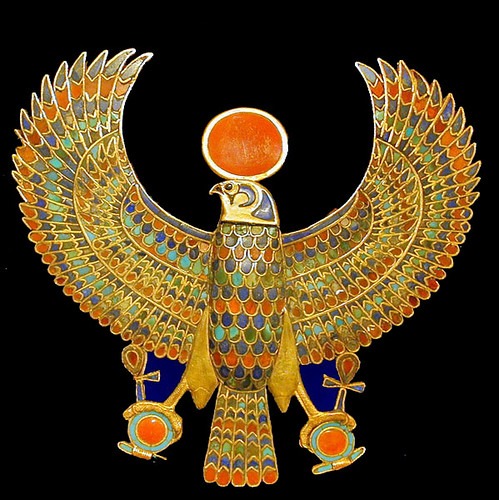
Egypt Ra, also known as Ra or Re, holds a central place in Egyptian mythology as the supreme sun deity and creator god. According to legend, Ra emerged from the primordial waters of Nun at the beginning of time, symbolizing the dawn and the source of life. He was often depicted with the head of a falcon and a solar disk encircled by a serpent, highlighting his connection to the sky and the sun. In many creation myths, Ra traveled across the sky in his solar barque, bringing light to the world each day and battling dark chaotic forces at night, symbolized by the serpent Apophis. His role as the creator divine extended to bestowing order and life upon the universe, establishing himself as a central figure in Egyptian religio-mythological beliefs. Through stories and rituals, the Egyptians revered Ra as the source of all life and the unifying force of the cosmos, emphasizing his importance in their understanding of the creation and maintenance of the world.
Egypt Ra’s Journey Through the Underworld
Egypt Ra is one of the most prominent deities in ancient Egyptian mythology, symbolizing the sun, creation, and kingship. As the supreme sun god, Ra was believed to voyage across the sky daily, bringing light and life to the world. His presence was central to Egyptian religion and royal authority, often depicted as a falcon-headed figure with the sun disk atop his head.
In mythological legends, Ra’s journey through the underworld, known as the Duat, is a vital part of his daily cycle. Each night, Ra would travel through the dark realm of the dead, facing various challenges and malevolent beings in his quest to be reborn at dawn. During this journey, he encountered beings such as serpents and monstrous gods, representing chaos and obstacles that he had to overcome to ensure the continuation of the cosmos.
The voyage through the underworld was also associated with various symbolic events, such as the judgment of the soul and the renewal of life. Ra’s successful passage was thought to symbolize rebirth, illuminating the importance of maintaining harmony between the worlds of the living and the dead. His journey demonstrated the eternal cycle of death and rebirth, emphasizing the importance of the sun as a symbol of life, power, and renewal in Egyptian mythology.
Interactions with Other Deities
Ra, the ancient Egyptian sun god, is one of the most important deities in Egyptian mythology and legends. Represented as a powerful sun disk or a falcon-headed man, Ra embodies the sun’s vitality, creation, and order. His influence extends across various aspects of life, symbolizing life, growth, and the eternal cycle of day and night. As the king of gods, Ra was believed to travel across the sky during the day in his solar barque, bringing light and energy to the world, and journey through the underworld at night, symbolizing renewal and rebirth.
In his interactions with other deities, Ra often held a central role. He was considered the source of all gods and was associated with several important mythological figures. For example, he was linked with Horus, the sky god, and was sometimes merged with or identified as Horus to emphasize the connection between the sun and kingship. Ra also interacted with the goddess Hathor, who was regarded as his consort and the goddess of love and motherhood, further emphasizing his divine family. Additionally, the serpent Apophis was an adversary to Ra, representing chaos and darkness; Ra’s battles against Apophis during the night symbolize the ongoing struggle between order and chaos in the universe.
Throughout Egyptian mythology, Ra’s interactions with other deities highlight his supreme importance and his role in maintaining cosmic balance. His influence extended into royal ideology, as pharaohs were thought to be earthly embodiments of Ra, reinforcing his divine authority. These mythological stories and divine interactions collectively portray Ra as the central creator and sustainer of life in Egyptian belief systems.
Evolution of Worship and Influence
The evolution of worship and influence surrounding the ancient Egyptian deity Ra reflects a rich history of religious development and cultural significance. As one of the most prominent gods in Egyptian mythology, Ra’s role transformed over millennia, shaping spiritual practices and inspiring subsequent beliefs. This article explores the origins, worship, and enduring legacy of Ra in the context of Egyptian civilization and its influence on later cultures.
Changes Over Different Dynasties
The worship of Ra, the ancient Egyptian sun god, experienced significant evolution throughout various dynasties, reflecting shifts in political power, religious practices, and cultural beliefs. During the early dynastic period, Ra was primarily worshipped as a creator deity and a symbol of the sun’s life-giving power, often depicted in combination with other gods to emphasize his supreme position.
In the Old Kingdom, Ra’s influence reached its zenith, evidenced by the construction of the great Sun Temples and the integration of Ra into the royal ideology. Pharaohs identified themselves with Ra, establishing a divine right to rule and cementing the sun god’s central role in governance. The most iconic symbol of this era is the, a solar disc, which underscored Ra’s divine authority.
During the Middle and New Kingdoms, the worship of Ra became more complex, incorporating syncretism with other deities such as Amun, forming Amun-Ra, highlighting the evolving theological landscape. Temples dedicated specifically to Ra continued to be built, but the emphasis shifted to the broader pantheon, reflecting a diversification of religious focus.
Throughout subsequent dynasties, the influence of Ra persisted, often integrated into imperial ideology to legitimize rulers. The depiction of Ra continued in art and inscriptions, reinforcing his significance. Despite periods of theological change, the reverence for Ra as the ultimate solar deity remained a foundational element of Egyptian religion, shaping cultural and political structures across centuries.
Integration into Other Religious Beliefs
The worship of Ra, the ancient Egyptian sun deity, evolved significantly over millennia, reflecting changing political, social, and religious landscapes. Originally revered as a principal god representing the sun’s life-giving power, Ra’s influence expanded to encompass kingship, creation myths, and the cycle of life and death. As religious beliefs progressed, Ra was often merged with or associated with other deities, illustrating the dynamic nature of Egyptian spirituality. His worship was integrated into various facets of daily life, monarchic authority, and the afterlife, solidifying his position as a central figure in Egyptian religion.
Throughout history, Ra’s influence spread beyond Egypt’s borders, impacting neighboring cultures and subsequent religious traditions. His association with kingship, cosmic order, and divine authority contributed to the development of other religious systems in the region. The integration of Ra into different religious beliefs often involved syncretism, where attributes of Ra were merged with other deities to create new gods or to emphasize shared cosmic principles. This process helped sustain his worship and maintain its significance across different dynasties and time periods.
- Ra was often combined with other gods, such as Amun to form Amun-Ra, symbolizing the union of divine powers and reinforcing his supreme status in the pantheon.
- The concept of solar worship was incorporated into funerary practices, emphasizing the dead’s journey through the afterlife as a rebirth akin to the daily rebirth of the sun.
- Egyptian rulers portrayed themselves as divine representatives of Ra, integrating political authority with religious belief and ensuring the centrality of solar worship in the state’s ideology.
- The influence of Ra extended to mythologies that portrayed him as the creator god, highlighting his role in the origin of the universe and the continuous cycle of creation and destruction.
Legacy in Modern Culture and Arts
The worship of Ra, the ancient Egyptian sun god, has profoundly influenced the development of religious and cultural practices throughout history. As a central deity in Egyptian mythology, Ra was revered as the creator of the universe and the ruler of gods and humans alike. His worship evolved over millennia, with early reverence centered around the sun’s life-giving power and later integrating complex mythologies and rituals. The influence of Ra extended beyond religious contexts, shaping art, architecture, and symbolism in Egyptian civilization. Temples dedicated to Ra, such as the Sun Temple at Heliopolis, became centers of spiritual and political authority, emphasizing the divine connection between rulers and the sun god.
In modern culture and arts, the legacy of Ra remains evident through widespread iconography, literature, and popular media. Symbolic representations of Ra, such as the sun disk with a serpent, continue to inspire artists and designers worldwide. Egyptian motifs derived from Ra’s imagery feature prominently in contemporary jewelry, fashion, and film, reflecting a fascination with ancient mysticism and divine power. Additionally, academic studies and creative works often explore themes associated with Ra’s influence—such as themes of rebirth, illumination, and sovereignty—showcasing the enduring impact of this ancient deity on the collective consciousness. Ultimately, the reverence for Ra has transcended time, shaping both historical and modern interpretations of divine authority and spirituality in diverse cultural expressions.


0 Comments