

Geographical Overview of the Botswana Salt Flats
The Botswana salt flats, also known as the Makgadikgadi Pan and elements of the Nxai Pan, are a vast and captivating geographical feature located in the central part of the country. These expansive salt flats are remnants of an ancient lakebed that once covered this region, creating a unique and stark landscape characterized by glistening white salt deposits and expansive desert terrains. The area’s geography plays a significant role in shaping its climate, ecology, and the diverse wildlife that migrates across these open plains. As one of the largest salt flats in the world, the Botswana salt flats offer an intriguing glimpse into the area’s geological history and ecological significance.
Location and Extent
The Botswana salt flats are a remarkable geographical feature situated in the northern part of Botswana, known for their expansive and saline landscapes. These flats are part of a larger region that forms an integral aspect of the country’s unique ecosystem and geography, attracting both scientists and tourists alike.
- The primary salt flats in Botswana are located within the Makgadikgadi Pan, which is one of the largest salt flats in the world.
- Makgadikgadi Pan covers an area of approximately 12,000 square kilometers, making it a significant geographical feature in Botswana.
- The salt flats extend across much of the Central Kalahari and are surrounded by semi-arid savannah, creating a stark contrast in the landscape.
- The region’s flat, open surface acts as a vast basin that was once a large lake, which has since evaporated leaving behind extensive salt deposits.
- These salt flats are characterized by white, reflective surfaces that are visible from considerable distances and serve as important habitats for migratory birds.
Topographical Features
The Botswana salt flats are a prominent geographical feature located in the northeastern part of the country, distinguished by expansive, level surfaces characterized by salt crusts and minimal vegetation. These flats are part of the larger Makgadikgadi Pans, which are among the world’s largest salt flats, formed over thousands of years through the evaporation of prehistoric lakes.
- Flat and Level Terrain: The salt flats are exceptionally flat, with a surface that appears almost mirror-like during dry periods, providing a unique and striking landscape.
- Salt Crusts: The surface is predominantly composed of salt crusts, which form due to the evaporation process, leaving behind mineral deposits.
- Depressions and Pan Basins: The flats feature widely spaced depressions or pan basins that fill with water during the rainy season, creating temporary lakes.
- Surrounding Topography: The flats are bordered by semi-arid savannahs and low-lying hills, which influence local climate and wind patterns.
- Variable Elevation: While predominantly flat, the terrain exhibits minor variations in elevation, contributing to water drainage and the formation of salt flats.
Climate and Weather Patterns
The Botswana salt flats are a profound and striking feature of the region’s geographical landscape. Located mainly within the southwestern part of the country, these expansive salt flats, such as the Makgadikgadi Pan, are remnants of ancient lakebeds that have dried up over millennia, creating large, flat, salty plains. The flats are characterized by vast, open spaces that are often shimmering under the sun and serve as important ecological and cultural sites.
- The Botswana salt flats span an area of approximately 12,000 square kilometers, making them some of the largest salt deposits in the world.
- The Flats are part of the greater Makgadikgadi Pan complex, which is a major feature of the Central Kalahari Desert region.
- The terrain is predominantly flat with a crust of salt and sand, supporting specialized flora and fauna adapted to harsh conditions.
The climate of the region is arid and semi-arid, with temperature extremes that significantly influence weather patterns. The area experiences hot summers where temperatures can soar above 40°C (104°F), and mild winters with temperatures dropping to around 5°C (41°F). The vast salt flats receive low annual rainfall, often less than 250 mm (10 inches), leading to dry conditions that persist for most of the year.
- Precipitation is highly seasonal, mainly occurring during the summer months from November to March, often in the form of short, intense storms.
- Humidity levels remain low, contributing to the arid climate and rapid evaporation rates on the salt flats.
- Wind patterns are strong and consistent, often causing dust storms and aiding in the process of salt crust formation.
Formation and Geology
The formation and geology of the Botswana salt flats offer a fascinating glimpse into the Earth’s natural history. These expansive flats, primarily composed of mineral-rich salts and evaporites, are the result of ancient lakebeds that have dried up over thousands of years. Their unique geological features are shaped by climatic conditions, evaporation, and mineral deposits, making them a significant area of interest for scientists studying Earth’s geological processes.
Historical Geological Processes
The salt flats of Botswana, particularly the Makgadikgadi Salt Pans, owe their formation to complex geological and historical processes that span millions of years. These expansive flats are remnants of an ancient lake system that once covered a significant portion of the region, formed through sedimentation and evaporation over time. The geological structure of the area consists of extensive salt deposits, minerals, and evaporite layers accumulated as the ancient lake evaporated under changing climatic conditions.
Historically, these salt flats are believed to have been part of a large freshwater lake during the Pleistocene epoch, which gradually transformed into a salt lake due to fluctuations in climate and water levels. Tectonic activities and shifting earth crusts contributed to the uplift and subsidence of the region, influencing water drainage and evaporation patterns. Over thousands of years, repetitive cycles of flooding and drying intensified salt accumulation on the surface, ultimately creating the vast, flat salt desert seen today.
The geological processes that shaped the Botswana salt flats are also linked to broader regional tectonics, including the movement of the African Plate and the formation of rift valleys. The salt flats serve as a record of these dynamic Earth processes, providing insights into past climatic shifts, geological activity, and the evolution of the landscape. Their unique geology makes them an important site for scientific research and climate history studies.
Salt Formation Mechanisms
The salt formation mechanisms in Botswana salt flats are primarily driven by evaporation processes in arid and semi-arid regions. These flats, such as the Makgadikgadi Salt Pans, form when mineral-laden water accumulates and gradually evaporates, leaving behind vast layers of salt deposits. The unique geology of these areas is influenced by ancient lake beds and sedimentary processes that contribute to the mineral-rich sediments now exposed on the surface.
- Evaporative Precipitation: Water from seasonal lakes or underground sources evaporates due to high temperatures, causing dissolved salts to crystallize and settle on the surface.
- Precipitation of Minerals: Salts such as halite (rock salt), sylvite, and kieserite precipitate out of evaporating brines, forming extensive salt deposits.
- Sedimentary Processes: Over long periods, these evaporative deposits accumulate and lithify, creating thick layers of salt and associated minerals.
- Recent Accumulation: Ongoing climate patterns maintain the salt flats, with periodic flooding and evaporation cycles reinforcing salt deposits in Botswana’s salt flats.
Sediment Composition
Botswana salt flats are an intriguing geological feature characterized by extensive evaporite deposits formed through the evaporation of ancient inland seas. These flats are primarily composed of halite, gypsum, and other mineral salts, which precipitated out as the water evaporated over thousands of years. The sediment composition reveals a variety of mineral layers, often including clay and silt, which contribute to the flats’ unique landscape. The geological formation of these salt flats indicates a history of fluctuating water levels and climatic conditions that promoted the concentration and crystallization of mineral deposits. Over time, these processes have created a vast, flat terrain marked by shimmering salt surfaces and subsurface mineral-rich sediments that are of interest for both scientific study and potential resource development.
Ecology and Biodiversity
Ecology and biodiversity play a vital role in shaping the unique landscapes of Botswana’s salt flats. These harsh yet fascinating environments are home to specialized plants and animals that have adapted to survive in extreme conditions. Understanding the ecological balance within these areas provides insight into the resilience of life amid challenging habitats and highlights the importance of conserving biodiversity in such fragile ecosystems.
Flora Adaptations
Salt flats in Botswana, such as the Makgadikgadi Pan, present a unique ecological environment that influences local flora and biodiversity. These expansive salt plains are characterized by extreme conditions, including high salinity, minimal rainfall, and intense sunlight, which challenge plant survival. Despite these harsh conditions, certain plant species have developed remarkable adaptations to thrive in such environments. Many flora in the salt flats exhibit features like succulent tissues that store water, salt-tolerant roots that absorb moisture from salty soils, and specialized mechanisms to exclude or excrete excess salt. These adaptations allow them to survive and sometimes even dominate the sparse vegetation cover in the area, supporting a specialized ecosystem. The biodiversity around Botswana’s salt flats is thus shaped by these resilient flora, creating niches for various insects, birds, and other wildlife adapted to coexist with the extreme saline environment, highlighting the resilience of life in some of Earth’s most challenging habitats.
Fauna Adaptations
Botswana’s salt flats, particularly the Makgadikgadi Salt Pans, are unique ecosystems that host diverse flora and fauna adapted to extreme conditions. These vast, arid landscapes experience intense heat and seasonal rains, creating challenging environments for wildlife. Many animals have developed specialized adaptations to survive in this harsh habitat.
Fauna in the salt flats include species such as the zebra, wildebeest, and springbok, which have evolved to tolerate high salt levels and scarce water sources. Some animals, like the bat-eared fox, have keen senses for locating underground water and prey. Bird species such as flamingos thrive by feeding on the abundant algae and brine shrimp in the salt pans, showcasing adaptations to high salinity and alkaline conditions.
Ecologically, the salt flats serve as a crucial breeding ground for migratory birds and support a specialized array of organisms with unique adaptations. These include salt-tolerant plants and microorganisms that contribute to the ecosystem’s resilience. Understanding these adaptations highlights the importance of conserving Botswana’s fragile salt flat environment and its biodiversity.
Endemic Species
Botswana Salt Flats are a fascinating example of unique ecosystems that support diverse biodiversity and endemic species. These expansive salt flats, such as the Makgadikgadi Pans, are remnants of ancient lakes that have evaporated, creating a stark yet vibrant landscape teeming with specialized flora and fauna.
- Ecology of the salt flats includes a variety of hardy plants, microorganisms, and animals adapted to extreme salinity and arid conditions.
- Endemic species, such as certain amphibians and invertebrates, have evolved to survive specifically in this environment, making them unique to Botswana’s salt flats.
- Bird species like flamingos flock to the pans during certain seasons, contributing to the ecological richness of the area.
- The biodiversity in these regions is critical for maintaining ecological balance and offers insights into adaptation and evolution in extreme environments.
Human Interaction and Cultural Significance
The salt flats of Botswana are more than just a striking natural landscape; they serve as a vital space for human interaction and cultural expression. Throughout history, these expansive plains have influenced local traditions, storytelling, and social gatherings, reflecting the deep connection between people and their environment. Understanding the cultural significance of the salt flats offers insight into the ways in which communities engage with and preserve their heritage in this unique setting.
Historical Usage
The Botswana Salt Flats, also known as Makgadikgadi Pan, hold significant cultural and historical importance for the local communities. Traditionally, indigenous groups utilized these expansive salt flats for trading, hunting, and ritualistic ceremonies, fostering a deep connection between people and their environment. Human interaction with the salt flats has historically revolved around their unique landscape, which has influenced local folklore and customs. Over time, these interconnections have shaped cultural identities, emphasizing reverence for nature’s resources and the importance of sustainable coexistence. Today, the salt flats continue to be a site of cultural heritage, attracting tourists and researchers alike, thus bridging historical usage with contemporary appreciation of Botswana’s natural and cultural landscape.
Local Cultural Practices
Human interaction with the Botswana Salt Flats is deeply rooted in the local communities’ cultural practices and traditions. These expansive salt flats are not only a natural wonder but also a significant part of the people’s livelihood and identity. Indigenous groups often engage in traditional salt extraction methods, which have been passed down through generations, embodying their connection to the land and water resources.
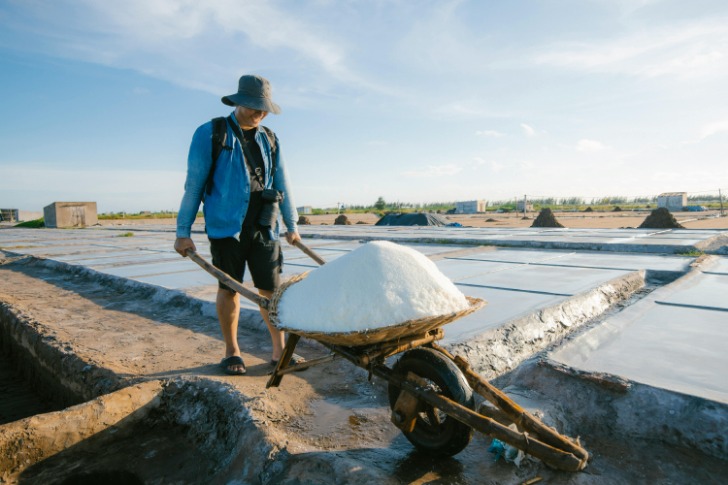
Local cultural practices surrounding the salt flats include ceremonial activities and storytelling that emphasize the importance of the landscape. These practices serve to preserve cultural heritage, foster community bonds, and sustain the environmental balance. The salt flats also play a role in local festivals and rituals, highlighting their spiritual and economic significance to the people of Botswana.
Modern Tourism and Conservation Efforts
The Botswana Salt Flats, also known as the Makgadikgadi Pan, hold immense cultural significance for the local communities, who have traditionally relied on these vast salt plains for their livelihoods and spiritual practices. Human interaction with this unique landscape has deep roots, encompassing traditional hunting, gathering, and cultural festivals that celebrate the area’s natural beauty. Modern tourism has transformed the region into a sought-after destination, attracting visitors eager to experience its surreal scenery, wildlife migrations, and vibrant cultural events. Recognizing the ecological sensitivity of the salt flats, conservation efforts have been prioritized to preserve the habitat, promote sustainable tourism, and support the preservation of local traditions. These initiatives aim to balance economic development with environmental protection, ensuring that the natural and cultural riches of the Botswana Salt Flats are maintained for future generations.
Economic Importance
Explore the economic importance of Botswana Salt Flats, a vital natural resource that significantly contributes to the country’s economy. These expansive salt flats not only support local industries but also attract tourism and provide opportunities for mineral extraction. Understanding their role highlights the significance of sustainable management for long-term economic growth.
Salt Mining and Industry
The salt flats of Botswana are of significant economic importance, serving as a vital resource for the country’s salt mining industry. These flats provide a natural and sustainable source of salt, which is a crucial commodity for various industrial processes, food preservation, and traditional uses. The salt mining industry in Botswana benefits from the extensive salt flats, generating employment opportunities and contributing to local and national economies. Historically, salt extraction has been a traditional activity in the region, but modern techniques have enhanced the efficiency and output of salt production. The industry continues to develop, with efforts to balance economic benefits with environmental conservation, ensuring the sustainable use of Botswana’s unique salt flats for future generations.
Potential for Lithium and Mineral Extraction
The salt flats of Botswana hold significant economic importance due to their potential for mineral extraction, particularly lithium. As global demand for lithium continues to rise, these salt flats are recognized as a valuable resource for the production of batteries and electronic devices. The region’s mineral-rich deposits offer promising opportunities for sustainable extraction, which can contribute to economic growth and job creation in Botswana. Moreover, responsible development of these resources can help diversify the country’s economy and reduce dependence on traditional sectors. The potential for lithium and other mineral extraction in Botswana’s salt flats positions the country as an emerging player in the global mineral market, attracting investment and fostering technological advancement.
Impact of Industrial Activities
The salt flats of Botswana hold significant economic importance due to their potential for mineral extraction and salt production. These areas contribute to the local economy by providing employment opportunities and supporting related industries such as transportation and processing. Industrial activities in the salt flats, including salt harvesting and mineral mining, can boost economic growth but may also pose environmental challenges. Responsible management of these activities is essential to ensure sustainable development and minimize ecological impacts, preserving the natural landscape while maximizing economic benefits.
Tourism and Recreation
Tourism and recreation play a vital role in showcasing the natural beauty and cultural heritage of Botswana, especially through unique landscapes like the salt flats. These expansive, shimmering surfaces attract travelers seeking adventure, breathtaking scenery, and a connection with nature. Exploring the salt flats offers visitors an unforgettable experience, highlighting Botswana’s diverse environment and opportunities for outdoor recreation.
Attractions and Activities
Botswana Salt Flats are a stunning natural attraction that offers unique opportunities for tourism and recreation. Visitors can experience the vast, otherworldly landscapes of the expansive white plains, which are among the most striking features in the region. Exploring these salt flats provides a sense of adventure and connection to nature, making them a popular destination for travelers seeking memorable outdoor activities.
Activities such as sightseeing, photography, and guided tours are common at the Botswana Salt Flats. Tourists often enjoy walking across the shimmering surface, taking in panoramic views, and capturing breathtaking images of the surreal environment. Additionally, the salt flats serve as a gateway for bird watching, with various species adapting to this unique habitat.
Beyond the salt flats themselves, visitors can partake in other attractions and recreational experiences nearby, including visits to local villages, cultural tours, and exploring the diverse wildlife of Botswana. The region’s natural beauty and tranquil atmosphere make it an ideal spot for outdoor recreation, relaxation, and embracing the pristine wilderness of Botswana.
Access and Infrastructure
Tourism and recreation at the Botswana Salt Flats offer a unique experience for travelers seeking natural beauty and adventure. The salt flats, known for their expansive and shimmering white surfaces, attract visitors from around the world who come to witness this stunning landscape and enjoy outdoor activities.
- Access to the salt flats is primarily facilitated through well-maintained roads that connect major cities and towns to key tourist sites.
- Infrastructure includes visitor centers, guided tour services, and accommodations nearby to enhance the visitor experience.
- Transportation options range from self-driving 4×4 vehicles to organized tours, ensuring visitors can reach remote areas of the flats safely.
- Efforts are underway to improve the sustainability of tourism, including regulated access to protect the delicate environment of the salt flats.
Overall, the combination of accessible infrastructure and well-planned recreation options contributes to making the Botswana Salt Flats a premier destination for eco-tourism and adventure tourism enthusiasts.
Environmental Impact of Tourism
The Salt Pans of Botswana, part of the larger Makgadikgadi Salt Pan, are a unique and striking destination for tourism and recreation, drawing visitors from around the world to witness its vast, shimmering landscape. These salt flats offer opportunities for adventure activities such as safari excursions, bird watching, and cultural experiences with local communities, contributing to the local economy. However, increased tourism in the region can have significant environmental impacts. It may lead to habitat disturbance for wildlife, soil erosion, and pollution from waste and vehicle emissions. To ensure the sustainability of this natural wonder, responsible tourism practices must be promoted, including limiting environmental footprints, supporting conservation efforts, and educating tourists about the importance of preserving the delicate ecosystem. Balancing tourism development with environmental protection is crucial for maintaining the ecological integrity of the Botswana salt flats for future generations.



0 Comments