
Overview of Ghana Homes
Ghana homes reflect a vibrant blend of traditional and modern architecture, showcasing the country’s rich cultural heritage and dynamic development. From cozy rural dwellings to luxurious urban residences, Ghanaian homes offer a variety of styles and designs suited to diverse lifestyles. These homes not only serve as comfortable living spaces but also embody the warmth and hospitality characteristic of Ghanaian culture.
Historical Context of Housing in Ghana
Ghana Homes reflect the rich cultural heritage and evolving modern lifestyle of the Ghanaian people. From traditional mud and thatch structures to contemporary cement-built houses, the architecture showcases a blend of history and innovation.
Historically, housing in Ghana has been shaped by the diverse climates, materials, and cultural practices across different regions. Traditional homes, such as the round mud huts of the northern communities and the rectangular structures in the southern areas, served functional and social purposes. During the colonial era, the introduction of Western architectural styles influenced urban housing development, leading to the construction of more durable, brick-and-mortar buildings in cities like Accra and Kumasi. Today, Ghana continues to experience a housing boom, driven by rapid urbanization and economic growth, which has led to a mixture of traditional, colonial, and modern architectural influences in Ghanaian homes.
Current Housing Market Overview
Ghana homes offer a unique blend of traditional architecture and modern design, reflecting the country’s rich cultural heritage and rapid development. The current housing market in Ghana is characterized by steady growth driven by urbanization, increased demand for housing, and investment in real estate projects. Urban centers like Accra, Kumasi, and Takoradi are experiencing a surge in residential developments, catering to both middle and high-income groups. The government and private sector are actively promoting housing initiatives to address the housing deficit, which remains a significant challenge. Additionally, affordable housing schemes are emerging to make homeownership more accessible for a broader population. Overall, the Ghanaian housing market presents opportunities for investors and homebuyers alike, amid ongoing efforts to improve housing infrastructure and services.
Types of Homes in Ghana
Ghana homes reflect a rich cultural heritage and diverse architectural styles that vary across different regions. They are characterized by a blend of traditional and modern designs, offering a unique living experience for residents. The homes in Ghana are built using locally available materials, ensuring suitability for the climate and environment.
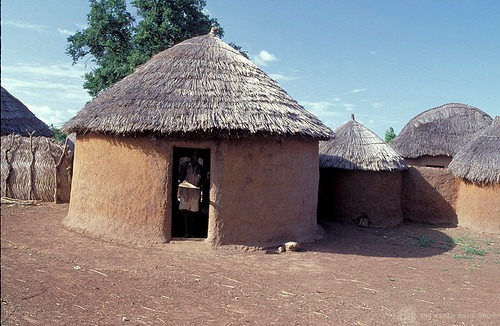
There are several types of homes in Ghana, ranging from traditional structures to contemporary houses. Traditional Ghanaian homes often feature round shapes, thatched roofs, and walls made of mud or clay, commonly seen among rural communities. Modern homes include detached houses, flats, and apartments built with bricks and concrete, equipped with modern amenities. Urban areas tend to have more contemporary and affordable housing options, while rural areas preserve traditional building styles. Overall, Ghana offers a wide spectrum of housing options to suit different preferences and lifestyles.
Popular Housing Styles
Ghanaian homes reflect a rich blend of traditional and modern architectural styles, showcasing the country’s diverse cultural heritage and evolving design trends. From colorful, handcrafted structures to contemporary residential designs, the popular housing styles in Ghana offer a unique glimpse into the nation’s architectural identity. Exploring these styles reveals how history, climate, and cultural influences shape the way Ghanaians build and live in their homes.
Traditional Ghanaian Architecture
Ghanaian homes showcase a rich diversity of architectural styles that reflect the country’s cultural heritage and climate. Traditional Ghanaian architecture often features materials such as mud, wood, and thatch, creating buildings that are well-suited for the warm tropical climate. One of the most iconic styles is the Adinkra-inspired design, characterized by intricate patterns and vibrant colors. Mosques and other religious structures frequently incorporate ornate detailing, arches, and domes, blending Islamic influences with local craftsmanship. In rural areas, round huts with conical thatched roofs are common, while urban homes tend to be more rectangular with verandas and spacious courtyards. Overall, Ghanaian architecture remains a vibrant expression of cultural identity and adaptation to the environment.
Modern Residential Designs
Ghanaian homes feature a variety of popular housing styles that blend traditional and modern architectural elements. Modern residential designs in Ghana often incorporate open floor plans, large windows, and sustainable building materials to suit the tropical climate and cultural preferences.
Contemporary Ghanaian homes frequently showcase sleek lines and minimalist aesthetics, emphasizing functionality and comfort. Use of local materials such as clay bricks, bamboo, and natural stones is common, reflecting a commitment to eco-friendly construction.
Traditional Ghanaian architecture influences many modern designs, with elements like pitched roofs, decorative motifs, and verandas that promote outdoor living. These styles celebrate Ghana’s rich heritage while embracing modern innovations to create stylish, practical, and culturally meaningful homes.
Eco-Friendly and Sustainable Homes
Ghana’s housing market showcases a diverse array of styles that blend traditional architecture with modern design, creating homes that reflect the country’s rich cultural heritage. Popular styles include the butin House, characterized by its use of local materials and intricate woodwork, and the contemporary bungalow, which emphasizes open spaces and simplicity. As sustainability becomes increasingly important, eco-friendly and sustainable homes are gaining popularity in Ghana. These homes often incorporate solar panels, rainwater harvesting systems, and energy-efficient building materials to reduce environmental impact. Additionally, using locally sourced materials not only supports the local economy but also minimizes transportation emissions. Such sustainable homes aim to promote energy efficiency, reduce costs, and create healthier living environments while respecting Ghana’s natural resources and cultural traditions.
Materials Used in Ghanaian Homes
Ghanaian homes are renowned for their rich cultural heritage and unique architectural styles, which are reflected in the materials used for construction. Traditional and modern materials blend seamlessly to create comfortable and durable living spaces. From locally sourced natural substances to modern construction essentials, the choice of materials plays a vital role in shaping Ghanaian housing. These materials not only ensure structural integrity but also embody the cultural identity and environment of Ghana.
Local Building Materials
Ghanaian homes traditionally incorporate a variety of local building materials that reflect the country’s rich cultural heritage and available resources. These materials are not only eco-friendly but also cost-effective, making them popular choices for construction and renovation within Ghana. Understanding these materials provides insight into the architectural style and sustainability practices of Ghanaian homes.
- Clay and Mud Bricks: Commonly used for walls, these materials provide good insulation and are easily sourced from local earth.
- Timber: Used for roofing, flooring, and furniture, Ghanaian homes often feature wood from indigenous trees like mahogany and teak.
- Clay Tiles: Traditional roofing materials made from locally sourced clay, offering durability and aesthetic appeal.
- Coral Stones: Found along the coast, coral stones are used in constructing walls and decorative features, especially in coastal regions.
- Thatch: Palm leaves and other native grasses are used for roofing in some rural and traditional houses, providing natural ventilation.
- Laterite: A reddish soil material used for wall construction due to its strength and availability in Ghana.
- R affia: A natural fiber used in construction for reinforcement or decorative purposes.
Innovative Construction Materials
Ghanaian homes traditionally utilize locally available materials such as laterite, clay, and timber, which are valued for their affordability and cultural significance. In recent years, innovative construction materials have gained popularity to enhance durability, energy efficiency, and sustainability. These include lightweight concrete blocks, compressed earth blocks, and recycled materials like plastics and metals. Additionally, the incorporation of bamboo and hemp-based composites reflects a growing trend towards eco-friendly and sustainable construction. Modern Ghanaian homes now blend traditional materials with innovative solutions to create resilient, energy-efficient, and aesthetically appealing structures.
Environmental Impact of Materials
Materials used in Ghanaian homes significantly influence the environment through their extraction, production, and disposal processes. Common building materials such as clay, timber, and mud are locally sourced, which helps reduce transportation emissions and supports sustainable practices. However, the increasing use of non-renewable resources like cement and steel contributes to environmental degradation due to high energy consumption and carbon emissions. The choice of materials also affects indoor air quality and overall energy efficiency. Adoption of eco-friendly and sustainable materials can mitigate negative environmental impacts, promoting healthier living environments and preserving Ghana’s natural resources for future generations.
Housing Development and Urban Planning
Housing development and urban planning are essential components in shaping sustainable and livable communities. In Ghana, these practices are vital for addressing rapid urbanization, improving living standards, and ensuring efficient land use. Proper planning helps to create well-structured neighborhoods, enhance infrastructure, and promote economic growth, ultimately contributing to the nation’s overall development.
Major Urban Areas and Housing Projects
Ghana Home is a vital aspect of the country’s development, focusing on housing development and urban planning to accommodate its growing population. Effective urban planning aims to create sustainable and livable environments, ensuring access to adequate housing in major urban areas. These efforts are essential for promoting economic growth, improving living standards, and reducing urban poverty.
- Major Urban Areas in Ghana include Accra, Kumasi, Takoradi, and Tamale. These cities serve as economic and administrative hubs, necessitating targeted urban planning initiatives to manage rapid growth and urbanization.
- Housing Projects in Ghana span a variety of initiatives such as affordable housing schemes, high-rise apartment complexes, and rural housing programs. These projects aim to address housing deficits, improve infrastructure, and promote inclusive urban development.
- The government and private sector collaborate to implement urban development policies that optimize land use, enhance public transportation, and provide basic services within major cities.
- Innovative building techniques and sustainable materials are increasingly incorporated into housing projects to ensure resilience against climate change and environmental challenges.
- Community involvement and participatory planning are emphasized to ensure that housing developments meet the needs of local residents and foster social cohesion.
Government Housing Initiatives
Ghana has made significant efforts in promoting affordable and sustainable housing through various government housing initiatives. These initiatives aim to address the growing urban population and the housing deficit by providing accessible and quality homes for its citizens.
The Ghana Home Ownership Program (GHOP) and the National Housing Strategy are key government efforts designed to improve housing development across the country. They focus on urban planning, infrastructure development, and the promotion of affordable housing projects in major cities like Accra, Kumasi, and Takoradi.
Urban planning in Ghana emphasizes the integration of housing with essential amenities, transportation, and green spaces to foster sustainable urban environments. The government partners with private developers, financial institutions, and international organizations to implement these projects effectively.
Efforts also include the development of satellite towns and new communities outside major cities to reduce congestion and provide alternative housing options. These initiatives support Ghana’s vision of creating inclusive, resilient, and well-planned urban areas that meet the needs of all residents.
Urban vs. Rural Housing Development
Housing development and urban planning play a crucial role in shaping the living environments in Ghana, impacting both urban and rural communities. In urban areas, rapid population growth and economic activities often lead to dense housing structures, infrastructure development, and the creation of modern residential neighborhoods. Conversely, rural housing development tends to focus on basic shelter, utilizing local materials and traditional construction methods to suit the needs and resources of rural populations. While urban housing emphasizes accessibility, amenities, and planned layouts, rural housing prioritizes affordability, sustainability, and integration with local culture. Effective urban planning in Ghana aims to balance growth with infrastructure provision, ensuring that both urban and rural habitats contribute to national development and improve the quality of life for residents. As Ghana continues to grow, addressing the disparities between urban and rural housing will remain essential for sustainable development and equitable housing solutions across the country.
Ownership and Renting in Ghana
Ownership and renting are integral aspects of the housing landscape in Ghana, reflecting the diverse needs and economic realities of its population. Whether individuals aspire to own a dream home or prefer the flexibility of renting, both options play a significant role in shaping urban and rural communities. Understanding the dynamics between ownership and renting in Ghana provides valuable insights into the country’s housing development and personal living choices.
Property Ownership Laws and Rights
Ownership and renting in Ghana are central to the country’s real estate market, offering both local and international investors opportunities to acquire property and lease space. Understanding property ownership laws and rights is essential for ensuring legal compliance and protecting one’s investment in Ghana home.
In Ghana, there are several forms of property ownership, including freehold, leasehold, and customary ownership. Freehold allows an individual to own property outright in perpetuity, while leasehold grants rights to use land for a specified period, typically up to 99 years. Customary land ownership is based on traditional authority, where land is held communally or by chiefs within local communities.
- Legal Framework: Property laws in Ghana are governed by the Lands Commission Act, the Constitution, and customary law, which collectively regulate land registration, ownership rights, and transactions.
- Ownership Rights: Property owners have the right to occupy, develop, and transfer their land or property, subject to regulatory approval. However, these rights may vary depending on the type of land tenure.
- Renting Property: Renting in Ghana involves leasing agreements that are typically formalized through written contracts. Landlords and tenants have specific legal obligations, including payment terms and duration of lease.
- Legal Considerations: International buyers should ensure proper due diligence and verify ownership through the Lands Commission, particularly when dealing with customary land or leasehold properties.
- Protection of Rights: Ghanaian law provides mechanisms for resolving disputes through courts or customary councils, safeguarding property owners’ and tenants’ rights.
Rental Market Dynamics
Ownership and renting in Ghana play a significant role in the country’s housing landscape, shaping the opportunities and challenges faced by residents. While owning a home is often seen as a symbol of stability and success, high property prices and limited access to affordable financing can make ownership difficult for many Ghanaians. Consequently, renting has become an increasingly popular alternative, especially in urban centers like Accra and Kumasi. The rental market in Ghana is characterized by a dynamic environment where supply and demand continuously influence rental prices. Factors such as location, property type, and economic conditions greatly impact rental rates, which tend to fluctuate depending on market trends. Additionally, informal rental agreements are common, often lacking formal legal backing, which can pose risks for tenants and landlords alike. Overall, Ghana’s rental market remains vital in providing housing options for a diverse population while reflecting the country’s economic and social shifts toward urbanization and development.
Challenges in Property Ownership
Ownership and renting in Ghana are significant aspects of the country’s real estate market, reflecting both opportunities and challenges for residents and investors. While property ownership often represents stability and wealth accumulation, the process can be complex due to legal and bureaucratic hurdles. Renting remains a popular option, especially among expatriates and young professionals, but tenants may face issues related to landlord disputes and inadequate property management.
Among the key challenges in property ownership in Ghana are land title disputes, inconsistent enforcement of land laws, and difficulty obtaining clear and secure titles. Many properties are affected by overlapping claims, which can lead to lengthy legal battles and insecurity of tenure. Additionally, the high cost of land and construction, coupled with limited access to affordable financing, makes ownership less accessible for the average Ghanaian.
Furthermore, issues such as unreliable property registration systems, corruption, and land grabbing contribute to the complexity of owning property in Ghana. These problems can discourage both local and foreign investors, affecting the development of sustainable housing markets. Addressing these challenges requires substantial reforms in land governance, increased transparency, and improved legal frameworks to promote safe and secure property ownership in Ghana’s housing sector.
Living Conditions and Interiors
Ghanaian homes are a vibrant reflection of the country’s rich cultural heritage and warm community spirit. The living conditions and interiors often blend traditional design elements with modern comforts, creating inviting spaces that showcase local craftsmanship and aesthetics. From bustling urban apartments to serene countryside dwellings, Ghanaian homes emphasize comfort, functionality, and cultural expression.
Typical Interior Designs
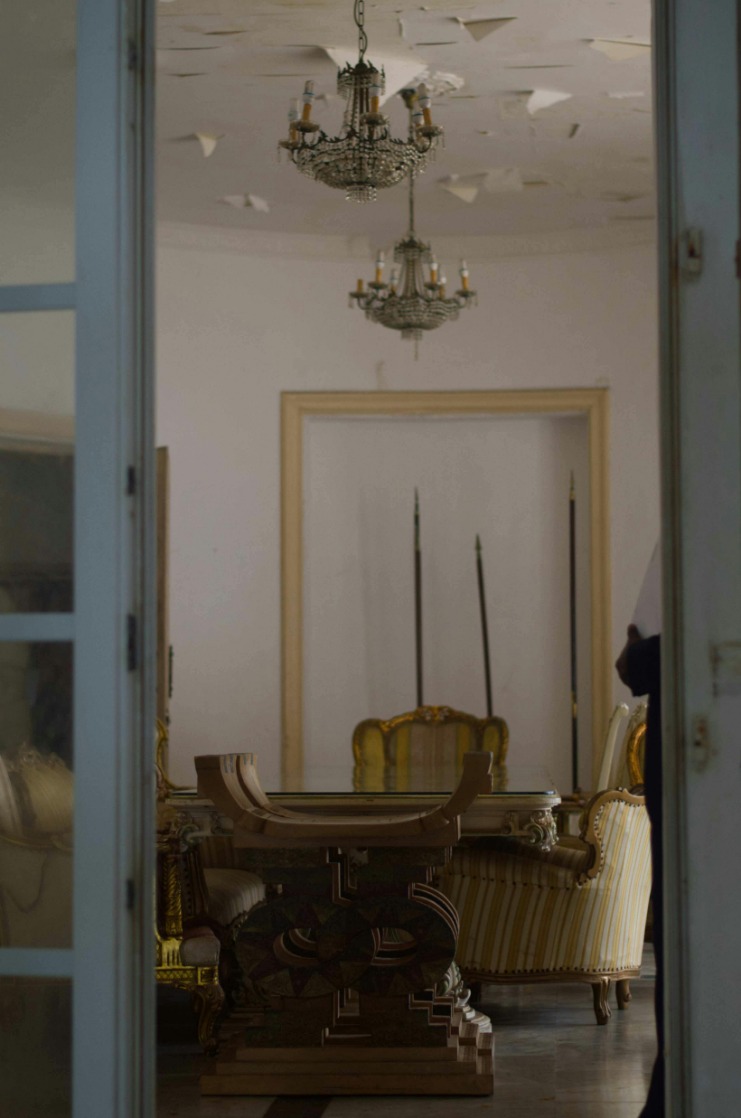
Living conditions and interiors in Ghana often reflect a blend of traditional and modern influences, creating warm and inviting spaces that showcase the country’s rich cultural heritage. Many homes incorporate locally sourced materials such as wood, clay, and sisal, which add authenticity and a natural aesthetic to interior design.
Typical interior designs in Ghana feature vibrant colors, intricate patterns, and handcrafted artwork that celebrate the country’s artistic traditions. Furniture is commonly made from dark wood or bamboo, often handcrafted with detailed carvings or woven details, emphasizing craftsmanship and local skills.
Living spaces are usually spacious and arranged to foster family interactions, with communal areas serving as the heart of the home. Decor elements like colorful textiles, beaded items, and traditional masks are used to reflect cultural identity and personal taste. Modern Ghanaian homes may also incorporate contemporary design elements with clean lines and modern appliances, blending tradition with sophistication.
Overall, Ghanaian interiors aim to create a comfortable, vibrant, and culturally expressive environment suitable for family life and social gatherings, highlighting both practicality and aesthetic appeal.
Home Amenities and Utilities
Living conditions and interiors in Ghanaian homes reflect a blend of traditional and modern styles, often characterized by vibrant colors, handcrafted furniture, and locally sourced materials. Many homes feature spacious living rooms that serve as communal spaces for family gatherings and social interactions, emphasizing comfort and functionality. The interiors are frequently decorated with culturally significant artifacts, textiles, and artwork, creating a warm and inviting atmosphere.
Home amenities and utilities in Ghana are designed to provide convenience and meet daily needs. Basic utilities such as electricity, clean water supply, and reliable waste management are generally accessible in urban areas, although rural regions may face occasional challenges. Modern homes increasingly incorporate appliances like refrigerators, stoves, and air conditioning units, ensuring comfort in everyday life. Additionally, many homes have security features such as alarms and gated entrances to enhance safety for residents.
Cost of Living and Housing Affordability
Living conditions and interiors in Ghana vary widely depending on the region and urban or rural setting. In major cities like Accra and Kumasi, modern apartments and houses often feature contemporary interiors with amenities such as reliable electricity, running water, and internet access. Traditional homes, especially in rural areas, tend to have simpler interiors constructed with locally available materials, reflecting Ghanaian cultural aesthetics. The cost of living in Ghana is generally lower compared to Western countries, but it can vary significantly in urban centers. Essentials like food, transportation, and utilities are affordable, making it accessible for many residents. However, imported goods and certain services can be more expensive. Housing affordability remains a key concern for many Ghanaians, particularly for those seeking to own or rent in popular urban neighborhoods. While rental costs are relatively moderate, purchasing property in prime areas can be costly, though there are also affordable housing options available to suit different income levels. Overall, Ghana offers a diverse range of living conditions that cater to both local communities and expatriates seeking comfortable and culturally rich homes.
Challenges Facing Ghanaian Homes
Ghanaian homes face numerous challenges that affect the well-being and daily lives of residents. From inadequate infrastructure and unreliable electricity supply to rising housing costs, these issues hinder the development of comfortable and sustainable living environments. Additionally, social and economic factors, such as unemployment and urbanization, contribute to the complexities of maintaining and improving homes across the country.
Housing Shortages and Overcrowding
Ghanaian homes are currently facing significant challenges related to housing shortages and overcrowding, which impact the quality of life for many residents. Rapid population growth driven by urbanization has increased the demand for affordable and adequate housing, often outpacing the development of new structures. This imbalance leads to overcrowded living conditions, especially in major cities like Accra and Kumasi, where many families are forced to share limited space. Additionally, the high cost of construction materials and land scarcity further hinder the expansion of housing options. These issues contribute to poor living standards, health hazards, and social unrest, emphasizing the urgent need for sustainable housing solutions in Ghana. Addressing these challenges requires coordinated efforts from government, private sector, and communities to develop affordable, durable, and well-planned housing infrastructures across the country.
Infrastructure and Utility Issues
Ghanaian homes face several significant challenges related to infrastructure and utility services that impact residents’ quality of life. One of the primary issues is unreliable power supply, which often results in frequent blackouts and hampers daily activities. Additionally, inconsistent water supply and sanitation facilities pose health risks and inconvenience to households. The state of roads and transportation infrastructure also remains a concern, making commuting difficult and affecting access to essential services. Furthermore, the high cost of utility bills combined with inadequate infrastructure limits the ability of many families to afford basic utilities, thereby affecting overall living standards. Addressing these challenges is crucial for improving living conditions and fostering sustainable development within Ghanaian communities.
Maintenance and Renovation Challenges
Ghanaian homes face several challenges related to maintenance and renovation that can impact their longevity and comfort. One major issue is the inadequate knowledge and skills among homeowners regarding proper maintenance practices, leading to neglect and deterioration of structures over time. Additionally, limited access to affordable quality building materials and skilled labor makes renovation efforts more difficult and costly. Environmental factors such as high humidity, rainfall, and termite infestations contribute to quicker wear and tear of properties, requiring ongoing repairs. Economic constraints also play a significant role, as many homeowners prioritize immediate needs over regular upkeep, resulting in deferred maintenance. Furthermore, outdated infrastructure and lack of modern amenities pose challenges in upgrading homes to meet current standards. Overall, addressing these issues requires improved awareness, better access to resources, and policy initiatives aimed at supporting sustainable home maintenance in Ghana.
Future of Housing in Ghana
The future of housing in Ghana holds great promise as the country experiences rapid economic growth and urbanization. Innovations in construction, government initiatives, and increasing investment are shaping a more sustainable and affordable housing sector. Ghana is moving towards modernizing its housing landscape to ensure that more citizens can access quality homes and improve their overall standard of living.
Innovations in Construction Technology
The future of housing in Ghana is poised for transformative change driven by innovations in construction technology. As urbanization accelerates and demand for affordable, durable, and sustainable housing increases, new approaches are emerging to address these needs effectively.
Innovative construction technologies such as 3D printing, modular building systems, and prefabricated materials are revolutionizing the way homes are built in Ghana. These methods reduce construction time, lower costs, and improve building quality, making housing more accessible to a broader segment of the population.
Moreover, the adoption of smart home solutions and energy-efficient systems is enhancing the quality of life for residents while promoting sustainable development. Local manufacturing of construction materials and the integration of eco-friendly technologies are also contributing to more resilient and environmentally conscious housing solutions.
Overall, Ghana’s housing sector is set to benefit from these technological advancements, enabling the country to achieve its goal of providing affordable, innovative, and sustainable homes for all its citizens.
Government Policies for Housing Improvement
The future of housing in Ghana is poised for significant transformation driven by government policies aimed at improving access to affordable and sustainable homes. As urbanization accelerates, the Ghanaian government has introduced initiatives that promote low-cost housing projects and public-private partnerships to address the housing deficit. Policies such as the National Housing Act and the Ghana Affordable Housing Project focus on creating more inclusive housing environments, incorporating modern building techniques, and ensuring environmental sustainability. Additionally, efforts to streamline land acquisition processes and provide financial incentives for developers are expected to boost construction activities. With a focus on innovation and community engagement, Ghana aims to enhance living standards and ensure that more citizens have access to decent and affordable homes in the coming years.
Emerging Trends in Residential Living
The future of housing in Ghana is poised for significant transformation, driven by emerging trends in residential living. As urbanization accelerates, there is a growing demand for sustainable and affordable housing solutions that cater to the needs of a rapidly expanding population. Innovative construction technologies, such as modular and prefabricated buildings, are becoming more prevalent, enabling faster and cost-effective development of homes. Additionally, smart home technologies are beginning to play a vital role, offering enhanced security, energy efficiency, and convenience for residents. The rise of eco-friendly and green buildings reflects a shift towards environmentally conscious living, with solar energy and rainwater harvesting becoming common features in new developments. Mixed-use developments, which combine residential, commercial, and recreational spaces, are also gaining popularity to promote community living and reduce urban sprawl. Overall, Ghana’s housing landscape is trending towards more modern, sustainable, and integrated living environments that aim to improve quality of life for its citizens.


0 Comments