
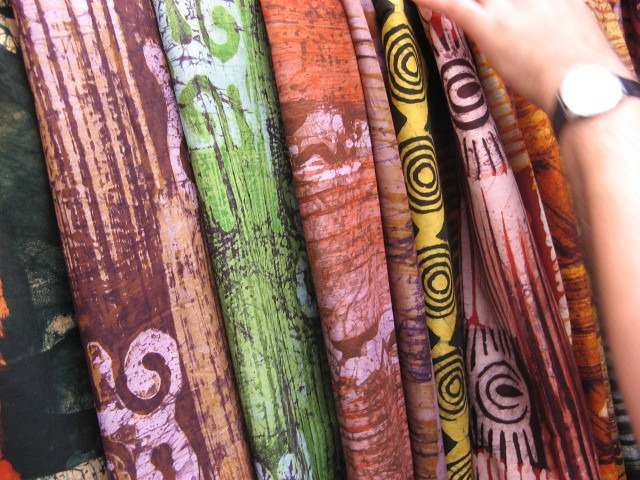
Overview of Makola Market
Makola Market in Ghana is a bustling commercial hub located in the heart of Accra. Renowned for its vibrant atmosphere and diverse array of products, it serves as a vital center for trade and commerce in the region. Visitors and local shoppers alike come to experience its lively stalls, vibrant colors, and the rich cultural heritage reflected in its offerings. The market’s dynamic environment makes it a must-visit destination for those seeking a true taste of Ghanaian life and commerce.
Location and Accessibility
Makola Market is one of the most vibrant and bustling markets in Ghana, renowned for its wide variety of goods and lively atmosphere. It serves as a central hub for shopping, trade, and social interaction among locals and visitors alike.
- Location: Makola Market is situated in the heart of Accra, the capital city of Ghana, making it easily accessible for residents and tourists.
- Accessibility: The market is well-connected by public transportation, including tro-tros and taxis, which makes reaching it convenient from different parts of the city. Its central location ensures that it remains a popular destination for wholesale and retail shopping.
- Facilities: The market features numerous entrances, wide walkways, and diverse vendors, facilitating easy movement and access to various goods such as textiles, garments, foodstuffs, and household items.
- Proximity: Being close to other essential city amenities and commercial areas, Makola Market is easily reachable for individuals exploring Accra’s commercial district.
Historical Significance
Makola Market in Ghana is a vibrant and bustling marketplace located in the heart of Accra, renowned for its diverse range of goods and lively atmosphere. It serves as a central hub for trading and commerce within the city, attracting both local residents and visitors alike.
Historically, Makola Market holds significant cultural and economic importance in Ghana. Established in the early 20th century, it has grown from a small trading post into one of the largest markets in West Africa, reflecting the rich trading traditions of the region. The market has played a crucial role in the development of Accra as a commercial center and remains a symbol of Ghanaian entrepreneurship and resilience. Its historical significance is also marked by its role in facilitating the exchange of goods, ideas, and cultural expressions among diverse communities in Ghana.
Market Layout and Structure
Makola Market is one of the most vibrant and bustling markets in Accra, Ghana, renowned for its diverse array of goods and lively atmosphere. It serves as a central trading hub for both locals and traders from various regions, offering everything from textiles and clothing to foodstuffs and household items. The market’s energetic environment makes it a focal point of commercial activity in the city.
The layout of Makola Market is organized into numerous interconnected sections, each specialized for different types of goods. These sections include stalls dedicated to fabrics, jewelry, footwear, and fresh produce, all arranged in a somewhat labyrinthine configuration that facilitates easy access to various commodities. The market is structured with narrow walkways and open spaces that accommodate the high volume of shoppers and traders, creating a dynamic and bustling shopping experience.
Structurally, Makola Market is characterized by a mix of traditional and modern architectural elements. Some areas feature traditional open stalls covered by tin roofs or makeshift shelters, while other sections are more permanent, with concrete structures and well-defined pathways. The market’s design allows for efficient movement while maintaining a lively, informal ambiance that reflects Ghanaian market culture. Overall, Makola Market’s layout and structure are tailored to support extensive trade activities and serve as a vital economic center in Accra.
Products and Goods Offered
Ghana Makola Market is renowned for its diverse range of products and goods that cater to the needs of locals and visitors alike. Here, vendors offer an extensive selection of fresh produce, vibrant textiles, handcrafted jewelry, and household items. The market’s lively atmosphere and variety make it a shopping destination that offers something for everyone, reflecting the rich culture and bustling commerce of Accra.
Clothing and Textiles
Ghana Makola Market is renowned for its vibrant range of products and goods, especially in the clothing and textiles sector. Visitors can find an extensive selection of traditional Ghanaian fabrics such as kente, batik, and adinkra, alongside modern dress materials suitable for all occasions. The market also offers an array of ready-made clothing, including African print dresses, skirts, shirts, and accessories. In addition to textiles and apparel, Makola Market features various goods like shoes, handbags, jewelry, and craft items, making it a bustling hub for both locals and tourists seeking authentic Ghanaian products.
Fresh Produce and Food Items
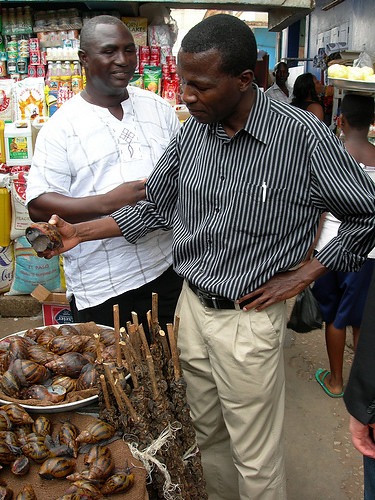
Ghana Makola Market is renowned for its wide variety of products and goods offered to both locals and visitors. Visitors can find an extensive selection of fresh produce, including colorful fruits such as mangoes, pineapples, and bananas, as well as a variety of fresh vegetables like tomatoes, peppers, and leafy greens. Additionally, the market offers a range of food items encompassing local staples like yams, plantains, and cassava, alongside dried fishes, spices, and traditional Ghanaian delicacies. The vibrant stalls and bustling atmosphere make Makola Market a vital hub for accessing quality fresh produce and authentic food items.
Electronics and Mobile Accessories
Ghana Makola Market is renowned for its diverse range of products and goods, making it a shopping hub for both locals and tourists. The market offers a wide selection of electronics and mobile accessories to meet the increasing demand for technology and connectivity. Visitors can find mobile phones, smartphones, and their respective accessories such as chargers, earphones, and protective cases. Additionally, the market features a variety of electronic gadgets, home appliances, and computer peripherals. The vibrant atmosphere and extensive product range make Ghana Makola Market a perfect destination for those seeking affordable and quality electronics and mobile accessories.
Jewelry and Traditional Crafts
The Ghana Makola Market is renowned for its vibrant array of products and goods, offering a rich tapestry of local culture and craftsmanship. Visitors can find a diverse selection of jewelry, ranging from intricately designed gold and silver pieces to colorful beadwork that reflects Ghanaian traditions. The market is also famous for its traditional crafts, including beautifully woven kente cloth, handcrafted wood carvings, pottery, and embroidered textiles. These items showcase the skill and artistry of local artisans, making Makola Market a vital hub for authentic Ghanaian products and a must-visit destination for those seeking unique souvenirs and cultural artifacts.
Market Vendors and Traders
Market vendors and traders play a vital role in the vibrant economy of Ghana, particularly within bustling markets like Makola Market in Accra. These hardworking individuals are the backbone of local commerce, offering a diverse array of goods ranging from fresh produce to clothing and household items. Their dedication and entrepreneurial spirit help sustain livelihoods and reflect the rich cultural heritage of Ghanaian trade practices.
Types of Vendors
Ghana Makola Market is a bustling hub of commerce where various vendors and traders come together to sell a wide range of goods. The market is known for its vibrant atmosphere and diverse seller community, contributing significantly to the local economy.
Market vendors and traders in Makola Market can be broadly categorized into different types based on the goods they sell and their trading methods. These include wholesale vendors who supply large quantities of products to smaller merchants, and retail vendors who sell everyday items directly to consumers.
Types of vendors in Makola Market include food vendors selling fresh produce, spices, and local delicacies; textile vendors offering fabrics, clothing, and traditional garments; and household item vendors selling kitchenware, utensils, and other household essentials. There are also jewelry and accessory vendors, as well as vendors dealing in electronic gadgets and mobile devices.
Each vendor type plays a vital role in the market’s ecosystem, providing variety and accessibility for shoppers. Many traders are long-standing members of the community, fostering a rich cultural exchange through their goods and interactions. The market’s diversity of vendors reflects Ghana’s vibrant trading culture and the entrepreneurial spirit of its people.
Vendor Demographics
Ghana Makola Market is renowned for its vibrant atmosphere filled with a diverse range of vendors and traders. The market attracts a wide demographic of vendors, including small-scale traders, artisans, and family-run businesses, all contributing to its lively environment. Vendor demographics reflect a mix of age groups, with both young entrepreneurs and experienced traders working side by side. Many vendors specialize in textiles, clothing, foodstuffs, and household goods, showcasing the market’s broad commercial scope. The market’s vendors often come from various regions within Ghana, bringing a rich cultural diversity that enhances the overall shopping experience. Despite economic challenges, the vendors remain resilient, establishing long-standing relationships with local customers and constantly adapting to market trends. Overall, the vendor demographics at Makola Market highlight its significance as a bustling hub of commerce and cultural exchange in Ghana.
Vendor Associations and Cooperatives
Ghana Makola Market is a bustling hub of commercial activity, where numerous vendors and traders gather to sell a wide variety of goods, ranging from fabrics and clothing to fresh produce and household items. These market participants play a vital role in the local economy, offering accessible goods to the community and providing livelihoods for many families.
Vendor associations and cooperatives are essential in organizing traders within Makola Market. These groups help improve market conditions, facilitate collective bargaining, and promote fair trading practices. They also serve as platforms for members to voice concerns, share resources, and access training on best practices in sales and hygiene standards, thereby boosting overall market efficiency and trader welfare.
Shopping Experience at Makola Market
Makola Market in Ghana offers a vibrant and bustling shopping experience that immerses visitors in the rich culture and lively atmosphere of Accra. It’s a place where shoppers can explore a wide variety of goods, from colorful textiles and traditional crafts to fresh produce and household essentials. The energetic environment and friendly vendors make every visit to Makola Market a memorable adventure into Ghanaian commerce and community life.
Customer Interaction and Negotiation
Shopping at Makola Market in Ghana offers a vibrant and dynamic experience, characterized by lively interactions and engaging negotiations. Visitors are immersed in a bustling environment where vendors passionately showcase their goods, creating an energetic atmosphere that reflects the rich culture of Ghana.
- Customers often engage in friendly conversations with vendors, asking about the quality and price of various products.
- Negotiation is an integral part of the shopping experience, with buyers and sellers haggling over prices to reach mutually beneficial agreements.
- Many vendors expect bargaining, so shoppers often start with a lower offer, confident they can settle on a fair price.
- Interactions tend to be warm and personal, allowing shoppers to learn more about the products and even about Ghanaian culture.
- Building rapport with vendors can lead to better deals and a more satisfying shopping experience.
Pricing Strategies
Shopping at Makola Market in Ghana offers a vibrant and bustling experience, where customers can find a wide variety of goods ranging from textiles to foodstuffs. The lively atmosphere, colorful stalls, and friendly vendors make it a unique shopping destination. Visitors often enjoy the dynamic environment, but it also requires careful observation of pricing to ensure good deals are secured.
Pricing strategies at Makola Market are predominantly based on negotiation and bargaining. Vendors often set initial prices higher to leave room for bargaining, allowing shoppers to negotiate for better deals. This method encourages interaction and ensures both parties feel satisfied with the transaction. Additionally, some vendors might employ discounts on bulk purchases or offer special prices during peak market days, attracting more buyers and maintaining competitive prices in a crowded marketplace.
- Effective bargaining skills can lead to significant savings for shoppers.
- Prices may vary widely between vendors for similar items.
- Building relationships with vendors can result in better prices over time.
- Seasonal and market-day discounts are common strategies to attract more buyers.
- Understanding the average market prices helps consumers negotiate more confidently.
Safety and Security Measures
Shopping at Makola Market in Ghana offers a vibrant and bustling experience filled with diverse goods and lively interactions. Visitors can enjoy browsing through a wide array of fabrics, spices, jewelry, and local crafts, making it a unique cultural shopping destination. The market’s lively atmosphere provides an authentic Ghanaian experience, perfect for both tourists and locals alike.
Safety and security measures at Makola Market are crucial for ensuring a pleasant shopping environment. Market authorities and local security personnel work together to monitor the area, manage crowd control, and prevent theft. Visitors are advised to stay vigilant, keep their valuables secure, and avoid displaying large sums of money. Emergency services and security stations are strategically placed within the market to assist shoppers in case of any concerns, contributing to a safer shopping experience for everyone.
Economic Impact of Makola Market
Makola Market in Accra, Ghana, is a bustling commercial hub that plays a significant role in the nation’s economy. As one of the largest and most vibrant markets in West Africa, it serves as a vital center for trade, commerce, and livelihood for many traders and buyers. The market’s diverse range of goods, from textiles to foodstuffs, contributes substantially to local economic activities and urban development. Its influence extends beyond its immediate neighborhood, impacting Ghana’s overall economic growth and marketplace dynamics.
Contribution to Ghana’s Economy
Makola Market in Ghana is a vital economic hub that significantly contributes to the country’s overall economy. It serves as a major commercial center where thousands of traders and vendors sell a wide variety of goods, including textiles, spices, fashion accessories, and household items. The bustling activity at Makola Market generates substantial income for local entrepreneurs and creates numerous employment opportunities, which in turn supports the livelihoods of many Ghanaian families. Additionally, the market attracts both local and international visitors, boosting tourism and related businesses such as transportation, hospitality, and food services. The vibrant trading environment fosters economic growth by promoting small and medium-sized enterprises, contributing to poverty alleviation and economic development in the region. Overall, Makola Market plays a crucial role in strengthening Ghana’s economy by serving as a dynamic trading nucleus that sustains livelihoods and stimulates economic activity.
Employment Opportunities
The Makola Market in Ghana significantly contributes to the country’s economy by serving as a major commercial hub. It attracts numerous local and international buyers, boosting trade and commerce in the region. The vibrant marketplace fosters economic activities that generate substantial revenue and support the livelihoods of many vendors and entrepreneurs. Additionally, the market creates numerous employment opportunities for artisans, traders, security personnel, and support services, thus alleviating poverty and promoting economic stability. Overall, Makola Market plays a vital role in driving Ghana’s economic growth and development through its diverse commercial activities and employment generation.
Supply Chain and Market Networks
The Ghana Makola Market is a vital commercial hub that significantly influences the country’s economy through its extensive supply chain and interconnected market networks. As one of the largest and busiest markets in Accra, Makola Market facilitates the exchange of a wide variety of goods, including textiles, foodstuffs, and household items, contributing substantially to local livelihoods and business growth.
The market’s robust supply chain supports numerous small-scale traders and vendors, fostering entrepreneurship and informal employment. This interconnected network ensures the steady flow of goods from producers to consumers, reducing shortages and stabilizing prices within the local economy. Furthermore, Makola Market acts as a central node linking regional and international suppliers, enhancing Ghana’s trade connectivity.
The economic impact extends beyond direct trading activities; the market attracts a high number of visitors and tourists, generating additional revenue for nearby businesses such as transport, hospitality, and services. The vibrant market network also stimulates urban development, leading to infrastructure improvements and increased economic opportunities in surrounding areas. Overall, Makola Market plays an essential role in Ghana’s economic landscape by fostering trade, creating jobs, and supporting local economic resilience.
Challenges Faced by Makola Market
Makola Market in Ghana is a bustling hub of commerce renowned for its vibrant atmosphere and diverse merchandise. However, it faces several challenges that hinder its smooth operation and growth. Issues such as overcrowding, inadequate sanitation, and limited infrastructure pose significant hurdles for vendors and shoppers alike. Addressing these challenges is essential to preserve the market’s economic importance and ensure a better experience for all stakeholders involved.
Urban Congestion and Overcrowding
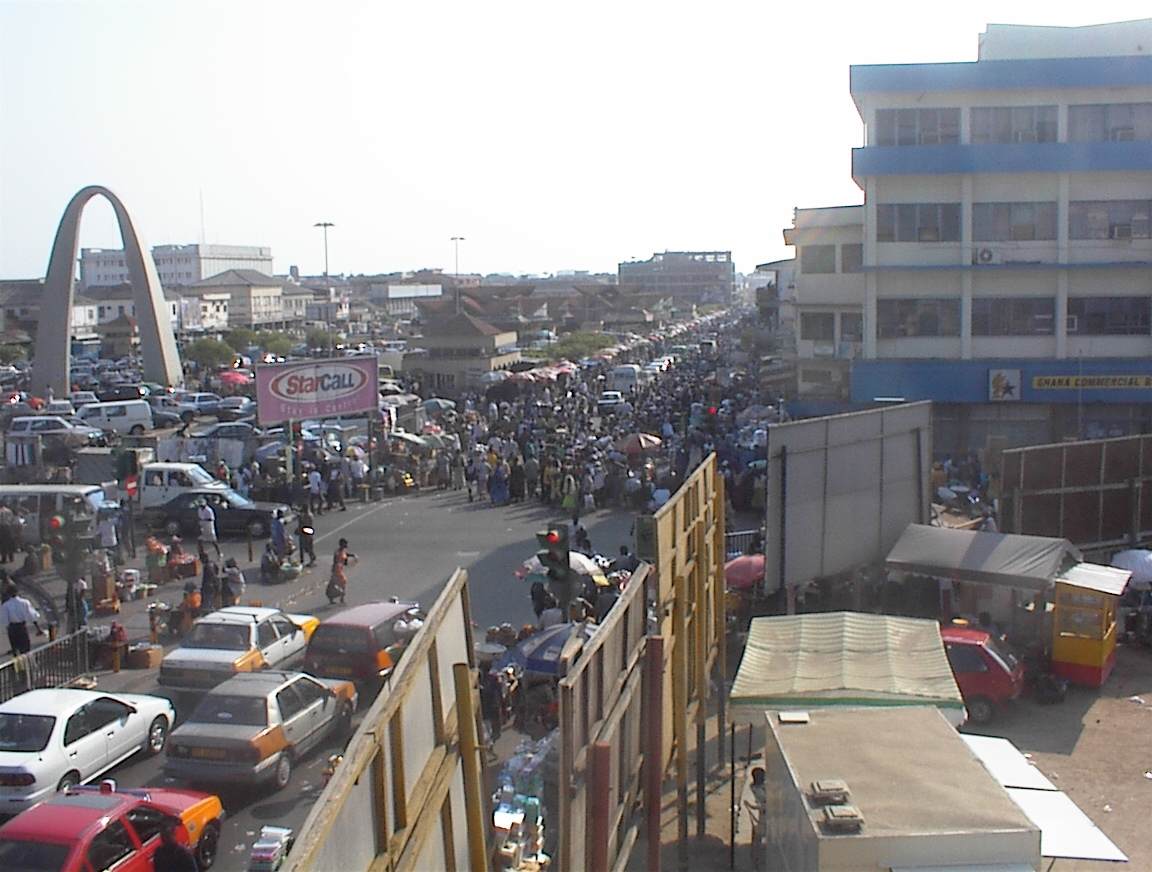
Makola Market in Ghana, a bustling hub of commerce and trade, faces significant challenges related to urban congestion and overcrowding. The high influx of traders and shoppers daily leads to overcrowded streets and narrow pathways that hinder smooth movement and pose safety risks. This congestion often results in difficulty for vendors to display their goods effectively and for customers to navigate comfortably, impacting overall sales and shopping experience. Additionally, the dense crowding contributes to congestion-related issues such as garbage accumulation, sanitation problems, and increased risk of accidents and theft. Urban congestion also puts pressure on existing infrastructure, making it difficult for authorities to maintain order and ensure safety. Addressing these challenges requires urban planning and infrastructure development to improve accessibility, sanitation, and crowd management at Makola Market.
Sanitation and Waste Management
Makola Market in Ghana is a bustling commercial hub, but it faces significant challenges related to sanitation and waste management that hinder its operations and affect public health.
- Inadequate Waste Disposal Systems: The market often struggles with insufficient waste collection infrastructure, leading to the accumulation of refuse around vending areas.
- Overcrowding: The high density of vendors and shoppers generates large amounts of waste daily, making proper disposal difficult.
- Lack of Sanitation Facilities: Limited access to clean public toilets and handwashing stations contributes to unsanitary conditions and promotes the spread of diseases.
- Illegal Waste Dumping: Some vendors and visitors resort to illegal dumping of waste outside designated areas, complicating cleanup efforts.
- Poor Waste Segregation: Lack of awareness and infrastructure for separating recyclable waste from general refuse results in ineffective waste management.
- Insufficient Government Intervention: Limited enforcement of sanitation regulations and funding hampers efforts to manage waste effectively in the market.
- Environmental Pollution: Accumulated waste and poor sanitation practices contribute to pollution, affecting the surrounding environment and community health.
Regulatory and Licensing Issues
Makola Market in Ghana faces several challenges related to regulatory and licensing issues that hinder its smooth operation. Many vendors operate without proper permits, leading to difficulties in surveillance and enforcement of trade regulations. The complex licensing process often discourages small-scale traders from obtaining official documentation, which can result in illegal trading activities. Additionally, inconsistent enforcement of regulations creates an uneven playing field among traders, impacting fair competition. Bureaucratic delays and corruption further complicate obtaining necessary licenses, causing frustration and economic difficulties for vendors. Addressing these regulatory challenges is essential to ensure the market’s efficiency, safety, and orderly development, benefiting both traders and consumers.
Development and Future Plans
The Ghana Makola Market is a vibrant hub of commerce and culture in Accra, showcasing a rich blend of traditional crafts, textiles, and everyday essentials. As one of the city’s oldest and most bustling marketplaces, it plays a vital role in the local economy and community life. Looking ahead, there are promising development initiatives aimed at modernizing infrastructure, improving efficiency, and preserving the cultural heritage that makes Makola Market unique. These future plans aim to enhance the shopping experience for both vendors and visitors while maintaining the market’s authentic charm.
Market Expansion and Infrastructure Improvements
The Ghana Makola Market is committed to continuous development and strategic expansion to serve its vendors and customers better. Future plans include modernizing market facilities, implementing sustainable practices, and introducing technology to streamline operations. Market expansion efforts aim to incorporate additional stalls and new sections to accommodate growing demand and diverse product offerings.
In terms of infrastructure improvements, Makola Market is focused on upgrading drainage systems, improving walkways, and enhancing security measures to ensure a safer and more comfortable shopping environment. These initiatives are designed to boost the market’s capacity, promote economic growth, and reinforce Ghana’s position as a vibrant commercial hub for local and international trade.
Digitalization and Modernization Efforts
The Ghana Makola Market is committed to continuous development and modernization efforts to enhance the shopping experience for both vendors and customers. These initiatives aim to preserve the market’s rich cultural heritage while integrating modern technology to improve efficiency and safety.
- Implementation of digital payment systems to facilitate cashless transactions and improve security.
- Launch of a comprehensive online platform to provide market information, vendor directories, and promotional activities.
- Upgrading infrastructure with better drainage, lighting, and waste management systems to meet modern standards.
- Introduction of digital surveillance to enhance security within the market premises.
- Development of training programs for vendors to adopt new technologies and improve business practices.
Looking ahead, the market plans to expand its e-commerce capabilities and establish partnerships with fintech companies to further modernize its operations. Emphasizing sustainability, future projects include the adoption of green technologies and eco-friendly waste disposal methods, ensuring that Ghana Makola Market remains a vibrant and contemporary trading hub for years to come.
Sustainable Market Practices
The Ghana Makola Market has been a vital commercial hub for decades, serving as a center for diverse trade and cultural exchange. Moving forward, the market aims to embrace modern development strategies to improve infrastructure, safety, and efficiency for both vendors and shoppers. Future plans include the modernization of market facilities, implementation of digital payment systems, and the expansion of space to accommodate growing demand. Emphasizing sustainable market practices is also a key focus, with initiatives to promote eco-friendly packaging, waste reduction, and the use of renewable energy sources. These efforts will help preserve the market’s vibrant atmosphere while ensuring environmental responsibility and long-term economic growth for the community.



0 Comments