
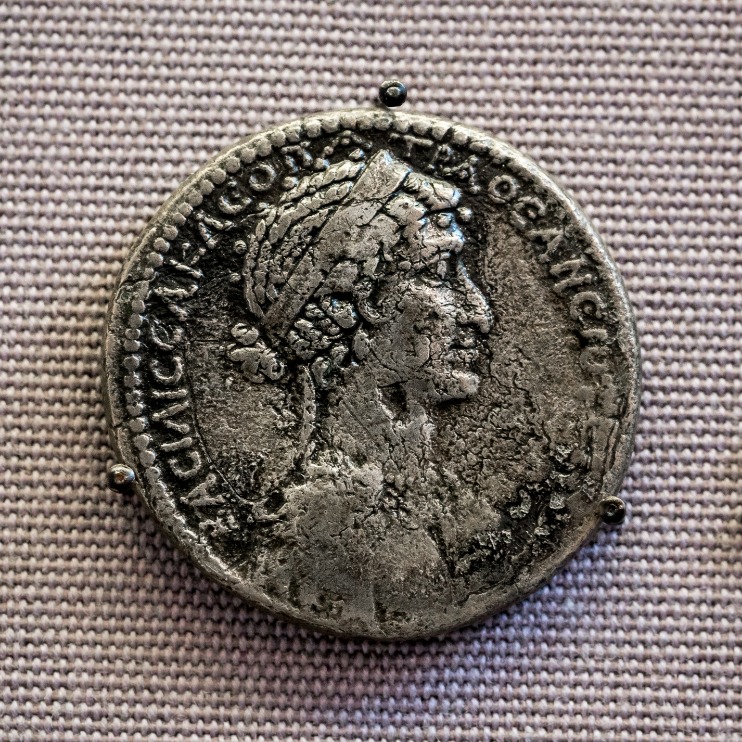
Historical Overview of Egyptian Queens
The history of Egyptian queens is a fascinating journey through ancient civilization, highlighting their powerful roles in politics, religion, and culture. These queens often held significant influence, sometimes ruling as pharaohs or acting as regents, leaving behind lasting legacies. Their stories reveal a complex blend of reverence, authority, and devotion that defined their leadership in one of the world’s oldest civilizations.
Role and Significance in Ancient Egypt
Egyptian queens held a prominent position in ancient Egyptian society, serving both as political leaders and religious figures. Throughout history, their roles evolved from consorts and caretakers of the throne to powerful rulers in their own right, especially in times of regency or if they ascended to the throne as pharaohs. Queens such as Hatshepsut, Nefertiti, and Cleopatra VII exemplify the influence and authority women could wield, shaping the political landscape and cultural achievements of Egypt.
In ancient Egypt, queens were often depicted as divine or semi-divine beings, closely associated with gods, particularly the goddess Hathor. They played essential roles in religious rituals, temple construction, and the promotion of fertility and unity within the kingdom. Their tombs, statues, and inscriptions reveal their importance in reinforcing the legitimacy of the reigning dynasty and ensuring divine favor.
The significance of Egyptian queens extended beyond their spiritual duties; they were also vital diplomatic figures, forging alliances through marriage and fostering stability within the realm. Their contributions to art, architecture, and governance reflect their status as influential figures whose legacy continues to inspire modern understanding of ancient Egyptian culture and history.
Evolution of Queenly Power Through Different Dynasties
The history of Egyptian queens reflects a fascinating evolution of female power and influence within the ancient Egyptian political and religious spheres. Throughout different dynasties, queens held varying degrees of authority, ranging from providing vital support to pharaohs to ruling independently during certain periods. In the early Dynastic period, queens often played prominent roles as consorts and regent mothers, leveraging their familial connections to consolidate power. During the Old Kingdom, queens like Queen Hatshepsut began to emerge as powerful rulers in their own right, often demonstrating the ability to wield authority through divine legitimacy and political acumen. The Middle Kingdom saw an increase in the independence of queens, with some reigning as pharaohs, most famously Hatshepsut, who established a significant legacy through extensive building projects and diplomatic achievements. The New Kingdom marked the peak of queenly power, with figures like Nefertiti and Queen Tiye influencing both religious and political spheres, sometimes surpassing their royal husbands. Over time, the role and perception of queens evolved from supportive consorts to formidable monarchs, illustrating a dynamic history of female leadership that significantly shaped Egypt’s political landscape across its vast dynastic history.
Key Queens and Their Contributions
Egyptian queens played a vital role in the history and culture of ancient Egypt, often holding significant political, religious, and social influence. Their power and contributions are reflected through their reigns and monumental constructions, which highlight their importance alongside Pharaohs. These queens not only governed but also contributed to religious practices, diplomacy, and the arts, leaving a lasting legacy.
Among the most prominent ancient Egyptian queens are Hatshepsut, who is known for her prosperous reign and extensive building projects, including her famous mortuary temple at Deir el-Bahri. She was one of the few women to assume the title of Pharaoh and rule effectively for over two decades, promoting trade and stability. Another key queen, Nefertiti, was renowned for her beauty and her role as a religious figure alongside her husband Akhenaten, during his revolutionary worship of Aten. Her influence extended into religious reforms and political affairs.
Cleopatra VII is perhaps the most famous Egyptian queen globally, known for her intellect, political acumen, and relationships with Roman leaders Julius Caesar and Mark Antony. Her efforts to restore Egypt’s independence and her strategic leadership marked her as a significant figure in both Egyptian and world history. Queens like Tiye, wife of Pharaoh Amenhotep III, also played critical roles in diplomacy and court politics, contributing to a period of stability and cultural flourish in the 18th Dynasty.
Overall, Egyptian queens contributed to shaping the legacy of Egypt’s ancient civilization, influencing art, religion, and politics, and their contributions continue to inspire fascination and scholarly study today.
Prominent Egyptian Queens
Egyptian queens played a vital role in the history and culture of ancient Egypt, often embodying divine authority and influence. These powerful women not only served as royal consorts but also sometimes ruled as pharaohs, leaving enduring legacies through their leadership and monumental constructions. Their stories offer a fascinating glimpse into the complex and regal world of ancient Egyptian civilization.
Queen Hatshepsut
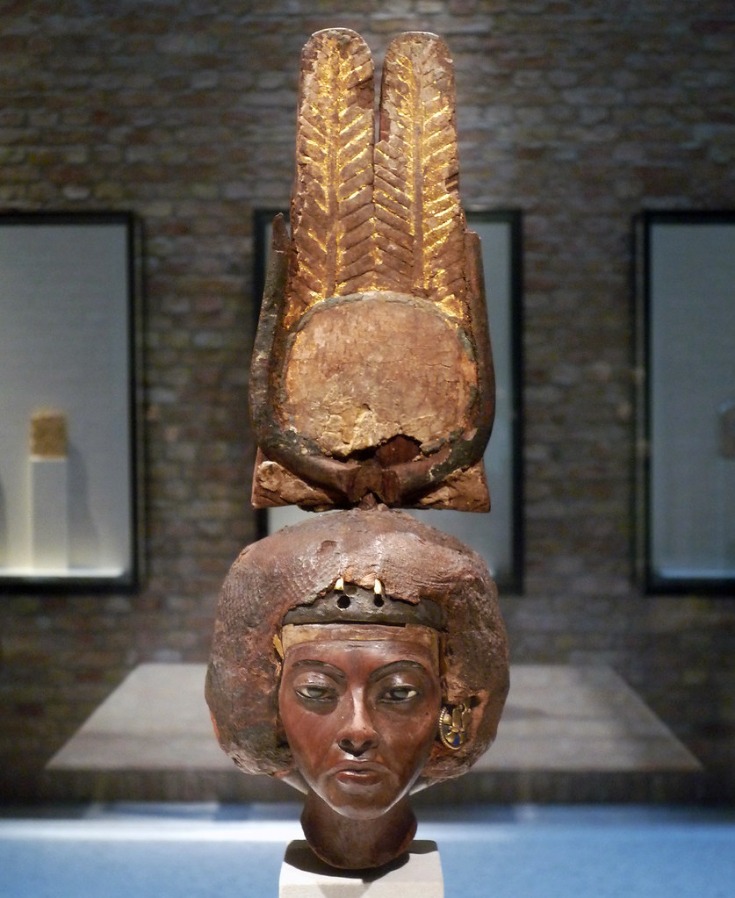
Queen Hatshepsut is one of the most prominent Egyptian queens, renowned for her remarkable leadership and extensive building projects during the 18th Dynasty. She reigned as a pharaoh, adopting traditional regal titles and symbols, which was uncommon for women in ancient Egypt. Her reign marked a period of prosperity, and she is credited with establishing trade routes and commissioning elaborate temples, including her famous mortuary temple at Deir el-Bahari. Hatshepsut’s legacy is celebrated for her clever political strategies and for maintaining stability in Egypt, leaving a lasting impact on Egyptian history as one of the few female rulers to ascend to such high power. Her impressive monuments and inscriptions continue to fascinate historians and archaeologists today, highlighting her significance as a legendary Egyptian queen.
Queen Nefertiti
Egyptian queens played a significant role in the history and culture of ancient Egypt, often wielding considerable power and influence alongside their kings. Among the most prominent is Queen Nefertiti, renowned for her beauty and her important religious and political contributions during the 18th Dynasty. Nefertiti was the wife of Pharaoh Akhenaten, who is famous for revolutionary religious reforms that concentrated worship on the sun disk, Aten. She held a position of high authority, sometimes depicted as a co-regent or even ruling briefly after Akhenaten’s death. Her iconic bust, discovered in Amarna, highlights her striking features and symbolizes her lasting legacy as one of Egypt’s most celebrated queens. Nefertiti’s influence extended beyond her time, and her story reflects the complex dynamics of power, religion, and art in ancient Egyptian civilization.
Queen Cleopatra VII
Queen Cleopatra VII is one of the most renowned and influential Egyptian queens in history. She reigned during the Ptolemaic period and is celebrated for her intelligence, political acumen, and her relationships with Julius Caesar and Mark Antony. Cleopatra’s leadership marked a significant era in Egypt’s history, marked by efforts to preserve independence amidst the expanding power of Rome.
Her reign was characterized by diplomatic alliances, cultural patronage, and her attempt to restore Egypt’s former glory. Cleopatra was known for her beauty as well as her sharp wit and commanding presence, which helped her navigate the complex politics of her time. Her story continues to captivate the world, symbolizing the strength and resilience of Egyptian women and leadership.
Other Notable Queens: Ahhotep, Twosret, and Meritaten
Egyptian queens played vital roles in the history and governance of ancient Egypt, often wielding significant influence in political and religious affairs. Among the most prominent queens are Hatshepsut, known for her prosperous reign and extensive building projects; Nefertiti, famous for her beauty and her role alongside Akhenaten in promoting monotheism; and Cleopatra VII, the last active ruler of the Ptolemaic Kingdom, renowned for her political acumen and relationships with Rome.
Other notable queens in Egyptian history include Ahhotep, an influential queen and regent who helped secure Egypt’s independence from foreign invaders during the Second Intermediate Period. Twosret was a powerful queen and later a pharaoh during the Late Middle Kingdom, known for her leadership and stability. Meritaten, the daughter of Akhenaten and Nefertiti, served as a royal wife and held significant authority during her husband’s reign, including being involved in religious and political affairs, symbolizing the prominent role women could attain in Egyptian royal succession.
Roles and Responsibilities of Egyptian Queens
Egyptian queens held significant roles beyond their status as consorts, often wielding substantial influence in religious, political, and cultural affairs. Their responsibilities included managing state affairs, participating in religious rituals, and supporting the pharaoh’s divine authority. Queens also contributed to the prosperity and stability of Egypt through their involvement in building projects and charitable activities, shaping the legacy of their reigns for future generations.
Political Influence and Diplomatic Powers
Egyptian queens historically played significant roles beyond their traditional titles, often influencing political decisions and serving as symbols of divine authority. They were responsible for overseeing religious ceremonies, managing royal estates, and supporting the king’s policies, thereby shaping the political landscape of ancient Egypt. Many queens, such as Nefertiti and Hatshepsut, assumed prominent leadership roles and even ruled as pharaohs, asserting their authority through diplomatic and political means.
In terms of diplomatic powers, Egyptian queens often acted as emissaries and ambassadors, fostering alliances through marriage or negotiations with foreign nations. They held considerable sway in diplomatic affairs, representing Egypt in treaties and diplomatic correspondence. Their involvement in foreign diplomacy reinforced the stability and prosperity of Egypt during various dynasties and allowed them to exercise influence on both domestic and international stages.
Religious Duties and Temples
Egyptian queens held significant roles that extended beyond their status as royal consorts, often involving religious, political, and social responsibilities. They served as divine representatives on earth, participating in various religious ceremonies and rituals to ensure the favor of the gods and the prosperity of the kingdom.
In their religious duties, Egyptian queens often took on the role of priestesses, overseeing temple activities and participating in sacred festivals. They were associated with specific gods and goddesses, acting as their earthly intermediaries, and sometimes had their own temples dedicated in their honor. Queens were also responsible for maintaining religious traditions, commissioning rituals, and supporting the priesthood to sustain the spiritual well-being of Egypt.
Temples in ancient Egypt were vital religious centers that functioned as places of worship, economic hubs, and repositories of knowledge. Queens often contributed to temple construction and renovation, symbolizing their devotion and power. They played active roles in religious processions and ceremonies, guiding worshipers and emphasizing the divine nature of the monarchy.
Patronage of Art and Architecture
Egyptian queens held significant roles and responsibilities that extended beyond mere royal titles, often involving religious, political, and cultural influence. They served as divine representatives on earth, participating in religious ceremonies and rituals to maintain Ma’at, the concept of harmony and truth. Queens also played crucial diplomatic roles, forging alliances through marriage and correspondence with neighboring states. Additionally, they often acted as regents or advisors to the pharaoh, contributing to governance and administration. Their influence was reflected in their involvement in the economy and social welfare activities, reinforcing their status within Egyptian society.
One of the notable aspects of Egyptian queens was their patronage of art and architecture, which was vital in promoting the cultural achievements of Egypt. Queens often sponsored the construction of temples, tombs, and monuments dedicated to gods, their family, or themselves, showcasing their power and devotion. This patronage also promoted advancements in sculpture, painting, jewelry, and crafts, resulting in some of the most exquisite artifacts from ancient Egypt. Their contributions helped ensure the preservation of their legacy and reinforced their divine authority, leaving behind a rich cultural heritage that continues to fascinate archaeological and historical scholarship today.
Symbols and Attributes of Authority
Symbols and attributes of authority play a significant role in conveying the power and prestige of Egyptian queens. These symbols often include elaborate headdresses, scepters, and jewelry that emphasize their divine status and royal authority. Through these visual cues, the queens of ancient Egypt demonstrated their commanding position within the society and their connection to the gods, reinforcing their influence and sovereignty.
Royal Regalia and Attire
The symbols and attributes of authority, royal regalia, and attire of an Egyptian queen serve as powerful representations of her divine right to rule and her sovereignty. These symbols often encompassed elaborate jewelry, crowns, and ceremonial dress that conveyed her status and authority within the kingdom. The crown, such as the Pschent double crown, symbolized her unification of Upper and Lower Egypt, while the Crook and Flail were emblematic of her role as a protector and provider. Royal regalia also included scepters and ceremonial staffs that signified her power and leadership. The attire of an Egyptian queen was typically made from fine linen and decorated with gold, beads, and precious stones, reflecting wealth, divine connection, and royal dignity. These symbols and garments not only distinguished her from subjects but also reinforced her position as a divine authority in the traditional Egyptian view of monarchy.
Iconography and Representation in Art
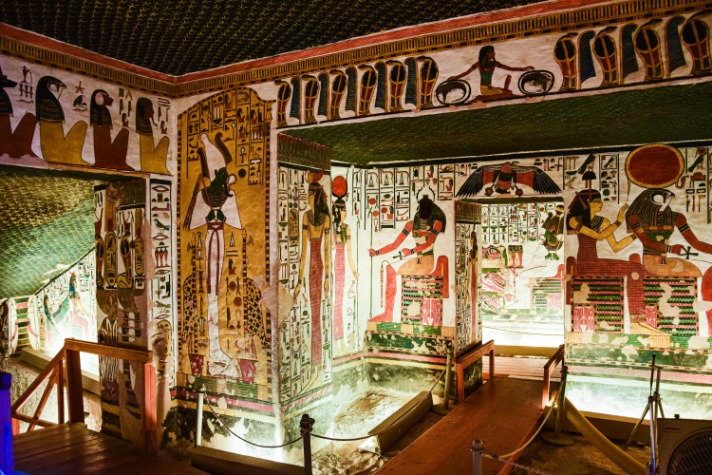
In the depiction of Egyptian queens, symbols and attributes of authority play a crucial role in conveying their power and divine status. Icons such as the false beard, the crook and flail, and headdresses like the nemes or vulture crown emphasize their royal authority and divine connection. Often, queens are shown wearing elaborate jewelry and elaborate clothing that signify their high status. Representation in art frequently includes the ankh, symbolizing life, and the scepter, indicating sovereignty. These symbols not only reinforce their political power but also their religious significance in Egyptian culture.
Tombs and Burial Practices
The symbols and attributes of authority, as well as tombs and burial practices, played a crucial role in showcasing the power and divinity of Egyptian queens. These elements helped to reinforce their status both during their lives and in the afterlife, reflecting their importance within the ancient Egyptian society.
- Crowns and headdresses, such as the Pschent (double crown), symbolized sovereignty over Upper and Lower Egypt.
- Jewelry, including elaborate collars, bracelets, and diadems, indicated wealth and divine favor.
- Scepters and staff objects represented authority and royal power, often associated with gods.
- False beards, traditionally worn by male pharaohs but sometimes associated with queens in iconography, signified divinity.
Egyptian queens were buried in grand tombs that reflected their high status, often comparable to that of kings. Their burial practices included elaborate offerings, funerary goods, and symbolic items meant to ensure their transition to the afterlife. The tombs served as eternal homes, decorated with inscriptions and images emphasizing their divine role and connection to gods.
- Queen Hatshepsut’s mortuary temple exemplifies the grandeur associated with royal burials.
- Valuable items, including jewelry, amulets, and statues, were placed in tombs to protect and empower the queen in the afterlife.
- The use of hieroglyphic inscriptions in tombs highlighted their divine status and historical achievements.
- Burials often included food and drink offerings, symbolizing sustenance for the afterlife journey.
Archaeological Discoveries and Famous Artifacts
Archaeological discoveries and famous artifacts have unraveled the rich history of Egypt’s queens, offering a glimpse into their lives, power, and cultural significance. These remnants of the past continue to captivate historians and travelers alike, shedding light on an era of grandeur and mystique. From royal tombs to intricate jewelry, each artifact tells a story of Egypt’s queens and their influential roles in ancient civilization.
Insights from Tombs of Hatshepsut and Nefertiti
The tombs of Hatshepsut and Nefertiti provide invaluable insights into the grandeur and complexity of ancient Egyptian civilization. Hatshepsut, one of the few powerful female pharaohs, was buried in a monumental mortuary temple that reflects her authority and artistic achievements. The tombs contain elaborate inscriptions and statues that depict her reign and divine status, offering a glimpse into the political structure and religious beliefs of the time. Nefertiti, renowned for her beauty and influence, is associated with exquisite artifacts such as her iconic bust and jewelry found in her tomb. These artifacts reveal the high level of artistry and craftsmanship during the Amarna period, as well as her role in religious reforms alongside Akhenaten. Together, these discoveries highlight the artistic innovation, political significance, and spiritual devotion that characterized Egypt’s golden age, deepening our understanding of the lives of these influential queens and their lasting legacy in history.
The Rosetta Stone and Cleopatra’s Iconography
The history of Egypt’s queens is rich with fascinating archaeological discoveries and iconic artifacts that continue to captivate scholars and the public alike. Among the most significant finds is the Rosetta Stone, a granodiorite stele inscribed with the same text in three scripts: Greek, Demotic, and Egyptian hieroglyphs. Discovered in 1799 by French soldiers near Rashid (Rosetta), this artifact was crucial in deciphering Egyptian hieroglyphs, opening a window into ancient Egyptian language and culture. The translation of the hieroglyphic script enabled historians to better understand the era of Egypt’s pharaohs and queens alike. Another notable aspect of Egyptian royal history is Cleopatra’s iconography, which has been preserved through numerous sculptures, coins, and paintings. Cleopatra VII, the last active ruler of the Ptolemaic Kingdom, crafted a powerful image through her portraits, emphasizing her intelligence, beauty, and divine right to rule. Her depictions often portray her with traditional Egyptian regal attire combined with Hellenistic influences, reflecting her heritage and political stance. These artifacts not only offer insights into her reign but also exemplify the artistic and cultural blending that characterized her time. Together, the Rosetta Stone and Cleopatra’s iconography serve as enduring symbols of Egypt’s illustrious history and the enduring legacy of its queens.
Statues and Reliefs Depicting Queens
Egyptian queens have left an indelible mark on history through their remarkable archaeological discoveries and iconic artifacts. Statues and reliefs depicting queens such as Hatshepsut, Nefertiti, and Cleopatra provide invaluable insights into their power, fashion, and religious significance. These artifacts often emphasize their regal authority and divine status, showcasing intricate craftsmanship that reflects the sophistication of ancient Egyptian art. Many statues portray queens wearing ceremonial headdresses and elaborate jewelry, symbolizing their high rank and divine connection. Reliefs in tombs and temples depict queens participating in religious rituals or overseeing state affairs, highlighting their influential roles in Egyptian society. Such discoveries continue to fascinate historians and archaeologists, enhancing our understanding of Egypt’s rich history and the legacy of its powerful queens.
Influence of Egyptian Queens on Culture and History
Egyptian queens have played a vital role in shaping the rich cultural and historical landscape of ancient Egypt. Their influence extended beyond royalty, impacting art, religion, and societal customs. These queens, often revered as divine figures, left a lasting legacy that continues to fascinate historians and scholars today, illustrating their significance in Egypt’s storied history.
Depictions in Literature and Mythology
Egyptian queens have significantly influenced the culture and history of ancient Egypt, leaving a lasting legacy through their political power, religious roles, and cultural patronage. Queens such as Hatshepsut and Nefertiti not only ruled as regents or co-regents but also shaped artistic styles, religious practices, and state ideologies, elevating the status of women in Egyptian society. Their distinctive depictions in tombs, temples, and sculptures serve as symbols of divine authority and cultural ideals that echo through ages.
In literature and mythology, Egyptian queens are often portrayed as powerful and divine figures, embodying fertility, wisdom, and sovereignty. These depictions are evident in ancient texts, poetry, and stories that highlight their roles as intermediaries between the gods and people. Queens like Nefertiti are immortalized in myth and legend, inspiring countless works of art and storytelling that emphasize themes of divine femininity and political influence. Their mythological representations have influenced later cultures’ understanding of divine queenship and female power, making them enduring symbols of strength and grace in human history.
Queens in Modern Media and Popular Culture
Egyptian queens have historically played a significant role in shaping both the culture and history of ancient Egypt. Queens like Nefertiti, Hatshepsut, and Cleopatra VII are celebrated for their political power, artistic influence, and cultural contributions. Their reigns often marked political stability and prosperity, and their depictions in art and architecture reflected the values and religious beliefs of their time. These queens also contributed to advancements in governance, trade, and diplomacy, leaving a lasting legacy that continues to fascinate historians and scholars. Their influence extended beyond their reigns, inspiring generations through stories, mythology, and monuments that symbolize female strength and sovereignty.
In modern media and popular culture, Egyptian queens have become iconic symbols of beauty, power, and mystery. Cleopatra, in particular, remains a popular figure in films, literature, and art, often portrayed as a cunning and charismatic leader. Movies like “Cleopatra” and countless novels have romanticized her story, contributing to a glamorous and romanticized image of ancient Egypt. Additionally, contemporary artists, fashion designers, and filmmakers frequently draw inspiration from the regal aesthetics and stories of Egyptian queens, integrating their imagery into modern cultural expressions. This ongoing fascination keeps the legacy of these queens alive and demonstrates their enduring impact on global cultural consciousness.
Legacy and Continuity of Queenly Power in Egypt
Egyptian queens played a vital role in shaping the culture and history of ancient Egypt, often embodying divine authority and political power. Their influence extended beyond mere familial roles, as they contributed to religious practices, art, and governance, leaving a lasting imprint on Egyptian civilization. Queens such as Hatshepsut and Nefertiti are celebrated for their leadership, architectural patronage, and spiritual significance, which reinforced the divine legitimacy of the monarchy.
The legacy of Egyptian queens is evident in the continuity of royal traditions and the enduring symbolism of queenly power. Their tombs, monuments, and inscriptions demonstrate a respect for their authority that persisted through successive dynasties. This continuity reinforced the idea of the queen as a vital co-regent and protector of the state’s stability, ensuring that their influence remained embedded within the cultural fabric of Egypt long after their reigns ended.




0 Comments