
Overview of Ancient Egyptian Pharaonic History
The history of ancient Egypt, centered around the reign of powerful pharaohs, is one of the most fascinating and enduring legacies of human civilization. Spanning over three millennia, this era saw the rise and fall of dynasties that shaped the culture, religion, and achievements of one of the world’s earliest advanced societies. The pharaohs, regarded as divine rulers, played a crucial role in maintaining stability, overseeing monumental construction projects, and fostering arts and sciences that continue to capture the imagination today.
Early Dynastic Period
The Early Dynastic Period of ancient Egypt marks the beginning of recorded pharaonic history, approximately from 3100 to 2686 BCE. During this era, Egypt was unified under a centralized authority, with the first pharaohs establishing the foundation for the civilization’s political and cultural development. Key figures such as Narmer (also known as Menes) are believed to have unified Upper and Lower Egypt, creating a consolidated kingdom. The period saw the development of early hieroglyphic writing, monumental architecture, and the establishment of religious beliefs centered around divine kingship. The Early Dynastic Period laid the groundwork for the subsequent Old Kingdom and the flourishing of Egyptian civilization, characterized by the construction of the famous pyramids and the establishment of a complex, highly organized society.
Old Kingdom (c. 2686–2181 BC)
The Old Kingdom of ancient Egypt, spanning from approximately 2686 to 2181 BC, is often considered the era of the pyramid builders and the golden age of Pharaonic power. This period marked the establishment of the centralized authority of the Pharaohs, who were revered as divine rulers and intermediaries between gods and humans. During this time, the political structure was stable, and the kingdom experienced significant advancements in art, architecture, and government organization.
Many of the most iconic monuments, including the Great Pyramids of Giza and the Sphinx, were constructed during this period, reflecting the Pharaohs’ divine status and political stability. The Old Kingdom saw the rise of notable Pharaohs such as Khufu, Khafre, and Menkaure, whose reigns contributed to the development of a strong centralized state. The period also laid the foundation for subsequent developments in Egyptian culture, religion, and administration, contributing to Egypt’s reputation as an enduring civilization.
First Intermediate Period
The First Intermediate Period of ancient Egyptian history marks a time of political fragmentation and decline following the powerful Old Kingdom. This period, approximately from 2181 to 2055 BCE, was characterized by the decline of central authority, with local officials and regional nomes gaining increased independence.
During this era, the central government based in Memphis weakened, leading to rivalries between competing nomarchs, or regional governors, who often ruled their territories autonomously. This decentralization caused a decline in monumental building projects and diminished the stability that had characterized the Old Kingdom.
The First Intermediate Period also saw a decline in artistic and cultural achievements, though some regional centers, particularly in the north, continued to develop their own traditions. Egypt was often divided into different power centers, which led to internal conflicts and a loss of overall unity.
This period came to an end with the rise of the Middle Kingdom, approximately around 2055 BCE, when a resurgence of strong centralized authority was led by Theban rulers, restoring stability and paving the way for renewed prosperity and cultural achievement in ancient Egypt.
Middle Kingdom (c. 2055–1650 BC)
The Middle Kingdom of ancient Egypt, spanning approximately from 2055 to 1650 BC, is a significant era marked by political stability, territorial expansion, and cultural development. This period began with the reunification of Egypt under the rule of Mentuhotep II, ending the chaos of the First Intermediate Period. The Middle Kingdom is often regarded as a golden age for Egyptian art, literature, and architecture, reflecting a period of increased central authority and prosperity.
During this time, pharaohs such as Senusret I and Senusret III demonstrated strong leadership, focusing on national unity, military campaigns into Nubia, and the development of infrastructure like temples and fortresses. The Middle Kingdom also saw a rise in the importance of the vizier, who played a crucial role in governance and administration. Religious practices became more accessible to the common people, and a new emphasis was placed on mortality and the afterlife, which was reflected in the extensive burial practices and the construction of burial sites.
Literature flourished with works like “The Instructions of Amenemhat,” offering moral guidance and wisdom. Artistic styles became more naturalistic, and the concept of a more integrated society emerged. The Middle Kingdom ultimately paved the way for the subsequent New Kingdom, laying foundational aspects of Egyptian civilization that would influence pharaohs and their legacy for centuries to come.
Second Intermediate Period
The Second Intermediate Period of ancient Egyptian history (circa 1650–1550 BCE) was a time of political fragmentation between the decline of the Middle Kingdom and the rise of the New Kingdom. During this era, Egypt was divided into multiple political entities, with the central authority weakened and various local rulers vying for power.
One of the most notable developments of this period was the rise of the Hyksos, a foreign Asiatic group that established control over northern Egypt, particularly the Nile Delta region. The Hyksos introduced new technologies, including advanced weaponry and horse-drawn chariots, which significantly impacted Egyptian warfare and culture. They ruled as the 15th Dynasty, with their capital at Avaris.
This period saw a decline in the centralized power typically held by the Pharaohs, although several local dynasties and rulers continued to claim legitimacy. The end of the Second Intermediate Period is marked by the expulsion of the Hyksos by Ahmose I, founder of the Eighteenth Dynasty, which led to the reunification of Egypt and the beginning of the New Kingdom. This transition set the stage for a powerful era of Egyptian expansion, culture, and influence that lasted for centuries.
New Kingdom (c. 1550–1070 BC)
The New Kingdom of ancient Egypt, spanning approximately from 1550 to 1070 BC, marks a period of significant power, glory, and expansion for the Egyptian pharaohs. This era is often regarded as the height of Egyptian civilization, characterized by the consolidation of central authority, extensive building projects, and territorial expansion into neighboring regions such as Nubia and the Levant.
The New Kingdom began after the defeat of the Hyksos, a foreign ruling dynasty, which allowed Egypt to reclaim its independence and reassert itself as a dominant power in the ancient world. Prominent pharaohs such as Hatshepsut, Thutmose III, Amenhotep III, Akhenaten, and Ramesses II played pivotal roles in shaping this period. Hatshepsut, one of the few female pharaohs, is known for her prosperous reign and impressive architecture, including her mortuary temple at Deir el-Bahri.
Thutmose III is often called the “Napoleon of Egypt” for his military campaigns that expanded Egypt’s empire to its greatest extent. Amenhotep III presided over a time of artistic and cultural flourishing, while Akhenaten is famous for establishing monotheism centered around the worship of Aten, which marked a significant religious shift. Ramesses II, also known as Ramesses the Great, is celebrated for his military exploits, extensive building programs, and the signing of one of the earliest known peace treaties.
This period witnessed impressive architectural achievements, including the construction of grand temples, tombs, and monuments like the Karnak Temple complex and the tombs in the Valley of the Kings. The New Kingdom ultimately declined due to internal strife, external invasions, and economic difficulties, leading to the eventual disintegration of centralized power. Nevertheless, the legacy of the pharaohs of this era profoundly influenced Egyptian culture and history, leaving a lasting imprint on civilization’s art, religion, and politics.
Late Period and Decline
The ancient Egyptian pharaonic history is a rich and complex narrative that spans over three millennia, marked by a series of dynastic periods, cultural achievements, and significant political shifts. The Late Period of Egypt, beginning around 664 BCE and lasting until the conquest by Alexander the Great in 332 BCE, represents a time of both renewal and decline for the pharaohs’ kingdom.
During the Late Period, Egypt experienced a resurgence of power and cultural vibrancy after a period of political fragmentation. However, this era was also characterized by frequent invasions, internal strife, and regional conflicts. The pharaohs of this time struggled to maintain control over their territory, often relying on foreign allies and mercenaries. Despite these challenges, many notable monuments and tombs were built, reflecting a continuation of traditional artistic and religious practices.
The decline of ancient Egypt culminated with the advent of foreign domination, first by the Persians, then the Greeks, and eventually the Romans. These conquests effectively ended pharaonic rule, leading to the loss of sovereignty and the integration of Egypt into larger empires. The decline was further accelerated by economic difficulties, internal discord, and the weakening of central authority, which contributed to the eventual fall of the once mighty Egyptian civilization.
Roles and Titles of Pharaohs
The roles and titles of Egyptian pharaohs reflect their authority, divine status, and responsibilities as rulers of ancient Egypt. These titles often conveyed their religious significance, political power, and their connection to the gods, particularly Horus and Osiris. Understanding these titles provides insight into the cultural and spiritual beliefs that shaped the governance and legacy of Egypt’s mighty pharaohs.
Pharaoh as Divine Sovereign
The Pharaohs of ancient Egypt held a central role as both political leaders and divine figures, embodying a unique blend of authority and spirituality. Their titles reflected their status as the earthly representatives of the gods, primarily considered incarnations of Horus and later linked to Osiris. Common titles included “Nesu-bity” meaning “King of Upper and Lower Egypt,” emphasizing their rule over the entire land, and “Sa Ra,” meaning “Son of Ra,” highlighting their divine connection to the sun god. The title “Pharaoh” itself, derived from the Egyptian term “per-aa,” initially referred to the royal palace but became synonymous with the ruler, symbolizing their divine sovereignty. As divine sovereigns, Pharaohs were believed to possess a sacred power (ma’at) essential for maintaining order, harmony, and the prosperity of Egypt. Their reigns often emphasized their semi-divine status through elaborate coronation rituals, monumental constructions, and religious duties, reinforcing their role as the divine link between the gods and the people. Overall, the titles and roles of Egyptian Pharaohs underscored their divine authority and central position in both the spiritual and political life of the ancient Egyptian civilization.
Titles and Epithets
The roles and titles of Egyptian pharaohs were rich in symbolism and held great significance in asserting their divine authority. Pharaohs were regarded not only as political leaders but also as divine representatives of gods on earth, embodying the unity of the divine and mortal realms. Their titles often reflected their divine status, achievements, and responsibilities, serving both as official designations and as expressions of their divine kingship.
The most prominent title of a Pharaoh was “Nebuchadnezzar” or “Nesa,” meaning “The King of Upper and Lower Egypt.” This title emphasized the ruler’s sovereignty over the entire land. Another key title was “Rat-ef” or “Great House,” indicating the king’s role as the central authority. Often, Pharaohs bore epithets such as “Son of Ra,” linking them directly to the sun god Ra, symbolizing their divine backing. Other titles included “Lord of the Two Lands” and “Clothed in White,” the latter indicating purity and divine legitimacy.
Pharaohs also adopted honorific titles throughout their reigns, such as “King of Upper and Lower Egypt,” “He Who Watches Over Egypt,” or “Foremost of the Power.” These titles underscored their role as protectors and maintainers of Ma’at, the cosmic order. During different periods, especially in Middle and New Kingdoms, additional epithets and royal titulary schemes emerged, including throne names (prenomen) and personal names (nomen), which articulated their divine mission and legitimacy.
Overall, the titles and epithets of Egypt’s pharaohs played a crucial role in expressing their divine authority, political sovereignty, and religious responsibilities, reinforcing their central position in both governance and spiritual life of ancient Egypt.
Symbolism and Regalia
The Pharaohs of ancient Egypt held a multifaceted role as both political leaders and divine symbols. Their titles and roles evolved over centuries, often emphasizing their divine authority and connection to gods, especially Horus and Osiris. The regalia and symbolism associated with pharaohs reinforced their divine status, authority, and role as intermediaries between heaven and earth.
The titles of pharaohs reflected their divine and earthly roles, such as “Nisut-Bity” (King of Upper and Lower Egypt), “Sa-Ra” (Son of Ra), and “Horus King.” These titles conveyed their sacred responsibilities and divine right to rule. The regalia, including the crook and flail, false beard, and headdress, served as symbols of their authority and divine protection.
Pharaohs were frequently depicted with regalia that imbued their image with symbolism. The double crown combined the White Crown of Upper Egypt and the Red Crown of Lower Egypt, signifying unification. The Nemes headdress, often adorned with a uraeus (serpent), symbolized sovereignty and divine authority. The scepter and ankh signified power and eternal life, respectively.
- Crown and Headgear: The Double Crown of Upper and Lower Egypt, Nemes headdress, Pschent, and Atef crown.
- Uraeus: The rearing cobra symbolizing protection, sovereignty, and divine authority.
- Royal Scepter and Crook: Emblems of kingship and leadership.
- Ankh: The symbol of eternal life carried by pharaohs and gods.
- False Beard: A sign of divine status and power, often depicted in statues and reliefs.
Together, the titles, regalia, and symbolism created a powerful visual and linguistic language that reinforced the divine authority of Egypt’s pharaohs, exemplifying their unique position as both rulers and gods incarnate on earth.
Notable Pharaohs in Egyptian History
Egyptian history is rich with the legacy of powerful and influential pharaohs who shaped the culture, religion, and architecture of ancient Egypt. These rulers, regarded as divine authority incarnate, left behind monumental tombs, temples, and artifacts that continue to fascinate scholars and visitors alike. Exploring the notable pharaohs provides insight into the country’s storied past and their enduring impact on human civilization.
Narmer/Menes: The Unifier
Egyptian history is marked by the reigns of powerful pharaohs who shaped the civilization’s legacy. Among these, Narmer, also known as Menes, stands out as a pivotal figure recognized for unifying Upper and Lower Egypt around 3100 BCE. His reign signifies the beginning of the Early Dynastic Period and the establishment of Egypt as a centralized state. Narmer is often depicted on the Narmer Palette, a ceremonial palette that symbolizes his conquest and consolidation of power, illustrating the early symbols of kingship and sovereignty in Egypt. As the unifier, Menes laid the foundation for the grandeur of subsequent dynasties, earning a lasting reputation as a pioneering leader who created a unified Egyptian identity that would endure for millennia.
Khufu (Cheops): The Pyramid Builder
Khufu, also known as Cheops, is one of the most renowned pharaohs in Egyptian history, celebrated primarily for his monumental architectural achievements and his role as a ruler during the Fourth Dynasty of the Old Kingdom. His reign, around 2589–2566 BCE, marked the height of pyramid construction, exemplified by the grand Great Pyramid at Giza.
- Khufu’s most famous legacy is the Great Pyramid of Giza, which remains one of the Seven Wonders of the Ancient World and the largest pyramid ever built in Egypt.
- He was believed to be a powerful and ambitious ruler, continuing the tradition of pyramid building to honor the sun god Ra and to ensure his immortality.
- Despite his significant achievements, little firsthand documentation remains about his personal life or reign, leading to much speculation by historians and scholars.
- Khufu’s legacy is also marked by the Great Sphinx of Giza, which some believe was built during his reign or shortly thereafter, symbolizing royal strength and wisdom.
- His successors, including his son Djedefre and grandson Khafre, continued the tradition of grand pyramid construction, solidifying Egypt’s reputation as a land of architectural marvels.
Hatshepsut: The Female Ruler
Hatshepsut was one of the most notable pharaohs in Egyptian history, renowned for her successful reign during the 18th Dynasty. She is distinguished as one of the few women to assume the full title and powers of a pharaoh, ruling Egypt from approximately 1479 to 1458 BCE. Her leadership marked a period of stability, prosperity, and remarkable architectural achievements, including the construction of her famous mortuary temple at Deir el-Bahri.
Hatshepsut initially served as regent for her stepson Thutmose III, but she gradually declared herself pharaoh, adopting traditional royal titles and regalia. Her reign was characterized by extensive trade expeditions, such as the famous expedition to the Land of Punt, which brought wealth and exotic goods to Egypt. Her architectural projects and artistic innovations reflected her authority and commitment to establishing a legacy as a powerful and capable ruler.
Despite her achievements, Hatshepsut’s legacy was somewhat obscured after her death, as her successors, particularly Thutmose III, sought to erase her memory from historical records. Nonetheless, modern archaeology has brought her story back into focus, emphasizing her role as a pioneering female leader in ancient Egypt. Her legacy continues to inspire admiration for her leadership, diplomacy, and contributions to Egypt’s grandeur during the New Kingdom period.
Thutmose III: The Military Conqueror
Thutmose III, one of the most renowned Egyptian pharaohs, is celebrated as a formidable military conqueror who expanded Egypt’s empire to its greatest extent. Ascending the throne during the 18th Dynasty, he demonstrated exceptional military prowess through a series of campaigns that extended Egyptian dominion into the Levant, Nubia, and the heart of the Near East. His strategic skills and leadership helped establish Egypt as a dominant power in the ancient world. Beyond his military achievements, Thutmose III was also a capable administrator and a patron of arts and architecture, contributing to Egypt’s cultural richness. His reign marked a golden age of military and artistic achievement, shaping Egypt’s history for generations to come.
Amenhotep IV (Akhenaten): The Religious Reformer
Amenhotep IV, also known as Akhenaten, was a remarkable Egyptian pharaoh renowned for his revolutionary approach to religion and art during the 18th Dynasty. His reign marked a dramatic departure from traditional Egyptian polytheism, as he promoted the worship of a single deity, the Sun Disk, Aten. This shift in religious focus was one of the most significant changes in Egyptian history and is often considered one of the earliest forms of monotheism. Akhenaten established a new religious center at Amarna, which became the spiritual and political capital during his rule, emphasizing the importance of the Aten above all other gods.
Akhenaten’s religious reforms extended beyond theology; he sought to reshape Egyptian society and artistic expression as well. His art style became more naturalistic, depicting his family and himself with a distinctive, elongated form that symbolized a break from traditional conventions. These changes reflected his desire to emphasize a personal connection with the divine and to elevate the Aten as the sole focus of worship. However, after his death, Egypt reverted to its traditional religious practices, and his reforms were largely reversed, but his legacy endures as a unique chapter in the history of Egyptian pharaohs.
Tutankhamun: The Boy King
Pharaohs were the ancient Egyptian kings who ruled over Egypt and were considered divine representatives of the gods on earth. Among the most notable pharaohs in Egyptian history is Tutankhamun, often referred to as the “Boy King.” His reign was relatively short, but his tomb, discovered in the Valley of the Kings in 1922 by Howard Carter, has provided invaluable insights into ancient Egyptian burial practices and artistry. Tutankhamun’s significance lies not only in his young age at accession but also in the wealth of artifacts found within his tomb, which has captivated historians and the public alike, offering a glimpse into the grandeur of Egypt’s 18th Dynasty. His legacy continues to symbolize the mysteries and grandeur of ancient Egyptian civilization.
Ramesses II: The Great Builder and Warrior
Ramesses II, also known as Ramesses the Great, is one of the most renowned pharaohs in Egyptian history. His reign marked a period of extensive construction, military prowess, and cultural development, solidifying his legacy as a mighty ruler and a symbol of Egypt’s grandeur.
- Significant Builder: Ramesses II commissioned numerous monumental structures, including the impressive Ramesseum tomb, and expanded temples such as the Abu Simbel temples, which are celebrated for their grandeur and detailed carvings.
- Military Achievements: He led successful campaigns, notably against the Hittites, which culminated in the Treaty of Kadesh, one of the earliest known peace agreements, demonstrating his military leadership and diplomacy.
- Longevity and Governance: Reigning for approximately 66 years, Ramesses II’s long rule allowed him to leave a lasting legacy through his extensive building projects and political stability.
- Cultural Impact: His reign contributed to a flourishing of arts, religion, and culture, with statues, inscriptions, and artifacts that have been valuable sources for understanding ancient Egypt.
- Legacy: Often regarded as one of Egypt’s greatest pharaohs, Ramesses II’s influence persisted through generations, and he remains a symbol of Egypt’s imperial power and architectural achievement.
Pharaohs and Religious Beliefs
Egyptian pharaohs were powerful rulers who played a central role in shaping the culture and history of ancient Egypt. Their authority was deeply intertwined with religious beliefs, as they were considered divine beings and intermediaries between the gods and people. The religious system centered around a pantheon of deities and elaborate rituals, emphasizing the divine nature of the pharaohs and their responsibilities to maintain order and harmony in the universe. This close relationship between royalty and religion helped uphold the stability and grandeur of ancient Egyptian civilization.
Role as Religious Leaders
Egyptian pharaohs were not only political rulers but also considered divine figures responsible for maintaining the order of the universe, known as Ma’at. Their role extended deeply into religious beliefs, where they were believed to be intermediaries between gods and people, embodying divine authority. As religious leaders, pharaohs performed sacred rituals, financed temple constructions, and upheld religious traditions to ensure the favor of the gods and the prosperity of Egypt. They were often depicted as gods on earth, embodying divine power and moral virtue, which reinforced their authority and reinforced the people’s devotion to the divine order.
Deification of Pharaohs
Ancient Egyptian pharaohs were regarded not only as political leaders but also as divine figures embodying the gods on Earth. Their role was deeply intertwined with religious beliefs, emphasizing their divine right to rule and their connection to the gods. The pharaoh was believed to be the earthly incarnation of gods such as Horus, and after death, they were associated with Osiris, the god of the afterlife.
The deification of the pharaohs was a central aspect of Egyptian religion. This process began during their lifetime, where they were revered as gods in human form, often depicted with divine symbols. Temples and tombs were built to honor their divine status and facilitate their transformation into gods in the afterlife. This belief in the divine nature of the pharaohs helped legitimize their authority and maintain stability within Egyptian society.
Egyptian religious teachings held that the pharaoh’s divine personification ensured harmony and order, known as Ma’at. Their divine status was reinforced through rituals, offerings, and the construction of monumental architecture. This deification concept persisted throughout Egypt’s history, shaping their worldview and the way they regarded their rulers as eternal and revered divine beings.
Connections with Gods and Mythology
Egyptian Pharaohs were considered divine rulers who served as the intermediaries between the gods and the people. They held a central role in religious beliefs, embodying the divine nature of gods such as Horus, Osiris, and Ra, which reinforced their authority and legitimacy. The Pharaoh was often seen as a living god, responsible for maintaining Ma’at, the balance and order of the universe, and ensuring the favor of the gods through rituals and offerings.
The connection between Pharaohs and gods was deeply embedded in Egyptian mythology. Many Pharaohs associated themselves with specific deities to legitimize their rule and to symbolize divine qualities. For example, Pharaohs often identified with Horus during their lifetime and Osiris in death, reflecting their divine kingship and the journey to the afterlife. Temples, tombs, and religious texts such as the Pyramid Texts and the Book of the Dead illustrate the intimate relationship between the Pharaoh and the divine realm, emphasizing their role in the divine order of the universe.
Mythology played a vital part in shaping the religious beliefs surrounding Pharaohs. Stories of gods battling chaos, creating the world, and sustaining cosmic order were reflected in royal rituals and symbolism. The Pharaoh’s divine status was reinforced through mythological narratives, emphasizing their role in recreating the divine world on earth. This divine connection assured the people of stability, prosperity, and the eternal nature of the Pharaoh’s rule, intertwined with the mythic origins of their civilization.
Monuments and Tombs of Pharaohs
The monuments and tombs of the Pharaohs stand as timeless symbols of Egypt’s ancient civilization and spiritual beliefs. These grand structures, from majestic pyramids to intricate tombs, were built to honor and preserve the memory of Egypt’s rulers. They reveal the immense architectural skills, religious devotion, and cultural values that defined the era of the Pharaohs, offering invaluable insights into Egypt’s history and legacy.
Iconic Monuments and Temples
Egyptian pharaohs have left behind some of the most iconic monuments and tombs that exemplify their grandeur and divine status. These structures were built to honor their kingship and ensure their legacy endured through eternity. The tombs of the pharaohs, particularly those in the Valley of the Kings, are renowned for their elaborate carvings and treasures intended to accompany them in the afterlife.
Among the most famous monuments is the Great Pyramid of Giza, constructed for Pharaoh Khufu. It stands as a testament to the engineering prowess of ancient Egypt and served as a royal tomb. Nearby, the Sphinx, with the body of a lion and the head of a pharaoh, symbolizes strength and wisdom, guarding the pyramid complex.
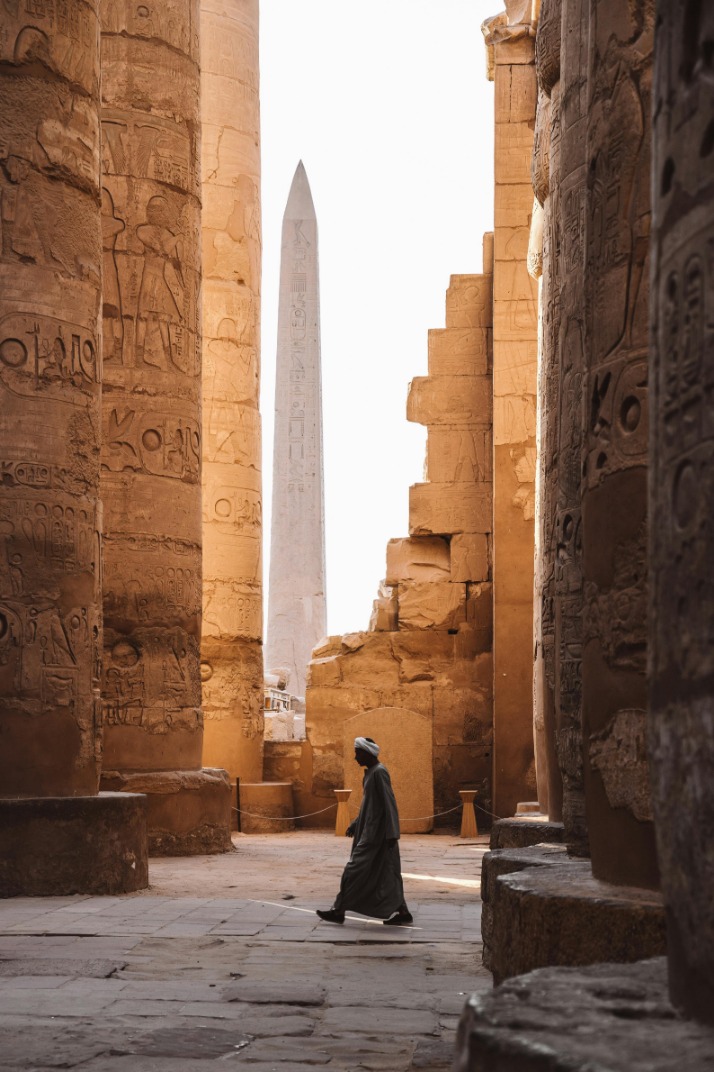
The temples dedicated to pharaohs showcase monumental architecture and art. The Karnak Temple Complex in Thebes is one of the largest religious sites, built over centuries to honor Theban gods and pharaohs like Ramses II. The Luxor Temple, another significant site, was used for religious ceremonies and highlights grand statues, obelisks, and intricate hieroglyphic inscriptions.
In addition to these, the Abu Simbel temples, carved into mountainside, were built by Ramses II to commemorate his victory and to intimidate Egypt’s southern neighbors. These awe-inspiring structures exemplify the divine authority bestowed upon the pharaohs and their role as intermediaries between gods and people.
Valley of the Kings and Queens
The monuments and tombs of Egyptian pharaohs are some of the most captivating and historically significant structures in ancient Egypt. These grand monuments served as eternal resting places, showcasing the wealth, power, and religious beliefs of the pharaohs. Among these, the Valley of the Kings and the Valley of the Queens stand out as iconic sites that reveal much about Egypt’s royal funerary traditions.
- The Valley of the Kings is located on the west bank of the Nile near Luxor and was primarily used during the New Kingdom period. It is famous for its elaborate tombs carved into cliffs, including the tomb of Tutankhamun.
- The Valley of the Queens, situated nearby, was the burial site for queens and royal children. It features intricate tombs that are often decorated with detailed paintings and hieroglyphs.
- These sites were constructed to ensure the safe passage of the soul into the afterlife, following religious customs and beliefs about eternity and divine right.
- The tombs are decorated with spells, inscriptions, and images meant to protect the deceased and help their soul navigate the challenges of the afterworld.
- Many tombs, especially that of Tutankhamun, have yielded invaluable artifacts and art that provide insight into the culture, religion, and artistry of ancient Egypt.
Overall, the monuments and tombs of Egypt’s pharaohs, particularly in the valleys, are testimonies to their ambition, religious devotion, and the advanced engineering skills of ancient Egyptian civilization. These sites continue to attract visitors and researchers who seek to uncover the mysteries of Egypt’s glorious past.
Funerary Practices and Tomb Architecture
The monuments and tombs of Egyptian pharaohs are some of the most enduring symbols of ancient Egypt’s grandeur and religious devotion. These structures were designed to honor and ensure the safe passage of the king into the afterlife, reflecting their divine status and importance in Egyptian society. The most famous among these are the pyramids, notably the Great Pyramid of Giza, built as monumental tombs for the pharaohs Khufu, Khafre, and Menkaure. These pyramids exemplify advanced engineering and architectural skills, serving as eternal resting places and symbols of royal power.
Funerary practices in ancient Egypt centered around elaborate rituals, offerings, and tomb preparations meant to preserve the body and soul for eternity. Mummification was a critical process, involving removing internal organs, drying the body with natron, and wrapping it with linen. Accompanying these rituals were funerary texts like the Book of the Dead, which provided spells and guidance for navigating the afterlife. Temples and tomb complexes were often included in a vast network of mortuary sites, with the Valley of the Kings serving as the royal necropolis during the New Kingdom period.
Tomb architecture evolved considerably over different periods, from the mastabas of the early dynastic periods to the grandiose pyramids and elaborately decorated tomb chambers of later eras. These tombs often featured false doors, elaborate murals, and sculptures depicting the deceased enjoying the afterlife or performing daily activities. The design aimed not just at housing the body but also at ensuring the spiritual well-being and eternal life of the pharaoh, reinforcing their divine status and connection with the gods. These architectural achievements continue to fascinate scholars and visitors, symbolizing ancient Egypt’s religious beliefs and mastery in building monumental structures.
Legacy and Cultural Significance
The legacy of the Egyptian Pharaohs is a testament to their remarkable influence on history, culture, and civilization. Their reigns and achievements have left an indelible mark on art, architecture, religious practices, and governance, shaping the identity of ancient Egypt. The cultural significance of these rulers continues to resonate today, offering insights into the ingenuity and spiritual beliefs of one of the world’s most fascinating ancient societies.
Influence on Modern Egyptology
Egyptian pharaohs hold a profound legacy that continues to shape the understanding of ancient Egypt and its enduring culture. Their monumental monuments, such as pyramids and temples, serve as symbols of their divine authority and serve as cultural milestones that reveal insights into ancient Egyptian religion, governance, and social hierarchy. The pharaohs’ contributions to art, architecture, and inscriptions have preserved a rich record of their reigns, beliefs, and achievements, establishing a timeless cultural heritage.
The influence of these ancient rulers profoundly impacts modern Egyptology, inspiring ongoing excavations, research, and interpretation. Their monumental structures and artifacts have become essential sources for scholars seeking to reconstruct Egypt’s history. In addition, the study of the pharaohs’ inscriptions and relics has driven advancements in archaeology, linguistics, and art history. As a result, the legacy of the pharaohs not only enriches national identity and cultural pride but also continues to captivate the imagination of scholars and enthusiasts worldwide, ensuring their historical significance endures across generations.
Symbol of Ancient Civilization
The legacy of the Egyptian Pharaohs is deeply rooted in their role as symbols of ancient civilization’s grandeur and divine authority. These rulers not only governed Egypt for centuries but also left behind monumental structures such as pyramids, temples, and tombs that continue to inspire awe and admiration. Their achievements in art, architecture, and writing reflect a sophisticated culture that prioritized permanence and spiritual connection. The Pharaohs embodied the unity of divine power and earthly rule, serving as conduits between the gods and the people. As symbols of ancient civilization, they represent the enduring legacy of Egypt’s rich history, cultural identity, and pioneering advancements in various fields.
Pharaohs in Popular Culture
Egyptian pharaohs hold a profound legacy that continues to influence modern understanding of ancient civilizations. Their reigns, marked by monumental architecture, intricate hieroglyphs, and significant political and religious authority, have left an indelible mark on history. These rulers are often seen as symbols of divine power and eternal stability, embodying the grandeur of ancient Egypt’s sophisticated society. Through archaeological discoveries and scholarly research, the legacy of the pharaohs offers insights into their complex culture, beliefs, and innovations that shaped their world.
In popular culture, pharaohs have become iconic figures representing Egypt’s mysterious and opulent past. They frequently feature in movies, books, and art, often depicted as powerful, mysterious, or even mystical characters. The image of the golden mask of Tutankhamun, for example, has become a global symbol of ancient Egypt’s wealth and artistry. Pop culture also romanticizes the pharaohs’ divine status and their tombs, fueling curiosity and fascination among audiences worldwide. These portrayals continue to reinforce the enduring allure and cultural significance of Egypt’s ancient rulers, inspiring countless generations to explore Egypt’s rich history.


0 Comments