

Overview of Egyptian Deities
Ancient Egypt was a civilization rich with a complex and fascinating pantheon of gods and goddesses, each embodying various aspects of life, nature, and the cosmos. These deities played a central role in Egyptian culture, religion, and daily life, illustrating their deep connection to the beliefs and values of the people. Understanding the overview of Egyptian deities offers insight into the spiritual world that shaped one of history’s most remarkable civilizations.
Major Gods and Goddesses
The gods and goddesses of ancient Egypt form a rich pantheon that reflects the civilization’s spiritual beliefs, natural environment, and societal values. These deities played vital roles in creation myths, daily life, and the afterlife, illustrating the Egyptians’ deep connection to the divine.
Among the major gods, Ra was the Sun God and one of the most important deities, symbolizing life, creation, and authority. Osiris, often associated with the afterlife and resurrection, was revered as the ruler of the underworld and judged the souls of the deceased. His wife, Isis, was honored as the goddess of magic, motherhood, and fertility, embodying protection and nurturing qualities.
Horus, depicted as a falcon-headed deity, represented kingship, protection, and the sky. Thoth, the wise scribe and god of wisdom, knowledge, and writing, was often shown with an ibis head. Anubis, with the head of a jackal, was the protector of graves and guide for the souls of the dead, overseeing the process of embalming and burial.
Other notable deities include Hathor, the goddess of love, music, and motherhood, often depicted with cow horns; Sekhmet, the lion-headed goddess of war and healing; and Bastet, associated with home, fertility, and protection, frequently represented as a lioness or domestic cat. The Egyptian pantheon was complex, with gods and goddesses often associated with specific aspects of life, nature, and cosmic principles, illustrating their extensive spiritual worldview.
Hierarchy and Pantheon Structure
The ancient Egyptian religion features a complex and highly organized pantheon of gods and goddesses, each representing various aspects of life, nature, and the cosmos. These deities played a central role in daily life, mythology, and the overall worldview of the Egyptians, forming a structured hierarchy that reflected their understanding of the universe.
At the top of the Egyptian pantheon is the supreme god, often considered Ruler of the Gods. Key deities include:
- Ra (or Re) – the sun god and creator deity
- Amen (or Amun) – a major creator god associated with hidden power and fertility
- Osiris – god of the afterlife and resurrection
- Isis – goddess of magic, motherhood, and fertility
- Horus – sky god and protector of the reigning monarchy
The Egyptians organized their gods into a hierarchical structure based on their functions and relationships, including gods of creation, protection, fertility, and the afterlife. Many gods had specific roles, and they often appeared in various forms or with different names across regions and periods. Deities were typically depicted with symbolic animals or attributes that indicated their domain.
The pantheon included:
- Primary gods and goddesses of the central pantheon
- Minor deities and local gods representing specific places or natural elements
- Mythological beings and personifications embodying concepts like truth, chaos, or justice
This hierarchical and diverse structure allowed the Egyptians to understand and engage with the divine through various rituals, offerings, and mythological stories that reinforced societal order and religious beliefs.
Attributes and Domains
Ancient Egyptian religion is rich with a multitude of deities, each possessing unique attributes and domains that reflect the values and environment of ancient Egypt. These gods were central to daily life, religion, and the belief system, embodying natural forces, concepts, and social ideals.
Osiris, the god of the afterlife and resurrection, symbolizes fertility and the judgment of souls. Isis, his sister and wife, embodies motherhood, magic, and protection. Ra, the sun god, represents creation, life, and authority, often depicted traveling across the sky in his solar boat. Hathor is associated with love, music, and motherhood, embodying joy and feminine energy. Amun, initially a local deity, became a prominent god of creation and hidden power, often combined with Ra as Amun-Ra.
Other significant deities include Anubis, the jackal-headed god of mummification and the dead; Thoth, the god of wisdom, writing, and knowledge; and Sekhmet, a lion-headed goddess representing war and healing. Bastet, depicted as a lioness or domestic cat, is linked to home, protection, and fertility. Horus, the falcon-headed god, symbolizes kingship and the sky, often depicted with a double crown of Egypt. Ptah is a creator god associated with craftsmen and builders, while Nut, the sky goddess, embodies the heavens and cosmic order.
Each deity had specific attributes, symbols, and rituals associated with them, emphasizing their protection, power, and connection to natural phenomena or human endeavors. Understanding these gods offers insight into the worldview and spiritual beliefs that shaped ancient Egyptian civilization.
Roles and Functions of Egyptian Gods
The gods of ancient Egypt played a vital role in shaping the spiritual and cultural landscape of the civilization. Each deity was associated with specific aspects of life, such as creation, fertility, protection, or the afterlife, reflecting the Egyptians’ deep connection between the divine and worldly affairs. Their roles and functions helped guide daily life, religious practices, and the understanding of the universe for the Egyptian people.
Creation and Creation Myths
Egyptian gods played a central role in the spiritual and daily lives of ancient Egyptians, embodying various aspects of nature, society, and the cosmos. These deities were believed to govern the forces of nature, ensure harmony, and maintain Ma’at, or cosmic order. Each god had distinct responsibilities and was worshipped through rituals, offerings, and temples, reflecting their importance in Egyptian culture.
The functions of Egyptian gods were diverse, ranging from creation and fertility to protection and judgment. Creators like Atum, Ra, and Ptah were responsible for bringing the universe into existence, each with their unique myths of creation. Deities such as Osiris, Isis, and Horus represented sovereignty, rebirth, and protection, illustrating the Egyptian emphasis on life, death, and afterlife. The gods also personified natural elements like the Nile, the sun, and the sky, emphasizing their vital role in sustaining life.
Egyptian creation myths offer various stories about how the world and humans came into being. One popular myth describes Atum emerging from the primordial waters of Nun and creating life through his thoughts or by self-creation. Another myth details Ra’s journey across the sky in his solar boat, bringing light and order to the chaos. These stories reflect the Egyptians’ view of the universe as ordered and harmonious, maintained by divine forces. The myths often portray gods as creators who shape the world through speech, action, or divine authority, illustrating the importance of divine power in the origin of existence.
Gods of Nature and Elements
In ancient Egyptian belief, gods held vital roles in explaining the natural world and guiding human life. They represented various aspects of nature and the universe, serving as divine forces that maintained harmony and order. Egyptian gods of nature and elements were integral to understanding the environment, influencing everything from the Nile River to the sky.
Gods of the Nile, such as Hapi, were associated with the life-giving river, symbolizing fertility and sustenance. Ra, the sun god, embodied the power of the sun and was crucial for the cycle of day and night, signifying creation and renewal. Nut, the sky goddess, represented the heavens and was believed to oversee celestial phenomena, while Geb, the earth god, symbolized land and fertility.
These deities often had specific functions that reflected natural processes and seasonal cycles, ensuring the balance of the world. They were worshipped through rituals and offerings to maintain harmony between the natural world and human society. The gods of nature and elements in Egyptian mythology served not only as divine representations but also as symbols of the interconnectedness of all things in the universe.
Gods of Society and Authority
In ancient Egypt, gods played a vital role in maintaining the harmony and order of society, embodying both divine principles and societal functions. Gods of society and authority, such as Osiris and Horus, served to legitimize rulers and uphold justice, law, and social stability. Osiris, as the god of the afterlife and rebirth, symbolized eternal life and the moral order, reinforcing the importance of righteousness. Horus, often depicted as a falcon-headed deity, represented kingship and divine authority, affirming the ruler’s divine right to govern. Additionally, gods like Ma’at embodied truth, balance, and justice, guiding societal behavior and ensuring the cosmic and social order was maintained. These deities were central to religious rituals, political legitimacy, and the moral framework that governed daily life, emphasizing the integration of divine authority with societal structure in ancient Egypt.
Mythologies and Stories
Mythologies and stories have long served as a window into the beliefs, values, and traditions of ancient civilizations. Among these, the mythology of Egypt stands out for its rich tapestry of gods, goddesses, and epic tales that explain the origins of the world, the afterlife, and the divine order. These stories not only reflect the spiritual worldview of the Egyptians but also offer insight into their daily life, culture, and societal structure, making Egypt’s mythological narratives an enduring source of fascination and scholarly interest.
Cosmogony and Origins
Egyptian mythology is rich with stories about gods, creation, and the origins of the universe. These mythologies explain how the world came into existence and the divine forces that govern it. Central to Egyptian cosmogony is the concept of primordial chaos, from which the first gods emerged to bring order and stability to the cosmos. Deities such as Atum, Ra, and Ptah embody the act of creation and the unfolding of life through mythological narratives.
The story of creation often begins with the waters of Nun, the chaotic abyss, from which the sun god Atum arose. Atum then gave birth to other gods, including Shu and Tefnut, representing air and moisture, which further led to the formation of the earth and sky. These myths illustrate the Egyptian understanding of the universe as a divine order emanating from a primordial source, with gods playing key roles in sustaining the world and ensuring its continued existence.
Mythologies also emphasize the significance of gods in human origins, portraying them as creators or ancestors of humanity. Stories about Osiris, Isis, and Horus reflect themes of life, death, and rebirth, linking divine myth to the cyclical nature of existence. Through these narratives, Egyptians explained not only the origins of the cosmos but also the moral and spiritual principles guiding human life, highlighting the interconnectedness of divine myth and societal values.
Myth of Osiris, Isis, and Horus
The mythology of ancient Egypt is rich with stories that explain the origins of gods, the universe, and the natural world. Central to these myths are the tales of Osiris, Isis, and Horus, which symbolize themes of death, rebirth, and divine kingship. These stories played a crucial role in Egyptian religion and culture, emphasizing the eternal cycle of life and the divine authority of pharaohs.
- Osiris was originally a local god of fertility and agriculture, who later became the ruler of the underworld and judge of the dead.
- Isis, Osiris’s wife, was revered as the goddess of magic, motherhood, and protection, known for her deep love and devotion to her family.
- Horus, the son of Osiris and Isis, was depicted as a sky god and became a symbol of kingship, often represented as a falcon or with a falcon head.
The myth narrates that Osiris was murdered by his brother Set, who was jealous of his power. Isis, with her magical abilities, restored Osiris to life, allowing him to become the ruler of the afterlife. Horus, their son, avenged his father’s death by defeating Set in a legendary struggle, which established the divine right of the pharaohs to rule Egypt. These intertwined stories highlight themes of resurrection, justice, and the eternal fight between order and chaos, reflecting the values and beliefs of ancient Egyptian civilization.
Re and the Sun God
In Egyptian mythology, Re is the Sun God and one of the most important deities. He symbolizes creation, warmth, and life itself, playing a central role in the religious beliefs of ancient Egypt. Re was believed to journey across the sky each day in his solar barque, bringing light and life to the world, and passing through the underworld at night to be reborn at dawn. His stories are intertwined with the cycle of the sun, death, and rebirth, reflecting the Egyptians’ understanding of the eternal cycle of nature.
- Re was often depicted as a falcon-headed god, embodying the majestic and powerful nature of the sun.
- He was considered the king of the gods and the creator of all life on earth.
- In myth, Re’s daily journey across the sky represented the cycle of life, death, and rebirth, emphasizing the importance of renewal.
- Many stories describe Re’s interactions with other gods, including his battles against chaos and darkness, which symbolize the ongoing struggle between order and disorder.
- The worship of Re was central to Egyptian religion, with numerous temples dedicated to him, such as the famous Sun Temple at Heliopolis.
Symbols and Iconography
Symbols and iconography play a vital role in understanding the rich spiritual and cultural heritage of ancient Egypt, especially in relation to its gods and deities. These visual elements serve as powerful representations that convey the divine qualities, stories, and significance of the gods, offering insight into their worship and the beliefs of the Egyptian people. Exploring these symbols allows us to uncover the deeper meanings behind the myths and rituals that shaped one of history’s most fascinating civilizations.
Common Symbols and Their Meanings
In the rich tapestry of ancient Egyptian culture, symbols and iconography played a vital role in conveying spiritual beliefs, divine power, and the nature of gods. These symbols often carried deep meanings, serving as visual representations of divine attributes and mythological stories.
- Ankh: Known as the “key of life,” it symbolizes eternal life and immortality.
- Represents protection, health, and restoration, symbolizing the watchful eye of the sky god Horus.
- Scepter: A symbol of authority and power often associated with gods and pharaohs.
- Lion: Represents strength, kingship, and the fiery power of the sun god Ra.
- Scarab Beetle: Signifies rebirth, transformation, and the cycle of life.
- Feather of Ma’at: Denotes truth, justice, and harmony, associated with the goddess Ma’at.
- Uraeus: A stylized cobra symbolizing sovereignty, divine authority, and protection.
- Anubis Iconography: Often depicted with a jackal head, symbolizing mummification and the afterlife.
These symbols were frequently used in religious art, amulets, tomb inscriptions, and temple carvings to invoke divine powers and ensure protection in both life and afterlife. Understanding their meanings offers a glimpse into the profound spiritual worldview of ancient Egypt and its pantheon of gods.
Imagery in Art and Temples
Symbols and iconography play a vital role in Egyptian art and temple design, serving as visual representations of divine power and spiritual beliefs. In the context of the Egypt of gods, these images convey complex religious concepts, mythological stories, and the divine nature of Pharaohs, who were considered divine intermediaries. Iconography such as the scarab beetle, ankh, and eye of Horus embody specific meanings related to life, protection, and immortality, reflecting the Egyptians’ deep spiritual connection to their deities. Temples were intricately decorated with these symbols, creating a sacred environment that communicated religious ideals to both worshippers and the divine realm. Imagery in Egyptian art often features gods, goddesses, and mythological scenes rendered with precise symbolism to emphasize their divine attributes and significance. These artistic elements serve as a visual language that bridges the human and divine worlds, reinforcing the divine authority of the gods and the spiritual purpose of their temples. Through detailed iconography and symbolic imagery, Egyptian temples became timeless monuments of religious devotion and cosmic order, illustrating the central role of the divine in Egyptian life and culture.
Representation in Rituals and Texts
Symbols and iconography play a crucial role in the religious and cultural landscape of ancient Egypt, serving as visual representations of deities, concepts, and spiritual beliefs. In Egyptian rituals and texts, these images and symbols act as a bridge between the mortal and divine, conveying complex theological ideas and ensuring the continuity of spiritual practices across generations.
- The ankh, often depicted in the hands of gods and pharaohs, symbolizes eternal life and the concept of immortality.
- The crook and flail represent kingship and authority, frequently associated with Osiris and Pharaohs as divine rulers.
- The Eye of Horus symbolizes protection, royal power, and good health, often used in amulets and sacred texts.
- Hieroglyphs serve as a written form of sacred iconography, combining images that stand for sounds and ideas, embedding religious meaning within texts.
- Sacred animals like the scarab beetle embody renewal and rebirth, often appearing in funerary texts to assure rebirth in the afterlife.
- In temple rituals, altars and statues of gods are adorned with specific symbols that invoke divine presence and favor.
- Texts such as the Book of the Dead utilize elaborate hieroglyphic scenes and symbols to guide souls through the afterlife journey.
- Iconography in tombs and temples reinforces the divine authority of the gods and the pharaoh, emphasizing their connection to gods like Osiris, Isis, and Ra.
Worship and Religious Practices
Worship and religious practices have played a central role in the history and culture of Egypt, reflecting the deep spiritual beliefs of its people. Ancient Egyptian religion was rich with rituals, ceremonies, and gods that governed every aspect of life and the afterlife. Understanding these practices offers a glimpse into the divine worldview that shaped Egyptian civilization and their reverence for gods like Osiris, Isis, and Ra.
Temples and Sacred Sites
In ancient Egypt, worship and religious practices were integral parts of daily life, centered around a rich tapestry of gods, temples, and sacred sites dedicated to divine beings. These practices fostered a deep connection between the people and their deities, shaping the culture and spiritual landscape of the civilization.
Egyptian temples served as the physical manifestations of divine presence on earth and were considered the homes of gods. Sacred sites such as the Karnak Temple, Luxor Temple, and the Temple of Isis at Philae were not only places of worship but also centers of political power, artistic achievement, and religious rituals. These structures were often grand, adorned with hieroglyphic inscriptions and colossal statues representing gods and pharaohs.
Worship involved various rituals including offerings, prayers, processions, and festivals. Priests, who maintained the temples, played a crucial role in conducting ceremonies to honor gods such as Osiris, Ra, Isis, and Hathor. Temples also housed sacred relics and statues believed to embody divine power, making them focal points for pilgrimages and devotion.
- Temples and Sacred Sites:
- Karnak Temple: Dedicated primarily to Amun-Ra, it was one of the largest religious complexes in ancient Egypt.
- Luxor Temple: Served as a major religious center for opulent festivals and rituals.
- Temple of Isis at Philae: Revered for its association with the goddess Isis, it was a significant pilgrimage site.
- Quires and Rituals:
- Daily offerings and prayers to sustain the gods’ favor.
- Priestly ceremonies during festivals, especially during Opet and Sed festivals.
- Utilization of sacred symbols, inscriptions, and iconography to invoke divine blessing and protection.
Rituals and Offerings
In ancient Egypt, worship and religious practices were central to daily life and were deeply intertwined with the beliefs about gods and the afterlife. Egyptians believed that gods had control over natural forces and human destiny, leading to elaborate rituals and offerings performed to maintain harmony and favor from the divine.
- Temples served as sacred spaces where priests conducted daily rites, including prayers, hymns, and processions dedicated to gods such as Osiris, Isis, Ra, and Hathor.
- Rituals often involved purification, chanting, and symbolically recreating myths associated with gods to ensure divine approval and cosmic order.
- Offerings of food, drink, incense, and symbolic objects were presented to deities to secure their blessings, protection, and prosperity.
- Festivals, like the Opet Festival for Amun or the Feast of Khoiak for Osiris, featured elaborate ceremonies, music, dancing, and reveleations that reaffirmed the gods’ significance in societal and spiritual life.
- Hieroglyphic inscriptions and statues served as eternal vessels for worship and were believed to act as a constant point of contact between the mortal and divine worlds.
Priesthood and Religious Officials
The worship and religious practices of ancient Egypt were deeply rooted in the belief system centered around their gods and the divine nature of the Pharaoh. Religious ceremonies often involved offerings, prayers, and rituals performed to honor deities such as Osiris, Isis, Ra, and Hathor, aiming to secure their favor and maintain ma’at, or cosmic order. Temples served as sacred sites where these rituals were conducted, and the gods were venerated through elaborate ceremonies.
The priesthood played a crucial role in maintaining the spiritual and ritual functions of the religion. Priests, often belonging to specific cults, were responsible for performing daily rites, overseeing temple rituals, and managing temple property and archives. They were considered intermediaries between the gods and the people, possessing significant religious authority and societal influence.
Religious officials included high priests, temple priests, and other clerical personnel, each with their distinct roles and responsibilities. The high priests, especially the high priest of Amun at Thebes, held immense political and spiritual power, often acting as advisors to the Pharaoh and managing large religious establishments. Priests underwent rigorous training and purification rituals, emphasizing their sacred duty of maintaining the divine order through their service to the gods.
The Egyptian belief in the divine nature of their rulers and the sacredness of their religious institutions fostered a society where worship was integral to daily life and governance, reflecting the profound connection between the divine and mortal realms in the culture of the Egypt of the gods.
Legacy and Cultural Impact
The legacy of Egypt of God, often referred to as ancient Egypt, is an enduring testament to a civilization that has profoundly shaped human history and culture. Its achievements in art, architecture, religion, and governance continue to influence modern societies and inspire exploration of divine kingship and spiritual symbolism. The cultural impact of Egypt of God resonates through countless generations, highlighting the timeless nature of its contributions to world heritage.
Depictions in Art and Literature
The Egypt of the gods has left a profound legacy that continues to influence modern culture and artistic expression. Ancient Egyptian beliefs about gods and the divine realm permeated every aspect of life, shaping their architecture, practices, and worldview. This rich spiritual heritage has inspired countless artists and writers, who explore themes of eternity, divine power, and the connection between mortals and gods. Their depictions often highlight the grandeur of temples, statues, and mythological stories, emphasizing the importance of religion in forging a collective identity and cultural continuity.
In art and literature, the gods of Egypt are portrayed with striking symbolism and detail, embodying concepts like creation, death, and rebirth. Hieroglyphic inscriptions, murals, and sculptures serve as visual narratives that preserve mythological tales and spiritual beliefs, inspiring artists across centuries to reinterpret these themes. Literature from various periods has also drawn upon Egyptian mythology, weaving tales that explore divine influence, moral lessons, and the mystical aspects of the ancient civilization. Overall, the depiction of Egypt’s gods in artistic and literary forms underscores their enduring significance and the lasting imprint of Egypt’s divine legacy on world culture.
Influence on Modern Spirituality and Symbolism
The legacy of Egypt as the land of gods has left an indelible mark on the collective consciousness and cultural history of humanity. Ancient Egyptian mythology, gods, and religious practices have shaped countless traditions and artistic expressions throughout history, serving as a foundation for understanding divine power and cosmology. The symbolism associated with Egyptian deities—such as Osiris representing rebirth, Isis embodying motherhood, and Ra symbolizing the sun—continues to resonate in modern spiritual practices and esoteric thought. These symbols often appear in contemporary mysticism, pop culture, and spiritual literature, highlighting Egypt’s enduring influence on how humans interpret the divine and seek spiritual enlightenment. The rich tapestry of Egyptian mythology not only provides a window into ancient beliefs but also continues to inspire a quest for connection with higher powers and universal truths around the world.
Archaeological Discoveries and Significance
The Egypt of God, often associated with its ancient civilization and divine heritage, holds a profound legacy and cultural impact that resonates through history. The civilization’s religious beliefs, art, and architecture have left an indelible mark on human culture, shaping spiritual and cultural expressions for millennia. Understanding this legacy offers insight into the importance of Egypt’s divine history and its influence on subsequent societies.
Archaeological discoveries in Egypt have been instrumental in revealing the depth of its cultural and religious significance. These finds include monumental statues, intricate tombs, and elaborate temples that showcase the sophistication and spiritual devotion of ancient Egyptians. Each discovery not only uncovers historical information but also deepens our appreciation of their divine worldview.
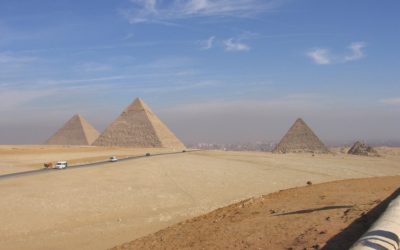
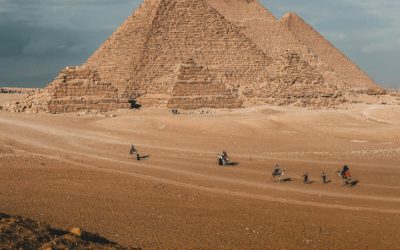
- Egyptian pyramids, such as the Great Pyramid of Giza, demonstrate advanced engineering and religious symbolism related to the afterlife.
- Massive burial sites of pharaohs and nobility, like the Valley of the Kings, offer insights into royal beliefs and the connection between the divine and mortal realms.
- Temples dedicated to gods like Amun, Ra, and Osiris reveal the rich pantheon worship and divine narratives that permeated daily life.
- Hieroglyphic inscriptions and artifacts serve as invaluable primary sources for understanding religious rituals and societal hierarchy.


0 Comments