
Overview of Kenya Flooding
Kenya has experienced significant flooding in recent years, impacting communities, agriculture, and infrastructure nationwide. These floods are often caused by heavy rainfall, overflowing rivers, and inadequate drainage systems, leading to displacement and damage. Understanding the causes, effects, and response efforts is crucial to addressing this recurring natural disaster in Kenya.
Recent Flooding Incidents
Kenya has experienced severe flooding in recent years, primarily driven by heavy rains, climate change, and inadequate drainage systems. These floods have affected various regions, causing widespread destruction, displacement, and loss of life. The recurring nature of flooding poses significant challenges to the country’s development and disaster management efforts.
In recent incidents, parts of Nairobi, Kisumu, and coastal areas like Mombasa have been hit hardest. Heavy downpours have led to overflowing rivers, submerged roads, and damaged infrastructure. In 2023, flash floods in Nairobi caused several fatalities and stranded thousands of residents. Similarly, coastal areas faced flooding that disrupted transport and affected local communities. These incidents underscore the urgent need for improved flood preparedness and resilient infrastructure to mitigate future disasters.
Geographical Spread
Kenya has been experiencing significant flooding recently, which has severely impacted various regions across the country. The floods are primarily caused by heavy rains associated with seasonal moist air masses and climate change, leading to overflow of rivers and water bodies.
The geographical spread of the flooding covers multiple parts of Kenya, including urban centers like Nairobi, and rural areas such as the Rift Valley, Western Kenya, and parts of the Coast. Low-lying coastal regions and river basins are especially vulnerable, with many communities facing displacement, infrastructure damage, and loss of livelihoods.
This widespread flooding has overwhelmed drainage systems, caused landslides in hilly areas, and resulted in the destruction of homes, roads, and agricultural land. The affected areas continue to require urgent relief efforts and long-term strategies to mitigate future flooding risks.
Timeframe and Duration
Kenya has experienced significant flooding events, particularly during the rainy seasons, which often occur between March and May and then again from October to December. These flooding episodes are usually caused by heavy monsoon rains that exceed the drainage capacity of urban and rural areas alike. The duration of the floods can vary from a few days to several weeks, depending on the intensity and persistence of the rainfall. In recent years, recurrent flooding has become a major concern due to climate change, leading to widespread displacement, damage to infrastructure, and loss of lives. Efforts to mitigate these impacts include improved urban planning, early warning systems, and community awareness programs.
Causes of Flooding in Kenya
Flooding in Kenya is a significant natural disaster caused by a variety of factors that disrupt the normal flow of water across the landscape. These causes include heavy rainfall, which often exceeds the capacity of existing drainage systems, as well as poor urban planning and deforestation that reduce the land’s ability to absorb water. Additionally, blocked rivers and inadequate infrastructure contribute to the frequent occurrence of floods, affecting communities and the environment across the country.
Heavy Rainfall Patterns
Flooding in Kenya is often caused by a combination of natural weather patterns and human activities. Heavy rainfall patterns play a significant role in contributing to frequent and severe floods across various regions of the country, especially during the rainy season.
- Heavy and prolonged rainfall: Intense rainfalls, particularly during the short and long rainy seasons, lead to rapid accumulation of water, overwhelming drainage systems.
- Climate change: Increasing global temperatures have resulted in unpredictable and heavier rainfall patterns, heightening the risk of floods.
- Deforestation: The cutting down of trees reduces the land’s ability to absorb rainfall, thereby increasing runoff and flooding.
- Poor urban drainage infrastructure: Many urban areas lack adequate drainage systems to cope with heavy rains, causing water to accumulate on streets and residential areas.
- Soil erosion and land degradation: Reduced vegetation cover and poor land management lead to increased surface runoff and river siltation, which can block waterways and cause floods.
- River overflow: Heavy rains upstream cause rivers to swell beyond their capacity, resulting in overflow and flooding of surrounding lands.
Climate Change Impact
Kenya experiences flooding due to a combination of natural and human-induced factors. Heavy seasonal rains, especially during the long and short rainy seasons, often overwhelm drainage systems and cause rivers to overflow. Deforestation and land degradation reduce the land’s ability to absorb rainfall, leading to more surface runoff. Poor urban planning and inadequate drainage infrastructure in cities exacerbate urban flooding, disrupting communities and infrastructure. Additionally, unregulated settlement in flood-prone areas increases vulnerability to flood damage.
Climate change significantly impacts flooding in Kenya by altering weather patterns and increasing the frequency and intensity of heavy rainfall events. Rising global temperatures lead to more unpredictable weather, causing shorter, more intense storms that dump large amounts of water over short periods. This results in rivers and lakes swelling rapidly, inundating surrounding regions. Climate change also contributes to prolonged droughts followed by intense rains, creating an unstable hydrological cycle that predisposes areas to both drought and flooding. The combined effect intensifies the risks and severity of flooding events across the country.
Deforestation and Land Use Changes
Flooding in Kenya is primarily caused by a combination of natural and human activities, with deforestation and land use changes playing significant roles. Deforestation, driven by agricultural expansion, logging, and charcoal production, reduces the number of trees that can absorb rainfall, leading to increased surface runoff and reduced water absorption into the soil. Consequently, heavy rains quickly overwhelm rivers and drainage systems, resulting in floods. Land use changes, such as urbanization and the conversion of wetlands into agricultural land or settlements, also contribute to flooding. These modifications decrease the land’s natural capacity to manage excess water, making areas more vulnerable during rainy seasons. Additionally, poorly planned infrastructure and inadequate drainage systems exacerbate the problem, leading to frequent and severe flooding episodes across various regions in Kenya. Addressing these issues requires sustainable land management practices and reforestation efforts to mitigate the impact of flooding in the country.
Urbanization and Poor Drainage Systems
Kenya flooding is primarily driven by rapid urbanization and inadequate drainage systems. As cities expand quickly, natural water flow is obstructed by construction and encroachment on wetlands, leading to increased surface runoff during heavy rains. Many urban areas lack proper drainage infrastructure, causing water to accumulate on streets and residential areas. Additionally, deforestation and land degradation contribute to reduced soil absorption capacity, intensifying the severity of floods. These combined factors create a cycle where urban growth outpaces the development of effective drainage solutions, increasing the vulnerability of Kenyan communities to flooding events.
Impacts of Flooding
Flooding in Kenya has become an increasingly severe issue in recent years, causing widespread damage and disruption. These natural disasters impact communities, agriculture, and infrastructure, leading to significant economic and social challenges. Understanding the effects of flooding is essential to developing effective strategies for mitigation and resilience in affected areas.
Humanitarian and Social Effects
Kenya flooding has caused significant humanitarian and social effects, disrupting communities and forcing thousands of people to evacuate their homes. The floods have led to widespread displacement, leaving many individuals vulnerable to health risks, including waterborne diseases such as cholera and dysentery. Educational institutions have been affected, with schools closing temporarily, which hampers children’s learning and development. Additionally, the flooding has damaged critical infrastructure like roads, bridges, and healthcare facilities, making it difficult for aid to reach affected areas and for people to access essential services. The social fabric of communities is strained as families and neighbors struggle to cope with the loss of homes and livelihoods, often leading to increased poverty and food insecurity. Overall, the flooding in Kenya exacerbates existing vulnerabilities, deepening inequalities and posing long-term challenges for recovery and development.
Economic Consequences
Flooding in Kenya has significant economic consequences that affect various sectors of the economy and the well-being of communities. These floods can cause extensive damage to infrastructure, agriculture, and industries, leading to both immediate and long-term financial costs.
- Damage to infrastructure such as roads, bridges, and buildings increases repair and reconstruction expenses.
- Agricultural productivity declines due to destroyed crops and disrupted farming activities, resulting in reduced food security and income for farmers.
- Displacement of populations leads to increased demand for emergency services and humanitarian aid, straining government resources.
- Business operations are interrupted, causing loss of income, reduced productivity, and increased unemployment.
- Transport disruptions hinder trade and logistical activities, impacting both local markets and exports.
- Health-related costs rise due to waterborne diseases and injury from flood-related accidents.
- Tourism, a vital sector for Kenya’s economy, experiences declines due to unsafe conditions and property damage.
Environmental Damage
Kenya flooding causes widespread environmental damage that significantly affects the region’s ecosystems. Heavy rains lead to soil erosion, which depletes fertile land and disrupts agricultural productivity. Waterlogging damages crops, reducing food security for local communities. Additionally, flooding can lead to the contamination of water sources with pollutants and sewage, harming aquatic life and posing health risks to humans. The destruction of natural habitats, such as wetlands and forests, diminishes biodiversity and disrupts ecological balance. Moreover, the increased runoff often results in the siltation of rivers and lakes, impairing aquatic ecosystems and water quality. Overall, flooding in Kenya has profound environmental impacts that threaten both biodiversity and human livelihoods.
Health Risks and Disease Outbreaks
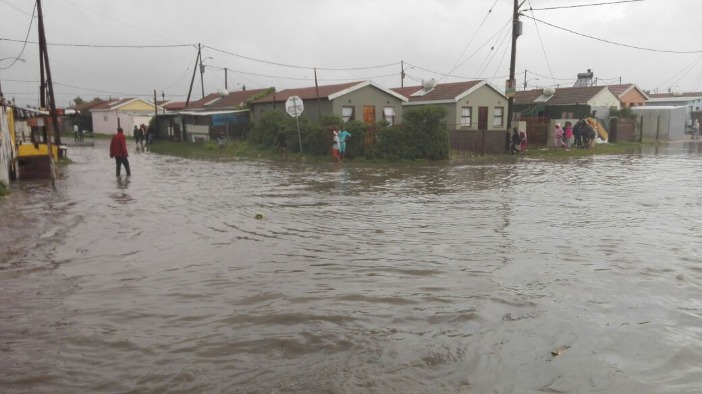
Kenya flooding has significant impacts on public health, leading to increased risks of disease outbreaks and health complications. Floodwaters often contaminate drinking water sources with sewage, bacteria, and viruses, raising the incidence of waterborne diseases such as cholera, dysentery, and typhoid. Additionally, stagnant water provides ideal breeding grounds for mosquitoes, resulting in a surge in vector-borne diseases like malaria and dengue fever. The displacement of communities and destruction of sanitation infrastructure further exacerbate health risks, making vulnerable populations more susceptible to illness. Addressing these health challenges requires urgent intervention, including improved sanitation, access to clean water, and medical support to prevent and control disease outbreaks during and after flooding events in Kenya.
Affected Regions in Kenya
Kenya has experienced widespread flooding in various regions, significantly impacting communities and natural landscapes. These affected areas often include urban centers, coastal regions, and rural communities, where heavy rains and poor drainage systems exacerbate the situation. The floods have led to displacement, damage to property, and loss of life, highlighting the urgent need for effective response and mitigation strategies across the country.
Nairobi
Flooding in Kenya has significantly affected the Nairobi region, causing widespread damage and disruption. The city, situated along the Nairobi River and other water bodies, experiences frequent flooding during heavy rains, which often overwhelms drainage systems and leads to urban waterlogging. As a result, many neighborhoods, especially low-lying areas and informal settlements, face displacement, property damage, and health risks due to stagnant water and contamination. Additionally, transportation networks are disrupted, hindering daily activities and economic activities within the city. Efforts are ongoing to improve drainage infrastructure and implement flood management strategies to mitigate these impacts in Nairobi.
Mombasa
Kenya has experienced severe flooding in several regions, with Mombasa being one of the most affected areas. The heavy rains have led to rising water levels, waterlogging, and displacement of residents, disrupting daily life and causing extensive damage to property and infrastructure.
- Coastal regions of Mombasa County including Likoni, Nyali, and Tudor have faced significant flooding.
- Floodwaters have affected low-lying areas and informal settlements, displacing residents and damaging homes.
- Major roads and transportation routes in Mombasa have been submerged, hindering movement and access to services.
- Flooding has also impacted the tourism sector by damaging beaches and hospitality establishments.
- Escape routes and emergency response efforts have been challenged due to the severity of the floods.
The Rift Valley
The Rift Valley in Kenya is one of the regions most affected by flooding, experiencing frequent and severe inundations during heavy rainfall seasons. This area, characterized by its low-lying terrain and river systems, is particularly vulnerable to water overflow and subsequent flooding, which disrupts daily life, damages infrastructure, and displaces communities.
- Kericho County
- Bomet County
- Nakuru County
- Kericho County
- Baringo County
- Trans Nzoia County
- Uasin Gishu County
Western Kenya
Western Kenya has been significantly affected by the recent flooding, which has led to widespread destruction and displacement. The region, characterized by its lush farmland and riverine systems, has experienced increased water levels resulting in overflowing rivers and flooded communities. Key areas such as Kakamega, Bungoma, and Kisumu have faced severe flooding, impacting residents, agricultural activities, and local infrastructure. The heavy rains have also caused landslides in some highland areas, exacerbating the humanitarian crisis. Efforts are underway to provide relief and evacuate those in danger, but the ongoing rains continue to pose challenges for rescue operations and recovery efforts.
Central and Eastern Kenya
Central and Eastern Kenya are among the regions most affected by recent flooding incidents. These areas have experienced severe inundations, leading to widespread displacement and destruction of property. The flooding has disrupted both livelihoods and daily life for residents in these regions.
- Murang’a County
- Kiambu County
- Embu County
- Kirinyaga County
- Meru County
- Tharaka Nithi County
Responses and Mitigation Measures
Responses and mitigation measures play a crucial role in addressing the severe flooding experienced in Kenya. Effective strategies are essential to minimize damage, protect communities, and promote recovery. By implementing proactive measures and coordinated responses, Kenya can better manage the impacts of flooding and enhance resilience against future events.
Government Emergency Response
In response to the recent flooding in Kenya, the government has implemented several emergency measures to protect affected communities and mitigate further damage. These responses include immediate rescue operations, provision of relief supplies, and coordination with local agencies and international partners to ensure effective management of the disaster.
- Deployment of rescue teams to evacuate stranded residents from flood-affected areas.
- Setting up emergency shelters with adequate supplies of food, water, and medical aid.
- Issuing weather alerts and public advisories to inform communities about ongoing risks and safety precautions.
- Closing affected roads and infrastructure to prevent accidents and facilitate safe movement of rescue operations.
- Implementing drainage clearance activities to reduce urban flooding and prevent further water accumulation.
- Enhanced coordination between national disaster management authorities, local government, and humanitarian agencies.
- Launching public awareness campaigns to educate residents on flood preparedness and safety.
- Developing long-term mitigation strategies such as improving drainage systems and constructing flood barriers.
- Assessing damage and initiating rehabilitation projects for affected communities and infrastructure.
These measures aim to reduce the impact of flooding in Kenya, save lives, and facilitate recovery while working towards preventing similar disasters in the future.
Community Initiatives
Community initiatives play a vital role in addressing the impacts of flooding in Kenya by fostering resilience and promoting proactive measures. Local groups and residents often organize awareness campaigns to educate communities on flood preparedness and early warning systems. Additionally, community-based organizations participate in clearing drainage channels, planting vegetation to reduce runoff, and constructing simple flood barriers to protect households. These initiatives not only lessen the physical damage caused by floods but also strengthen community bonds and improve collective response efforts. Governments and NGOs also support these efforts by providing training and resources, enabling communities to implement sustainable solutions and adapt to the increasing frequency of flooding events in Kenya.
Infrastructure Improvements
Responses and mitigation measures for flooding in Kenya focus on reducing vulnerability and enhancing resilience against future events. Emergency response plans include timely evacuation, deployment of rescue teams, and provision of shelter and supplies to affected populations. Infrastructure improvements such as the construction of flood barriers, drainage systems, and improved water management infrastructure are vital to mitigate flood risks. Additionally, afforestation and riverbank reinforcement help control soil erosion and manage water flow. Public awareness campaigns educate communities on flood preparedness and early warning systems to ensure prompt action. Integrated disaster management strategies involving government agencies, local communities, and development partners are essential for effective flood response and long-term resilience building in Kenya.
Early Warning Systems
Effective responses and mitigation measures are crucial in managing flooding events in Kenya. Early warning systems play a vital role in reducing the impact of floods by providing timely alerts to communities and authorities, allowing for proactive measures to be taken. These systems rely on real-time data collection, weather forecasting, and communication networks to disseminate warnings quickly and efficiently.
- Establishing robust early warning systems that integrate meteorological data, hydrological monitoring, and community alerts.
- Enhancing community awareness and preparedness through education campaigns about flood risks and safety measures.
- Implementing infrastructure modifications such as building flood barriers, drainage systems, and retaining walls to manage excess water.
- Developing emergency response plans that include evacuation routes, shelters, and resource allocation.
- Promoting sustainable land use practices to reduce runoff and prevent river blockage caused by illegal dumping and deforestation.
- Coordinating efforts among government agencies, local communities, and international partners to ensure a unified approach to flood mitigation.
Preparedness and Future Strategies
Preparedness and future strategies are essential components in addressing the recurring challenge of flooding in Kenya. As climate change intensifies, communities and authorities must prioritize proactive measures to mitigate impacts and enhance resilience. Effective planning, infrastructure improvements, and community engagement are vital in safeguarding lives, property, and the environment against future flood events in the region.
Climate Resilience Planning
Preparedness and future strategies are essential components of climate resilience planning in Kenya, especially in light of increasing flooding events. By investing in early warning systems, community awareness programs, and sustainable infrastructure, Kenya can better anticipate and mitigate the impacts of floods on vulnerable populations. Developing comprehensive plans that incorporate climate data and local knowledge ensures more effective responses and resource allocation. Enhancing drainage systems, protecting natural flood buffers, and implementing land use regulations are vital steps toward reducing flood risks. Furthermore, fostering regional collaboration and securing funding for climate adaptation projects will strengthen Kenya’s overall resilience to future climate challenges.
Urban Planning and Drainage Upgrades
Preparedness and future strategies are essential components in mitigating the impact of flooding in Kenya. Developing comprehensive emergency response plans, strengthening early warning systems, and increasing community awareness can significantly reduce damage and loss of lives during flood events. Urban planning plays a critical role by ensuring sustainable development and minimizing flood-prone areas through proper land use policies and zoning regulations. Upgrading drainage infrastructure is vital to improve water runoff, prevent waterlogging, and alleviate pressure on existing systems. Incorporating green infrastructure such as rain gardens and permeable pavements can also enhance flood resilience. By adopting these integrated approaches, Kenya can better protect its urban environments from the rising threat of flooding, ensuring safer communities and more resilient cities in the future.
Reforestation and Land Management
Preparedness and future strategies are crucial in mitigating the impacts of flooding in Kenya, especially through effective reforestation and land management practices. Implementing comprehensive flood risk assessments allows local communities and authorities to identify vulnerable areas and plan proactive measures accordingly. Reforestation efforts help stabilize soil, enhance water absorption, and reduce runoff, thereby decreasing flood intensity. Additionally, adopting sustainable land use policies that prevent deforestation and promote afforestation are vital for resilient ecosystems. Strengthening community awareness and involving local stakeholders in reforestation projects foster a collective approach to disaster preparedness. By integrating these strategies, Kenya can build a more resilient infrastructure capable of handling future flood events while restoring ecological balance and safeguarding livelihoods.
Public Awareness and Education
Preparedness and future strategies are essential in mitigating the impact of flooding in Kenya. Developing comprehensive early warning systems, investing in robust infrastructure, and establishing effective emergency response protocols can significantly reduce damages and save lives. Collaboration between government agencies, local communities, and international partners can enhance resilience and ensure timely action during flood events.
Public awareness and education play a crucial role in flood preparedness in Kenya. Educating communities about flood risks, safety measures, and evacuation procedures empowers residents to respond effectively during emergencies. Workshops, media campaigns, and school programs can disseminate vital information, promoting a culture of preparedness and encouraging proactive measures to minimize harm from future flooding.




0 Comments