
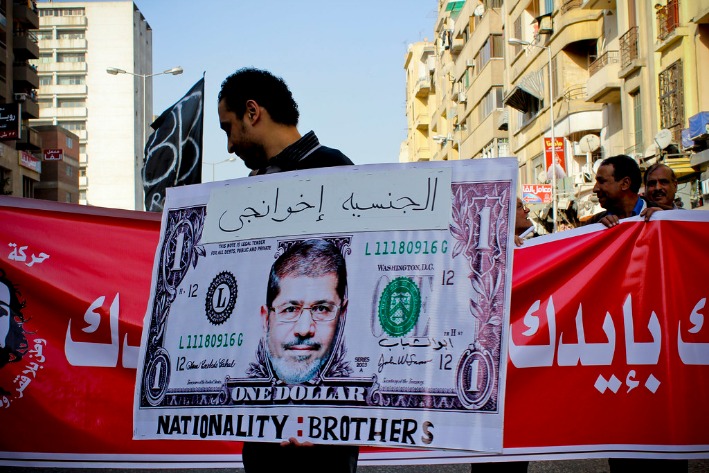
Historical overview of Egypt to USD exchange rates
The exchange rate between the Egyptian Pound (EGP) and the US Dollar (USD) has experienced significant fluctuations over the years, reflecting Egypt’s economic developments and global financial trends. Historically, the value of the EGP has been influenced by factors such as inflation, political stability, economic reforms, and international trade. Tracking this exchange rate offers insights into Egypt’s economic history and its integration into the global economy, highlighting periods of stability and volatility that have shaped its monetary landscape.
Early currency systems in Egypt
The historical overview of Egypt to USD exchange rates reflects a complex evolution influenced by economic, political, and regional factors over many centuries. Early currency systems in Egypt primarily relied on barter trade and primitive forms of currency such as precious metals and weights. During the Pharaonic era, Egypt did not have a standardized currency but traded goods using weights of gold, silver, and copper. With the introduction of foreign trade, especially during the Ptolemaic period, various foreign coins circulated, including Greek and Roman coinage, which helped facilitate commerce with wider regions.
The modern monetary system in Egypt began taking shape in the 19th century with the establishment of a centralized currency issued by the Egyptian government, initially based on the Egyptian pound. The pound was pegged to the British pound and later to the US dollar, reflecting Egypt’s economic ties and political alliances. The exchange rate between Egypt and USD has experienced fluctuations due to economic reforms, inflation, foreign investment, and regional stability. Over time, currency reforms and adjustments in monetary policy aimed to stabilize the Egyptian pound, impacting its exchange rate with the US dollar. Today, the USD remains an important benchmark for Egypt’s foreign exchange and monetary policies, with rates influenced by global economic conditions and local economic performance.
Transition to modern currency and initial USD valuation
The exchange rate between Egypt and USD has undergone significant changes over time, reflecting the country’s economic developments and monetary policies. Historically, Egypt used the Egyptian Pound (EGP), which experienced periods of devaluation and stability before transitioning to a more modern currency system aligned with international standards. The shift to a more contemporary monetary framework began in the 20th century, especially following economic reforms aimed at liberalization and stabilization. The initial valuation of the USD in relation to Egypt’s currency was influenced by global markets and Egypt’s economic conditions during the early efforts to establish a trusted currency system.
- The establishment of the Central Bank of Egypt in 1961 helped regulate the currency and stabilize the exchange rate with foreign currencies, including the USD.
- Throughout the 20th century, Egypt mainly maintained a fixed or semi-fixed exchange rate, with occasional adjustments to support economic growth or combat inflation.
- The liberalization of capital controls in the late 20th and early 21st centuries led to increased volatility but also greater integration with the global USD market.
- In the early 2000s, Egypt adopted more market-driven exchange rate policies, leading to fluctuations in the USD to EGP valuation based on economic conditions and external factors.
- Following the 2016 economic reforms, including currency devaluation, the USD to EGP rate experienced significant shifts, marking a transition towards a more flexible currency regime.
Key historical events influencing exchange rates
The exchange rate between the Egyptian Pound (EGP) and the US Dollar (USD) has experienced significant fluctuations throughout history, influenced by various economic and political events. In the early 20th century, the Egyptian Pound was initially pegged to the British Pound and later to the US Dollar, reflecting Egypt’s colonial ties and economic stability. The 1952 revolution, which led to the establishment of a republic, marked a pivotal moment, prompting economic reforms and currency adjustments. In the 1960s and 1970s, inflation and political instability caused the EGP to depreciate against the USD. The 1979 Egypt-Israel Peace Treaty and subsequent economic liberalization shifts led to efforts to stabilize the currency, yet inflation persistently impacted exchange rates. The 2011 Arab Spring resulted in political upheaval and economic uncertainty, causing the EGP to weaken sharply. More recently, the 2016 floating of the Egyptian Pound in response to economic reforms and an IMF bailout program led to significant depreciation, but also paved the way for a more flexible exchange rate system. Overall, key events such as political revolutions, economic reforms, inflationary pressures, and international agreements have played major roles in shaping the historical trajectory of Egypt to USD exchange rates.
Factors affecting Egypt to USD exchange rates
The exchange rate between the Egyptian Pound (EGP) and the US Dollar (USD) is influenced by a range of economic, political, and global factors. These elements can cause fluctuations in the currency pair, affecting investor confidence, trade balances, and overall economic stability in Egypt. Understanding these factors is essential for analyzing the currency’s behavior and predicting future trends in the Egypt to USD exchange rate.
Economic stability and inflation rates
Economic stability and inflation rates are crucial factors influencing the Egypt to USD exchange rate. When Egypt maintains a stable economy, it boosts investor confidence, leading to a stronger Egyptian pound against the US dollar. Conversely, economic instability can cause currency depreciation as investors seek safer assets. Additionally, high inflation rates in Egypt tend to weaken the local currency because they erode purchasing power and reduce the attractiveness of the currency for foreign investors. Controlling inflation through effective monetary policies helps stabilize the exchange rate, making the Egypt to USD rate more predictable and favorable for international trade and investment.
Foreign investment and remittances
The Egypt to USD exchange rate is influenced by several interconnected factors, including foreign investment and remittances. Foreign investment plays a crucial role in shaping the exchange rate as inflows of foreign capital bolster the Egyptian pound and impact its value against the USD. When foreign investors perceive stability and growth prospects in Egypt, they tend to increase their investments, leading to increased demand for the local currency and potential appreciation against the dollar.
Remittances from Egyptian expatriates also significantly affect the exchange rate. As large sums are sent home by emigrants working abroad, they increase foreign currency reserves and can strengthen the local currency. Conversely, fluctuations in remittance flows due to economic conditions or global events can lead to volatility in the exchange rate.
Other factors impacting the Egypt to USD rate include economic indicators such as inflation, GDP growth, and trade balance. A favorable trade balance, with exports exceeding imports, often leads to a higher demand for the Egyptian pound. Additionally, monetary policy decisions by the Central Bank of Egypt, including interest rates and foreign exchange interventions, directly influence the currency’s value. Global financial stability, geopolitical developments, and international commodity prices also play roles in shaping the exchange rate dynamics.
Government monetary policies
Government monetary policies play a significant role in determining the Egypt to USD exchange rate. By adjusting interest rates, controlling money supply, and implementing currency interventions, the Egyptian government can influence the value of the Egyptian pound against the US dollar. For instance, increasing interest rates may attract foreign investment, leading to an appreciation of the local currency, while loosening monetary policy might cause depreciation. Additionally, policies related to foreign exchange reserves and interventions in the currency market can directly affect the exchange rate by either stabilizing or devaluing the pound. Overall, disciplined monetary policy aimed at controlling inflation and maintaining economic stability tends to support a favorable exchange rate, whereas inconsistent or expansionary policies can lead to volatility and downward pressure on the Egyptian pound against the US dollar.
Global commodity prices and their impact
Several factors influence the Egypt to USD exchange rates, with global commodity prices playing a significant role. Fluctuations in commodity prices, especially for imports like oil, natural gas, and food products, directly impact Egypt’s trade balance and foreign currency reserves. When global commodity prices rise, Egypt may face higher costs for imported goods, leading to increased demand for US dollars to pay for these imports, which can cause the exchange rate to weaken. Conversely, a decline in commodity prices can improve Egypt’s trade deficit, bolstering the Egyptian pound against the dollar.
In addition to commodity prices, other factors such as Egypt’s economic stability, political situation, inflation rates, and foreign investment also affect the USD to EGP exchange rate. A stable political environment and consistent economic growth tend to strengthen the local currency, while instability can lead to depreciation. Additionally, government policies, monetary decisions by the Central Bank of Egypt, and global financial trends also influence the exchange rate movements. Overall, the interplay of these factors determines the currency dynamics between Egypt and the United States.
Political developments and their influence
Political developments in Egypt significantly influence the Egypt to USD exchange rates by impacting investor confidence and economic stability. Unstable political environments often lead to increased uncertainty, which can cause capital flight and pressure the national currency to depreciate. Conversely, positive political changes or stabilizations tend to bolster investor trust, attracting foreign investment and strengthening the currency.
- Government policies and reforms can affect inflation and interest rates, which in turn influence exchange rates.
- Regional geopolitical tensions or conflicts may lead to economic instability, impacting the currency value.
- Political stability encourages foreign direct investment and aid, supporting a stronger Egyptian Pound against the USD.
- Changes in leadership or political unrest often result in market volatility, leading to fluctuations in the exchange rate.
Current trends in Egypt to USD exchange rate
The Egypt to USD exchange rate has experienced notable fluctuations in recent months, reflecting both regional economic shifts and global financial trends. Factors such as inflation, foreign investment flows, and government policies continue to influence the currency’s value against the US dollar. Staying updated on these current trends is essential for investors, businesses, and travelers engaging with Egypt’s economy.
Recent fluctuations and patterns
The Egypt to USD exchange rate has experienced notable fluctuations in recent months, reflecting broader economic and geopolitical factors. Market participants have observed a pattern of volatility driven by domestic economic policies, foreign investment flows, and changes in global commodity prices. In particular, the Egyptian pound has faced pressure due to inflationary trends and efforts by the Central Bank to stabilize the currency. Recent trends show periods of depreciation followed by interventions aimed at strengthing the pound, indicating an ongoing balancing act between maintaining competitiveness and controlling inflation. These fluctuations highlight the sensitivity of the exchange rate to both internal economic adjustments and external global shocks, suggesting that the Egyptian to USD rate will likely continue to be influenced by these interconnected factors in the near future.
Impact of tourism industry on currency value
The Egypt to USD exchange rate has experienced fluctuations influenced by various economic factors, including inflation rates, foreign investments, and governmental policies. Recent trends indicate some volatility, with the currency being affected by regional stability and global economic conditions.
- The tourism industry significantly impacts the Egypt to USD exchange rate because it brings in foreign currency, strengthening the Egyptian pound when tourism is robust.
- Increased tourist arrivals from countries like the U.S. and Europe lead to higher demand for the Egyptian pound, potentially stabilizing or appreciating it against the USD.
- Conversely, political instability or declines in tourist numbers can reduce foreign currency inflows, causing the Egyptian pound to weaken against the USD.
- Government measures to promote tourism, such as visa easing and infrastructure improvements, aim to bolster foreign currency reserves and influence the exchange rate positively.
Foreign aid and international financial support
Current trends in the Egypt to USD exchange rate indicate a relatively stable but slightly fluctuating pattern, influenced by factors such as inflation rates, foreign reserves, and government monetary policies. In recent months, Egypt has experienced periods of modest currency appreciation due to increased dollar inflows from tourism and remittances, although global economic uncertainties continue to impact the rate.
Foreign aid and international financial support play a significant role in Egypt’s economy. The country has received substantial assistance from the International Monetary Fund, World Bank, and regional allies, aimed at supporting economic reforms, infrastructure projects, and social programs. These inflows help stabilize the economy and bolster foreign exchange reserves, which can positively influence the USD to EGP rate.
Overall, the relationship between Egypt’s currency and the USD remains dynamic, shaped by external economic conditions, government policies, and ongoing international support efforts, which collectively impact the exchange rate stability and economic outlook of Egypt.
Exchange rate mechanisms and policies in Egypt
Egypt’s exchange rate mechanisms and policies play a crucial role in shaping its economic stability and international trade relationships, particularly with the US dollar. The country employs various exchange rate regimes and foreign currency policies to manage inflation, attract foreign investment, and support its economic growth. Understanding how Egypt’s currency policies influence the USD exchange rate provides insight into the country’s broader economic strategies and its integration into the global financial system.
Official exchange rate vs. black market rate
Egypt’s exchange rate mechanisms and policies have evolved over time to balance economic stability and market demands. The official exchange rate is set by the Central Bank of Egypt (CBE), which aims to maintain a stable value against foreign currencies like the US dollar. This rate is determined through various policies, including interventions in the foreign exchange market and adjustments in monetary policy. However, the official rate often differs significantly from the black market rate, which arises due to currency shortages, economic instability, and restrictions on currency trading. The black market rate tends to be higher than the official rate, reflecting the actual demand for US dollars in Egypt and the difficulties in accessing foreign currency legally. This disparity can impact import costs, inflation, and foreign investment, making it a key issue for policymakers and traders. Egypt’s efforts to unify or liberalize its exchange rate policies aim to reduce the gap between official and black market rates, but economic challenges and capital controls continue to influence the dynamics of the USD to EGP exchange rate.
Central Bank of Egypt interventions
The exchange rate mechanisms and policies in Egypt are primarily overseen by the Central Bank of Egypt (CBE), which aims to maintain monetary stability and control inflation while supporting economic growth. The Egyptian pound (EGP) operates under a managed float system, where the CBE monitors and intervenes in the foreign exchange market as necessary to prevent excessive volatility. In recent years, Egypt has undergone significant currency reforms, including devaluations aimed at boosting exports and attracting foreign investment, especially in relation to the USD. The CBE’s interventions often involve buying or selling foreign currency reserves to influence the exchange rate, stabilizing the EGP against major currencies like the USD. Additionally, the central bank implements policies such as setting official reserve requirements, interest rates, and conducting open market operations to influence liquidity and currency stability. These measures are crucial for aligning Egypt’s exchange rate policies with its broader economic objectives and maintaining investor confidence in the Egyptian pound to US dollar exchange dynamic.
Currency liberalization efforts
Egypt’s exchange rate mechanisms and currency liberalization efforts have evolved significantly over recent years to stabilize the economy and facilitate international trade, particularly with the US dollar (USD). The Central Bank of Egypt (CBE) initially maintained a fixed exchange rate but gradually moved toward a more flexible system to adapt to global economic pressures. In 2016, Egypt floated the Egyptian pound (EGP), allowing market forces to determine its value against the USD, which led to a sharp depreciation but helped attract foreign investment and boost exports. Since then, the CBE has employed various policies, including interventions in the foreign exchange market, to prevent excessive volatility while promoting a more market-driven currency valuation. Currency liberalization efforts aim to improve economic resilience, enhance competitiveness, and ensure transparency in exchange rate determination. The ongoing adjustments reflect Egypt’s commitment to aligning its monetary policy with international standards and fostering a stable environment for currency exchange, especially in the context of fluctuations involving the USD. These policies are integral to maintaining economic stability and supporting Egypt’s long-term growth trajectory amidst global financial developments.
Economic implications of exchange rate fluctuations
Exchange rate fluctuations between the Egyptian pound and the US dollar have significant economic implications for Egypt’s economy. These fluctuations influence trade balances, inflation rates, foreign investment, and overall economic stability. Understanding how changes in the USD to EGP rate affect various sectors is essential for policymakers, businesses, and consumers navigating an increasingly interconnected global market.
Import and export dynamics
Exchange rate fluctuations between the Egyptian Pound (EGP) and United States Dollar (USD) have significant economic implications, particularly affecting import and export dynamics. When the EGP depreciates against the USD, Egyptian exports become more competitive internationally due to lower prices in foreign currency terms, potentially boosting export volumes. Conversely, a weaker EGP increases the cost of imported goods, leading to higher inflationary pressures and increased costs for industries reliant on imported raw materials. On the other hand, currency appreciation can make imports cheaper, reducing costs for consumers and businesses, but may harm domestic producers by making their goods less competitive abroad. These shifts influence trade balances, investment flows, and overall economic stability. Fluctuations in the exchange rate can also impact tourism revenue, remittances, and foreign direct investment, all of which are vital components of Egypt’s economy. Navigating these exchange rate movements requires careful macroeconomic management to balance the benefits of competitiveness with inflation control and sustainable growth strategies.
Inflation and consumer purchasing power
Exchange rate fluctuations between the Egyptian Pound (EGP) and the US Dollar (USD) have significant economic implications, particularly affecting inflation and consumer purchasing power in Egypt. Changes in the exchange rate can influence the cost of imported goods, the competitiveness of exports, and overall economic stability within the country.
When the EGP depreciates against the USD, imports become more expensive, leading to higher prices for goods and services that rely on imported materials or products. This increase in prices often results in inflation, which erodes consumers’ ability to buy goods and services with the same amount of money, thus decreasing purchasing power. Conversely, an appreciation of the EGP can reduce inflationary pressures but may harm export competitiveness by making Egyptian goods more expensive in global markets.
The fluctuations in exchange rates can also impact various sectors differently. For instance, industries heavily reliant on imports or exports are directly affected by these changes, influencing employment, income levels, and overall economic growth. Additionally, persistent depreciation can lead to a cycle of rising prices and reduced consumer confidence, further constraining economic recovery and development in Egypt.
- Depreciation of the EGP increases import costs, leading to higher inflation and reduced consumer purchasing power.
- An appreciating EGP can lower inflation but may negatively impact export-driven industries, affecting the country’s trade balance.
- Exchange rate volatility can cause economic uncertainty, discouraging investment and affecting long-term economic growth.
- Inflation caused by exchange rate fluctuations can diminish real incomes, especially among low-income households, widening economic inequality.
- Government and monetary policies aimed at stabilizing the EGP are crucial to managing inflation and maintaining consumer confidence in Egypt’s economy.
Foreign debt and repayments
Exchange rate fluctuations between the Egyptian Pound (EGP) and the US Dollar (USD) have significant economic implications for Egypt, affecting everything from trade balances to foreign debt. When the EGP depreciates against the USD, Egyptian exports become more competitive internationally, potentially boosting revenue for exporters. However, this depreciation also makes imports more expensive, which can lead to higher costs for consumers and businesses reliant on foreign goods, contributing to inflation.
Foreign debt and repayments are directly impacted by exchange rate movements. Since a substantial portion of Egypt’s foreign debt is denominated in USD, a depreciation of the EGP increases the local currency amount needed to service foreign debt obligations. This can strain national reserves and lead to increased borrowing costs or a need for fiscal adjustments to meet repayment schedules. Volatile exchange rates introduce uncertainty, potentially hampering economic planning and investor confidence.
To mitigate these risks, Egypt may adopt policies such as currency stabilization measures or seek financial aid from international institutions. Managing exchange rate fluctuations effectively is crucial for maintaining macroeconomic stability, reducing the burden of foreign debt, and supporting sustainable economic growth amid global financial volatility.
Investment climate and foreign direct investment
The fluctuations of the Egyptian Pound against the US dollar significantly impact the country’s economic landscape, influencing both the investment climate and foreign direct investment (FDI). When the Egyptian currency depreciates against the dollar, export competitiveness tends to improve due to lower local currency prices, potentially boosting exports. However, it also raises the cost of imported goods and raw materials, which can increase production costs for businesses reliant on foreign inputs. Conversely, appreciation of the Egyptian pound can make imports cheaper and reduce inflationary pressures but might discourage exports by making Egyptian products less competitive abroad.
The exchange rate movements directly affect investor confidence and perceptions of economic stability. Stable and predictable exchange rates tend to attract more FDI, as investors seek to mitigate currency risks and forecast returns accurately. Conversely, frequent or unpredictable fluctuations may deter foreign investors due to heightened risks and uncertainty, impacting long-term investment decisions. Egypt’s efforts to manage exchange rate policies and maintain stability are crucial in shaping the investment climate, attracting sustainable FDI that can contribute to economic growth and job creation.
Moreover, exchange rate volatility can influence broader macroeconomic variables, including inflation, interest rates, and fiscal policy. These factors collectively impact investor sentiment and influence the flow of foreign capital. For Egypt, maintaining a balanced exchange rate policy that supports export growth while controlling inflation is essential for fostering a favorable environment for FDI and ensuring economic resilience amid global financial volatility.
Future outlook for Egypt to USD exchange rate
The future outlook for the Egypt to USD exchange rate is influenced by a range of economic factors, including government policies, foreign investment, inflation rates, and global economic trends. As Egypt works to stabilize its economy and attract international investors, the exchange rate may experience fluctuations that reflect both domestic reforms and external economic conditions. Monitoring these key indicators will be essential to understanding potential movements in the Egypt to USD currency pair in the coming months.
Predicted trends based on economic indicators
The future outlook for the Egypt to USD exchange rate is influenced by a combination of economic indicators, government policies, and external global factors. Analysts anticipate moderate fluctuations in the near term, driven by Egypt’s ongoing economic reforms, foreign investment inflows, and changes in global commodity prices.
- Economic reforms and IMF agreements are expected to stabilize the currency and improve investor confidence, potentially leading to a strengthening of the Egyptian pound against the USD.
- Inflation rates and foreign exchange reserves play a crucial role; sustained high inflation might weaken the pound, while increased reserves could support currency stability.
- External factors such as oil prices, global economic conditions, and geopolitical developments can influence the exchange rate, either bolstering or weakening the EGP relative to the dollar.
- Recent investments in infrastructure and increased foreign direct investment are likely to foster economic growth, positively impacting the currency exchange trend.
- Overall, the trend suggests a cautious appreciation of the Egyptian pound in the longer term if reforms continue and external conditions remain favorable.
Potential impacts of political or global events
The future outlook for the Egypt to USD exchange rate is influenced by a combination of domestic economic reforms, political stability, and global economic trends. Egypt’s efforts to improve its macroeconomic fundamentals, such as reducing inflation and attracting foreign investment, could strengthen the Egyptian pound if successful. Conversely, political uncertainties or regional conflicts may exert downward pressure on the currency. Global events, including fluctuations in oil prices, shifts in US monetary policy, and international trade dynamics, can also significantly impact the exchange rate. A stable political environment coupled with continued economic reforms is likely to lead to a more resilient Egypt to USD exchange rate, but external shocks remain a potential source of volatility. Overall, the outlook remains cautious, with risks tilted towards potential depreciation amid global uncertainties.
Strategies for stability and growth in currency valuation
The future outlook for the Egypt to USD exchange rate will largely depend on both domestic economic reforms and global financial dynamics. As Egypt continues to implement fiscal discipline, diversify its economy, and improve foreign investment inflows, the stability of the currency is expected to strengthen. Additionally, maintaining prudent monetary policies and securing support from international financial institutions can help cushion against external shocks. Strategies for stability and growth in currency valuation include managing inflation effectively, reducing reliance on external debt, encouraging healthy trade balances, and fostering a resilient financial sector. By focusing on these areas, Egypt aims to achieve a more stable and predictable exchange rate, supporting economic growth and investor confidence in the long term.



0 Comments