
History and Significance of the Ghana Flag
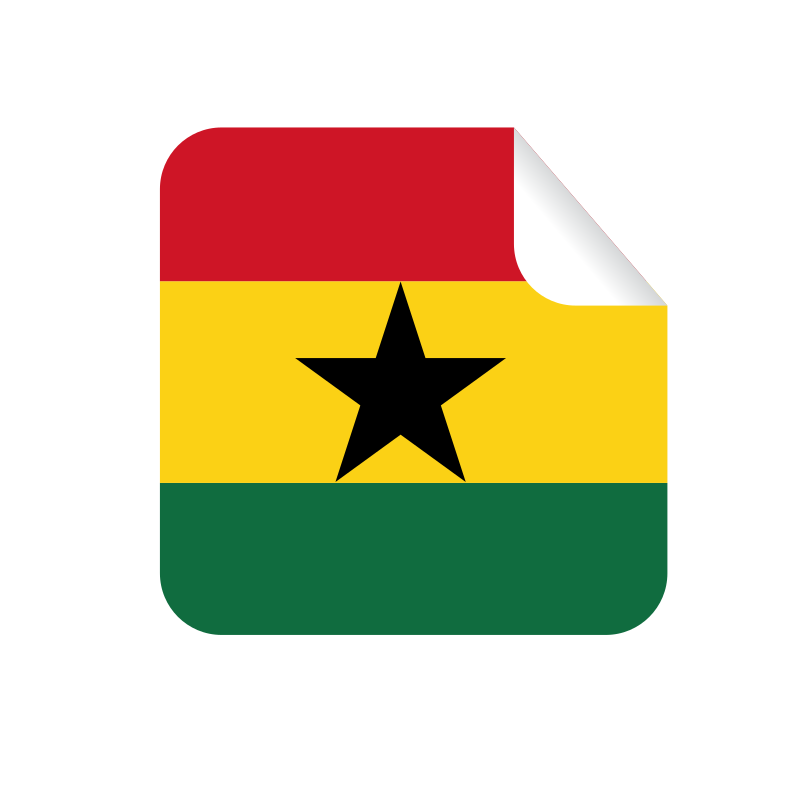
The flag of Ghana holds deep historical and cultural significance, symbolizing the nation’s independence, unity, and rich heritage. Designed in 1957, the flag features striking horizontal stripes of red, gold, and green, with a black star in the center, representing freedom, mineral wealth, and hope. As a powerful national emblem, the Ghana flag reflects the country’s journey to independence and its aspirations for a prosperous future.
Origins of the Flag
The flag of Ghana holds deep historical and cultural significance, symbolizing the country’s journey to independence and its national identity. It was officially adopted on March 6, 1957, when Ghana gained independence from British colonial rule, making it one of the first African nations to do so. The flag’s design reflects the nation’s values and aspirations, with its vibrant colors and symbols representing unity, freedom, and the rich heritage of the people.
The Ghana flag consists of three horizontal stripes: red at the top, yellow in the middle, and green at the bottom. The red symbolizes the blood of those who fought for independence and the sacrifice of the martyrs. The yellow (or gold) stripe represents the country’s mineral wealth and future mineral wealth, as well as the wealth of the land. The green signifies Ghana’s lush forests, agriculture, and natural resources, emphasizing the importance of the environment and sustainability. In the center of the yellow stripe is a black five-pointed star, which stands for African emancipation and unity, and is a symbol of hope and perseverance for the nation.
The origins of the Ghana flag are rooted in the country’s struggle for independence and its desire to establish a unique national identity distinct from its colonial past. The flag was designed by Theodosia Okoh, a prominent Ghanaian artist and educator, who was inspired by Pan-African colors and symbolism. The choice of colors and the star was intended to reflect Ghana’s commitment to freedom, progress, and the collective strength of its people. The flag remains a powerful emblem of Ghana’s sovereignty and pride, evoking the country’s historical journey, cultural heritage, and aspirations for the future.
Symbolism of Colors
The Ghana flag holds a rich history and symbolizes the nation’s identity and aspirations. It was officially adopted on March 6, 1957, when Ghana gained independence from British colonial rule. The flag’s design reflects the country’s commitment to freedom, unity, and hope for the future. The horizontal stripes of red, yellow, and green are inspired by the Pan-African colors, emphasizing solidarity with other African nations.
The colors of the Ghana flag each carry significant symbolism. The red stripe represents the bloodshed and sacrifice made by those who fought for independence. The yellow (or gold) symbolizes the country’s mineral wealth and natural resources. The green stands for the rich forests, agriculture, and the hope for growth and fertility. Together, these colors convey Ghana’s pride in its heritage and its optimistic outlook for progress and unity among its people.
Evolution of the Flag Design
The Ghana flag holds a deep historical and symbolic significance, reflecting the country’s journey to independence and its national identity. The flag’s design has evolved over time, representing different phases of Ghana’s history and aspirations for unity, freedom, and progress.
- The original flag of Ghana was adopted on March 6, 1957, when Ghana gained independence from British colonial rule. It features three horizontal stripes of red, yellow, and green, with a black star in the center of the yellow stripe.
- The red stripe symbolizes the blood shed for independence and the struggle for freedom.
- The yellow (or gold) stripe represents the richness of Ghana’s mineral resources and wealth.
- The green stripe signifies the country’s lush forests, agriculture, and natural resources.
- The black star stands for African emancipation and unity, serving as a guiding symbol for freedom and liberation.
- Throughout its history, the flag’s design has remained relatively consistent, but there have been minor adjustments in proportions and the placement of the star to standardize its appearance.
- The flag has become a powerful symbol of Ghanaian independence, pride, and the spirit of resilience among its people.
Design and Construction of the Ghana Flag
The design and construction of the Ghana flag reflect the nation’s rich history, culture, and aspirations. Carefully crafted with meaningful symbols and colors, the flag serves as a powerful symbol of independence and unity for the Ghanaian people. Its distinctive layout and vibrant hues make it instantly recognizable and deeply significant.
Color Specifications
The Ghana flag features a horizontal triband of red, yellow, and green with a black five-pointed star in the center of the yellow band. The design and construction of the flag are carefully regulated to maintain its proportions and symbolism. The flag’s proportions are typically 2:3, with the width being one and a half times the height. The red stripe represents the blood of those who fought for independence, the yellow (or gold) symbolizes wealth and natural resources, and the green stands for Ghana’s rich forests and agricultural wealth. The black star embodies the emancipation and unity of Africa. The colors used are specified with precise color codes for consistency in manufacturing, although variations may exist in different specifications. The flag is constructed by dividing the rectangular shape into three equal horizontal sections with the black star centered in the yellow band, ensuring symmetry and visual balance. Proper construction includes accurate measurements for stripe dimensions and precise placement of the star to reflect the national symbolism accurately. The detailed design process ensures that the flag can be reliably reproduced across various materials and contexts, upholding its national significance and identity.
Proportions and Dimensions
The Ghana flag is a symbol of national pride and identity, featuring specific proportions and dimensions that reflect its historical and cultural significance. Its design consists of horizontal stripes and a distinctive star at the center, all carefully measured to maintain its visual harmony and symbolism.
- The flag’s proportions are set at a ratio of 2:3, meaning the height is two units and the length is three units.
- It is divided into five horizontal stripes of equal width; from top to bottom they are red, yellow, green, yellow, and red.
- The central yellow stripe is twice the height of each of the other stripes and contains a black five-pointed star in the middle.
- The black star is centrally located within the yellow stripe, with its diameter proportional to the stripe’s height.
- The width of each stripe is one-fifth of the total height of the flag, ensuring uniformity across the design.
Flag Ratio and Orientation
The Ghana flag is a symbol of the nation’s independence and unity, featuring a distinctive design and specific construction guidelines. It consists of three horizontal stripes of equal width, colored red, yellow, and green from top to bottom. In the center of the yellow stripe, there is a black five-pointed star that represents African emancipation and victory. The flag’s ratio is 2:3, meaning its width is twice its height, which is a standard proportion used internationally. The orientation of the flag should be such that the red stripe is at the top, followed by yellow in the middle, and green at the bottom, with the black star positioned centrally on the yellow stripe. These design elements reflect Ghana’s rich heritage, struggles for independence, and hope for a prosperous future.
Colors and Their Symbolism
Colors play a significant role in language and symbolism, often conveying deeper meanings and cultural values. In the context of national symbols, such as flags, colors can represent history, beliefs, and identity. The Ghana flag, with its vibrant hues, exemplifies this connection as each color holds specific symbolic significance, reflecting the nation’s heritage and aspirations.
Red: Blood and Sacrifice
Red on the Ghana flag symbolizes the blood of those who fought for the country’s independence and represents sacrifice and bravery. It serves as a reminder of the sacrifices made by heroes to secure freedom and sovereignty for Ghana.
Gold: Mineral Wealth and Prosperity
The color gold on the Ghana flag holds significant symbolism, representing the mineral wealth and prosperity of the nation. It reflects Ghana’s rich natural resources, especially its gold reserves, which have historically contributed to its economic growth and development. Gold embodies the country’s hope for future prosperity and success, inspiring pride among its citizens.
- Gold signifies the abundant mineral resources in Ghana, highlighting its historical importance in trade and wealth accumulation.
- It symbolizes prosperity, wealth, and economic strength, emphasizing the country’s potential for growth.
- Gold also stands for the bright future and hope of the Ghanaian people to achieve prosperity through development and unity.
Green: Agriculture and Forests
Green on the Ghana flag symbolizes the country’s rich natural resources, especially its lush forests and vibrant agricultural sector. It represents the importance of agriculture to Ghana’s economy and the beauty of the country’s landscapes. The green color also reflects hope and growth for the nation’s future, emphasizing a connection to nature and sustainability.
Black Star: African Unity and Freedom
The Ghana flag features a prominent black star that symbolizes African unity and the struggle for freedom. The black star represents the hope and resilience of the African people in their pursuit of independence and sovereignty. The flag’s colors also hold significant meanings: red symbolizes the blood shed for independence, gold signifies the country’s rich mineral wealth, and green stands for the lush forests and natural resources of Ghana. Together, these elements underscore Ghana’s commitment to unity, strength, and progress in the context of African liberation movements.
Flag Usage and Protocol
The proper use and protocol of flags are essential for honoring national pride and respecting symbolic representations. In the context of Ghana, the flag’s significance extends beyond its colors and design, embodying the history, culture, and aspirations of the nation. Understanding the respectful display and handling of the Ghana flag helps maintain the dignity and honor of the country in various settings and occasions.
Official Flag Raising Ceremonies
The Ghana flag is a significant national symbol that embodies the country’s heritage, history, and values. Proper flag usage and protocol are essential to demonstrate respect and patriotism during official ceremonies and everyday display.
Official flag raising ceremonies in Ghana follow specific guidelines to honor the flag’s dignity. These ceremonies are often conducted during national holidays, state functions, and other important events. The protocol ensures that the flag is handled with respect and displayed correctly.
- The flag should be raised briskly at the start of the ceremony and lowered slowly and ceremoniously at the end.
- The flag must always be flown in a position of honor, prominently displayed and free from any damage or defacement.
- During the raising or lowering, attendees should stand at attention, and their hats should be removed as a sign of respect.
- The flag should be flown in good weather and not used to cover objects or as a drapery.
- When displayed with other flags, the Ghana flag should be given the position of honor, typically to the right of other flags when in a line or in the center when displayed alone.
By adhering to these flag usage protocols, individuals and organizations show respect for Ghana’s national symbol and uphold the dignity of the country during official events and daily displays.
Flying the Flag in Public and Private Spaces
The Ghana flag holds significant national symbolism and should be displayed with respect and adherence to proper protocols. When flying the Ghana flag in public or private spaces, it is important to follow established guidelines to honor the nation’s symbols correctly. The flag should be raised during official ceremonies, national holidays, and whenever appropriate to show patriotism. It must be kept clean, in good condition, and flown at the right height and position, with the black star always visible and centered. When displayed alongside other flags, the Ghana flag should be positioned to the right of other flags or in a position of honor. During lowering or retiring the flag, it should be done with dignity and care. Proper flag etiquette also includes not allowing the flag to touch the ground or be used for commercial or disrespectful purposes, ensuring it remains a proud symbol of Ghana’s unity and identity.
Respect and Etiquette
The Ghana flag serves as a powerful symbol of national pride and identity, embodying the country’s history, culture, and aspirations. Proper flag usage and protocol are essential to honoring this symbol and demonstrating respect for Ghana’s sovereignty. When displaying the flag, it should be raised briskly and lowered ceremoniously, always ensuring it is in good condition and free from damage. It is customary to fly the Ghana flag on national holidays, official buildings, and during significant events, following established guidelines to show reverence.
Respect and etiquette play a vital role in the proper treatment of the Ghana flag. The flag should never touch the ground or water, as this is considered disrespectful. When the flag is displayed with other flags, it should be placed in a position of honor, often at the highest point or to the right of other flags. During national anthems or when the flag is being raised or lowered, individuals should stand at attention as a sign of respect. Proper conduct reflects the pride of Ghanaian citizens and their reverence for national symbols, reinforcing unity and patriotism across the nation.
Flag Variations and Related Symbols
The flag of Ghana is a vibrant symbol of the country’s rich history and cultural identity. Variations and related symbols associated with the Ghana flag often reflect different interpretations or historical versions, highlighting the nation’s journey toward independence and unity. These flag variations serve to honor Ghana’s heritage and are used in various contexts to convey national pride and patriotism.
Historical Flags of Ghana
The flag of Ghana features a horizontal tricolor of red, yellow, and green with a black star in the center of the yellow stripe, symbolizing African emancipation and unity. Throughout history, Ghana has experienced various flag changes reflecting its political evolution. Initially, before independence in 1957, regional flags and symbols were used to represent different groups. The current flag was designed by Theodosia Okoh and adopted upon independence, becoming a symbol of national pride. Variations and related symbols include the use of different Star designs, emblem placements, and modifications during different regimes. Some historic flags incorporate additional symbols such as the coat of arms or different color schemes, but the modern flag remains a unifying icon. Overall, the flags and symbols of Ghana reflect its journey toward independence, unity, and pride in its African identity.
Regional and Institutional Flags
The Ghana flag features a distinctive design with horizontal stripes of red, gold, and green, symbolizing the country’s rich history, natural wealth, and lush vegetation. In the center of the gold stripe, there is a black star that represents African emancipation and unity. Variations of the flag are sometimes used in regional or institutional contexts, incorporating additional symbols or emblems to signify specific organizations or regions within Ghana. These related symbols often maintain the core colors but may include logos, crests, or other motifs to reflect local identity or institutional affiliation. Flag variations serve as a way to express regional pride or organizational unity while preserving the national symbolism of Ghana’s main flag. Regional and institutional flags in Ghana are important symbols that reinforce cultural identity, heritage, and collective solidarity across different sectors of society.
Flags of Related Institutions and Organizations
The Ghana flag features horizontal stripes of red, yellow, and green with a black star in the center of the yellow stripe. Variations of the flag may include different proportions or additional symbols used for specific occasions or organizational contexts. Related symbols often incorporate the black star, which represents African emancipation and unity, and are used by various institutions or movements within Ghana. Flags of related institutions, such as political parties, military units, and cultural organizations, often incorporate elements from the national flag to emphasize national identity and pride. These variations and related symbols serve to strengthen cultural ties and convey specific messages aligned with Ghana’s history and values.




0 Comments