

History of Ethiopian Coffee
Ethiopian coffee is renowned for its rich history and unique flavors, making it one of the most celebrated coffee origins in the world. Originating from the ancient Kaffa region, Ethiopian coffee has played a vital role in the country’s culture and economy for centuries. Traditionally wild and uniquely local, Ethiopian coffee is considered the birthplace of coffee and holds a special place in global coffee heritage.
Origins and Legend of Kaldi
Introduction to Ethiopian Coffee reveals a rich and ancient history rooted deeply in the nation’s culture and traditions. Known for its unique flavors and origins, Ethiopian coffee is considered the birthplace of coffee itself, with a story spanning centuries. This vibrant history is intertwined with legends and historical accounts that highlight its significance in Ethiopian society.
The origins of Ethiopian coffee trace back thousands of years to the Ethiopian highlands, where wild coffee trees were first discovered. These beans eventually became a vital part of local life, transforming into a cherished beverage that spread through trade and cultural practices. Ethiopian coffee cultivation and consumption became integral to social gatherings, ceremonies, and daily routines, reflecting its deep historical roots.
A famous legend associated with Ethiopian coffee is the story of Kaldi, a goat herder who supposedly lived in the region over a thousand years ago. According to the legend, Kaldi noticed his goats becoming unusually energetic after eating red cherries from a certain bush. Curious, he tried the cherries himself and discovered their stimulating effects. The local monastery then learned about this discovery, and monks eventually began brewing the beans into a drink that helped them stay awake during long prayers. This legend, though anecdotal, captures the cultural importance of coffee in Ethiopia and its mystical origins.
Throughout history, Ethiopian coffee was transported along trade routes, becoming known in distant lands and establishing Ethiopia as the original home of coffee. Today, Ethiopian coffee continues to be celebrated globally for its distinctive taste, fragrant aroma, and rich cultural heritage, maintaining its legacy rooted in centuries of tradition and legend.
Historical Cultivation Practices
Ethiopia is widely considered the birthplace of coffee, with a rich history that dates back centuries. According to local legend, the discovery of coffee is attributed to a Ethiopian goat herder named Kaldi, who noticed his goats becoming energetic after eating the red cherries from a particular tree. This discovery led to the cultivation and brewing of coffee as a popular beverage. Historically, Ethiopian farmers practiced traditional cultivation methods, often growing coffee wild in forested areas or on small plots known as “garden coffee.” These practices involved hand-picking ripe cherries and processing them through sun-drying or simple fermentation techniques. Ethiopian coffee cultivation has long been intertwined with local cultural and spiritual practices, with many communities cultivating coffee as a means of livelihood for generations. The indigenous knowledge and sustainable practices have contributed to Ethiopia’s reputation for producing some of the world’s finest coffee beans, renowned for their unique flavors and diverse profiles stemming from the country’s varied climates and terrains.
Evolution of Coffee Consumption in Ethiopia
The history of Ethiopian coffee is deeply intertwined with the country’s cultural and agricultural heritage. Known as the birthplace of coffee, Ethiopia has cultivated and consumed coffee for centuries, dating back to the 9th century. Legend attributes the discovery of coffee to a goat herder named Kaldi, who noticed his goats becoming energetic after eating the red cherries from a particular tree. This discovery eventually led to the development of coffee as a vital part of Ethiopian society and economy.
The evolution of coffee consumption in Ethiopia reflects its cultural significance and diversity. Traditionally, Ethiopian coffee is prepared and enjoyed through a ceremonial process called “Jebena Buna,” which involves roasting green beans on a pan, grinding them, and brewing the coffee in a special pot called a jebena. Coffee ceremonies are often social events, symbolizing hospitality and community bonding.
- Early Beginnings: Coffee was discovered in Ethiopia and used primarily in local communities for centuries.
- Cultural Integration: Coffee became embedded in Ethiopian rituals and social gatherings, serving as a symbol of hospitality and friendship.
- Economic Development: The cultivation and trade of coffee transformed Ethiopia into a major coffee exporter, influencing the economy and development of the country.
- Modern Consumption: Today, Ethiopia is known for its high-quality Arabica beans, with coffee remaining a central element of Ethiopian culture and a significant export product.
Coffee Production in Ethiopia
Ethiopia is renowned as the birthplace of coffee and is celebrated for its rich coffee heritage and diverse coffee varieties. The country’s unique climate and high-altitude regions create ideal conditions for cultivating high-quality coffee beans. Ethiopian coffee production plays a vital role in the nation’s economy and culture, making it a key player in the global coffee industry. From lush plantations to traditional processing methods, Ethiopia’s coffee embodies a deep cultural significance and exceptional flavors.
Major Coffee Growing Regions
Ethiopia is renowned for its rich and diverse coffee production, which is deeply rooted in its cultural and agricultural heritage. The country is considered the birthplace of coffee, and its beans are highly valued worldwide for their unique flavors and quality. Ethiopian coffee is typically grown at high altitudes in fertile volcanic soil, which contributes to its complex taste profile.
The major coffee growing regions in Ethiopia include Sidama, Yirgacheffe, Uraga, Jimma, and Sidamo. Sidama, located in the Southern Nations, Nationalities, and Peoples’ Region, is famous for its vibrant and fruity coffees. Yirgacheffe, part of the Gedeo Zone, is renowned globally for its floral and citrus notes derived from its high-altitude plantations. Jimma, situated in southwestern Ethiopia, produces coffee with a full-bodied and earthy flavor. Sidamo, in the southeastern part of the country, is known for its bright acidity and balanced cup profile. Each region’s distinct climate and altitude create unique flavors that contribute to Ethiopia’s reputation as a top coffee producer worldwide.
Types of Coffee Grown
Ethiopia is renowned for its rich coffee heritage and is considered the birthplace of coffee beans. The country’s diverse climates and rich volcanic soils contribute to the unique flavors and high quality of its coffee production.
There are several types of coffee grown in Ethiopia, each with distinct characteristics and flavors. The main types include:
- Coffee Arabica: This is the most widely cultivated coffee in Ethiopia, known for its complex flavors, floral aroma, and vibrant acidity.
- Yirgacheffe Coffee: A subset of Arabica, Yirgacheffe coffee is famous for its bright citrus notes, full body, and distinctive floral scents.
- Sanca Coffee: Also part of the Arabica family, Sanca coffee is appreciated for its smooth taste and balanced acidity.
- Jima Coffee: Known for its rich, full-bodied flavor with hints of spice and fruit.
Cultivation Techniques and Farming Methods
Ethiopia is renowned for its rich coffee heritage, being one of the world’s top coffee producers. The country’s diverse climates and altitudes create ideal conditions for cultivating high-quality Arabica beans, which are highly sought after globally.
Coffee cultivation in Ethiopia primarily involves smallholder farmers who cultivate coffee on hillside plots and small farms. The traditional approach often includes intercropping coffee with other crops such as honey, fruits, or spices, promoting biodiversity and sustainable farming practices. Coffee plants are typically grown under the shade of native trees, which helps maintain soil fertility and protect against harsh weather conditions.
Farmers in Ethiopia employ various cultivation techniques, including hand-picking ripe cherries to ensure quality and early processing methods like sun-drying or moist processing. Pruning and mulching are common practices used to improve plant health and boost yield. The use of organic fertilizers and composting is also popular, aligning with environmentally friendly farming. These methods, combined with Ethiopia’s innate expertise in coffee farming, contribute to the unique flavors and high quality of Ethiopian coffee beans.
Processing and Processing Techniques
Processing and processing techniques play a crucial role in defining the unique flavors and quality of Ethiopian coffee. From harvesting ripe cherries to intricate processing methods, each step influences the final taste profile enjoyed worldwide. Understanding these techniques provides valuable insight into Ethiopia’s rich coffee culture and its reputation as a leading coffee producer.
Harvesting Methods
Processing and processing techniques, along with harvesting methods, play a crucial role in ensuring the quality of Ethiopian coffee. Ethiopian coffee is renowned globally for its unique flavors and aromas, which are largely influenced by the methods used in its post-harvest handling. The two main processing techniques in Ethiopia are washed (cleaned) and natural (dry) processing. In the washed method, coffee cherries are depulped, fermented, washed, and then dried, resulting in a bright and clean cup profile. The natural process involves drying whole cherries in the sun, which imparts a fruity and complex flavor to the beans. Harvesting methods typically involve selective hand-picking, where only ripe cherries are picked to maintain high quality. Farmers often harvest multiple times during the season to ensure only mature cherries are collected, emphasizing the importance of careful selection. These meticulous processing and harvesting techniques are essential for Ethiopian coffee to exhibit its characteristic brightness, acidity, and layered flavor profile, making it highly sought after worldwide.
Processing Methods: Washed and Natural
Processing and processing techniques play a crucial role in shaping the unique flavors of Ethiopian coffee. These methods influence the coffee’s aroma, body, and taste profile, giving Ethiopian coffee its distinct character. Among the primary processing methods are washed and natural processing, each offering different outcomes that highlight different aspects of the beans.
In the washed processing method, also known as wet processing, the coffee cherries are carefully pulped to remove the outer skin, then fermented to eliminate the mucilage before being thoroughly washed. This technique results in a clean, bright cup with vibrant acidity and delicate flavor notes often associated with Ethiopian highlands. It emphasizes clarity and highlights the bean’s inherent fruity and floral characteristics.
Natural processing, or dry processing, involves spreading the whole cherries out in the sun to dry naturally without removing the outer fruit before fermentation. This method imparts a heavier body and a fruit-forward profile, often with wine-like and berry notes. Natural Ethiopian coffees tend to be more complex and intense, offering a different experience compared to washed coffees. Both processing techniques are valued for their ability to showcase Ethiopia’s diverse coffee flavors and contribute to the country’s esteemed reputation in the global coffee industry.
Drying and Milling Processes
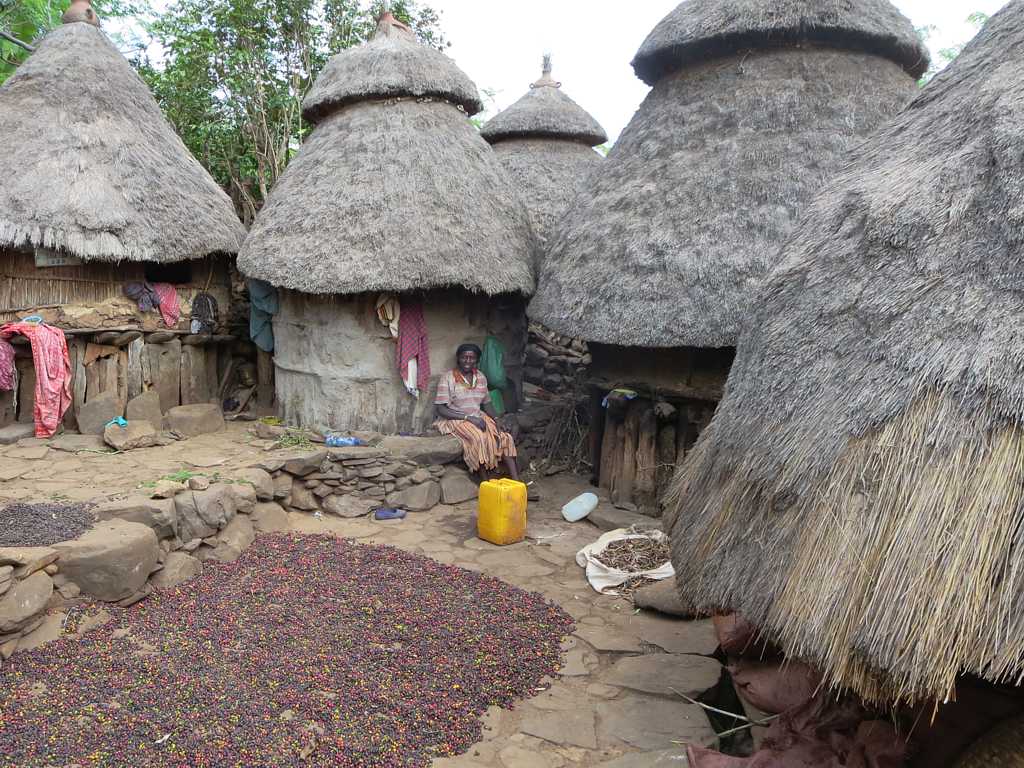
Processing and processing techniques play a crucial role in shaping the quality and flavor of Ethiopian coffee. The methods used, such as washed, natural, and honey processing, each influence the final profile of the beans, highlighting their unique regional characteristics. Drying and milling are essential steps that ensure the coffee is preserved and prepared for export. Drying involves carefully reducing the moisture content of the beans to prevent mold and ensure stability during storage. Usually, sun-drying or mechanical drying methods are employed, depending on the region’s climate and resources. Following drying, milling processes such as hulling and polishing remove the outer layers of parchment and husk, revealing the green coffee beans ready for grading and packaging. Proper implementation of these processes is vital to maintaining and enhancing the distinctive qualities of Ethiopian coffee, which is renowned globally for its vibrant flavors and aromatic complexity.
Distinctive Ethiopian Coffee Varieties
Ethiopia is renowned for its unique and diverse coffee varieties, often regarded as the birthplace of coffee itself. Its rich volcanic soil, high-altitude regions, and traditional cultivation methods produce beans with exceptional flavor profiles and aromatic qualities. These distinctive Ethiopian coffee varieties offer a delightful experience that reflects the country’s vibrant culture and ancient coffee heritage.
Yirgacheffe
Yirgacheffe is renowned for its distinctive coffee varieties that showcase the rich and diverse coffee heritage of Ethiopia. This region produces some of the world’s most celebrated Arabica beans, characterized by their bright acidity, floral notes, and fruity undertones. The unique climate, high altitude, and fertile soil of Yirgacheffe contribute to the complex flavor profiles that set these coffees apart. Ethiopian Yirgacheffe coffee is often processed using the washed method, which enhances clarity and brightness, making it a favorite among connoisseurs. Each harvest reflects the traditional methods and the dedication of local farmers, ensuring that Yirgacheffe remains a symbol of exceptional quality and distinctiveness in Ethiopian coffee worldwide.
Sedjah
Senja, also known as Sedjah, is a distinctive Ethiopian coffee variety celebrated for its rich flavor profile and unique characteristics. Grown in specific regions of Ethiopia, Sedjah is renowned for its bright acidity, complex citrus notes, and floral aroma, making it a favorite among coffee connoisseurs. This variety benefits from Ethiopia’s high-altitude plantations and fertile volcanic soils, which enhance the coffee’s distinctiveness. As part of Ethiopia’s diverse coffee heritage, Sedjah contributes to the country’s reputation as the birthplace of coffee and a global leader in high-quality, specialty coffee production.
Sidamo
Sidamo is one of Ethiopia’s most renowned coffee varieties, celebrated for its unique and vibrant flavor profile. Grown in the fertile, high-altitude regions of southern Ethiopia, Sidamo coffee offers a bright, floral aroma with hints of citrus and berry. Its medium body and lively acidity make it a favorite among coffee connoisseurs seeking a complex and aromatic experience. The distinct taste reflects the rich volcanic soil and traditional cultivation methods that are characteristic of the Sidamo region. As part of Ethiopia’s diverse coffee heritage, Sidamo represents the country’s commitment to producing high-quality, distinctive coffee varieties that have gained international acclaim.
Guji
Guji is a renowned Ethiopian coffee variety celebrated for its unique flavor profile and vibrant character. Grown in the Guji zone within the Oromia region, these coffees are often characterized by their bright acidity, floral notes, and fruity undertones, making them highly sought after by coffee connoisseurs worldwide. The altitude and fertile volcanic soil of the region contribute to the coffee’s complex and aromatic qualities. Guji coffees are typically processed using washed techniques, which enhance their clean and crisp taste. As part of Ethiopia’s rich coffee heritage, Guji exemplifies the country’s exceptional range of distinctive coffee varieties that continue to captivate global markets.
Limu
Distinctive Ethiopian coffee varieties are renowned worldwide for their unique flavors and rich cultural heritage. Among these, Limu stands out as one of the most celebrated and sought-after coffee types from Ethiopia. Grown primarily in the Limu region of the Western Ethiopia, Limu coffee is prized for its bright acidity, elegant floral notes, and a balanced body that pleases even the most discerning palates.
Limu coffee is typically processed using washed methods, which enhance its clean and crisp flavor profile. Its complex aroma often includes hints of citrus, jasmine, and herbs, reflecting the lush environment where it is cultivated. Ethiopian farmers take great pride in maintaining traditional practices that preserve the distinctive characteristics of Limu coffee, making it a symbol of Ethiopia’s rich coffee heritage.
As one of Ethiopia’s top export varieties, Limu has gained international recognition for its quality and unique taste. Enjoying Limu coffee offers an authentic experience of Ethiopia’s diverse coffee landscape, highlighting the country’s position as the birthplace of coffee and its ongoing tradition of producing some of the world’s finest beans.
Flavor Profile and Tasting Notes
Ethiopia coffee is renowned for its rich and diverse flavor profile, offering a unique sensory experience with each cup. Tasting notes often highlight vibrant fruitiness, floral undertones, and a bright, lively acidity that reflects the country’s diverse climates and regions. Exploring these flavor nuances allows coffee enthusiasts to appreciate the intricate artistry behind Ethiopian coffee craftsmanship.
Unique Aromas and Flavors
Ethiopia coffee is renowned for its complex and vibrant flavor profile, offering a delightful range of tasting notes that captivate the palate. Typically featuring bright acidity, it often presents citrus and berry undertones, complemented by floral and wine-like nuances. The unique combination of high-altitude cultivation and diverse microclimates contributes to its distinctive aromas and flavors.
Its aromatic profile is characterized by fragrant floral notes, such as jasmine and bergamot, alongside fruity hints like blueberry, mango, and peach. These aromas are often intense and evocative, creating an inviting sensory experience. The flavors can range from sweet and fruity to slightly spicy, with a silky smooth body that enhances the overall tasting journey.
What truly sets Ethiopian coffee apart are its unique aromas and flavors, which reflect the region’s rich biodiversity and traditional processing methods. Many coffees from Ethiopia exhibit a vibrant, wine-like quality with a lingering, complex finish. This combination of aromatic intricacies and flavor depth makes Ethiopian coffee a prized choice for connoisseurs seeking a memorable coffee experience.
Factors Influencing Taste
Ethiopia coffee is renowned for its distinctive flavor profile and complex tasting notes, which reflect the country’s diverse microclimates and rich agricultural heritage. Typically, Ethiopian coffees feature a vibrant acidity complemented by fruity and floral notes, often evoking flavors of blueberries, jasmine, and citrus. The body tends to be light to medium, allowing the intricate flavors to shine through with clarity.
Several factors influence the taste of Ethiopian coffee, including the region where it is grown, altitude, processing methods, and roasting techniques. High-altitude farms tend to produce beans with brighter acidity and more layered flavors. The washed (or wet) processing method highlights clarity and brightness in the cup, emphasizing the fruity and floral characteristics, while natural or dry processing can lend a sweeter, more complex profile with added fruitiness. Additionally, the specific varietal of coffee and the freshness of the beans play crucial roles in developing the overall flavor experience.
Cultural Significance of Ethiopian Coffee
Ethiopian coffee holds a profound cultural significance, embodying the rich history and traditions of the nation. Celebrated as the birthplace of coffee, Ethiopia’s coffee ceremonies are an essential social activity that fosters community and hospitality. This beloved beverage is more than just a drink; it symbolizes hospitality, respect, and cultural identity, making it a vital part of Ethiopian life and heritage.
Coffee Ceremonies and Social Customs
Ethiopian coffee holds a profound cultural significance that dates back centuries, symbolizing hospitality, community, and tradition. Known as the birthplace of coffee, Ethiopia’s unique coffee beans and flavors are integral to the country’s identity. Coffee is much more than a beverage; it embodies social bonds and cultural heritage, often being at the heart of gatherings and celebrations.
The traditional Ethiopian coffee ceremony is a captivating and revered ritual that highlights the importance of hospitality and respect. It typically involves roasting green coffee beans in front of guests, grinding them with a mortar and pestle, and then brewing the coffee in a jebena, a traditional clay pot. The entire process is accompanied by the sharing of stories and songs, fostering social connection and reinforcing community bonds.
Social customs surrounding coffee in Ethiopia emphasize respect, equality, and warmth. The ceremony usually starts with the host offering coffee to visitors as a gesture of welcome and friendship. Multiple rounds of coffee are often served, symbolizing the enduring nature of social ties. This cultural practice reflects Ethiopia’s rich legacy of hospitality and the central role coffee plays in daily life and social cohesion.
Role in Ethiopian Society and Economy
Ethiopian coffee holds a profound cultural significance and plays a vital role in the society and economy of Ethiopia. Renowned as the birthplace of coffee, Ethiopia’s coffee traditions are deeply embedded in its social fabric and everyday life.

- Cultural Significance: Coffee ceremonies are a hallmark of Ethiopian hospitality and social bonding. These rituals involve the roasting, brewing, and sharing of coffee, symbolizing friendship, respect, and community cohesion.
- Role in Society: Coffee serves as a unifying element across different regions and ethnic groups. It is often used during special occasions, religious events, and family gatherings, reinforcing social ties and cultural identity.
- Economic Impact: Ethiopia is one of Africa’s largest coffee producers, and coffee exports are a major source of national revenue. The coffee industry provides employment to millions of smallholder farmers, laborers, and traders, forming a backbone of the country’s economy.
- Global Influence: Ethiopian coffee is highly regarded worldwide for its unique flavors and traditional processing methods, contributing to the country’s reputation as a premium coffee producer and enhancing its cultural export.
Global Impact and Export
Global impact and export play a vital role in shaping Ethiopia’s coffee industry, which is renowned worldwide for its unique flavors and high quality. As one of the leading coffee-producing countries, Ethiopia relies heavily on exporting its coffee beans to meet international demand. This trade not only generates significant revenue for the nation but also influences global coffee markets and fosters cultural connections through Ethiopia’s rich coffee heritage.
International Coffee Markets
Ethiopia is one of the world’s leading coffee producers, and its coffee exports significantly influence the global coffee market. The country’s diverse varieties and unique flavors have cemented its reputation internationally, making it a vital player in shaping global coffee trends and prices. Ethiopian coffee exports generate substantial revenue and contribute to the nation’s economy, supporting millions of farmers and local communities.
The international coffee markets are heavily impacted by Ethiopia’s export policies, harvest yields, and quality standards. As demand for specialty coffees grows worldwide, Ethiopia’s reputation for high-quality Arabica beans enhances its export opportunities and competitiveness. Fluctuations in global coffee prices often mirror Ethiopia’s production levels and political stability, highlighting the importance of these factors for exporters and importers alike.
Furthermore, Ethiopia’s dedication to sustainable farming practices and fair trade initiatives helps maintain its positive image on the international stage. These efforts not only bolster its trade relationships but also ensure the long-term sustainability of its coffee industry, allowing it to meet global demand while protecting its environment and social fabric.
Trade Statistics and Export Data
Ethiopia coffee has a significant global impact as one of the world’s leading coffee producers, renowned for its unique and high-quality beans that contribute to the international coffee market. The country’s export and trade statistics highlight its vital role in the global economy, with coffee generating a substantial portion of Ethiopia’s revenue. Export data indicates consistent growth over recent years, driven by increasing international demand and efforts to improve coffee cultivation and quality. Ethiopia’s coffee trade not only supports local farmers and communities but also reinforces its reputation as a premier coffee origin, making it a key player in global coffee trade and commerce.
Challenges Facing Ethiopian Coffee Industry
Ethiopian coffee has a significant global impact as one of the world’s most renowned coffee origins, contributing substantially to the country’s economy through export revenues. The industry’s reputation for unique, high-quality beans has helped position Ethiopia as a leading coffee exporter, fostering international trade relationships and cultural recognition worldwide.
However, the Ethiopian coffee industry faces numerous challenges that threaten its growth and sustainability. These challenges include:
- Limited access to modern farming technology and techniques, reducing productivity and quality.
- Financial constraints for smallholder farmers, hindering investment in improved cultivation practices.
- Climatic changes and unpredictable weather patterns impacting coffee production levels.
- Inadequate infrastructure for processing, transportation, and export, leading to inefficiencies and quality loss.
- Price volatility in the global coffee market, affecting farmers’ income and industry stability.
- Political and economic instability that can disrupt supply chains and export processes.
Modern Innovations and Sustainability Initiatives
Modern innovations and sustainability initiatives are transforming the Ethiopia coffee industry, blending tradition with technology to ensure quality and environmental preservation. As one of the world’s leading coffee producers, Ethiopia is embracing new practices that promote eco-friendly farming, fair trade, and sustainable growth. These efforts aim to not only enhance coffee quality but also support the livelihoods of local farmers and protect the country’s rich natural resources.
Technological Improvements in Farming
Modern innovations and sustainability initiatives are transforming Ethiopia’s coffee farming, making it more efficient and environmentally friendly. Advanced technologies such as precision agriculture, drone monitoring, and automated irrigation systems help farmers optimize resource use and increase crop yields. These innovations reduce waste and minimize the ecological footprint of coffee production, ensuring long-term sustainability for Ethiopia’s vital coffee industry. Additionally, implementing eco-friendly practices like organic farming and water conservation techniques supports preserving Ethiopia’s unique biodiversity. By embracing technological improvements, Ethiopian coffee farmers can meet global demand while maintaining the health of their land and communities.
Organic and Fair Trade Practices
Ethiopia coffee is renowned for its rich history and unique flavors, and recent innovations have focused on enhancing sustainability and ethical practices within the industry. Modern innovations in Ethiopian coffee production emphasize environmentally friendly methods, technological advancements, and sustainable supply chains to ensure both quality and ecological preservation. Additionally, Ethiopia has increasingly adopted organic and fair trade practices to support farmers, improve livelihoods, and promote environmentally conscious cultivation.
- Implementation of advanced agricultural technologies such as drip irrigation and precision farming to increase yield while conserving water and soil resources.
- Introduction of eco-friendly processing methods that reduce waste and minimize chemical usage.
- Development of renewable energy sources, like solar power, in coffee farms and processing stations.
- Promotion of organic farming practices that eliminate synthetic fertilizers and pesticides, preserving soil health and biodiversity.
- Participation in fair trade certification programs that ensure farmers receive fair compensation and work under safe conditions.
- Support for cooperative models that enable smallholder farmers to access global markets ethically and sustainably.
- Organic cultivation not only enhances the health of the soil and environment but also produces coffee that is highly valued in international markets.
- Fair Trade initiatives help ensure that farmers are paid fairly, which in turn promotes community development and social equity.
- Innovative packaging and supply chain management have been introduced to reduce carbon footprints and ensure freshness.
- Training programs and capacity building efforts are now integral to Ethiopian coffee cooperatives to improve sustainable practices.
- Collaborations between government, NGOs, and private companies are driving forward sustainability and organic standards nationwide.
Environmental Conservation Efforts
Modern innovations and sustainability initiatives have significantly transformed the Ethiopian coffee industry, emphasizing environmental conservation and quality enhancement. Advanced processing techniques and technological improvements help reduce waste and energy consumption, supporting eco-friendly production practices. Initiatives such as shade-grown coffee and organic farming promote biodiversity and protect natural habitats, ensuring the long-term health of coffee-growing regions. Ethiopian coffee producers are increasingly adopting sustainable certifications and engaging in community-based conservation projects, demonstrating a commitment to environmental stewardship while maintaining the rich cultural heritage of coffee cultivation in the country. These efforts not only foster eco-conscious growth but also enhance the global reputation of Ethiopian coffee as a premium, sustainably sourced product.




0 Comments